Adjustable Electric Rotisserie Skewer Suppliers and Manufacturers
Explore 24 verified suppliers offering Adjustable Electric Rotisserie Skewer options with varying lead times, certifications, and response speeds. Compare dimensions like location, MOQ, and product standards to select the right partner for your sourcing needs today; review the available evidence before requesting comparable quotations from suitable candidates.
Suppliers List

Jiangxi Xizhu Bamboo Industry Co., Ltd.
- Verified by BV
- Combined
- China Jiangxi
- Lead time23 days
- Avg. response≤ 3h
Main productsDisposable Bamboo Chopsticks, Bamboo Incense Stick, Bamboo BBQ Skewer, Bamboo Stick
Main marketsSoutheast Asia/ Mideast

Yangjiang C&B Consumer Product Limited
- Verified by CTI
- Trading Company
- China Guangdong
- Lead time15 days
- Avg. response≤ 5h
Main productsBarbecue Tongs, Grilling Brushes, Outdoor Shovel, Grilling Tools, Kitchen Ware, Outdoor Products, Pizza Tools, Knife Set
Main marketsSouth America,Africa,Southeast Asia/ Mideast,Europe,Australia,North America

Stainless Steel Skewer Grilling Kabob Stick Barbecue Needles Roasting Skewer
$0.30 - $0.60
MOQ: 1000 Sets

High Quality Barbecue Metal Skewers Kebab Stainless Steel BBQ Skewers for Grilling
$0.36 - $0.45
MOQ: 1000 Sets

High Quality Stainless Steel Barbecue Sticks, BBQ Tools, Grill BBQ Skewers
$0.30 - $0.68
MOQ: 1000 Sets


Stainless Steel Barbecue Grilling Skewer Set, Grill BBQ Sticks Barbecue Tools
$0.09 - $0.13
MOQ: 1000 Sets
- Manufacturer
- Guangdong, China
- Lead time30 days
- Avg. response≤ 2h
Main productsBBQ Grills,BBQ accessories,BBQ tools,Pizza tools,fireplace sets & accessories
Main marketsWestern Europe(40.00%), Northern Europe(30.00%), North America(20.00%), South America(10.00%)

- Verified by BV
- Trading Company
- China Zhejiang
- Lead time30 days
- Avg. response≤ 12h
Main productsHousehold Products, Recreation& Game Products, Outdoor Products, Garden Products, Pet Products, Car Products, Daily Use Products
Main marketsSouth America,Africa,Southeast Asia/ Mideast,East Asia(Japan/ South Korea),Europe,Australia,North America

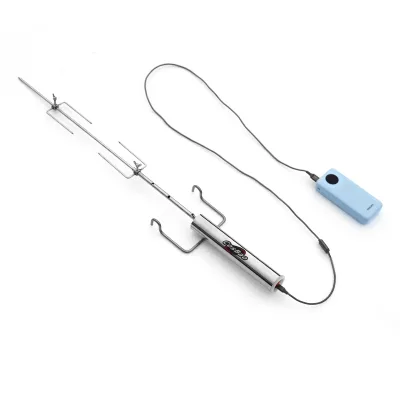
Manufacturer Custom Stainless Steel Rotating Skewer Electric Skewer Turner Barbecue Racks
$75.00 - $80.00
MOQ: 500 Pieces

220V-240V Motor Stainless Steel Barbecue Skewer Rotisserie BBQ Spit Rod Grill Roaster Barbecue Racks
$6.00 - $8.00
MOQ: 500 Pieces

Luohe Juyou Commercial & Trading Co., Ltd.
- Verified by BV
- Trading Company,Manufacturer/Factory
- China Henan
- Lead time15 days
- Avg. response≤ 6h
Main productsDumpling Machine, Tortilla Pita Bread Machine, Meat Cutting Machine, Dough Divider Machine, Dough Mixer Machine, Meat Dicing Machine, Potato Chips Machine, Frying Machine, Packing Machine, Juice Machine
Main marketsSouth America,Eastern Europe,North America,Southeast Asia,Eastern Asia,Western Europe,Africa

Zhengzhou Hento Machinery Co., Ltd.
- Verified by SGS
- Trading Company,Manufacturer/Factory,Group Corporation
- China Henan
- Lead time15 days
- Avg. response≤ 6h
Main productsMeat Processing Machinery, Egg Processing Machinery, Dairy Processing Machinery, Fruit & Vegetable Processing Machinery, Grain Product Making Machines, Snack Machines, Nuts Processing Machinery, Packing Machines, Drying Machines, Commodity Making Machines
Main marketsSouth America,Eastern Europe,Mid East,North America,Southeast Asia,Eastern Asia,Oceania,Western Europe,Africa

Yangjiang S&F Industry&Trade Company Ltd.
- Manufacturer, Trading Company
- Guangdong, China
- Lead time40 days
- Avg. response≤ 1h
Main productsBBQ Tools,Storage Rack,Hook,Fruit Basket
Main marketsNorth America(30.00%), Western Europe(30.00%), Southeast Asia(20.00%), Northern Europe(10.00%), South America(5.00%), Eastern Europe(5.00%)
Vipstar Machinery Technology Co., Ltd.
- Verified by SGS
- Trading Company
- China Hebei
- Lead time15 days
- Avg. response≤ 8h
Main marketsSoutheast Asia/ Mideast

Continuous Electric Meat Skewer Machine for Efficient Cooking Meat Skewer
$3500.00 - $110000.00
MOQ: 1 Pieces

Electric Skewer Professional Skewer Durable Electric Device BBQ Skewer
$2750.00 - $10000.00
MOQ: 1 Pieces

Zhenjiang Trumy Industrial Co., Ltd.
- Trading Company,Manufacturer/Factory
- China Jiangsu
- Lead time30 days
- Avg. response≤ 22h
Main productsFurniture Hardware, Door Hardware, Fastener, Building Material, Bathroom Accessory, Kitchen Accessory, BBQ Grills&Outdoor Cooking, Fire Pit&Fire Place, Outdoor Furniture, Toilet Partitions Accessories
Main marketsSouth America,Eastern Europe,Mid East,North America,Southeast Asia,Eastern Asia,Oceania,Western Europe,Africa

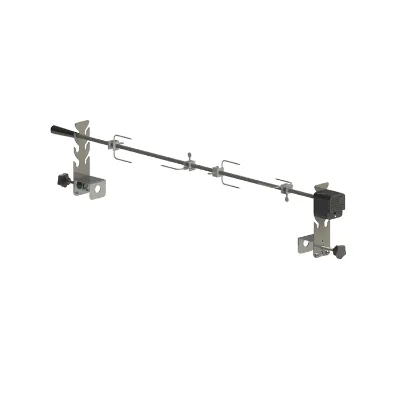
Kebab Skewers with Electric Motor BBQ Top Cypriot Grill Top Rotisserie
$35.00 - $40.00
MOQ: 500 Pieces


Zheng Zhou Taizy Trading Co., LTD
- Verified by BV
- Trading Company
- China Henan
- Lead time15 days
- Avg. response≤ 5h
Main productsWood Processing Machine, Plastic Processing Machine, Charcoal Processing Machine, Food Processing Machine, Waste Recycling Machine, Packing Machine, Agricultural Machine, Egg Tray Machine, Metal Processing Machine
Main marketsSouth America,Others(foreignTradeCapacity.exportBusinessCapacityMarketOther),Southeast Asia/ Mideast,Europe

Automatic Electric Kabab Maker Meat Skewers Machine BBQ Meat Skewer Machine
$2500.00 - $3000.00
MOQ: 1 Pieces


Multifunction Electric Automatic Skewers Kebab Automatic Skewer Machine
$2500.00 - $3000.00
MOQ: 1 Pieces

Stainless Steel Kabab Maker BBQ Meat Skewer Machine Kebab Skewer Machine
$2500.00 - $3000.00
MOQ: 1 Pieces

Automatic Kabab Skewer Making Machine BBQ Kebab Maker Meat Skewers Grill Machine
$2500.00 - $4500.00
MOQ: 1 Pieces

High Efficiency Skewer Machine for Meat Portable Kebab Skewering Machine
$2500.00 - $3000.00
MOQ: 1 Pieces

Kaesid Kitchen Equipment (Shenzhen) Co., Ltd.
- Verified by TUVRHEINLAND
- Manufacturer/Factory
- China Guangdong
- Lead time0 days
- Avg. response≤ 6h
Main productsKitchen Equipment, Catering Equipment, Kitchen Furniture, Ice Cream Maker, Refrigerator, Bakery Equipment, Ice Maker, Home Appliances, Electric Griddle, Electric Pressure Cooker
Dongguan Haohong Outdoor Products Technology Co., Ltd.
- Manufacturer, Trading Company
- Guangdong, China
- Lead time40 days
- Avg. response≤ 16h
Main productsBBQ Grills, Pizza Ovens, BBQ Accessories, Fire Pits
Main marketsNorth America(40.00%), South America(10.00%), Western Europe(10.00%), Southern Europe(10.00%), Northern Europe(10.00%), Eastern Europe(10.00%), Oceania(5.00%), Central America(5.00%)
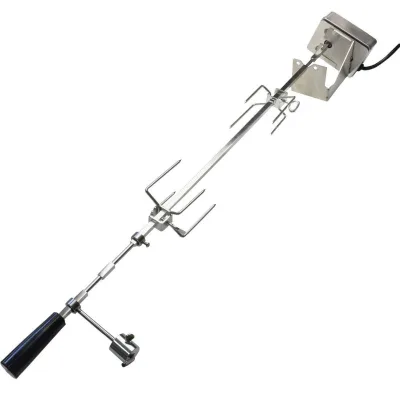
Stainless Steel BBQ Roaster Skewers System Needle Rotating for BBQ Rotisserie Grill
$29.68
MOQ: 500 Minimum

- Verified by TUVRHEINLAND
- Trading Company
- China Zhejiang
- Lead time15 days
- Avg. response≤ 12h
Main productsLED Solar Light, Festival Lights, Table Lamp, LED Grow Lights, LED Light Strip, Smart Lights, LED Light String, Decorative Light, LED Head Light, LED Professional Lights
Main marketsSouth America,Europe,North America

Stainless Steel Metal Round Reusable BBQ Meat Roasting Stick Barbecue Skewer
$0.01 - $0.03
MOQ: 200 Pieces

Outdoor BBQ Barbecue Roasting Sticks Stainless Steel Skewers with Wooden Handle
$0.01 - $0.03
MOQ: 200 Pieces
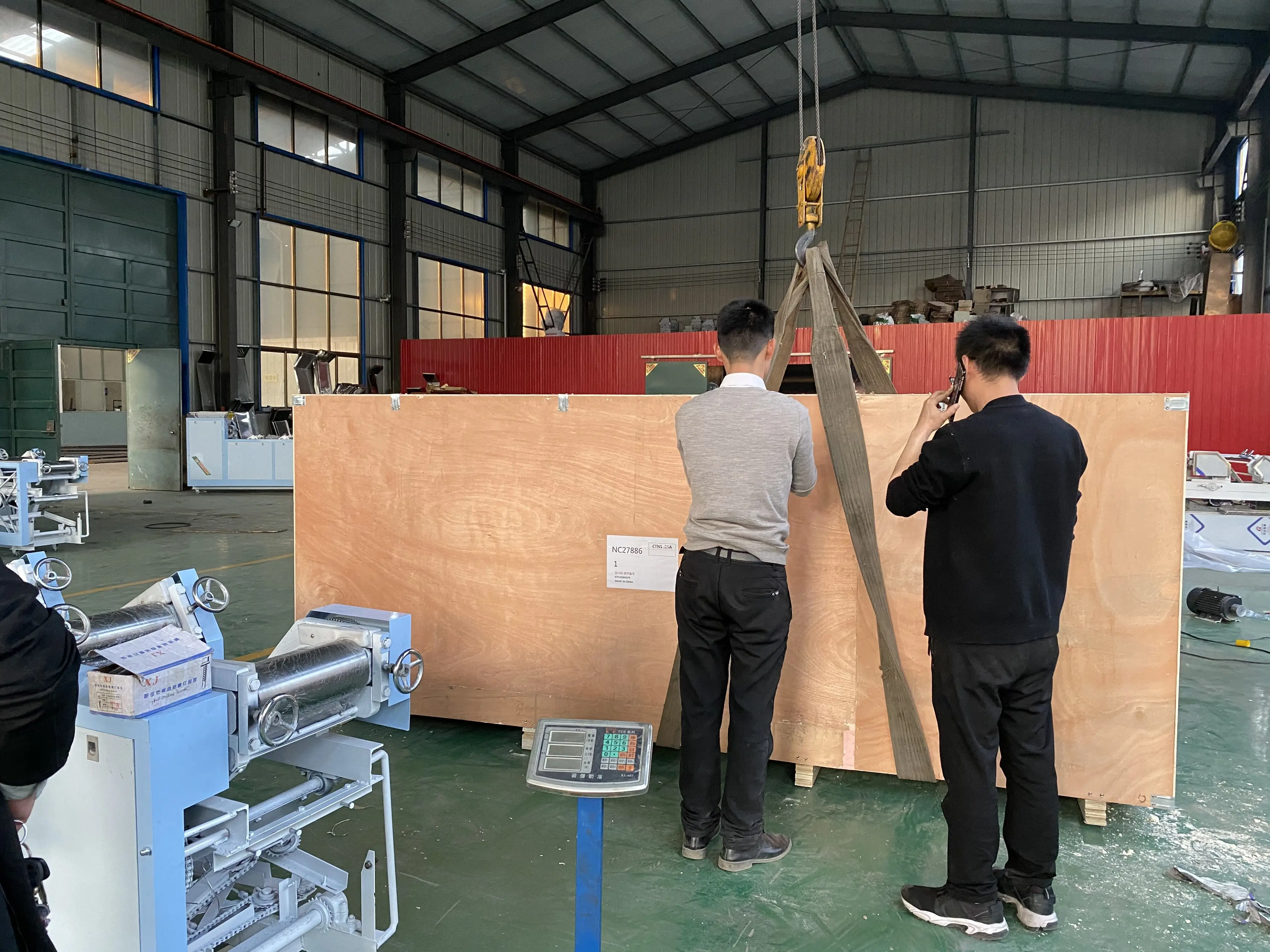
Xingtai Xiangwei Commercial Co., Ltd.
- Trading Company
- Hebei, China
- Lead time7 days
- Avg. response≤ 2h
Main productsDumpling Making Machine,Vegetable Cutting Machine,Meat Cutting Machine,Baozi Making machine,Vegetable Washing Machine
Main marketsNorthern Europe(12.00%), Oceania(11.00%), Eastern Asia(10.00%), North America(10.00%), South Asia(8.00%), Southern Europe(8.00%), Central America(8.00%), Western Europe(8.00%), Mid East(5.00%), Eastern Europe(5.00%), South America(5.00%), Domestic Market(5.00%), Southeast Asia(4.00%), Africa(1.00%)
Guangzhou Hongxin Catering Equipment Manufacturing Co. , Ltd.
- Verified by TüVRheinland
- Manufacturer, Trading Company
- Lead time0 days
- Avg. response≤ 2h
Main productsFryer, Oven, Griddles, BBQ Barbecue, Cook Noodle Stove
Main marketsMid East(40%), Southeast Asia(30%), North America(3%)

- Verified by SGS
- Trading Company
- China Zhejiang
- Lead time15 days
- Avg. response≤ 13h
Main productsTents, BBQ Grill, Folding Table and Chair, Cooler Bag, Outdoor Lamp, Beach Mat, Picnic Blanket, Sleeping Bag, Water Bottle, Hammock
Main marketsEurope,Australia


Kitchen Appliance Grilling Kebab 23 Inch Long Wide Stainless Steel BBQ Skewer
$1.05 - $1.25
MOQ: 800 Pieces

Barbecue Wider Thicker Stainless Steel Outdoors Flat Metal Grilling Skewers
$0.81 - $1.01
MOQ: 1000 Pieces

Rack Meat Grill Stainless Removable Vertical Brazilian Barbecue Grilling Vertical Skewer
$0.92 - $1.12
MOQ: 1000 Pieces


Foshan Nanhai Xiaotang Baonan Kitchen Equipment Factory
- Manufacturer, Trading Company
- Lead time旺季: "1 - 500":45,"> 500":"To be negotiated", 淡季: "1 - 500":45,"> 500":"To be negotiated"
- Avg. response≤ 2h
Main productsCharcoal Barbecue Oven, Commercial Refrigerator, Pizza Oven, Worktable

Taojiang Meiling Bamboo Products Manufacturer
- Verified by BV
- Combined
- China Hunan
- Lead time23 days
- Avg. response≤ 3h
Main marketsSoutheast Asia/ Mideast,North America

BBQ Bamboo Skewer Bamboo Barbecue Roasting Sticks Skewer with 30 Inch 5mm
$21.00 - $25.00
MOQ: 600 Boxes


55cms Machine Cut Potato Skewer Barbeque Chicken Roaster Thin Meat Bamboo Skewer
$21.00 - $25.00
MOQ: 600 Boxes

Guangdong Jieguan Kitchen Equipment Manufacturing Co., Ltd.
- Combined
- China Guangdong
- Lead time30 days
- Avg. response≤ 7h
Main productsCombi Oven, Convection Oven, Fryer, Griddle, Induction Cooker, Coffee Maker, Chicken Rotisserie, Food Warmer, Bain Marie, Pasta Cooker and Cooking Range
Main marketsSouth America,Africa,Others(foreignTradeCapacity.exportBusinessCapacityMarketOther),Europe,Australia


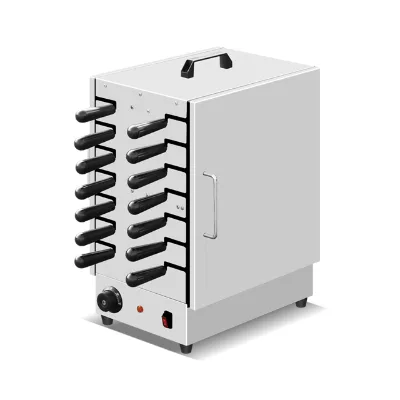
Commercial Kitchen Mutton String Rotary Roaster Meat Skewer Grill Chicken Wings Roaster
$230.00 - $250.00
MOQ: 1 Pieces

Guangzhou Hongyi Catering Equipment Co., Ltd
- Verified by TUVRHEINLAND
- Combined
- China Guangdong
- Lead time15 days
- Avg. response≤ 6h
Main productsDeep Fryer, Marinating Machine, Grill, Oven, Ice Cream Machine, Commercial Cooking Machine
Main marketsDomestic

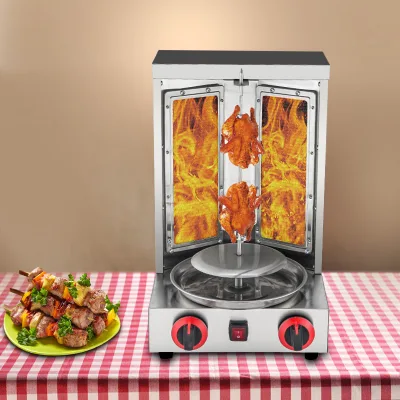
Double-Headed Electric Middle Eastern Style Barbecue Grill/Outdoor Chicken Rotisserie
$137.00 - $183.00
MOQ: 1 Pieces

Electric Grill/Roaster for Making Chicken Beef and Lamb Restaurant Style Barbecue Grill.
$70.00 - $94.00
MOQ: 1 Pieces
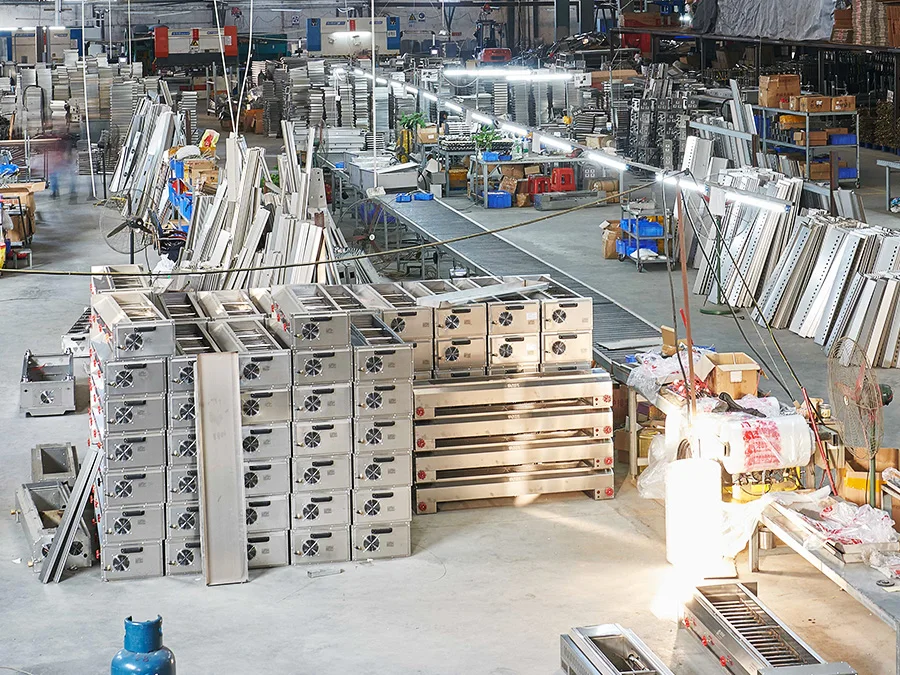
Beijing Xiongpeng Century Trading Co., Ltd.
- Trading Company
- Beijing, China
- Lead time5 days
- Avg. response≤ 1h
Main productsBBQ Grills,Shawarma Machine,Griddles,Pizza Oven,Gas BBQ Grill
Main marketsNorth America(30.00%), Central America(10.00%), Eastern Europe(10.00%), South America(10.00%), South Asia(5.00%), Southern Europe(5.00%), Northern Europe(5.00%), Southeast Asia(5.00%), Western Europe(5.00%), Eastern Asia(5.00%), Mid East(5.00%), Africa(5.00%)
Guangzhou Jieguan Western Kitchen Equipment Factory
- Verified by Intertek
- Manufacturer, Trading Company
- Lead time15 days
- Avg. response≤ 3h
Main productsOven, Gas Range, Fryer, Griddle, Food Warmer Cabinet
Main marketsWestern Europe(18%), Southeast Asia(15%), Mid East(12%)
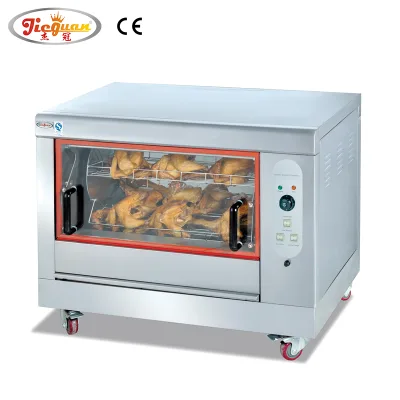
Electric Chicken Rotisseries with Wheel CE Chicken Roaster for Restaurant Kitchen
$275.36 - $305.96
MOQ: 1 pieces
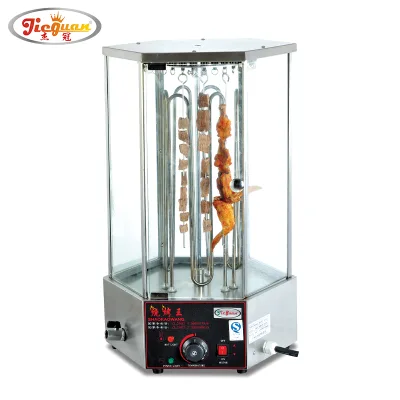
Mutton String Rotary Roaster Meat Skewer Grill Chicken wings Roaster
$250.00 - $286.00

Xiamen Chengfengxin Industry & Trade Co., Ltd.
- Verified by BV
- Trading Company
- China Fujian
- Lead time23 days
- Avg. response≤ 13h
Main productsBamboo Cutting Board, Bamboo Bathtub Rack Caddy, Bamboo Tablet Computer Desk, Bamboo Kitchenwares Holder Organization, Bamboo Home Storage, Home Office Collection, Eco-Friendly Kitchen Products, Bamboo Kitchen Tools, Bamboo Diffuser, Eco-Friendly Green Products
Main marketsSoutheast Asia/ Mideast,Europe,Australia,North America

Anhui Hongye Group Ecological Bamboo Fiber Technology Co., Ltd.
- Trading Company,Manufacturer/Factory
- China Anhui
- Lead time15 days
- Avg. response≤ 20h
Main productsBamboo Straw, Bamboo Ice Cream Stick, Bamboo Skewer, Bamboo Toothpicks, Bamboo Chopsticks
Main marketsSouth America,Eastern Europe,Mid East,North America,Southeast Asia,Eastern Asia,Oceania,Western Europe,Africa








Comprehensive Sourcing Guide
Adjustable Electric Rotisserie Skewer Supplier Concentration and Factory Types
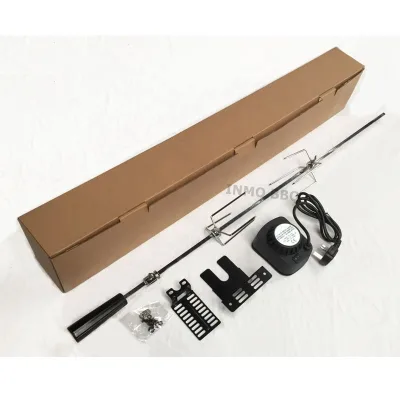
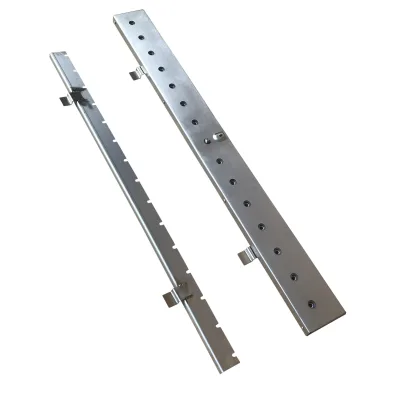
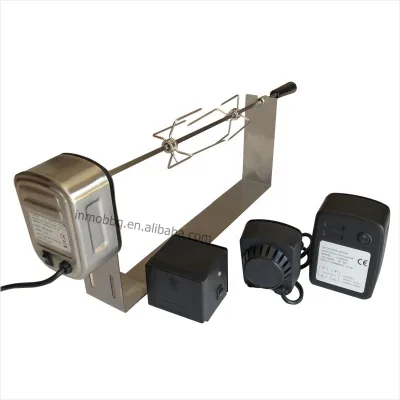
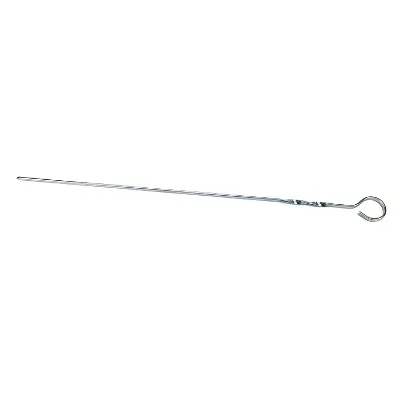
When you search for an Adjustable Electric Rotisserie Skewer supplier, you will typically encounter two broad factory types: combined manufacturers that make and trade their own goods, and trading companies that consolidate products from multiple workshops. A combined manufacturer usually controls production of related lines such as bamboo sticks, skewers and disposable barbecue products, which matters if you want a partner that can adapt its own tooling to a motorized or adjustable design. Trading companies, by contrast, often list a wider assortment of barbecue hardware, including stainless steel skewers, tongs, grilling brushes and outdoor tools, and they may coordinate manufacturing on your behalf rather than producing in-house.
Geographic concentration is real in this category, but you should verify it rather than assume it. Results in this category point to suppliers based in Jiangxi and Guangdong, China, which is consistent with broader sourcing patterns where bamboo-processing regions supply wooden skewer lines and coastal industrial provinces supply metal barbecue tools and assembled electric components. To identify clusters on your own, filter supplier results by location, read main-product lists for related items such as skewer machines or barbecue tools, and note which provinces appear repeatedly. Then treat that pattern as a hypothesis: ask each candidate where its production actually occurs, because a supplier's registered office city does not always match the factory address, and an assembled electric product may draw parts from more than one site.
How to Verify Adjustable Electric Rotisserie Skewer Suppliers
Start with the verification signals a platform already displays, then confirm them independently. In current results, some suppliers carry third-party verification badges, and at least one holds an ISO9001:2015 system certification. Treat these as screening filters, not proof of suitability: a quality-management certificate tells you a documented system exists, not that the supplier can build an adjustable, motorized rotisserie skewer safely. Ask for the certificate's scope and validity, and request recent audit summaries covering the production site that would actually handle your order, since the certified entity may differ from the selling entity.
Next, verify operational reality. Check whether a supplier is listed as a manufacturer or a trading company, and ask directly which model applies to your product, because many combined manufacturers operate both functions. Request business license details and match the company name across your contract, invoice and bank account. For anything electric, ask which safety or electromagnetic-compatibility assessments the product has undergone for your destination market, and what documentation the supplier can provide; do not accept a verbal assurance. Finally, test responsiveness before committing: the suppliers in current results show recorded response times of roughly a few hours, and one shows an average around 2.71 hours while another is slower, so compare each candidate against the times shown on its listing and factor slow replies into your risk assessment. Order a sample, inspect materials and fittings, and confirm the sample matches the specification sheet you will attach to any purchase order.
What to Compare Across Adjustable Electric Rotisserie Skewer Suppliers
Build a comparison sheet using the attributes that platforms typically display, while accepting that not every supplier shows every attribute. Core dimensions include supplier location, company type, verification status, certifications, average response time, quoted lead time, minimum order quantity, main-product range, and whether customization services such as OEM or ODM are offered. In current results, one supplier shows a lead time of about 23 days with ODM, OEM and own-brand capability, while a Guangdong trading company shows roughly 15 days; a faster displayed lead time is useful, but only meaningful if it applies to a product comparable to yours in complexity.
Compare MOQs carefully because they vary enormously in this category. Current results show minimums ranging from ten cartons on one listing to two million pieces on another, and some listings express MOQ in cartons while others use pieces, so normalize units before judging. Note which listings state that customization is available, that samples are free with freight collected, or that custom-logo orders carry a different minimum; these signals separate suppliers accustomed to tailored work from those selling standardized stock. Main-product breadth is also informative: a supplier listing skewer machines alongside bamboo sticks likely understands production equipment, whereas one listing only stainless steel barbecue needles may be better suited to metal components. Weigh price ranges only after confirming what is included, since per-piece pricing on a bulk listing and per-carton pricing on another are not directly comparable without clarification on packaging, length ranges and finish.
Common Adjustable Electric Rotisserie Skewer Sourcing Risks
The most common risk is specification drift between sample and production. Adjustable mechanisms, motor housings and locking collars involve multiple components, and a supplier that excels at simple disposable bamboo skewers may not have the tooling or quality control for assembled electric goods. Guard against this by demanding a golden sample, a signed specification sheet covering dimensions, materials and finish, and pre-shipment inspection rights. A second risk is certificate mismatch: a supplier may hold an ISO9001:2015 certificate for one scope while your product needs product-level safety testing for your market, so never assume a system certificate covers product compliance.
Logistics and lead-time risks follow. Displayed lead times, such as the 15-day and 23-day figures visible in current results, typically count production after deposit and exclude sample development, tooling for an adjustable design, quality inspection and shipping, so your true timeline is longer. Payment risk concentrates in first orders: paying a large deposit to an unverified entity, or wiring to a bank account whose name differs from the contract, exposes you to loss. Mitigate with staged payments, verification of the beneficiary account, and where available, platform-backed escrow or trade assurance arrangements. Finally, watch for MOQ traps on customized items; one listing in current results shows a different, higher minimum for custom-logo orders, and an electric adjustable skewer with bespoke parts will likely carry a similar escalation, so confirm customized-order minimums in writing before sampling.
Adjustable Electric Rotisserie Skewer Regional Sourcing and Logistics
Use location data as a routing decision, not just a screening filter. Current results place one supplier in Jiangxi, a province associated in its own product listings with bamboo processing, and another in Guangdong, a coastal province with dense export logistics. If your Adjustable Electric Rotisserie Skewer involves bamboo or wooden handle components, sourcing near bamboo-processing regions can shorten the component supply chain; if it centers on stainless steel skewers and assembled barbecue tools, coastal locations often simplify container loading and port access. Verify the actual production address, because registered locations and factory sites frequently differ.
Plan logistics around product characteristics. Motorized or electric skewer assemblies may contain batteries, motors or electronic controls that affect shipping classification, so ask each supplier early how the finished goods are packed, whether cartons or woven bags are standard, and what documentation carriers will require. Several listings in current results describe carton or woven-bag packing for skewer products, which is suitable for simple sticks but may be inadequate for fragile assembled units; negotiate protective inner packaging and confirm carton dimensions so you can calculate container fill. Lead time and proximity also interact: a supplier showing a 15-day production lead time in a port-adjacent province may deliver to your door faster than one with a shorter quoted lead time located inland, once inland haulage and consolidation time are added. Ask each candidate for a door-to-port estimate and confirm which incoterms it regularly handles.
Adjustable Electric Rotisserie Skewer Commercial Terms and Order Planning
Anchor your first order on terms you can verify line by line. Confirm in writing: unit price and what it includes, MOQ in consistent units, payment split, production lead time from deposit, sample cost and freight responsibility, packaging specification, and incoterms. Current listings illustrate the terms you should expect to negotiate: several state that samples are free with freight collected, that customization is available, and that MOQs are expressed in cartons for some products and pieces for others. Any of these can be negotiated, but only after the supplier confirms which terms apply to your specific adjustable design rather than to its standard stock skewers.
Order planning should account for the gap between a simple skewer and an engineered one. For a first production run, request a pilot quantity at or near the stated minimum, inspect it fully, and only then schedule repeat orders against the agreed lead time; a supplier showing a roughly 23-day lead time for existing products may need longer for a first customized batch. Clarify whether ODM or OEM support is genuinely available, as some current listings advertise both, because that affects who owns tooling and drawings. Agree on reordering terms, price-validity periods and a defect-handling process before shipment. Finally, keep response-time expectations in the contract's communication clause, using the recorded response times on supplier listings as a reference baseline, and schedule buffer time for inspections and holiday shutdowns in your reorder calendar.
Word count check: Section 1: ~232, Section 2: ~230, Section 3: ~231, Section 4: ~230, Section 5: ~231, Section 6: ~230 → approximately 1384 words total. Within range.
FAQs
What is the typical lead time for bamboo skewer orders?
The typical lead time for bamboo skewer orders is 23 days based on current supplier data. Some suppliers in Guangdong offer faster delivery with a 15-day lead time. Buyers should confirm specific timelines with the supplier before placing large orders to ensure timely delivery.
What are the minimum order quantities for bamboo skewers?
Minimum order quantities vary significantly by product type and customization needs. Some suppliers require 50 cartons for standard orders, while others set the MOQ at 200 units or 20,000 pieces. Custom logo orders often have higher thresholds, such as 100 cartons, so verify specific requirements early.
Are the bamboo skewers suitable for food contact applications?
Yes, many bamboo skewers are explicitly rated as Food Grade and made from 100% natural bamboo. They are treated to be dried, sterilized, and polished for safe use with meat, fruit, and cooking. Always check the specific product grade and material details to ensure compliance with your safety standards.
What certifications do the bamboo skewer suppliers hold?
Suppliers in the results hold ISO9001:2015 system certification and are verified by BV or CTI. These credentials indicate adherence to quality management standards. Buyers should request copies of these certificates to verify current validity and ensure the supplier meets your specific compliance requirements before finalizing a contract.
Can suppliers provide free samples for bamboo skewers?
Many suppliers offer free samples for bamboo skewers, though freight charges are typically collected from the buyer. Some providers promise immediate delivery for samples, while others require specific shipping arrangements. Confirm the sample policy and shipping costs with the supplier to avoid unexpected expenses during the evaluation phase.
Where are the bamboo skewer manufacturers located?
Manufacturers are primarily located in Jiangxi Province and Guangdong Province in China. These regions specialize in bamboo products and offer a wide range of skewer sizes and styles. Buyers can filter search results by these specific locations to find suppliers with established supply chains and relevant expertise in bamboo processing.
What customization options are available for bamboo skewers?
Customization options include specific lengths, diameters, and branding for logos. Suppliers offer ODM and OEM services with available customization for natural or carbonized colors. Buyers can request specific dimensions ranging from 10cm to 60cm or custom packaging solutions to meet their unique product requirements and market needs.