Adjustable Elastic Couch Blocker Suppliers and Manufacturers
Explore 20 verified suppliers offering Adjustable Elastic Couch Blocker solutions with varying lead times, response speeds, and certifications. Compare dimensions like ISO standards, MOQs, and sample processing capabilities to find the right partner for your needs; review the available evidence before requesting comparable quotations from suitable candidates.
Suppliers List
Guangzhou Orio Technology Co., Ltd.
- Verified by SGS Group
- Manufacturer, Trading Company
- Lead time10 days
- Avg. response≤ 3h
Main productsRoller Shelf, Shelf Pusher System, Cigarette Display, Display Rack, Wire Shelf
Main marketsDomestic Market(40%), North America(25%), Western Europe(10%)

Shanghai J&D International Co., Ltd.
- Trading Company
- China Shanghai
- Lead time23 days
- Avg. response≤ 25h
Main productsShirts, Necktie, Ties, Scarves, Waistcoat, Cufflink, Neckwear, Accessories
Main marketsSoutheast Asia/ Mideast,Domestic,Europe,Australia,North America
Guangzhou Balance Daily Commodities Co., Ltd.
- Verified by SGS Group
- Manufacturer, Trading Company
- Lead time15 days
- Avg. response≤ 4h
Main productsHook And Loop, Adhesive Hook And Loop, Functional Strap, Injection Mold Hook
Main marketsNorth America(45%), Domestic Market(20%), Oceania(8%)

HangZhou Aspiring Textile and Accessories Co., Ltd.
- Verified by BV
- Trading Company,Manufacturer/Factory
- China Zhejiang
- Lead time23 days
- Avg. response≤ 6h
Main productsT/C Fabric, Denim Fabric, Non-Woven Fabric, Cotton Fabric, Accessories, Polyester Fabric, Printing Fabric, Flannel Fabric, Home Textile, Grey Fabric
Main marketsSouth America,Eastern Europe,Mid East,North America,Southeast Asia,Eastern Asia,Oceania,Western Europe,Africa

Changzhou Galaxy Rubber and Plastic Technology Co., Ltd.
- Verified by TUVRHEINLAND
- Combined
- China Jiangsu
- Lead time15 days
- Avg. response≤ 8h
Main productsPE Foam, EVA Foam, PE Roll, EVA Roll, EVA Packing, EVA Mat
Main marketsSoutheast Asia/ Mideast,Europe

Door Draft Stopper Weather Stripping Noise Blocker Window Breeze Blocker Adjustable
$2.00 - $3.00
Moq: 2000


Hangzhou Winde Home Furnishing Co., Ltd.
- China Jiangsu
- Lead time0 days
- Avg. response≤ 6h
Main productsBedding, Bedding Set, Duvet Cover Set, Bed Sheet Set, Hotel Bedding, Crib Bedding, Baby Bedding, Blanket, Bedspread, Towel

Shaoxing City Xinlan Textile CO., LTD.
- Verified by TUVRHEINLAND
- Combined
- China Zhejiang
- Lead time23 days
- Avg. response≤ 2h
Main productsHome Textile, Curtain, Cushion Cover, Shower Curtain, Macrame Handmade Products, Curtain Fabric, Tablecloth, Placemat, Blankets, Bedding
Main marketsNorth America

FOSHAN JINRUI PLASTIC HARDWARE PRODUCT CO., LTD.
- Verified by SGS
- Combined
- China Guangdong
- Lead time30 days
- Avg. response≤ 6h
Main productsSofa Leg, Furniture Accessories, Webbing, Staple, Furniture Leg, Hardware Accessories, Metal Leg, Zig Zag Spring, Mechanism for Sofa, Sofa Hinge
Main marketsSouth America,Southeast Asia/ Mideast,Europe

PUYANG SELFAIDING INDUSTRIAL CO., LTD.
- Verified by SGS
- Manufacturer
- China Henan
- Lead time15 days
- Avg. response≤ 2h
Main productsAdult Bib, Pet Pad, Underpad, Baby Bib, Protective Panties, Washable Sanitary Pad, Compression Stockings, Patient Care Clothing, Pet Nest, Pet Toy
Shenzhen Hongxiangwen Hook & Loop Co., Ltd.
- Verified by TüVRheinland
- Manufacturer, Trading Company
- Lead time10 days
- Avg. response≤ 3h
Main productsSki Strap, Hook Loop Strap, Motorcycle Tie Down Strap, Ski Bags, Neoprene Protector
Main marketsNorth America(20%), Western Europe(20%), Northern Europe(20%)

Shanghai Pinxing Medical Equipment Co., Ltd.
- Verified by TUVRHEINLAND
- Combined
- China Shanghai
- Lead time15 days
- Avg. response≤ 7h
Main productsMobile Field Hospital, Medical Bed, Carbon Fiber Medical Equipment, ICU Bed, Mobile Operation Room, Emergency Rescue Equipment, Field Operation Lamp, Accessories for Medical Bed, Mobile Surgical Lamp, Portable Sink
Main marketsSoutheast Asia/ Mideast,Europe,North America
Guangdong Yimengxin Home Furnishing Technology Co., Ltd.
- Verified by TUVRHEINLAND
- Combined
- China Guangdong
- Lead time30 days
- Avg. response≤ 5h
Main productsmattress
Main marketsOthers(foreignTradeCapacity.exportBusinessCapacityMarketOther)
Shenzhen Dongsanxin Textile Co., Ltd.
- Verified by SGS Group
- Manufacturer, Trading Company
- Lead time10 days
Main productsHook and Loop, Hook and Loop Cable Ties, Back to Back Hook and Loop Fastener, Adhesive Hook and Loop, Hook and Loop Buckle Strap
Main marketsDomestic Market(30%), North America(25%), Eastern Europe(12%)
Hangzhou Yiying Trade Co., Ltd.
- Verified by CTI
- Trading Company,Manufacturer/Factory
- China Zhejiang
- Lead time23 days
- Avg. response≤ 19h
Main productsComforter, Bed Lines, Pillow, Mattress Topper, Mattress Protector, Blankets, Raw Material of Polyester Down Feather, Pet Bed, Down Products, Fabric
Main marketsSouth America,Eastern Europe,Mid East,North America,Southeast Asia,Eastern Asia,Oceania,Western Europe,Africa
Pujiang Damai Household Products Co., Ltd.
- Verified by SGS
- Combined
- China Zhejiang
- Lead time15 days
- Avg. response≤ 4h
Main marketsDomestic
Zhongshan Three Little White Bears Daily Products Co., Ltd.
- Verified by SGS
- Combined
- China Guangdong
- Lead time15 days
- Avg. response≤ 16h
Main productsBaby Products
Main marketsDomestic
Weieryang (Wuhan) Information Technology Co., Ltd
- Verified by CTI
- Combined
- China Hubei
- Lead time23 days
- Avg. response≤ 3h
Main productsBathroom Mirror, Stainless Steel, Stainless Steel Screen, Sculpture Crafts, Painting, Stainless Steel Niche, Stainless Steel Hanger, Stainless Steel Tray, Stainless Steel Mirror, Stainless Steel Hanging Painting
Main marketsDomestic
Dongguan Jiehuan Electronic Technology Co., Ltd.
- Verified by SGS Group
- Manufacturer, Trading Company
- Lead time7 days
- Avg. response≤ 4h
Main productsSelf-adhesive Hook & Loop, Heat Press Hook & Loop, Back to Back Hook & Loop, PUR Laminated Hook & Loop, Hook & Loop Fasteners
Main marketsSoutheast Asia(23%), North America(20%), Northern Europe(20%)
Weifang Bai Yi Garment Co., Ltd.
- Verified by CTI
- Combined
- China Shandong
- Lead time30 days
- Avg. response≤ 6h
Main productsCushions, Pillows, Seat Cushion, Pet Bed, Mattress, Folding Sofa, Compression Sofa Bed, Outdoor Cushion, Sofa Cushion, Lounge Cushion
Main marketsSoutheast Asia/ Mideast,Domestic,Europe,Australia,North America

Dongguan City Shanli Weaving Co., Ltd.
- Verified by BV
- Combined
- China Guangdong
- Lead time30 days
- Avg. response≤ 4h
Main productsWebbing, Nylon Webbing, Polyester Webbing, Polypropylene Webbing, Cotton Webbing, Elastic Webbing, Jacquard Webbing, Printed Webbing, Tubular Webbing, Reflective Webbing
Main marketsEurope,North America











Comprehensive Sourcing Guide
Adjustable Elastic Couch Blocker Supplier Concentration and Factory Types
The current supplier landscape for adjustable elastic couch blockers reveals a distinct split between manufacturing capabilities and trading operations, which significantly impacts sourcing strategy. Evidence indicates that the available suppliers operate as either manufacturers or trading companies, a classification that directly influences production control, customization flexibility, and pricing structures. Manufacturers typically possess the direct ability to handle sample processing, graphic processing, and customized on-demand production, offering a more integrated approach to product development. This capacity for light customization and sample processing suggests that these entities are equipped to handle specific design requirements for elastic straps and hook-and-loop mechanisms without relying on external partners. In contrast, trading companies may offer a broader array of related accessories, such as shirts, neckties, and suspenders, indicating a diversified inventory rather than specialized production focus. This diversification can be advantageous for buyers seeking bundled procurement opportunities but may limit the depth of technical expertise available for complex elastic blocker designs. Understanding this dichotomy is crucial for determining whether the priority lies in direct factory engagement for bespoke solutions or the convenience of a trading partner managing multiple product lines. The presence of both types ensures that buyers have options ranging from specialized manufacturing to consolidated sourcing, each with distinct operational implications for lead times and communication efficiency.
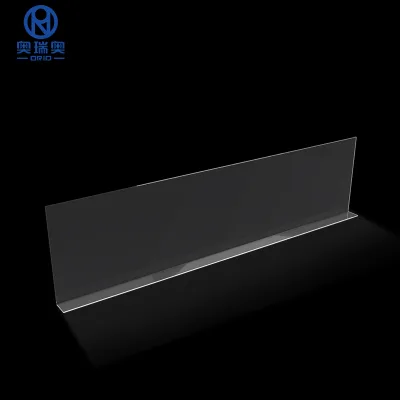
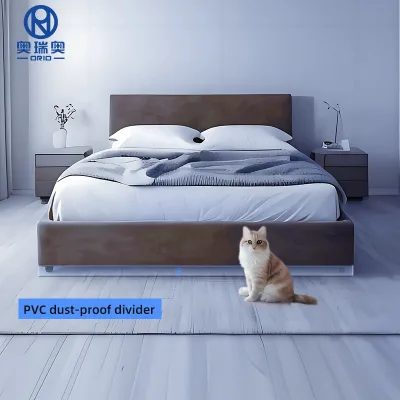
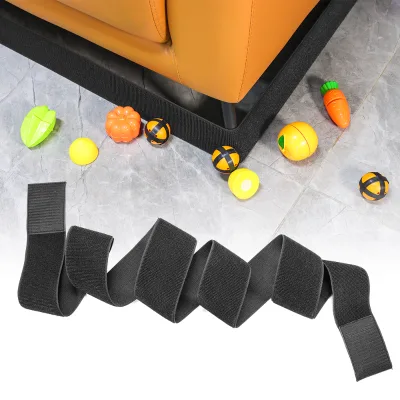
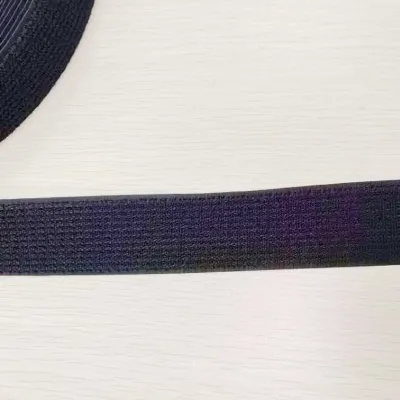
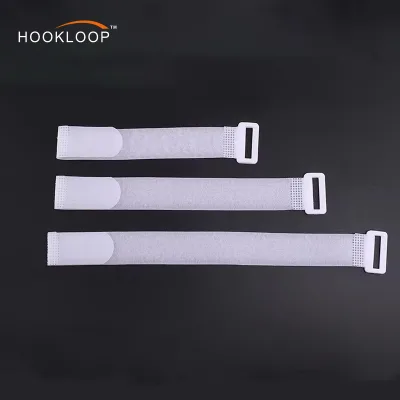
Furthermore, the specific product evidence highlights a variety of material compositions and functional designs, ranging from PVC-based blockers to elastic loop tapes and hook-and-loop straps. Some suppliers offer products with specific brand names like ORIO or BALANCE, indicating established product lines rather than generic white-label offerings. The availability of OEM and ODM services among certain suppliers suggests a willingness to adapt existing designs to meet specific buyer requirements, a critical factor for brands seeking unique market positioning. The material choices, including PVC, PS, and PET, reflect different durability and aesthetic needs, with some products emphasizing eco-friendly features or transparent designs for aesthetic integration into home environments. This variety in material and design underscores the importance of aligning supplier capabilities with specific product specifications, as not all manufacturers may be equipped to handle every material type or customization request. Buyers must carefully evaluate whether a supplier’s primary focus aligns with their specific needs, whether that be high-volume production of standard elastic straps or low-MOQ customization of unique blocker designs. The distinction between these supplier types ultimately dictates the level of control and collaboration available throughout the sourcing process, influencing everything from initial sampling to final delivery.
How to Verify Adjustable Elastic Couch Blocker Suppliers
Verifying the credibility and operational capacity of Adjustable Elastic Couch Blocker suppliers requires a multi-layered approach that goes beyond basic company profiles. One critical step is to examine third-party verification status, as some suppliers display verification from recognized entities like SGS Group, which can provide an additional layer of confidence in their business legitimacy and operational standards. Buyers should prioritize suppliers who have undergone such rigorous verification processes, as it often correlates with better adherence to quality management systems and ethical labor practices. Additionally, checking for relevant system certifications is essential, with ISO 9001, ISO 14001, and ISO 45001 being common indicators of robust quality and environmental management frameworks. For suppliers dealing with materials that may have specific regulatory requirements, certifications like RoHS and REACH are crucial to ensure compliance with international safety and environmental standards. These certifications are not merely decorative; they reflect a supplier’s commitment to maintaining consistent quality and adhering to global regulatory frameworks, which is particularly important for products that may come into contact with household environments or children’s toys. Buyers should request copies of these certificates and verify their validity through the issuing bodies to ensure they are current and applicable to the specific products being sourced.
Beyond certifications, assessing the supplier’s response time and communication efficiency is a practical method for gauging their operational readiness and customer service quality. Suppliers with faster response times, such as those indicating a response time of 3 or 4 hours, are often more agile and attentive to buyer inquiries, which can significantly streamline the negotiation and sampling phases. This responsiveness is a strong indicator of a supplier’s internal efficiency and their ability to handle time-sensitive orders or urgent customization requests. Buyers should also look for evidence of sample processing capabilities, as the ability to provide quick samples is a key indicator of a supplier’s flexibility and commitment to meeting specific design requirements. The presence of detailed product attributes, such as specific model numbers, material compositions, and customization options, further demonstrates a supplier’s transparency and professionalism. By cross-referencing these verification metrics with direct communication, buyers can build a comprehensive profile of each supplier’s reliability and suitability for their specific sourcing needs, ensuring that they partner with entities that can consistently deliver on their promises.
What to Compare Across Adjustable Elastic Couch Blocker Suppliers
When evaluating multiple suppliers for adjustable elastic couch blockers, buyers must systematically compare key operational metrics to identify the most suitable partner for their specific requirements. One of the most critical factors is the minimum order quantity (MOQ), which can vary significantly across different suppliers and product lines. Some suppliers offer an MOQ of just one piece or no requirements at all, which is ideal for testing new designs or fulfilling small-scale orders, while others may have higher thresholds that require larger initial commitments. Understanding these MOQ variations is essential for aligning supplier capabilities with the buyer’s inventory strategy and cash flow constraints. Additionally, lead times are a crucial comparison point, with some suppliers indicating lead times of 10 to 15 days, which impacts overall supply chain planning and delivery schedules. Buyers should compare these lead times against their own production or sales timelines to ensure that the supplier can meet their delivery expectations without causing bottlenecks. The response time is another vital metric, as faster communication can accelerate the sampling and approval processes, reducing the overall time to market for new products.
Price and customization options are also central to the comparison process, as they directly impact the final cost and product differentiation. Buyers should compare the price ranges offered by different suppliers, noting that prices can vary based on material choices, customization levels, and order volumes. Some suppliers may offer competitive pricing for standard products, while others may provide better value for customized designs or bulk orders. The availability of OEM and ODM services is another key differentiator, with some suppliers offering extensive customization capabilities, including size, color, and material adjustments. Buyers should assess the extent of these customization options and the associated costs to determine which supplier offers the best balance of flexibility and affordability. Furthermore, comparing the main products and additional offerings of each supplier can reveal their core competencies and potential for providing complementary products. Suppliers with a focus on specific materials or designs may offer superior quality and expertise in those areas, while those with broader product ranges may provide greater convenience for consolidated sourcing. By systematically comparing these factors, buyers can make informed decisions that optimize both cost and quality.
Common Adjustable Elastic Couch Blocker Sourcing Risks
Sourcing adjustable elastic couch blockers involves several inherent risks that buyers must proactively manage to ensure a smooth procurement process. One significant risk is the potential for misalignment between sample quality and mass production output, particularly when dealing with customized products. Suppliers may provide high-quality samples that meet specific design requirements, but the mass production run may suffer from inconsistencies in material quality, stitching, or elasticity. This discrepancy can lead to product failures in the market, damaging the buyer’s brand reputation and resulting in costly returns or replacements. To mitigate this risk, buyers should establish clear quality standards and conduct rigorous pre-shipment inspections to ensure that the final products match the approved samples. Additionally, the variability in lead times can pose a risk to supply chain reliability, especially if suppliers fail to meet their promised delivery dates. Delays in production can disrupt inventory levels, leading to stockouts and lost sales opportunities. Buyers should maintain open communication with suppliers and establish contingency plans to address potential delays, such as sourcing from alternative suppliers or adjusting production schedules.
Another common risk is the lack of transparency regarding material composition and regulatory compliance, particularly for products intended for use in households with children or pets. Some suppliers may not provide detailed information about the materials used, such as the specific type of PVC or elastic tape, which can raise concerns about safety and environmental impact. Buyers must verify that the materials used are compliant with relevant standards, such as RoHS and REACH, to ensure that the products are safe for their intended use. Failure to do so can result in regulatory penalties and damage to the buyer’s brand image. Furthermore, the risk of intellectual property infringement is a concern when working with suppliers who offer OEM services, as there is a potential for design theft or unauthorized replication. Buyers should implement strict confidentiality agreements and monitor the market for any unauthorized use of their designs. By identifying and addressing these risks early in the sourcing process, buyers can protect their interests and ensure a successful partnership with their suppliers.
Adjustable Elastic Couch Blocker Regional Sourcing and Logistics
The regional concentration of Adjustable Elastic Couch Blocker suppliers offers distinct logistical advantages and challenges that buyers must consider when planning their sourcing strategy. Evidence indicates that a significant number of suppliers are located in Guangdong, China, a region known for its robust manufacturing infrastructure and supply chain efficiency. This concentration allows for easier coordination of production and quality control, as buyers can potentially visit factories or work with local agents to oversee operations. The proximity to major ports and logistics hubs in this region also facilitates faster and more cost-effective shipping, reducing overall lead times and transportation costs. However, buyers should also be aware of the potential for regional disruptions, such as labor shortages or environmental regulations, which can impact production schedules. Diversifying sourcing across different regions can help mitigate these risks, although it may come with increased logistical complexity and higher costs.
In addition to Guangdong, some suppliers are located in other regions, such as Shanghai, which offers its own set of logistical benefits, including access to international trade networks and financial services. Buyers should evaluate the specific location of each supplier in the context of their overall supply chain strategy, considering factors such as shipping routes, customs procedures, and local infrastructure. The choice of location can also impact the availability of skilled labor and raw materials, which are critical for maintaining consistent production quality. For buyers sourcing from multiple regions, establishing clear communication channels and standardized quality control processes is essential to ensure consistency across different suppliers. Additionally, buyers should consider the environmental impact of their sourcing decisions, opting for suppliers who adhere to sustainable practices and have relevant environmental certifications. By carefully evaluating the regional aspects of their sourcing strategy, buyers can optimize their supply chain for efficiency, reliability, and sustainability.
Adjustable Elastic Couch Blocker Commercial Terms and Order Planning
Effective commercial terms and order planning are critical for managing the financial and operational aspects of sourcing adjustable elastic couch blockers. Buyers should negotiate clear payment terms that align with their cash flow needs, such as partial payments upfront and the balance upon shipment or delivery. Understanding the supplier’s payment policies is essential for avoiding financial strain and ensuring that both parties are protected throughout the transaction. Additionally, buyers should clarify the terms for sample orders, including any associated costs and whether these costs can be credited against future bulk orders. This can help reduce the initial investment required for product development and testing. Lead time commitments should also be explicitly defined in the contract, with penalties for delays to incentivize timely delivery. Buyers should also consider the implications of currency fluctuations and exchange rates, especially when sourcing from international suppliers, and may choose to hedge against these risks to stabilize costs.
Order planning involves not only determining the quantity and timing of orders but also managing inventory levels to meet market demand without overstocking. Buyers should work closely with suppliers to forecast demand and adjust production schedules accordingly, ensuring that they can respond to changes in market conditions. The availability of customization options, such as size and color, adds complexity to order planning, as it requires precise coordination between design specifications and production capabilities. Buyers should establish clear communication protocols with suppliers to ensure that any changes to order
FAQs
What is the minimum order quantity for adjustable elastic couch blockers?
Suppliers offer flexible minimum order quantities for these products. Some listings require only one piece, while others have no specific requirements. You can find options with an MOQ of 20 or 500 depending on the supplier type and customization needs.
How long does it take to receive samples?
Sample processing typically takes between one and three days. This timeframe allows for quick evaluation of material quality and fit. However, lead times for bulk orders vary, often ranging from ten to fifteen days after sample approval and order confirmation.
What materials are used for under couch blockers?
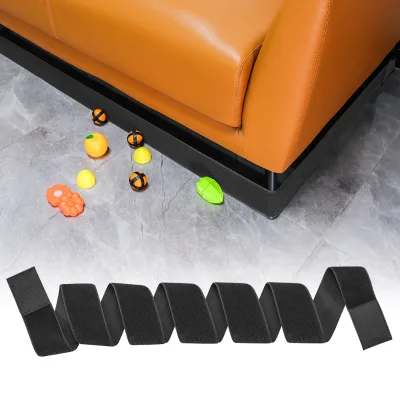
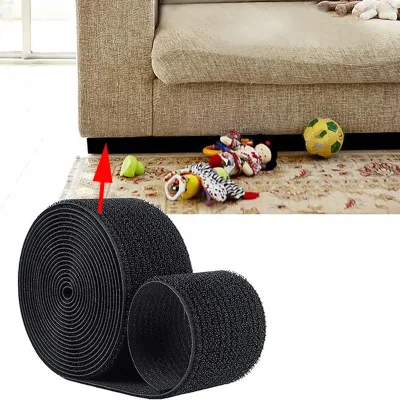
Manufacturers primarily use PVC, PS, and PET for these blockers. Some products also utilize elastic loop tape for adjustable sizing. These materials ensure durability and flexibility, allowing the blockers to effectively prevent toys and debris from getting stuck under furniture.
Are these products customizable for specific sizes?
Yes, customization is widely available for size and style. Suppliers offer customized sizes, layers, and colors to meet specific requirements. You can request custom dimensions to ensure a perfect fit for your furniture, with options for both OEM and ODM services.
What certifications do these suppliers hold?
Many suppliers hold ISO 9001, ISO 14001, and ISO 45001 certifications. Some also comply with RoHS and REACH standards. These certifications ensure quality management and environmental responsibility, providing assurance for commercial and industrial sourcing needs across different regions.
Where are these suppliers located?
Suppliers are primarily located in Guangdong, China, with some operations in Shanghai. This region is known for manufacturing capabilities in warehousing supplies and garment accessories. Buyers can source directly from these locations to benefit from established supply chains and logistics networks.