Advanced Cartridge Filter Dust Collector Suppliers and Manufacturers
Explore 28 verified options for Advanced Cartridge Filter Dust Collector units from China. Compare locations, response times, certifications, and pricing to find the right fit. Contact suppliers directly to request quotes and verify specifications; review the available evidence before requesting comparable quotations from suitable candidates.
Updated
Suppliers List

Zhangjiagang BND Filtration Technologies Co., Ltd.
- Manufacturer
- China Jiangsu
- Lead time15 days
- Avg. response≤ 18h
Main productsAir Filter Cartridge, Cartridge Dust Collector, Bag House, HVAC Filters, Gas Turbine Air Intake Filter, Dust Collector Accessories, Air Filtration System, Industrial Dust Extractor System, Dust Unit, Dust Collector Cartridges
Main marketsSoutheast Asia/ Mideast,Domestic,Australia

Botou Xintian Environmental Protection Equipment Co., Ltd.
- Verified by BV
- Combined
- China Hebei
- Lead time15 days
- Avg. response≤ 1h
Main productsWelding Table, Clamps, Soldering Station, Baghouse Dust Collector, Pulse Valve, Filter Bag, Filter Cage
Main marketsSouth America,Africa,Southeast Asia/ Mideast,Domestic,Europe,North America

Advanced Large Filter Cartridge Dust Collector for Air Quality Improvement Solutions
$3000.00 - $10000.00
MOQ: 1 Pieces

Improve Factory Air Quality / Advanced Large-Size Filter Cartridge Dust Collector
$3000.00 - $10000.00
MOQ: 1 Pieces


New Custom Factory Processed Dust Collection and Filter Cartridge Dust Collector
$1100.00 - $3666.00
MOQ: 1 Pieces

- Verified by TUVRHEINLAND
- Trading Company
- China Shandong
- Lead time15 days
- Avg. response≤ 2h
Main productsAhu, Air Handling Unit, Mine Fan, Centrifugal Fan, Centrifugal Blower, Dust Collector, Tunnel Fan, Chiller, Mining Ventilation, Multistage Centrifugal Fan
Main marketsSouth America,Africa,Southeast Asia/ Mideast,East Asia(Japan/ South Korea),Europe,Australia,North America

Advanced Automatic Dust Collector Cartridge Filter for Environmental Protection
$2999.00 - $9999.00
MOQ: 1 Pieces

High-Efficiency Pulse Dust Collector with Advanced Cartridge Filters
$2999.00 - $9999.00
MOQ: 1 Pieces


Jiangsu Erhuan Environmental Technology Co., Ltd.
- Verified by BV
- Combined
- China Jiangsu
- Lead time30 days
- Avg. response≤ 15h
Main productsPrinting and Dyeing Spare Parts, Cartridge Dust Collector, Downdraft Bench, Cyclone Dust Collector, Downflow Dust Collector, Welding Fume Extractor, Laser Cutting Dust Collector, Stenter Clip, Chain Link, Monforts Parts
Main marketsSoutheast Asia/ Mideast,Domestic
- Trading Company
- Henan, China
- Lead time7 days
- Avg. response≤ 2h
Main productshydraulic filter,fuel filter,water filter,gas filter,dust filter
Main marketsEastern Europe(60.00%), Africa(10.00%), Mid East(10.00%), Oceania(8.00%), North America(6.00%), Eastern Asia(3.00%), South America(3.00%)

- Verified by TUVRHEINLAND
- Combined
- China Jiangsu
- Lead time15 days
- Avg. response≤ 3h
Main productsFilter Cartridge, Air Filter Cartridge, Dust Collector, Dust Filter Cartridge, Pleated Bag Filter, Air Filter, Filter Element, Ployester Filter Cartridge, Air Filter Equipment, Pleated Filter Cartridge
Main marketsSoutheast Asia/ Mideast


Dust Removal System Industrial Exhaust Filter Cartridge Dust Collector
$1600.00 - $6800.00
MOQ: 1 Pieces


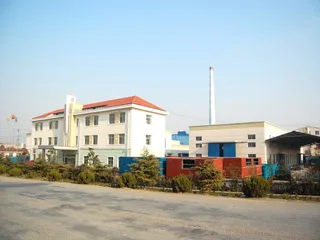
Zhangjiagang Huasheng Purifying Equipment Co., Ltd.
- Manufacturer
- Jiangsu, China
- Lead time7 days
- Avg. response≤ 24h
Main productsAir Filter Cartridge, Dust Collector, Pleated Bag Filter, Air Filter Media, Filter Cartridge's Acessories
Main marketsDomestic Market(80.00%), Western Europe(8.00%), Mid East(8.00%), South America(2.00%), Southeast Asia(2.00%)
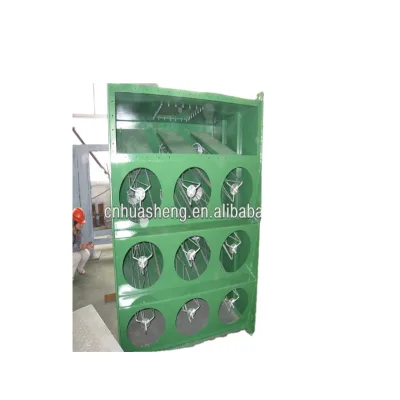
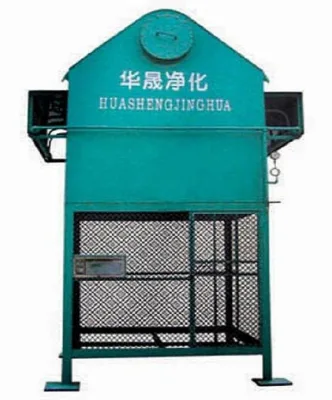
$6000.00

Chungho Environmental Protection Technology Chengdu Co., Ltd.
- Verified by BV
- Trading Company
- China Sichuan
- Lead time15 days
- Avg. response≤ 2h
Main productsMist Collector, Dust Collector, Fume Extractor, Vacuum Cleaner, Air Filter, Oil Skimmer, Oil Water Separator, Oil Purifier
Main marketsSouth America,Southeast Asia/ Mideast,Europe,North America

Advanced Cartridge Dust Collector for Enhanced Industrial Air Quality
$1780.00 - $1875.00
MOQ: 1 Pieces

Cangzhou Kuntai Machinery& Equipment Co., Ltd.
- Trading Company
- Hebei, China
- Lead time15 days
- Avg. response≤ 3h
Main productsIndustrial dust collector,dust collector parts,Vocs waste gas catalytic combustion equipment,Wet scrubber,Custom processing
Main marketsDomestic Market(10.00%), Mid East(10.00%), Northern Europe(10.00%), Southeast Asia(10.00%), Eastern Europe(10.00%), South America(10.00%), North America(10.00%), Eastern Asia(5.00%), South Asia(5.00%), Southern Europe(5.00%), Africa(5.00%), Central America(5.00%), Western Europe(5.00%)
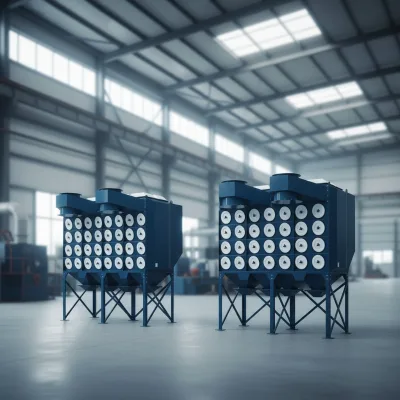
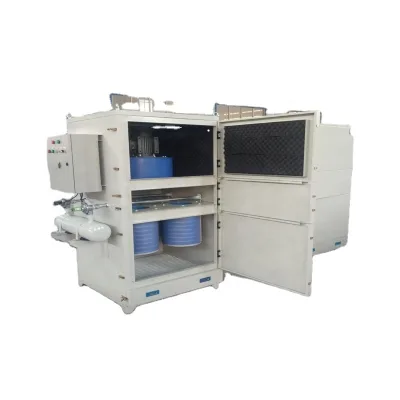
Cartridge Filter Dust Collector for Sand Blast Workshop
$2900.00 - $3000.00
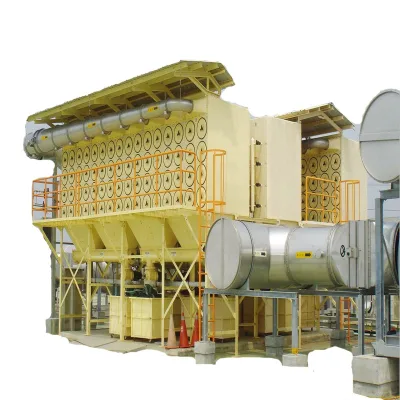
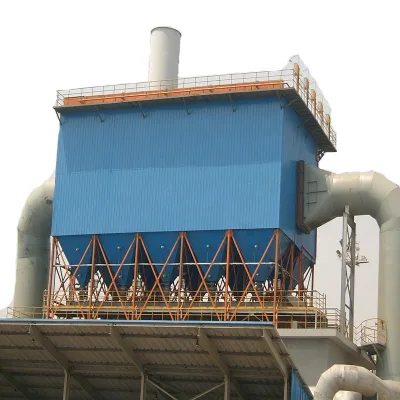
Industrial Cartridge Dust Collector for Cement/metal Plant
$4850.00 - $4980.00

Qingdao Bestech Machinery Co., Ltd.
- Trading Company,Manufacturer/Factory
- China Shandong
- Lead time23 days
- Avg. response≤ 7h
Main productsDust Collector, Sand Mixer, Core Shooting Machine, Sand Molding Machine, Electric Furnace, Road Surface Shot Blasting Machine, Sand Processing Equipment, Shot Blasting Machine, Foundry Production Line, Sand Blasting Machine
Main marketsSouth America,Eastern Europe,Mid East,North America,Southeast Asia,Eastern Asia,Oceania,Western Europe,Africa

Dalian Binhang Ecological Environmental Protection Engineering Co., Ltd.
- Verified by TUVRHEINLAND
- Trading Company
- China Liaoning
- Lead time30 days
- Avg. response≤ 1h
Main productsWaste Gas Treatment Equipment, Dust Collector, Spray Tower, Washing Tower, Rto Thermal Energy Storage Catalytic Combustion, Activated Carbon Adsorption Tower, Industrial Dust Collector, Mobile Intelligent Welding Fume Purifier, Zeolite Rotary Equipment, Catalytic Combustion Equipment
Main marketsDomestic

Tailored Cartridge Dust Collector for Enhanced Industrial Dust Management Systems
$499.00 - $5000.00
MOQ: 1 Pieces

Reliable Cartridge Dust Collector Provides Stable Dust Removal for Grinding Operations
$499.00 - $5000.00
MOQ: 1 Pieces
Hebei Qiaolan Environmental Protection Technology Co., Ltd.
- Verified by TüVRheinland
- Manufacturer, Trading Company
- Lead time0 days
- Avg. response≤ 1h
Main productsDust Collector, Bag Filter, Bag Dust Collector, Filter
Main marketsDomestic Market(50%), Southeast Asia(20%), Oceania(10%)

Shanghai Tandy Machinery Manufacturing Co., Ltd.
- Verified by SGS
- Combined
- China Shanghai
- Lead time30 days
- Avg. response≤ 5h
Main productsMixer, Ribbon Mixer, Paddle Mixer, Belt Conveyor, Screw Conveyor, Checking Weigher, Dust Collector, Auger Filling Machine, Packing Machines, Stainless Steel Products
Main marketsSouth America,Southeast Asia/ Mideast,East Asia(Japan/ South Korea),Domestic,Europe,Australia,North America
Botou Ever Lucky Machinery Co., Ltd.
- Verified by SGS Group
- Manufacturer, Trading Company
- Lead time20 days
- Avg. response≤ 2h
Main productsDust Collector, Screw Conveyor, Drag Conveyor, Bucket Elevator, Rotary Valve
Main marketsDomestic Market(60%), Southeast Asia(10%), North America(8%)

Qingdao Puhua Heavy Industrial Machinery Co., Ltd.
- Combined
- China Shandong
- Lead time30 days
- Avg. response≤ 3h
Main productsCNC Punching Machine, Shot Blasting Machine, CNC Machine, Sand Blasting Machine, CNC Punch Press, Sand Blasting Booths, Wheel Blasting Machine, CNC Press Brake, Shot Blasting Equipment, Cleaning Equipment
Main marketsSouth America,Africa,Southeast Asia/ Mideast,East Asia(Japan/ South Korea),Domestic,Europe,Australia,North America
Chungho Environmental Protection Technology Chengdu Co., Ltd.
- Trading Company
- Sichuan, China
- Lead time10 days
- Avg. response≤ 1h
Main productsAir Filter,Dust Collector,Oil Mist Collector,Fume Purifier,Water Separator
Main marketsDomestic Market(70.00%), Eastern Europe(6.00%), Western Europe(6.00%), Southeast Asia(5.00%), North America(3.00%), South Asia(3.00%), Africa(2.00%), Southern Europe(2.00%), South America(2.00%), Mid East(1.00%)
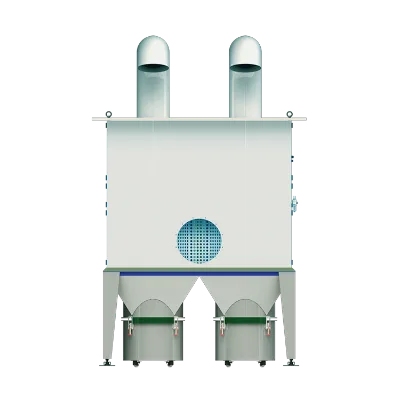
Factory Industrial Dust Collector Powder Filter Cartridge Dust Removal Equipment
$9788.00 - $11800.00
MOQ: 1 pieces
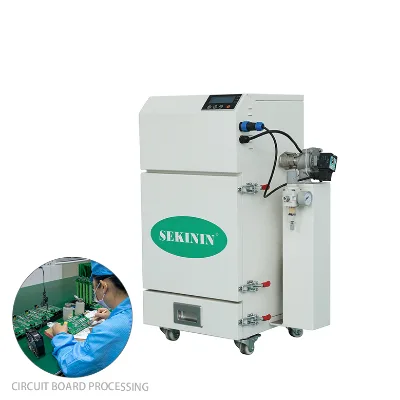
HOT SALE High-Efficiency Filtration Mini Cartridge Dust Collector for Electronic Precision Machining
$720.00 - $768.00
MOQ: 1 pieces
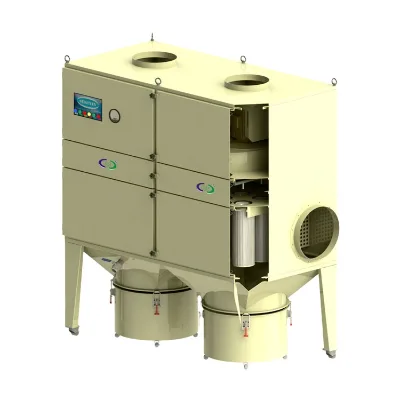
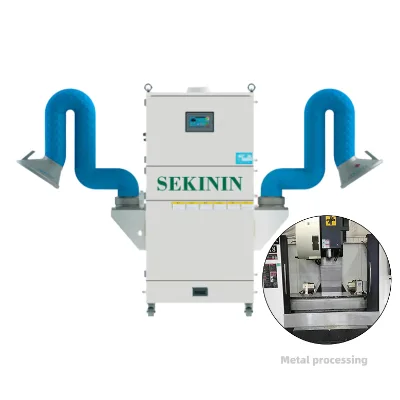
Hot Selling High-temperature Resistant High Negative Pressure Cartridge Dust Collector for Bagging
$4000.00 - $4063.00
MOQ: 1 pieces
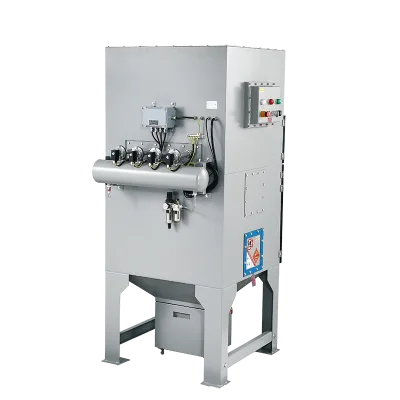
Customized Tailored-Size Explosion-Proof Dust Collectors for Specialized Industrial Applications
$3472.00 - $9722.00
MOQ: 1 Minimum
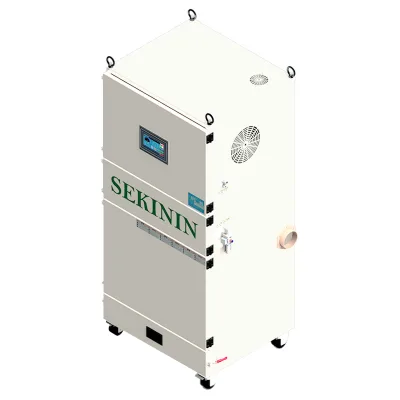
Customized High - End Automatic High - Pressure Dust Collectors for Aerospace Manufacturing
$2361.00 - $7792.00
MOQ: 1 Minimum

Xinxiang Lifeierte Filter Corp. Ltd.
- Verified by TUVRHEINLAND
- Manufacturer/Factory
- China Henan
- Lead time15 days
- Avg. response≤ 6h
Main productsHydraulic Oil Filter, Bag-Type Dust Collector, Sand Filter, Gas Filter, High Flow Cartridges, Self Cleaning Filters, RO Membrane, Vacuum Oil Filter, Cartridge Filter, Reverse Osmosis Equipment
Main marketsSouth America,Eastern Europe,Mid East,North America,Southeast Asia,Eastern Asia,Oceania,Western Europe,Africa
Wuhan Huaxia Star Intelligent Technology Co., Ltd.
- Verified by TüVRheinland
- Manufacturer, Trading Company
- Lead time20 days
- Avg. response≤ 5h
Main productsIndustrial Dust Collector, Handheld Laser Welding Machine
Main marketsDomestic Market(70%), North America(20%), Southeast Asia(3%)
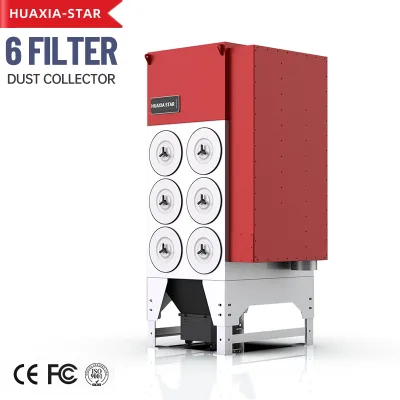
High Efficiency Filter Cartridge Dust Collector for Metal Grinding Machine Industry
$5000.00 - $5500.00
MOQ: 1 sets
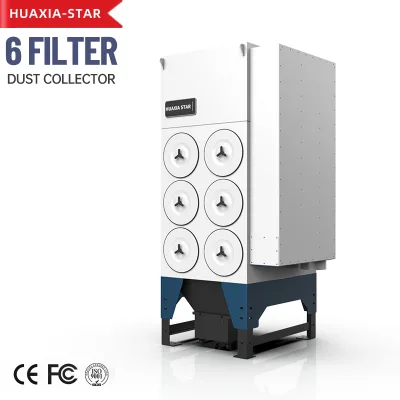
$6250.7069 - $6771.5991
MOQ: 1 sets
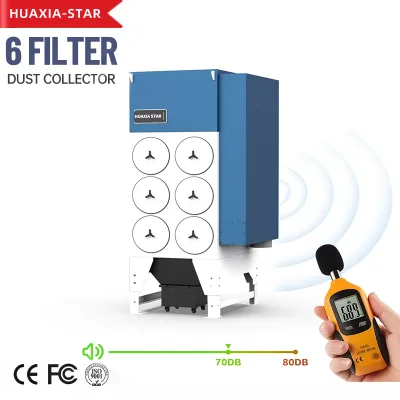
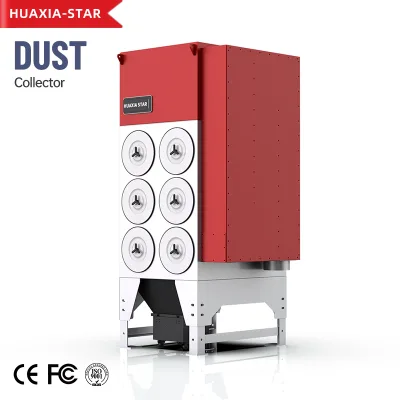
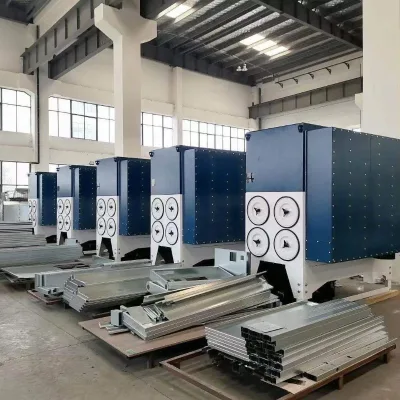
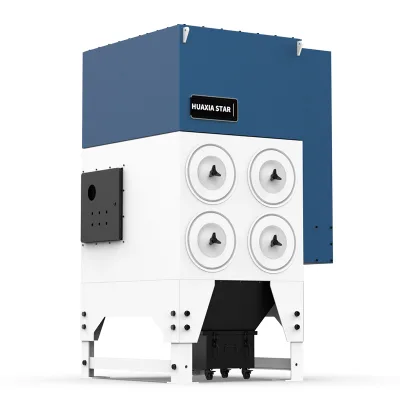
Cartridge Type Industrial Dust Collector specialized in Solving Indoor Industrial Dust Separation
$5208.9224 - $5729.8146
MOQ: 1 sets
Botou Yite Environmental Protection Machinery Manufacturing Co., Ltd.
- Verified by TüVRheinland
- Manufacturer, Trading Company
- Lead time7 days
- Avg. response≤ 1h
Main productsIndustrial Dust Collector, Wet Scrubber, Downdraft Table, Filter Bag, Welding Fume Extractor
Main marketsDomestic Market(20%), North America(10%), South America(10%)
Hebei Qiaoda Environmental Protection Technology Co., Ltd.
- Verified by SGS Group
- Manufacturer, Trading Company
- Lead time15 days
- Avg. response≤ 3h
Main productsIndustrial Filtration Equipment
Main marketsDomestic Market(90%), South America(10%)
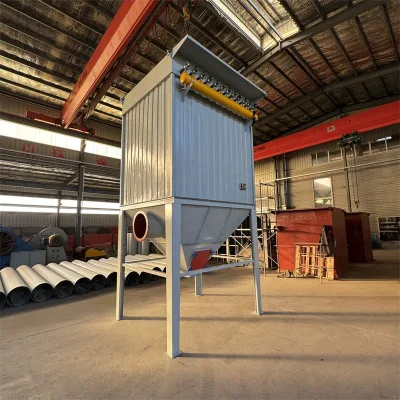
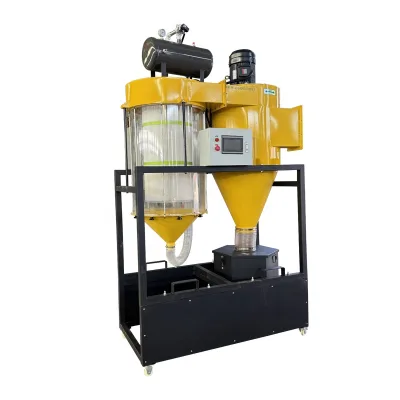
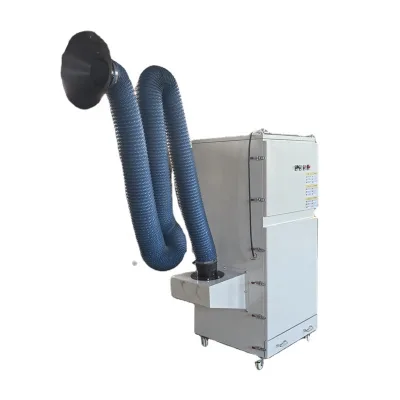
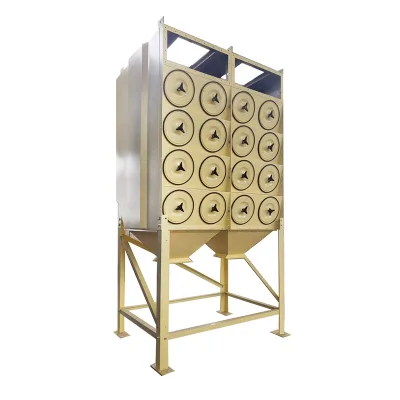
Customizable Industrial Cartridge Dust Collector New Condition for Airflow Control in Cars
$7500.00 - $8600.00
MOQ: 1 sets

QINGDAO LUMEIKE ENVIRONMENTAL PROTECTION TECHNOLOGY CO., LTD
- Manufacturer/Factory
- China Shandong
- Lead time23 days
- Avg. response≤ 2h
Main productsSmoke Purifier, Welding Fume Extractor, Purification Equipment, Dust Collector, Oil Mist Collector, Fume Extracation Arm, Workshop Air Purification Tower, Ndoor Self-Circulation Integrated Purifier
Main marketsSouth America,Eastern Europe,Mid East,North America,Southeast Asia,Eastern Asia,Oceania,Western Europe,Africa

High Efficiency Cartridge Dust Collector Simple Filter Replacement, Low Maintenance Cost
$4950.00 - $5500.00
MOQ: 1 Pieces

- Manufacturer, Trading Company
- Shandong, China
- Lead time20 days
- Avg. response≤ 2h
Main productsdust collector,water treatment system,HClO generator,reverse osmosis water filter system,grinding table
Main marketsWestern Europe(13.00%), Eastern Europe(13.00%), Southern Europe(12.00%), Oceania(11.00%), Mid East(10.00%), North America(10.00%), Central America(10.00%), Northern Europe(6.00%), South Asia(5.00%), Domestic Market(2.00%), South America(2.00%), Southeast Asia(2.00%), Eastern Asia(2.00%), Africa(2.00%)
Cangzhou Kaicheng Environmental Protection Technology Co., Ltd.
- Manufacturer, Trading Company
- Hebei, China
- Lead time0 days
- Avg. response≤ 13h
Main productsEnvironmental Protection Equipment,Roll forming machine
Main marketsDomestic Market(80.00%), Central America(10.00%), Mid East(10.00%)

Jinan Huaxin Automation Engineering Co., Ltd.
- Verified by BV
- Combined
- China Shandong
- Lead time15 days
- Avg. response≤ 2h
Main productsWelding Fume Dust Collector/Extractor, Special Welding Equipment, Gas Mixer
Main marketsSouth America,Africa,Southeast Asia/ Mideast,Domestic,Europe,Australia,North America


Air Pollution Control System Industrial Filter Cartridge Dust Collector
$750.00 - $900.00
MOQ: 9 Pieces

Air Pollution Control System Industrial Filter Cartridge Dust Collector
$750.00 - $900.00
MOQ: 9 Pieces

Factory Direct Sales Dust Collector Pulse Dust Collector Cartridge Dust Collector
$1600.00 - $2000.00
MOQ: 1 Pieces


Compact Dust Collector with Removable Small Cartridge Filter and CE Certification
$400.00 - $550.00
MOQ: 1 Pieces
Beijing Chengtai Environmental Protection Co., Ltd.
- Verified by TüVRheinland
- Manufacturer, Trading Company
- Lead time30 days
- Avg. response≤ 16h
Main productsDust Collector, Conveying Equipment, Filter Bag, Centrifugal Fans, Dust Collector Accessories
Main marketsNorth America(40%), Southeast Asia(25%), South America(20%)
Hebei Yiboyuan Environmental Protection Machinery Manufacturing Co., Ltd.
- Manufacturer
- Hebei Province, China
- Lead time0 days
- Avg. response≤ 1h
Main productsIndustrial Dust Collector,Wet Scrubber,Downdraft Table,Filter Bag,Welding Fume Extractor
Main marketsDomestic Market(50.00%), Eastern Europe(10.00%), South Asia(10.00%)
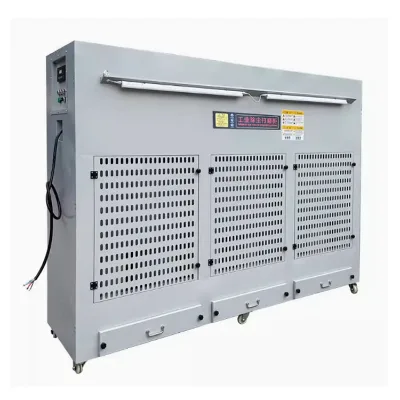
New Polishing Dry Dust Collection Cabinet Pulse Dust Collector for Dust Removal
$1900.00
MOQ: 1 pieces
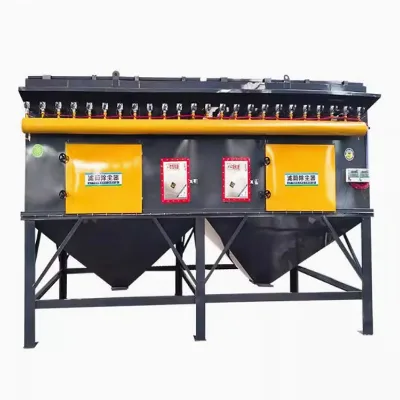
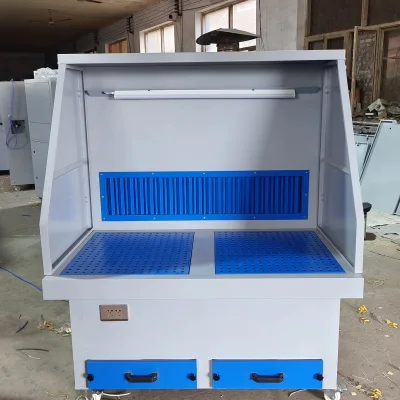
Customizable Dust Collector for High-precision Industrial Grinding Table Factory
$618.1861 - $1442.4342
MOQ: 1 Minimum
- Verified by Intertek
- Manufacturer, Trading Company
- Lead time5 days
- Avg. response≤ 1h
Main productsAir Filter Cartridge, Dust Collector, Pleated Bag Filter, Air Filter Media, Filter Cartridge's Accessories
Main marketsSouth America(30%), North America(20%), Domestic Market(15%)
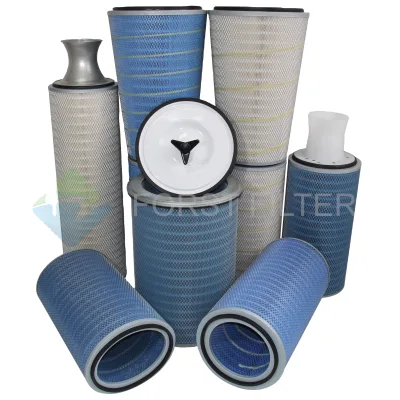
$13.00 - $18.00
MOQ: 1 pieces
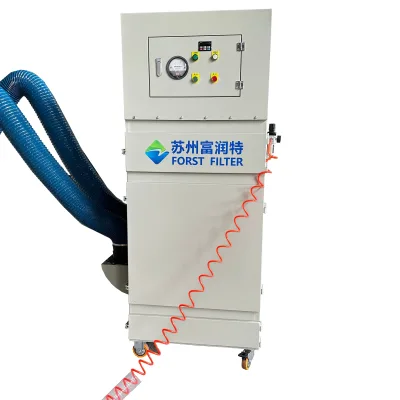
Factory Central Dust Collection Design 99.9% Filtration Efficiency Industrial Dust Collector
$2500.00 - $2650.00
MOQ: 1 sets

Shandong Moland Environmental Tech Co., Ltd.
- Manufacturer, Trading Company
- Shandong, China
- Lead time15 days
- Avg. response≤ 2h
Main productsWelding Fume Extractor,Industrial Dust Collector,Downdraft Table,Cartridge Filter,Extraction Arm
Main marketsDomestic Market(91.00%), Southeast Asia(4.00%), Mid East(2.00%), Oceania(1.00%), South Asia(1.00%), Northern Europe(1.00%)


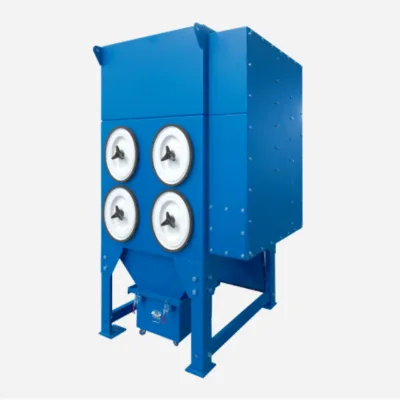
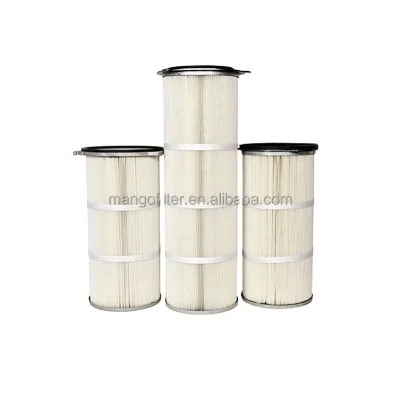
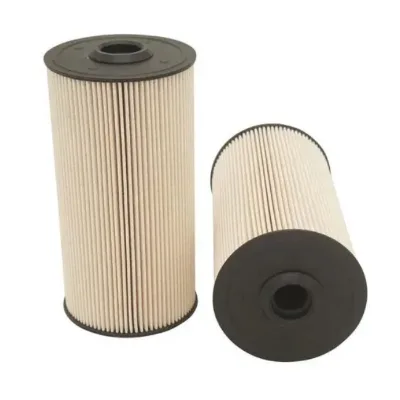
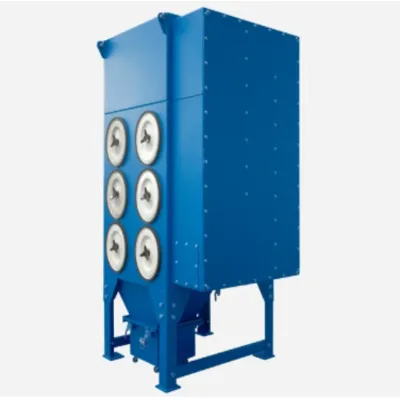
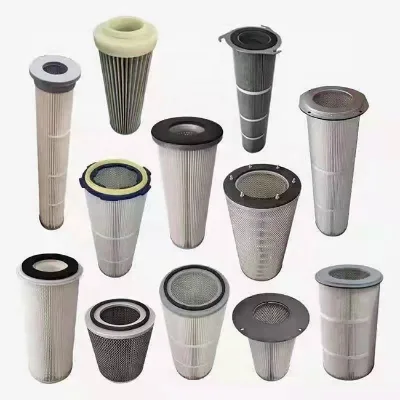






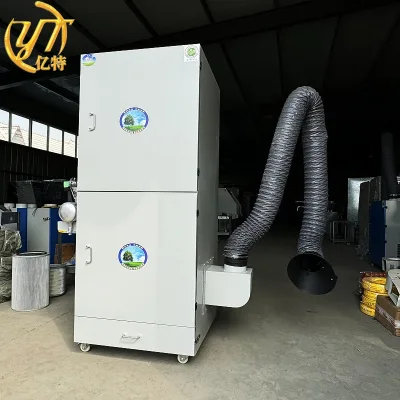
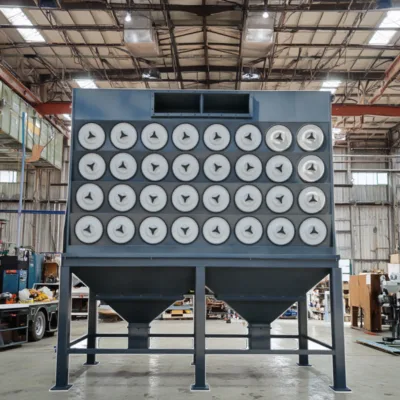
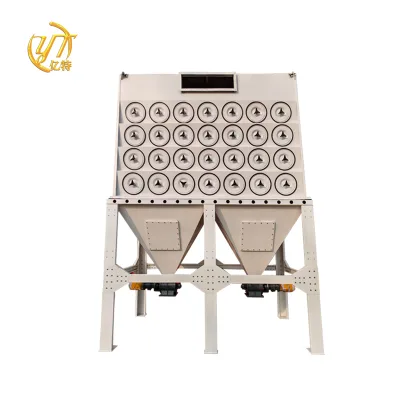
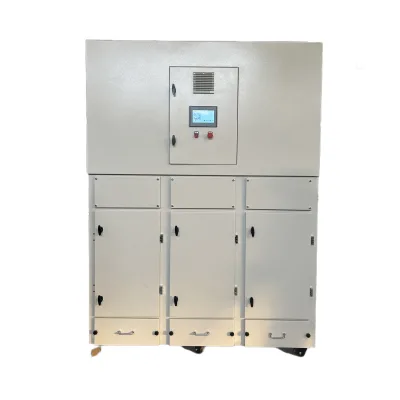
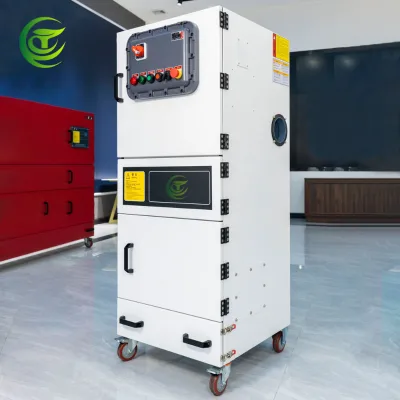
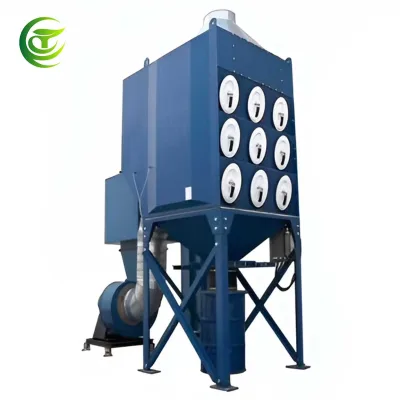
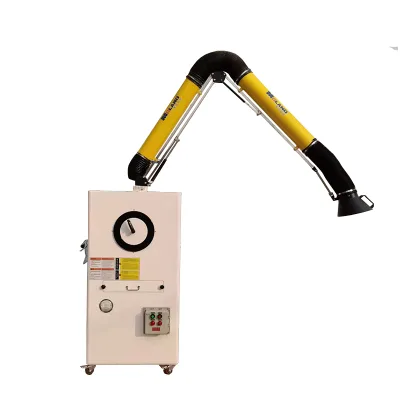
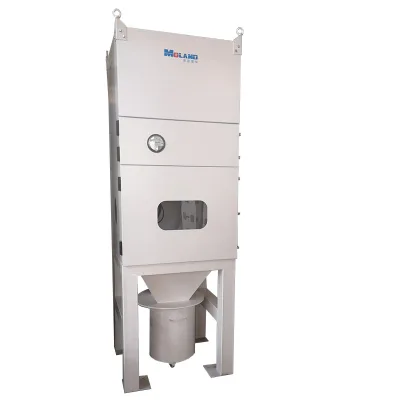
Comprehensive Sourcing Guide
Advanced Cartridge Filter Dust Collector Supplier Concentration and Factory Types
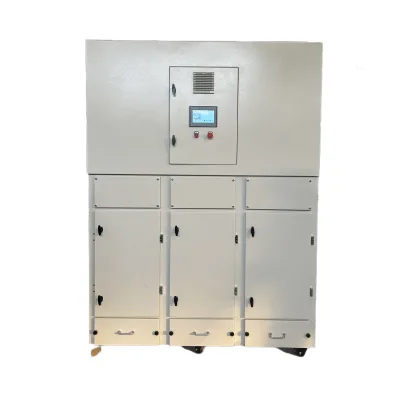
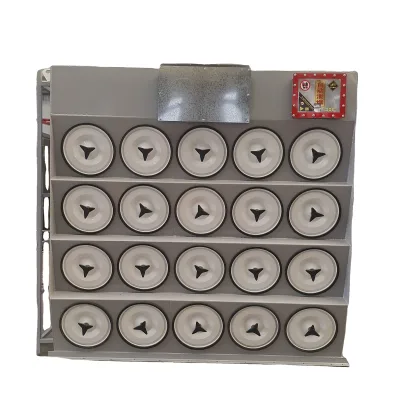
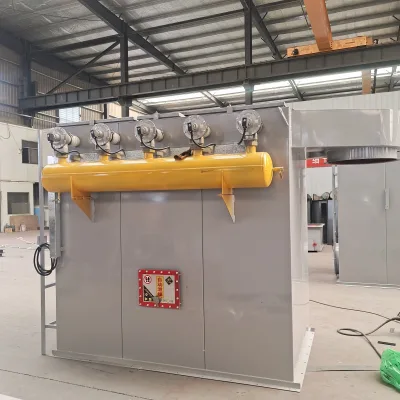
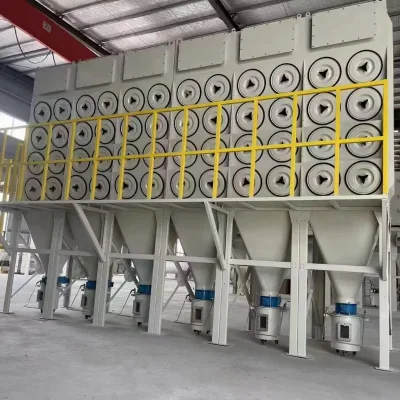
The current supplier landscape for advanced cartridge filter dust collectors reveals a distinct geographic and structural distribution that buyers must navigate carefully. Results indicate a concentration of manufacturing activity in China, with specific clusters identified in Jiangsu, Hebei, and Shandong provinces. In Jiangsu, suppliers are predominantly classified as manufacturers, suggesting a direct factory-to-buyer relationship for core production. These entities often list main products such as air filter cartridges, bag houses, and industrial dust extractor systems, indicating a specialization in comprehensive filtration solutions rather than single-component sales. The presence of ODM and OEM capabilities in this region highlights the ability to customize equipment for specific industrial needs, from chemical synthetic fiber media to steel sheet construction. This concentration allows buyers to source integrated systems where the dust collector is part of a larger HVAC or industrial cleaning infrastructure.
In contrast, suppliers in Hebei and Shandong present a different operational model. Hebei-based entities are categorized as combined companies, which may blend manufacturing with trading or assembly functions, while Shandong suppliers are explicitly identified as trading companies. This distinction is critical for procurement strategy, as trading companies may offer a broader portfolio of related machinery, such as air handling units, centrifugal fans, and mining ventilation equipment, but might not control the primary manufacturing process. The Hebei cluster also emphasizes welding-specific applications, offering large filter cartridge dust collectors designed for fume extraction and plasma cutting environments. Understanding whether a supplier is a pure manufacturer, a combined entity, or a trading company helps buyers assess supply chain transparency, pricing flexibility, and technical support capabilities.
How to Verify Advanced Cartridge Filter Dust Collector Suppliers
Verification of suppliers requires a multi-layered approach that goes beyond basic company profiles, focusing on tangible credentials and operational metrics. Buyers should prioritize suppliers who display third-party verification badges, such as BV or TÜV Rheinland, which provide an additional layer of trust regarding business legitimacy and operational standards. Certification is another critical verification point; many suppliers in the current results hold ISO9001:2015 and ISO14001:2015 certificates, indicating adherence to quality management and environmental standards. Some products also list ISO and CE certifications, which are essential for ensuring compliance with international safety and performance regulations, particularly for equipment involving electrical components or high-pressure air systems. Buyers must request copies of these certificates and verify their validity through the issuing bodies to avoid fraudulent claims.
Beyond certifications, response time and product detail transparency serve as strong indicators of supplier reliability. The data shows a wide variance in response times, ranging from under one hour to nearly eighteen hours. A rapid response time, such as the 0.09-hour average observed in some Hebei suppliers, often correlates with dedicated sales teams and efficient internal communication processes, which are vital for resolving technical queries quickly. Furthermore, buyers should scrutinize the specificity of product attributes provided. Suppliers listing detailed specifications, such as pulse valve brands (e.g., Dwyer America, Goyen Australia), filtration efficiency rates (e.g., 1 micron at 99.99%), and specific material grades (e.g., 3mm-4mm steel sheet), demonstrate a higher level of technical competence. Vague product descriptions or missing key attributes like airflow rates or cleaning methods should raise red flags, prompting buyers to request more detailed technical datasheets before proceeding.
What to Compare Across Advanced Cartridge Filter Dust Collector Suppliers
When evaluating multiple suppliers, buyers must compare key operational dimensions to determine the best fit for their specific project requirements. Lead time is a primary factor, with some suppliers indicating a standard lead time of 15 days, which is crucial for project planning and inventory management. Minimum Order Quantity (MOQ) policies also vary, with some suppliers offering an MOQ of just one unit, providing flexibility for small-scale trials or specialized applications, while others may have higher thresholds. Price ranges are another significant comparison point, with costs varying from approximately $800 to $10,000 depending on the scale, complexity, and customization level of the dust collector. Buyers should analyze these prices in the context of the included features, such as automatic operation types, horizontal or vertical installation methods, and the inclusion of warranty periods, which can range from two to ten years.
Technical specifications and customization options must also be weighed carefully against supplier capabilities. The medium material, whether chemical synthetic fiber or glassfiber, impacts the suitability for different dust types and temperatures. Airflow rates, ranging from 2000 to 30000 cubic meters per hour, determine the capacity of the system for various industrial environments. Buyers should compare the cleaning mechanisms, such as reverse pulse jet or automatic cleaning systems, and the filter efficiency metrics to ensure they meet their air quality standards. Additionally, the availability of customization services, explicitly marked as available by many suppliers, allows for tailored solutions regarding the number of cartridges, pulse valve configurations, and fan power. Comparing these technical variables alongside commercial terms like warranty length and packing methods (e.g., wooden pallets) ensures a holistic assessment of value and suitability.
Common Advanced Cartridge Filter Dust Collector Sourcing Risks
Sourcing advanced cartridge filter dust collectors involves several inherent risks that buyers must proactively manage to ensure successful procurement. One significant risk is the mismatch between advertised specifications and actual product performance, particularly regarding filtration efficiency and durability. While suppliers may claim high efficiency rates, such as 99.99% for particles down to one micron, verifying these claims through independent testing or third-party reports is essential. Another risk lies in the variability of component quality, especially for critical parts like pulse valves and filter cartridges. Suppliers using different brands for these components, such as Dwyer America or Goyen Australia, may offer varying levels of reliability and after-sales support. Buyers must clarify which brands are standard and which are optional to avoid receiving subpar components that could lead to frequent maintenance issues or system failures.
Logistical and compliance risks also pose challenges, particularly when sourcing from international suppliers. Differences in installation methods, such as horizontal versus vertical types, require careful planning to ensure the equipment fits the buyer’s facility layout. Additionally, the complexity of automatic operation systems means that proper installation and commissioning are critical; inadequate technical support from the supplier can lead to operational inefficiencies. Warranty terms, which can vary significantly from two to ten years, must be clearly understood in terms of coverage scope and claim procedures. Buyers should also be cautious of vague product origins or standards, ensuring that all equipment meets the required local safety and environmental regulations. Miscommunication regarding customization requirements can result in delivered products that do not meet specific industrial needs, leading to costly modifications or replacements.
Advanced Cartridge Filter Dust Collector Regional Sourcing and Logistics
Regional sourcing strategies must account for the geographic distribution of suppliers and the associated logistical implications. Suppliers in Jiangsu, Hebei, and Shandong offer distinct advantages based on their local industrial ecosystems and proximity to major shipping ports. Jiangsu’s concentration of manufacturers suggests a robust supply chain for raw materials like steel sheets and synthetic fibers, potentially leading to more consistent production quality and faster turnaround times for standard models. Hebei’s focus on welding-specific dust collectors indicates a specialized cluster that may offer better expertise for industries dealing with metalworking fumes and particulates. Shandong’s trading companies, while potentially offering a wider range of related machinery, may introduce additional layers in the supply chain, which could impact lead times and cost structures. Buyers should evaluate these regional strengths to align their sourcing decisions with their specific application requirements.
Logistics planning must also consider the packaging and shipping requirements of large industrial equipment. Suppliers typically use wooden pallets or boxes for packing, which must be suitable for international shipping and handling. The dimensions and weight of the dust collectors, which can vary based on airflow capacity and cartridge count, will influence freight costs and container utilization. Buyers should verify the standard packaging methods with their chosen supplier to ensure that the equipment is protected during transit and complies with export regulations. Additionally, the origin of the products, such as Zhangjiagang in Jiangsu or general China origins, may affect customs clearance procedures and import duties. Understanding these logistical factors helps buyers estimate total landed costs accurately and plan for efficient delivery and installation at their facilities.
Advanced Cartridge Filter Dust Collector Commercial Terms and Order Planning
Commercial terms and order planning are critical for securing favorable deals and ensuring smooth transaction execution. Buyers should negotiate clearly defined payment terms, delivery schedules, and warranty conditions to mitigate financial and operational risks. The price range of $800 to $10,000 offers flexibility, but buyers must ensure that the quoted price includes all necessary components, such as pulse valves, filters, and control systems, to avoid hidden costs. Customization services, often available, should be priced transparently, with clear specifications for any modifications to standard models. Lead times, typically around 15 days, should be confirmed in writing, with penalties for delays to protect project timelines. Warranty periods, ranging from two to ten years, must specify what is covered, including parts and labor, and the process for claiming warranty services.
Order planning should also consider the scalability and future maintenance needs of the dust collector system. Buyers should assess the availability of spare parts, such as filter cartridges and pulse valves, to ensure long-term operational continuity. Suppliers offering comprehensive after-sales support and technical assistance can significantly reduce downtime and maintenance costs. Additionally, buyers should evaluate the supplier’s capacity to handle repeat orders or expansions, ensuring that they can meet future demand without compromising quality or lead times. By carefully reviewing commercial terms and planning for long-term operational needs, buyers can build a sustainable supply relationship that supports their industrial filtration requirements effectively. This approach minimizes risks and maximizes the value derived from the Advanced Cartridge Filter Dust Collector investment.
FAQs
What is the price range for advanced cartridge filter dust collectors?
Prices typically range from $800 to $10,000 depending on specifications. Basic units start around $800, while larger industrial models with higher airflow rates can reach $10,000. Buyers should verify exact costs based on their required airflow and customization needs.
What certifications are available for these dust collectors?
Manufacturers commonly provide ISO and CE certifications for their equipment. Some suppliers also hold ISO9001:2015 and ISO14001:2015 system certifications. Buyers should request specific certification documents to ensure compliance with their regional safety and environmental standards before placing orders.
What is the typical lead time for manufacturing?
Standard lead times are approximately 15 days for production. This duration may vary based on order volume and customization requirements. Buyers should confirm specific delivery schedules with suppliers to ensure alignment with their project timelines and operational needs.
What is the minimum order quantity for these units?
The minimum order quantity is generally one unit. This allows buyers to test performance before committing to larger volumes. Suppliers often support both small trial orders and large-scale industrial deployments with flexible purchasing terms.
What materials are used in the filter cartridges?
Filter cartridges typically use chemical synthetic fiber or glassfiber media. These materials ensure high filtration efficiency for dust and fumes. Buyers should select the appropriate medium based on the specific industrial environment and the type of particulates being collected.
What is the filtration efficiency of these collectors?
Efficiency rates often reach 99.99% for particles between 0.3 and 1 micron. This high performance ensures clean air output in industrial settings. Buyers should verify specific efficiency ratings to match their air quality requirements and regulatory compliance standards.