Kawaii Food Style Doll House Suppliers and Manufacturers
Source 28 verified suppliers offering Kawaii Food Style Doll House products with CE, ASTM, and ISO certifications. Compare response times, lead times, and MOQs to find the right partner. Contact suppliers directly to request quotes and verify production capabilities; review the available evidence before requesting comparable quotations from suitable candidates.
Suppliers List

Jinjiang Zhengzheng Technology Co., Ltd.
- Trading Company
- China Fujian
- Lead time0 days
- Avg. response≤ 1h
Shenzhen Landful Textile & Trading Ltd.
- Manufacturer, Trading Company, Distributor/Wholesaler
- Lead time旺季: "1 - 1000":13,"> 1000":"To be negotiated", 淡季: "1 - 1000":13,"> 1000":"To be negotiated"
- Avg. response≤ 5h
Main productsDollhouse Miniature,Miniature for Fairy Garden,Miniature for Props Festival,Promotional Gifts
Guangzhou Know Me Craft Co., Ltd.
- Verified by SGS Group
- Manufacturer, Trading Company
- Lead time3 days
- Avg. response≤ 1h
Main productsMiniature House Kit, DIY Toys, Book Nook, 3D Wooden Puzzle
Main marketsDomestic Market(40%), Western Europe(20%), North America(15%)
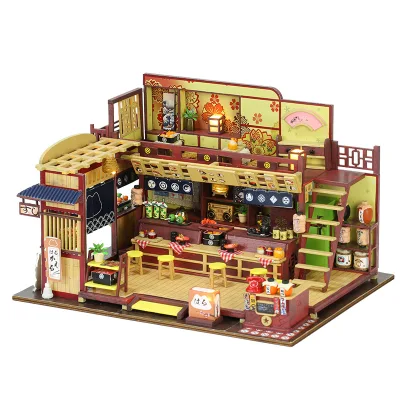
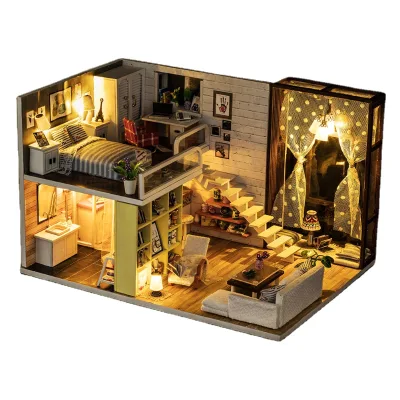
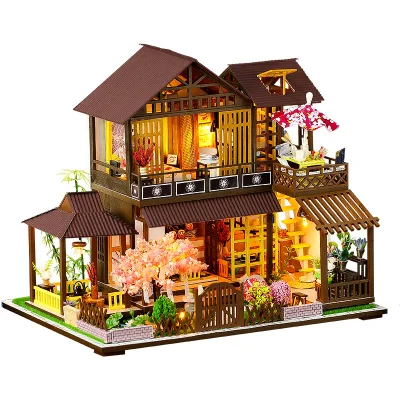
Wholesale Japanese Sushi Style DIY Handmade Assembled Wooden Doll House Dollhouse Kit for Kids
$19.50 - $22.50
MOQ: 500 sets
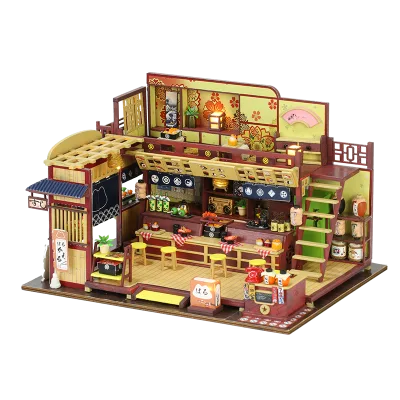
DIY Wooden Handmade Miniature Japanese Sushi Restaurant Miniature Dollhouse Miniatures
$23.00 - $26.90
MOQ: 500 sets
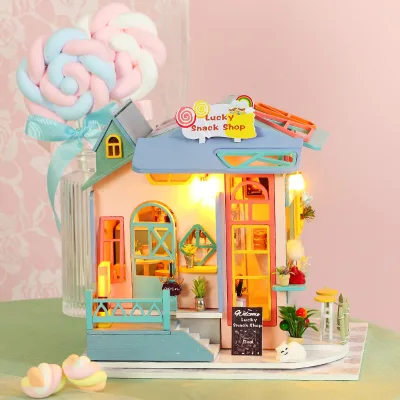
IIECREATE 3D Handmade Wooden Dollhouse K-1061 Snack Shop DIY Miniature House Kit With LED Snake Shop
$10.57 - $11.89
MOQ: 4 sets
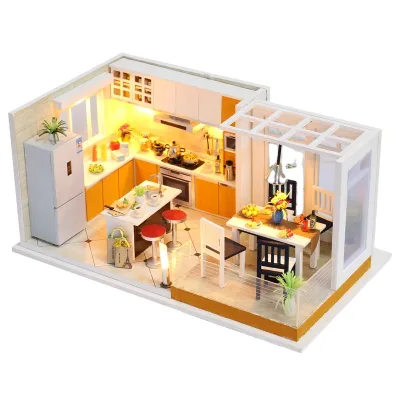
IIECREATE Miniature Wooden Doll House with Kitchen 1:24 Scale Wholesale DIY Set with Light
$8.50 - $9.20
MOQ: 1 sets
- Trading Company
- Taiwan, China
- Lead time0 days
- Avg. response≤ 6h
Main productsMiniature,DIY Kits,Fashion Jewelry Finish Items,General Craft,Home Decoration
Main marketsEastern Asia(34.00%), Northern Europe(33.00%), North America(33.00%)
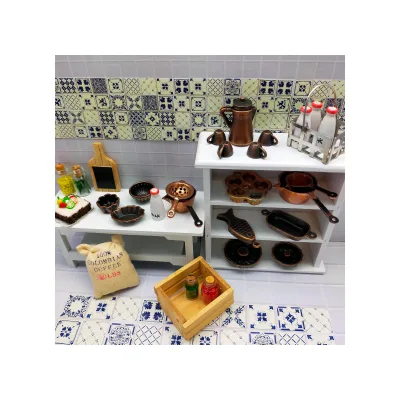
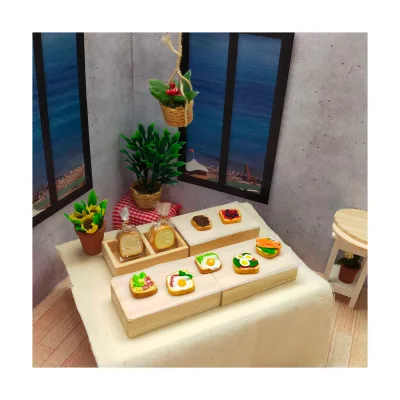
New Arrival Miniature Dollhouse 1:12 Delicious Toast with Egg Salmon Berries Lovely Food
$0.42 - $0.47
MOQ: 800 pieces
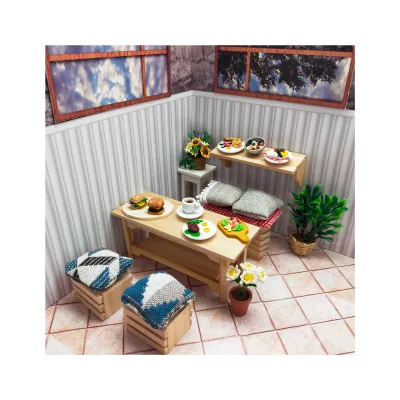
$0.68 - $0.76
MOQ: 800 parcels
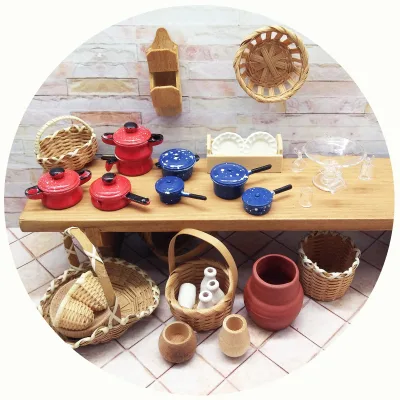
Miniature Doll House Kitchenware Set with Easy Assembly Bamboo & Wood Materials Scale 1:12
$0.19 - $2.78
MOQ: 20 Minimum
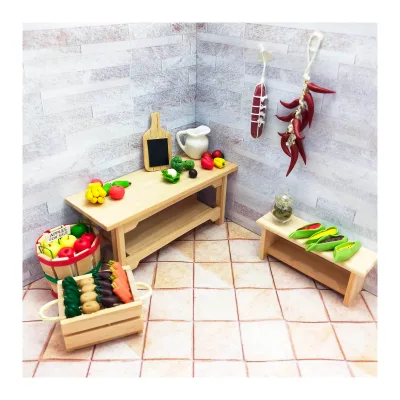
Miniature Dollhouse 1:12 Kitchen in the Countryside with Resin Clay & Wood Materials DIY Accessories
$0.40 - $0.44
MOQ: 800 pieces
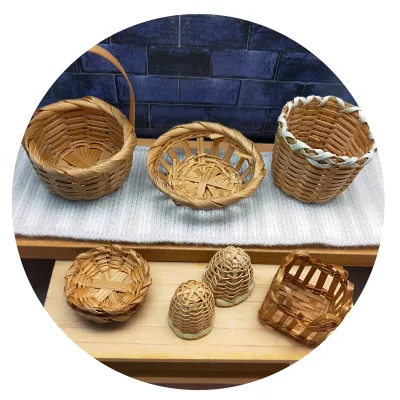
Dongguan Qunwei Arts & Crafts Co., Ltd.
- Manufacturer, Trading Company
- Guangdong, China
- Lead time30 days
- Avg. response≤ 5h
Main productsDoll House,Dollhouse furniture,Dollhouse lighting,Miniatures,DIY House
Main marketsWestern Europe(42.00%), Southern Europe(10.00%), North America(10.00%), South America(10.00%), Southeast Asia(5.00%), Northern Europe(5.00%), Eastern Europe(5.00%), Eastern Asia(5.00%), Oceania(5.00%), Domestic Market(3.00%)

- Verified by TUVRHEINLAND
- Combined
- China Guangdong
- Lead time23 days
- Avg. response≤ 5h
Main marketsSouth America

$2.10 - $2.16
MOQ: 420 Pieces

Wholesale Plastic Doll House Kitchen Miniatures Dream Dollhouse for Girls Pretend
$2.70 - $2.78
MOQ: 300 Pieces

Ningbo Shone Med-Tech Co., Ltd.
- Verified by SGS
- Trading Company,Manufacturer/Factory,Group Corporation
- China Zhejiang
- Lead time23 days
- Avg. response≤ 4h
Main productsWooden Games, Wooden Toys, Bingo Games, Wooden Sport Items, Wooden Box
Main marketsSouth America,Eastern Europe,Mid East,North America,Southeast Asia,Eastern Asia,Oceania,Western Europe,Africa
Guangzhou Dikina Crafts Co., Ltd.
- Manufacturer, Trading Company, Distributor/Wholesaler
- Lead time旺季: "1 - 1000":7,"> 1000":"To be negotiated", 淡季: "1 - 1000":7,"> 1000":"To be negotiated"
- Avg. response≤ 2h
Main productsresin figurines,resin crafts,figurines toys,glass box,glass frame

- Verified by TUVRHEINLAND
- Trading Company
- China Zhejiang
- Lead time15 days
- Avg. response≤ 12h
Main productsLED Solar Light, Festival Lights, Table Lamp, LED Grow Lights, LED Light Strip, Smart Lights, LED Light String, Decorative Light, LED Head Light, LED Professional Lights
Main marketsSouth America,Europe,North America

Shantou Chenghai Xaqi Toys Industrial Co., Limited
- Verified by BV
- Combined
- China Guangdong
- Lead time23 days
- Avg. response≤ 5h
Main productsRemote Control Car, Educational Toy, Sport Toy, Pretend Play Toys, Remote Contro Toy, Baby Toy, Summer Toy, B/O Toy
Main marketsSoutheast Asia/ Mideast,Domestic,Europe

$4.86 - $5.08
MOQ: 120 Pieces


Quanzhou Funky Baby Product Co., Ltd
- Verified by SGS
- Trading Company,Manufacturer/Factory
- China Fujian
- Lead time30 days
- Avg. response≤ 2h
Main productsDoll House, Miniature Furniture, Portable Suitcase Set, Doll, Mini Iron Furniture, Mini Wooden Furniture, Mini Rattan Furniture, Mini 3D Resin Furniture, Mini Fabric Furniture, 1: 12 Miniature Furniture
Main marketsSouth America,Eastern Europe,Mid East,North America,Southeast Asia,Eastern Asia,Oceania,Western Europe,Africa

Imagination Boost Culinary Food-Related Carry-on Dollhouse for Cooking Role-Play
$21.50 - $25.00
MOQ: 10 Sets


Everwin Toys Industry Co., Ltd.
- Verified by TUVRHEINLAND
- Trading Company,Manufacturer/Factory
- China Guangdong
- Lead time0 days
- Avg. response≤ 4h
Main productsPlastic Toy, Kids Gift, Toys Jewelry, Toys Gift, Promotion Gift, Kids Toys, Children Toys, Jewelry Sets, Stationery

- Verified by TUVRHEINLAND
- Trading Company,Manufacturer/Factory
- China Guangdong
- Lead time23 days
- Avg. response≤ 9h
Main productsToys, Children Toys, Track Car Toys, Candy Toys, Kid Play Tent, Small & Fun Toys, Family Toys, Boy Toys, Girl Toys, Plastic Toys
Main marketsSouth America,Eastern Europe,North America,Southeast Asia,Eastern Asia,Western Europe

- Verified by SGS
- Trading Company
- China Guangdong
- Lead time15 days
- Avg. response≤ 4h
Main productsPlastic Toys, Educational Toys, Baby Toys, RC Toys, Pretend Play Toys, Doll Toys, Robot Toys, Summer Toys, Sport Toys
Main marketsSoutheast Asia/ Mideast,Europe
- Verified by SGS Group
- Manufacturer, Trading Company
- Lead time20 days
- Avg. response≤ 3h
Main productsKids Toys, Chess Set, Puzzle, Block, Craft
Main marketsNorth America(20%), Eastern Europe(20%), South America(11%)

- Verified by CTI
- Trading Company
- China Guangdong
- Lead time23 days
- Avg. response≤ 5h
Main productsToy, Baby Toy, Educational Toy, Doll, RC Toy, Kids Toy, Pretend Play Toys, Plastic Toys, Stem Toys, Outdoor Toys
Main marketsSouth America,Africa,Europe

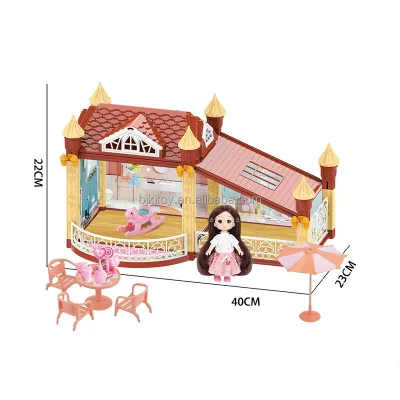
Simulation Fashion Doll House Assemble Girls DIY Doll Castle Game with Tape Light
$2.50 - $2.98
MOQ: 300 Pieces

Hot Sales Simulation Fashion Doll House DIY Assemble Gift Doll Castle Game Toys for Kids
$5.53 - $6.59
MOQ: 180 Pieces

$11.08 - $13.85
MOQ: 120 Pieces

Shantou Kaixin Trading Co., Ltd
- Verified by BV
- Manufacturer
- China Guangdong
- Lead time23 days
- Avg. response≤ 7h
Main productsToy, Educational Toy, Remote Control Toy, Pretend Play Toy Set, Summer Toy, Vehicle Toy, Doll, Promotion Toy, Baby Toy, Game Toy

WENZHOU TIMES ARTS&CRAFTS CO., LTD.
- Verified by SGS
- Manufacturer/Factory
- China Zhejiang
- Lead time23 days
- Avg. response≤ 4h
Main productsToys, Montessori Toys, Wooden Toy, Educational Toy, Role Play Toys, Children Furniture, Puzzle, Kid Bike, Musical Toy, Wooden Blocks
Main marketsSouth America,Eastern Europe,Mid East,North America,Southeast Asia,Eastern Asia,Oceania,Western Europe,Africa

$50.00 - $60.00
MOQ: 1000 Pieces


$10.00 - $40.00
MOQ: 100 Pieces


Caoxian Huashen Arts & Crafts Co., Ltd.
- Manufacturer, Trading Company
- Shandong, China
- Lead time25 days
- Avg. response≤ 2h
Main productsWooden box wine box,wooden pet product,wooden shelf,wooden garden plant box,Wooden toy
Main marketsNorth America(60.00%), Domestic Market(20.00%), Oceania(5.00%), Eastern Europe(3.00%), South America(3.00%), Southeast Asia(2.00%), Western Europe(2.00%), Eastern Asia(1.00%), Southern Europe(1.00%), Northern Europe(1.00%), Central America(1.00%), Mid East(1.00%)
BILLION ARTS (HUIZHOU) CO., LTD.
- Verified by TüVRheinland
- Manufacturer, Trading Company
- Guangdong, China
- Lead time45 days
- Avg. response≤ 1h
Main productsKids Furniture, Climbing, Pet Furniture, Doll House, Play Kitchen
Main marketsNorth America(46%), Western Europe(28%), Southern Europe(9%)
- Trading Company
- Lead time旺季: "1 - 500":10,"501 - 1000":25,"> 1000":"To be negotiated", 淡季: "1 - 500":10,"501 - 1000":25,"> 1000":"To be negotiated"
- Avg. response≤ 3h
Main productsEducational Toys; Montessori Teaching AIDS; Household Items; Kids Furniture; Stationery
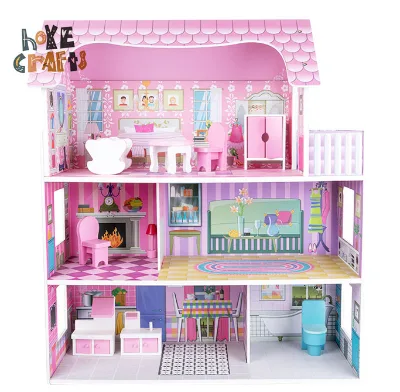
New Fashion Doll House Miniature DIY Wooden Doll House Kit Pink Wooden Doll House
$27.69 - $32.82
MOQ: 5 sets

- Verified by BV
- Trading Company
- China Zhejiang
- Lead time30 days
- Avg. response≤ 3h
Main productsWooden Toys, Educational Toys, Indoor and Outdoor Game, Kitchen and Food, Role Play, Learning Toys, Ride on Cars, Blocks and Puzzles, Train Set, Doll House
Main marketsEurope


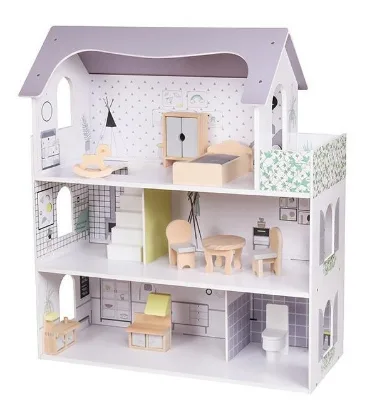
White Hardwood Dolls House with Furniture Toys Kids Bookshelf Wooden Toy House
$47.56 - $55.75
MOQ: 1 Sets

Fairytale Wooden Dollhouse with Pink Shutters Arch Door for Kids Pretend Play
$39.39 - $55.14
MOQ: 1 Sets

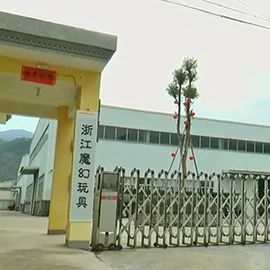
Wenzhou Magic Color Technology Co., Ltd.
- Manufacturer, Trading Company
- Zhejiang, China
- Lead time40 days
- Avg. response≤ 4h
Main productstoy,wooden toy,children toy,kids toy,baby toy
Main marketsNorthern Europe(30.00%), North America(10.00%), Eastern Europe(10.00%), Western Europe(10.00%), Southeast Asia(7.00%), Africa(7.00%), Domestic Market(6.00%), Mid East(6.00%), Eastern Asia(4.00%), South America(4.00%), Oceania(2.00%), South Asia(2.00%), Southern Europe(2.00%)
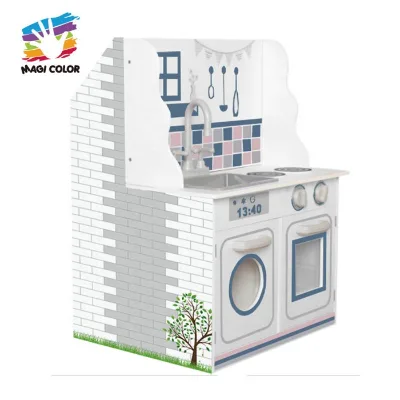
2023 Original Design Muti-color 2 in 1 Wooden Kitchen and Dollhouse for Kids W06A377C
$20.55 - $51.38
MOQ: 100 Minimum
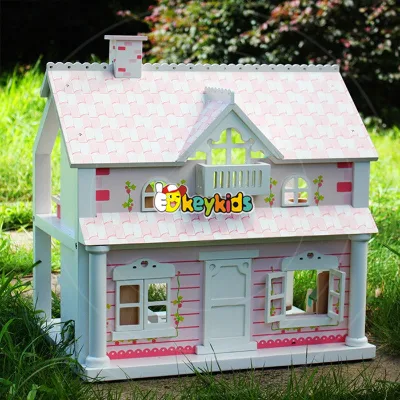
$17.92 - $58.11
MOQ: 100 Minimum

- Verified by TUVRHEINLAND
- Trading Company
- China Zhejiang
- Lead time23 days
- Avg. response≤ 6h
Main productstoys
Main marketsSoutheast Asia/ Mideast,Europe,Australia

- Verified by TUVRHEINLAND
- Combined
- China Guangdong
- Lead time15 days
- Avg. response≤ 17h
Main productsGun Toys, Child Toy, Baby Toy, Sport Toy, Outdoor Toys, Educational Toy, RC Toy, Plastic Toy
Main marketsDomestic,Europe,North America


High Quality Villa Toy Set Pretend Big Doll House for Girl DIY Doll House for Girl
$12.00 - $13.20
MOQ: 36 Pieces

Lianyungang Hongwen Toys Co., Ltd.
- Verified by SGS
- Combined
- China Jiangsu
- Lead time23 days
- Avg. response≤ 6h
Main productsCustom Plush Backpack, Stuffed Toy, Custom Plush Pillow, Custom Plush Doll, Custom Plush Toy, Custom Hold-All, Plush Pillow, Animal Plush, Stuffed Plush Toys, Plush Toy Animals
Main marketsAfrica,Southeast Asia/ Mideast,East Asia(Japan/ South Korea),Domestic,Europe,Australia,North America

Lishui Zhangzhongbao Toys Co., Ltd.
- Trading Company,Manufacturer/Factory
- China Zhejiang
- Lead time30 days
- Avg. response≤ 4h
Main productsWooden Toys, Educational Toys, Doll House, Kitchen Toy, Wooden Bike
Main marketsSouth America,Eastern Europe,Mid East,North America,Southeast Asia,Eastern Asia,Oceania,Western Europe,Africa

Factory Customize Girls Pink Wooden Victorian Dollhouse for Wholesale Z06483A
$30.00 - $45.00
MOQ: 1000 Pieces

Pretend Role Play Pink Miniature Double Sides Wooden Dollhouse for Kids Z06564A
$25.00 - $35.00
MOQ: 1000 Pieces


New Pretend Play Minimalist 2 Floors Natural Wooden Doll House for Kids Z06496A
$20.00 - $30.00
MOQ: 1000 Pieces
Shantou Beijia Technology Co., Ltd.
- Trading Company
- Guangdong, China
- Lead time30 days
- Avg. response≤ 7h
Main productsEducational Toy,rc car,block toy,toy accessories,car model
Main marketsCentral America(15.00%), South Asia(15.00%), Africa(15.00%), Southeast Asia(15.00%), South America(15.00%), North America(15.00%), Eastern Asia(10.00%)


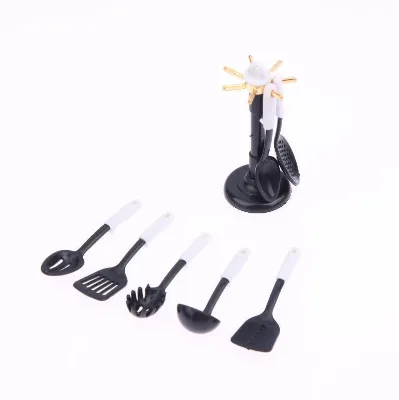
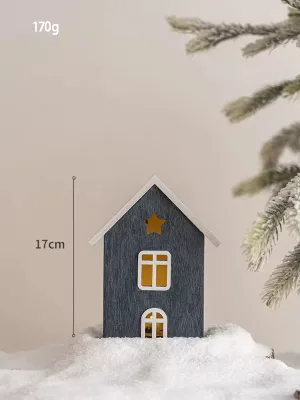
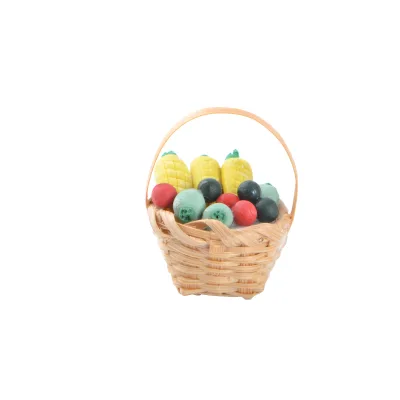
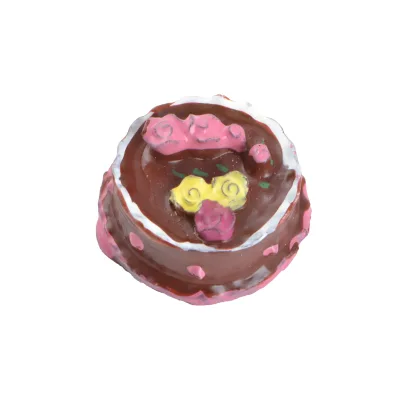








Comprehensive Sourcing Guide
Kawaii Food Style Doll House Supplier Concentration and Factory Types
The available data indicates that suppliers offering kawaii food style doll houses are concentrated in the Fujian province of China, a region known for its manufacturing capabilities in resin and plastic crafts. This location is explicitly linked to products such as miniature Japanese food toys and various dollhouse kits, suggesting a regional cluster for these specific items. Buyers should verify if other manufacturing hubs exist by checking the origin field on product listings, as the current evidence points primarily to this single province for resin and plastic miniature goods. Understanding this concentration helps in anticipating shipping routes and potential logistical efficiencies when sourcing from this specific area.
Regarding company structures, the observed supplier base includes a mix of manufacturers, trading companies, and distributors. Some entities operate solely as trading companies, while others function as manufacturers with additional trading capabilities, allowing them to offer customized production and direct sourcing. This diversity means buyers may encounter different levels of control over the production process depending on the supplier type selected. It is essential to distinguish between a pure trading company and a manufacturer when evaluating the ability to customize designs, as the latter often provides more flexibility for bespoke kawaii food styles and specific material requirements.
How to Verify Kawaii Food Style Doll House Suppliers
Verification of suppliers for kawaii food style doll houses requires checking for specific system certifications that align with international safety standards. The current evidence shows that some suppliers hold certifications such as BSCI, ISO 14001, ISO 9001, ASTM F963, EN 71, RoHS, CPSIA, CE, UKCA, and CPC. These credentials are critical for ensuring that the plastic and resin materials used in the miniature food and dollhouse components meet safety regulations for children's products. Buyers must confirm that these certifications are current and applicable to the specific product models they intend to purchase, rather than assuming all suppliers possess the full suite of listed credentials.
Beyond certifications, buyers should look for third-party verification badges, such as those from SGS Group, which indicate a higher level of trust and audit rigor. The presence of a verified status suggests that the supplier has undergone external scrutiny regarding their business practices and product quality. Additionally, response times serve as a practical indicator of supplier reliability; observed response times range from 0.11 to 5 hours, with some suppliers demonstrating a 1-hour response capability. A faster response time often correlates with better communication channels and a more active sales team, which is vital for resolving issues related to custom kawaii designs or production delays.
What to Compare Across Kawaii Food Style Doll House Suppliers
When comparing suppliers, the minimum order quantity (MOQ) is a primary differentiator that affects entry costs and inventory risk. The data reveals a wide range of MOQs, from as low as 10 units for specific miniature kitchen tools to 200 units for broader play food sets. Buyers must align their order volume with these thresholds to avoid unnecessary capital expenditure or rejection of smaller orders. It is important to note that not every supplier offers the same low MOQs, and the specific product model often dictates the minimum purchase requirement, making it essential to review the product attributes for each item individually.
Lead times and response speeds are equally critical factors in the comparison process. While some suppliers list a standard lead time of 3 days, others provide more complex schedules that vary based on order volume and seasonality, such as 13 days for orders under 1000 units during peak seasons. Response times also vary significantly, with some suppliers replying within minutes while others take several hours. Buyers should prioritize suppliers whose lead time commitments match their project timelines and whose response speeds ensure timely updates on production status. Comparing these operational metrics helps in selecting a partner capable of meeting specific delivery deadlines without compromising on the quality of the kawaii food style doll houses.
Common Kawaii Food Style Doll House Sourcing Risks
One significant risk involves the variability in product specifications and materials, which can lead to inconsistencies in the final kawaii food style doll houses. The evidence shows products made from plastic and resin, with some featuring specific certifications like CE, while others may lack detailed material disclosures. Buyers must verify that the materials used are safe and durable, especially for toys intended for children aged 3 to 8 years. Relying solely on product descriptions without confirming material safety data sheets or requesting samples can result in receiving products that do not meet the expected quality or safety standards.
Another risk is the potential for misalignment in production standards and customization capabilities. While some suppliers offer OEM packing and customized standards, others may have limited flexibility in altering designs or packaging. The data indicates that some products are produced to a "customized" standard, but the extent of this customization is not always clear. Buyers should explicitly define their requirements for size, color, and packaging before placing an order to avoid receiving items that deviate from their vision. Additionally, the lack of a unified standard across different suppliers means that quality control processes must be rigorously applied to ensure consistency across the entire order batch.
Kawaii Food Style Doll House Regional Sourcing and Logistics
Sourcing from the identified region in Fujian, China, offers logistical advantages due to the concentration of manufacturers in this area. The explicit mention of China as the origin for most products suggests that shipping routes and freight options are well-established for this specific region. Buyers should leverage this concentration to negotiate better freight rates and consolidate shipments from multiple suppliers if necessary. However, it is crucial to verify the specific port of loading and any regional restrictions that might affect transit times or customs clearance procedures for the specific kawaii food style doll houses being ordered.
Logistics planning must also account for the varying lead times and seasonal fluctuations mentioned in the supplier data. During peak seasons, lead times can extend to 13 days or more, which impacts the overall supply chain timeline. Buyers should factor in these potential delays when planning their inventory replenishment and marketing schedules. Additionally, the size and weight of the products, such as the medium-sized dollhouses or miniature food sets, will influence shipping costs and packaging requirements. Understanding these logistical nuances helps in creating a realistic timeline and budget for the procurement of kawaii food style doll houses from this specific manufacturing hub.
Kawaii Food Style Doll House Commercial Terms and Order Planning
Commercial terms for kawaii food style doll houses often include flexible pricing structures, with observed price ranges varying significantly based on the product type and order volume. Prices can range from as low as $0.10 for individual miniature food items to $200.00 for larger dollhouse kits. Buyers should carefully analyze the price per unit relative to the MOQ to determine the most cost-effective option for their specific needs. It is important to note that the price range provided is a general indicator, and actual costs may vary based on customization, material quality, and specific order requirements.
Order planning should also consider the payment terms and the availability of escrow services to protect the buyer's investment. While the current data does not explicitly detail escrow availability, buyers should inquire about secure payment methods that offer protection against non-delivery or quality issues. Furthermore, the customization options, such as OEM packing and specific product models, should be clearly defined in the purchase agreement to ensure that the final products match the buyer's expectations. By carefully planning the order volume, verifying commercial terms, and securing appropriate payment protections, buyers can mitigate risks and ensure a successful sourcing experience for kawaii food style doll houses.
FAQs
What is the price range for Kawaii Food Style Doll House accessories?
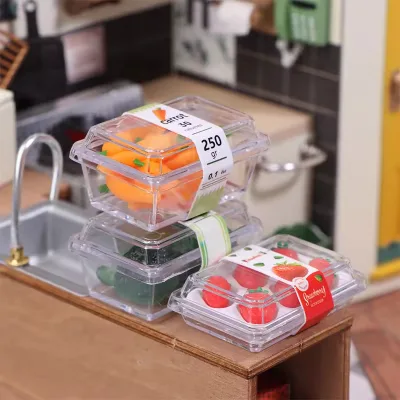
Prices for miniature food accessories typically range from $0.10 to $100.00 per unit. Specific items like plastic pretend play food start at $0.10 with a minimum order of 200 units. More complex boxed sets featuring strawberries or carrots are priced between $1.98 and $2.00, requiring a lower minimum order of 20 pieces for bulk purchasing.
What certifications are available for these miniature toy products?
Many suppliers offer products certified with CE standards for safety compliance. Some manufacturers hold extensive certifications including BSCI, ISO 9001, ISO 14001, and RoHS. Additional safety standards like ASTM F963, EN 71, CPSIA, UKCA, and CPC are also available from verified suppliers, ensuring the toys meet international quality and safety requirements for children.
What is the typical lead time for manufacturing these dollhouse kits?
Lead times vary based on order volume and season. For orders between 1 and 1000 units, production typically takes 13 days during both peak and off-peak seasons. Larger orders exceeding 1000 units require negotiation to determine specific delivery schedules. Some suppliers with faster response times may offer a standard three-day lead time for smaller, customized requests.
What materials are used to make these miniature food and house items?
Products are primarily manufactured using plastic, resin, and wood materials. Plastic is commonly used for pretend play food sets and kitchen accessories. Wooden materials are featured in DIY dollhouse kits, kokeshi dolls, and miniature house ornaments. Some specific items, like kitchen tool racks, utilize alloy materials to simulate realistic metal finishes for enhanced durability and visual appeal.
What are the minimum order quantities for these miniature products?
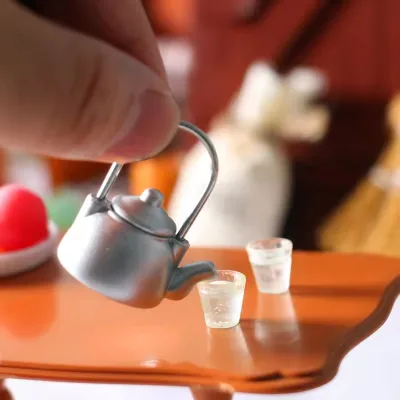
Minimum order quantities vary significantly by product type. Plastic pretend play food sets generally require a minimum order of 200 units. Miniature house kits and larger dollhouses often have a minimum order of 100 units. Smaller accessories, such as vintage kettle cups or boxed fruit sets, may have lower minimums of 10 or 20 units, allowing for flexible purchasing.
Where are these dollhouse and miniature suppliers located?
The majority of suppliers offering these products are located in China, specifically in the Fujian province. All listed products indicate China as their origin. This regional concentration supports the availability of diverse materials like wood, plastic, and resin, facilitating efficient manufacturing and export logistics for international buyers seeking wholesale miniature dollhouse components.
What customization options are available for these miniature products?
Suppliers offer extensive customization options including OEM packing and customized product standards. Buyers can request specific models, colors, and sizes for various items. Some manufacturers provide customized on-demand research and development capabilities. This flexibility allows buyers to tailor miniature food sets, dollhouses, and accessories to specific branding requirements or unique design specifications for their target market.