Source Advanced Cartridge Filter Dust Collector for Industry
Find 30 Advanced Cartridge Filter Dust Collector options from China. Compare vertical and horizontal models with automatic operation, synthetic fiber or glassfiber media, and various motor powers for power industry and general industrial dust collection needs; compare the available evidence and request quotations based on your requirements.
Updated
Key considerations
Products List


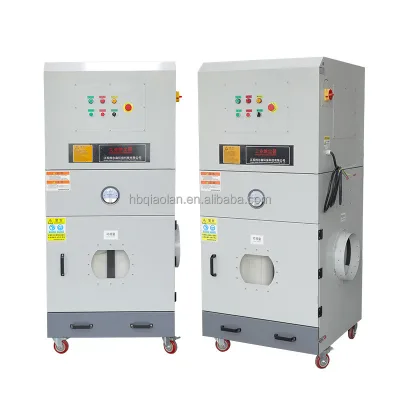
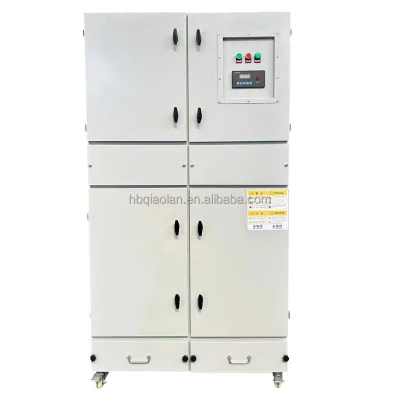
Advanced Automatic Dust Collector Cartridge Filter for Environmental Protection
$2999.00 - $9999.00
MOQ: 1 Pieces

High-Efficiency Pulse Dust Collector with Advanced Cartridge Filters
$2999.00 - $9999.00
MOQ: 1 Pieces


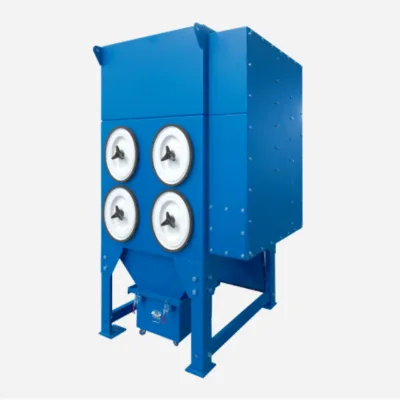
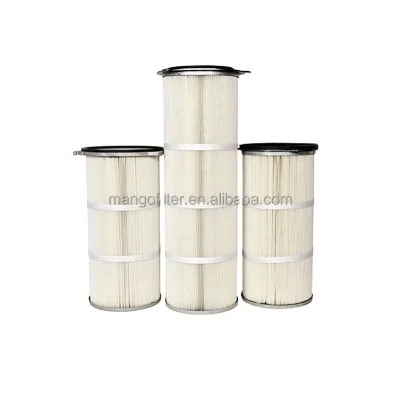
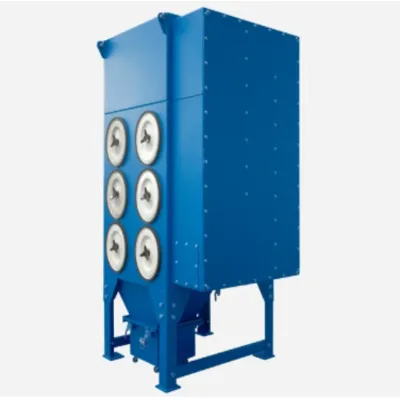
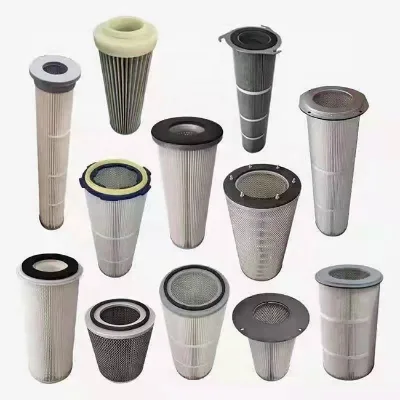

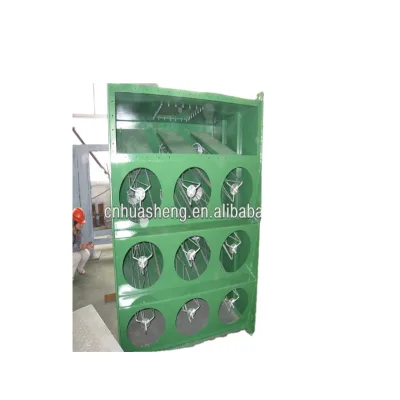
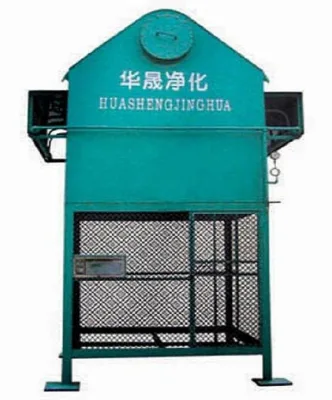


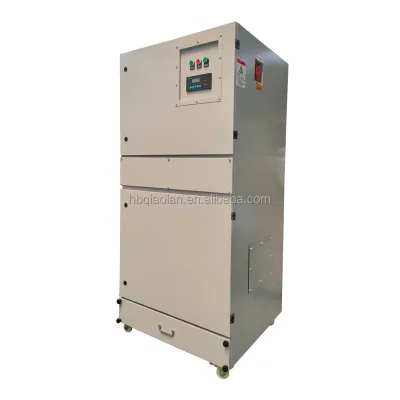
Industrial Dust Collector Filter Cartridge Dust Collector Filter
$1910.00 - $2125.00
MOQ: 1 Pieces
Chungho Environmental Protection Technology Chengdu Co., Ltd.
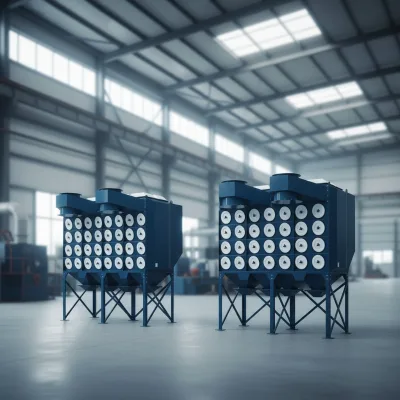


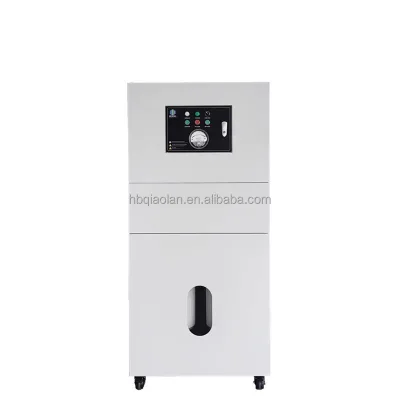
Comprehensive Sourcing Guide
Advanced Cartridge Filter Dust Collector Sourcing Guide
Buyers evaluating advanced cartridge filter dust collectors must first distinguish between the various structural configurations available in the current market. The observed product landscape includes floor-standing units designed for vertical installation, alongside horizontal models that may suit specific facility layouts. Understanding whether a supplier offers a drum filter, a fabric dust collector, or a specialized filter cartridge dust collector is essential before initiating any technical dialogue.
Procurement teams should also verify the intended medium material, as options range from chemical synthetic fibers to glass fiber and metal fiber constructions. These material choices directly influence the unit's ability to handle specific industrial contaminants such as dust, fumes, and soot. Selecting the correct medium material ensures the filtration system can maintain efficiency under the unique chemical and thermal conditions of the buyer's specific production environment.
Product Scope and Observed Listing Signals
The market for these industrial units displays a wide variance in pricing, with observed listings ranging from $2.50 to $90,000 USD, reflecting differences in capacity and customization levels. Buyers must scrutinize the minimum order quantity, which typically falls between one and three units, to ensure alignment with their initial procurement volume. This price and volume spread indicates that the market serves both small-scale pilot projects and large-scale industrial deployments requiring significant capital investment.
Listing signals also reveal that many suppliers offer custom-made specifications rather than standard off-the-shelf models. The observed product models include specific identifiers like DECENT1533 and EH-DHC, suggesting a high degree of tailoring for air volume and motor power requirements. Buyers should expect that the final configuration, including pulse valve counts and fan power, will be adjusted to match the specific airflow needs of their facility, often ranging from 1000 to 30,000 cubic meters per hour.
Technical Specifications to Verify
When assessing technical capabilities, the motor power and airflow capacity are critical parameters that must align with the facility's operational demands. Observed specifications indicate motor options ranging from 2.2kw to 22kw, with brands such as Simens, Dongyuan, and Wannan appearing in the supply chain. Buyers must verify that the selected motor brand and power rating can sustain the required air volume without causing energy inefficiencies or premature equipment failure during continuous operation.
The filtration mechanism and pressure tolerance are equally vital for ensuring long-term performance in harsh industrial environments. Units are observed to operate within a pressure range of 500 to 5000 and can withstand temperatures between 120 and 400 degrees Celsius. Procurement teams should confirm that the dust collecting method, whether dry or half-dry, and the pulse valve configuration are compatible with the specific particulate matter being generated to prevent clogging and maintain optimal filtration efficiency.
Compliance and Safety Documentation
Safety and regulatory compliance are non-negotiable aspects of sourcing industrial filtration equipment, particularly when operating in international markets. The observed product listings frequently cite ISO and CE certifications, which serve as baseline indicators that the manufacturer adheres to recognized quality and safety management systems. Buyers must request valid certification documents to verify that the specific unit model has been tested and approved for the intended application and geographic region.
Beyond general certifications, buyers should demand detailed documentation regarding the electrical safety and operational standards of the equipment. The power source is listed as electrical, with voltage options including 220, 380, and 480 volts, requiring verification that the unit matches the local grid infrastructure. Ensuring that the equipment meets local electrical codes and safety standards prevents potential liability issues and ensures that the installation can proceed without regulatory delays or safety hazards.
Cost Drivers and Commercial Terms
The total cost of ownership for advanced cartridge filter dust collectors is heavily influenced by the level of customization and the specific materials selected. Since many models are custom-made to fit specific air volume and standard requirements, the price will fluctuate based on the complexity of the design and the rarity of the filter medium material. Buyers should anticipate that higher customization levels, such as specific pulse valve counts or unique air storage tank configurations, will result in a higher unit price compared to standard models.
Commercial terms regarding packaging and shipping are also significant factors that affect the final landed cost. Observed packing methods include export standard packaging, container shipping, and plywood packing, each carrying different implications for protection and logistics expenses. Procurement teams must clarify whether the quoted price includes the cost of these specialized packaging solutions and if the supplier offers flexible delivery terms to mitigate the risk of damage during transit from the origin location in China.
Supplier Qualification and Quality Control
Evaluating the supplier's manufacturing location and production capabilities is a crucial step in mitigating supply chain risks. The observed products originate from locations such as Shandong, China, which is a known hub for industrial machinery manufacturing. Buyers should verify the supplier's capacity to maintain consistent quality across batches, especially since the products are often customized to specific standards that may vary from one order to the next.
Quality control processes should be explicitly defined in the purchase agreement to ensure that the final product meets the agreed-upon specifications. Given that the medium material and filter cartridge type are critical to performance, buyers must request evidence of the supplier's internal testing protocols for these components. Establishing a clear quality assurance framework helps ensure that the delivered units will perform reliably under the specified temperature and pressure conditions without unexpected failures.
Long-Term Procurement Checks
Sustainable procurement requires a focus on the long-term availability of replacement parts and the durability of the filtration system. Buyers should verify the lead times for critical components such as pulse valves and filter cartridges, which are essential for maintaining continuous operation. Ensuring a reliable supply chain for these consumables prevents production downtime and reduces the total cost of ownership over the lifespan of the equipment.
Finally, buyers must assess the supplier's commitment to after-sales support and technical assistance. The complexity of these systems, with their custom-made motors and specialized air storage tanks, necessitates ongoing maintenance and potential troubleshooting. Establishing a clear support agreement ensures that the buyer has access to expert guidance for installation, operation, and maintenance, thereby maximizing the efficiency and longevity of the Advanced Cartridge Filter Dust Collector investment.
FAQs
What customization options are available for advanced cartridge filter dust collectors?
Customization is available for advanced cartridge filter dust collectors to meet specific industrial needs. Buyers can request custom-made fan power, pulse valve configurations, and standard packaging. The units support vertical or horizontal installation methods and are designed for automatic operation in power and general industry settings.
Which certifications do these industrial dust collectors typically hold?
These industrial dust collectors typically hold ISO and CE certifications. These credentials verify that the manufacturing processes and product safety standards meet international requirements. Buyers in regulated industries can rely on these documented certifications to ensure compliance with global operational and safety regulations for their facilities.
Can the fan power be customized for specific airflow requirements?
Yes, the fan power can be customized to match specific airflow requirements. Options range from 2.2kw to 7.5kw, with larger models supporting up to 22kw motors. This flexibility allows buyers to select the appropriate power source for their specific air volume needs, ensuring efficient dust collection performance.
What materials are used for the filter cartridges in these units?
The filter cartridges in these units are made from chemical synthetic fiber, glassfiber, or metal fiber. Some models also feature antistatic filter cartridges. These materials are selected based on the specific dust type and operating temperature, which can range from 120 to 400 degrees Celsius for optimal filtration.
How are these dust collectors packaged for export from China?
These dust collectors are packaged using export standard methods, including plywood packing and container shipping. The packaging ensures safe transport from origins in Shandong, China. Standard packaging options are utilized to protect the floor-standing units during international logistics, maintaining product integrity upon arrival at the buyer's facility.