Adult Outdoor Inflatable Bubble Ball Suppliers and Manufacturers
Source Adult Outdoor Inflatable Bubble Ball products from 28 suppliers with pages you can compare by location, certification, lead time, response speed, MOQ and pricing. Several listings carry CE, ASTM, RoHS or REACH documentation. Request quotes and verify certificates before ordering samples.
Updated
Suppliers List

MAX (HK) INDUSTRIAL CO., LIMITED
- Verified by SGS
- Trading Company,Manufacturer/Factory,Group Corporation
- China Guangdong
- Lead time23 days
- Avg. response≤ 2h
Main productsInflatable Promotion Items, Inflatable Pool Float, Inflatable Swimming Tools, Inflatable Hot Air Balloon, Mascot Costume, Inflatable Sofa or Furniture, Inflatable Moon House Bouncer, Inflatable Castle and Sports Game, Inflatable Commerical Ad Display, Inflatable Outdoor Camping Prodcuts
Main marketsSouth America,Eastern Europe,Mid East,North America,Southeast Asia,Eastern Asia,Oceania,Western Europe,Africa

Guangzhou Aurora Sports Products Co., Ltd.
- Verified by BV
- Trading Company
- China Guangdong
- Lead time15 days
- Avg. response≤ 5h
Main productsSoft Play Equipments, Bounce House, Chiavari Chairs, Inflatable Water Slide, Advertising Inflatables, Inflatable Sports Games, Inflatable Water Games, Indoor Playground, Party Rental Equipments, Gymnastic Equipments
Main marketsSouth America,Africa,Southeast Asia/ Mideast,East Asia(Japan/ South Korea),Europe,Australia,North America


Inflatable Bumper Balls Transparent Bubble Balls Adults Soccer Bumper Ball
$38.00 - $68.00
MOQ: 1 Pieces

Inflatable Bumper Balls Adult Soccer Bubble Bumper Ball for Football Game
$48.00 - $68.00
MOQ: 1 Pieces

inflatable Bumper Bubble Soccer Balls Zorb Balls Adults Bumper Bubble Soccer Balls
$38.00 - $68.00
MOQ: 1 Pieces

Hot Selling Inflatable Bubble Balls Adult Football Bumper Ball for Soccer Game
$48.00 - $68.00
MOQ: 1 Pieces

Beach Sports Inflatable Bumper Balls Grass Sports Game Football Bubble Bumper
$38.00 - $68.00
MOQ: 1 Pieces

- Verified by SGS
- Combined
- China Guangdong
- Lead time30 days
- Avg. response≤ 5h
Main productsInflatable Slide, Inflatable Park, Inflatable Tent, Inflatable Bouncer, Inflatable Amusement Park, Inflatable Game
Main marketsDomestic
Guangzhou Bostyle Amusement Equipment Co., Ltd.
- Manufacturer
- Guangdong, China
- Lead time0 days
- Avg. response≤ 6h
Main productsWater Park Games,Inflatable Tent,Inflatable Slide,Inflatable advertisement,Inflatable bouncer
Main marketsWestern Europe(25.00%), North America(25.00%), South America(12.00%), Eastern Europe(10.00%), Central America(7.00%), Northern Europe(5.00%), Africa(5.00%), Mid East(5.00%), Southern Europe(3.00%), Oceania(3.00%)
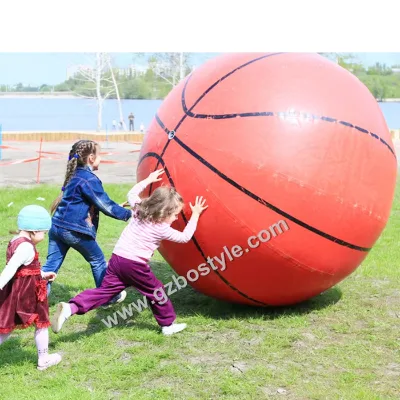
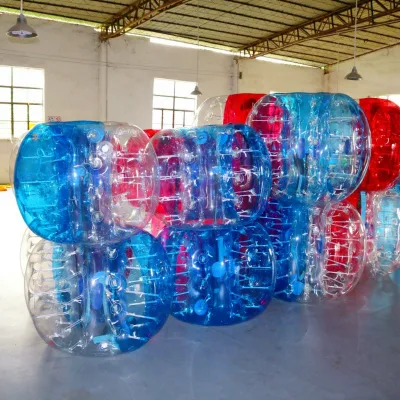
2M PVC Inflatable Giant Beach Ball Big Human Bubble Ball Unisex Sports Toy Outdoor Bubble Ball
$55.00 - $125.00
MOQ: 2 pieces
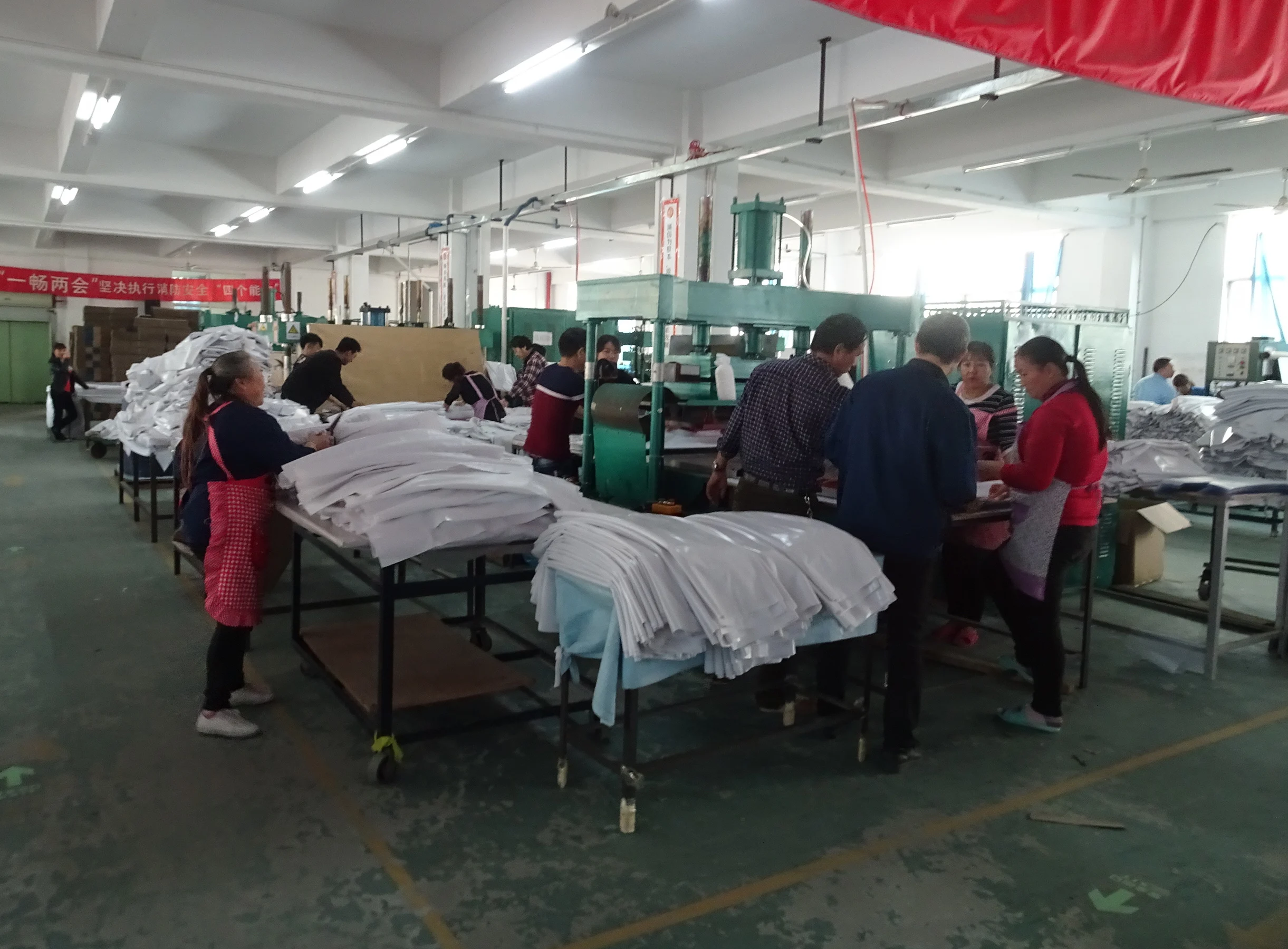
- Manufacturer, Trading Company
- Guanddong, China
- Lead time20 days
- Avg. response≤ 5h
Main productsinflatable toys,Inflatable costume,Inflatable sofa chairs,Inflatable pool floats,Inflatable character
Main marketsCentral America(24.00%), North America(19.00%), Western Europe(19.00%), Northern Europe(15.00%), Eastern Europe(3.00%), South America(3.00%), Southern Europe(3.00%), Southeast Asia(3.00%), Oceania(3.00%), Domestic Market(2.00%), South Asia(2.00%), Eastern Asia(2.00%), Mid East(2.00%)

Guangzhou Planet Inflatables Ltd.
- Combined
- China Guangdong
- Lead time15 days
- Avg. response≤ 2h
Main productsInflatable Tents, Inflatable Sports Tunnels, Inflatable Advertising Products, Inflatable Bouncer, Inflatable Water Games, Inflatable Games, Inflatable Interactive Games, Inflatable Slides, PVC Balloons&Blimps
Main marketsSouth America,Africa,Southeast Asia/ Mideast,East Asia(Japan/ South Korea),Domestic,Europe,Australia,North America

Guangzhou Infinity Amusement Equipment Co., Ltd.
- Manufacturer, Trading Company
- Guangdong, China
- Lead time15 days
- Avg. response≤ 2h
Main productsInflatable Bouncy Castle,Inflatable Water Park,Inflatable bounce park,Inflatable Obstacle Course,Inflatable Slide
Main marketsNorth America(25.00%), Western Europe(22.00%), Mid East(20.00%), Eastern Europe(18.00%), South America(9.00%), South Asia(6.00%)

Guangzhou Barry Industrial Co., Ltd.
- Verified by CTI
- Combined
- China Guangdong
- Lead time15 days
- Avg. response≤ 1h
Main productsInflatable Water Park, Inflatable Sport Game, Inflatable Water Slide, Swimming Pool, Bouncy Castle, Inflatable Dock, Air Track, Inflatable Theme Park, Inflatable Tent, Inflatable Obstacle Course
Main marketsSouth America,Southeast Asia/ Mideast,East Asia(Japan/ South Korea),Domestic,Europe,Australia,North America


Hot Sale High Quality PVC TPU Inflatable Human Body Adult Bumper Bubble Ball
$49.00 - $93.00
MOQ: 1 Pieces


Guangzhou Huayue Inflatable Products Co., Ltd.
- Verified by BV
- Combined
- China Guangdong
- Lead time30 days
- Avg. response≤ 3h
Main productsInflatable Water Park, Inflatable Slide, Bouncy Castle, Inflatable Mirror Ball, Air Track, Inflatable Bunkers, Inflatable Platform, Inflatable Tent, Inflatable Water Toy, Paddle Boards
Main marketsSouth America,Africa,Southeast Asia/ Mideast,East Asia(Japan/ South Korea),Europe,Australia,North America

Full-Color Inflatable Soccer Bubble Colorful Inflatable Soccer Bubble Ball
$59.00 - $70.00
MOQ: 1 Pieces

Outdoor Sports Factory Wholesale Inflatable Soccer Bubble Body Bumper Ball
$78.00 - $88.00
MOQ: 1 Pieces

Wholesale Inflatable Bumper Ball for Kids Human Inflatable Bumper Bubble Ball on Sale
$59.00 - $70.00
MOQ: 1 Pieces

Inflatable Bumper Balls 1.5m PVC Bumper Ball for Adults Outdoor Rental Business
$67.00 - $69.00
MOQ: 1 Pieces


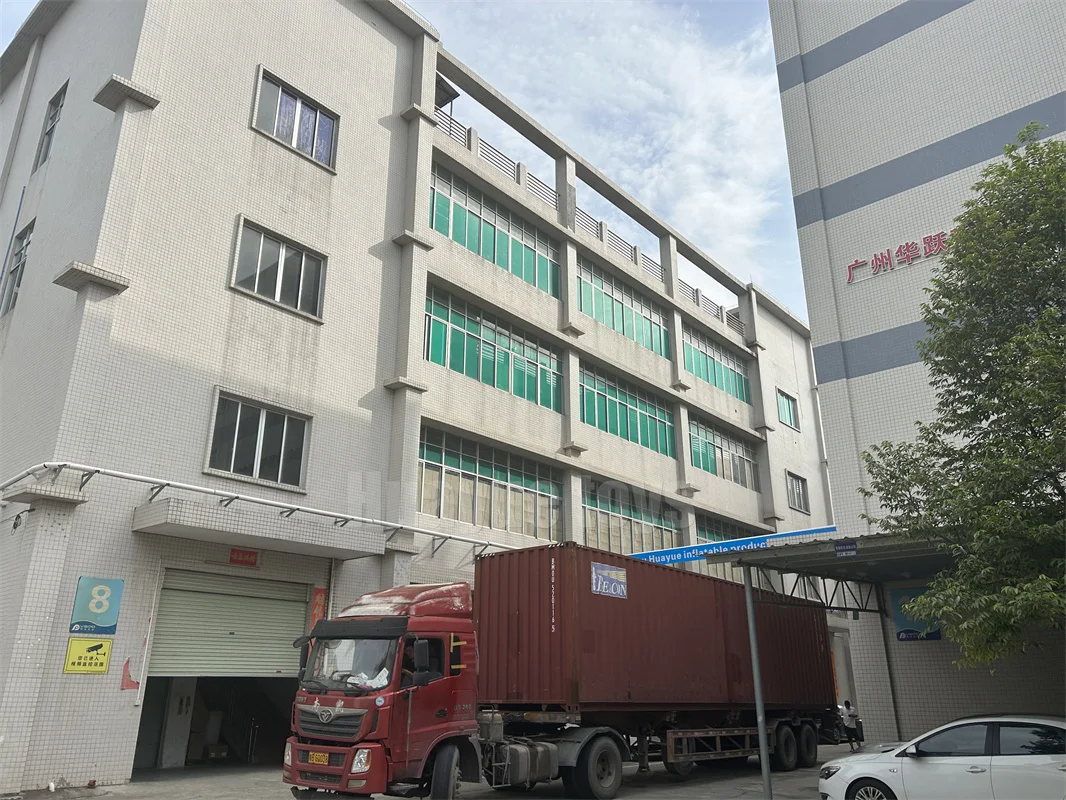
Guangzhou Huayue Inflatable Products Co., Ltd.
- Manufacturer, Trading Company, Distributor/Wholesaler
- Guangdong, China
- Lead time0 days
- Avg. response≤ 2h
Main productswater park,Inflatable castle,Outdoor expansion competitive props,Inflatable advertising model,Outdoor equipment
Main marketsDomestic Market(30.00%), Mid East(10.00%), North America(10.00%), Southeast Asia(7.00%), Southern Europe(5.00%), Northern Europe(5.00%), Central America(5.00%), Western Europe(5.00%), Eastern Asia(5.00%), Eastern Europe(5.00%), South Asia(5.00%), South America(5.00%), Oceania(2.00%), Africa(1.00%)
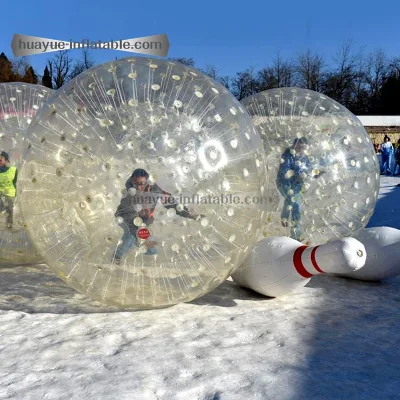
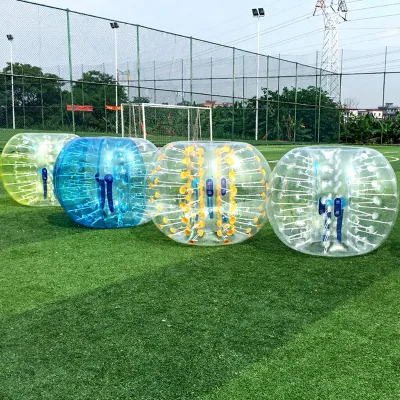
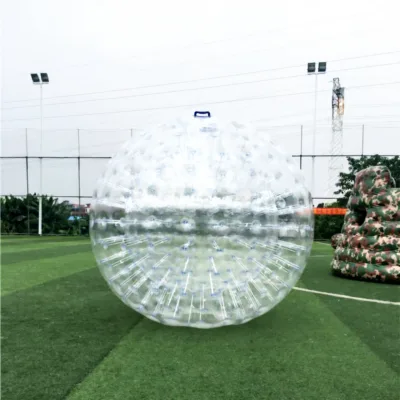
Transparent Inflatable Body Bumper Ball for Adult Outdoor Bubble Soccer Interactive Fun
$400.00 - $500.00
MOQ: 1
Guangzhou Powerful Toys Co., Ltd.
- Verified by SGS Group
- Manufacturer, Trading Company
- Lead time10 days
- Avg. response≤ 4h
Main productsWedding Bouncer, Jump Airbag, Inflatable Landing Airbag, Inflatable Sports Games, Inflatable Water Games
Main marketsDomestic Market(30%), North America(10%), South America(10%)
Henan Dream Island Amusement Equipment Co., Ltd.
- Manufacturer, Trading Company
- Henan Province, China
- Lead time13 days
- Avg. response≤ 3h
Main productsinflatable bumper ball,Inflatable slide,inflatable Water Park,inflatable bumper ball,inflatable mirror ball
Main marketsNorth America(56.00%), Mid East(10.00%), Eastern Europe(10.00%), Western Europe(10.00%), Southeast Asia(4.00%), South Asia(3.00%), South America(3.00%), Africa(1.00%), Domestic Market(1.00%), Oceania(1.00%), Eastern Asia(1.00%)
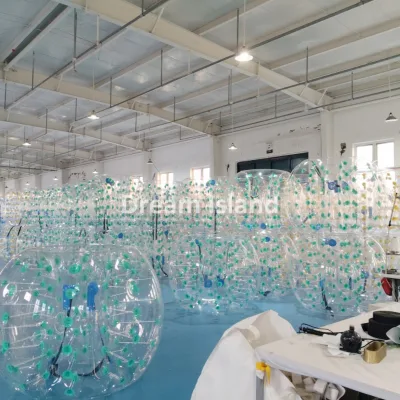
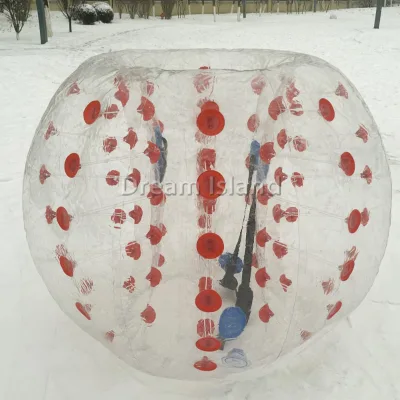
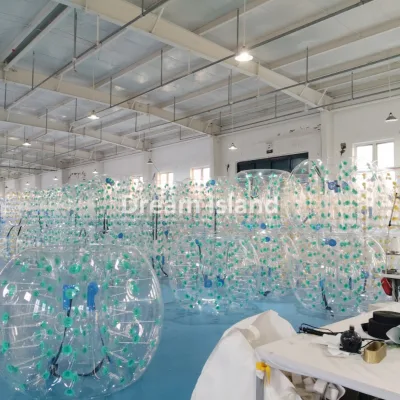
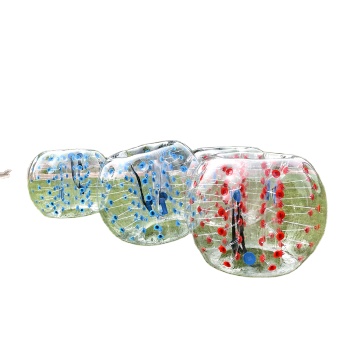
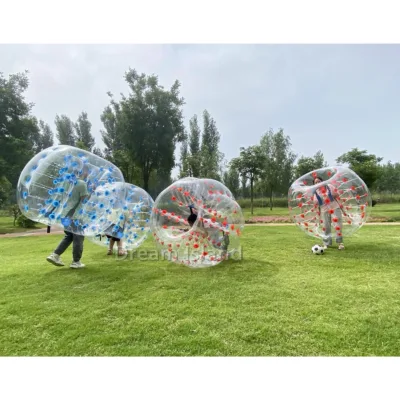
Fun Games Interactive Game Body Zorb Ball Inflatable Human Bubble Ball with air Valve
$70.00 - $90.00
MOQ: 1 pieces

GUANGZHOU YOLLOY OUTDOOR PRODUCT CO.,LIMITED
- Verified by BV
- Combined
- China Guangdong
- Lead time15 days
- Avg. response≤ 4h
Main productsInflatable Tent, Inflatable Swimming Pool, Inflatable Water Park, Inflatable Water Slide, Inflatable Floating Dock, Inflatable Sup Paddle Broad, Inflatable Water Toys, Inflatable Game Mechanical Rodeo Bull, Inflatable Planetarium Projection Tent, Inflatable Spray Paint Booth
Main marketsSouth America,East Asia(Japan/ South Korea),Europe,North America

Guangzhou Asia Inflatables Co., Ltd.
- Combined
- China Guangdong
- Lead time15 days
- Avg. response≤ 9h
Main productsInflatable Water Park, Inflatable Aqua Park, Inflatable Water Sports, Inflatable Water Trampolin, Inflatable Banana Boat, Water Ski Tubes, Inflatable Water Games, Inflatable Tent, Inflatable Obstacle Course, Inflatable Decoration
Main marketsEurope,Australia,North America


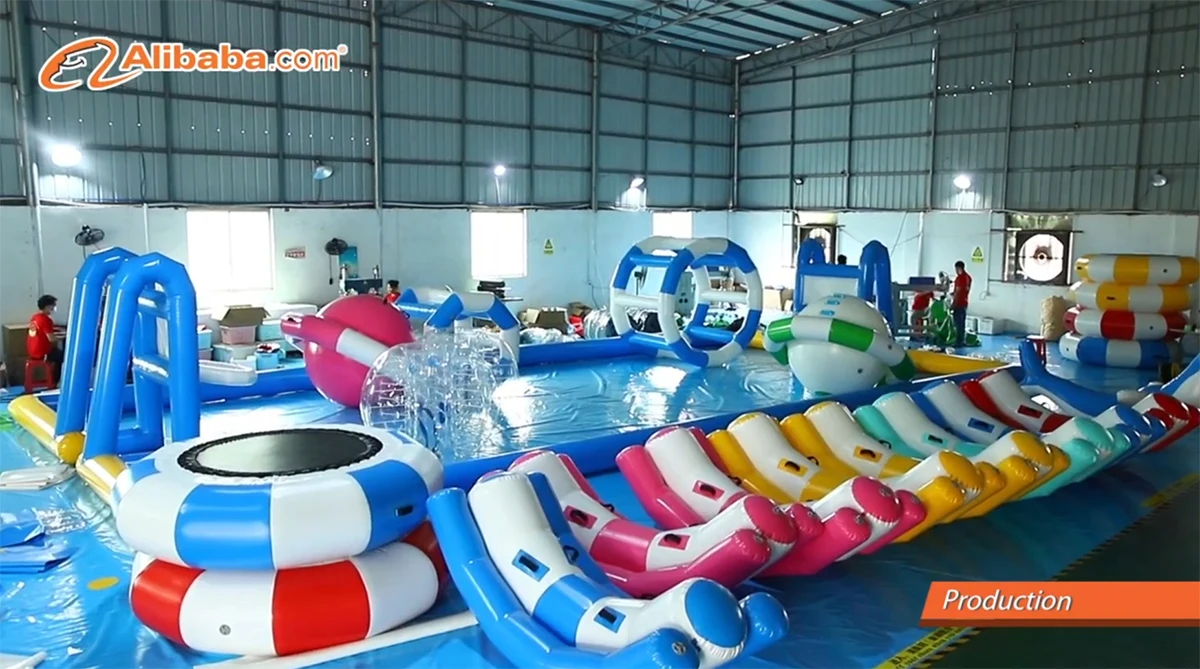
Inflatable Bubble Soccer Balls Bumper Bounce Balls Wholesale for Kids and Adult
$59.00 - $69.00
MOQ: 1 Pieces

Guangzhou Ledong Inflatables Products Co., Ltd.
- Manufacturer, Trading Company
- Guangdong, China
- Lead time7 days
- Avg. response≤ 6h
Main productsInflatable Mirror Ball, Inflatable Water Park, Inflatable Water Toys, Inflatable Bounce, Air Track
Main marketsDomestic Market(40.00%), North America(30.00%), Eastern Asia(30.00%)
Guangzhou Hangyuan Outdoor Products Co., Ltd.
- Verified by BV
- Combined
- China Guangdong
- Lead time15 days
- Avg. response≤ 3h
Main productsInflatable Towing Product, Inflatable Mat, Inflatable Dock, Inflatable Playground, Inflatable Slide, Inflatalbe Bouncer, Inflatalbe Trampoline, Inflatable Bubble House
Main marketsDomestic
Jiangxi FunWorld Outdoor sport co.,ltd
- Verified by Intertek
- Trading Company
- Lead time20 days
- Avg. response≤ 2h
Main productsInflatable Pool, Inflatable Gymnastic Mat, Inflatable Water Dock, Inflatable Bouncer, Inflatable Boat
Main marketsNorth America(20%), Western Europe(15%), Northern Europe(15%)
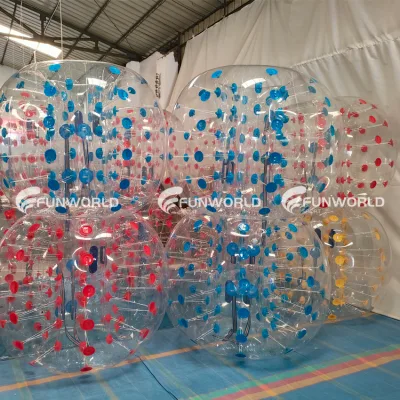
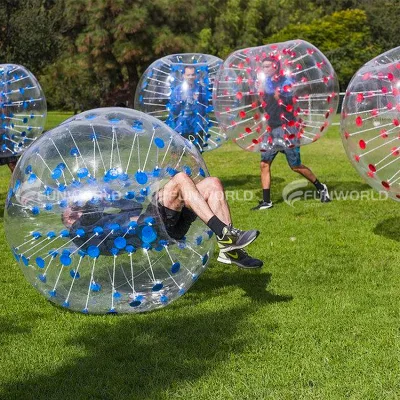
Commercial Inflatable Body Bumper Ball for Adult Zorbing Ball Human Fit Bubble Football Equipment
$56.5881 - $74.079
MOQ: 1 units
Guangzhou Caiyun Inflatable Products Co., Ltd.
- Verified by TüVRheinland
- Manufacturer, Trading Company
- Lead time10 days
- Avg. response≤ 3h
Main productsWater Park Games, Inflatable Slide, Inflatable Castle, Inflatable Tent, Customized Inflatables
Main marketsNorth America(10%), Eastern Europe(10%), Mid East(10%)
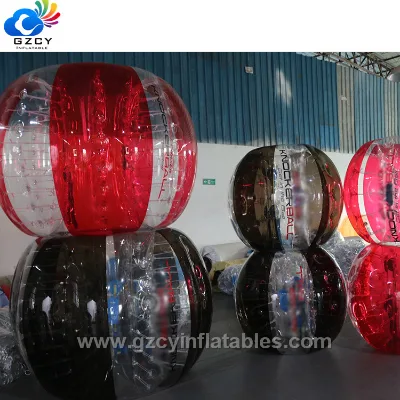
Inflatable Human Hamster Ball Zorb Balls Loopy Balloon Bubble Soccer Ball
$35.00 - $110.00
MOQ: 1 pieces
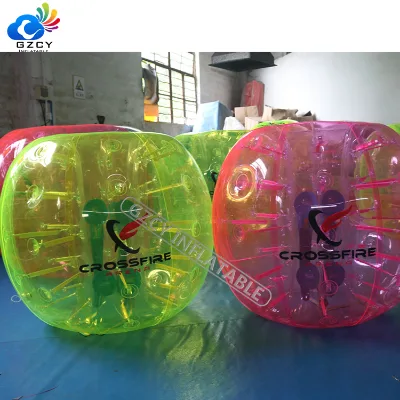
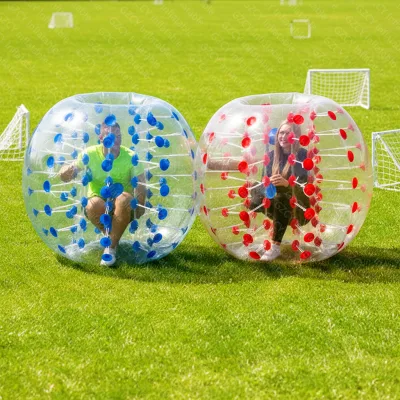
High Quality TPU/ Polyethylene Adult Inflatable Bumper Inflatable Bubble Football
$400.00 - $650.00
MOQ: 1 pieces
Guangzhou Keepfuns Toys Co., Ltd.
- Manufacturer, Other
- Guangdong, China
- Lead time30 days
- Avg. response≤ 3h
Main productsinflatable water park,inflatable tent,inflatable equipment,advertising inflatable,Inflatable Balloon
Main marketsNorth America(35.00%), Africa(10.00%), Eastern Europe(10.00%), South America(10.00%), Western Europe(8.00%), Northern Europe(8.00%), Southern Europe(7.00%), South Asia(5.00%), Mid East(5.00%), Central America(2.00%)

Zhengrong Amusement Equipment Co., Ltd
- Combined
- China Guangdong
- Lead time15 days
- Avg. response≤ 4h
Main productsInflatable Water Park, Inflatable Bouncer, Inflatable Slide, Inflatable Castle, Inflatable Obstacle Course, Inflatable Sport Games, Water Sports Game, Inflatable Water Game, Inflatable Amusement Equipment, Inflatable Yacht Toy Dock
Main marketsDomestic

Adults PVC Inflatable Water Bubble Walking Ball for Water Play Equipment
$78.00 - $115.00
MOQ: 1 Pieces


High Quality PVC/TPU Water Walking Ball Inflatable Floating Walking Ball for Adult
$80.00 - $150.00
MOQ: 1 Pieces
Guangzhou Enjoyment Toys Co., Ltd.
- Manufacturer, Distributor/Wholesaler
- Guangdong, China
- Lead time10 days
- Avg. response≤ 3h
Main productscustom mascot costumes,inflatable costume,3D foam mascot costume
Main marketsNorth America(15.00%), Central America(10.00%), Western Europe(10.00%), Eastern Europe(10.00%), South America(10.00%), South Asia(8.00%), Southern Europe(8.00%), Southeast Asia(8.00%), Northern Europe(7.00%), Eastern Asia(6.00%), Mid East(3.00%), Oceania(3.00%), Africa(2.00%)
Guangzhou Huatong Amusement Equipment Co., Ltd.
- Verified by TüVRheinland
- Manufacturer, Trading Company
- Lead time1 days
- Avg. response≤ 2h
Main productsInflatable Castle, Inflatable Slide, Inflatable Amusement Park, Inflatable Water Park
Main marketsNorth America(30%), Western Europe(15%), South America(10%)
Guangzhou Fantasy Inflatable Products Co., Ltd.
- Trading Company
- Guangdong, China
- Lead time15 days
- Avg. response≤ 1h
Main productsInflatable toy,Inflatable tent,Inflatable advertising model,Inflatable water park,Inflatable arch
Main marketsNorth America(20.00%), Southeast Asia(15.00%), South America(10.00%), Eastern Europe(5.00%), Domestic Market(5.00%), South Asia(5.00%), Southern Europe(5.00%), Northern Europe(5.00%), Central America(5.00%), Western Europe(5.00%), Eastern Asia(5.00%), Mid East(5.00%), Oceania(5.00%), Africa(5.00%)
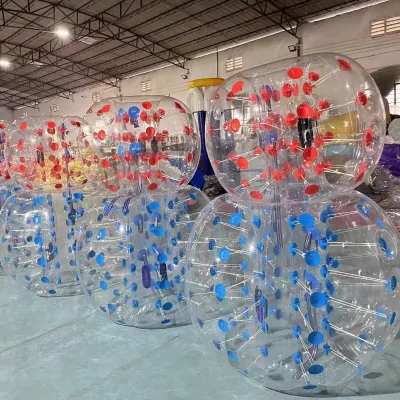
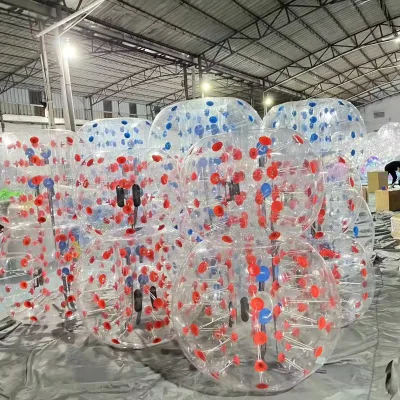
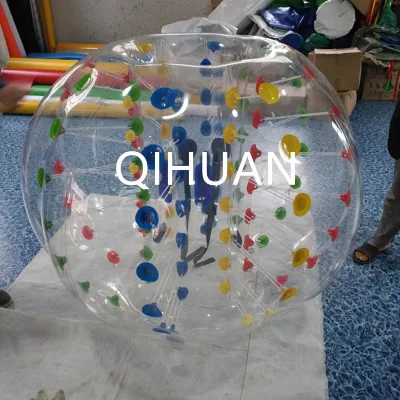
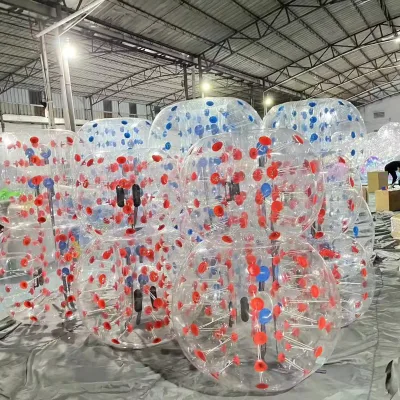
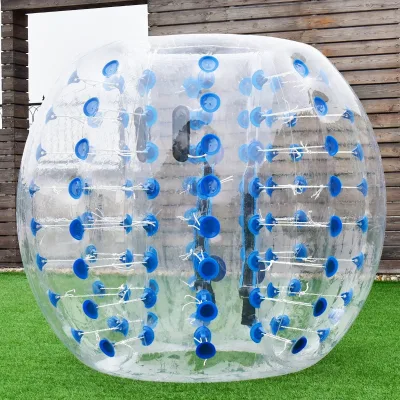
Colorful Factory Price Human Inflatable Bumper Bubble Ball Inflatable Body Soccer Ball
$20.00 - $100.00
MOQ: 1 Minimum
Henan Lino Amusement Equipment Co., Ltd.
- Trading Company
- Henan, China
- Lead time20 days
- Avg. response≤ 3h
Main productsCarousel,Ferris Wheel,Pirate Ship,Tourist Train,Bumper Car
Main marketsNorth America(31.00%), Western Europe(20.00%), Mid East(12.00%), Southeast Asia(12.00%), South Asia(8.00%), Eastern Europe(6.00%), Africa(3.00%), Central America(3.00%), South America(3.00%), Oceania(2.00%)

GUANGZHOU BOUNCIA INFLATABLES LIMITED
- Verified by BV
- Manufacturer/Factory
- China Guangdong
- Lead time23 days
- Avg. response≤ 5h
Main productsInflatable Water Park Items, Other Air Sealed Inflatables, Inflatable Water Park, Floating Water Park, Water Inflatables, Water Park Toys, Water Park Games
Main marketsSouth America,Eastern Europe,Mid East,North America,Southeast Asia,Eastern Asia,Oceania,Western Europe,Africa

Bubble Football TPU Inflatable Body Bumper Ball for Kids / Inflatable Human Bubble Soccer Ball
$125.00 - $180.00
MOQ: 1 Pieces

Inflatable PVC Belly Bump Ball / Buddy Bumper Ball Bubble Ball for Adult
$125.00 - $180.00
MOQ: 1 Pieces

Inflatable Bubble Soccer Belly Bump Ball / Buddy Bumper Ball for Adult
$125.00 - $180.00
MOQ: 1 Pieces
Ningbo Ags Imp. & Exp. Co., Ltd.
- Verified by TüVRheinland
- Manufacturer, Trading Company
- Lead time50 days
- Avg. response≤ 4h
Main productsInflatable Pool Float, Pool Loungers, Inflatable Swimming Pool, Inflatable furniture, Airbeds
Main marketsWestern Europe(30%), North America(17%), South America(16%)
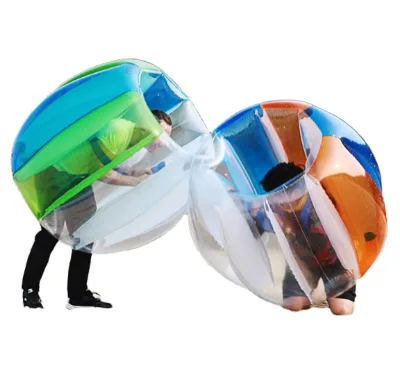
$8.1826 - $10.2305
MOQ: 1000 pieces
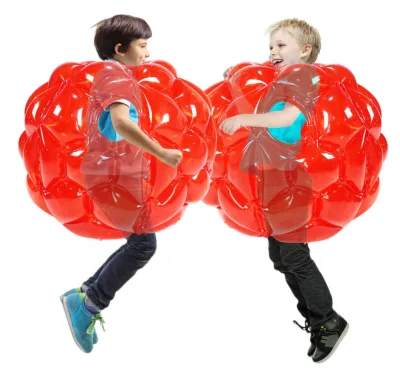
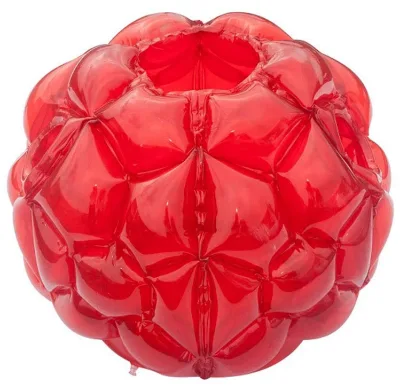
Inflatable PVC Body Bubble Ball 2pcs Custom-Size Human Bumper Balls Bopper Toys for Kids Outdoor
$6.6557 - $8.1916
MOQ: 2000 pieces
$3.1093 - $10.3607
MOQ: 3000 pieces

Henan Kidsfun Amusement Equipment Co., Ltd.
- Manufacturer, Trading Company
- Henan, China
- Lead time10 days
- Avg. response≤ 2h
Main productsBounce House,Inflatable Slide,Inflatable Tent,Inflatable Sport games,Inflatable Water Park
Main marketsNorth America(40.00%), Western Europe(15.00%), Eastern Europe(13.00%), Southern Europe(5.00%), Northern Europe(5.00%), South America(5.00%), Eastern Asia(5.00%), Mid East(5.00%), Oceania(5.00%), South Asia(1.00%), Southeast Asia(1.00%)
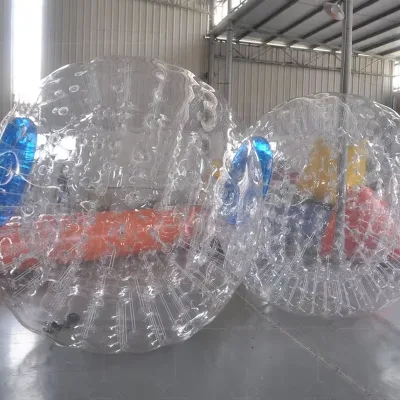
Hot Sale Outdoor Inflatable Transparent Body Zorb Ball for People Play Games,
$529.5503 - $813.6734
MOQ: 1 pieces
Guangzhou Jiang Yue Entertainment Equipment Co., Ltd.
- Verified by Intertek
- Manufacturer, Trading Company
- Lead time7 days
- Avg. response≤ 3h
Main productsAir Track, Inflatalbe Water Slide, Inflatable Bouncer, Inflatable Water Park, Inflatable Sport Game
Main marketsNorthern Europe(25%), Western Europe(20%), North America(15%)


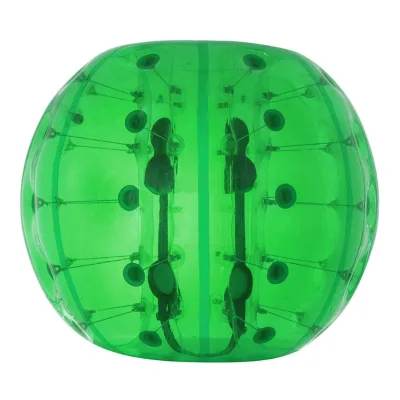
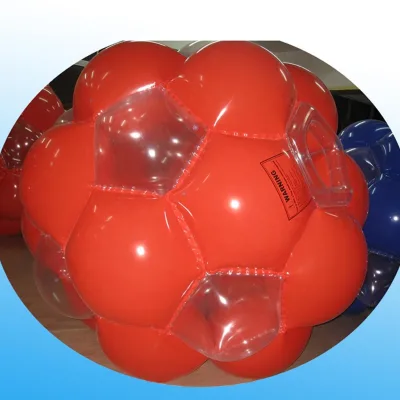
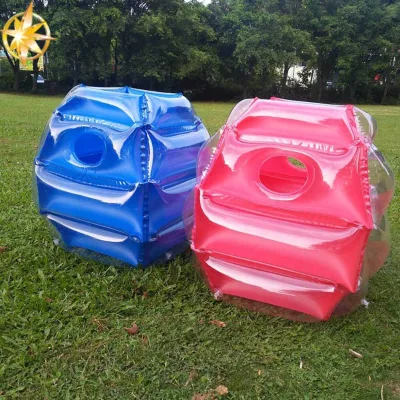


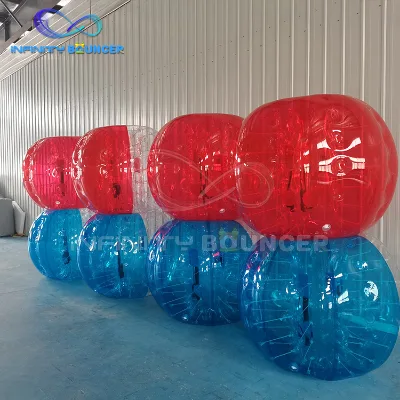




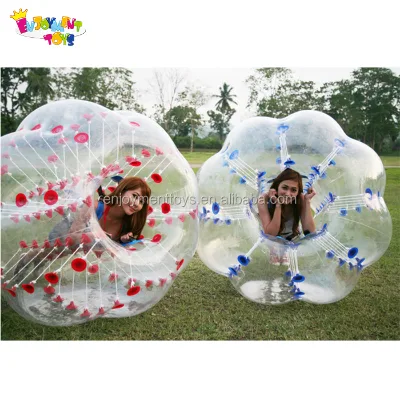
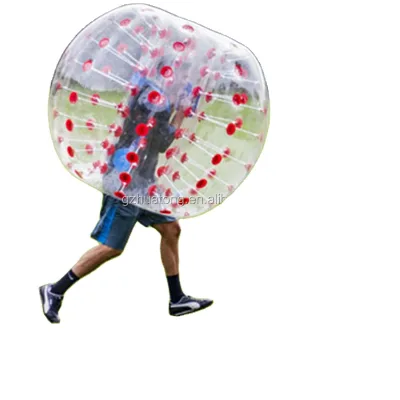
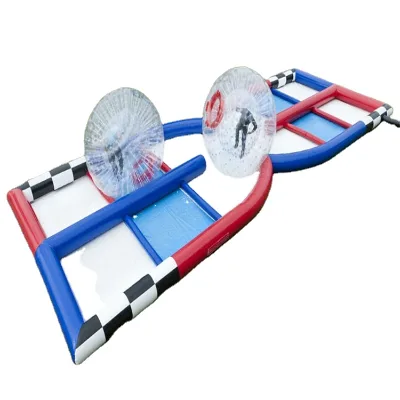
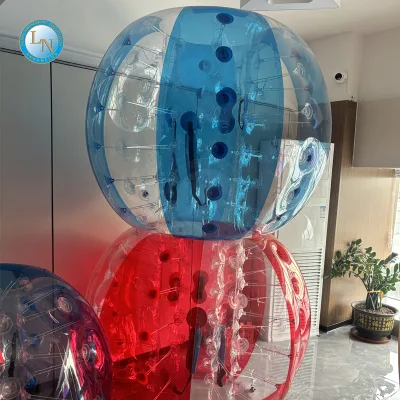
Comprehensive Sourcing Guide
Adult Outdoor Inflatable Bubble Ball Supplier Concentration and Factory Types
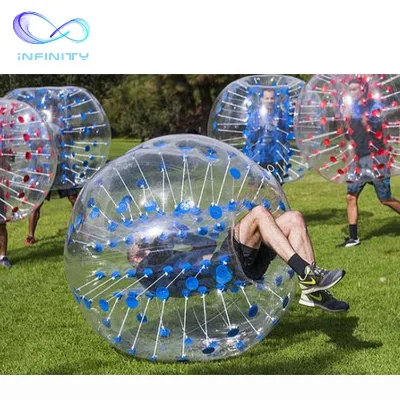
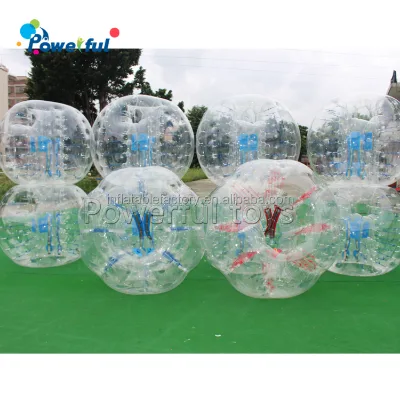
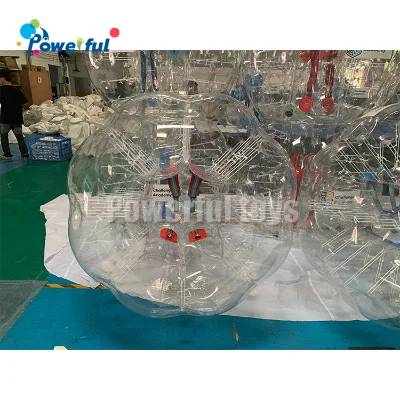
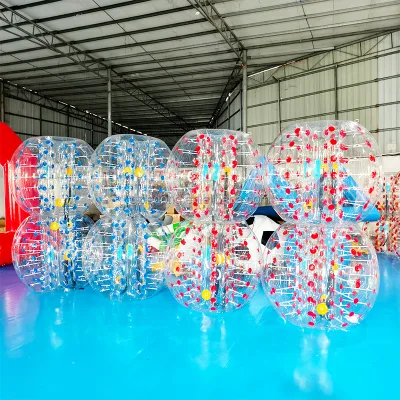
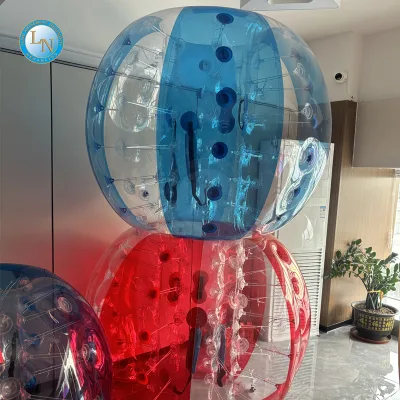
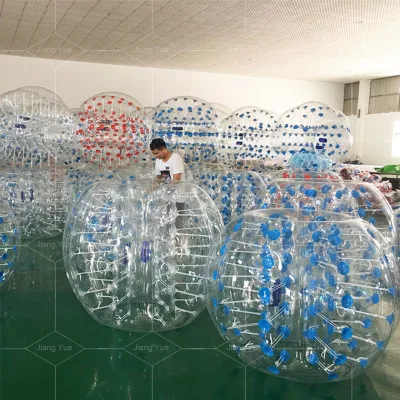
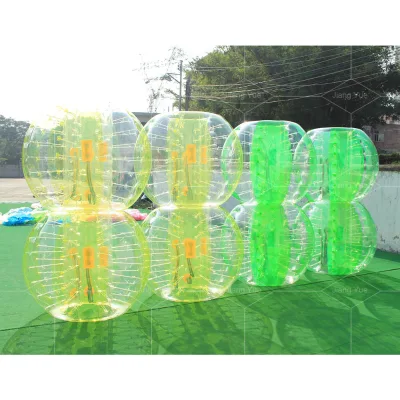
When sourcing an Adult Outdoor Inflatable Bubble Ball, buyers will find that many listed suppliers are located in Guangdong, China, and this concentration matters for planning. A clustered supplier base typically means shorter domestic sub-supply chains for PVC and TPU materials, more experienced welding labor, and easier multi-supplier comparison within one region. The observed supplier base is broad rather than narrow: companies list main products spanning inflatable promotion items, pool floats, swimming tools, hot air balloons, mascot costumes, inflatable sofas, moon house bouncers, castles and sports games, commercial ad displays, and outdoor camping products. Others focus more tightly on inflatable slides, parks, tents, bouncers, amusement parks, and games, or on soft play equipment, bounce houses, water slides, advertising inflatables, indoor playgrounds, party rental equipment, and gymnastic equipment.
Supplier types also vary meaningfully. The category includes manufacturers and factories, trading companies, group corporations, and combined operations that both make and trade. A manufacturer may offer deeper control over welding quality and material selection, while a trading company may consolidate varied inflatables into one shipment and handle communication more flexibly. Combined entities can offer both, but buyers should ask which products are made in-house versus subcontracted. Company structure also affects customization depth: some suppliers advertise OEM and ODM capability and even their own brands, while others primarily adapt existing molds. Verify which structure fits your order volume, compliance burden, and need for custom sizing before shortlisting.
How to Verify Adult Outdoor Inflatable Bubble Ball Suppliers
Verification should start with the credentials a supplier has chosen to display, then move to evidence you request directly. In this category, some listings show system certifications such as BSCI, ISO 9001, HSE, or SEDEX, while others show no system certification at all, so never assume a certificate exists just because a supplier looks professional. Similarly, some profiles carry third-party verification marks such as SGS or BV, which indicate an assessment of the company profile rather than a product-level approval. Treat these as screening signals, not guarantees. Ask for the actual certificate documents, confirm they name the legal entity you are contracting with, and check scope and expiry dates.
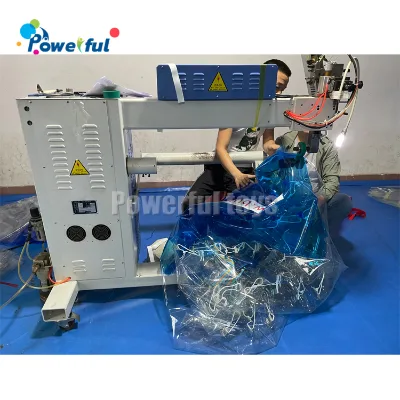
Product-level claims deserve equal scrutiny. Bubble ball listings frequently cite certifications including CE, ASTM, RoHS, REACH, GS, ISOTUV, En71, phthalate-free, and low cadmium, but the relevant standards for an adult contact product should be confirmed against your destination market's requirements, not accepted at face value. Request test reports that reference the specific ball material, seam strength, and any phthalate or cadmium limits. Beyond paperwork, verify operational reality: confirm the factory address, ask whether the listed Guangdong location is the production site or an office, request recent photos or a live video walkthrough of bubble ball production, and check whether the welding and material stocks shown actually cover your product type. A short paid inspection before deposit is a reasonable safeguard for first orders.
What to Compare Across Adult Outdoor Inflatable Bubble Ball Suppliers
Build a comparison table using the attributes suppliers actually display, while acknowledging gaps. Useful dimensions include lead time, MOQ, average response time, location, company type, verification status, system certifications, and main product lines. Observed values in this category vary widely: listed lead times range from roughly 15 to 23 days, response times range from around 1.2 to nearly 5 hours, and verification ranges from SGS or BV marks to none. Some suppliers list MOQs as low as one piece for sample-friendly items, while others require hundreds of sets, so the MOQ dimension alone can eliminate or elevate a candidate depending on whether you are testing the market or filling container volumes.
Price comparison must be normalized. Listed unit prices for bubble-type balls span from under ten dollars to nearly seventy dollars, reflecting differences in size, material thickness, valve hardware, printing method, and packaging, so compare quotes only at identical specifications. Also compare customization evidence: some products advertise logo printing, silk screen or digital printing, custom sizes, and repair kits included, while others are closer to stock items. Main product breadth is a soft signal — a supplier whose catalog is dominated by inflatables likely has relevant welding expertise, but a generalist may broker your order. Weight hard, verifiable attributes like lead time and MOQ over marketing language, and document every quoted value with dates so discrepancies surface later.
Common Adult Outdoor Inflatable Bubble Ball Sourcing Risks
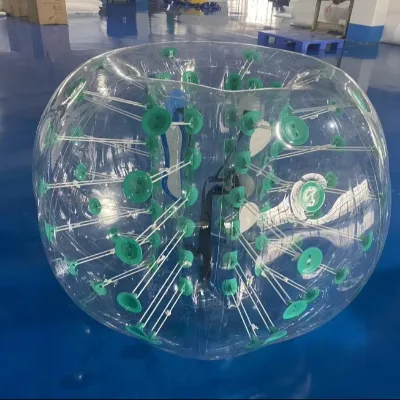
The most common risk in this category is specification drift. Bubble balls appear in listings as clear PVC, with or without patterns, in sizes from 36 inches to fully customized, and packing ranges from carry bags to master cartons. When a buyer says "standard bubble ball," the supplier may quote a thinner material or smaller diameter than expected. Mitigate this by approving a physical sample against a written specification covering material type and thickness, diameter, seam construction, valve type, handle placement, printing method, and packaging, then reference that spec in the purchase contract.
Compliance and durability risks follow closely. Listings cite certifications such as CE, ASTM, En71, RoHS, REACH, phthalate-free, and low cadmium, but some certificates may be copied from other products or expired; verify that reports cover your exact model, material batch, and adult-use context. Structural failures — seam splits, valve leaks, handle tears — are costly for rental and event operators, so specify a warranty (some suppliers state one year) and required repair kit contents. Communication risk shows up in response-time gaps of several hours between suppliers, which can stretch problem resolution during production. Finally, beware single-sample dependence: one good sample does not prove mass-production consistency, so define inspection checkpoints at material intake, mid-production, and pre-shipment, and reserve the right to reject lots that fail agreed tolerances.
Adult Outdoor Inflatable Bubble Ball Regional Sourcing and Logistics
Regional strategy starts with the concentration you can observe in supplier data. Here, Guangdong, China, is a supplied, high-confidence location for multiple suppliers in this category, which lets buyers plan around a real cluster: consider visiting or auditing two or three factories in the same trip, leverage regional material suppliers for PVC and TPU film, and expect competitive quotes because suppliers know buyers can compare easily. When a supplier's listed location is Guangdong but their factory is elsewhere, logistics and audit costs change, so confirm the physical production site early.
Logistics planning for bubble balls is dominated by volume. Inflated balls are mostly air; deflated and folded into PVC bags or master cartons, they still consume significant carton cube relative to weight, so calculate chargeable volumetric weight before choosing air versus sea freight. Confirm folding method and carton dimensions with the supplier, since aggressive folding can crease seams or damage printed surfaces — ask about recommended fold patterns and interleaving. For sea shipments, request carton drop tests and moisture-resistant packing; for air, check whether valve and glue components face restrictions. Typical listed lead times of around 15 to 23 days cover production only, so add time for sampling, material preparation, inspection, and inland transit to port when building your delivery calendar. For mixed inflatable orders, ask whether one supplier can consolidate other inflatables from their catalog to reduce fragmentation across factories.
Adult Outdoor Inflatable Bubble Ball Commercial Terms and Order Planning
Commercial terms should be negotiated against the attributes suppliers display rather than assumptions. Start with MOQ: this category shows everything from single-piece trial orders on some listings to 500-set minimums on others, so a sensible plan is a small pilot order — even one to ten units — to validate quality, followed by a volume order that unlocks better pricing. Price ladders should be requested at multiple quantities with identical specifications, and you should confirm whether quoted prices include printing, repair kits, pumps, carry bags, and export cartons, since accessories appear inconsistently across listings.
Payment and order structure deserve explicit planning. Use staged payments tied to milestones — deposit, material readiness, pre-shipment inspection, and shipment — and, for new suppliers, consider escrow-style or third-party-inspected payment release where available; note that escrow availability is a supplier-by-supplier question you must confirm, not a given. Fix the Incoterms, currency, validity period of the quote, and lead time in the contract, since listed lead times around 15 to 23 days can shift with seasonal peaks. Build order calendars backward from your event or retail dates, adding buffer for sample approval and sea transit. Finally, agree in writing on warranty handling, spare valves and repair kit quantities per carton, and replacement procedures for defective units, so post-shipment disputes have a documented reference rather than a negotiation from zero.
FAQs
What is the price range for adult inflatable bubble balls?
Prices typically range from $8.68 to $68.00 per unit depending on specifications. Basic models start around $8.68, while specialized transparent or larger units cost between $48.00 and $68.00. Buyers should verify exact pricing based on material thickness and customization needs.
What certifications are available for these products?
Common certifications include CE, ASTM, RoHS, REACH, En71, GS, ISO, and TUV. Some suppliers also offer Phthalate Free and Low Cadmium compliance. Buyers must confirm specific test reports with the supplier to ensure the product meets their target market safety standards.
What is the minimum order quantity for these items?
MOQs vary significantly, ranging from 1 set to 500 sets. Some suppliers accept single units for sampling, while others require bulk orders of 500 sets. Buyers should check individual product listings to determine the specific MOQ applicable to their desired model and customization level.
Where are these suppliers located?
Suppliers are primarily located in Guangdong, China. This region is a major manufacturing hub for inflatable products. Buyers can filter results by this location to find factories with established supply chains and potentially faster logistics for international shipping.
What is the typical lead time for production?
Lead times generally range from 15 to 23 days. This duration depends on order volume and customization requirements. Buyers should confirm exact production schedules with the supplier before placing orders to ensure timely delivery for events or seasonal demands.
Can these bubble balls be customized with logos?
Yes, customization is available with options for logo printing. Methods include silk screen, UV, roller, and digital printing. Buyers can choose from simple color logos or complex patterns. Customization options allow for branding, but buyers should verify design proofs and additional costs with the supplier.
What material are these inflatable balls made from?
Most products are made from PVC or TPU materials. PVC is common for standard models, while TPU may be used for higher durability. Buyers should specify material preferences to ensure the product meets their durability and environmental requirements for outdoor use.