Aluminum Toyota Charge Pipe Suppliers and Manufacturers
Explore 24 verified options for Aluminum Toyota Charge Pipe from factories in China Jiangsu and Shanghai. Compare response times, certifications like TS 16949, and MOQs to find the right partner. Contact suppliers directly to request quotes; review the available evidence before requesting comparable quotations from suitable candidates.
Suppliers List

Nantong Fengyun Auto Parts Co., Ltd.
- Verified by BV
- Trading Company,Manufacturer/Factory
- China Jiangsu
- Lead time0 days
- Avg. response≤ 3h
Main productsIntercooler, Exhaust Downpipe, Heat Exchanger, Chargepipe, Intake Kits, Exhaust System, Cooling System, Intake System, Turbo Kits, CNC Machine Parts

- Verified by CTI
- Combined
- China Jiangsu
- Lead time45 days
- Avg. response≤ 5h
Main productsElectrical Metal Conduits, Stainless Steel Conduits, Aluminium Conduits, Pipeconduits, Electrical Conduit Fitting, Junction Box, C Channel, Flexible Conduit, Power Bridge System
Main marketsSouth America,Southeast Asia/ Mideast,Domestic,North America
Shanghai Fupower Industry Co., Ltd.
- Verified by SGS Group
- Manufacturer, Trading Company
- Shanghai, China
- Lead time0 days
- Avg. response≤ 4h
Main productsAir intakes, Exhaust Pipes, Carbon fiber panels , Silicone hose, Air filter and prefilters
Main marketsNorth America(90%), Western Europe(10%)
Jiaxing Fupower Auto Parts Co., Ltd.
- Verified by TüVRheinland
- Manufacturer, Trading Company
- Lead time20 days
- Avg. response≤ 3h
Main productsExhaust Pipe
Main marketsNorth America(99%), Domestic Market(1%)
Taixing Fupower Precision Parts Manufacturing Co., Ltd.
- Manufacturer
- Jiangsu, China
- Lead time30 days
- Avg. response≤ 5h
Main productssilicone tube,silicone hoses,silicone elbow tube,charge tube,Exhaust pipe
Main marketsNorth America(60.00%), Western Europe(20.00%), Northern Europe(10.00%), Eastern Asia(10.00%)
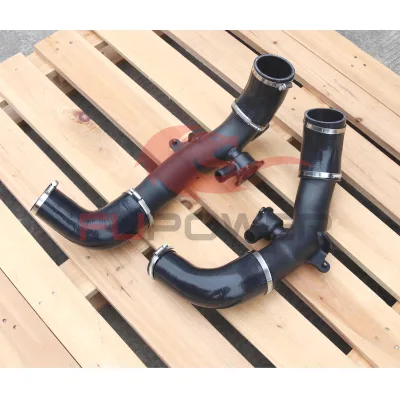
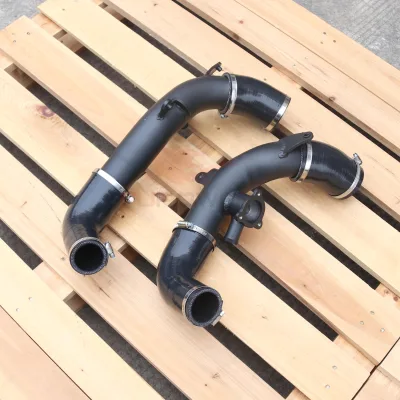
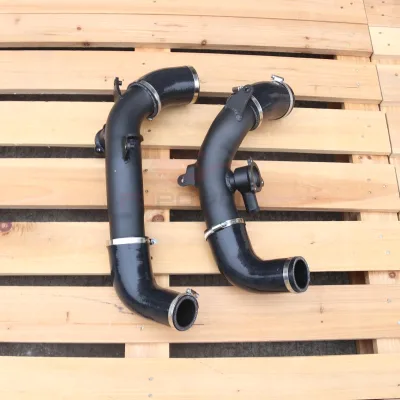
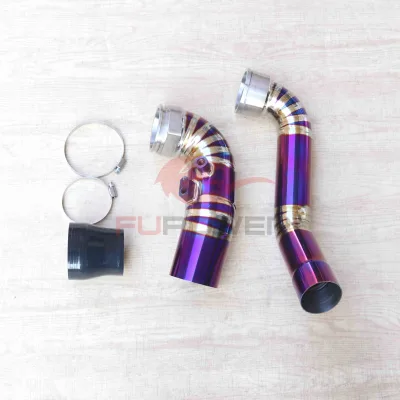
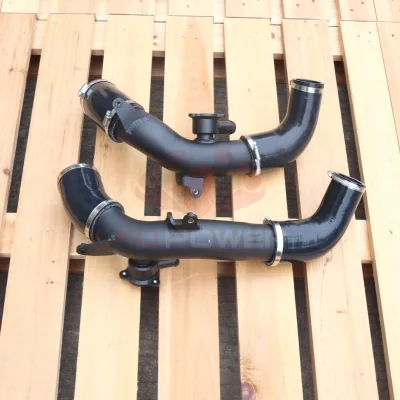
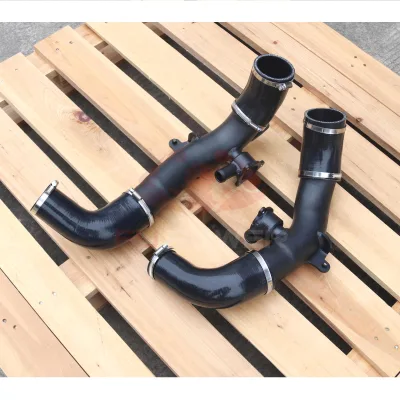
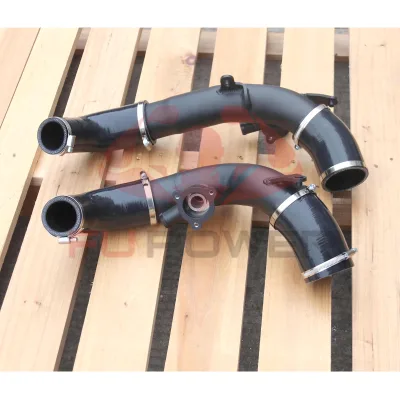
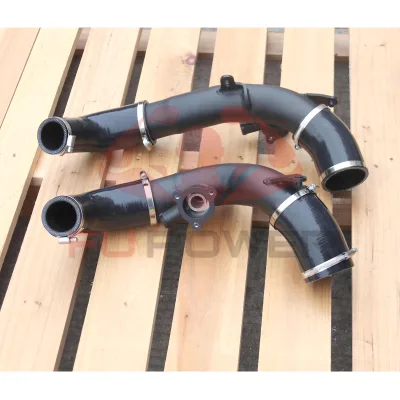
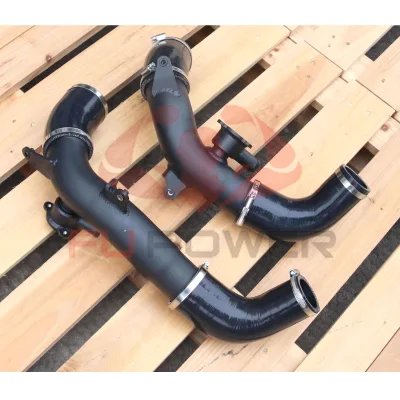
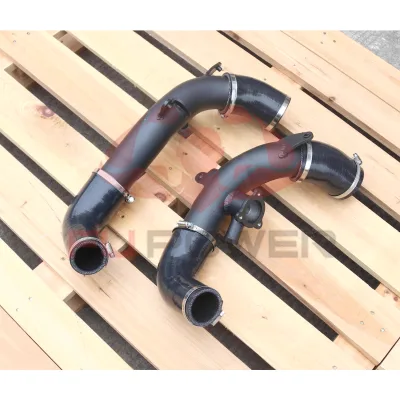
FOR TOYOTA A90 A91 SUPRA B58 TITANIUM CHARGE PIPE KIT 2020+
$390.00 - $450.00

Anhui Jagrow Auto Parts Co., Ltd.
- Verified by TUVRHEINLAND
- Trading Company,Manufacturer/Factory
- China Anhui
- Lead time45 days
- Avg. response≤ 4h
Main productsPerformance Parts, Exhaust System, Air Intake System, Cooling System, Carbon Fiber Parts, Exhaust Downpipe, Exhaust Manifold, Exhaust Catback, Oil Cooler, Turbo Intercooler
Main marketsSouth America,Eastern Europe,Mid East,North America,Southeast Asia,Eastern Asia,Oceania,Western Europe,Africa

Great Selection Charge Pipe and Boost Pipe for BMW N47 F20 F30 Aluminum Charge Pipe
$78.00 - $94.00
MOQ: 10 Pieces


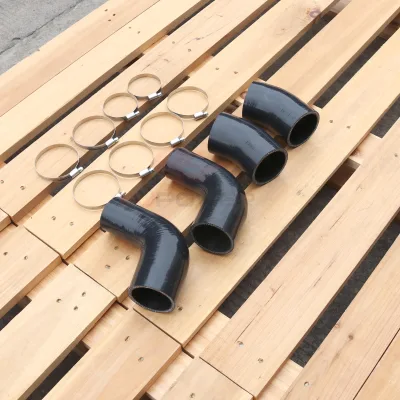
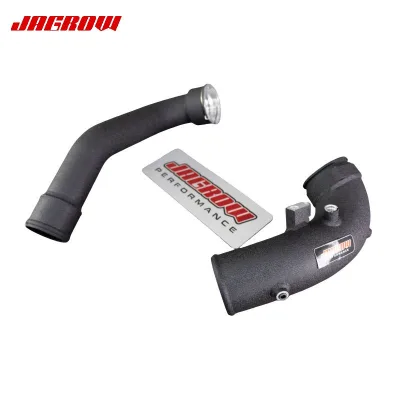
Custom Aluminum Turbo Charge Pipe Kit for Toyota Supra A90 B58 Intercooler
$78.00 - $85.00
MOQ: 10 Pieces


Wuxi TECFREE International Trade Co., Ltd.
- Trading Company,Manufacturer/Factory
- China Jiangsu
- Lead time23 days
- Avg. response≤ 7h
Main productsHeat Exchanger, Radiator, Charge Air Cooler, Oil Cooler, Intercooler, Heat Exchange Fin, Heat Exchange Core, Forklift Radiator, Industrial Muffler
Main marketsNorth America,Southeast Asia,Western Europe
Anhui Jagrow Auto Parts Co., Ltd.
- Verified by TüVRheinland
- Trading Company
- Lead time30 days
- Avg. response≤ 2h
Main productsExhaust System, Air Intake System, Cooling System, Carbon Fiber Parts, CNC Parts
Main marketsNorth America(55%), Southern Europe(15%), Western Europe(10%)
Ningbo Haishu Pino Metal Products Co., Ltd
- Verified by SGS
- Combined
- China Zhejiang
- Lead time30 days
- Avg. response≤ 5h
Main productsMandrel Bends, Car Exhaust Pipes, Truck Exhaust Pipes, Downpipes, Exhaust Tips, Intake Pipes, Exhaust Manifolds, Exhaust Bellows, Exhaust Stacks, Pickup Exhaust Pipes
Main marketsSoutheast Asia/ Mideast,Europe,Australia,North America
Shanghai Fupower Industry Co., Ltd.
- Manufacturer, Trading Company
- Lead time旺季: "1 - 200":45,"> 200":"To be negotiated", 淡季: "1 - 200":45,"> 200":"To be negotiated"
- Avg. response≤ 2h
Main productsAir intakes, Exhaust Pipes, Carbon fiber panels , Silicone hose, Air filter and prefilters

Ningbo Govi Auto Parts Co., Ltd.
- Verified by BV
- Trading Company
- China Zhejiang
- Lead time30 days
- Avg. response≤ 16h
Main productsAir Filter, Flexible Pipe, Aluminum Pipe, Muffler, Silicone Hose, Auto Parts, Exhaust Tip, Oil Catch Tank, Spare Parts, Throttle Body
Main marketsSoutheast Asia/ Mideast,Australia,North America

Xiamen Monake Import and Export Co., Ltd.
- Verified by TUVRHEINLAND
- Trading Company
- China Fujian
- Lead time30 days
- Avg. response≤ 4h
Main productsEngine Mounting, Strut Mount, Rubber Bush, Center Bearing, Control Arm, Arm Bushing, Auto Parts, Fan Blade, Auto Spare Parts, Car Parts
Main marketsOthers(foreignTradeCapacity.exportBusinessCapacityMarketOther),Domestic

- Verified by BV
- Trading Company
- China Jiangsu
- Lead time15 days
- Avg. response≤ 3h
Main productsCarbine Steel, Stainless Steel, Copper, Aluminum, Nickel, Gi, Titanium, PPGI, Nickel Alloy, 304 Stainless Steel
Main marketsEastern Europe,Mid East,North America,Southeast Asia,Eastern Asia

Zhejiang Shunwo Auto Parts Manufacturing Co., Ltd.
- Combined
- China Zhejiang
- Lead time23 days
- Avg. response≤ 10h
Main productsAuto Fuel Tank Caps, Auto Fuel Tank Filler Neck
Main marketsSoutheast Asia/ Mideast,Europe,North America

Ruian Baojie Auto Parts Co., Ltd.
- Combined
- China Zhejiang
- Lead time30 days
- Avg. response≤ 9h
Main productsAuto Water Pipe, Shift Rod Assembly, Transmission Case Cover, Brake Repair Kit
Main marketsSouth America,Southeast Asia/ Mideast,Domestic


Auto Water Pipe for TOYOTA/TACOMA 2.7L 2005-2015 (1626875110 16268-75110)
$2.51 - $2.74
MOQ: 100 Pieces

NANJING MAJESTIC AUTO PARTS CO., LTD.
- Manufacturer/Factory
- China Jiangsu
- Lead time23 days
- Avg. response≤ 14h
Main productsRadiator Tube, Radiator, Cooling System, Heat Exchanger System, Aluminum Tube, High Frequency Welded Tube, Intercooler Tube, Oil Cooler Tube, Intercooler, Oil Cooler
Main marketsSouth America,Eastern Europe,Mid East,North America,Southeast Asia,Eastern Asia
Wen Zhou Hao Wei Auto Parts Co., Ltd.
- Verified by Intertek
- Trading Company
- Lead time7 days
- Avg. response≤ 6h
Main productsFuel Injector Nozzle, Sensor, Ignition Coil, PCV Valve, Thermostat Housing
Main marketsNorth America(28%), South America(15%), Southeast Asia(15%)
Sinoleopard Steel Group Import & Export Co., Ltd
- Verified by SGS
- Trading Company
- China Shanghai
- Lead time23 days
- Avg. response≤ 1h
Main productsAluminum Tube, Aluminium Extrusion, Aluminum Pipe, Copper Pipe
Main marketsAfrica

Ningbo Lonsign Auto Accessories Co., Ltd.
- Verified by SGS
- Trading Company
- China Zhejiang
- Lead time30 days
- Avg. response≤ 2h
Main productsSteering Wheel Cover, Car Organizer, Wiper Blade, Sunshade, Car Floor Mat, Seat Cover
Main marketsNorth America
Hangzhou Future Auto Parts Co., Ltd.
- Trading Company
- Zhejiang, China
- Lead time30 days
- Avg. response≤ 3h
Main productsEngine Valve Cover,Oil Filter Housing Assembly,Door Handle,Oil Cooler,Throttle Body
Main marketsSouth America(30.00%), North America(30.00%), Eastern Europe(20.00%), Domestic Market(10.00%), Northern Europe(10.00%)
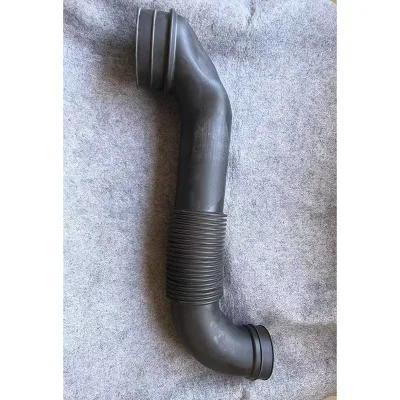
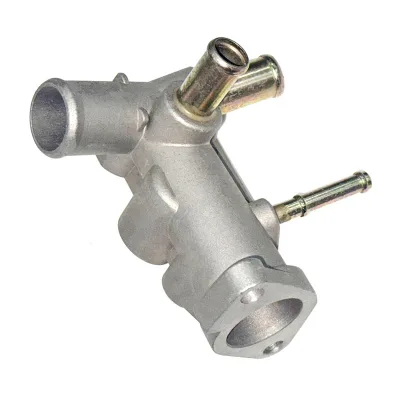
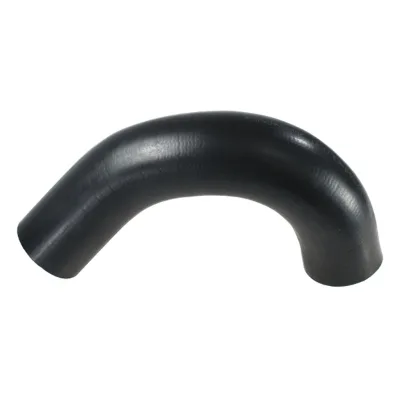
17344-0L020 Engine Hose Pipe for toyota 173440L020
$4.00 - $5.00

Yizheng Aoxing Auto Parts Co., Ltd.
- Combined
- China Jiangsu
- Lead time30 days
- Avg. response≤ 4h
Main productsAuto Radiator, Auto Parts, Engine Parts, Intercooler, Air Cooler, Heat Exchanger, Oiler, Water-Cooling Plate, Cooling Fan, Tank
Main marketsDomestic,Europe,North America

Dezhou Hualude Hardware Products Co., Ltd.
- Trading Company
- China Shandong
- Lead time30 days
- Avg. response≤ 10h
Main productsIron Nail, Iron Wire, Fence Post, Fence Gate, Wire Mesh, Galvanized Corrugated Sheet, Galvanized Coil, Roll Forming Machine, Concrete Accessory, PPGI Coils
Main marketsSouth America,Africa,Southeast Asia/ Mideast,East Asia(Japan/ South Korea),Europe,Australia,North America

Zhe Jiang Yue Ding Corrugated Tube Co., Ltd.
- Verified by SGS
- Combined
- China Zhejiang
- Lead time15 days
- Avg. response≤ 5h
Main productsExhaust Flexible Pipe, Exhaust Clamp, Hose Clamp, Exhaust X/Y Pipe, Truck Exhaust Pipe, Pipe & Cable Clamps, Exhaust Elbow, Exhaust Accessories, Exhaust Tip, Metal Bellow
Main marketsSoutheast Asia/ Mideast,Europe,Australia

Qingdao Pengrui Machinery Co., Ltd.
- Verified by TUVRHEINLAND
- Combined
- China Shandong
- Lead time15 days
- Avg. response≤ 18h
Main productsFastener, Pins, Screw, Clamps, Metal Fabrication, Plastic Fastener, Screw Plunger, Bolt, Nuts
Main marketsNorth America










Comprehensive Sourcing Guide
Aluminum Toyota Charge Pipe Supplier Concentration and Factory Types
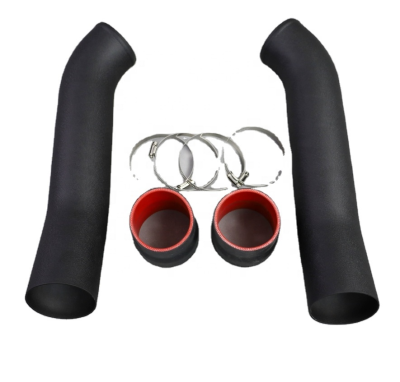
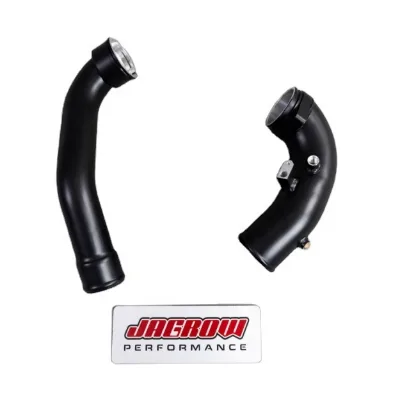
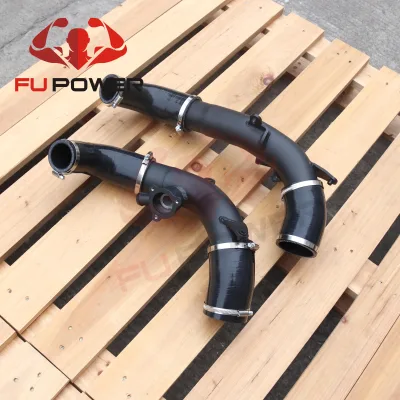
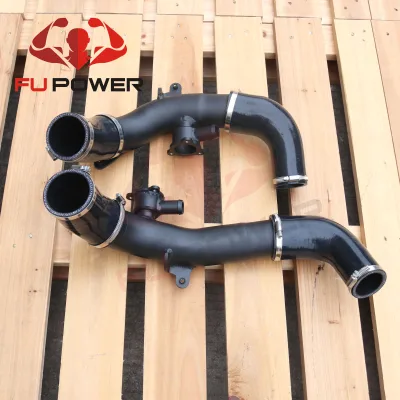
Searches for an Aluminum Toyota Charge Pipe surface two very different supplier populations, and separating them early saves weeks. The first group is automotive performance-part makers, and the current results point to Jiangsu, China as an active location for this cluster. These companies describe themselves as both trading companies and manufacturer/factories, list charge pipes, intercoolers, downpipes, heat exchangers, intake and cooling systems among their main products, and in some cases hold TS 16949 and ISO 9001 system certifications with third-party verification. Their catalogs include aluminum charge pipes listed for Toyota A90 Supra and BMW B58 applications, titanium variants, and VW, Audi and Mercedes fitments, which signals genuine multi-platform tooling rather than a one-product reseller.
The second group is industrial aluminum conduit and tube producers, appearing in results for electrical metal conduits and rigid aluminum pipe. Their listings are metal products in a general sense, but not automotive charge pipes, so they should be filtered out during initial screening even though their pricing per meter looks attractive. Location labels in the results are not always complete; where a supplier shows no region, treat origin as unconfirmed and ask directly for the factory address. Before committing, confirm whether the entity is a factory or a hybrid trading company, because this affects tooling access, customization depth and who is accountable when welds or flange tolerances fail.
How to Verify Aluminum Toyota Charge Pipe Suppliers
Verification starts with the credentials a platform displays, then moves to what only the supplier can prove. In the current results, one charge pipe supplier shows Bureau Veritas (BV) verification, TS 16949 and ISO 9001 system certifications, and an average response time of about 2.7 hours; an aluminum conduit supplier instead shows CTI verification with no system certification listed. Never assume every listing carries these badges. For each shortlisted supplier, record which of the following are actually shown: third-party verification body, system certification, establishment year, factory photos and a verifiable business address. A missing field is a question to ask, not an assumption to make.
Then verify the product evidence itself. Charge pipe listings in the results include concrete attributes worth cross-checking: body material aluminium, tube-fin radiator core details, sealed structure, carton packing, specific dimensions such as 54×17×15 cm, and stated model fitments for Supra A90 and BMW G20/G29 platforms. Ask the supplier to confirm that the material is a charge-grade aluminum alloy, request weld and pressure-test documentation for the exact SKU, and confirm CE marking claims in writing, since CE and TS appear in listing attribute strings and should be backed by certificates. Finally, ask whether customization is genuinely available, which some listings flag, and request a sample from the same production line rather than a showroom piece. A supplier that resists sample requests or cannot link a certificate number to its scope is not verified, regardless of badges.
What to Compare Across Aluminum Toyota Charge Pipe Suppliers
Build a comparison table using only dimensions the platform actually displays, and mark anything absent as "unknown" rather than guessing. Useful columns from current results include: supplier type (manufacturer/factory versus trading or combined), location, main products, verification body, system certification, response time, lead time and MOQ. For example, one automotive supplier shows roughly a 2.7-hour response time, while an aluminum conduit supplier shows 4.4 hours and a 45-day lead time; the automotive listings, by contrast, show MOQs as low as 10 pieces on an A90 aluminum charge pipe priced around 85–95 USD, and 1 piece on a titanium version at 330–360 USD. These figures are listing-specific and must be reconfirmed per inquiry.
Beyond the label fields, compare product-side evidence: fitment precision (does the listing name the exact chassis and engine code), material and construction attributes, packaging format, and stated dimensions that indicate whether the part matches the OEM bay. Also weigh catalog breadth against specialization—a supplier covering BMW, VW, Audi and Mercedes charge pipes alongside Toyota fitments likely shares mandrels and jigs, which can cut tooling cost for custom variants. Response speed matters operationally: a supplier answering in under three hours can support iterative fitment questions during development, while slow responders compound delay during sampling. Score each supplier on fitment accuracy, certification evidence, communication speed and order flexibility, and eliminate any that cannot substantiate a displayed claim.
Common Aluminum Toyota Charge Pipe Sourcing Risks
The most frequent risk is fitment drift. A listing may say Supra A90 or name BMW G20/G29 engines, but "fits" can mean nominal hose diameter compatibility rather than true flange, bracket and sensor-boss alignment. Because charge pipes route around tight turbocharged engine bays, a few millimeters of deviation forces rework on the installer side. Mitigate by requiring a dimensional drawing tied to the listed model string, and by testing a sample on the actual vehicle or a known-good jig before mass production.
The second risk cluster is material and process quality. Aluminum charge pipes fail at weld seams, especially near the throttle-body flange under boost, so ask for weld procedure details and pressure or leak test results for the specific SKU—do not accept generic "tested" statements. Beware also of category confusion: results mix automotive charge pipes with industrial aluminum conduits sold in 50,000-piece MOQs; ordering from the wrong category is an expensive discovery. Price anomalies are another signal—a single Mercedes C43/Glc43 listing shows 710 USD while comparable aluminum pipes sit near 85–95 USD, which may reflect size, kit contents or a listing error; always reconcile price against included components. Finally, watch attribute inconsistencies, such as one listing declaring air-cooled cooling style or glycol coolant on a charge pipe, which suggests copied template data. Treat any listing whose attributes contradict the product's function as requiring full re-confirmation before payment.
Aluminum Toyota Charge Pipe Regional Sourcing and Logistics
The only high-confidence regional signal in the current results is Jiangsu, China for the automotive charge pipe supplier group, and Shanghai as a location for an air-intake, exhaust and silicone hose manufacturer. Jiangsu sits within the broader Yangtze Delta manufacturing belt, where aluminum extrusion, CNC machining and TIG welding capacity are dense, so a Jiangsu-based charge pipe factory can typically source tubing, silicones and brackets locally. A Shanghai-based intake and exhaust component maker may complement this as a secondary source for silicone couplers or filters needed to complete a kit, though its charge pipe capability is not evidenced and must be confirmed.
For logistics, note that automotive listings in the results show carton packing with stated carton dimensions—54×17×15 cm, 54×26×20 cm and 50×20×20 cm on different models—so request carton counts per outer box and gross weights to compute container fill accurately. Charge pipes are low-density, braced items; insist on individual poly bags and internal dividers to prevent weld-crack damage in transit. The aluminum conduit supplier's 45-day lead time is a reminder that industrial pipe suppliers are not interchangeable with performance-part factories on schedule. Where a supplier's lead time is unlisted—several automotive results show no lead time value—ask for production and shipping timelines in writing, and confirm whether the supplier exports regularly to your port, since consolidation experience affects both cost and damage rates.
Aluminum Toyota Charge Pipe Commercial Terms and Order Planning
Order planning should anchor on the MOQ and price evidence the listings display, then negotiate around it. Current results show an aluminum Toyota A90 charge pipe at 85–95 USD with an MOQ of 10 pieces, a titanium version at 330–360 USD with an MOQ of 1, and a VW Mk7 aluminum pipe at 80–85 USD with an MOQ of 10 sets. Use these as baselines for negotiation, but confirm in writing whether quoted prices are FOB, include packaging, and remain valid given alloy price movement. For a first order, the low aluminum MOQ makes a mixed trial order feasible; a single titanium piece can validate weld quality before scaling.
On payment and risk controls, structure terms in stages: a deposit for materials, a balance after pre-shipment inspection against agreed dimensional and weld criteria. Ask whether the platform offers escrow or trade assurance—some results include escrow as a label dimension, but its availability varies by supplier, so verify per listing rather than assuming coverage. Plan the timeline explicitly: sampling, fitment confirmation, small batch, then volume, with the supplier's response speed and confirmed lead time determining calendar dates. For repeat orders, negotiate framework pricing tied to quarterly volumes, and reserve the right to audit. Finally, document every attribute from the listing—material, dimensions, packing, certifications—in the purchase contract, since template-filled listings are not contractual guarantees until both parties sign them.
FAQs
What is the price range for aluminum Toyota A90 charge pipes?
Aluminum Toyota A90 charge pipes typically cost between $85 and $95 per unit. This pricing reflects standard aluminum construction suitable for performance applications. Buyers should verify specific model compatibility and order quantities to confirm final costs before placing orders.
What is the minimum order quantity for these charge pipes?
The minimum order quantity for standard aluminum charge pipes is usually ten units. Some specialized titanium variants may have a lower minimum of one unit. Buyers should confirm the specific MOQ with the supplier to ensure their order meets production requirements.
Where are these aluminum charge pipes manufactured?
These aluminum charge pipes are manufactured in China, specifically in the Jiangsu region. Suppliers in this area often hold ISO 9001 and TS 16949 certifications. Buyers should verify the exact factory location and certification status during the sourcing process.
How long does it take to produce these parts?
Production lead times for these aluminum charge pipes are listed as zero days in some supplier profiles. This indicates immediate availability or very fast turnaround for standard items. Buyers should confirm actual shipping times and production schedules with the specific supplier.
What certifications do these charge pipe suppliers hold?
Many suppliers for these aluminum charge pipes hold ISO 9001 and TS 16949 system certifications. Some products also display CE certification. Buyers should request valid certification documents to ensure the supplier meets international quality and safety standards for automotive components.
What is the typical response time from suppliers?
The average response time for these suppliers is approximately 2.71 hours. This indicates a relatively quick communication turnaround for inquiries. Buyers can expect prompt replies regarding pricing, customization options, and shipping details when contacting these verified manufacturers.