Aluminum Picket Railing Suppliers and Manufacturers
Explore 23 verified options for Aluminum Picket Railing from Shandong and Guangdong factories. Compare ISO certifications, response times, lead times, and product specifications like CE standards and powder coating. Contact suppliers directly to request quotes for custom sizes; review the available evidence before requesting comparable quotations from suitable candidates.
Suppliers List

Shandong Juli Aluminium Co., Ltd.
- Verified by BV
- Combined
- China Shandong
- Lead time15 days
- Avg. response≤ 5h
Main productsAluminum Electrophoresis Profile, Aluminum Power Coating Profile, Aluminum Heat Insulation Break Bridge, Aluminum Curtain Wall, Aluminum Profile for Windows and Doors, Aluminum Industrial Profile, Aluminum Extrusion Profile
Main marketsSoutheast Asia/ Mideast

Foshan Darnuo Hardware Products Co., Ltd.
- Verified by TUVRHEINLAND
- Combined
- China Guangdong
- Lead time45 days
- Avg. response≤ 1h
Main productsStaircase, Stainless Steel Slide, Balcony Railing, Aluminum/Copper Handrail, Staircase Accessories, Aluminum Safety Gate, Simple Staircase, Sun Room, Door Handle, Window
Main marketsDomestic
Guangdong Huiyin Aluminum Technology Co., LTD
- Manufacturer, Trading Company
- Guangdong, China
- Lead time45 days
- Avg. response≤ 3h
Main productsAluminum Window And Door,Aluminum Fence & Railing,Aluminum Gate,Sunroom,Pergola
Main marketsSoutheast Asia(30.0%), Domestic Market(20.0%), North America(15.0%), Eastern Asia(15.0%), South America(10.0%), South Asia(5.0%), Eastern Europe(3.0%), Africa(2.0%)

- Trading Company
- China Shandong
- Lead time30 days
- Avg. response≤ 15h
Main productsAluminum Fence, Steel Fence, Steel Bollard, Steel Barrier, Aluminum Window, Aluminum Door, Garage Door Accessory, Aluminum Alloy Profile, Aluminum Extrusion Profile, Metal Fence
Main marketsSouth America,Eastern Europe,Mid East,North America,Southeast Asia,Eastern Asia,Oceania,Western Europe,Africa

Foshan Hoview Windows and Doors Co., Ltd.
- Verified by SGS
- Manufacturer/Factory
- China Guangdong
- Lead time30 days
- Avg. response≤ 3h
Main productsAluminum Fence, Aluminum Partition, Aluminum Window, Aluminum Handrail, Aluminum Gazebo, Aluminum Balustrade, Screen Panel, Curtain Wall, Aluminum Sunroom, Auminum Door
Main marketsSouth America,Eastern Europe,Mid East,North America,Southeast Asia,Eastern Asia,Oceania,Western Europe,Africa

Customized Made Picket Roungpole Fencing Slate Design Aluminum Stainless Steel Railing
$40.00 - $90.00
Moq: 25


Shandong Princeton Metal Products Co., Ltd.
- Verified by BV
- Combined
- China Shandong
- Lead time30 days
- Avg. response≤ 8h
Main productsAluminum Railing, Aluminum Fence, Aluminum Gate, Aluminum Ladder, Aluminum Trash Can Cover, Aluminum Screen, Aluminum Planter Box, Aluminum Batten, Aluminum Door & Windows, Aluminum Extrusion Profile
Main marketsSouth America,Africa,Southeast Asia/ Mideast,East Asia(Japan/ South Korea),Europe,Australia,North America

Hebei BONKFC Metal Fence Co., Ltd
- Verified by SGS
- Combined
- China Hebei
- Lead time15 days
- Avg. response≤ 3h
Main productsFence, Welded Mesh Fence, 358 Mesh Fence, Steel Fence, Chain Link Fence, Temporary Fence, WPC Fence, Razor Wire, Double Wire Fence, BRC Fence
Main marketsDomestic

Foshan Wish Zinc & Steel Guardrail Co., Ltd.
- Verified by BV
- Combined
- China Guangdong
- Lead time30 days
- Avg. response≤ 2h
Main productsPergola, Sunroom
Main marketsOthers(foreignTradeCapacity.exportBusinessCapacityMarketOther),East Asia(Japan/ South Korea),Europe,Australia,North America


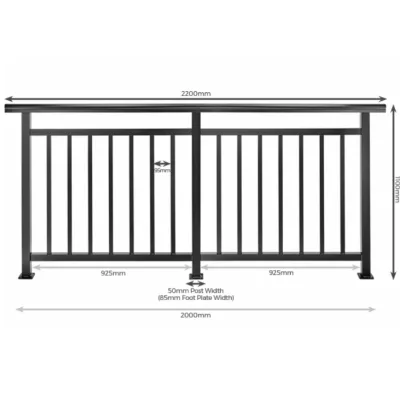
Custom Height and Length Aluminum Railing with Decorative Picket for Residential Use
$39.00 - $54.00
Moq: 10

Tianjin Xinhaohan Building Materials Technology Co., Ltd.
- Verified by SGS
- Trading Company
- China Tianjin
- Lead time30 days
- Avg. response≤ 2h
Main productsWire Mesh, Welded Wire Mesh, Stainless Steel Wire Mesh, Fence, Wire Mesh Machine, Wire Mesh Fence, Galvanzied Wire Mesh, Railing, Metal Mesh, Steel Wire Mesh
Main marketsAfrica
Shanghai Metisflow Metal Wire Mesh Manufacturing Co., Ltd.
- Verified by TUVRHEINLAND
- Manufacturer
- China Shanghai
- Lead time15 days
- Avg. response≤ 7h
Main productsFence, Fan Guard, PVC Fence Panel, Garden Fence, Outdoor Fence Panel, Chicken Cages, Gabion Boxes, Wire Mesh, Stainless Steel Wire Mesh, Filter Mesh
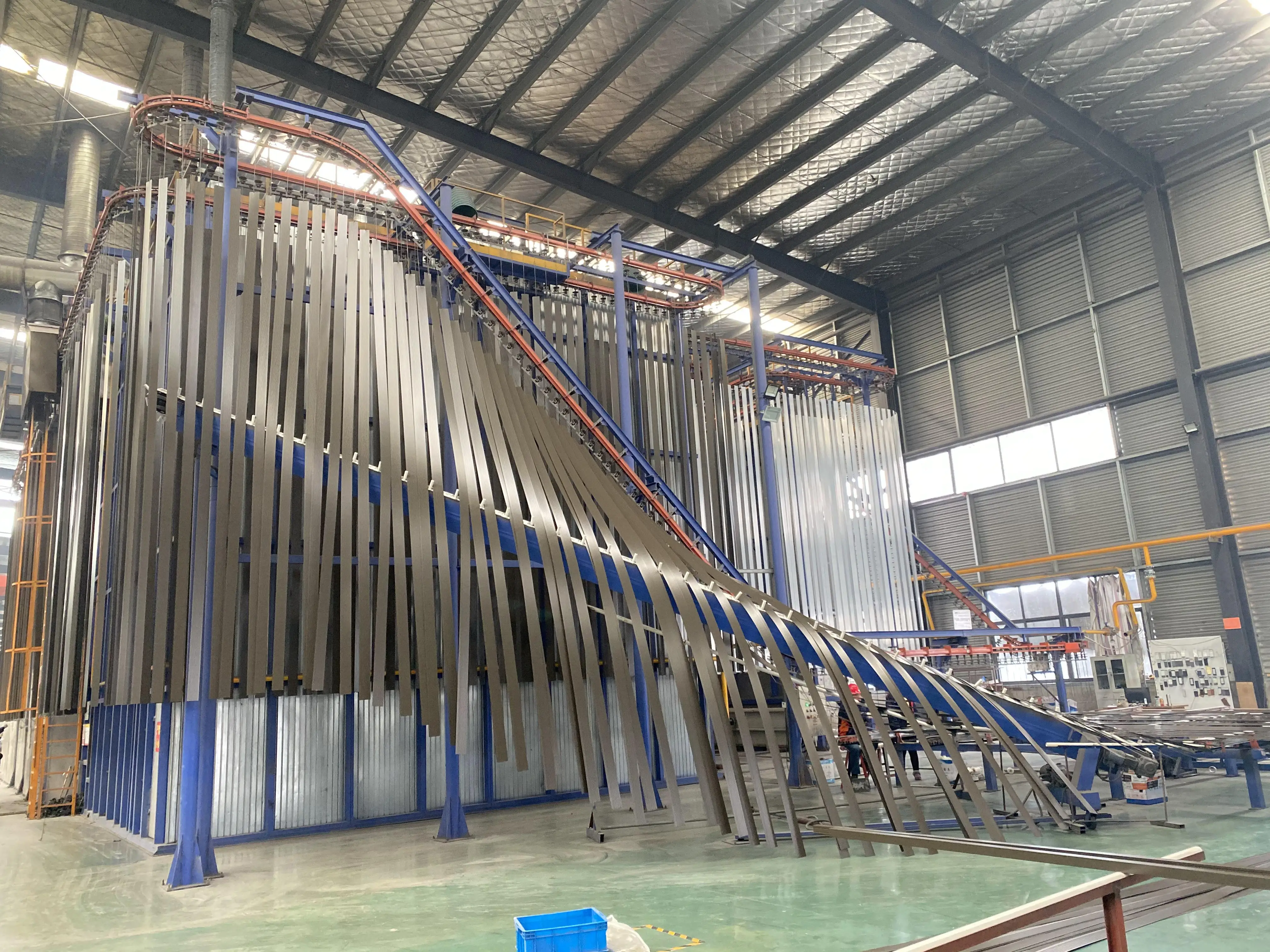
Shenzhen Joinsda Technology And Engineering Co., Ltd.
- Manufacturer
- Guangdong, China
- Lead time20 days
- Avg. response≤ 11h
Main productsAluminum Fence,Aluminum Gate,Aluminum Balustrades and Handrails,Aluminum Shutter and Louvers,Aluminum Window and Door
Main marketsDomestic Market(35.0%), Africa(20.0%), South Asia(5.0%), Eastern Asia(5.0%), Mid East(5.0%), North America(5.0%), South America(5.0%), Southeast Asia(5.0%), Eastern Europe(5.0%), Southern Europe(3.0%), Western Europe(2.0%), Central America(2.0%), Northern Europe(2.0%), Oceania(1.0%)
Shandong Honest Intelligent Technology Co., Ltd.
- Verified by CTI
- Manufacturer/Factory
- China Shandong
- Lead time0 days
- Avg. response≤ 3h
Main productsAluminium Fence, Galvanized Steel Fence, WPC Fence

Anping Yaqi Wire Mesh Co., Ltd.
- Verified by BV
- Combined
- China Hebei
- Lead time15 days
- Avg. response≤ 4h
Main productsCorner Bead, Hy-Rib Lath Mesh, Expanded Metal Mesh, Crimped Wire Mesh, Perforated Metal Mesh, Screen Mesh, 3D Wire Mesh Fence, Steel Fence, Livestock Fence
Main marketsSouth America,Europe,Australia,North America
Chengdu Shufeng Doors and Windows Co., Ltd.
- Verified by SGS
- Combined
- China Sichuan
- Lead time30 days
- Avg. response≤ 1h
Main productsAluminum Alloy Doors and Windows
Main marketsDomestic

Weifang Jinzita Metalworks Co., Ltd.
- Trading Company,Manufacturer/Factory
- China Shandong
- Lead time23 days
- Avg. response≤ 7h
Main productsCommerical Fences, Industrial Fences, Residential Fences, Aluminum Railings, Gates, Accessories and Posts, Landscaping Fences, Aluminum Fence Panel, Aluminum and Iron Fence, Steel Fence
Main marketsSouth America,Eastern Europe,Mid East,North America,Southeast Asia,Eastern Asia,Oceania,Western Europe,Africa


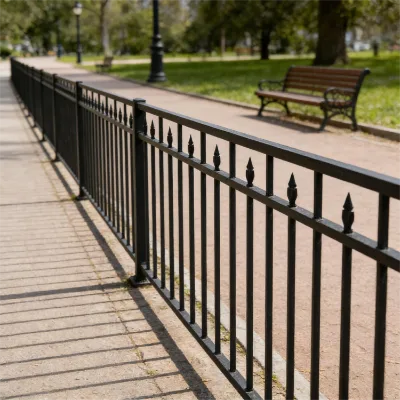
Powder Coated Aluminum Pressed Spear Top Fencing Metal Garden Barrier Picket Fence
$16.00 - $60.00
Moq: 50


Shandong Orient Aluminium Co., Ltd.
- Verified by TUVRHEINLAND
- Combined
- China Shandong
- Lead time15 days
- Avg. response≤ 11h
Main productsAluminium Profile, Aluminium Door
Main marketsEast Asia(Japan/ South Korea)


Outdoor Balustrade Metal Stair Railing Cast Iron Design Aluminum Picket Fence Balustrade
$120.00 - $130.00
Moq: 200

Powder Coating Handrail Aluminum Fencing Balcony Fence Security Handrail Railing
$200.00 - $300.00
Moq: 100


Weifang Pengxiang Metal Components Technology Co., Ltd.
- Trading Company,Manufacturer/Factory
- China Shandong
- Lead time23 days
- Avg. response≤ 2h
Main productsAluminum Fence, Steel Fence, Garden Fence Panel, Pool Fencing, Security Fence, Metal Sliding Gate Double Swing Gate
Main marketsSouth America,Eastern Europe,Mid East,North America,Southeast Asia,Eastern Asia,Oceania,Western Europe,Africa

Shijiazhuang Doudou Perimeter Technology Co., Ltd.
- Verified by TUVRHEINLAND
- Combined
- China Hebei
- Lead time15 days
- Avg. response≤ 3h
Main productsWelded Mesh Fence, Noise Barrier, Electric Fence, Vibration Fiber Optic Intrusion Detection System, Chain Link Fence, Automatic Swing Gates/Sliding Gates, Tubular Picket Fence, Palisade Fence, Airport Fence, Anti Climb Fence
Main marketsSouth America,Southeast Asia/ Mideast,Australia

Anhui Fencemaster Outdoor Products Co., Ltd.
- Manufacturer/Factory
- China Anhui
- Lead time23 days
- Avg. response≤ 15h
Main productsPVC Fences, Vinyl Fences, PVC Railings, PVC Privacy Fences, PVC Picket Fences, PVC Garden Fences, PVC Fence Panels, PVC Ranch Fences, PVC Slat Fences, Custom PVC Vinyl Fences
Main marketsSouth America,Eastern Europe,Mid East,North America,Oceania,Western Europe
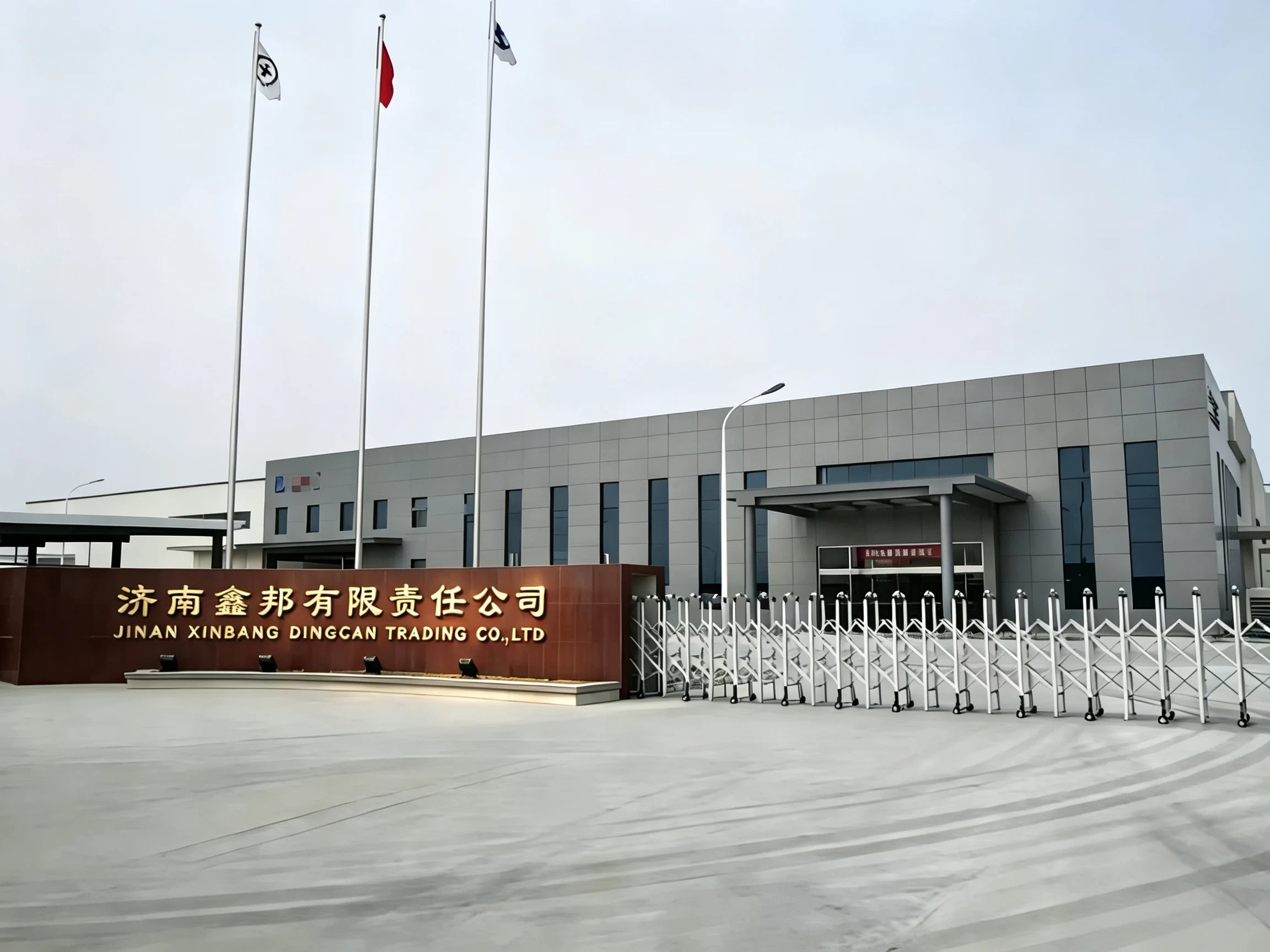
Jinan Xinbang Dingcan Trading Co., Ltd.
- Manufacturer, Trading Company
- Shandong, China
- Lead time7 days
- Avg. response≤ 6h
Main productsVenetian blinds,guardrail,stair railing
Main marketsNorthern Europe(10.0%), Western Europe(10.0%), Eastern Asia(10.0%), Mid East(10.0%), Oceania(10.0%), Africa(10.0%), Southeast Asia(10.0%), Eastern Europe(10.0%), South America(10.0%), North America(10.0%)

WEIFANG BEYOND METAL WORKS CO., LTD.
- Verified by TUVRHEINLAND
- Combined
- China Shandong
- Lead time30 days
- Avg. response≤ 4h
Main productsFence Panel, Fence, Garden Fence, Garrison Fence, Aluminum Fence, Metel Fence, Steel Fence, Pool Fence, Swimming Fence, Fencing
Main marketsOthers(foreignTradeCapacity.exportBusinessCapacityMarketOther),Australia

GUANGZHOU SHENGCHENG INDUSTRY CO.,LTD.
- Verified by BV
- Combined
- China Guangdong
- Lead time15 days
- Avg. response≤ 3h
Main productsNylofo 3D Fence, Steel Fence, Temporary Fence, Crowd Control Barrier, Steel Grating, Aluminum Amplimesh, Stanchion, Clearvu Fence, Balcony&Stair Railing, Gabion
Main marketsSouth America,Africa,Southeast Asia/ Mideast,East Asia(Japan/ South Korea),Europe,Australia,North America


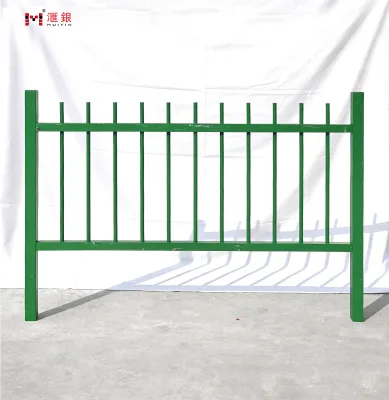
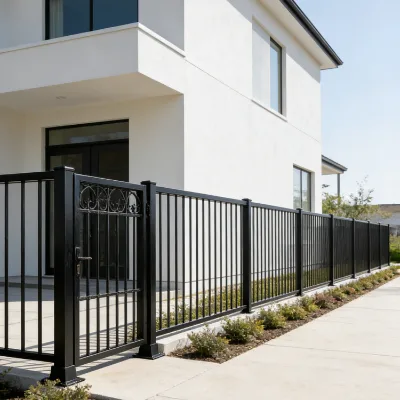
White Powder Aluminum Coated Picket Aluminum Fencing for Handrail Fence Railing
$16.00 - $28.00
Moq: 100

Shandong Discovery Metal Products Co., Ltd.
- Verified by TUVRHEINLAND
- Combined
- China Shandong
- Lead time15 days
- Avg. response≤ 4h
Main productsAluminium Fence, Aluminium Gate, Aluminium Railing, Aluminium Pergola, WPC Fence, WPC Decking, Aluminium Dock, Laser Cutting Screen
Main marketsEurope


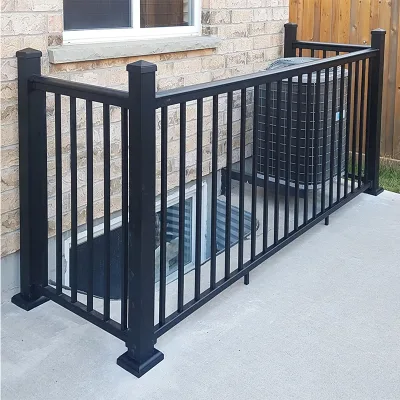
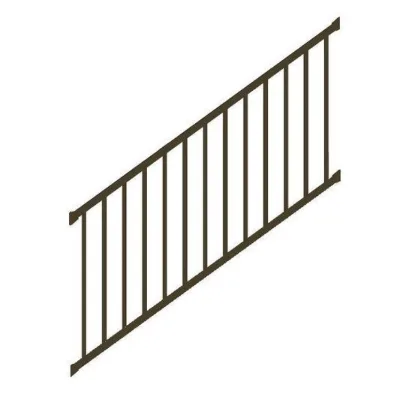
Aluminium Balcony Railing Designs Picket Indoor for Outdoor Aluminum Stair Railings
$19.90 - $25.90
Moq: 50








Comprehensive Sourcing Guide
Aluminum Picket Railing Supplier Concentration and Factory Types
The current supplier landscape for aluminum picket railings reveals a distinct geographic concentration in China, with significant manufacturing hubs located in Shandong and Guangdong provinces. These regions serve as primary centers for aluminum extrusion and profile processing, offering buyers access to established industrial clusters that specialize in both residential and commercial fencing solutions. Suppliers in these areas often operate as combined entities, functioning as both manufacturers and trading companies, which allows them to offer a broader range of product variations while maintaining direct control over production quality. This dual role is particularly evident in the types of companies listed, where the company type is explicitly identified as combined, indicating a hybrid business model that bridges factory output with commercial distribution capabilities.
Within these manufacturing clusters, the product portfolio extends beyond simple railings to include a wide array of aluminum profiles, such as electrophoresis profiles, power coating profiles, and heat insulation break bridge profiles. This diversity suggests that many suppliers possess the extrusion and finishing infrastructure necessary to produce complex aluminum picket designs alongside other building materials like curtain walls and industrial profiles. The presence of ODM, OEM, and own brand capabilities further indicates that these factories are equipped to handle custom design requests, allowing buyers to source unique railing systems that meet specific architectural requirements. Understanding this concentration helps buyers target regions with high supply density, ensuring competitive pricing and faster logistics due to the proximity of raw material suppliers and finishing facilities.
How to Verify Aluminum Picket Railing Suppliers
Verifying the legitimacy and capability of Aluminum Picket Railing suppliers requires a close examination of their verification badges and system certifications. Current data shows that suppliers may hold verification from recognized third-party agencies such as BV or TÜV Rheinland, which provides a baseline level of trust regarding their business operations and legal standing. Additionally, system certifications like ISO9001:2015 and ISO14001:2015 are critical indicators of a supplier’s commitment to quality management and environmental standards. Buyers should prioritize suppliers who display these specific certifications, as they demonstrate a structured approach to production consistency and regulatory compliance, which is essential for large-scale procurement projects where quality control is paramount.
Beyond verification badges, buyers must scrutinize the product-specific certifications and attributes listed in the supplier’s catalog. For instance, product evidence indicates that aluminum picket railings may carry CE, RoHS, or ASTM certifications, which are often required for international trade and safety compliance. The material composition is another key verification point, with products explicitly stating materials such as aluminum or metal, and specific alloys like 6063-T5. Buyers should request documentation to confirm that the stated certifications match the actual products being shipped, as discrepancies can lead to customs delays or rejection. Furthermore, checking the response time of the supplier, which can vary significantly from under one hour to several days, offers insight into their operational efficiency and customer service readiness, ensuring that communication issues do not hinder the verification process.
What to Compare Across Aluminum Picket Railing Suppliers
When evaluating multiple suppliers, buyers should compare key operational metrics such as lead time, minimum order quantity (MOQ), and response time to determine the best fit for their project timeline and budget. Lead times can vary substantially, with some suppliers offering production within 15 days while others may require up to 45 days, depending on the complexity of the order and current factory capacity. Similarly, MOQs range widely, from as low as one unit for sample orders to twenty units for standard production runs, allowing buyers to scale their initial purchases based on their risk tolerance and inventory needs. Comparing these metrics helps buyers identify suppliers who can accommodate urgent deadlines or small-batch testing phases without incurring prohibitive costs.
Price and customization options are also critical factors in supplier comparison. The price range for aluminum picket railings can vary from approximately $19.80 to $30.00 per unit, depending on the design complexity, finishing options, and order volume. Buyers should also assess the customization capabilities, such as available frame finishing options like powder coating or anodic oxidation, and the ability to customize dimensions, colors, and thicknesses. Suppliers that offer flexible customization, such as adjustable thickness greater than 0.7mm or custom lengths, provide greater value for projects with unique architectural requirements. Additionally, comparing the main products offered by each supplier can reveal their specialization; some may focus on decorative garden fences, while others may excel in industrial or high-security railing systems, ensuring alignment with the buyer’s specific application needs.
Common Aluminum Picket Railing Sourcing Risks
One of the primary risks in sourcing aluminum picket railings is the potential mismatch between advertised product specifications and the actual delivered goods. Buyers must be cautious of discrepancies in material quality, such as the difference between pure aluminum and mixed metal alloys, or variations in surface treatment finishes like powder coating versus anodic oxidation. The product evidence shows attributes like "High Quality" or specific certifications, but these claims must be validated through physical samples or third-party inspections before committing to large orders. Failure to verify these details can result in products that do not meet structural integrity or aesthetic standards, leading to project delays and additional costs for replacements.
Another significant risk involves logistics and packaging integrity, especially for long-distance shipments. Aluminum railings are bulky and prone to damage during transit if not packed correctly. Suppliers may use different packaging methods, such as steel pallets, plywood boxes, or fiber bags, each offering varying levels of protection. Buyers should ensure that the packaging is robust enough to withstand international shipping conditions, particularly for fragile components like glass inserts or delicate decorative elements. Additionally, the risk of delayed delivery due to production bottlenecks or customs clearance issues cannot be overlooked. Suppliers with longer lead times or those located in regions with less efficient logistics infrastructure may pose a higher risk of missing project deadlines, making it essential to factor in buffer time when planning procurement schedules.
Aluminum Picket Railing Regional Sourcing and Logistics
Sourcing aluminum picket railings from China involves navigating the logistical advantages and challenges associated with major manufacturing hubs like Shandong and Guangdong. Suppliers in these regions benefit from established supply chains for raw aluminum materials and finishing services, which can reduce production costs and improve turnaround times. However, buyers must consider the impact of regional logistics on shipping costs and delivery times. Guangdong, being a major port province, often offers more direct shipping routes to international destinations, potentially reducing transit times compared to suppliers in inland or northern regions like Shandong. Understanding these geographic nuances helps buyers optimize their sourcing strategy to balance cost efficiency with delivery speed.
Logistics planning also requires attention to the specific dimensions and weight of the Aluminum Picket Railing packages. Products are often shipped in standard lengths, such as 6 meters, or customized sizes, which can affect container loading efficiency. Buyers should work with suppliers to optimize packaging configurations, ensuring that the maximum number of units can be shipped per container without compromising product safety. Additionally, the choice of transportation mode, whether by sea or air, will significantly impact the overall cost and timeline. For large orders, sea freight is typically more cost-effective, while air freight may be necessary for urgent replacements or small sample shipments. Coordinating closely with the supplier on packaging and shipping instructions can help minimize logistics risks and ensure that the products arrive in optimal condition.
Aluminum Picket Railing Commercial Terms and Order Planning
Commercial terms for Aluminum Picket Railing orders typically include specific payment structures and delivery conditions that buyers must carefully review. Common payment terms involve a deposit followed by a balance payment, such as a 30% deposit with the remaining 70% paid against the bill of lading copy. This structure protects both parties by ensuring that the supplier begins production only after receiving initial funding, while the buyer retains leverage until the goods are shipped. Buyers should also clarify the delivery timeframes, which may be specified as a range, such as 20-30 days after receipt of the deposit, and understand any penalties for late delivery. Clear communication of these terms helps prevent misunderstandings and ensures a smooth transaction process.
Order planning should also account for the customization and model-specific requirements of the aluminum picket railings. Products often have unique model numbers, such as AF-013 or AR-251, which correspond to specific designs and specifications. Buyers must ensure that their orders accurately reflect the desired model, including any customizations like color, thickness, or finishing options. Additionally, considering the scalability of the order is important, as some suppliers may offer volume discounts or preferential terms for larger quantities. By aligning their order planning with the supplier’s production capabilities and commercial terms, buyers can secure favorable pricing and ensure timely delivery, ultimately supporting the successful execution of their construction or landscaping projects.
FAQs
What is the price range for aluminum picket railings?
Prices typically range from $19.80 to $30.00 per unit depending on specifications. Some premium stainless steel options may cost up to $168.00. Buyers should verify exact costs based on customization needs, material thickness, and surface treatment requirements before placing orders.
What certifications are available for aluminum fencing products?
Common certifications include CE, RoHS, ISO, and ASTM standards. Suppliers often hold ISO9001:2015 and ISO14001:2015 system certificates. These ensure quality and environmental compliance. Buyers should request specific certification documents to verify product safety and manufacturing standards for their region.
What are the minimum order quantities for these railings?
MOQs vary significantly, ranging from 1 unit to 20 units. Some suppliers accept single units for testing, while others require bulk orders. Buyers should check specific product listings for exact MOQs to ensure alignment with their project scale and budget constraints.
How long does delivery take for aluminum railings?
Lead times generally range from 15 to 45 days. Some products deliver within 20-30 days after deposit receipt. Buyers should confirm specific timelines with suppliers to plan installation schedules effectively and avoid project delays due to manufacturing or shipping constraints.
Where are these aluminum railing suppliers located?
Suppliers are primarily located in China, specifically in Shandong and Guangdong provinces. These regions are known for aluminum extrusion and manufacturing capabilities. Buyers can verify supplier locations to assess logistics costs and shipping times for international orders.
Can aluminum picket railings be customized?
Yes, customization is widely available for size, color, and design. Suppliers offer OEM and ODM services with powder coating options. Buyers can request custom dimensions, thicknesses greater than 0.7mm, and specific frame processing to match architectural requirements and aesthetic preferences.