Ambient Light Suppliers and Manufacturers
Browse 27 Ambient Light suppliers and compare grounded details such as location, lead time, response speed, OEM and ODM capability, product certifications, and pricing. Review the listings below, then shortlist candidates and send inquiries to confirm specifications before ordering; review the available evidence before requesting comparable quotations from suitable candidates.
Updated
Suppliers List

- Combined
- China Guangdong
- Lead time23 days
- Avg. response≤ 3h
Main productsPromotion Gift, Toy, Flashing Item, Free Gift, Business Gift, Novelty
Main marketsAfrica,Europe,North America


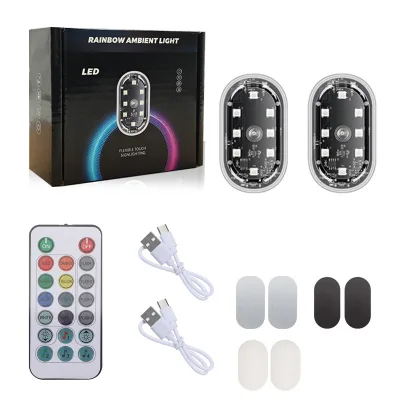
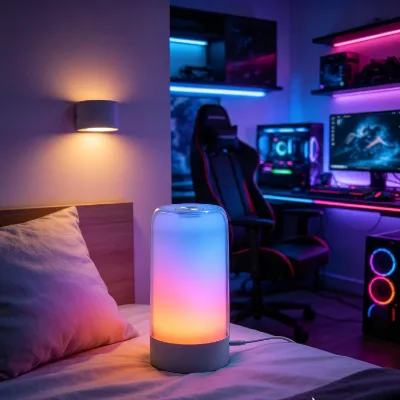
Touch Dimming USB Night Light Portable LED Ambient Light Decorative Light
$0.84 - $1.60
MOQ: 1000 Pieces


Ambient Light, Light String, Colored Light, Colorful String Lights, Night Light
$1.20 - $2.40
MOQ: 500 Pieces

Light String, Ambient Light, Copper Wire Light, Festive Atmosphere Lights
$1.20 - $2.40
MOQ: 500 Pieces

- Verified by TUVRHEINLAND
- Trading Company
- China Zhejiang
- Lead time15 days
- Avg. response≤ 14h
Main productsLED Solar Light, Festival Lights, Table Lamp, LED Grow Lights, LED Light Strip, Smart Lights, LED Light String, Decorative Light, LED Head Light, LED Professional Lights
Main marketsSouth America,Europe,North America

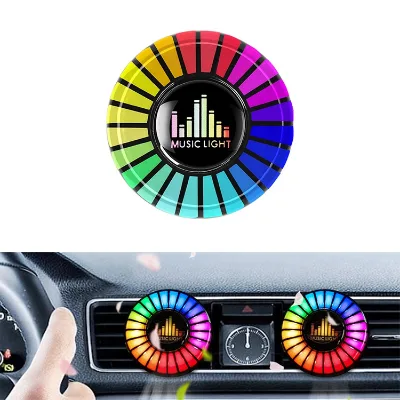
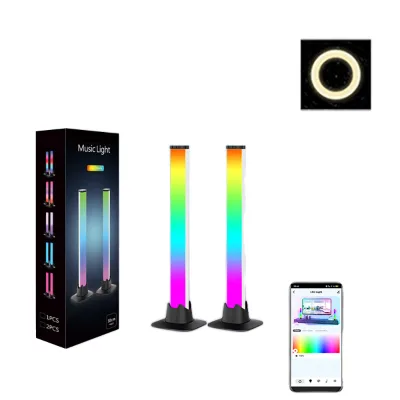
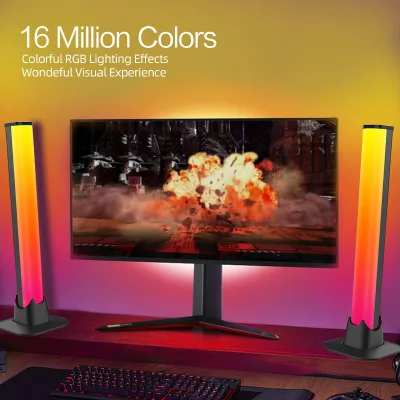
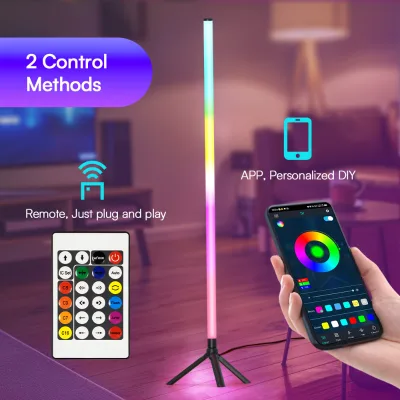
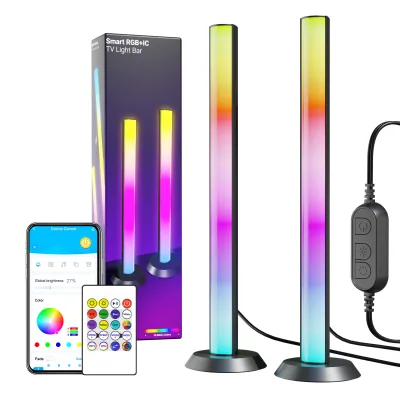
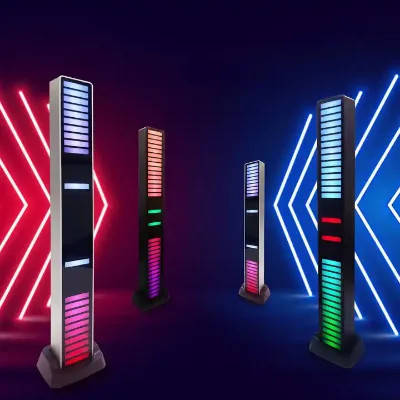
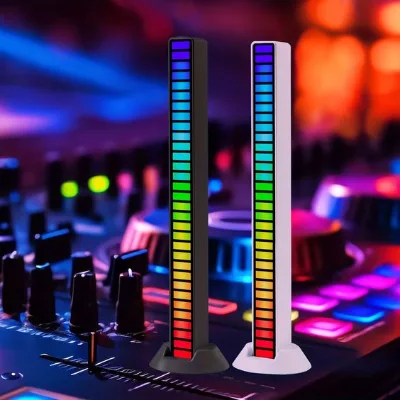
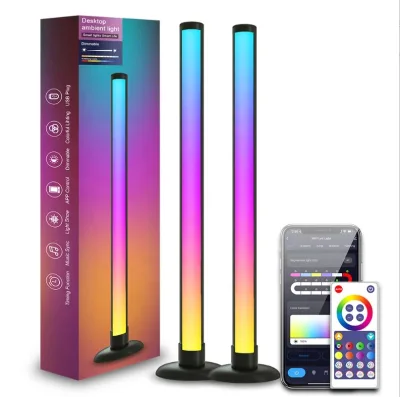
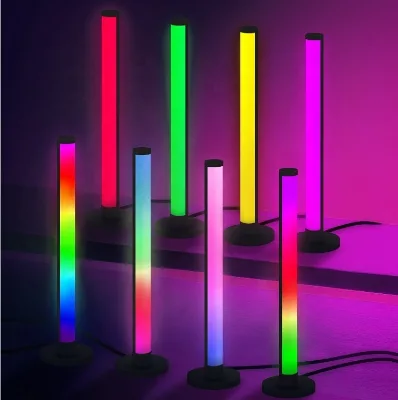
APP and Remote Control Music Atmosphere Recognition Pickup Rhythm Light
$18.90 - $21.60
MOQ: 30 Pieces


Bedside Desktop Music and Voice Sensor Smart Control LED Atmosphere Rhythm Lamp
$4.80 - $5.60
MOQ: 50 Pieces

Guangzhou New Vision New Material Technology Co., Ltd.
- Trading Company
- China Guangdong
- Lead time15 days
- Avg. response≤ 12h
Main productsDouble Sided Tape, Reflective Tape, Adhesive Products
Main marketsSouth America,Southeast Asia/ Mideast,Europe

$55.00 - $70.00
MOQ: 1 Boxes

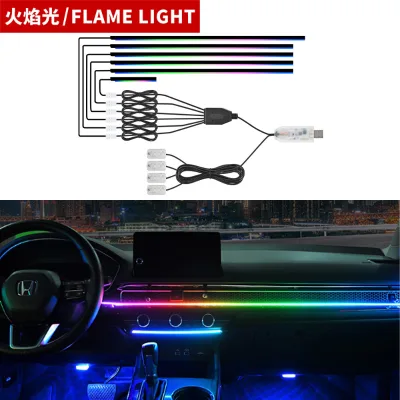
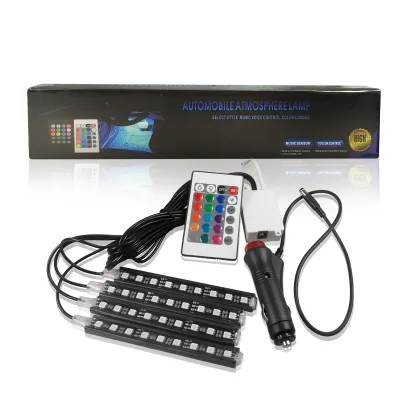
APP Control Flexible Car Atmosphere Lamp Kit Car LED Accent Interior Ambient Light
$15.00 - $20.00
MOQ: 2 Sets

$15.00 - $20.00
MOQ: 2 Sets

Car Ambient Lighting Atmosphere Lights Kit Universal Car Decoration Atmosphere Lights Lamp
$15.00 - $20.00
MOQ: 2 Sets


- Verified by SGS
- Manufacturer/Factory
- China Shaanxi
- Lead time15 days
- Avg. response≤ 3h
Main productsCar Vacuum Cleaner, Car Jack, Car Care, Car Air Pump, Forged Wheel, Auto Parts, Car Film, Car Repair Tools, Motorcycle Parts, Car Ambient Lighting
Main marketsSouth America,Eastern Europe,Mid East,North America,Southeast Asia,Eastern Asia,Oceania,Western Europe,Africa

Car Ambient Light LED Atmosphere Lighting Interior Ambient Light for Car
$3.79 - $6.69
MOQ: 100 Pieces

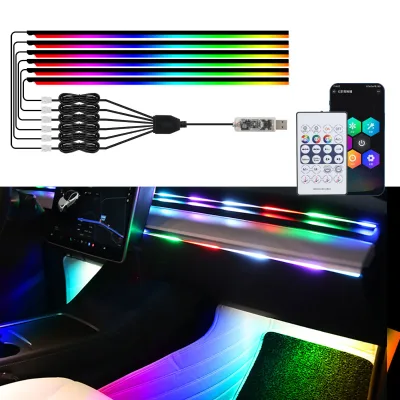
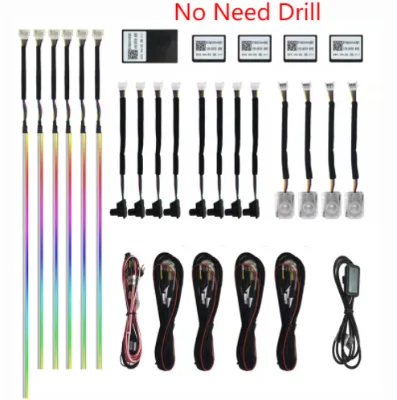
24 Pieces Colors Dynamic Ambient Light Upgrade Ambient Lighting for Car Interior
$66.59 - $69.99
MOQ: 100 Pieces

Ningbo Inchoi International Trading Co., Ltd
- Verified by SGS
- Trading Company
- China Zhejiang
- Lead time30 days
- Avg. response≤ 21h
Main marketsEurope


USB Wall Hanging and Tabletop Rainbow Neon Light Decorative Ambient Light
$2.55 - $2.90
MOQ: 2000 Pieces

USB Wall Hanging and Tabletop Clover Neon Light Decorative Ambient Light
$2.80 - $3.20
MOQ: 2000 Pieces


Guangzhou Hunsui Trading Co., Ltd.
- Manufacturer, Trading Company
- Guangdong, China
- Lead time15 days
- Avg. response≤ 5h
Main productsCar LED lights,car ambient atmosphere lights,Electric Suction door of automobile,Car Sticker
Main marketsWestern Europe(30.00%), Oceania(12.00%), Southern Europe(10.00%), Northern Europe(10.00%), North America(10.00%), Eastern Europe(8.00%), Southeast Asia(5.00%), Mid East(5.00%), South Asia(2.00%), South America(2.00%), Africa(2.00%), Central America(2.00%), Eastern Asia(2.00%)
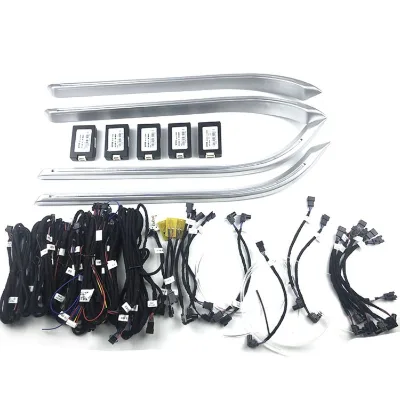
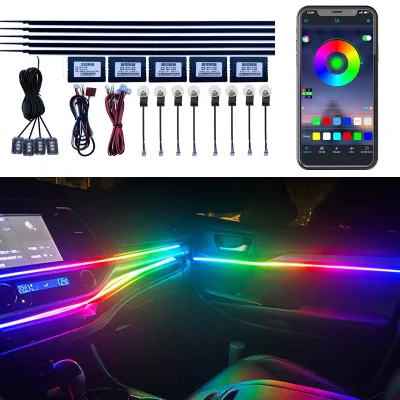
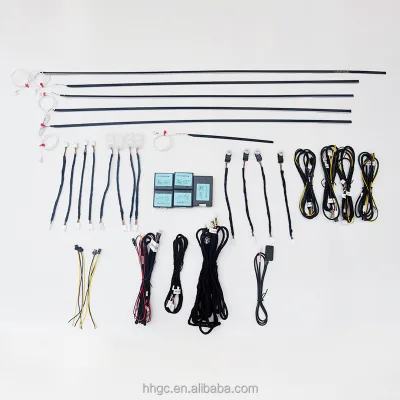
$18.4311 - $35.8382
MOQ: 1 pieces
Guangzhou Yanuoxing Automotive Products Co., Ltd.
- Manufacturer, Trading Company
- Guangdong, China
- Lead time0 days
- Avg. response≤ 3h
Main productsCar ambient light,Car headlights,Retrofitting lights,Explosive flashing light,Car light strip
Main marketsSoutheast Asia(20.00%), Central America(7.00%), Mid East(7.00%), Domestic Market(6.00%), South Asia(6.00%), Southern Europe(6.00%), Northern Europe(6.00%), Eastern Europe(6.00%), Western Europe(6.00%), Eastern Asia(6.00%), Oceania(6.00%), South America(6.00%), Africa(6.00%), North America(6.00%)
Shenzhen DSY Electronic Technology Co., Ltd.
- Verified by TüVRheinland
- Manufacturer, Trading Company
- Lead time0 days
- Avg. response≤ 3h
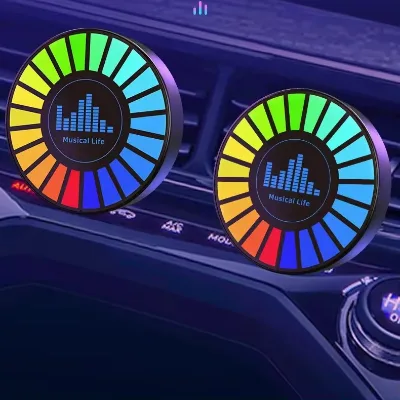
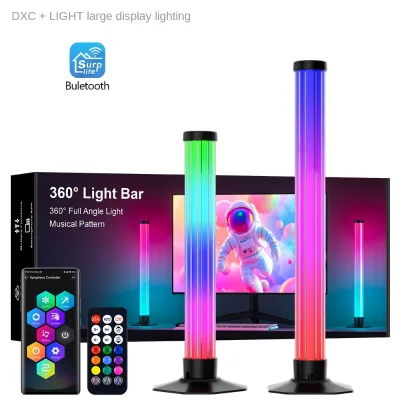
Main productsRGB Tube Light
Main marketsNorth America(40%), Western Europe(30%), Mid East(10%)
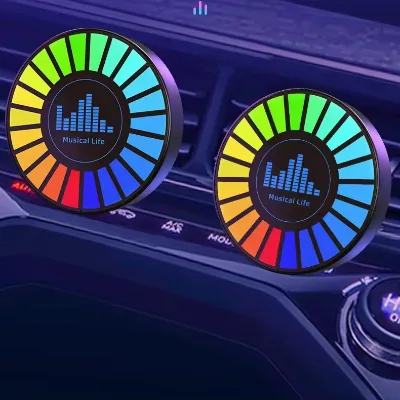
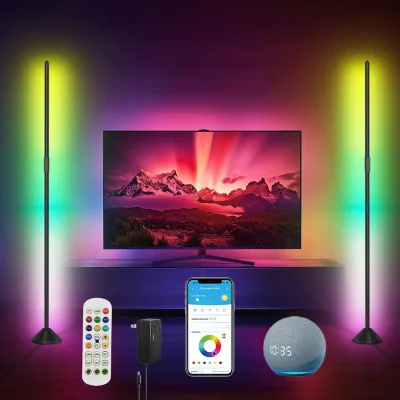
$17.6796 - $24.6451
MOQ: 1 pieces
Guangzhou Kachuang Auto Parts Co., Ltd.
- Trading Company
- Guangdong, China
- Lead time20 days
- Avg. response≤ 5h
Main productsCar Interior Ambient Light, Car Decoration Lighting, Car Chassis Light, Car Underseat Light, Car Laser Light
Main marketsDomestic Market(30.00%), Southeast Asia(15.00%), South America(10.00%), Eastern Europe(10.00%), Eastern Asia(5.00%), North America(5.00%), Central America(5.00%), Africa(5.00%), Mid East(5.00%), South Asia(2.00%), Oceania(2.00%), Western Europe(2.00%), Southern Europe(2.00%), Northern Europe(2.00%)
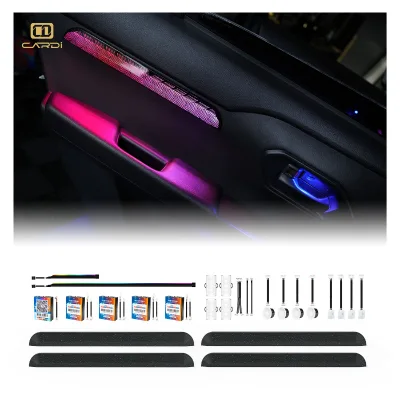
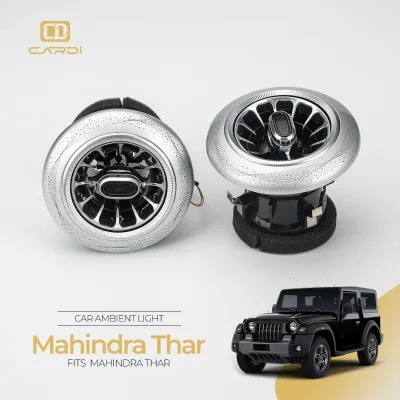
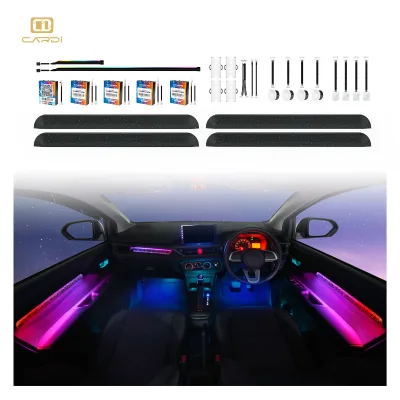
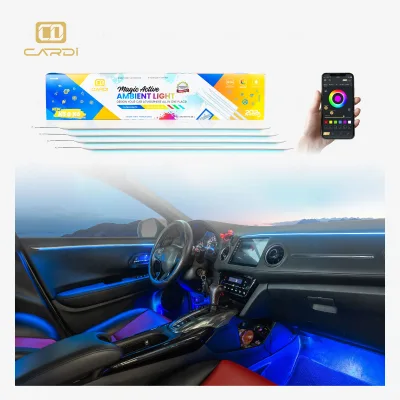
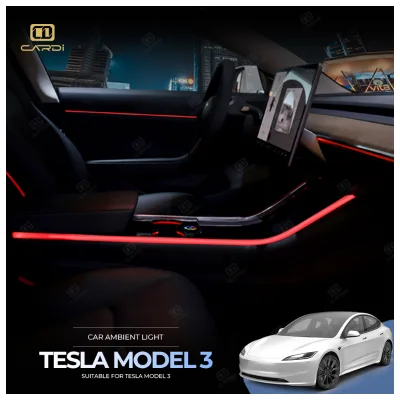
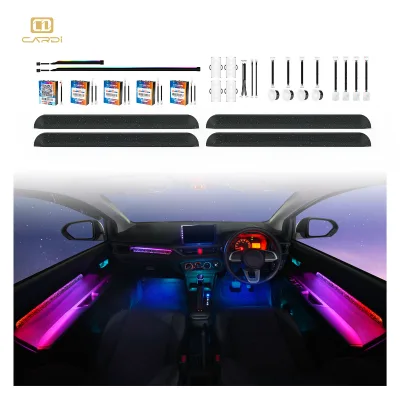
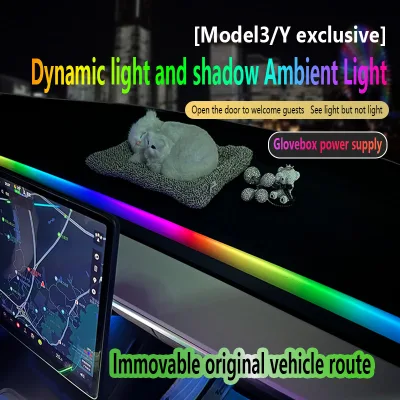
High Quality New for 12V Car Interior Ambient Lights for Model Y/3/S/X-Retrofit/Upgrade
$286.00 - $296.00
MOQ: 1

Huizhou Chengye Trade Co., Ltd
- Verified by SGS
- Trading Company
- China Guangdong
- Lead time23 days
- Avg. response≤ 4h
Main productsAuto Parts, Car Frame, Car DVD Player, Car DVD Player Frame, Automotive Ambient Lighting, Car Parts, Car Radio Frame, Car Android Frame, Universal Radio Frame, Car MP3 Player
Main marketsAfrica

Car Ambient Light 18 in 1 Acrylic Ambient Light Car Symphony Ambient LED Light
$19.30 - $23.70
MOQ: 1 Pieces

Factory Direct Car Ambient Light 18 in 1 Acrylic Ambient Light Car Symphony Ambient LED Light
$19.30 - $22.15
MOQ: 1 Pieces

Fast Delivery Car Ambient Lighting 22 1/18 in 1 Car Atmospheric Light Bar Symphony Ambient Light
$16.80 - $24.80
MOQ: 10 Pieces

$15.70 - $37.50
MOQ: 10 Pieces

Factory Direct Car Ambient Lights 18 in 1 Acrylic Ambient Lights Car Symphony Ambient Diode Lights
$5.00 - $48.00
MOQ: 10 Pieces

Best Selling Car Ambient Light 10 in 1 Ambient Lighting LED Car Symphony Ambient Interior Car Lights
$18.30 - $20.70
MOQ: 1 Pieces
Guangzhou Maisiteng Technology Co., Ltd.
- Manufacturer, Trading Company
- Guangdong, China
- Lead time8 days
- Avg. response≤ 2h
Main productsLed car headlight,Auto LED replacement kits,LED headlight bulbs for cars,Car LED headlamps,LED HID bulbs
Main marketsNorth America(30.00%), Southeast Asia(25.00%), South America(20.00%), Eastern Europe(20.00%), Western Europe(10.00%), Domestic Market(10.00%), Northern Europe(10.00%), Central America(10.00%), Eastern Asia(5.00%), South Asia(5.00%), Southern Europe(5.00%), Oceania(5.00%), Africa(5.00%)
Guangzhou Oufeisi Electronic Technology Co., Ltd.
- Manufacturer, Trading Company
- Guangdong, China
- Lead time0 days
- Avg. response≤ 13h
Main productsCar Ambient Light, Car LED Headlight, Car Bifocal Lens, 5D Decorative Cover
Main marketsDomestic Market(30.00%), Mid East(20.00%), Southeast Asia(20.00%), North America(10.00%), South America(10.00%), Western Europe(10.00%)
Shenzhen Chuangyitong Technology Co., Ltd.
- Manufacturer, Trading Company
- Guang'dong, China
- Lead time20 days
- Avg. response≤ 3h
Main productsStar Light, Monitor Light, Eaves Light
Main marketsNorth America(50.00%), Western Europe(40.00%), Oceania(10.00%)
Guangzhou Good Driver Automotive Electronics Co., Ltd.
- Verified by TüVRheinland
- Manufacturer, Trading Company
- Lead time15 days
- Avg. response≤ 4h
Main productsLED Headlight Bulbs, H4 Mini Projector Lens, Fog Lamp, Motorcycle Auxiliary Spotlights, Bi Led Projector Lens
Main marketsSouth America(15%), Southeast Asia(15%), North America(10%)
Shenzhen Daybetter Optoelectronics Co., Ltd.
- Manufacturer, Trading Company
- Guangdong, China
- Lead time7 days
- Avg. response≤ 10h
Main productsAmbient light,LED Matrix Panels,LED TV Back Light,LED Pixel Screen,Smart Bulbs
Main marketsDomestic Market(100.00%), Africa(100.00%), South Asia(100.00%), Southern Europe(100.00%), Central America(100.00%), Eastern Asia(100.00%), North America(65.00%), Oceania(5.00%), Southeast Asia(5.00%), Eastern Europe(5.00%), Northern Europe(5.00%), South America(5.00%), Western Europe(5.00%), Mid East(5.00%)
Henan Yijin Technology Co., Ltd.
- Verified by TüVRheinland
- Trading Company
- Lead time8 days
- Avg. response≤ 4h
Main productsIndoor Wall Light, Ceiling Light, Chandelier, Outdoor Light, Floor Light
Main marketsNorth America(30%), Africa(30%), South America(20%)

- Manufacturer
- China Guangdong
- Lead time15 days
- Avg. response≤ 6h
Main productsChandelier, Crystal Chandelier, Ceiling Light, Pendant Light, Wall Light, Table Light, Floor Light, Modern Chandelier, LED Chandelier, Pendant Lamp
Main marketsEurope,North America

Jianbian Lighting Technology (Zhongshan) Co., Ltd.
- Verified by CTI
- Combined
- China Guangdong
- Lead time15 days
- Avg. response≤ 1h
Main productsTable Lamp, Cordless Table Lamp, Rechargeable Table Lamp
Main marketsSouth America,Domestic,Europe,North America

Ningbo Haishu Kaiau Electronics Co., Ltd.
- Trading Company,Manufacturer/Factory
- China Zhejiang
- Lead time23 days
- Avg. response≤ 17h
Main productsPIR Sensor, Microwave Sensor, Photocell Sensor, LED Sensor Ceiling Light, LED Sensor Flood Light, LED Sensor Night Light, Solar LED Security Light, Sensor Lamp Holder, Remote Control Socket, LED Solar Light
Main marketsSouth America,Eastern Europe,Mid East,North America,Southeast Asia,Eastern Asia,Oceania,Western Europe,Africa
Shenzhen Enjoy Optoelectronics Co., Ltd.
- Manufacturer, Other
- Guangdong, China
- Lead time20 days
- Avg. response≤ 3h
Main productsled strip,camping light,solar light,holiday light,led fitting
Main marketsWestern Europe(50.00%), North America(40.00%), Eastern Europe(5.00%), Oceania(5.00%)

GUANGZHOU MS LIGHTING CO., LIMITED
- Combined
- China Guangdong
- Lead time15 days
- Avg. response≤ 4h
Main productsLED Light, Moving Head Light, Stage Light, Professional Light, Scan Light, Smoke Machine, Follow Spot, Laser Light, LED Stage Light, Disco Light
Main marketsSouth America,Southeast Asia/ Mideast,Europe
Guangzhou Hexiangrun Electronic Technology Co., Ltd.
- Manufacturer, Trading Company
- Guangdong, China
- Lead time0 days
- Avg. response≤ 5h
Main productsled ambient light,Led running light,Led flashing light,Led car spoiler light,Led star light
Main marketsNorth America(30.00%), Southeast Asia(10.00%), Northern Europe(10.00%), Mid East(10.00%), Central America(5.00%), Western Europe(5.00%), Eastern Europe(5.00%), South America(5.00%), Africa(3.00%)

World-Dawn Lighting Co., Limited
- Manufacturer/Factory
- China Guangdong
- Lead time23 days
- Avg. response≤ 3h
Main productsLED Neon Flex, LED Strip Light, LED Panel Light, LED Tube, LED Floodlight, LED Rope Light, SMD Rope Light, LED Lighting, LED Downlight, LED
Main marketsSouth America,Eastern Europe,Mid East,North America,Southeast Asia,Eastern Asia,Oceania,Western Europe,Africa
Shenzhen Bicheng Trading Co., Ltd.
- Verified by SGS
- Trading Company
- China Guangdong
- Lead time15 days
- Avg. response≤ 4h
Main productscar ambient light, carplay ai box, car dvd frame, car dvd player
Main marketsSoutheast Asia/ Mideast,East Asia(Japan/ South Korea),Europe,Australia

Yixing Sea Fountain Equipment Co., Ltd.
- Verified by SGS
- Combined
- China Jiangsu
- Lead time30 days
- Avg. response≤ 8h
Main productsFountain
Main marketsAfrica,Others(foreignTradeCapacity.exportBusinessCapacityMarketOther),Southeast Asia/ Mideast,East Asia(Japan/ South Korea),Domestic,Europe
Guangzhou Jingpeng Electronic Technology Co., Ltd.
- Manufacturer, Trading Company
- Guangdong, China
- Lead time7 days
- Avg. response≤ 4h
Main productsnight light,table lamp,solar lamp,grow light,led strip
Main marketsNorth America(60.00%), South Asia(5.00%), Southern Europe(5.00%), Northern Europe(5.00%), Western Europe(5.00%), Eastern Asia(5.00%), Southeast Asia(5.00%), Eastern Europe(5.00%), South America(5.00%)
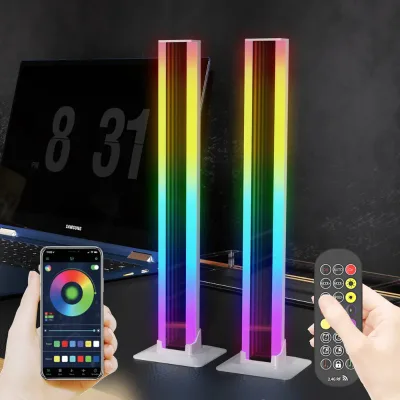
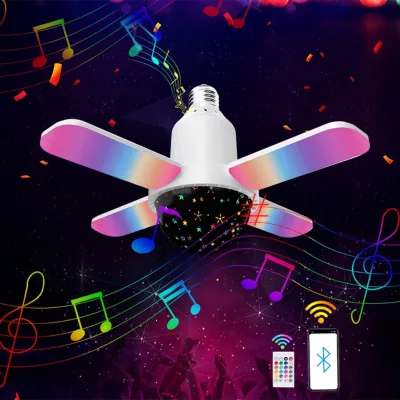
$12.18 - $13.18
MOQ: 50 pieces
$4.1826 - $5.1332
MOQ: 50 pieces

- Trading Company,Manufacturer/Factory
- China Guangdong
- Lead time0 days
- Avg. response≤ 11h
Main productsChristmas Ball, Christmas Decoration, Christmas Ornaments, Christmas Tree, Tinsel Garland, Mirror Ball, Disco Ball, Inside Painted Glass Ball
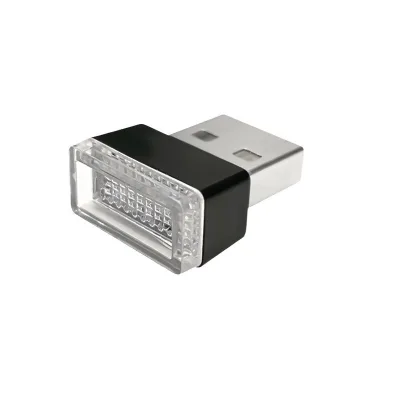
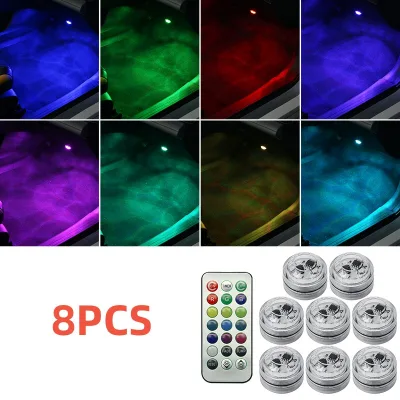
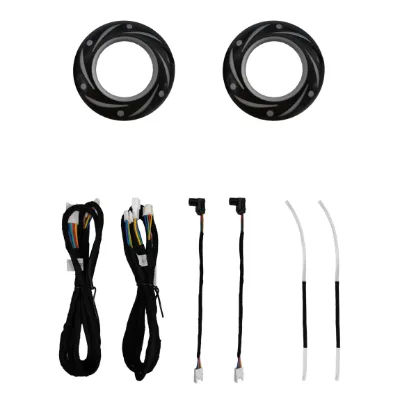
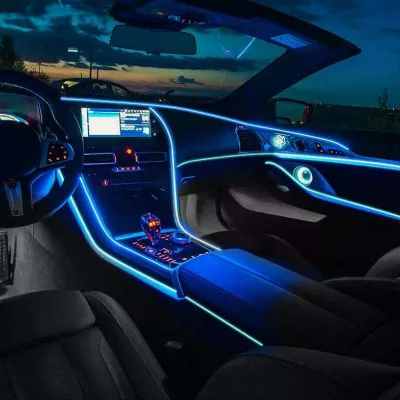
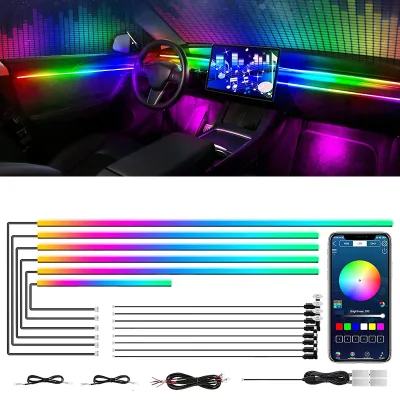
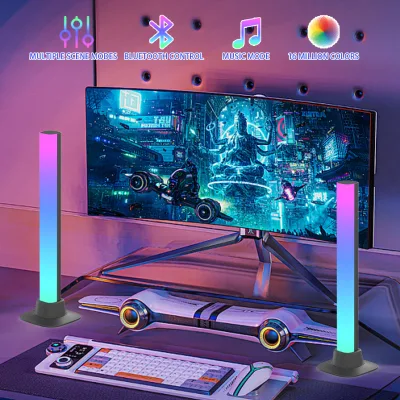




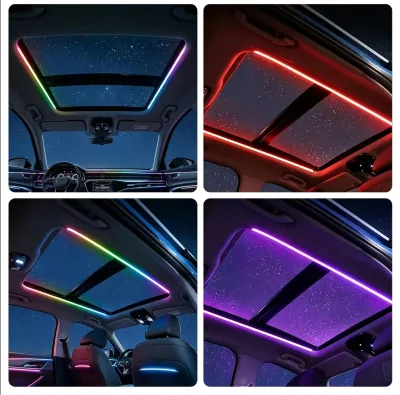
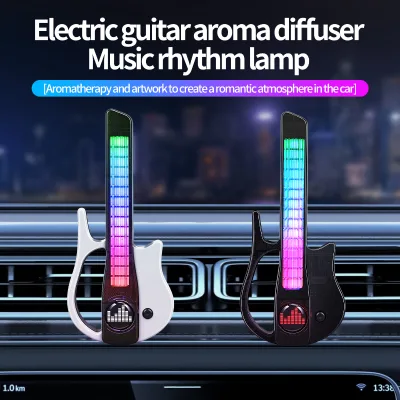


Comprehensive Sourcing Guide
Ambient Light Supplier Concentration and Factory Types
Sourcing results for ambient lights on major B2B platforms cluster heavily in eastern and southern China, and the current supplier set reflects two provinces in particular. Guangdong suppliers in these results list promotion gifts, toys, flashing items and novelty products as their main categories, which explains why their Ambient Light listings lean toward compact USB night lights, touch-dimming decorative lamps and copper-wire light strings for festive occasions. Their company type is shown as combined, meaning they typically handle both manufacturing and trading under one entity. Zhejiang results, by contrast, come from a trading company whose main products span solar lights, festival lights, table lamps, light strips and smart lights, positioning it as a multi-category lighting exporter rather than a single-product factory.
Understanding this factory-versus-trader distinction matters for your sourcing strategy. A combined Guangdong supplier may offer tighter control over a small novelty light such as a glass-shade USB lamp at dimensions like 22 by 64 millimeters, while a Zhejiang trading company can consolidate mixed lighting orders — rhythm lights, aromatherapy lamps and string lights — into one shipment. When a cluster is not documented in your search results, identify candidate regions yourself by checking where verified lighting suppliers are registered, which ports they ship from, and whether their listed origins repeat across product pages. Repeat origins across many listings are a stronger signal of a real manufacturing cluster than any single supplier's self-description.
How to Verify Ambient Light Suppliers
Verification should start with third-party evidence rather than supplier claims. In the current results, one Zhejiang trading company displays TÜV Rheinland verification plus ISO 9001:2015 and ISO 14001:2015 system certificates — the kind of documented credentials you should ask every shortlisted supplier to produce. The Guangdong entries, by contrast, show no system certification, which does not automatically disqualify them but means you must compensate with additional checks. Because several Ambient Light listings carry product-level CE and RoHS markings, request the actual certificates behind those markings, confirm the certificate holder's legal name matches the supplier, and check expiry dates. Never accept a logo on a product page as proof of compliance.
Beyond paperwork, verify operational reality. Ask for the product's origin declaration — the listings here state China, with one specifying Zhejiang — and cross-check it against the business license address. Request videos or a live call showing the production line for the specific model you want, since light strings and novelty lamps are easy to broker from another factory. Confirm customization capability in writing: several listings state customization is available, but you should verify what that covers — logo printing, color, packaging or genuine product modification. Finally, test responsiveness before committing. Response-time figures appear on some supplier profiles, but your own inquiry-and-reply cycle over several days is the most reliable measurement of how a supplier will behave after you pay a deposit.
What to Compare Across Ambient Light Suppliers
Build a comparison sheet from the attributes that actually appear on supplier profiles, without assuming every supplier displays every field. Useful dimensions here include lead time, minimum order quantity, response speed, location, company type and main products. The results show meaningful spread: lead times of roughly 15 days at the Zhejiang trading company versus about 23 days at the Guangdong combined supplier, and response times ranging from around 2 hours to over 13 hours. For a seasonal item like ambient and festive lighting, that difference in lead time can determine whether you make a holiday selling window, so weight it heavily in your scoring.
Compare product economics the same way. Listed MOQs vary enormously — from 1,000 units on a touch USB night light and 500 on a copper-wire string light, down to 30 pieces on an app-controlled rhythm light — and unit prices move accordingly, from under one dollar to nearly twenty-two dollars depending on complexity. Establishment year, escrow payment options and verified status should be captured where displayed, but treat missing fields as unknowns to verify directly, not as negatives. Also compare scope: a supplier whose main products are gifts and novelties may suit promotional ambient lights, while a trading company covering grow lights, smart lights and festival lights may better serve a broad retail assortment. Score suppliers against your assortment needs, not against generic ideals.
Common Ambient Light Sourcing Risks
The most common risk in this category is certification ambiguity. Product listings in these results show CE and RoHS claims on some ambient lights and CCC on an aromatherapy lamp, while supplier-level system certification is absent on several entries. If you import into the EU or North America, a product-page logo is not sufficient: counterfeit or lapsed CE marks on LED lighting are a recurring enforcement target. Verify each certificate against the notified body's database and confirm the tested model matches the sample you will receive, because variants of the same lamp shell are sometimes certified separately.
Second, watch for quality drift on low-value decorative items. Copper-wire string lights and touch lamps listed at roughly half a dollar to two dollars per unit leave thin margins, which invites substitution of cheaper LEDs, thinner wire insulation or weaker ABS holders during production. The listings themselves reveal material sensitivity: glass lampshades versus plastic, and battery versus USB power, all change failure rates. Third, age-graded toy-adjacent products carry labeling obligations — several string-light listings are marked for ages above eight and styled as novelty toys, which can pull them into toy safety rules in some markets. Finally, long response times, shown by one profile at over 13 hours, often predict slow problem-solving during production issues. Mitigate all of these with a pre-shipment inspection tied to your written specification, not to the supplier's listing description.
Ambient Light Regional Sourcing and Logistics
The regional picture in these results is anchored in two provinces. Guangdong suppliers sit near the Pearl River Delta's export infrastructure, which suits combined manufacturers shipping mixed gift and lighting consignments, while the Zhejiang trading company lists Ningbo as its FOB port — one of China's busiest container gateways with strong sailing frequency to Europe and North America. Matching supplier location to port reduces inland haulage cost and shortens the gap between production completion and vessel departure, which matters for lightweight, bulky goods like packaged string lights where freight per unit is sensitive.
Logistics planning should also reflect product physics. Ambient lights split into compact rigid items — the 22 by 64 millimeter USB lamp packs efficiently into cartons — and long, tangle-prone string lights that consume cube faster. Ask each supplier for carton dimensions, units per carton and gross weight so you can calculate true landed cost; one listing already discloses a carton standard around 46 by 35 by 26.5 centimeters, which is the level of detail to request across the board. Fragile glass shades need internal packaging review and drop-test discussion before production. For battery-containing items, confirm dangerous-goods handling requirements with your forwarder, since rules differ by carrier and destination. When regional data is unavailable for a candidate supplier, verify the origin statement on the product page against the invoice and packing list, and confirm which port the supplier actually books from rather than assuming the nearest one.
Ambient Light Commercial Terms and Order Planning
Commercial terms in these results reward careful reading. Prices range from roughly 0.45 to 1.30 dollars on plastic string lights, 0.84 to 1.60 on touch USB lamps, 1.20 to 2.40 on festive string lights, and 18.90 to 21.60 on a music rhythm light — a spread showing that tier pricing, not a single number, is the norm. Confirm which price tiers apply at your volume, whether they are FOB or ex-works, and which currency and validity date they carry. Payment terms shown include T/T on at least one listing; negotiate a deposit-balance split you can accept, and use escrow where a platform offers it, though escrow availability is a displayed attribute on some suppliers only — never assume it universally.
Order planning should combine MOQ, lead time and seasonality. With MOQs spanning 30 to 1,000 pieces in this category, you can stage a small trial order of a rhythm light before committing to a large string-light run, using the trial to validate samples, packaging and communication. Lead times of about 15 to 23 days mean you should place festive-light orders well ahead of holiday peaks, adding buffer for inspection and inland transit. For customized items — most listings state customization is available — secure a signed sample and a written specification covering LED color, wire length, switch type and carton marking before paying any deposit, and define rework and rejection remedies in the purchase contract itself.
FAQs
What is the price range for ambient lights?
Prices for ambient lights typically range from $0.45 to $21.60 per unit depending on the product type and features. Basic LED string lights start at $0.45 with a minimum order of 500 units. More complex smart or decorative lamps can cost up to $21.60 with lower minimums of 30 units.
What is the minimum order quantity for these products?
Minimum order quantities vary significantly by product category. Standard LED string lights require a minimum of 500 units, while touch USB night lights require 1,000 units. Smart music lights offer a much lower entry point with a minimum order of just 30 pieces, making them suitable for smaller trial orders.
How long does production take for ambient lights?
Production lead times generally range from 15 to 23 days for standard orders. Suppliers in Zhejiang report a lead time of 15 days, while those in Guangdong typically require 23 days. These timelines apply to standard manufacturing processes and may vary based on customization requirements and order volume.
Are these suppliers verified and certified?
Verification status and certifications depend on the specific supplier. Some suppliers hold ISO9001:2015 and ISO14001:2015 certificates and are verified by TÜV Rheinland. Product certifications like CE and RoHS are available for specific items such as touch dimming USB night lights. System certifications are not universally listed for all suppliers.
Where are these Ambient Light suppliers located?
Suppliers are primarily located in China, specifically in the Guangdong and Zhejiang provinces. Guangdong suppliers focus on promotion gifts and novelty items, while Zhejiang suppliers specialize in LED solar lights and smart lighting. Both regions offer distinct advantages for sourcing different types of ambient lighting products.
Can I customize these ambient lights?
Customization is available for most Ambient Light products listed. Options include OEM and ODM services for various lighting types. Specific products like touch USB night lights and LED string lights explicitly state that customization is available, allowing buyers to tailor designs, materials, and packaging to their specific brand requirements.