anti-uv textured hdpe geomembrane Suppliers and Manufacturers
Compare 22 verified suppliers of anti-uv textured hdpe geomembrane by location, lead time, and certifications. Review product specs like thickness and ISO standards, then request samples to verify quality before placing orders; review the available evidence before requesting comparable quotations from suitable candidates.
Updated
Suppliers List

Yangzhou Leebo Environmental Protection Material Co., Ltd
- Verified by CTI
- Combined
- China Jiangsu
- Lead time30 days
- Avg. response≤ 3h
Main productsstitchbond fabric & Geo products
Main marketsSouth America,Domestic

- Verified by TUVRHEINLAND
- Combined
- China Shandong
- Lead time15 days
- Avg. response≤ 4h
Main productsGeomembrane
Main marketsSouth America,Africa,Southeast Asia/ Mideast,Europe,North America

Hebei Shentong Plastic Co., Ltd.
- Verified by TUVRHEINLAND
- Combined
- China Hebei
- Lead time15 days
- Avg. response≤ 4h
Main productsPVC Pipe, PPR Pipe, PPR Fitting, HDPE Pipe, HDPE Fitting, PVC Fitting, Plastic Welding Machine, HDPE Corrugated Pipe, Plastic Cutter, Plastic Pipe
Main marketsDomestic

Thickness 1.0mm Anti-Seepage Impermeable Textured HDPE Geomembrane
$0.09 - $0.10
MOQ: 100 Square Meters


Taian Lin Yuan Engineering Materials Co., Ltd.
- Verified by Intertek
- Trading Company
- Lead time10 days
- Avg. response≤ 1h
Main productsGeogrid, Geotextile, Geocell , Geomembrane
Main marketsDomestic Market(35%), Southeast Asia(22%), Oceania(14%)
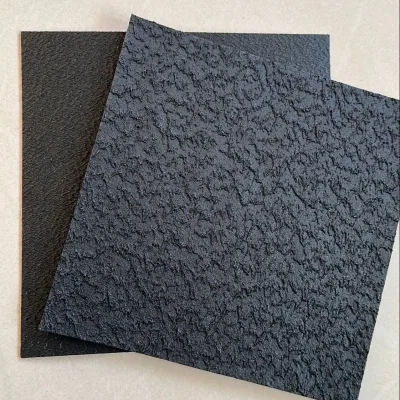
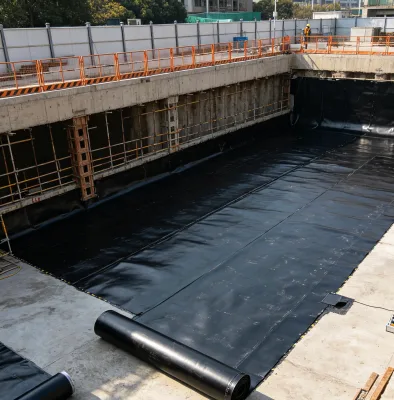
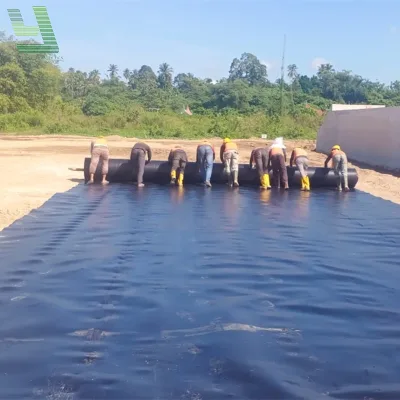
$0.1661 - $0.4982
MOQ: 500 Minimum
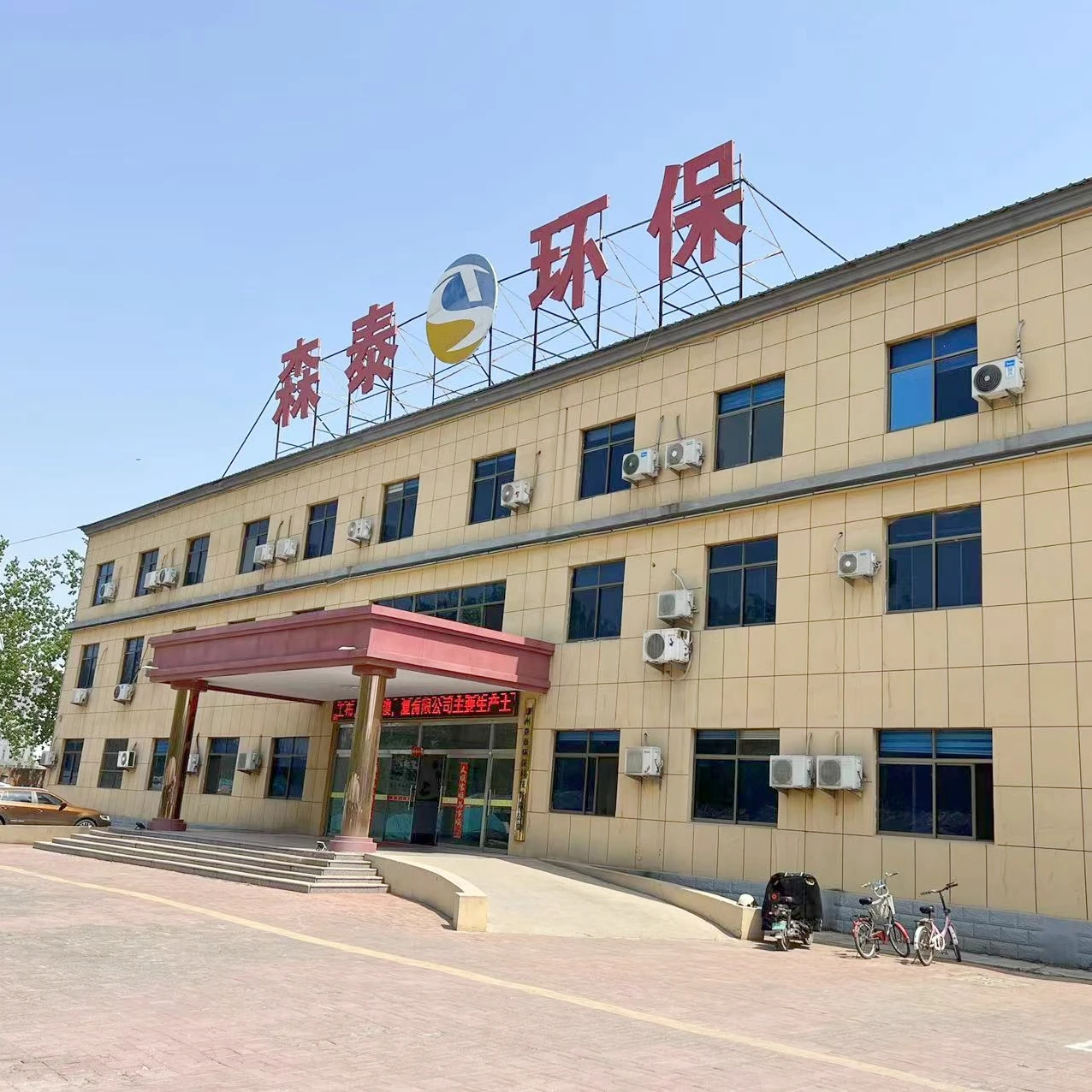
Dezhou Sentai Environmental Protection Co., Ltd.
- Manufacturer, Trading Company
- Shandong, China
- Lead time15 days
- Avg. response≤ 2h
Main productsSentai Geomembrane,Sentai geotextile,Sentai geonet,Sentai geocell,Sentai GCL
Main marketsEastern Europe(15.00%), Southeast Asia(12.00%), South America(12.00%), Africa(11.00%), Oceania(10.00%), North America(10.00%), South Asia(6.00%), Southern Europe(6.00%), Northern Europe(6.00%), Central America(6.00%), Mid East(6.00%)
Shandong Jinling New Materials Co., Ltd.
- Trading Company
- Shandong, China
- Lead time10 days
- Avg. response≤ 10h
Main productsGeomembrane,Geocell,Waterproof Membrane,TPO,Concrete Blanket
Main marketsNorth America(25.00%), Southeast Asia(20.00%), Western Europe(20.00%), South America(15.00%), Oceania(10.00%), Africa(5.00%), Eastern Asia(5.00%)
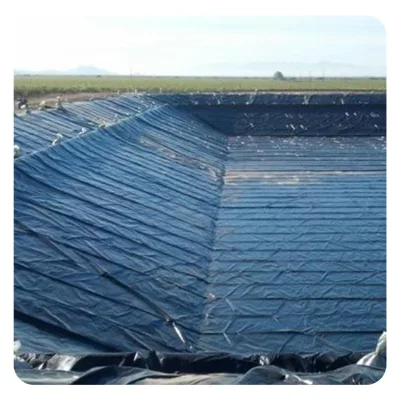
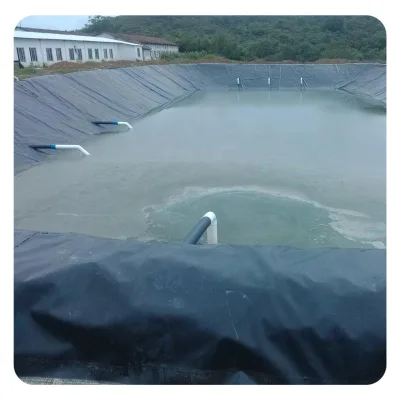
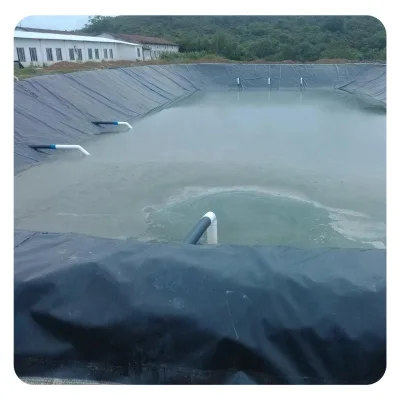
Factory Direct Wholesale Geomembranes Best Price Hdpe Geomembrane Waterproof Black Hdpe Geomembrane
$0.6777 - $0.9141
MOQ: 1 square
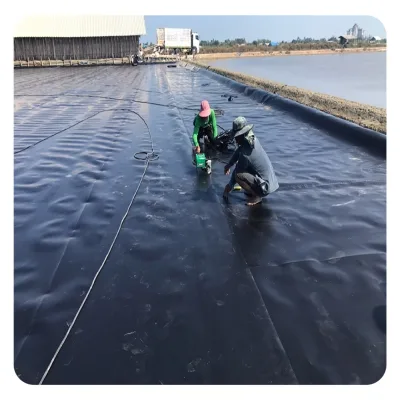
Plastic Membrane Hdpe Geomembrane Waterproofing 1mm 2mm Virgin Material
$0.8841 - $0.9141
MOQ: 20 square
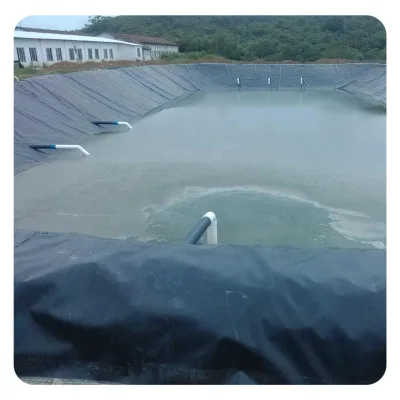
Best Seller Polyethylene (HDPE) Geomembranes Strong and Flexible Factory Price with OEM Model
$0.9814 - $2.6748
MOQ: 1 Minimum
Anhui Zhonglu Engineering Materials Co., Ltd.
- Verified by TüVRheinland
- Trading Company
- Lead time7 days
- Avg. response≤ 1h
Main productsGeocell, Geogrid, Geomembrane, Grass Grid, Geotextile
Main marketsSoutheast Asia(35%), Mid East(30%), South America(10%)
Earth Shield Environmental Technology(shandong) Co., Ltd.
- Verified by TüVRheinland
- Manufacturer, Trading Company
- Lead time15 days
- Avg. response≤ 1h
Main productsGeomembrane, Geotextile, Geogrid, Geonet, GCL
Main marketsSouth America(20%), Southeast Asia(20%), Africa(20%)
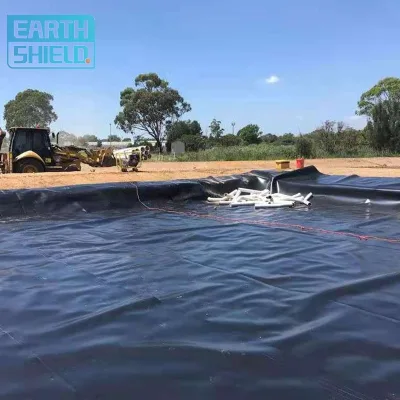
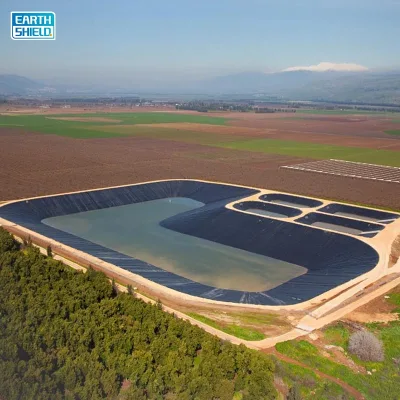
$0.80 - $1.00
MOQ: 5000 square
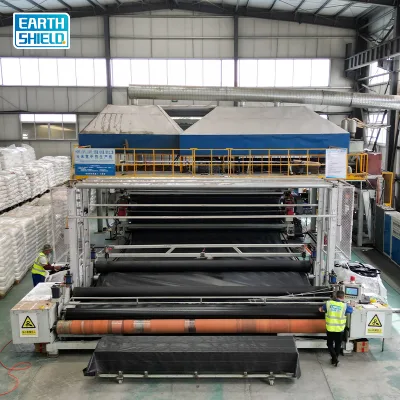
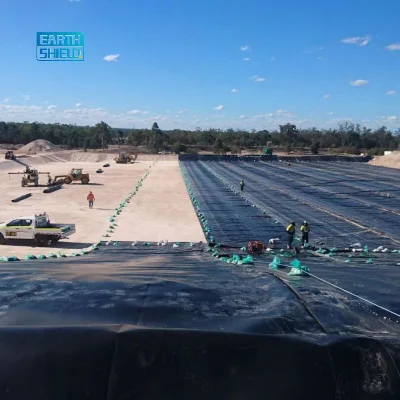
1.0mm Thick HDPE Geomembrane With Rough Surface Black Color for Slope Retention
$0.79 - $1.10
MOQ: 1000 square
$0.8198 - $1.0248
MOQ: 5 square
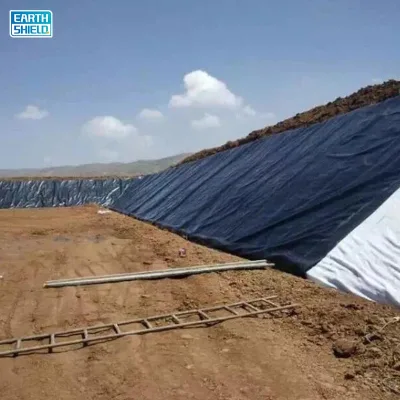

Yantai Distinct New Materials Technology Co., Ltd.
- Verified by TUVRHEINLAND
- Manufacturer/Factory
- China Shandong
- Lead time15 days
- Avg. response≤ 15h
Main productsHDPE Geomembrane, Pond Liner, HDPE Geomembrane Pond Liner, Nonwoven Geotextile, Woven Geotextile, Geobag, Geocomposite, Composite Geomembrane, Gcl, Geosynthetic Clay Liner
Main marketsSouth America,Eastern Europe,Mid East,North America,Southeast Asia,Eastern Asia,Oceania,Western Europe,Africa


$0.22 - $3.25
MOQ: 1000 Square Meters


Geomembrane High and Low-Temperature Resistance, Non-Toxicity, Long Operational Life
Negotiable
MOQ: 1000 Square Meters
Dezhou Huaxiang New Material Technology Co., Ltd.
- Verified by TüVRheinland
- Manufacturer, Trading Company
- Lead time10 days
- Avg. response≤ 1h
Main productsGeomembrane, Geotextile, Drainage Net, Cement Blanket, GCL
Main marketsDomestic Market(70%), Southeast Asia(8%), Mid East(5%)
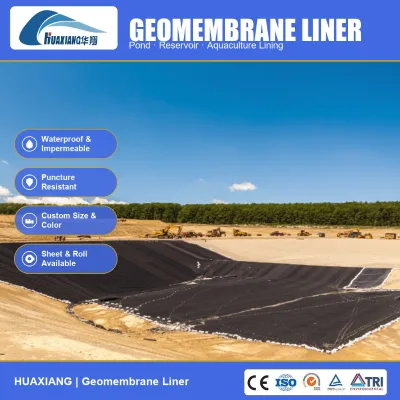
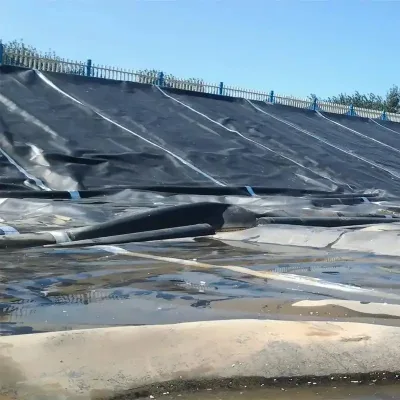
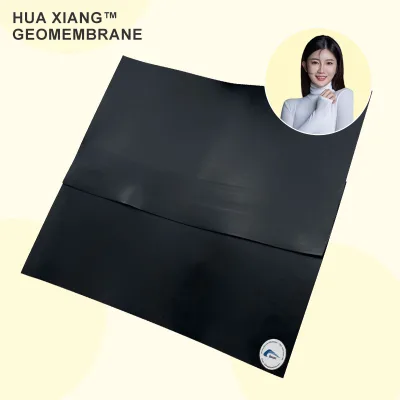
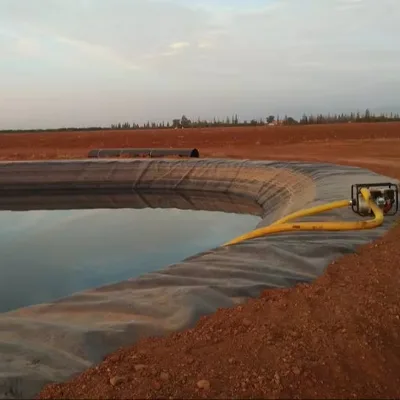
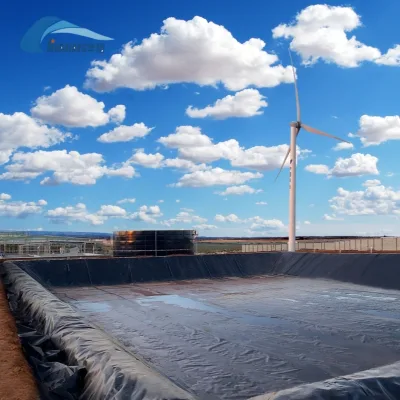
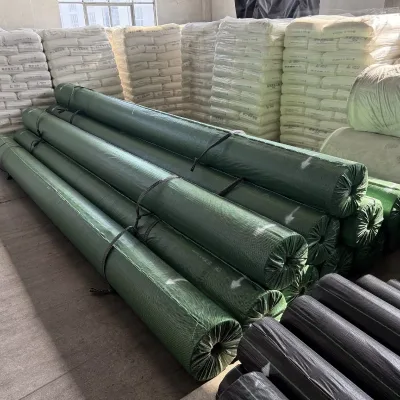
Manufacturer's Price HDPE Geomembrane for Irrigation Projects with Snooth Surface
$0.3082 - $0.3905
MOQ: 2 square
Honghao Intercontinental Engineering Construction (taian) Co., Ltd.
- Verified by Intertek
- Trading Company
- Lead time0 days
- Avg. response≤ 2h
Main productsGeomembrane, Geotextile, Geogrid
Main marketsNorth America(20%), Eastern Europe(20%), Southeast Asia(20%)
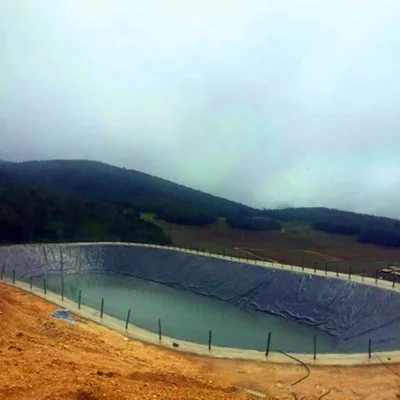
$0.60 - $1.00
MOQ: 1000 Minimum
Luzhou Shengyang New Material Co., Ltd.
- Manufacturer, Trading Company
- Sichuan, China
- Lead time0 days
- Avg. response≤ 1h
Main productsPolyester Geogrid, Polypropylene Geogrid, Polyester Geocell, Polyethylene Geocell
Main marketsDomestic Market(70.00%), Southeast Asia(30.00%)
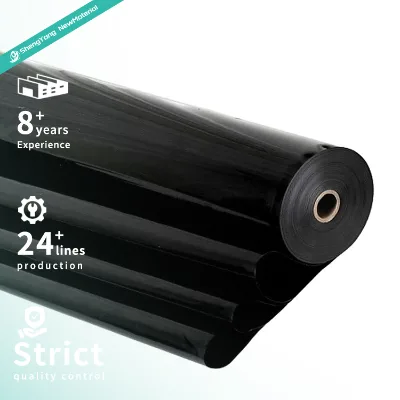
High Grip HDPE Single Textured Film | Anti-Slide Geomembrane for Reservoir Slopes & Channel Lining
$1.674 - $1.8999
MOQ: 1000 square
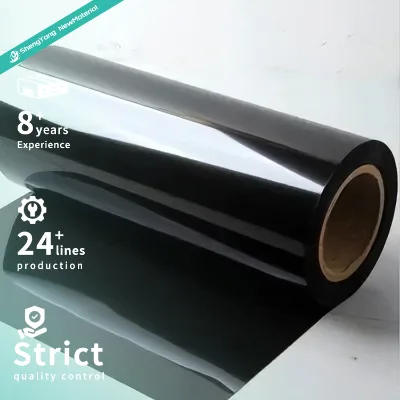
HDPE Geomembrane with High Elongation Rate, Suitable for Uneven Settlement Ground, Easy Installation
$0.60 - $1.70
MOQ: 1000 square
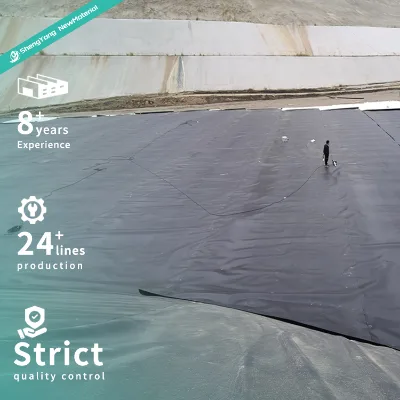
Weather Resistant 1.0mm HDPE Geomembrane for Long-Term Outdoor Exposure
$1.4047 - $1.6112
MOQ: 1000 square
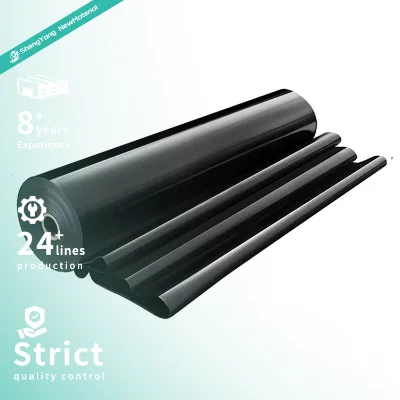
$0.4653 - $3.1491
MOQ: 1000 square
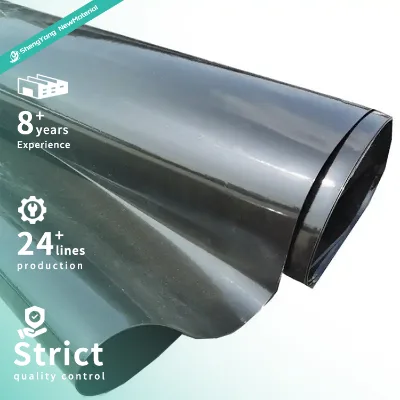
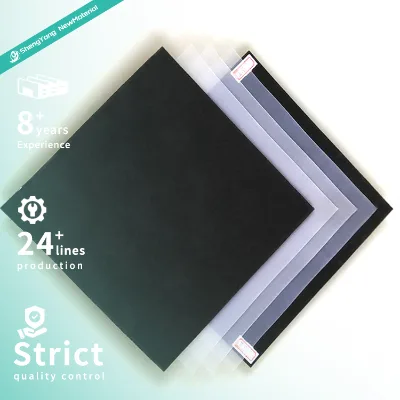
HDPE Geomembrane for Salt Crystallization Pond, Resistance to Salt and Brine, Long Service Life
$0.4129 - $0.7016
MOQ: 1 square

Dezhou Hongli Geomaterial Engineering Co., Ltd
- Verified by SGS
- Combined
- China Shandong
- Lead time15 days
- Avg. response≤ 2h
Main productsGeotextile, Geomembrane, Geogrid, Grass-Planting Lattice, Geotextile Bag, Geomembrane Welder, Plastic Sheets, Polyethylene Sheet, PP Plastic Sheet
Main marketsDomestic,Australia


$0.49 - $0.59
MOQ: 1000 Square Meters

Geomembrane with 2mm Thickness for Water Conservancy Projects in The United States
$0.49 - $0.59
MOQ: 1000 Square Meters

Waterproof and Impermeable Geomembrane for Multiple Engineering Purposes
$0.49 - $0.59
MOQ: 1000 Square Meters

Hengshui Aohong Engineering Materials Co., Ltd
- Trading Company
- China Hebei
- Lead time45 days
- Avg. response≤ 11h
Main productsCorrugated Pipes, Waterstops, Shock Absorption and Isolation Bearings, Expansion Joints, Fiberglass Reinforced Plastic (FRP) Cable Trays
Main marketsSouth America,Eastern Europe,Mid East,North America,Southeast Asia,Eastern Asia,Oceania,Western Europe,Africa

Customized HDPE Smooth/Textured Geomembrane with UV Resistance for Waterproofing Projects
$0.35 - $0.60
MOQ: 1000 Square Meters

HDPE High-Strength Anti-Seepage Geomembrane for Water Conservancy Projects - Waterproof & Anti-Aging
$0.40 - $0.60
MOQ: 1000 Square Meters


Shandong Tianren New Materials Co., Ltd.
- Verified by TUVRHEINLAND
- Combined
- China Shandong
- Lead time15 days
- Avg. response≤ 4h
Main productsWaterproof Rolling Materials for Construction, Composite Geomembrane, Filament Geotextiles, Short Silk Geotextile, Geomembrane, Waterproof Board, Waterproof Blanket
Main marketsSouth America,Africa

UV Resistant HDPE Geomembrane for Long-Term Outdoor Water Retention Projects
$0.30 - $3.50
MOQ: 1000 Square Meters

High-Performance Waterproof HDPE Geomembrane - Custom Sizes Available
$0.30 - $3.50
MOQ: 1000 Square Meters

Flexible HDPE Geomembrane - Custom Sizes Waterproof and Impermeable Quality
$0.30 - $3.50
MOQ: 1000 Square Meters

Effective HDPE Geomembrane Tailored Sizes with Waterproof and Impermeable Qualities
$0.30 - $3.50
MOQ: 1000 Square Meters

Superior HDPE Geomembrane - Custom Sizes Waterproof and Impermeable Features
$0.30 - $3.50
MOQ: 1000 Square Meters

Custom HDPE Geomembrane - Waterproof and Durable for Various Applications
$0.30 - $3.50
MOQ: 1000 Square Meters
Huadun Xuehua Plastics (gu'an) Co., Ltd.
- Manufacturer, Trading Company
- Hebei, China
- Lead time0 days
- Avg. response≤ 2h
Main productsagricultural film/greenhouse film,geomembrane,packaging film,200L plastic drum/ barrel for hazardous chemical packaging,pallet/tray
Main marketsDomestic Market(90.00%), Africa(10.00%)

Taian Wdf Polymer Composites Co., Ltd.
- Verified by SGS
- Trading Company
- China Shandong
- Lead time15 days
- Avg. response≤ 2h
Main productsGabio, Plastic Blind Ditch, Seepage and Drainage Sheet, Waterproof Material, Geotechnical Material, Drain Mat, Plastic Products, Synthetic Material, Composite Material
Main marketsSouth America,Others(foreignTradeCapacity.exportBusinessCapacityMarketOther),Southeast Asia/ Mideast,Domestic

Textured Surface Options Excellent Impermeability HDPE Geomembrane for Flood Protection Projects
$0.51 - $0.79
MOQ: 1000 Square Meters

Waterproof Membrane 2.0mm Double Sides Textured HDPE Geomembrane for Construction
$0.21 - $0.79
MOQ: 1000 Square Meters

UV-Resistant Excellent Impermeability HDPE/LDPE Geomembrane for Tunnel Waterproofing
$0.51 - $0.79
MOQ: 1000 Square Meters

Cold-Resistant High-Density HDPE 1.0mm Double Sides Textured Geomembrane for Tunnel Waterproofing
$0.51 - $0.79
MOQ: 1000 Square Meters


Feicheng Lianyi Engineering Plastics Co., Ltd.
- Verified by SGS
- Combined
- China Shandong
- Lead time15 days
- Avg. response≤ 7h
Main productsUniaxial Geogrid, Fiberglass Geogrid, Polyester Geogrid, Nonwoven Geotextile, PP Biaxial Geogrid, HDPE Geomembrane, Geomembrane, Nonwoven Fabric, Geonet, HDPE Geocell
Main marketsSouth America,Europe,North America

Environmental Protection High Strength Anti-Seepage Infrastructure Geomembrane
$2.28
MOQ: 20000 Square Meters

Advanced Smooth Textured Geomembrane for Durable Infrastructure Applications
$2.28
MOQ: 20000 Square Meters

Premium Waterproof Geomembrane for Soil Stabilization and UV Protection
$2.28
MOQ: 20000 Square Meters

Durable Anti-Seepage Geomembrane for UV Protection and Lightweight Infrastructure
$2.28
MOQ: 20000 Square Meters

Environmental Protection Smooth Textured Lightweight Infrastructure Geomembrane
$2.28
MOQ: 20000 Square Meters

Shandong Toplus Material Technology Co., Ltd.
- Verified by TUVRHEINLAND
- Trading Company,Manufacturer/Factory,Group Corporation,Other
- China Shandong
- Lead time15 days
- Avg. response≤ 2h
Main productsGeomembrane, Geotextiles, Geocells, Geogrids, Engineering Fibers
Main marketsSouth America,Eastern Europe,Mid East,North America,Southeast Asia,Eastern Asia,Oceania,Western Europe,Africa

EVA/HDPE/LDPE Anti-Abrasion Geomembrane - Resistant to Abrasion, in Construction Sites.
$0.22 - $1.62
MOQ: 1 Tons

HDPE UV-Resistant Geomembrane - Resistant to Ultraviolet Rays, Suitable for Outdoor Use
$0.65 - $1.65
MOQ: 1 Tons

EVA/HDPE Stable Anti-Seepage Geomembrane - Stable, Impermeable, Used for Various Linings
$0.23 - $1.62
MOQ: 1 Tons

Composite Geomembrane - Resistant to UV, Long Lasting, Used in Environmental Projects
$0.23 - $1.66
MOQ: 1 Tons

LDPE/HDPE Lightweight Impermeable Geomembrane - Lightweight, Impermeable, in Road Projects.
$0.22 - $1.62
MOQ: 1 Tons
Henan Jiashang Plastic Industry Co., Ltd.
- Verified by TüVRheinland
- Trading Company
- Lead time14 days
- Avg. response≤ 2h
Main productsHDPE Pipe And Fittings, PVC Pipe And Fittings, HDPE Corrugted Pipe, HDPE Welding Machine, Geomembran
Main marketsSoutheast Asia(22%), Africa(19%), North America(13%)
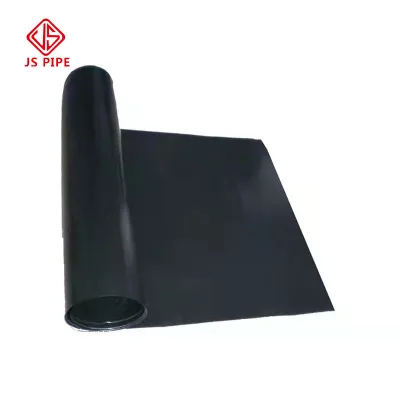
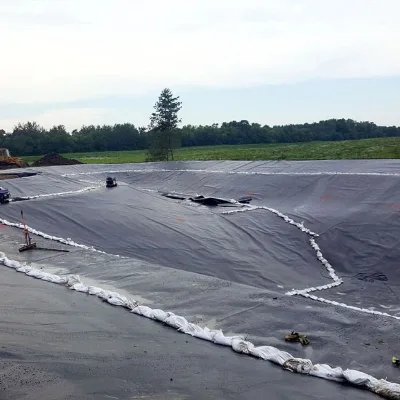
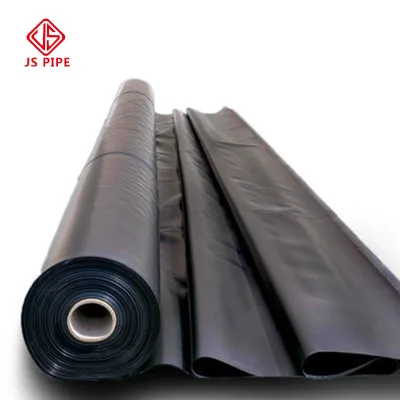
$0.32 - $0.45
MOQ: 1000 square
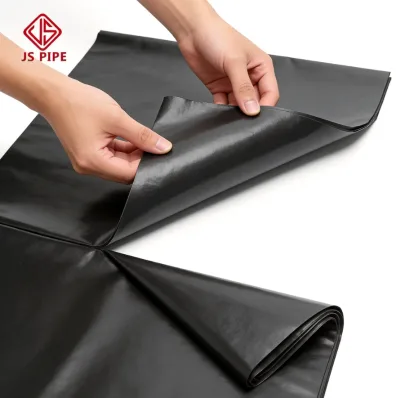
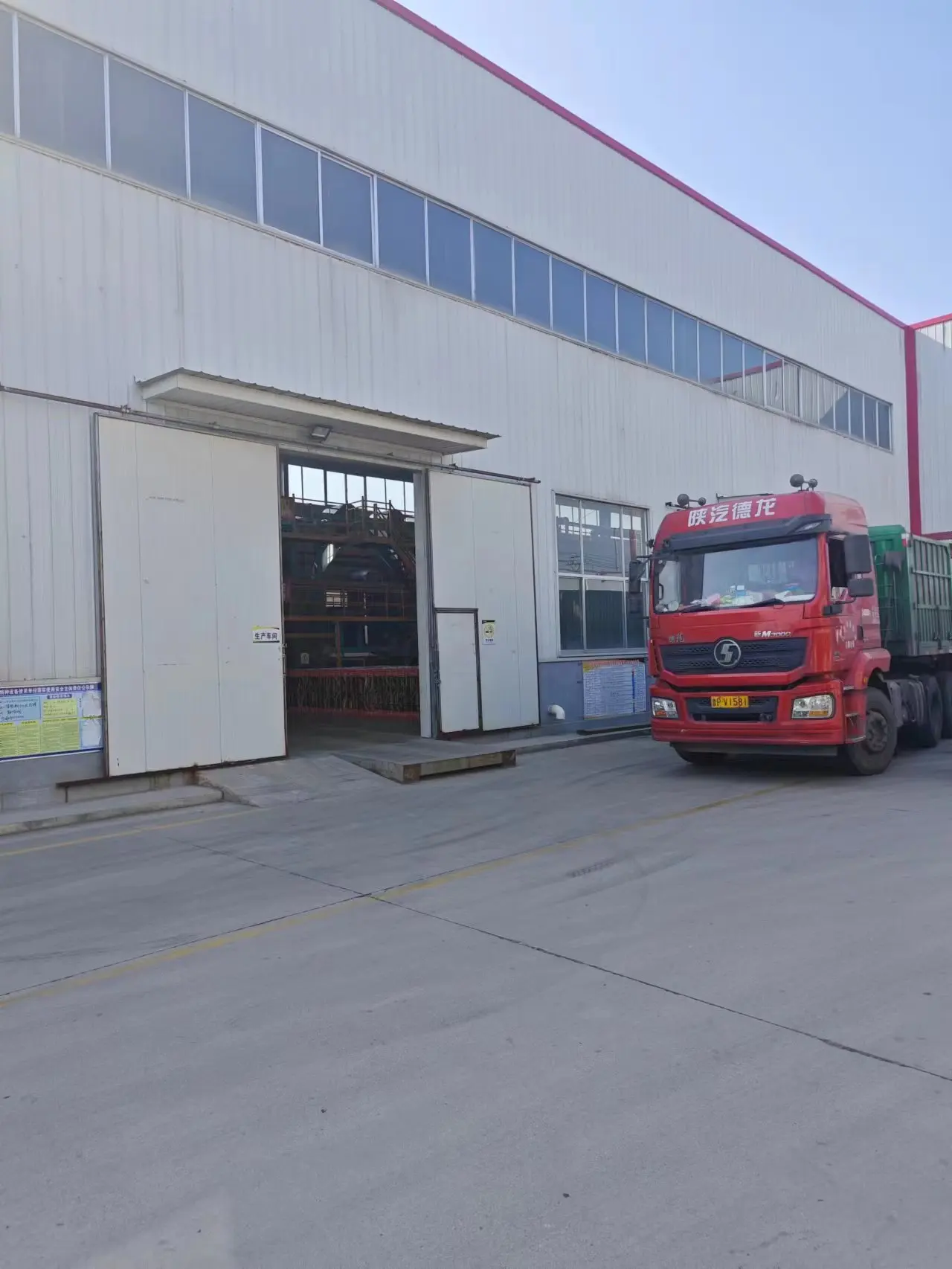
Shangdong Jincaijiang Building Materials Co., Ltd.
- Manufacturer
- Shandong, China
- Lead time1 days
- Avg. response≤ 2h
Main productsspunbond polyester mat,silicone oil isolating membrane,waterproof material
Main marketsDomestic Market(60.00%), Mid East(20.00%), Southeast Asia(5.00%), Northern Europe(5.00%), Eastern Asia(5.00%), Africa(5.00%)

Shandong Geomembrane New Materials Co., Ltd.
- Verified by SGS
- Combined
- China Shandong
- Lead time15 days
- Avg. response≤ 1h
Main productsGeomembrane, Composite Geomembrane, Geocell, Geotextile, Three-Dimensional Composite Drainage Network, Gcl, Geogrid, Geotube, Geobag, Grass Grid
Main marketsDomestic


Multi-Aperture Composite Geomembrane Anti-Puncture Design OEM/ODM Support Export to 100+ Countries
$0.42 - $3.18
MOQ: 1000 Square Meters


Comprehensive Sourcing Guide
Anti-Uv Textured Hdpe Geomembrane Supplier Concentration and Factory Types
The current supplier landscape for anti-UV textured HDPE geomembrane reveals a concentration of manufacturing capabilities within specific Chinese provinces, notably Jiangsu and Shandong. These regions host a mix of combined companies and dedicated factories that specialize in geosynthetics and construction materials. Suppliers in these areas often list main products that include stitchbond fabric, geo products, and various geomembrane types, indicating a mature industrial cluster focused on earthwork and environmental protection solutions. The presence of these specific product lines suggests that many manufacturers have diversified their portfolios to meet broader infrastructure demands while maintaining specialized expertise in HDPE sheet production. Buyers evaluating these suppliers should recognize that the geographic clustering often correlates with established supply chains for raw materials and finished goods, which can influence both production efficiency and logistical options.
Company types among these suppliers vary, with some operating as combined entities that may blend trading and manufacturing functions, while others are explicitly identified as factories. This distinction is critical for buyers seeking direct factory pricing or specific OEM/ODM capabilities. Many suppliers in this sector offer customization services, allowing for tailored specifications regarding thickness, surface texture, and width. The availability of both smooth and textured surfaces, along with options for double reinforcement, indicates a flexible manufacturing base capable of addressing diverse project requirements. Understanding the operational structure of a supplier helps buyers determine whether they are engaging with a direct producer or an intermediary, which can impact communication speed, technical support quality, and ultimately, the reliability of the supply chain for large-scale environmental or hydraulic projects.
How to Verify Anti-Uv Textured Hdpe Geomembrane Suppliers
Verification is a critical step in ensuring the quality and reliability of anti-UV textured HDPE geomembrane suppliers. Buyers should prioritize suppliers who hold recognized system certifications, such as ISO9001:2015, which indicates a standardized quality management system. Some suppliers may also possess additional certifications like ISO14001:2015, reflecting environmental management practices, or others that may be relevant to specific regional or industry standards. Third-party verification services, such as CTI or TÜV Rheinland, provide an additional layer of confidence by independently confirming the supplier’s business legitimacy and operational capabilities. These verification badges serve as a preliminary filter, helping buyers distinguish between established manufacturers and less vetted entities. It is essential to check the validity and scope of these certifications to ensure they cover the specific products being sourced, particularly for applications requiring strict compliance with environmental or construction standards.
Beyond certifications, buyers should assess the supplier’s response time and communication efficiency, as these factors often reflect the overall professionalism and operational readiness of the company. A response time of around two to four hours, as observed in some supplier profiles, suggests a responsive sales and technical support team capable of addressing inquiries promptly. Additionally, examining the supplier’s product attributes and specifications can provide insights into their technical expertise. For instance, detailed information on material composition, such as virgin HDPE, and specific features like tear, impact, and puncture resistance, indicates a supplier that understands the technical demands of geomembrane applications. Buyers should also look for evidence of customization capabilities, such as available sample policies and online technical support, which demonstrate a commitment to customer service and product adaptability. These verification steps help mitigate risks associated with quality inconsistencies and ensure that the selected supplier can meet the specific technical and operational requirements of the project.
What to Compare Across Anti-Uv Textured Hdpe Geomembrane Suppliers
When evaluating multiple suppliers for anti-UV textured HDPE geomembrane, buyers must compare key operational metrics to identify the most suitable partner for their specific needs. Lead times are a significant differentiator, with some suppliers offering production cycles as short as fifteen days, while others may require thirty days or more. This variation can impact project scheduling and inventory management, making it crucial to align supplier lead times with project deadlines. Minimum order quantities (MOQ) also vary, ranging from small quantities suitable for sampling or small-scale projects to larger volumes required for industrial applications. Understanding these thresholds helps buyers plan their procurement strategy effectively, avoiding unnecessary inventory costs or production delays. Additionally, comparing price ranges across suppliers provides insight into market positioning and cost structures, allowing buyers to balance cost efficiency with quality expectations.
Response speed and customization options are other vital comparison points. Suppliers with faster response times can facilitate quicker decision-making and problem resolution, which is particularly important for complex projects with evolving requirements. Customization capabilities, including the ability to produce specific thicknesses, widths, and surface textures, add value for buyers with unique project specifications. Some suppliers offer flexible packing solutions and standardized dimensions, while others may accommodate custom requests. Buyers should also consider the supplier’s main product focus; those specializing in geomembranes and related geosynthetics may offer deeper technical expertise and more consistent product quality compared to general trading companies. By systematically comparing these attributes, buyers can create a weighted evaluation matrix that prioritizes the factors most critical to their project’s success, ensuring a informed and strategic supplier selection process.
Common Anti-Uv Textured Hdpe Geomembrane Sourcing Risks
Sourcing anti-UV textured HDPE geomembrane involves several potential risks that buyers must proactively manage to ensure project success. One significant risk is the variability in product quality, particularly regarding material composition and durability. While many suppliers claim to use virgin HDPE, there is a risk of receiving products with recycled content or inferior additives that compromise long-term performance, especially in UV-exposed environments. Buyers must verify material specifications and request test reports to confirm that the geomembrane meets required standards for tear resistance, impact resistance, and puncture resistance. Another risk is the discrepancy between advertised specifications and actual product delivery, such as variations in thickness, width, or surface texture. This can lead to installation issues and project delays, making it essential to establish clear quality control protocols and inspection procedures before shipment.
Logistical and supply chain disruptions also pose risks, particularly when sourcing from distant manufacturing hubs. Delays in production or shipping can impact project timelines, especially for large-scale environmental or hydraulic projects with strict deadlines. Buyers should assess the supplier’s production capacity and reliability to mitigate these risks. Additionally, there is a risk associated with inadequate after-sales support, which can be critical if issues arise during installation or operation. Suppliers that offer online technical support and comprehensive warranty terms provide an added layer of security. Buyers should also be cautious of suppliers with vague or incomplete product documentation, as this can hinder compliance with regulatory requirements. By identifying and addressing these risks early in the sourcing process, buyers can establish robust safeguards and ensure the successful delivery of high-quality anti-UV textured HDPE geomembrane products.
Anti-Uv Textured Hdpe Geomembrane Regional Sourcing and Logistics
Regional sourcing plays a pivotal role in determining the logistical efficiency and cost structure of anti-UV textured HDPE geomembrane procurement. Suppliers located in provinces like Jiangsu and Shandong benefit from established industrial infrastructure and proximity to major ports, which can facilitate smoother export processes. These regions are known for their concentration of manufacturing facilities specializing in geosynthetics, offering buyers access to a diverse range of suppliers with varying capabilities. The geographic location of the supplier can also influence shipping costs and transit times, which are critical factors for large-volume orders. Buyers should consider the supplier’s location when evaluating overall procurement costs, as regional differences in labor, raw material availability, and logistics infrastructure can impact pricing and delivery schedules.
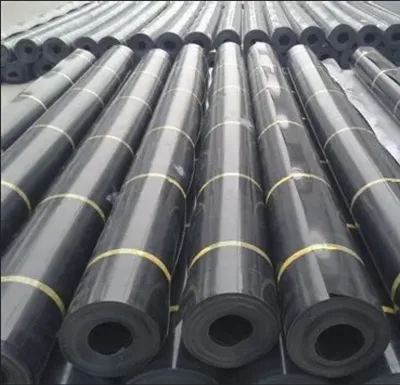
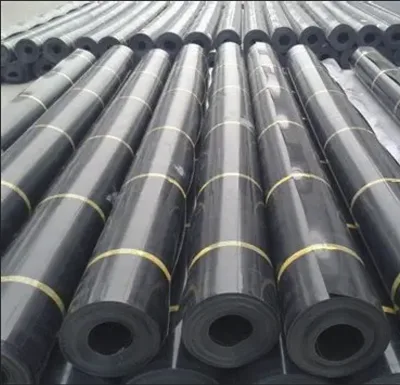
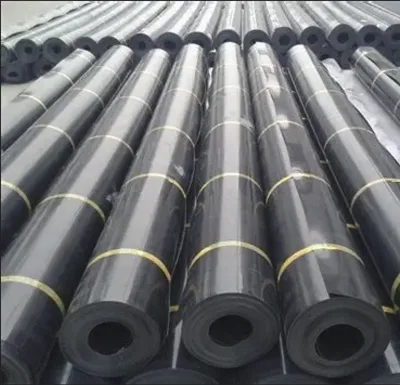
Logistics planning must account for the specific dimensions and weight of geomembrane rolls, which can affect packaging and transportation requirements. Suppliers often provide customized packing solutions, such as core tubes with outside plastic bags, to protect the product during transit. Buyers should verify the supplier’s packing standards to ensure the geomembrane arrives in optimal condition, minimizing the risk of damage. Additionally, understanding the supplier’s export experience and familiarity with international shipping regulations can help streamline the customs clearance process. Buyers should also consider the availability of local logistics partners or freight forwarders who can offer competitive rates and reliable service. By carefully evaluating regional sourcing options and logistics capabilities, buyers can optimize their supply chain, reduce costs, and ensure timely delivery of anti-UV textured HDPE geomembrane products to their project sites.
Anti-Uv Textured Hdpe Geomembrane Commercial Terms and Order Planning
Commercial terms and order planning are essential components of a successful procurement strategy for anti-UV textured HDPE geomembrane. Buyers should negotiate clear payment terms, such as escrow services or letters of credit, to protect their financial interests and ensure secure transactions. Understanding the supplier’s pricing structure, including any volume discounts or additional charges for customization, is crucial for accurate budgeting. Some suppliers offer competitive pricing ranges, allowing buyers to select options that align with their financial constraints without compromising on quality. Additionally, buyers should clarify the supplier’s return and refund policies, as well as their approach to handling disputes or quality issues, to mitigate potential financial risks.
Order planning must also consider the supplier’s production capacity and lead times to ensure timely delivery. Buyers should communicate their project timelines clearly and confirm the supplier’s ability to meet these deadlines. For large orders, buyers may need to plan for phased deliveries or coordinate closely with the supplier to manage production schedules. Customization requests, such as specific thicknesses or surface textures, should be finalized early in the process to avoid delays. Buyers should also establish clear communication channels for ongoing updates and issue resolution. By carefully managing commercial terms and order planning, buyers can build a reliable and efficient supply chain, ensuring that anti-UV textured HDPE geomembrane products are delivered on time, within budget, and to the required specifications.
FAQs
What is the typical lead time for HDPE geomembrane orders?
Suppliers in China generally offer lead times ranging from 15 to 30 days depending on order volume and customization needs. Buyers should confirm specific delivery schedules with the supplier before placing orders to ensure project timelines are met without delays.
What certifications are standard for HDPE geomembrane manufacturers?
Most manufacturers hold ISO9001:2015 certificates, with some also providing ISO14001:2015 and CE certifications. These credentials verify quality management systems and product standards, ensuring the geomembranes meet international requirements for environmental and construction projects.
What is the minimum order quantity for HDPE geomembranes?
Minimum order quantities vary by supplier, with some requiring as few as 1 unit while others set the threshold at 100 units. Buyers should check specific product listings to determine the exact MOQ applicable to their project scale.
What price range applies to HDPE geomembranes?
Prices typically range from $0.90 to $5.25 per unit, depending on thickness, surface texture, and customization options. Thicker or specialized geomembranes command higher prices, so buyers should compare specific product attributes to find the best value.
How quickly do suppliers respond to inquiries?
Response times generally fall between 2.05 and 3.72 hours, indicating prompt communication from verified suppliers. Quick responses help buyers clarify technical details and negotiate terms efficiently during the sourcing process.
What thickness options are available for HDPE geomembranes?
Available thicknesses range from 0.2mm to 3.0mm, with common options including 1.0mm, 1.5mm, and 2.0mm. Buyers should select thickness based on project requirements such as landfill lining or pond containment to ensure adequate durability.