anti-uv waterproof geomembrane Suppliers and Manufacturers
Source anti-uv waterproof geomembrane from 22 verified suppliers in China. Compare ISO9001:2015 certified manufacturers with response times under 4 hours, lead times of 15 days, and MOQs starting at 1000 units. Request samples to verify tear resistance and thickness specifications.
Updated
Suppliers List

Earth Shield Environmental Technology (Shandong) Co., Ltd.
- Verified by SGS
- Combined
- China Shandong
- Lead time15 days
- Avg. response≤ 2h
Main productsGeomembrane, Geogrid, HDPE Geomembrane, Geotextile, Geocell, Geomembrane Welder, Pond Liner, HDPE Geocell, HDPE Geomembrane Liner, Geocell for Road
Main marketsSouth America,Africa,Southeast Asia/ Mideast,East Asia(Japan/ South Korea),Europe,Australia,North America


1.0mm High Temperature Resistance Anti-UV Long Warranty Durability Geomembrane
$0.68 - $3.68
MOQ: 3000 Square Meters

Tear-Resistant Geomembrane for Slope Protection in Civil Engineering
$0.68 - $3.68
MOQ: 3000 Square Meters

0.3-3mm Isolation Anti-Seepage Geomembrane for Highway Subgrade Projects
$0.80 - $1.10
MOQ: 10000 Square Meters

Geomembrane Professional Custom for European Highway Subgrade Waterproofing
$0.68 - $3.68
MOQ: 3000 Square Meters

0.75mm Waterproof Unti-UV Long Lifetime Geomembrane for Road Constrution
$0.68 - $3.68
MOQ: 3000 Square Meters

- Verified by TUVRHEINLAND
- Combined
- China Shandong
- Lead time15 days
- Avg. response≤ 4h
Main productsGeomembrane
Main marketsSouth America,Africa,Southeast Asia/ Mideast,Europe,North America
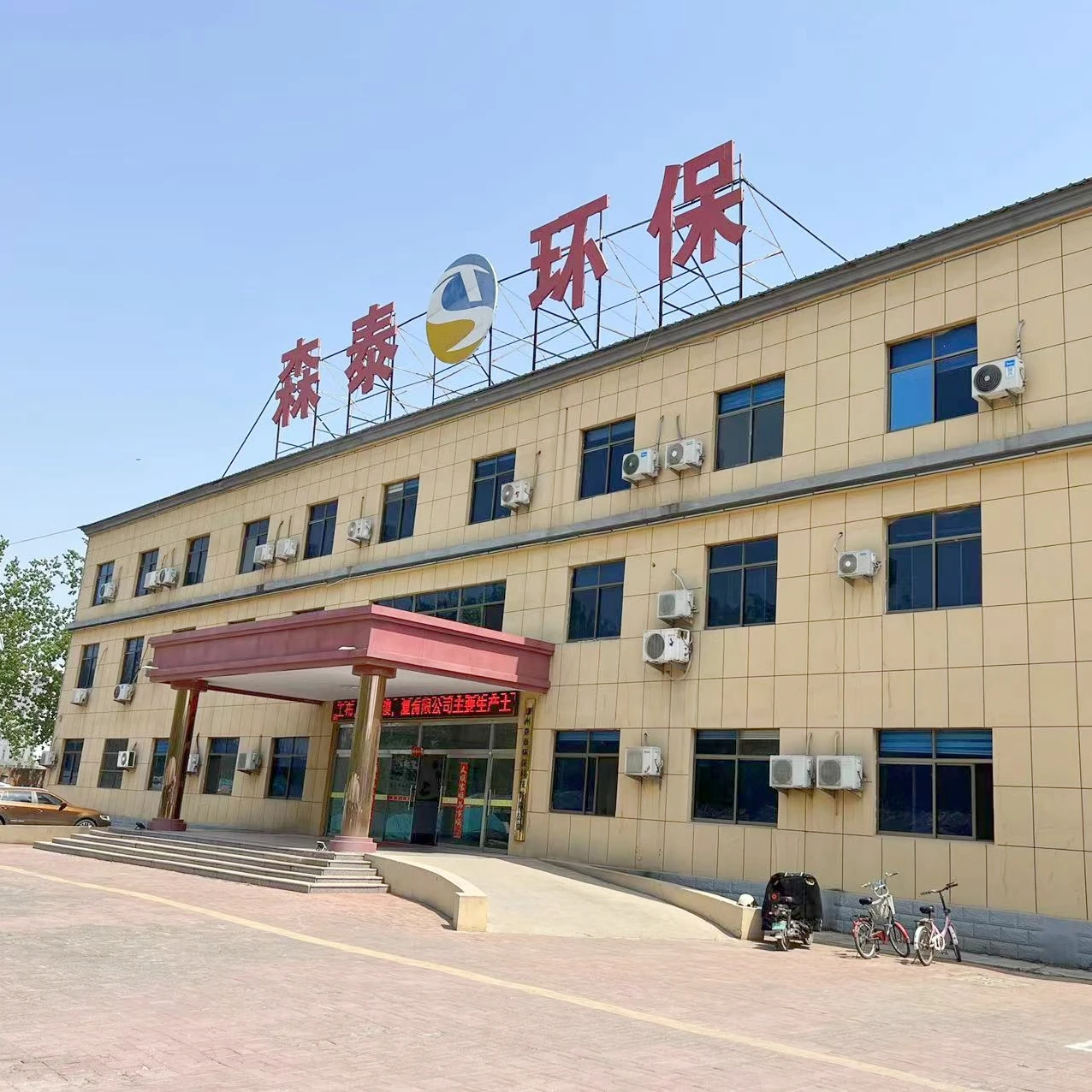
Dezhou Sentai Environmental Protection Co., Ltd.
- Manufacturer, Trading Company
- Shandong, China
- Lead time15 days
- Avg. response≤ 2h
Main productsSentai Geomembrane,Sentai geotextile,Sentai geonet,Sentai geocell,Sentai GCL
Main marketsEastern Europe(15.00%), Southeast Asia(12.00%), South America(12.00%), Africa(11.00%), Oceania(10.00%), North America(10.00%), South Asia(6.00%), Southern Europe(6.00%), Northern Europe(6.00%), Central America(6.00%), Mid East(6.00%)

Qingdao Haisan New Energy Co., Ltd.
- Verified by SGS
- Manufacturer/Factory
- China Shandong
- Lead time23 days
- Avg. response≤ 1h
Main productsPP Pet PE Woven/Nonwoven Geotextile, HDPE LDPE EVA PVC Geomembrane, Dewatering Bags/Geotextile Tube, Geotextile Bags/Plant Bags, HDPE PVC Geocell, Fiberglass Polyester Plastic Geogrid
Main marketsSouth America,Eastern Europe,Mid East,North America,Southeast Asia,Eastern Asia,Oceania,Western Europe,Africa

Yantai Distinct New Materials Technology Co., Ltd.
- Verified by TUVRHEINLAND
- Manufacturer/Factory
- China Shandong
- Lead time15 days
- Avg. response≤ 15h
Main productsHDPE Geomembrane, Pond Liner, HDPE Geomembrane Pond Liner, Nonwoven Geotextile, Woven Geotextile, Geobag, Geocomposite, Composite Geomembrane, Gcl, Geosynthetic Clay Liner
Main marketsSouth America,Eastern Europe,Mid East,North America,Southeast Asia,Eastern Asia,Oceania,Western Europe,Africa


Geomembrane Is Excellent Anti-Seepage Performance to Stop Wastewater Seepage and Protect Groundwater
$0.20
MOQ: 1000 Square Meters


Taian Lin Yuan Engineering Materials Co., Ltd.
- Verified by Intertek
- Trading Company
- Lead time10 days
- Avg. response≤ 1h
Main productsGeogrid, Geotextile, Geocell , Geomembrane
Main marketsDomestic Market(35%), Southeast Asia(22%), Oceania(14%)
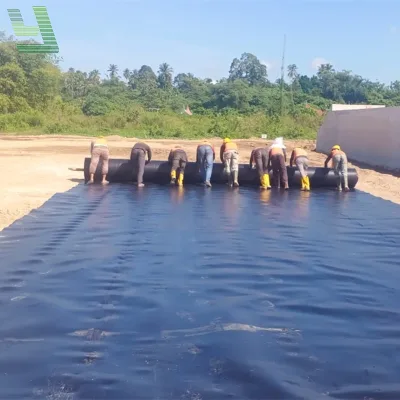
$0.1661 - $0.4982
MOQ: 500 Minimum
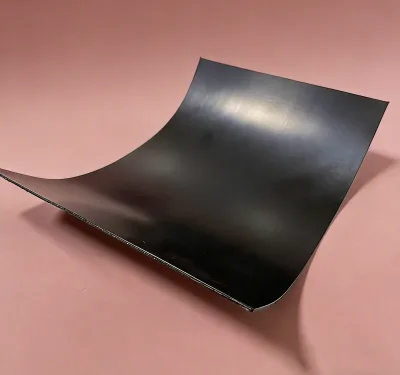
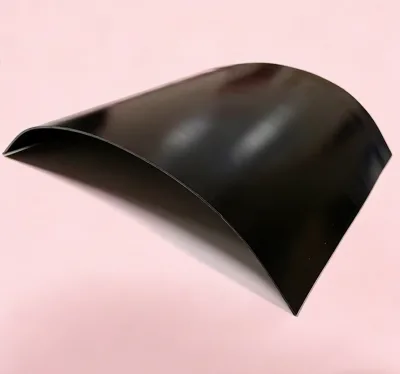
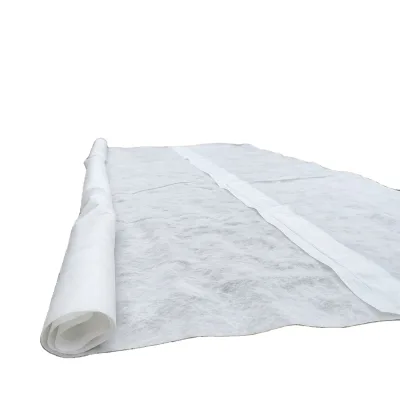
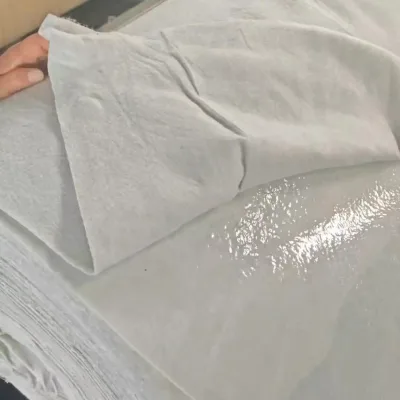
Shandong Lianxiang Engineering Materials Co., Ltd.
- Verified by TüVRheinland
- Manufacturer, Trading Company
- Lead time7 days
- Avg. response≤ 1h
Main productsGeobag, Geotextile, Geomembrane, Geocell, Geogrid
Main marketsDomestic Market(80%), South America(5%), Africa(5%)
Earth Shield Environmental Technology(shandong) Co., Ltd.
- Verified by TüVRheinland
- Manufacturer, Trading Company
- Lead time15 days
- Avg. response≤ 1h
Main productsGeomembrane, Geotextile, Geogrid, Geonet, GCL
Main marketsSouth America(20%), Southeast Asia(20%), Africa(20%)
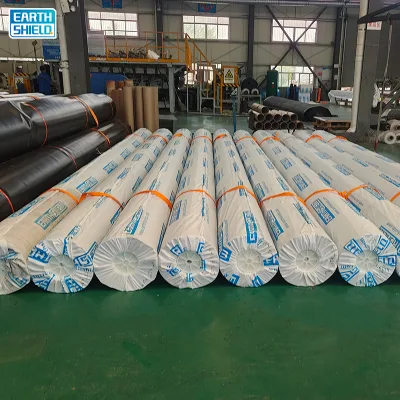
Three-layer Co-extruded Anti-aging Virgin Geomembrane for Landscape Pools
$0.8273 - $1.0337
MOQ: 5000 square
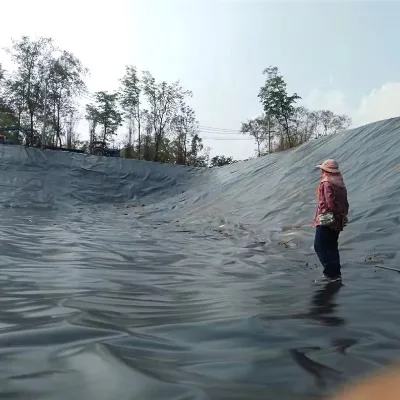
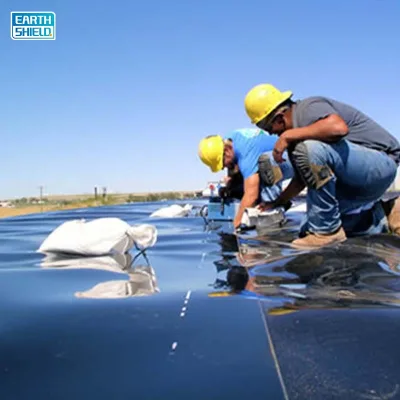
Manufacturer Supply Heavy Duty UV-Stable Waterproof Sheet, OEM Options Geomembranes
$0.8273 - $1.0337
MOQ: 5000 square
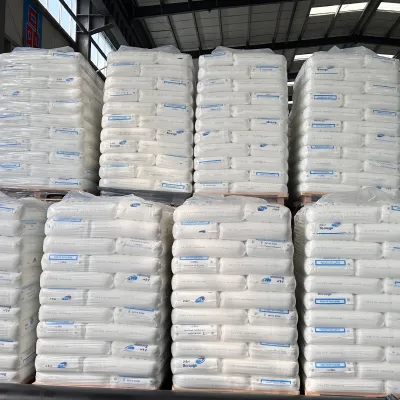
$0.8198 - $1.0248
MOQ: 5 square
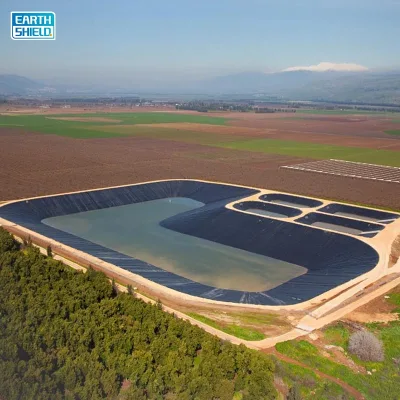
$0.80 - $1.00
MOQ: 5000 square
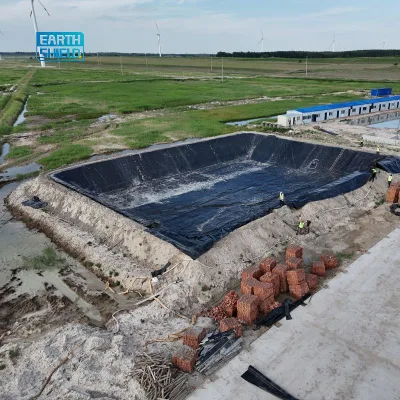
$0.60 - $1.12
MOQ: 5000 Minimum

Taian Nuolian Engineering Materials Co., Ltd.
- Verified by SGS
- Trading Company
- China Shandong
- Lead time15 days
- Avg. response≤ 4h
Main productsConcrete Canvas, 3D Geomat, Composite Drainage Net, Gcl, Geomembrane, Geotextile, Geogrid, Geocell, Grass Grid Paver, Drainage Board
Main marketsSouth America,Africa,Southeast Asia/ Mideast

Thick UV-Resistant Robust Low Elongation HDPE Waterproof Smooth Geomembrane
$0.50 - $1.80
MOQ: 1 Pieces

Anti-UV Aging Resistant Geomembrane Outdoor Long Service Life Membrane
$1.30 - $2.00
MOQ: 500 Square Meters

Timely Delivery Impermeable Durable Wear-Resistant HDPE Waterproof Geomembrane
$0.50 - $1.80
MOQ: 1 Pieces
Dezhou Huaxiang New Material Technology Co., Ltd.
- Verified by TüVRheinland
- Manufacturer, Trading Company
- Lead time10 days
- Avg. response≤ 1h
Main productsGeomembrane, Geotextile, Drainage Net, Cement Blanket, GCL
Main marketsDomestic Market(70%), Southeast Asia(8%), Mid East(5%)
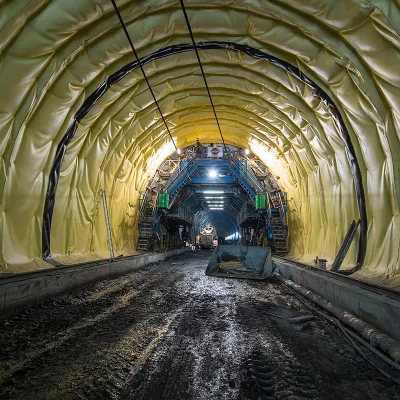
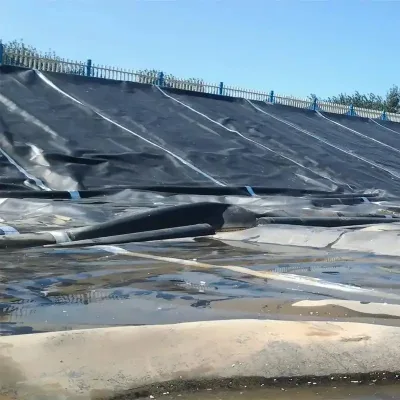
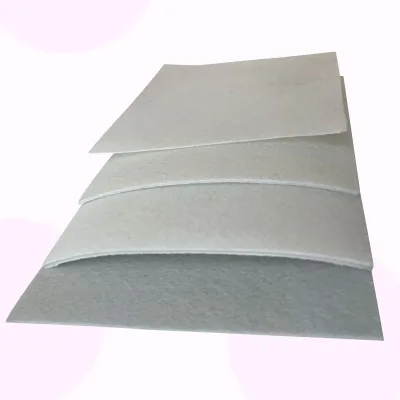
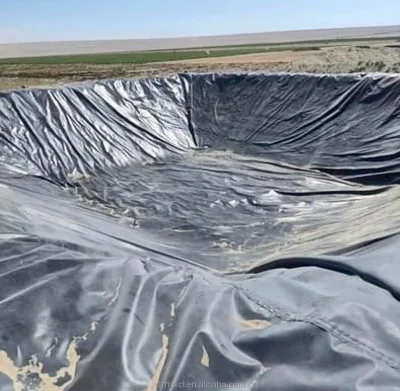
$0.6149 - $1.2297
MOQ: 2 Minimum
$0.2005 - $1.2896
MOQ: 2000 Minimum

Shandong Geomembrane New Materials Co., Ltd.
- Verified by SGS
- Combined
- China Shandong
- Lead time15 days
- Avg. response≤ 1h
Main productsGeomembrane, Composite Geomembrane, Geocell, Geotextile, Three-Dimensional Composite Drainage Network, Gcl, Geogrid, Geotube, Geobag, Grass Grid
Main marketsDomestic

$0.35 - $3.17
MOQ: 500 Square Meters

Crack-Resistant & Weather-Resistant & Self-Healing Durable Geomembrane
$0.22 - $3.52
MOQ: 500 sqm

Chemical Corrosion-Resistant & Oil-Resistant & Salt-Alkali Resistant Geomembrane
$0.25 - $3.49
MOQ: 500 sqm

Wind Uplift Resistant & Thermal Stability & Cold Flexibility Geomembrane
$0.21 - $3.51
MOQ: 500 sqm


Strong Durability & Strong Adaptability & Easy Installation Composite Geomembrane
$0.36 - $3.18
MOQ: 500 sqm

Xingshidun New Material Co., Ltd.
- Trading Company,Manufacturer/Factory
- China Hebei
- Lead time15 days
- Avg. response≤ 2h
Main productsWaterproof Membrane, EPDM Membrane, Tpo Membrane, PVC Membrane, HDPE Membrane, Non-Asphalt Waterproof Membrane, Construction Waterproofing, Building Material, Roofing Sheet, Self Adhesive Butyl Tape
Main marketsSouth America,Eastern Europe,Mid East,North America,Southeast Asia,Eastern Asia,Oceania,Western Europe,Africa


Tpo Membrane Self-Adhesive Waterproofing Membrane Underground Waterproofing
$1.00 - $3.50
MOQ: 2000 Square Meters

Hengshui Aohong Engineering Materials Co., Ltd
- Trading Company
- China Hebei
- Lead time45 days
- Avg. response≤ 11h
Main productsCorrugated Pipes, Waterstops, Shock Absorption and Isolation Bearings, Expansion Joints, Fiberglass Reinforced Plastic (FRP) Cable Trays
Main marketsSouth America,Eastern Europe,Mid East,North America,Southeast Asia,Eastern Asia,Oceania,Western Europe,Africa


High Performance Waterproof Barrier Multi-Purpose Geomembrane for Geotechnical Construction
$0.35 - $0.60
MOQ: 1000 Square Meters

Customized HDPE Smooth/Textured Geomembrane with UV Resistance for Waterproofing Projects
$0.35 - $0.60
MOQ: 1000 Square Meters


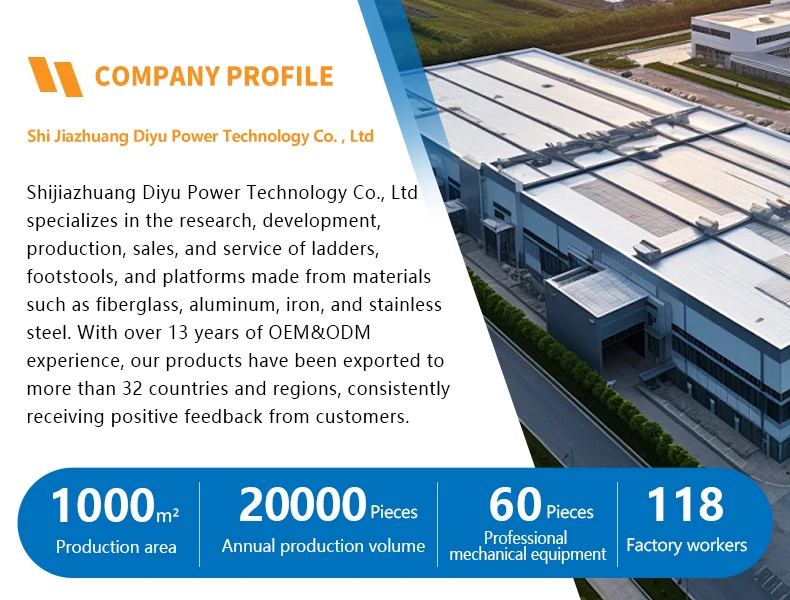
Shi Jiazhuang Diyu Power Technology Co., Ltd.
- Manufacturer, Trading Company
- Hebei, China
- Lead time15 days
- Avg. response≤ 1h
Main productsLadders,Work platform,Rubber sheet/roll,Electrical Equipment & Supplies
Main marketsEastern Europe(15.00%), South America(15.00%), Western Europe(15.00%), North America(15.00%), Mid East(10.00%), Eastern Asia(8.00%), Northern Europe(8.00%), South Asia(5.00%), Southeast Asia(3.00%), Oceania(2.00%), Domestic Market(1.00%), Africa(1.00%), Central America(1.00%), Southern Europe(1.00%)

Hongxiang New Geo-Material Co., Ltd.
- Manufacturer
- China Shandong
- Lead time0 days
- Avg. response≤ 11h
Main productsWaterproof Materials, Geotextile, Geomembrane, Geogrid, Geonet, Geocomposite Geomembrane, Compound Geomembrane, Sodium Bentonite Geosyntetic Clay, Compound Geomembrane Geotextile, Geocomposite Drainage Mat

HDPE Geomembrane Geosynthetics Waterproof Membrane Waterproof Material
$0.90 - $1.00
MOQ: 1000 Square Meters


Waterproof and Breathable Geomembrane for Wall Thermal and Moisture Prtection
$1.00
MOQ: 1000 Square Meters
Hangzhou Budexon Building Materials Co., Ltd.
- Verified by TüVRheinland
- Trading Company
- Lead time15 days
- Avg. response≤ 2h
Main productsRoofing Tiles, Rain Gutters, Roofing Shingles, Nails, Waterproof
Main marketsSoutheast Asia(50%), Africa(20%), South America(10%)
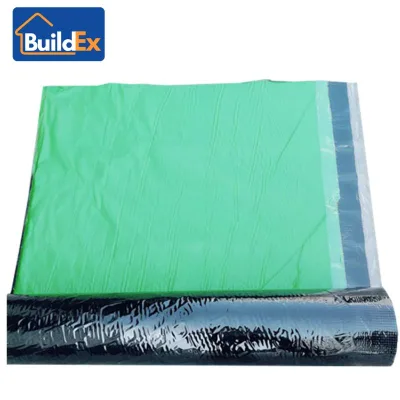
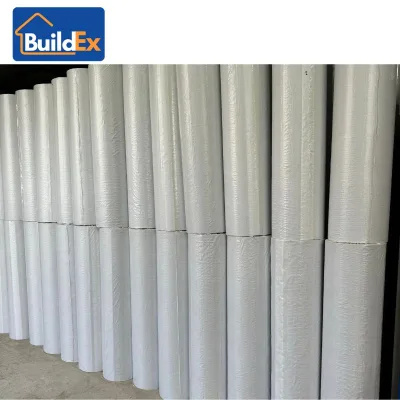
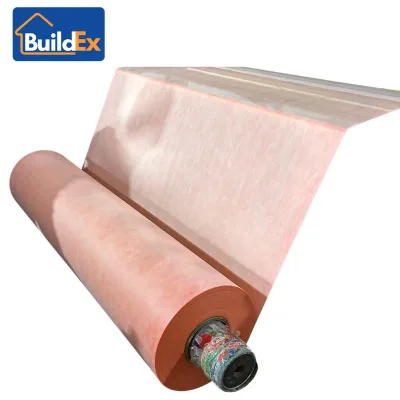
PVDF Lacquered Heavy Duty Membrance Waterproof Anti-UV Anti-Mould Waterproof
$0.55 - $0.80
MOQ: 5 square
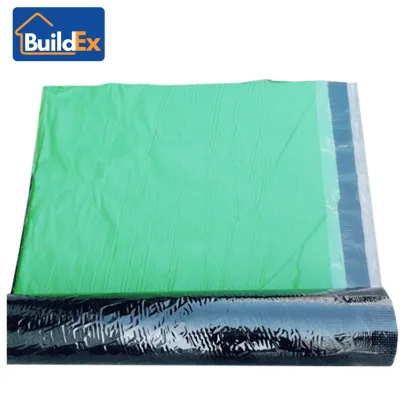
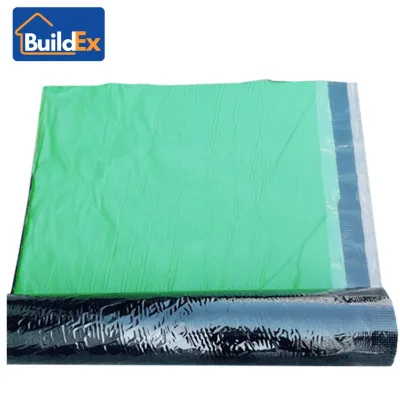
Modified Asphalt Waterproofing Membrane with Strong UV Resistance for Construction Projects
$0.55 - $0.80
MOQ: 5 square
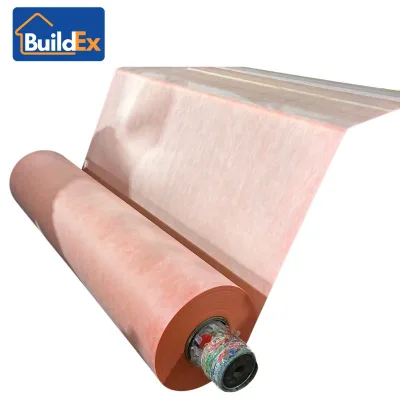
High Performance Waterproofing Membrane - for Roofing and Underground Projects
$0.55 - $0.80
MOQ: 5 square
Weifang Luyang Waterproof Material Co., Ltd.
- Verified by TüVRheinland
- Manufacturer, Trading Company
- Lead time7 days
- Avg. response≤ 2h
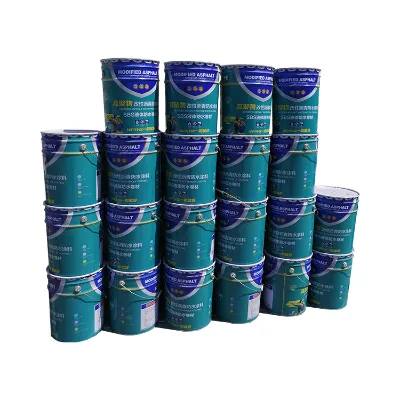
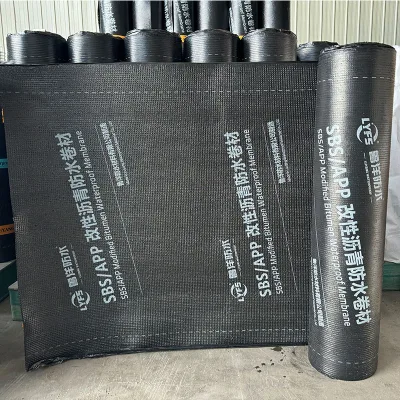
Main productsBitumen Waterproof Membrane, High Polymer Waterproof Membrane, Waterpoof Coating
Main marketsNorth America(20%), Southeast Asia(20%), Eastern Europe(10%)
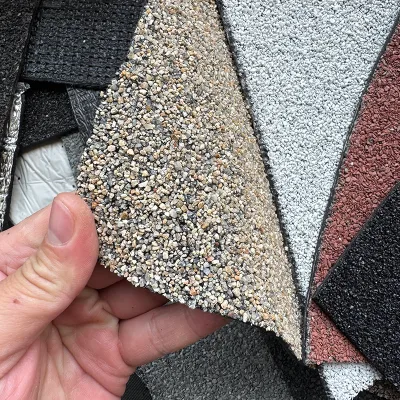
$1.3329 - $5.432
MOQ: 500 Minimum
Anhui Zhonglu Engineering Materials Co., Ltd.
- Verified by TüVRheinland
- Trading Company
- Lead time7 days
- Avg. response≤ 1h
Main productsGeocell, Geogrid, Geomembrane, Grass Grid, Geotextile
Main marketsSoutheast Asia(35%), Mid East(30%), South America(10%)
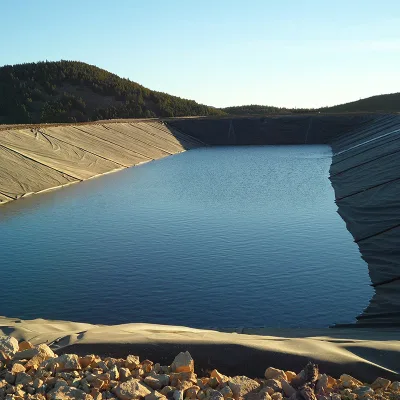
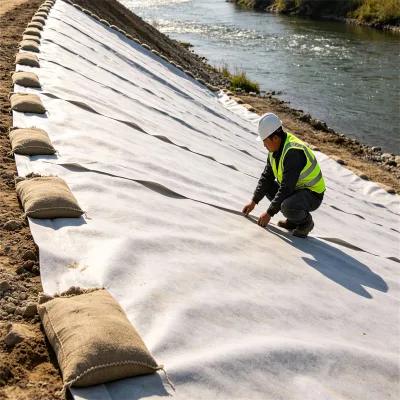
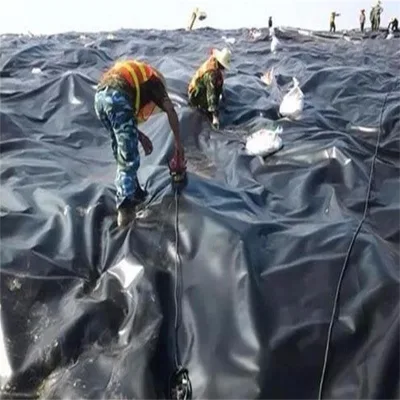
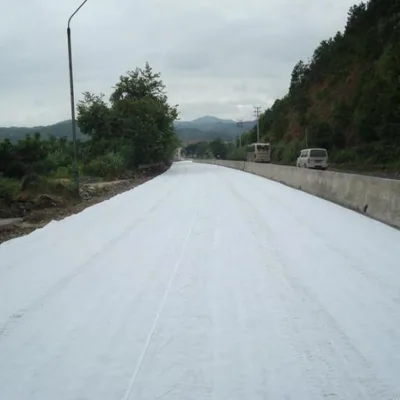
Multi-Layer Fire Retardant Geomembrane ASTM Tested for Tunnel Waterproofing
$0.74 - $1.63
MOQ: 1000 Minimum

Shandong Toplus Material Technology Co., Ltd.
- Verified by TUVRHEINLAND
- Trading Company,Manufacturer/Factory,Group Corporation,Other
- China Shandong
- Lead time15 days
- Avg. response≤ 2h
Main productsGeomembrane, Geotextiles, Geocells, Geogrids, Engineering Fibers
Main marketsSouth America,Eastern Europe,Mid East,North America,Southeast Asia,Eastern Asia,Oceania,Western Europe,Africa

High-Strength Composite Geomembrane - Strong, Waterproof, for Civil Engineering.
$0.23 - $1.62
MOQ: 1 Tons

Durable Waterproof Composite Geomembrane - Strong, Waterproof, for Dams and Reservoirs.
$0.23 - $1.65
MOQ: 1 Tons

UV Resistant Composite Geomembrane - Durable and Suitable for Outdoor Applications
$0.40 - $1.85
MOQ: 1000 Square Meters


Waterproof Composite Geomembrane - Used in Water Conservancy Engineering Construction
$0.23 - $1.62
MOQ: 1 Tons
Honghao Intercontinental Engineering Construction (taian) Co., Ltd.
- Verified by Intertek
- Trading Company
- Lead time0 days
- Avg. response≤ 2h
Main productsGeomembrane, Geotextile, Geogrid
Main marketsNorth America(20%), Eastern Europe(20%), Southeast Asia(20%)
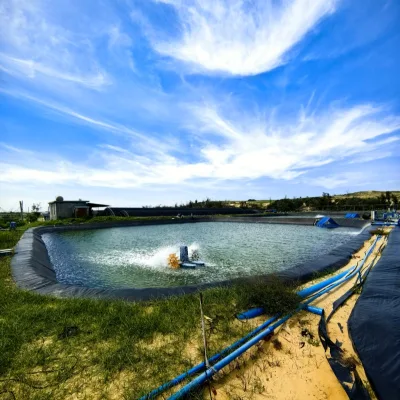
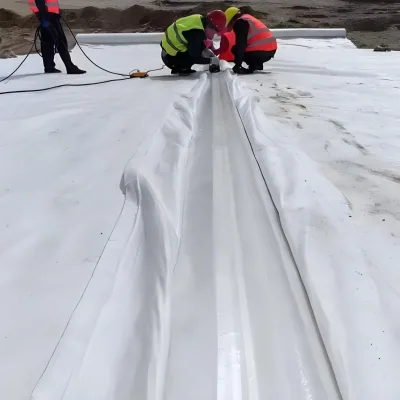
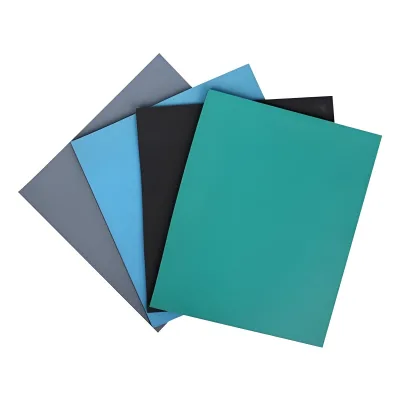
1.0mm 2.0mm PVC Geomembrane Waterproofing Membrane for Tunnel Underground Construction
$2.10 - $2.30
MOQ: 1000

- Verified by BV
- Manufacturer/Factory
- China Shandong
- Lead time15 days
- Avg. response≤ 3h
Main productsGeomembrane, EPDM Pond Liner, Geocell, Concrete Blanket, PVC Pond Liner, Scaffold Safety Net, Other Geosynthetics Materails
Main marketsSouth America,Mid East,North America,Southeast Asia,Eastern Asia,Western Europe

$1.43 - $3.72
MOQ: 1200 Square Meters

1.5mm Anti-Seepage Geomembrane for River Course Regulation and Water Projects
$0.45 - $2.90
MOQ: 1200 Square Meters

High Tensile Geomembrane for Tunnel Waterproofing and Basement Sealing
$0.45 - $2.90
MOQ: 1200 Square Meters

Geomembrane Waterproof Sheet 0.5mm 0.75mm for Water Storage Project
$0.45 - $2.90
MOQ: 1200 Square Meters


0.8mm Flexible Geomembrane for Roof Waterproofing and Greening Projects
$0.45 - $2.90
MOQ: 1200 Square Meters

Dezhou Huaxiang New Material Technology Co., Ltd.
- Verified by BV
- Combined
- China Shandong
- Lead time15 days
- Avg. response≤ 3h
Main productsGeomembrane, Geotextile, Geogrid, Drainage Board, Drainage Net, Geosynthetic Clay Liner Gcl, Geocell, Geo Bags, Geomembrane Welding Machine, Cement Blanket(Gccm)
Main marketsSouth America,Africa,Southeast Asia/ Mideast,East Asia(Japan/ South Korea),Europe,Australia,North America

High-Density Polyethylene Geomembrane with Anti-UV and Anti-Corrosion Features
$0.54 - $1.23
MOQ: 1000 Square Meters

Waterproofing Plastic Geomembrane with Customized Thickness for Aquaculture
$0.24 - $1.09
MOQ: 1000 Square Meters

Factory Product Low Price Waterproof Material Geomembrane for Reservoirs
$0.24 - $3.48
MOQ: 1000 Square Meters




Comprehensive Sourcing Guide
Anti-Uv Waterproof Geomembrane Supplier Concentration and Factory Types
The current supplier landscape for anti-UV waterproof geomembranes reveals a distinct concentration of manufacturing activity within specific industrial regions, with China’s Shandong province emerging as a primary hub for production. This geographic clustering suggests a mature supply chain ecosystem where raw material availability, specialized labor, and logistical infrastructure converge to support large-scale output. Buyers evaluating potential partners should recognize that suppliers located in this region often benefit from established industrial networks, which can translate into more consistent quality control and competitive pricing structures. However, the presence of a location fact does not guarantee uniformity across all vendors; it merely indicates where a significant portion of the manufacturing capacity is physically situated. Understanding this concentration helps buyers narrow their search parameters and focus on suppliers who are geographically positioned to handle bulk orders efficiently.
Beyond geographic location, the types of companies operating in this sector vary significantly, ranging from pure manufacturing factories to combined entities that blend production with trading services. The observed data indicates that many suppliers are classified as combined companies, meaning they may offer a broader range of services including customization, OEM/ODM support, and direct factory sales. This hybrid model can be advantageous for buyers seeking flexibility, as these suppliers often have the agility to handle custom specifications while maintaining the cost benefits of direct manufacturing. Conversely, pure trading companies might offer a wider variety of products from multiple sources but could introduce additional layers of communication and potential markup. Buyers must carefully assess the company type to ensure it aligns with their specific procurement needs, whether that involves strict factory-direct pricing or the need for diversified product offerings and logistical support.
How to Verify Anti-Uv Waterproof Geomembrane Suppliers
Verifying the credibility and operational capacity of anti-UV waterproof geomembrane suppliers requires a multi-layered approach that goes beyond simple profile reviews. One critical step is to examine third-party verification badges, such as those provided by SGS or TÜV Rheinland, which indicate that an independent agency has audited the supplier’s business practices or manufacturing facilities. These verifications serve as a baseline assurance of legitimacy, helping buyers distinguish between established entities and potentially unreliable vendors. However, verification badges alone are not a substitute for due diligence; they should be viewed as one component of a broader assessment strategy. Buyers should cross-reference these badges with other available data points, such as system certifications like ISO9001:2015, which demonstrate a commitment to quality management standards. The presence of such certifications suggests that the supplier has implemented structured processes for maintaining product consistency and meeting international standards.
In addition to certifications and verification badges, buyers should scrutinize the specific product attributes and technical specifications provided by the supplier. Detailed product data, including material composition (such as HDPE), thickness ranges (e.g., 0.3-3.0mm), and specific features like tear resistance and UV stability, provide insight into the supplier’s technical expertise and product focus. Suppliers that provide comprehensive and accurate product attributes are often more reliable, as they demonstrate a clear understanding of their offerings and the requirements of end-users. Buyers should also look for evidence of customization capabilities, such as available OEM/ODM services, which indicate that the supplier can adapt to specific project needs. By combining verification checks with a thorough review of technical documentation, buyers can build a more accurate picture of a supplier’s reliability and capability to deliver high-quality anti-UV waterproof geomembranes.
What to Compare Across Anti-Uv Waterproof Geomembrane Suppliers
When evaluating multiple suppliers for anti-UV waterproof geomembranes, buyers must compare a range of operational and commercial metrics to identify the best fit for their project. One key dimension is the minimum order quantity (MOQ), which can vary significantly across suppliers, ranging from 1,000 square meters to 100,000 square meters or more. This variation directly impacts procurement flexibility, especially for smaller projects or initial trial orders. Buyers should align their order volume with the supplier’s MOQ requirements to avoid unnecessary inventory costs or production delays. Additionally, lead times are a critical factor, with some suppliers indicating a production lead time of around 15 days. Comparing these timelines helps buyers plan their supply chain more effectively, ensuring that materials arrive in time for project milestones without causing bottlenecks.
Another essential comparison point is the response time and pricing structure. Suppliers with faster response times, such as those averaging under two hours, may offer better communication and support during the negotiation and order placement phases. Pricing, meanwhile, can fluctuate based on material thickness, width, and customization requirements, with observed ranges spanning from $0.09 to $4.20 per unit depending on the specific product configuration. Buyers should not focus solely on the lowest price but should consider the total value proposition, including quality assurance, certification levels, and logistical support. By systematically comparing MOQs, lead times, response speeds, and price ranges, buyers can make informed decisions that balance cost efficiency with operational reliability and product quality.
Common Anti-Uv Waterproof Geomembrane Sourcing Risks
Sourcing anti-UV waterproof geomembranes from international suppliers introduces several risks that buyers must proactively manage to ensure project success. One significant risk is the potential mismatch between product specifications and actual delivery, particularly when dealing with custom orders or varying thickness ranges. Suppliers may offer a wide range of thicknesses, such as 0.3mm to 3.0mm, but inconsistencies in manufacturing can lead to deviations from the agreed-upon standards. Buyers must implement rigorous quality control measures, including third-party inspections or sample testing, to verify that the delivered geomembranes meet the required technical specifications for tear resistance, puncture resistance, and UV stability. Failure to do so can result in project delays, additional costs, and potential failures in the field, especially in critical applications like landfill liners or pond liners.
Another common risk is the variability in supplier reliability and communication, which can be exacerbated by geographic distance and cultural differences. While some suppliers demonstrate fast response times and clear communication, others may be slower to respond or less transparent about production status. This can lead to misunderstandings regarding order status, shipping details, and documentation requirements. Buyers should establish clear communication protocols and maintain regular contact with their suppliers to mitigate these risks. Additionally, buyers should be cautious of suppliers who do not provide comprehensive product documentation or certifications, as this may indicate a lack of adherence to international standards. By anticipating these risks and implementing robust verification and communication strategies, buyers can protect their interests and ensure the successful procurement of high-quality anti-UV waterproof geomembranes.
Anti-Uv Waterproof Geomembrane Regional Sourcing and Logistics
The regional concentration of anti-UV waterproof geomembrane suppliers, particularly in China’s Shandong province, has significant implications for logistics and supply chain planning. Buyers sourcing from this region should consider the logistical advantages of established industrial clusters, which often include proximity to major ports and efficient transportation networks. This geographic advantage can reduce shipping times and costs, making it easier to manage large-volume orders. However, buyers must also account for the complexities of international shipping, including customs clearance, documentation requirements, and potential delays due to global supply chain disruptions. Understanding the logistical landscape helps buyers plan their inventory levels and order schedules more effectively, ensuring that materials arrive on time and in good condition.
In addition to shipping logistics, buyers should consider the packaging and handling requirements of anti-UV waterproof geomembranes. Suppliers often use standard packaging methods, such as woven bags or PP bags, to protect the products during transit. Buyers should verify that the packaging is suitable for long-distance shipping and provides adequate protection against moisture, UV exposure, and physical damage. Proper packaging is essential to maintaining the integrity of the geomembranes, especially for products with specific UV-resistant properties. By working with suppliers who prioritize quality packaging and have experience in international logistics, buyers can minimize the risk of damage during transit and ensure that the products arrive ready for installation. This attention to logistical detail is crucial for maintaining project timelines and avoiding costly rework or replacements.
Anti-Uv Waterproof Geomembrane Commercial Terms and Order Planning
Effective order planning for anti-UV waterproof geomembranes requires a clear understanding of commercial terms, including payment structures, warranty policies, and after-sales support. Buyers should negotiate terms that align with their financial capabilities and risk tolerance, such as using secure payment methods like escrow to protect their interests until the goods are received and verified. Additionally, buyers should clarify the warranty period and coverage for the geomembranes, particularly for products marketed with long warranties and high durability. Understanding these commercial terms helps buyers avoid unexpected costs and ensures that they have recourse in case of product defects or performance issues. Suppliers that offer clear and favorable commercial terms often demonstrate confidence in their product quality and commitment to customer satisfaction.
Furthermore, buyers should plan their orders based on the supplier’s production capacity and lead times, ensuring that they have sufficient buffer time for any potential delays. For projects with tight deadlines, buyers may need to place orders earlier or consider suppliers with faster production capabilities. It is also important to consider the scalability of the supplier’s operations, especially for large-scale projects that may require multiple shipments over time. Buyers should assess whether the supplier can consistently meet their volume requirements without compromising quality or delivery schedules. By carefully planning their orders and negotiating favorable commercial terms, buyers can secure a reliable supply of anti-UV waterproof geomembranes that meet their project needs and budget constraints. This strategic approach to order planning helps mitigate risks and ensures a smooth procurement process.
FAQs
What is the price range for anti-UV waterproof geomembrane?
Prices typically range from $0.09 to $4.20 per unit depending on thickness and specifications. Thicker options like 1.5mm or 3.0mm generally cost more than thinner 0.3mm variants. Buyers should verify exact pricing based on their required dimensions and order volume to ensure accurate budgeting.
What is the minimum order quantity for these products?
Minimum order quantities vary significantly, ranging from 1,000 to 100,000 units. Some suppliers require 2,000 square meters or 5,000 units, while others may demand 10,000 or even 100,000 units. Buyers must check specific supplier listings to confirm the exact MOQ applicable to their project size.
How long does production and delivery take?
Lead times are generally around 15 days for standard orders. Response times from suppliers average between 1.90 and 3.72 hours. Buyers should confirm specific delivery schedules with their chosen supplier, as production capacity and order volume can influence the final timeline for shipment.
What certifications do these geomembranes hold?
Products commonly hold ISO and CE certifications, with many suppliers possessing ISO9001:2015 certificates. Some manufacturers also provide ISO14001:2015 certification. Verification services like SGS and TÜV Rheinland are available for certain suppliers. Buyers should request valid certificates to ensure compliance with their project standards.
Where are these geomembranes manufactured?
These products are primarily manufactured in Shandong, China. The origin is consistently listed as China for most available listings. Buyers sourcing from this region should consider logistics and shipping costs when evaluating the total landed cost of their geomembrane orders.
What thickness options are available for HDPE geomembranes?
Available thicknesses range from 0.2mm to 3.0mm, with common options including 0.3mm, 0.75mm, 1.0mm, 1.5mm, and 2.0mm. Custom thicknesses are often available upon request. Buyers should select the appropriate thickness based on their specific application requirements, such as pond lining or landfill containment.