Source Anti-Uv Textured Hdpe Geomembrane for Sewage, Subway, Roof
Find 30 anti-uv textured hdpe geomembrane options from Chinese factories. Compare specifications like thickness, width, and certification for environmental, hydraulic, and transportation projects. Request samples and quotes for customized packaging and technical support; compare the available evidence and request quotations based on your requirements.
Updated
Key considerations
Products List


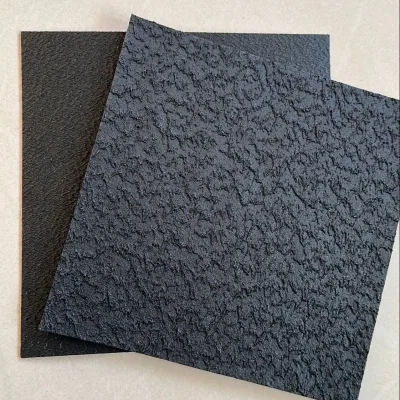
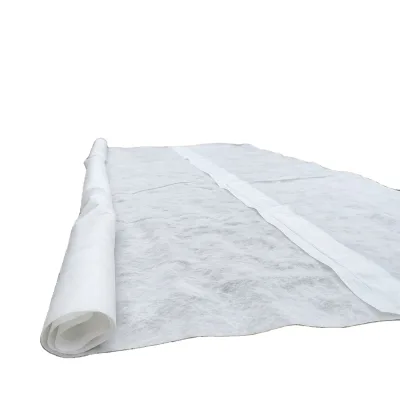
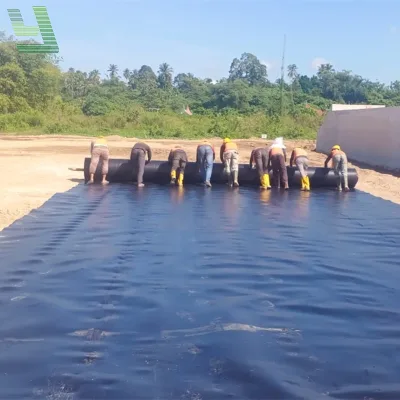
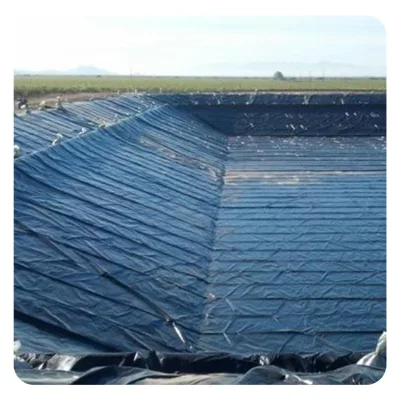
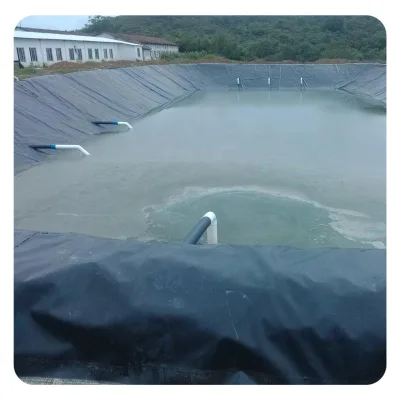
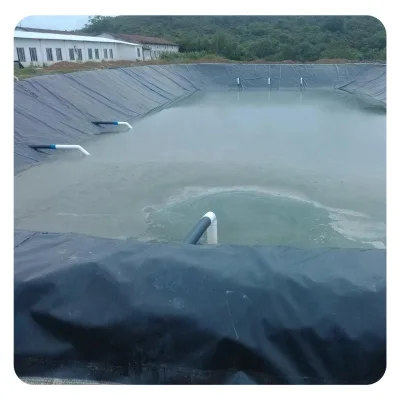
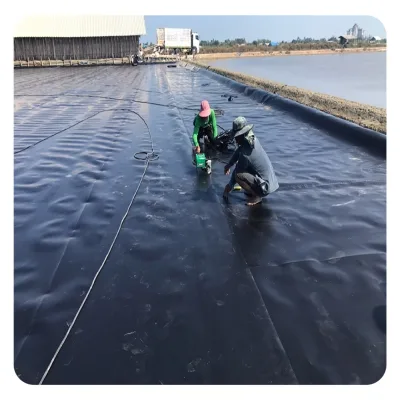
Plastic Membrane Hdpe Geomembrane Waterproofing 1mm 2mm Virgin Material
$0.8841 - $0.9141
MOQ: 20 square

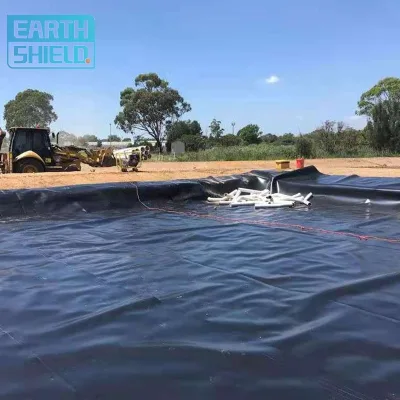
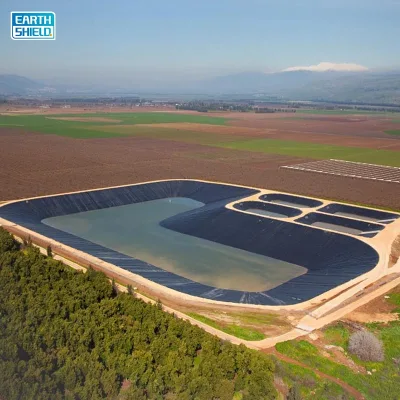
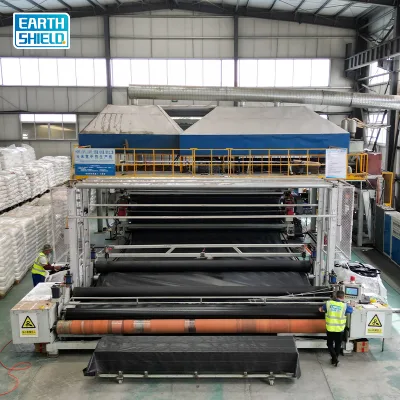
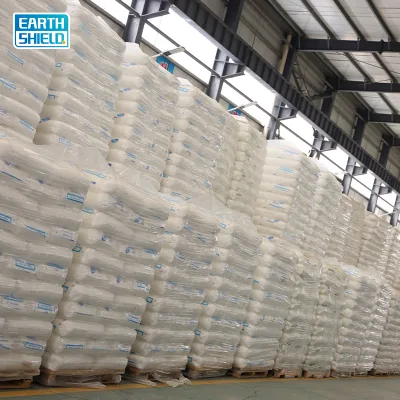
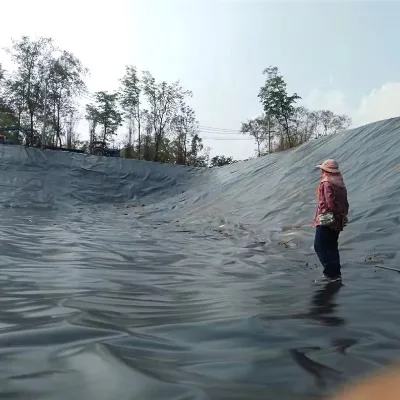
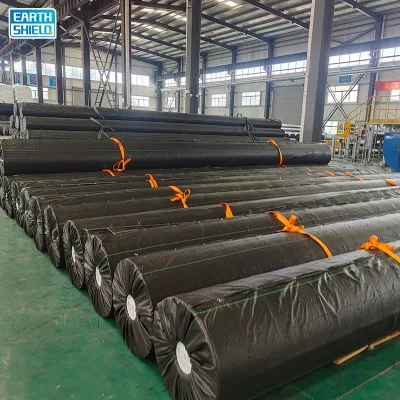
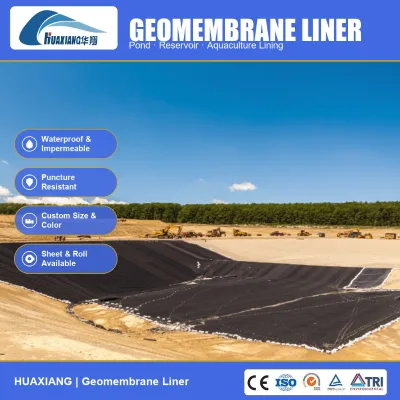
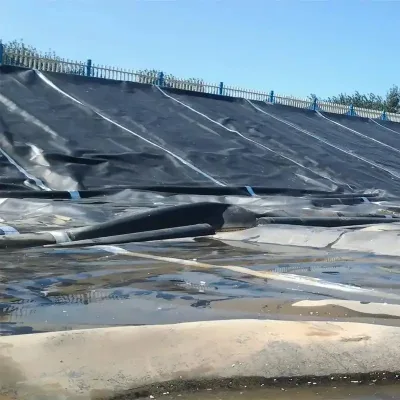
Comprehensive Sourcing Guide
Anti-Uv Textured Hdpe Geomembrane Sourcing Guide
Procuring anti-UV textured HDPE geomembranes requires a disciplined approach to verifying material integrity and surface characteristics. Buyers must prioritize suppliers who explicitly list UV resistance and textured finishes, as these features are critical for long-term performance in exposed environmental applications. The observed market data indicates a wide range of product models, from BPM to HDPE-CP-0015, suggesting that standardization varies significantly across manufacturers. Sourcing teams should treat these model numbers as internal identifiers rather than universal standards, requiring direct confirmation of the specific polymer grade and additive package used.
The presence of customization options and make-to-order supply types highlights the flexibility available in this sector, but it also introduces complexity into the quality assurance process. Buyers should establish clear technical requirements before engaging with suppliers, ensuring that the textured surface profile meets specific friction and anchoring needs for geotechnical projects. It is essential to verify that the "smooth" or "textured" surface options are clearly defined in the product specifications, as this directly impacts installation efficiency and liner stability in hydraulic and transportation projects.
Product Scope and Observed Listing Signals
The current market landscape for HDPE geomembranes includes a diverse array of product attributes, with observed thicknesses ranging from 0.2mm to 3.5mm and widths extending up to 8 meters. Listings frequently highlight features such as tear resistance, impact resistance, and puncture resistance, which are vital for durability in demanding environmental and sewage pipe applications. Buyers should note that while some products are described as having a smooth surface, others offer textured or rough finishes, which are often preferred for slope stability in planting roofs and subway projects.
Color options are predominantly black, which is standard for UV protection, but buyers must confirm the specific UV stabilizer content to ensure long-term weathering resistance. The observed price range of 0.02 to 5.25 USD suggests significant variation based on thickness, width, and certification status. Sourcing teams should analyze these price points in conjunction with the minimum order quantities, which range from 1 to 100,000 units, to determine the most cost-effective procurement strategy for their specific project scale and volume requirements.
Technical Specifications to Verify
Thickness is a primary technical parameter, with observed standards including 0.5mm, 0.75mm, 1.0mm, 1.5mm, and 2mm, alongside a broader range of 0.2mm to 3mm. Buyers must verify that the selected thickness aligns with the hydraulic and geotechnical design requirements of their project, as thinner membranes may be more susceptible to puncture during installation. Dimensional stability is another critical factor, with some listings specifying a stability of ±2%, which ensures that the geomembrane maintains its integrity under varying temperature and stress conditions during deployment.
Surface technology options include smooth, textured, and rough finishes, each serving different functional purposes in liner applications. Buyers should request detailed specifications for the textured profile, including peak height and spacing, to ensure compatibility with geogrids and other interface materials. Additionally, yield elongation and break elongation percentages, such as 12% and 700% respectively, provide insight into the material's flexibility and tensile strength, which are essential for accommodating ground settlement and thermal expansion in long-term environmental projects.
Compliance and Safety Documentation
Certification is a key differentiator in the geomembrane market, with ISO and CE certifications frequently cited as indicators of quality and regulatory compliance. Buyers should verify that the supplier holds valid ISO certification, which demonstrates adherence to international quality management standards, and CE marking, which confirms conformity with European health, safety, and environmental protection standards. These certifications are particularly important for projects in regulated industries, such as sewage treatment and environmental protection, where material traceability and performance validation are mandatory.
Documentation should also include material safety data sheets and test reports that confirm the anti-UV properties and chemical resistance of the HDPE geomembrane. Buyers must ensure that the supplier provides comprehensive after-sale support, including online technical assistance, to address any installation or performance issues that may arise. It is advisable to request sample materials for independent testing, as some suppliers offer free samples, allowing procurement teams to validate the product's physical properties before committing to large-scale orders.
Cost Drivers and Commercial Terms
Pricing for HDPE geomembranes is influenced by several factors, including raw material costs, production complexity, and certification requirements. The observed price range of 0.02 to 5.25 USD reflects variations in thickness, width, and surface texture, with thicker and wider rolls generally commanding higher prices. Buyers should analyze the total cost of ownership, considering not only the unit price but also shipping, handling, and installation costs, which can significantly impact the overall project budget.
Minimum order quantities vary widely, from as low as 1 unit to 100,000 units, allowing for flexibility in procurement strategies. For smaller projects or trial orders, buyers may benefit from suppliers with low MOQs, while larger infrastructure projects may require bulk purchasing to achieve economies of scale. Customization options, such as logo marking on packaging or specific roll dimensions, may incur additional costs, so buyers should clarify these terms early in the negotiation process to avoid unexpected expenses.
Supplier Qualification and Quality Control
Supplier qualification is critical for ensuring the reliability and consistency of HDPE geomembrane supplies. Buyers should prioritize manufacturers who identify as factories rather than trading companies, as this often indicates greater control over the production process and quality assurance. The observed origins of products, including Shandong, Taian, Anhui, and broader China regions, suggest a concentrated manufacturing hub, but buyers must verify the specific facility's capabilities and track record to ensure consistent quality.
Quality control measures should include rigorous testing of physical properties, such as tensile strength, elongation, and puncture resistance, to verify that the product meets the specified standards. Buyers should request detailed quality control plans from suppliers, including in-process inspections and final product testing, to ensure that every batch of geomembrane meets the required performance criteria. Establishing a clear communication channel for technical support and after-sale service is also essential for addressing any issues that may arise during installation or operation.
Long-Term Procurement Checks
Long-term procurement success depends on establishing robust relationships with suppliers who can provide consistent quality and reliable support. Buyers should conduct periodic audits of supplier performance, focusing on delivery times, product consistency, and responsiveness to technical queries. The availability of customization options and make-to-order supply types allows for flexibility, but buyers must ensure that these processes do not compromise quality or lead times, which are critical for project timelines.
Monitoring market trends and technological advancements in HDPE geomembrane production can help buyers stay ahead of industry developments and identify new opportunities for cost savings or performance improvements. Regularly reviewing product specifications and certifications ensures that the sourced materials continue to meet evolving regulatory and project requirements. By maintaining a proactive approach to supplier management and quality assurance, buyers can mitigate risks and ensure the long-term success of their environmental and geotechnical projects.
FAQs
What certifications are available for HDPE geomembranes?
ISO and CE certifications are available for HDPE geomembranes. These standards ensure the product meets international quality and safety requirements. Buyers can verify these credentials to confirm compliance with environmental and engineering project specifications. This verification supports reliable sourcing for geotechnical and hydraulic applications where material integrity is critical.
Can HDPE geomembranes be customized for specific projects?
Yes, customization is available for HDPE geomembranes. Buyers can request specific dimensions, logos, or packaging options to match their project needs. This flexibility allows for tailored solutions in environmental protection and transportation projects. Customization ensures the product fits precise engineering requirements while maintaining high tear and puncture resistance.
What thickness options exist for HDPE geomembranes?
Thickness options range from 0.2mm to 3.5mm. Standard models include 0.5mm, 0.75mm, 1.0mm, 1.5mm, and 2mm. These variations allow selection based on specific load and durability requirements. Thicker membranes offer enhanced impact resistance for heavy-duty applications, while thinner options suit lighter environmental projects.
Where are HDPE geomembranes manufactured?
HDPE geomembranes are manufactured in China, with origins in Shandong, Taian, and Anhui provinces. These regions are known for producing high-quality geomembranes. Buyers can source directly from factories in these locations to ensure competitive pricing and reliable supply chains for large-scale infrastructure and environmental projects.
What surface finishes are offered for HDPE geomembranes?
Smooth, textured, and rough surface finishes are offered. Textured and rough surfaces improve friction and stability in geotechnical applications. Smooth finishes are suitable for hydraulic projects requiring low friction. These options allow buyers to select the appropriate surface for specific installation conditions and engineering requirements.
What is the typical width of HDPE geomembrane rolls?
Typical widths range from 1m to 8m, with 6m being a common standard. Wider rolls reduce the number of seams required during installation. This efficiency lowers labor costs and potential leak points. Buyers can choose widths based on project scale and transportation constraints for optimal coverage and performance.