Breathable Fabric Tudung Suppliers and Manufacturers
Explore 17 verified options for Breathable Fabric Tudung from manufacturers and trading companies. Compare lead times, certifications like ISO 14184, and MOQs ranging from 1 to 3000 pieces. Contact suppliers directly to request samples or custom designs; review the available evidence before requesting comparable quotations from suitable candidates.
Suppliers List
- Verified by SGS Group
- Manufacturer, Trading Company
- Lead time20 days
Main productsCotton Voile Hijab, Modal Hijab, Print & Plain Hijab, Muslim Women Hijab, Sudanese Toub
Main marketsSoutheast Asia(55%), Domestic Market(16%), South Asia(9%)


Eco Friendly Super Soft Scarf Voile Fabric Women Sudan Muslim Abaya Sudanese Thobe
$1.07 - $1.33
MOQ: 100


Suzhou Welljoy Textile Co., Ltd.
- Manufacturer/Factory
- China Jiangsu
- Lead time23 days
- Avg. response≤ 19h
Main productsHigh Visibility Fabric, Functional Fabric, Uniform Fabrics, Textile Fabric, Oxford Fabric, Conductive Fabric, Fluorescent Fabrics, Stripe Fabric, Coated Fabric, Woven Fabric
Main marketsSouth America,Eastern Europe,Mid East,North America,Southeast Asia,Eastern Asia,Oceania,Western Europe,Africa

MOQ: 2000 Meters

MOQ: 2000
Shaoxing Keqiao Changfa Textile Co., Ltd.
- Verified by SGS Group
- Manufacturer, Trading Company
- Lead time20 days
Main productsDigital Print Fabric, Scarf, Sublimation Paper
Main marketsNorth America(20%), Domestic Market(20%), South America(15%)

Suzhou Fun Color Textile Co., Ltd.
- Trading Company
- Jiangsu, China
- Lead time15 days
- Avg. response≤ 6h
Main productshijab fabric,Shawl,Cotton Voile,Head Scarf,Bawal
Main marketsSoutheast Asia(60.00%), Eastern Asia(10.00%), Africa(10.00%), North America(10.00%), Eastern Europe(10.00%)

Changxing Wandu Textile Co., Ltd.
- Verified by BV
- Manufacturer/Factory
- China Zhejiang
- Lead time23 days
- Avg. response≤ 16h
Main productsPolyester Fabric, Bedsheet Fabric, White Fabric, Mattress Fabric, Bedsheet, Home Textile, Hotel Fabric, Printing Fabric, Peach Skin Fabric, Printed Fabric
Main marketsSouth America,Eastern Europe,Mid East,North America,Southeast Asia,Eastern Asia,Oceania,Western Europe,Africa

Shanghai J&D International Co., Ltd.
- Trading Company
- China Shanghai
- Lead time23 days
- Avg. response≤ 25h
Main productsShirts, Necktie, Ties, Scarves, Waistcoat, Cufflink, Neckwear, Accessories
Main marketsSoutheast Asia/ Mideast,Domestic,Europe,Australia,North America


MOQ: 300

MOQ: 300
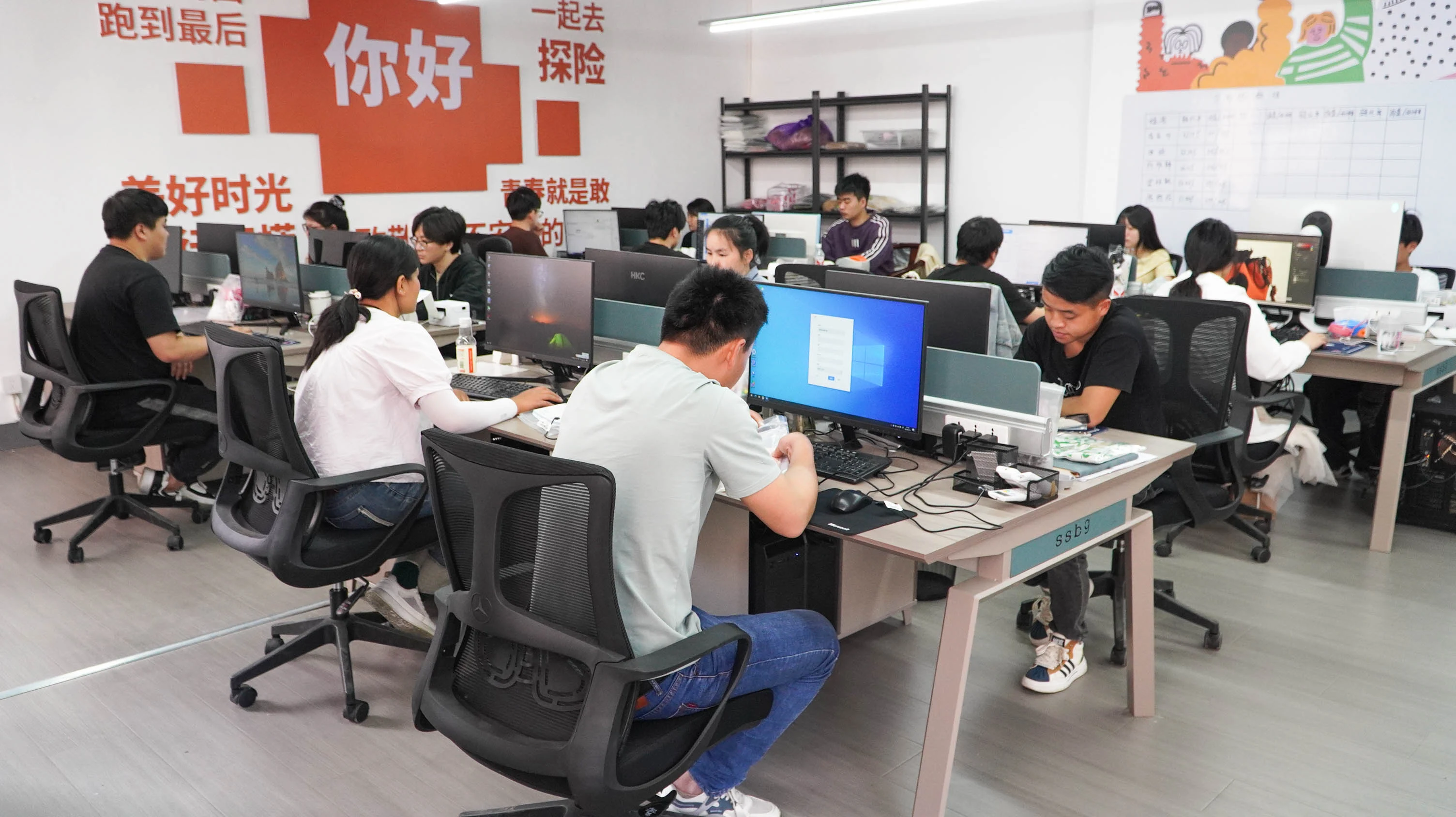
Jin Li Clothing Industry Limited
- Trading Company
- Hong Kong S.A.R.
- Lead time7 days
- Avg. response≤ 2h
Main productsAbaya, Hijab, Printed Abaya, Embroidery Abya, Traditional Muslim Clothing
Main marketsNorth America(50.00%), Western Europe(20.00%), South America(20.00%), Africa(10.00%)
Shijiazhuang Jili Textile Lining Cloth Co., Ltd.
- Manufacturer, Trading Company
- Hebei, China
- Lead time0 days
- Avg. response≤ 3h
Main productsvoile Fabric,printed Fabric,Dyed hijab,Sudanese toub,hijab magnet
Main marketsSoutheast Asia(46.00%), Mid East(29.00%), Domestic Market(17.00%), South Asia(3.00%), Africa(2.00%), North America(1.00%), Eastern Europe(1.00%), Southern Europe(1.00%)

- Verified by SGS
- Manufacturer
- China Shanghai
- Lead time23 days
- Avg. response≤ 3h
Main productsScarf, Bag, Hat, Blanket, House Shoes, Indoor Slippers, Scarf & Warmth Set, Shawl, Hijab Headscarf, Cap
Main marketsEast Asia(Japan/ South Korea),Domestic,Europe,North America


Unique Design Polyester Scarf Lady Hijab Headband Chiffon Snood Tudung for Women
$1.60
MOQ: 1000 Pieces


- Verified by SGS
- Combined
- China Zhejiang
- Lead time15 days
- Avg. response≤ 4h
Main productsHijab, Muslim Clothes, Scarf, Headscarf, Bandana, Inner Cap, Fabric, Embroidery Hijab
Main marketsSoutheast Asia/ Mideast,North America

High Quality Tudung Malaysia Printed Hijab Bawal Premiumle Sale Cotton Voile
$1.98 - $2.28
MOQ: 100 pieces

$1.28 - $1.72
MOQ: 100 pieces

Comfortable E Satin Silk Tudung Hijab Ethnic Bandanas Printed Square Hijab
$1.95 - $2.56
MOQ: 100 pieces


Hebei Xingye Import and Export Trade Co., Ltd.
- Verified by TUVRHEINLAND
- Trading Company
- China Hebei
- Lead time180 days
- Avg. response≤ 4h
Main productsPolyester Viscose Fabric, Thobe Fabric, Spun Polyester Fabric, Gabardine Fabric, Cationic Fabric, Uniform Fabric, Tr Fabric, Tc Fabric, Suiting Fabric, Twill Fabric
Main marketsSouth America,Africa,Others(foreignTradeCapacity.exportBusinessCapacityMarketOther),Southeast Asia/ Mideast
Hebei Hanlin Textile Co., Ltd.
- Verified by SGS Group
- Manufacturer, Trading Company
- Lead time30 days
Main productsFabric, Rayon Fabric and Viscose Fabric, Polyester Spandex Fabric, Cotton Spandex Fabric, Knitted Fabric
Main marketsSouth America(30%), Southeast Asia(20%), Africa(20%)

Hangzhou Zhiyi Garments Co., Ltd
- Verified by CTI
- Combined
- China Zhejiang
- Lead time30 days
- Avg. response≤ 4h
Main productsScarf, Fashionable Scarf, Shawl, Ladies' Scarf, Ladies' Shawl, Warm Scarf, Cashmere Scarf
- Verified by SGS Group
- Manufacturer, Trading Company
- Lead time0 days
- Avg. response≤ 2h
Main productsScarf, Silk, Modal Hijab, Chiffon Hijab, Hats
Main marketsNorth America(35%), Domestic Market(30%), Africa(21%)

Yiwu Wennuan Clothing Co., Ltd.
- Verified by SGS
- Combined
- China Zhejiang
- Lead time23 days
- Avg. response≤ 9h
Main productsHijab
Main marketsSouth America,Africa,Southeast Asia/ Mideast,East Asia(Japan/ South Korea),Europe,Australia,North America

Tudung New Design Ethnic Malaysian Print Muslim Cotton Voile Hijab Scarf for Women
$1.48 - $1.96
MOQ: 100 Pieces


Breathable Soft Cotton Printed Woven Modal Muslim Women Shawl Hijab Scarf
$4.90 - $5.20
MOQ: 50 Pieces


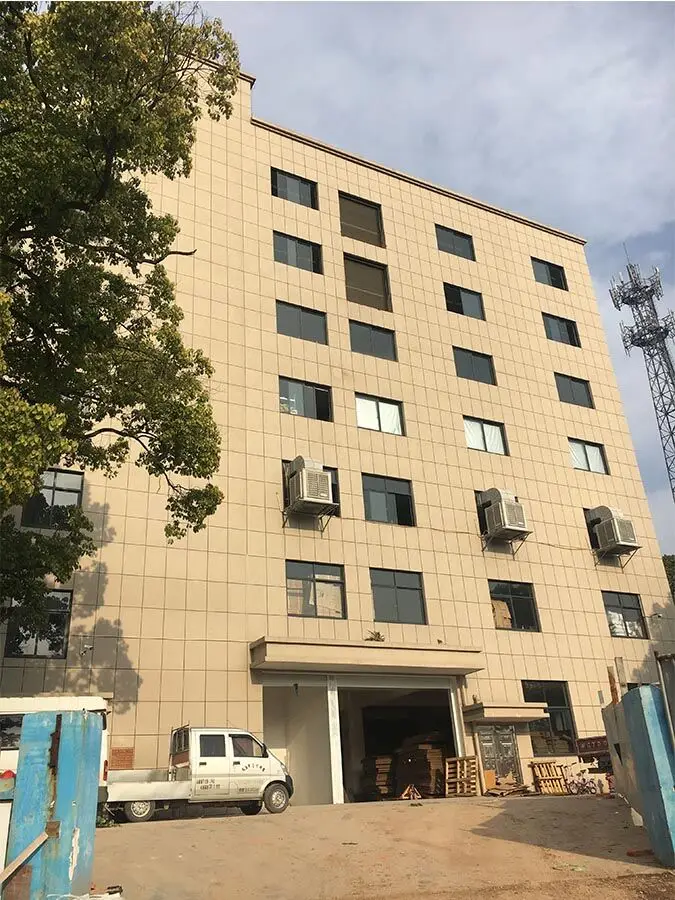
- Trading Company
- Zhejiang, China
- Lead time5 days
- Avg. response≤ 1h
Main productsswimsuit,scarf,Jewerly,hats,Fashion
Main marketsNorth America(40.00%), South America(20.00%), Eastern Europe(15.00%), Western Europe(10.00%), Southeast Asia(5.00%), Mid East(3.00%), Northern Europe(2.00%), Africa(2.00%), Southern Europe(1.00%), Eastern Asia(1.00%), Oceania(1.00%)
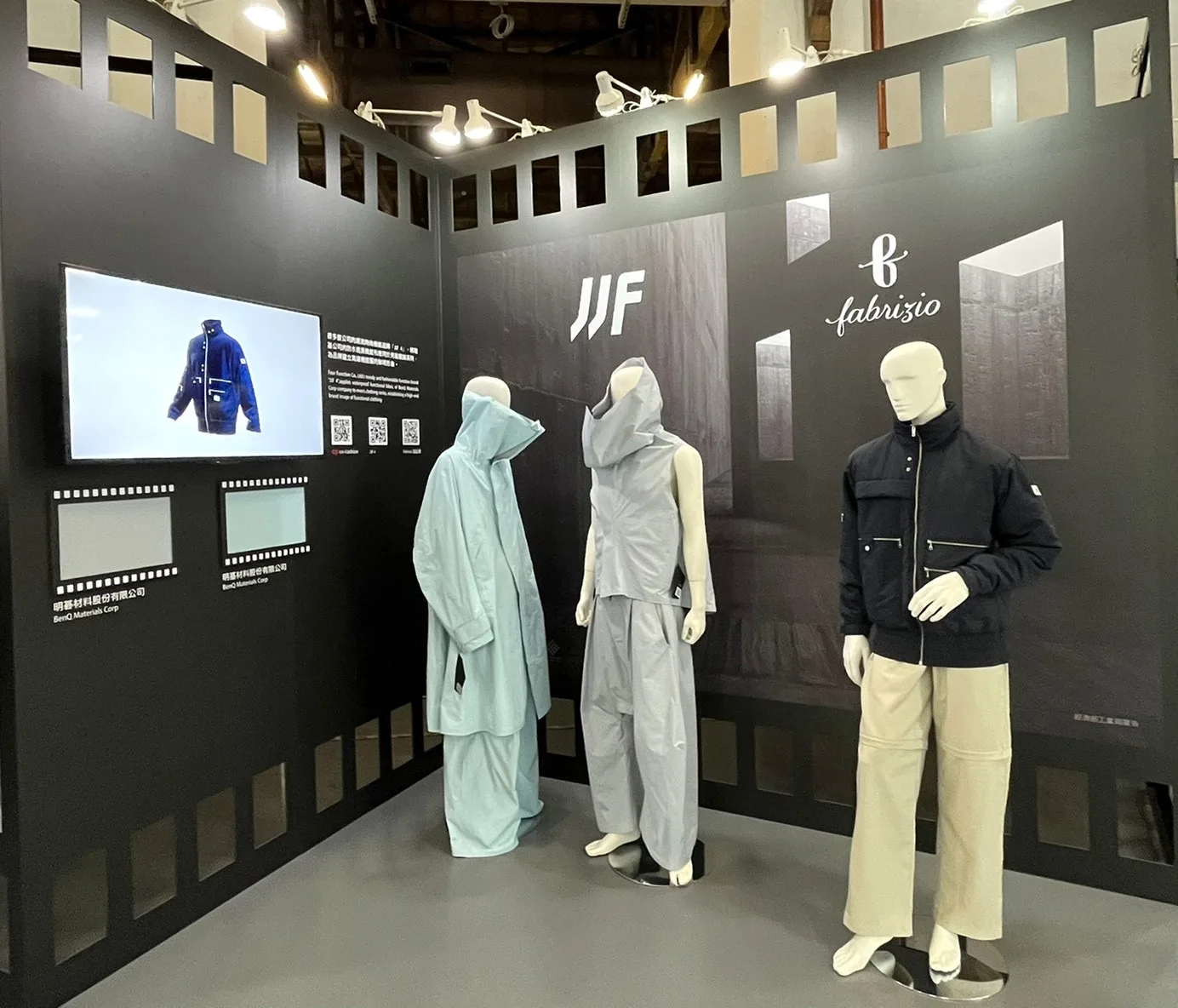
Glamoroux International Co., Ltd.
- Trading Company
- Taiwan, China
- Lead time30 days
- Avg. response≤ 5h
Main productsGarment & Footwear,Sports & Outdoor,Household & Lifestyle,Pets Products,Healthcare
Main marketsWestern Europe(70.00%), North America(30.00%)


Comprehensive Sourcing Guide
Breathable Fabric Tudung Supplier Concentration and Factory Types
The current supplier landscape for Breathable Fabric Tudung reveals a mix of manufacturing and trading company structures, with specific product evidence pointing to origins in China, particularly Hebei. Some listings indicate a Place of Origin in China, while others reference specific regions like Hebei, suggesting a concentration of production capacity in northern Chinese textile hubs. Buyers should verify if the supplier is a direct manufacturer capable of sample processing and graphic customization, or a trading company facilitating access to multiple factories. The presence of customized on-demand capabilities and light customization options suggests that many suppliers in this space have adapted to handle varied design requests for polyester voile and similar breathable materials.
When assessing factory types, look for evidence of in-house processing capabilities such as sample processing and graphic processing, which indicate a higher degree of control over the production workflow. Suppliers listing main products like Cotton Voile Hijab, Modal Hijab, and Sudanese Toub often operate with flexible production lines that can switch between plain and printed designs. It is crucial to distinguish between entities that simply resell goods and those that manage the actual weaving, dyeing, and printing processes. The availability of specific attributes like digital print methods and custom logo services often correlates with a manufacturer's ability to handle complex orders, whereas trading companies may offer a broader range of styles but less direct control over the fabric quality and production timeline.
How to Verify Breathable Fabric Tudung Suppliers
Verification of Breathable Fabric Tudung suppliers requires a rigorous check of their certification status and third-party validation records. Available data indicates that some suppliers hold ISO 14184 and ISO 1833 certifications, alongside CE marks, which are relevant for textile safety and quality standards. Additionally, verification by SGS Group serves as a critical indicator of a supplier's legitimacy and adherence to international trade protocols. Buyers must confirm that these certifications are current and directly applicable to the specific breathable fabric products being sourced, rather than generic company credentials that may not cover the specific manufacturing processes involved in producing hijabs or toub.
Beyond certifications, buyers should scrutinize the supplier's response to sample requests and their ability to provide detailed product attributes. Evidence shows that some suppliers offer customizable samples, while others provide free samples with specific turnaround times ranging from three to seven days. The presence of needle detection capabilities and specific fabric types like non-woven or polyester voile should be confirmed through direct communication. It is essential to request proof of these capabilities, such as test reports or video evidence of the production line, to ensure the supplier can consistently deliver breathable fabrics that meet the required softness and smoothness standards. Never assume a supplier's claims without requesting tangible proof of their verification status and production capacity.
What to Compare Across Breathable Fabric Tudung Suppliers
Comparing suppliers requires a detailed analysis of their lead times, minimum order quantities, and pricing structures, as these vary significantly across the market. Lead times for Breathable Fabric Tudung can range from seven working days to twenty days, depending on the complexity of the order and the supplier's current capacity. Minimum order quantities (MOQ) also differ, with some suppliers accepting orders as low as one piece for specific floral designs, while others require bulk purchases of 3,000 pieces for standard fabric rolls. Buyers must evaluate these constraints against their inventory needs and cash flow to determine which suppliers offer the most viable partnership for their specific business model.
Pricing and product attributes provide another critical layer for comparison, with unit prices fluctuating based on material composition and design complexity. For instance, polyester voile hijabs may be priced between $1.48 and $2.03 per unit, while specialized Sudanese toub fabrics might range from $1.05 to $1.30 per unit. Buyers should compare the specific material details, such as whether the fabric is 100% polyester or a blend, and check for additional features like digital printing or custom color options. It is also important to compare packaging details, such as single package sizes and gross weights, as these impact shipping costs and storage requirements. A thorough comparison ensures that the selected supplier offers the best balance of cost, quality, and logistical efficiency.
Common Breathable Fabric Tudung Sourcing Risks
One significant risk in sourcing Breathable Fabric Tudung is the inconsistency in material quality and the potential for misrepresentation of fabric properties. While some listings specify materials like polyester voile, others may use generic terms that do not guarantee breathability or softness. Buyers must be vigilant about verifying the actual fabric composition and testing samples for properties like weight, size, and texture before committing to large orders. The risk of receiving products that do not match the described "soft smooth feeling" or specific dimensions, such as 115*115 cm, is high if the supplier lacks rigorous quality control measures like needle detection.
Another major risk involves the reliability of delivery timelines and the potential for supply chain disruptions. Although some suppliers claim delivery times of seven working days, others may extend this to fifteen working days or more, depending on order volume and production scheduling. The variability in lead times, ranging from 20 days for general orders to specific windows for customized items, can disrupt inventory planning and sales cycles. Buyers should also consider the risk of payment terms, such as T/T, which may not offer the same protection as escrow services. Ensuring that the supplier has a proven track record of meeting deadlines and maintaining consistent quality is essential to mitigate these operational risks.
Breathable Fabric Tudung Regional Sourcing and Logistics
Regional sourcing for Breathable Fabric Tudung often centers on specific manufacturing hubs in China, with evidence pointing to Hebei as a key production area. Suppliers in this region may offer advantages in terms of proximity to raw material sources and established textile infrastructure, which can streamline the production process. However, buyers must verify the exact location of the factory, as some listings may only indicate a general "Place of Origin" without specifying the city or province. Understanding the regional logistics is crucial for estimating shipping times and costs, as well as for assessing the supplier's ability to handle export documentation and customs clearance efficiently.
Logistics planning must also account for the specific packaging and weight of the products, which can vary significantly between different types of tudung. For example, some items are packaged as single pieces in polybags, while others are packed in cartons containing 200 pieces, affecting the overall volume and weight of the shipment. The single gross weight of items, ranging from 0.092 kg to 0.5 kg, influences freight charges and storage requirements at the destination. Buyers should work closely with their logistics partners to optimize shipping routes and ensure that the packaging meets the necessary standards for international transport, minimizing the risk of damage or loss during transit.
Breathable Fabric Tudung Commercial Terms and Order Planning
Commercial terms for Breathable Fabric Tudung orders typically include specific payment methods, such as T/T, and require careful planning regarding minimum order quantities and pricing tiers. Buyers must negotiate terms that align with their financial capabilities and risk tolerance, ensuring that the payment structure offers adequate protection against non-delivery or quality issues. The MOQs, which can range from a single piece to 3,000 pieces, play a critical role in order planning, as they determine the initial investment required to secure a supply chain. Understanding these thresholds helps buyers avoid overstocking or under-ordering, which can lead to financial inefficiencies or stockouts.
Order planning also involves coordinating with suppliers on customization requirements, such as custom logos, specific colors, and design patterns. The ability to customize samples and accept OEM designs is a key factor in differentiating suppliers and ensuring that the final product meets brand standards. Buyers should establish clear communication channels to discuss design specifications, sample approval processes, and production timelines. By planning orders with these variables in mind, buyers can ensure a smooth transition from sample approval to mass production, minimizing delays and ensuring that the Breathable Fabric Tudung meets all quality and design expectations.
FAQs
What materials are used for breathable tudung fabrics?
Suppliers offer Polyester Voile and Modal fabrics for breathable tudung designs. Some products feature 100% Polyester with digital print methods for soft smooth feeling. These materials ensure comfort during daily wear and outdoor activities in various seasons.
What is the minimum order quantity for tudung scarves?
Minimum order quantities vary by product type and supplier. Some listings accept orders as low as 1 piece for specific floral designs. Other options require 10 pieces or 100 pieces, while bulk fabric orders may start at 3000 pieces for wholesale pricing.
How long does it take to receive tudung samples?
Sample processing times depend on customization needs and supplier capacity. Some suppliers provide samples within 3 to 7 days for standard requests. Custom graphic processing or light customization may require additional time before the sample is ready for shipment.
Are these tudung products certified for safety and quality?
Selected suppliers hold ISO 14184, ISO 1833, and CE certifications for their textile products. Verification by SGS Group confirms the reliability of these manufacturers. These standards ensure the fabrics meet international safety requirements for Muslim women's apparel.
Where are the tudung scarves manufactured?
Most tudung products originate from Hebei, China, with some items listed as coming from China generally. The manufacturing locations support various ethnic regions including Islam, Middle East, and Asia Pacific Islands. This ensures consistent quality for traditional scarves and shawls.
What is the typical delivery time for bulk orders?
Standard lead times for bulk orders are approximately 20 days from order confirmation. Specific products like dyed printed scarves may have a delivery window of 7 to 15 working days. Custom designs might extend this timeline depending on production complexity.
Can I customize the logo and design on tudung scarves?
Suppliers accept OEM requests with custom logo options available for many products. You can choose from various patterns including floral, fruit, or color blocking designs. Customization services include graphic processing and light customization to meet specific brand requirements.