CE Rohs Wireless Door Bell Suppliers and Manufacturers
Explore 28 verified options for CE Rohs Wireless Door Bell with details on location, lead times, and certifications. Compare response times and MOQs to find suitable factories, then request quotes directly from the list; review the available evidence before requesting comparable quotations from suitable candidates.
Updated
Suppliers List

Yilin (Ningbo) Electronics Ltd.
- Verified by TUVRHEINLAND
- Combined
- China Zhejiang
- Lead time30 days
- Avg. response≤ 10h
Main productsDoor Bells, Night Lights, Light-Electrical Products, Alarms, Microphones, Mosquito Killer/Repeller
Main marketsAfrica,Southeast Asia/ Mideast,Europe,North America

Fuzhou Colshine Electric Co., Ltd.
- Verified by SGS
- Trading Company,Manufacturer/Factory
- China Fujian
- Lead time23 days
- Avg. response≤ 19h
Main productsLED Corn Light, LED Street Light, LED Yard Light, LED Dusk to Dawn Light, Sauna Lamp, Pendant Light, Porcelain Lampholder, Metal Lampholder, Halogen Lampholder, Retro Switch & Socket
Main marketsSouth America,Eastern Europe,Mid East,North America,Southeast Asia,Eastern Asia,Oceania,Western Europe,Africa

HEFEI LONG RIVER ELECTRICAL CO., LTD.
- Trading Company
- China Anhui
- Lead time23 days
- Avg. response≤ 5h
Main productsDoorbell, Alarm, LED Sensor Bulb, Cable Ties, Cable Clips, Dry Cell, School Bell, Fire Bell, LED Bulb
Main marketsSouth America,Eastern Europe,Mid East,North America,Southeast Asia,Eastern Asia,Oceania,Western Europe,Africa
Shenzhen Keleer Technology Development Co., Ltd.
- Verified by Intertek
- Trading Company
- Lead time0 days
- Avg. response≤ 3h
Main productsDumbbell, Gym Bench, Air Bike, Bike Helmet, Bumper Plate
Main marketsWestern Europe(30%), North America(15%), Eastern Europe(10%)

Dongguan AST Industry Co., Ltd.
- Verified by TUVRHEINLAND
- Manufacturer/Factory
- China Guangdong
- Lead time23 days
- Avg. response≤ 18h
Main productsSound Module, Voice Recorder, Video Brochure, Sound Chip, LED Flashing Module for POS, Musical Greeting Cards, Video Module, Musical Bottle Opener, Musical Postcards, DC Motor for Pop Dispay
Main marketsSouth America,Eastern Europe,Mid East,North America,Southeast Asia,Eastern Asia,Oceania,Western Europe,Africa
Chongqing Seatrend Technology And Development Co., Ltd.
- Manufacturer, Trading Company
- Chongqing, China
- Lead time15 days
- Avg. response≤ 3h
Main productssmart products,air purifier,smart lock,Rubber Magnet,Fridge Magnet
Main marketsDomestic Market(21.44%), Western Europe(14.28%), Mid East(11.61%), Southern Europe(9.46%), North America(9.29%), Northern Europe(6.25%), Eastern Asia(5.36%), Oceania(4.28%), South Asia(4.11%), Africa(3.57%), Southeast Asia(3.39%), Central America(2.86%), South America(2.32%), Eastern Europe(1.78%)
SHANGHAI GASIM INDUSTRY CO., LTD.
- Verified by SGS Group
- Manufacturer, Trading Company
- Lead time15 days
- Avg. response≤ 2h
Main productsLV MV HV electrical products, Power Transformer, Switchgears, Electric Accessories, Distribution Transformer
Main marketsWestern Europe(20%), North America(15%), Africa(15%)
Shenzhen Elefine Technology Co., Ltd.
- Verified by SGS Group
- Manufacturer, Trading Company
- Lead time3 days
- Avg. response≤ 6h
Main productsBoom Barrier and Mechanism/, Turnstile and Mechanism/, Camera/Security Locks/, Transportation Facility/, EAS System
Main marketsWestern Europe(22%), South Asia(20%), North America(18%)
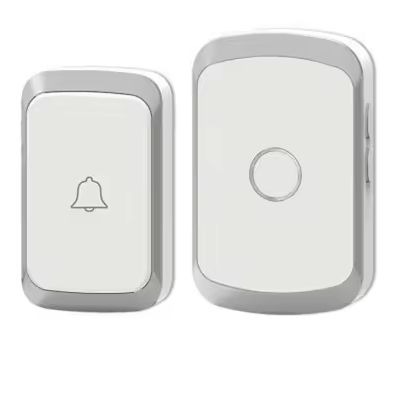
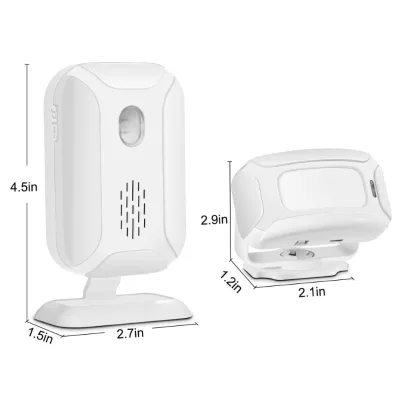
Home Intelligent Door Bell Home Security Systems Remote Control Waterproof Wireless Doorbell
$4.1482 - $6.1167
MOQ: 10 pieces

Shenzhen Alisi Electronic Technology Co., Ltd.
- Trading Company, Distributor/Wholesaler
- Guangdong, China
- Lead time3 days
- Avg. response≤ 2h
Main productselectron component,temperature controller,Auto parts,sensor,Wireless Controller
Main marketsSouth America(20.00%), Eastern Europe(20.00%), North America(15.00%), Western Europe(5.00%), Domestic Market(5.00%), South Asia(5.00%), Southern Europe(5.00%), Northern Europe(5.00%), Central America(5.00%), Eastern Asia(3.00%), Mid East(3.00%), Oceania(3.00%), Africa(3.00%), Southeast Asia(3.00%)
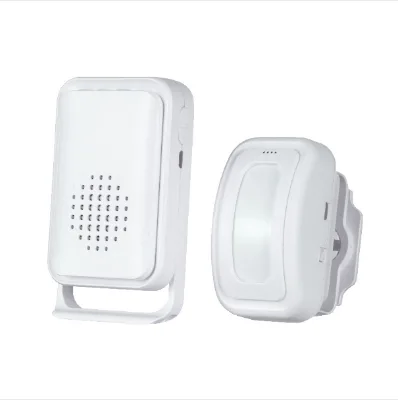
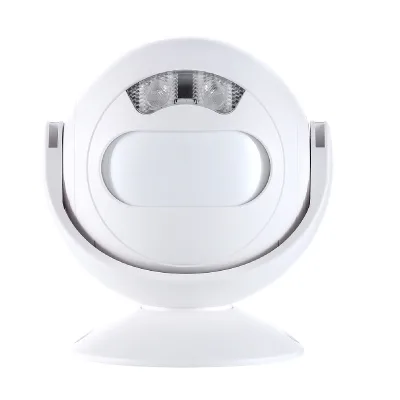
Door bell in and out infrared sensor split intelligent wireless door bell
$4.741 - $12.5494
MOQ: 2 Minimum
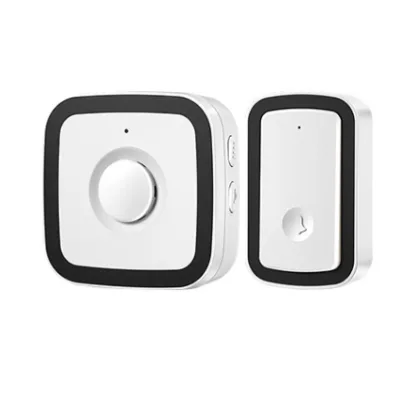
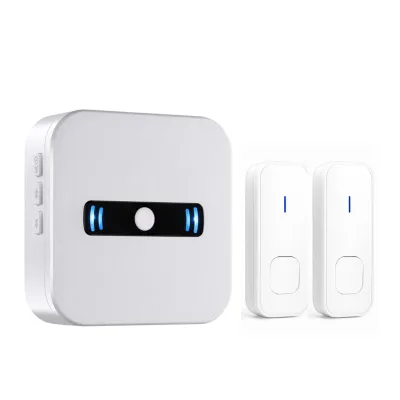
Wireless doorbell home smart waterproof doorbell one pager one receiver
$2.0524 - $4.515
MOQ: 10 Minimum
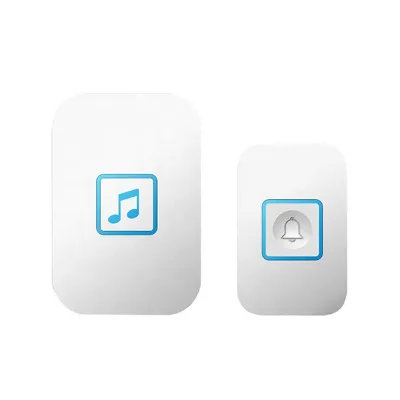
Music electronic wireless doorbell one drag one US, UK and EU specifications
$2.0733 - $4.1452
MOQ: 10 Minimum
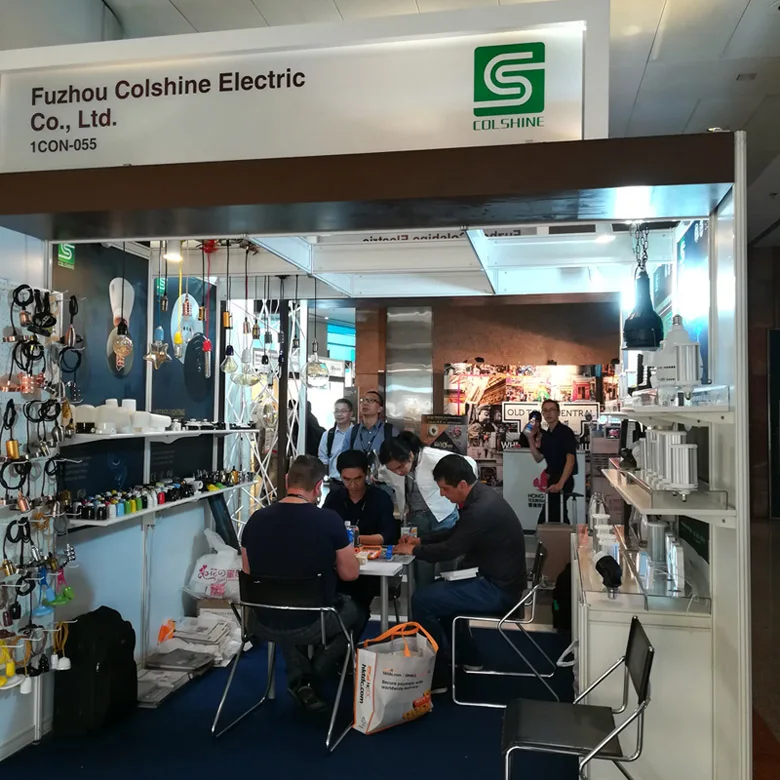
Fuzhou Colshine Electric Co., Ltd.
- Manufacturer, Trading Company
- Fujian, China
- Lead time30 days
- Avg. response≤ 7h
Main productsLed Corn Bulbs,Led High Bays,Sauna Lamp,Retro Switch and Socket,Pendant Light
Main marketsEastern Europe(20.00%), Western Europe(20.00%), Southern Europe(20.00%), Northern Europe(15.00%), South America(10.00%), North America(10.00%), Central America(5.00%)
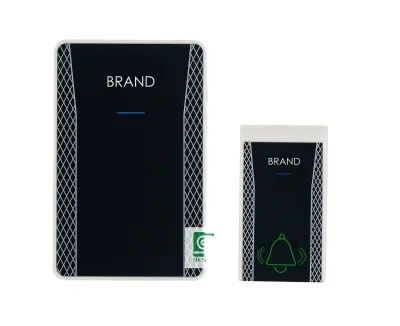
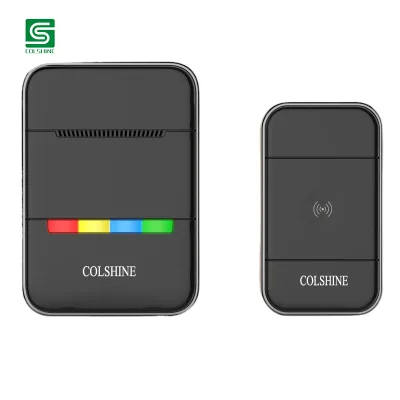
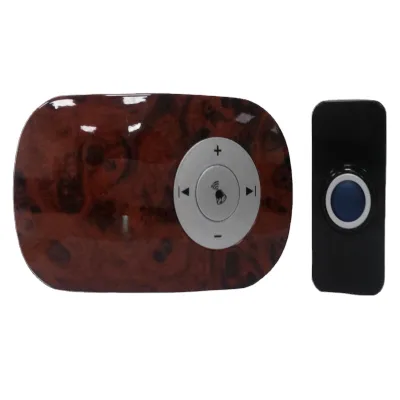
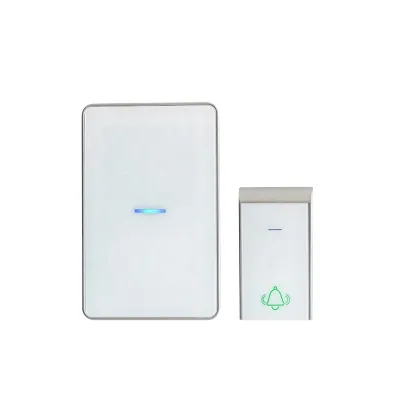
White Plug-in Wireless Doorbell, Acrylic Wireless AC Bell with 35 Rings & Easy Installation
$1.0374
MOQ: 1000 Minimum

Fuzhou Sansheng Industry and Trade Co., Ltd.
- Verified by CTI
- Combined
- China Fujian
- Lead time30 days
- Avg. response≤ 9h
Main productsPorcelain Lamp Holder Insulator Knife Swith, Fuse Holder Plastic Lamp Holder
Main marketsDomestic
- Manufacturer, Trading Company
- Guangdong, China
- Lead time0 days
- Avg. response≤ 7h
Main productsSmart Home Products, Smart Switch Panel, Smart Socket, Smart Breaker, Smart Door Lock
Main marketsNorth America(19.00%), South America(19.00%), Eastern Europe(16.00%), Southeast Asia(16.00%), Southern Europe(9.00%), Western Europe(8.00%), South Asia(6.00%), Mid East(4.00%), Africa(3.00%)
Shenzhen Fengdu Technology Co., Ltd.
- Verified by Intertek
- Trading Company
- Lead time10 days
- Avg. response≤ 4h
Main productsRemote Control, GSM Controller, Infrared Detector, Alarm Products
Main marketsWestern Europe(30%), North America(20%), Eastern Europe(20%)
Shenzhen Chuangxinrui Technology Co., Ltd.
- Verified by TüVRheinland
- Manufacturer, Trading Company
- Lead time12 days
- Avg. response≤ 2h
Main productsTouch Switch, Solar Alarm, Wireless Doorbell
Main marketsSouthern Europe(20%), Domestic Market(20%), Eastern Europe(16%)
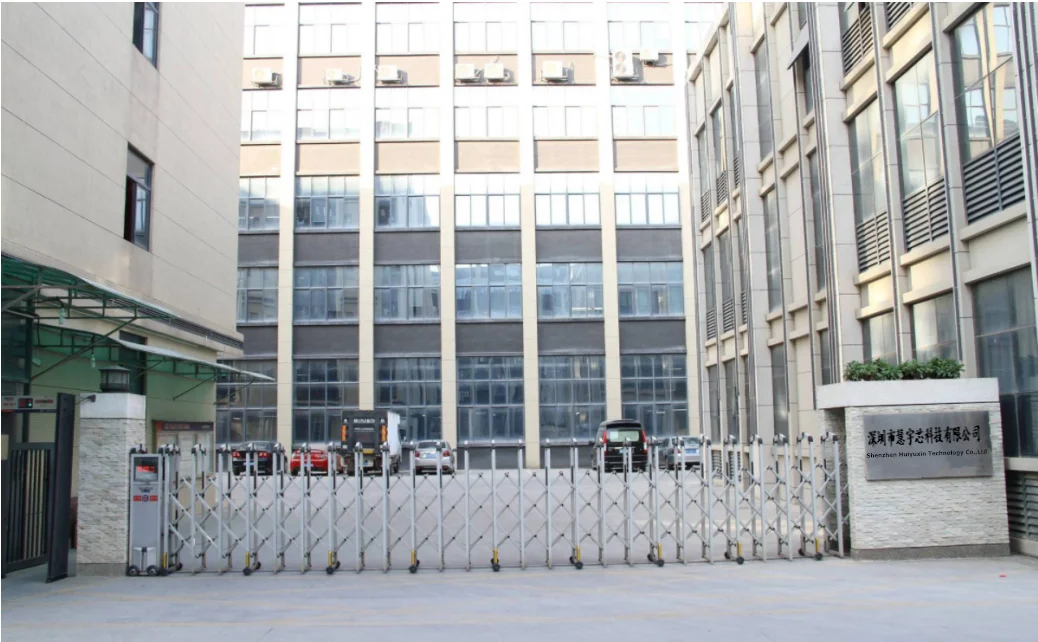
Shenzhen Huiyuxin Technology Co., Ltd.
- Manufacturer, Trading Company
- Guangdong, China
- Lead time15 days
- Avg. response≤ 3h
Main productsRFID Cards,Smart Locks,Access Control Products,RFID Readers,Exit Buttons
Main marketsCentral America(10.00%), Eastern Asia(10.00%), Mid East(10.00%), Africa(10.00%), Southeast Asia(10.00%), South Asia(10.00%), South America(10.00%), North America(10.00%), Southern Europe(7.00%), Eastern Europe(5.00%), Northern Europe(5.00%), Domestic Market(3.00%)
Zhongshan Aiben Intelligent Electrical Appliance Co., Ltd.
- Manufacturer, Trading Company
- Guangdong, China
- Lead time30 days
- Avg. response≤ 4h
Main productsdoorbell,wireless doorbell,self-generated energy doorbell,Pir Motion Sensor doorbell,Alarm System
Main marketsNorth America(30.00%), Northern Europe(20.00%), Eastern Europe(15.00%), Southeast Asia(10.00%), Central America(5.00%), Eastern Asia(5.00%), Mid East(5.00%), South Asia(5.00%), Africa(3.00%), Domestic Market(1.00%), South America(1.00%)

Dongguan Dfm Electronics Co., Ltd.
- Manufacturer, Trading Company
- Guangdong, China
- Lead time35 days
- Avg. response≤ 4h
Main productsKinetic Switch,Wireless Switch,Smart Switch,Smart Light,Smart Solution
Main marketsDomestic Market(25.00%), Western Europe(25.00%), Northern Europe(15.00%), Eastern Europe(10.00%), Southern Europe(10.00%), Eastern Asia(5.00%), Mid East(5.00%), Africa(3.00%), South Asia(2.00%)

Shenzhen Dowdon Technology Co., Ltd.
- Manufacturer, Trading Company
- Guandong, China
- Lead time3 days
- Avg. response≤ 10h
Main productsPhone & Computer Accessories,Consumer Electronic Products,Security & Protection,Electrical Equipment & Supplies,Lights & Lighting
Main marketsWestern Europe(20.00%), North America(20.00%), Oceania(10.00%), Southern Europe(5.00%), Northern Europe(5.00%), Central America(5.00%), South America(5.00%), Eastern Asia(5.00%), Mid East(5.00%), Eastern Europe(5.00%), Africa(5.00%), Southeast Asia(5.00%), South Asia(3.00%), Domestic Market(2.00%)
Shenzhen Aiba Technology Co., Ltd.
- Verified by TüVRheinland
- Manufacturer, Trading Company
- Lead time7 days
- Avg. response≤ 3h
Main productsWireless Remtoe Control, Wireless Remote Control Switch, Wifi Remote Control Switch, Infrared Sensor, Sliding Door Control Board
Main marketsSouth America(36%), Domestic Market(20%), Mid East(10%)

Fuzhou Rongwan E-Commerce Co., Ltd.
- Trading Company
- Fujian, China
- Lead time7 days
- Avg. response≤ 3h
Main productsSmart Phones,Smart Watches,Sports & kids Cameras,Bluetooth Headphones,Wireless Chargers
Main marketsEastern Asia(10.00%), Southern Europe(10.00%), Northern Europe(10.00%), Southeast Asia(10.00%), Eastern Europe(10.00%), Western Europe(10.00%), North America(10.00%), Domestic Market(5.00%), South Asia(5.00%), Mid East(5.00%), Africa(5.00%), Central America(5.00%), South America(5.00%)
Shenzhen Annaimu Electronic Co., Ltd.
- Verified by SGS Group
- Manufacturer, Trading Company
- Lead time7 days
- Avg. response≤ 6h
Main productsWifi Door Sensor, Wifi PIR Sensor, Wifi Alarm System, ZigBee Gateway, ZigBee PIR Sensor
Main marketsNorth America(25%), Western Europe(15%), Northern Europe(15%)
Shenzhen Dowdon Technology Co., Ltd.
- Manufacturer, Trading Company, Distributor/Wholesaler
- Lead time旺季: "1 - 100":3,"101 - 500":5,"501 - 1000":7,"> 1000":"To be negotiated", 淡季: "1 - 100":3,"101 - 500":5,"501 - 1000":7,"> 1000":"To be negotiated"
- Avg. response≤ 14h
Main productsPhone & Computer Accessories,Consumer Electronic Products,Security & Protection,Electrical Supplies,Lights & Lighting
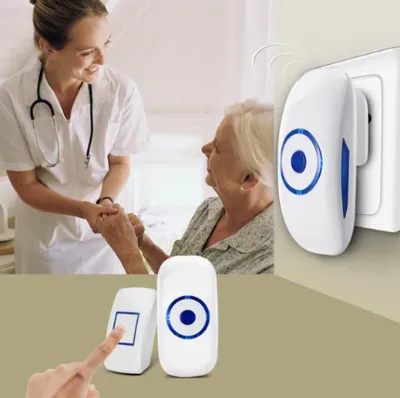
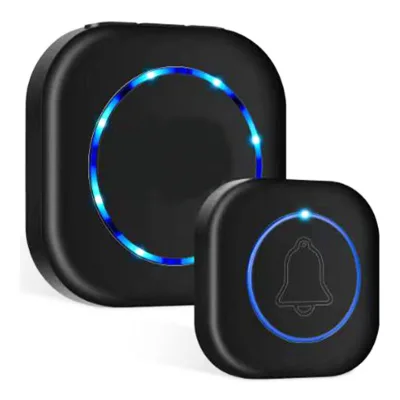
$1.6138 - $3.9012
MOQ: 10 pieces
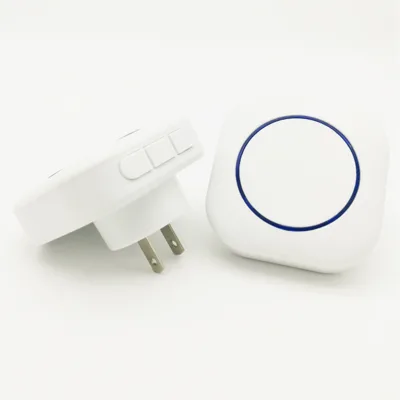
$1.5793 - $3.9221
MOQ: 10 pieces

Shenzhen Daping Computer Co., Ltd.
- Manufacturer, Trading Company
- Guangdong, China
- Lead time15 days
- Avg. response≤ 2h
Main productswifi alarm,smart home,4G alarm,tuya sensors,zigbee sensors
Main marketsEastern Europe(18.00%), Southern Europe(15.00%), South America(10.00%), Western Europe(10.00%), Northern Europe(10.00%), Central America(10.00%), Oceania(8.00%), Africa(5.00%), North America(5.00%), South Asia(2.00%), Mid East(2.00%), Southeast Asia(2.00%), Domestic Market(2.00%), Eastern Asia(1.00%)

Xuzhou Dragon Guard Industrial Co., Ltd.
- Verified by SGS
- Combined
- China Jiangsu
- Lead time15 days
- Avg. response≤ 6h
Main productssecurity products and solutions
Main marketsAfrica,Southeast Asia/ Mideast,Domestic,Europe,North America

1080P Smart Doorbell with Visual Recording and Dual Audio Functionality
$28.90 - $31.90
MOQ: 10 Pieces

Shenzhen King-Serry Electronics Co., Ltd.
- Verified by TüVRheinland
- Manufacturer, Trading Company
- Lead time1 days
- Avg. response≤ 3h
Main productsBike Alarm, Bike Lights, Window And Door Alarm, Welcome Doorbell, Remote Control Switch
Main marketsNorth America(25%), Western Europe(18%), Southern Europe(15%)

Shenzhen Able Technology Co., Ltd
- Verified by SGS
- Combined
- China Guangdong
- Lead time30 days
- Avg. response≤ 6h
Main productsEnergy Saver Card Switch, Touch Wall Switch, Hotel Doorbell System, Dimmer Thermostate Switch, Curtin Switch, Hotel Doorplate, Hotel Rcu System, Wall Socket, Dnd Doorplate
Main marketsDomestic

- Verified by TUVRHEINLAND
- Manufacturer/Factory
- China Guangdong
- Lead time15 days
- Avg. response≤ 14h
Main productsHotel Lock, Electronic Lock, IC Card Lock, Cabinet Lock, Magnetic Card Lock, MIFARE Card Lock, Locker Lock, Digital Lock, Fingerprint Lock, RFID Card Lock
Main marketsSouth America,Eastern Europe,Mid East,North America,Southeast Asia,Eastern Asia,Oceania,Western Europe,Africa
Quanzhou Daytech Electronics Co., Ltd.
- Verified by SGS Group
- Manufacturer, Trading Company
- Lead time15 days
- Avg. response≤ 5h
Main productsCalling System Pagers, Walkie Talkie, Alarm, Doorbell
Main marketsNorth America(20%), Eastern Europe(15%), Southeast Asia(10%)


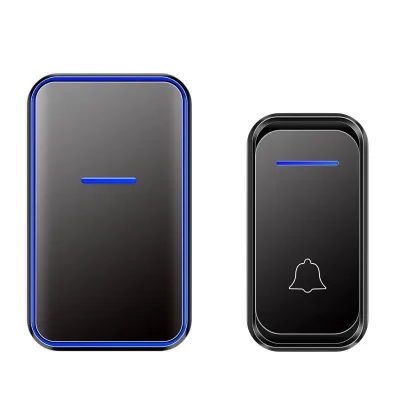
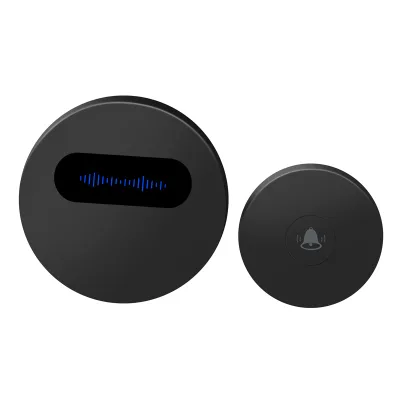
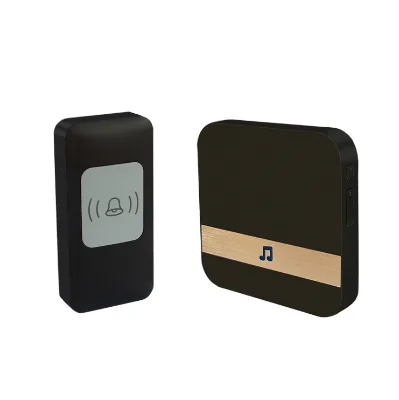


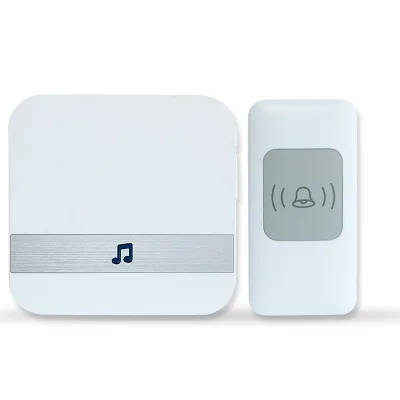


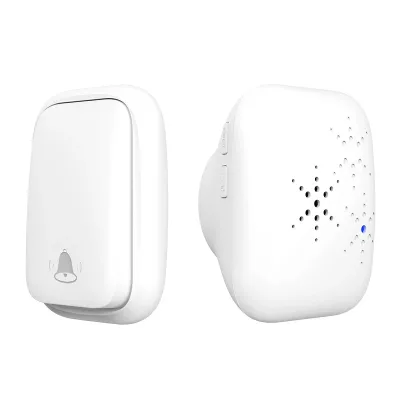
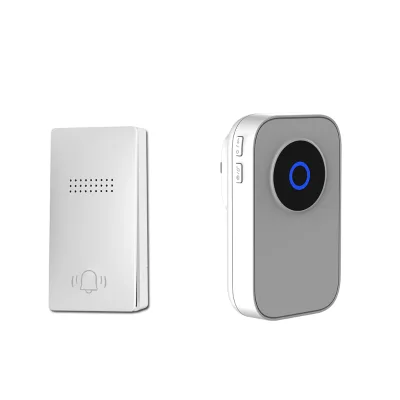
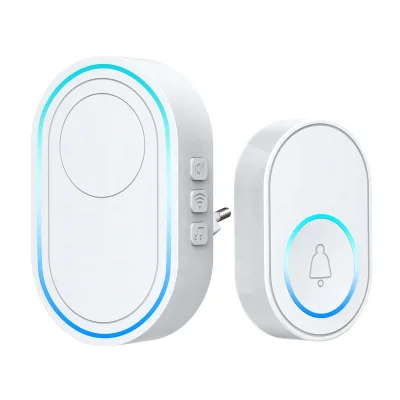
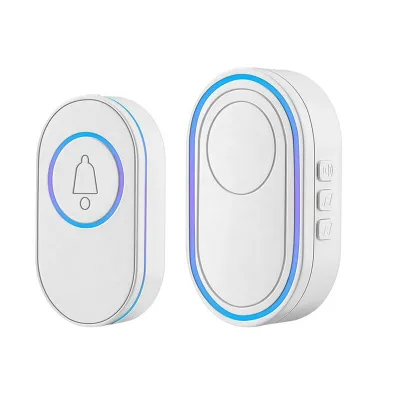
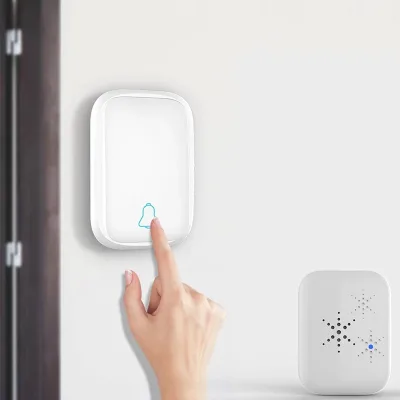
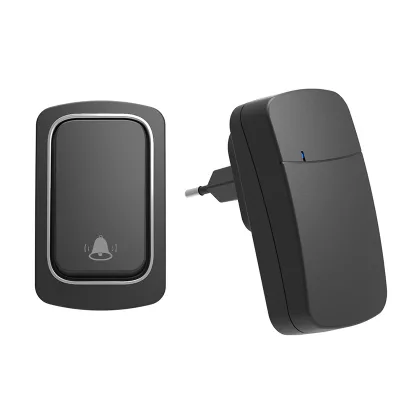
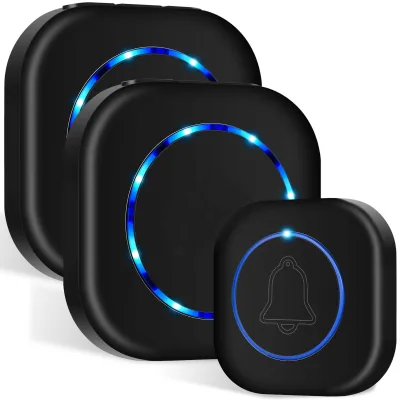
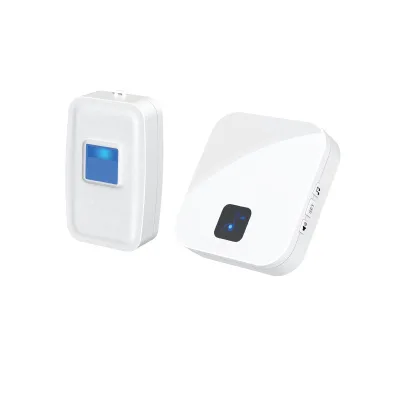
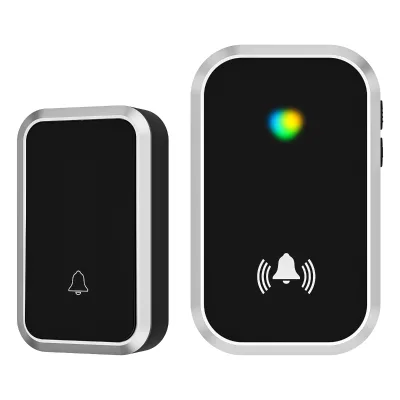
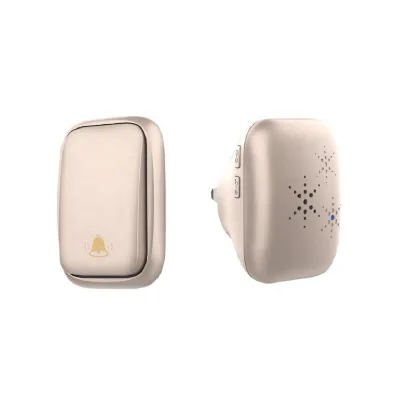
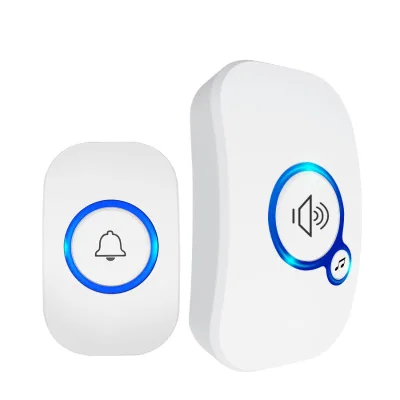
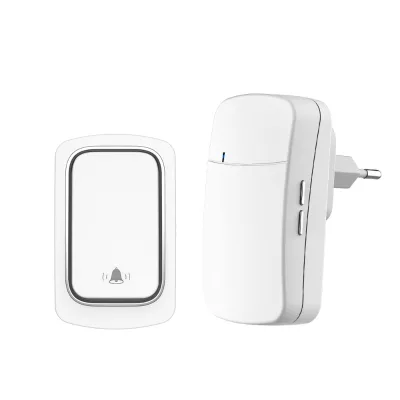
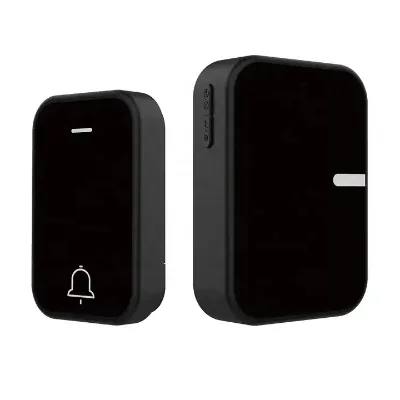
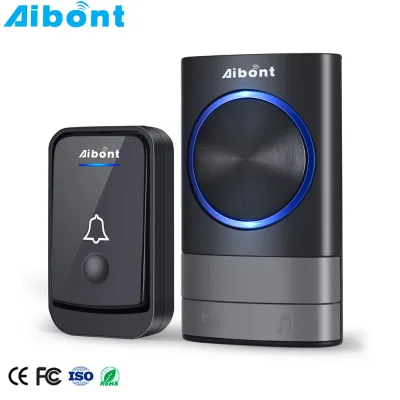
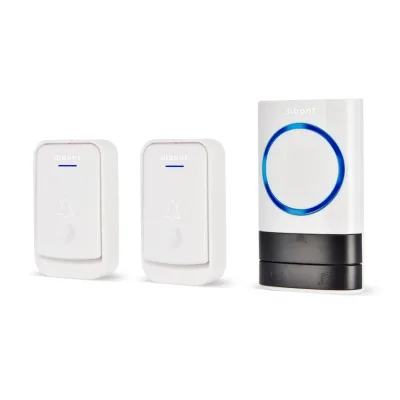
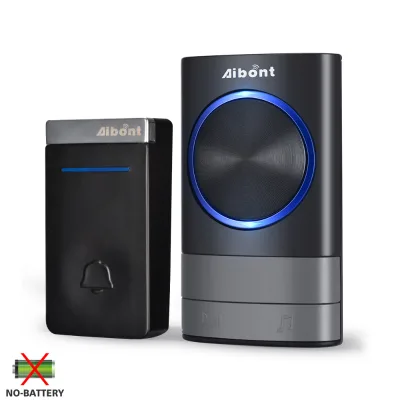
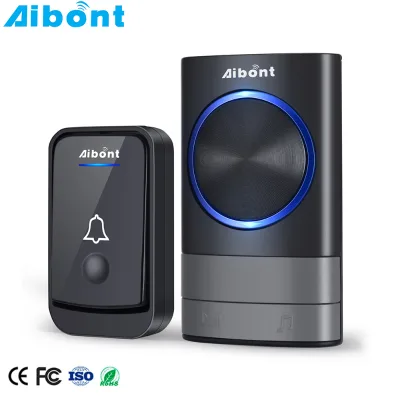
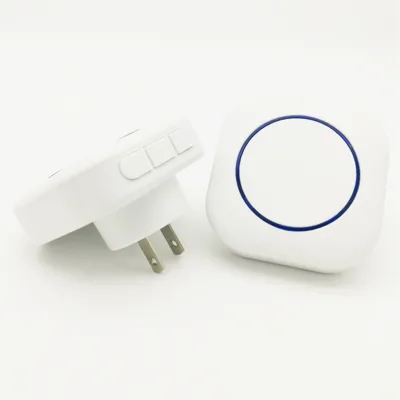
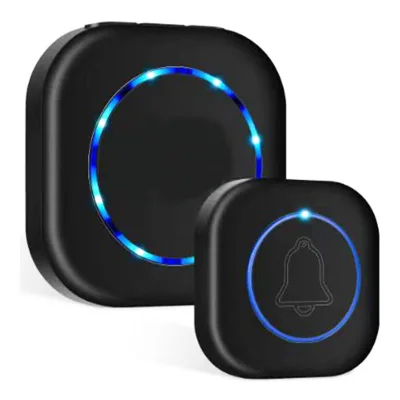
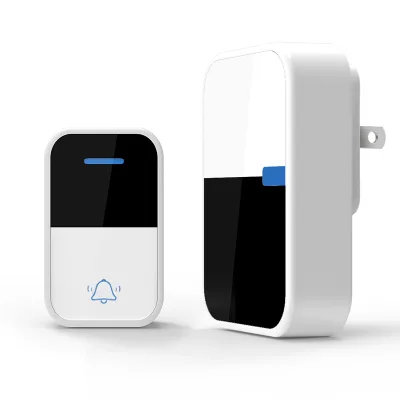
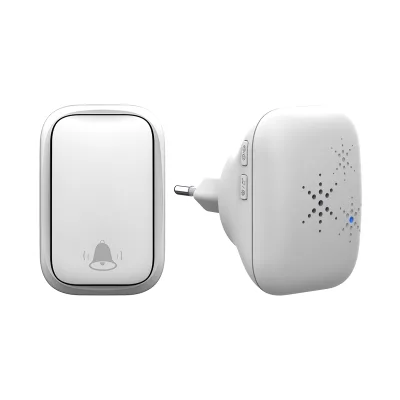
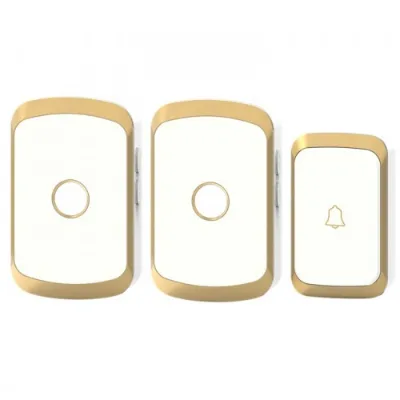
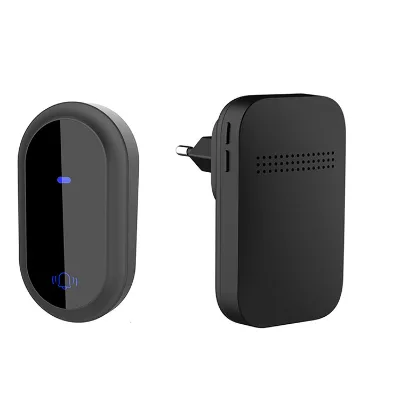
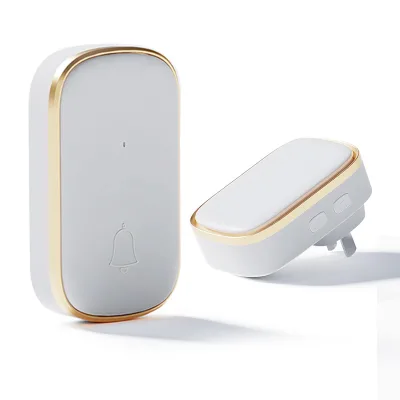
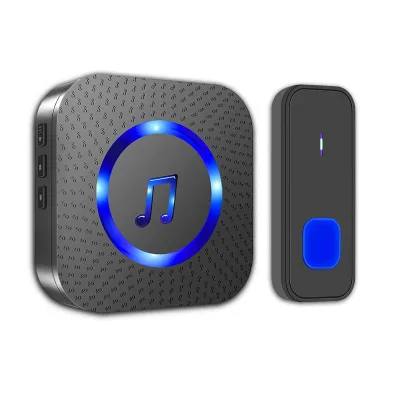



Comprehensive Sourcing Guide
CE Rohs Wireless Door Bell Supplier Concentration and Factory Types
When sourcing a CE Rohs Wireless Door Bell, the first structural question is which suppliers are manufacturers and which are trading companies, because the two groups behave differently on price, customization and accountability. In the current supplier results, the company types on display include a combined manufacturer-trader model, a hybrid Trading Company/Manufacturer-Factory profile, and a pure trading company. This mix is typical for this category: wireless door bells are relatively compact, battery- or plug-powered electronics, so factories can serve buyers directly while traders aggregate multiple factories to widen product choice. A combined or hybrid supplier can be attractive when you want factory pricing but also merchandising support, while a trader may suit buyers who need a broader catalog spanning door bells, alarms, night lights and related electrical products.
Cluster identification should be treated as a verification task rather than an assumption. Where a location is explicitly supplied in the listing data, you can use it: the results show suppliers based in Zhejiang, Fujian and Anhui, and product records in this category do list origins such as Zhejiang, China. For any supplier without a displayed location, ask directly for the manufacturing address and confirm it on business documentation before assuming a coastal electronics cluster. Do not infer a province from product keywords. Once locations are confirmed, note that proximity matters less for door bells than for bulky goods; what changes by region is the surrounding component supply, so ask each candidate which parts are sourced locally versus from elsewhere, and how that affects both lead time consistency and your ability to audit the final assembly site in person.
How to Verify CE Rohs Wireless Door Bell Suppliers
Verification starts with the credentials actually displayed, then moves to what is missing. In the current results, third-party verification badges appear for some suppliers—TUV Rheinland for one and SGS for another—while system certifications vary widely: one supplier lists no system certification at all, another lists BSCI, ISO 9000, ISO 9001, ISO 14001 and ISO 14000, and a third lists QC 080000 and HACCP. None of these system certificates is a product CE or RoHS approval by itself, so you must verify the CE and RoHS claims at the product level. The product records here show declared standards such as CE, ROHS on one model and CE, FCC, RoHS on another, but a declaration on a listing is not a test report. Request the actual DoC, the RoHS report from a recognized laboratory, and check the certificate number against the issuing body's database.
The second verification layer is operational. Ask each supplier for its business license and confirm the registered scope covers the products you are buying, and reconcile the stated company type—combined, trading, or factory—with the address they give you. If a supplier claims OEM and ODM capability, as several listings here do, ask which models have actually been customized for other buyers and what the customization covered: housing color, chime sounds, logo printing, or circuit changes. Verify sample quality against the declared attributes, such as waterproof rating, power source and battery type, since listings may state properties that are not independently confirmed. Finally, for a CE Rohs Wireless Door Bell destined for the EU, confirm who holds responsibility for the declaration of conformity and technical file, because if a trader cannot identify the factory, that responsibility chain is broken.
What to Compare Across CE Rohs Wireless Door Bell Suppliers
Build the comparison on the dimensions that are actually shown in supplier profiles, then fill gaps through questions. Displayed attributes in these results include location, company type, main products, third-party verification, system certifications, average response time, lead time, and R&D or production capability labels such as OEM, ODM or own brand. For example, response times shown here range from roughly four hours to about eighteen hours, and stated lead times range from around 23 days to 30 days—differences that matter if you replenish seasonally. One supplier lists its own brand alongside OEM and ODM, which signals established design capacity, while others list only OEM and ODM. Treat each displayed attribute as a claim to test, not a guarantee, and note that some listings show no value for a given attribute; in that case the field is unknown, not unfavorable.
On the product side, compare concrete listing data: model numbers, MOQ, price ranges, packing formats and declared standards. Current listings show MOQs as low as 10 pieces on one digital wireless door bell model and 500 or 1000 pieces on others, with prices spanning roughly one dollar to eleven dollars depending on type—basic digital units at the low end and plug-powered MP3 or waterproof models at the high end. Compare like with like: a battery-powered remote doorbell is not comparable to an AC-powered long-range unit with remote unlocking. Also weigh the breadth of main products—some suppliers cover door bells alongside alarms, microphones and mosquito repellers, while others focus on lighting—because catalog breadth indicates what a supplier can realistically add later, but also how much attention your category gets.
Common CE Rohs Wireless Door Bell Sourcing Risks
The most frequent risk in this category is certification ambiguity. Listings commonly display "CE, ROHS" among product keywords, but keywords are search tags, not evidence. A supplier with strong system certification may still lack current product test reports, and a supplier with no system certification is not automatically unsafe—our data shows one well-verified supplier with a NIL system certification—yet it shifts more of the burden onto your own testing. A second risk is specification drift between sample and production: battery type, waterproofing, chime volume and button range are all attributes that factories can quietly substitute. The listings here declare details like LR44 or AAA batteries for the button and AA or AAA batteries for the chime; confirm those exact specifications in a signed specification sheet, because substituting a cheaper cell changes both performance and compliance.
A third risk is misjudging the company type. A trading company presenting factory imagery may simply forward your order, adding margin and delay; conversely, dismissing traders too quickly can cost you access to wider product ranges. Verify by asking for photos and names of the production lines that will run your model, not just showroom pictures. Fourth, watch for mixed message timing: fast response time does not equal fast delivery. One supplier in the data responds in about four hours while others take much longer, but the slower-responding supplier lists a shorter lead time. Finally, packing is a common weak point—blister and clamshell packs, or suction packaging, must survive container transit—so specify drop-test requirements. Any price that seems dramatically below the ranges shown in comparable listings usually hides a downgrade somewhere; locate it before paying a deposit.
CE Rohs Wireless Door Bell Regional Sourcing and Logistics
Regional analysis should rest on the location data that suppliers actually display. In the current results, the three provinces represented are Zhejiang, Fujian and Anhui, and product origins cited in listings include Zhejiang, China. These provinces differ in character: Zhejiang and Fujian are coastal provinces with established export infrastructure, while Anhui is inland and often serves as a manufacturing base with connections through eastern ports. When a supplier's province is displayed, use it to frame questions about which port the goods will ship from and what the realistic door-to-port transport time is. When no location is displayed, ask for it before comparing logistics, because an inland factory with a coastal consolidation agent can outperform a coastal factory with poor freight handling.
For a CE Rohs Wireless Door Bell, logistics planning is straightforward but detail-sensitive. Stated lead times in these results run from about 23 to 30 days, and one listing states delivery within 30 days; add sample time, production scheduling and shipping on top. Unit weights are small—one plug-powered model lists a standard weight of 0.2 kg—so air freight is viable for urgent top-ups, while sea consolidation suits replenishment orders. Battery content affects how the goods ship: button cells and AA/AAA batteries declared in these listings can influence carrier rules and destination regulations, so confirm battery arrangements, whether included or excluded, in writing. For EU-bound orders, verify labeling, packaging language and any WEEE-related packaging requirements during the logistics review, since these obligations attach to the importer. Ask each supplier which shipping terms it can support and whether it has shipped to your destination market before.
CE Rohs Wireless Door Bell Commercial Terms and Order Planning
Commercial planning should begin with the MOQ and price structures actually quoted, then negotiate around them. Current listings show MOQs of 10, 500 and 1000 pieces on different wireless door bell models, which gives buyers at different scales realistic entry points; a 10-piece MOQ suits sample-market testing, while 1000-piece commitments typically unlock the lowest price bands, such as the roughly one-dollar range shown for AC-powered digital models against eleven dollars for a plug-in MP3 waterproof unit. Confirm whether quoted prices include battery, blister or clamshell packing, logo printing and carton marking, because packing choices appear in these listings as variables. Ask for a tiered price table rather than a single figure, and align it with the customization options the supplier claims to offer.
Order scheduling should respect the displayed lead times and your own selling calendar. With stated lead times around 23 to 30 days, place repeat orders before inventory runs low rather than reacting to stockouts; seasonal products like door bells spike before holidays, so anchor your purchase order dates to retail promotional calendars. Use staged payments—deposit with balance after inspection—and consider escrow-style arrangements where the platform supports them; note that whether escrow is available must be verified per supplier, as the current results do not display it. Before balance payment, run a pre-shipment inspection checking waterproofing claims, chime function, battery installation, CE marking placement and packing integrity. Finally, document everything agreed verbally—model number, certification copies, delivery date and packing format—into the purchase contract, since listing attributes can change between inquiry and order confirmation without notice.
Word count: approximately 1,390
FAQs
What is the price range for CE ROHS wireless door bells?
Prices for these units typically range from $1.00 to $11.00 per piece depending on features and volume. Basic digital models start near $1.20, while advanced waterproof or MP3-enabled versions cost more. Buyers should verify specific pricing tiers with suppliers to confirm exact costs for their order quantity.
What are the minimum order quantities for these products?
Minimum order quantities vary significantly by supplier and product type. Some manufacturers accept orders as low as 10 pieces, while others require 500 or 1000 units. Buyers must check the specific MOQ listed for each item to ensure it aligns with their procurement volume and budget constraints.
How long does production and delivery take?
Lead times generally range from 23 to 30 days after order confirmation. Some suppliers indicate delivery within 30 days, while others may take up to a month for production. Buyers should confirm the exact lead time with the supplier before placing orders to manage inventory planning effectively.
Are these door bells suitable for outdoor use?
Yes, many models are explicitly rated as waterproof, with some achieving IP67 standards for outdoor durability. These units are designed to withstand weather conditions while maintaining functionality. Buyers should verify the specific waterproof rating and power source requirements to ensure suitability for their intended outdoor installation environment.
What certifications do these wireless door bells hold?
Products commonly hold CE, ROHS, and FCC certifications, ensuring compliance with international safety and environmental standards. These certifications verify that the electronic components meet regulatory requirements for wireless transmission and material safety. Buyers should request valid certification documents from suppliers to confirm compliance for their target markets.
Can suppliers provide OEM or ODM services?
Many suppliers offer both OEM and ODM capabilities, allowing for custom branding and design modifications. Buyers can request custom packaging, colors, or functional adjustments to meet specific market needs. It is advisable to discuss customization options and associated costs directly with the supplier to ensure feasibility.