CE Stainless Steel Orthodontic Plier Suppliers and Manufacturers
Compare 23 verified suppliers offering CE Stainless Steel Orthodontic Plier with details on location, lead times, and certifications. Review product attributes like hardness and material to select the right vendor for your dental needs; review the available evidence before requesting comparable quotations from suitable candidates.
Suppliers List
Changsha Easyinsmile Medical Instrument Co., Ltd.
- Manufacturer, Trading Company
- Hunan, China
- Lead time45 days
- Avg. response≤ 5h
Main productsDental Orthodontic Bracket,Ultrasonic Scaler,Dental Handpiece,Portable X-ray,Dental disposable product
Main marketsNorth America(35.0%), South America(30.0%), South Asia(12.0%), Eastern Europe(10.0%), Western Europe(9.0%), Southeast Asia(4.0%)
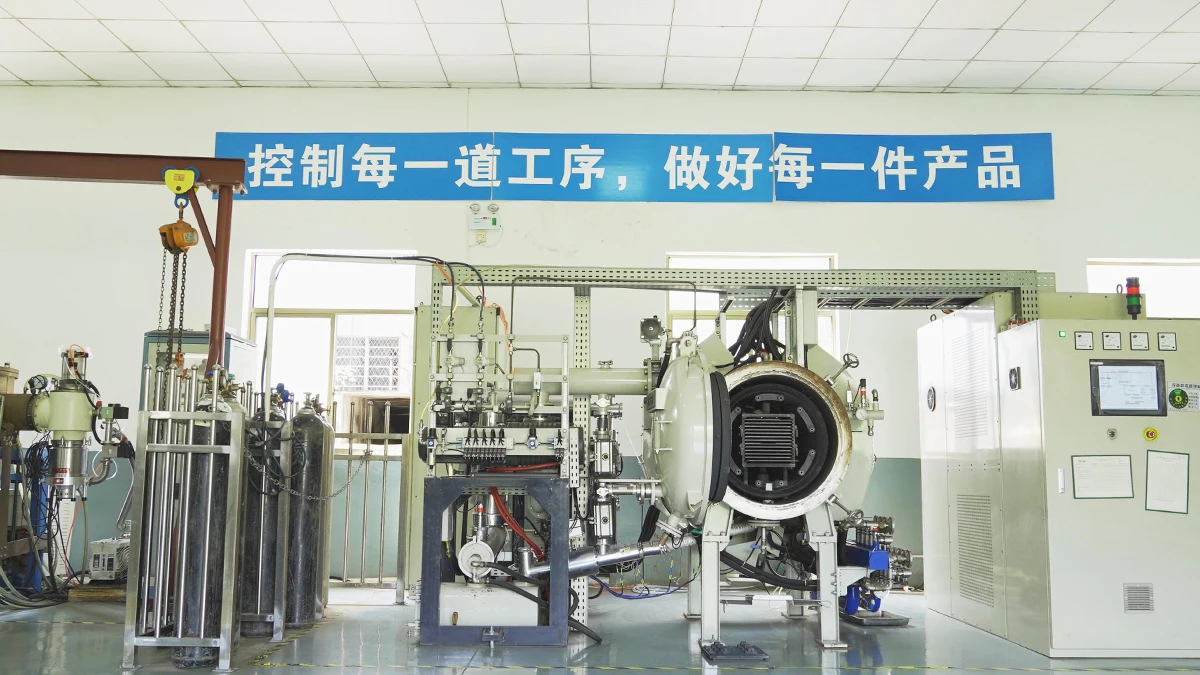
Ningbo Guber Dental Technology Co., Ltd.
- Manufacturer, Trading Company
- Zhejiang, China
- Lead time4 days
- Avg. response≤ 2h
Main productsorthodontic brackets,dental equipments,dental brace,braces for teeth,orthodontic kit
Main marketsNorthern Europe(10.0%), Central America(10.0%), Western Europe(10.0%), Eastern Asia(10.0%), South America(10.0%), Mid East(10.0%), Domestic Market(5.0%), South Asia(5.0%), Southern Europe(5.0%), Oceania(5.0%), Africa(5.0%), Southeast Asia(5.0%), Eastern Europe(5.0%), North America(5.0%)
Wuhan Jinguang Medical Technology Co., Ltd. Sales Branch
- Verified by Intertek
- Manufacturer, Trading Company
- Lead time15 days
- Avg. response≤ 4h
Main productsDental Lab Equipment, Dental Scanner, Sterilization Machine, Dental Burs, Dental Box
Main marketsDomestic Market(48%), North America(10%), Mid East(10%)
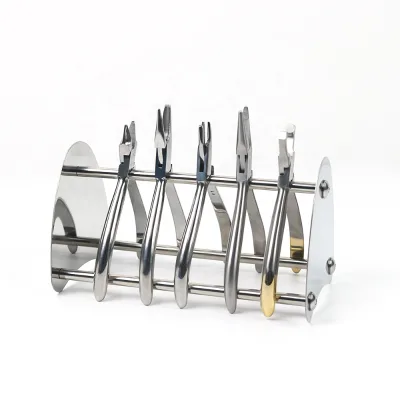
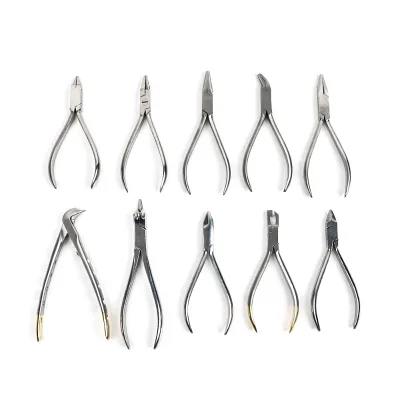
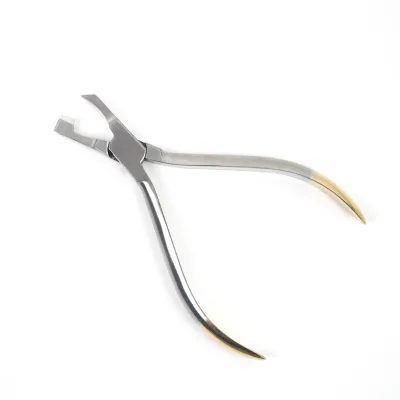
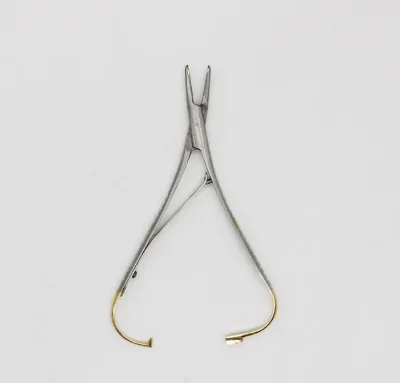
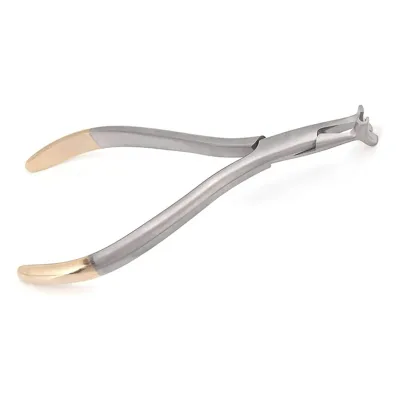
Dental Orthodontic Band Removing Long Posterior Pliers
Contact supplier

Zhengzhou Ulike Dental Equipment Co., Ltd.
- Verified by BV
- Manufacturer/Factory
- China Henan
- Lead time15 days
- Avg. response≤ 2h
Main productsDental Bracket, Acrylic Resin Teeth, Dental Chair, Dental Air Compressor, Dental X Ray Machine, Dental Sterilization, Teeth Whitening Machine, Dental Apex Locator, Dental Endo Motor, Dental Handpiece
Main marketsNorth America,Southeast Asia,Western Europe,Africa


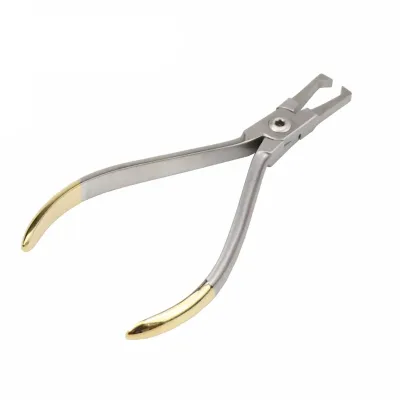
Dental Instruments Bracket Remover Orthodontic Plier Stainless Steel Dental Plier
$30.00 - $32.00
Moq: 1


Hangzhou Als Dental Appliance Co., Ltd.
- Manufacturer, Trading Company
- Zhejiang, China
- Lead time5 days
- Avg. response≤ 3h
Main productsBracket,Molar Band,Buccal Tube,Ligature Tie,Ligature Wire
Main marketsSouth America(38.0%), North America(27.0%), Eastern Europe(8.0%), Southern Europe(5.0%), Northern Europe(5.0%), Southeast Asia(5.0%), Africa(4.0%), Western Europe(3.0%), Eastern Asia(2.0%), Oceania(1.0%), Mid East(1.0%), Central America(1.0%)
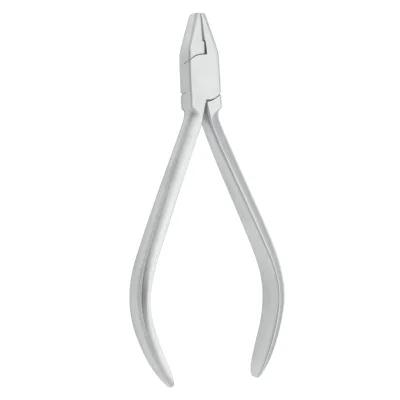
Orthodontic Hollow Chop Plier for Braces Wire Cutting Durable Stainless Steel Pliers
$28.00 - $42.00
Moq: 20

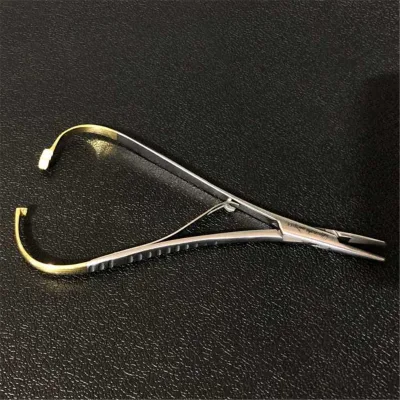
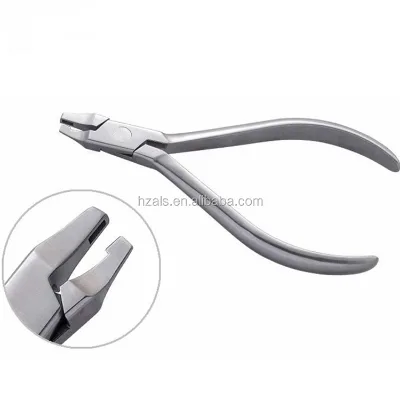
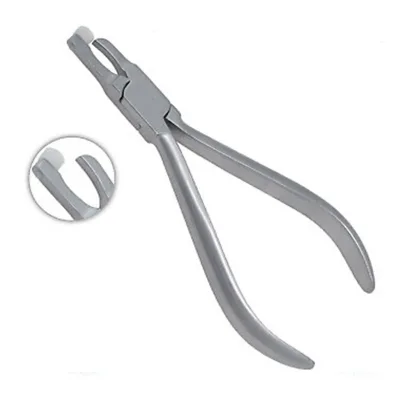

- Verified by TUVRHEINLAND
- Combined
- China Hebei
- Lead time15 days
- Avg. response≤ 7h
Main productsEndodontic Instruments, Orthodontic, Dental Photography, Denture Box, Dental Micro Applicator, Dental Instrument Container, Hygiene and Protection, Cheek Retractor Mouth Prop, Dental Impressions, Acrylic
Main marketsNorth America

HENAN BAISTRA INDUSTRIES CORP.
- Verified by TUVRHEINLAND
- Trading Company
- China Henan
- Lead time15 days
- Avg. response≤ 3h
Main productsDental Equipment, Medical Equipment, Dental Uinit, Water Distiller, Dental Materials, Orthodontic Bracket, Dental Handpiece, LED Curing Light, Dental Resin, Dental Instrument
Main marketsSouth America,Eastern Europe,North America,Eastern Asia,Africa

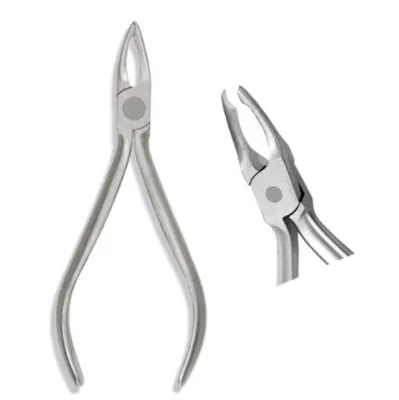
Azdent Orthodontic Stainless Steel Dental Forceps Crimpable Hook Placement Plier
$27.00 - $33.00
Moq: 1

Azdent Dental Instrument Tool Orthodontic Plier Stainless Steel Distal End Cutter
$9.00 - $11.00
Moq: 20


Foshan Anzhe Medical Instrument Co., Ltd.
- Manufacturer, Trading Company, Distributor/Wholesaler
- Guangdong, China
- Lead time15 days
- Avg. response≤ 1h
Main productsdental chair,dental air compressor,dental suction unit,Portable Pets Veterinary,dental handpiece
Main marketsMid East(20.0%), Southeast Asia(15.0%), South America(15.0%), Domestic Market(10.0%), Central America(10.0%), Eastern Asia(8.0%), Africa(5.0%), Eastern Europe(5.0%), Oceania(3.0%), Northern Europe(3.0%), North America(2.0%), Southern Europe(2.0%), Western Europe(2.0%)

Foshan Gladent Medical Instrument Co., Ltd.
- Verified by TUVRHEINLAND
- Combined
- China Guangdong
- Lead time15 days
- Avg. response≤ 3h
Main productsDental Chair, Dental Unit, Oil-Free Air Compressor, Air Compressor, Dental Equipment, Dental Products, Dental Instrument, Medical Equipment, Dental Air Compressor
Main marketsEurope
Changsha Tiantian Dental Equipment Co., Ltd
- Verified by SGS Group
- Manufacturer, Trading Company
- Lead time30 days
- Avg. response≤ 6h
Main productsOrthodontic Brackets, Orthodontic Pliers, Dental Implantation Instrument Set, Dental Extracting Instrument, Orthodontic Buccal Tube
Main marketsDomestic Market(80%), North America(10%), Eastern Asia(3%)
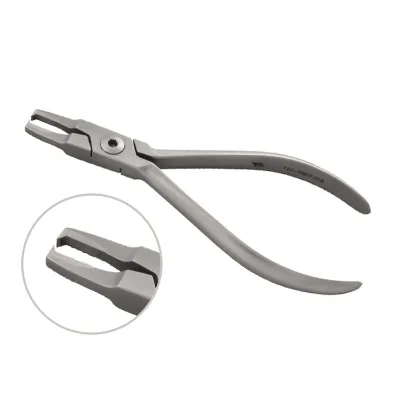
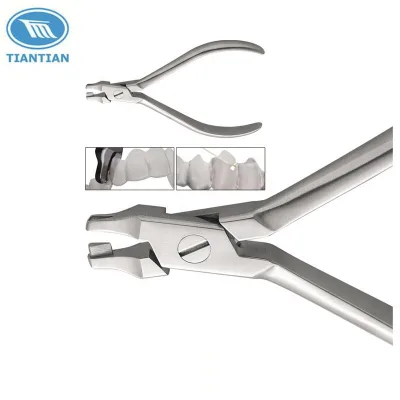
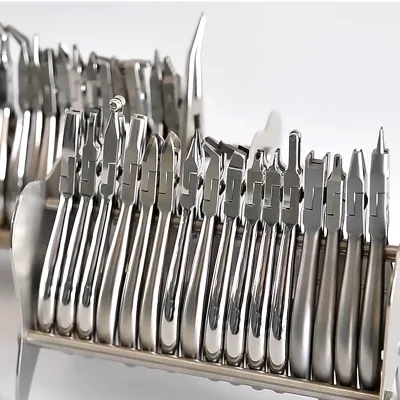
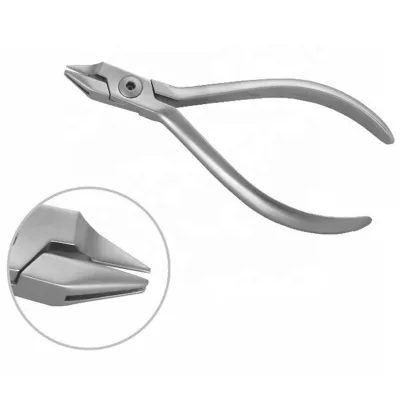
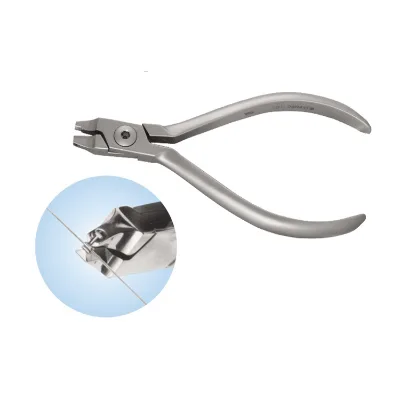
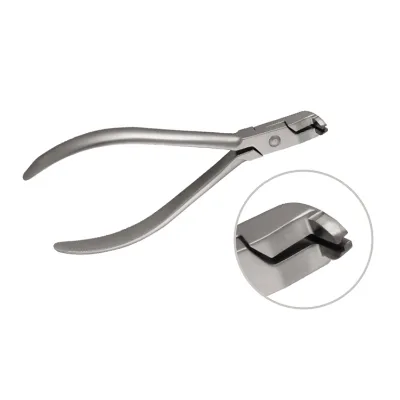
Tiantian Dental Surgical Instruments Orthodontic Pliers Clamps for Teeth Aligners
$61.36 - $71.59
Moq: 5
Guangzhou E-Luck Medical Technology Co., Ltd.
- Trading Company
- Guangdong, China
- Lead time10 days
- Avg. response≤ 9h
Main productsDental unit,Dental High Speed Handpiece,Dental Orthodontic,Dental Endomotor,Diamond Burs
Main marketsSoutheast Asia(40.0%), Mid East(30.0%), Domestic Market(5.0%), South America(5.0%), Africa(5.0%), North America(5.0%)

Stardent Equipment Co., Limited
- Verified by SGS
- Trading Company
- China Guangdong
- Lead time15 days
- Avg. response≤ 8h
Main productsDental Equipment/Medical Equipment, Dental Instrument/Lab Equipment, Hospital Equipment/Surgical Instrument, Dental Unit/Medical Supply/Diagnostic Equipment, Dental Handpiece/Dental Supply, Dental Chair/Dental Chair Unit/Medical Supply, Dental Material/Medical Products, Dental Product/Ultrasonic Cleaner, Dental Burs/Diamond Burs/Lab Equipment, Teeth Whitening Machine/Surgical Equipment
Main marketsSoutheast Asia/ Mideast,Europe,North America

Wuhan Jinguang Medical Technology Co., Ltd.
- Verified by CTI
- Combined
- China Hubei
- Lead time23 days
- Avg. response≤ 10h
Main productsDental Equipment, Dental Lab Products, Dental Supplies, Medical Disposables, Dental Materials
Main marketsSouth America,Europe
Henan Baistra Industries Corp.
- Verified by TüVRheinland
- Trading Company
- Lead time7 days
- Avg. response≤ 2h
Main productsOrthodontic Bracket, Dental Bur, Dental Handpiece, Dental Chair, X Ray Machine
Main marketsSouth America(37%), North America(13%), Southeast Asia(13%)
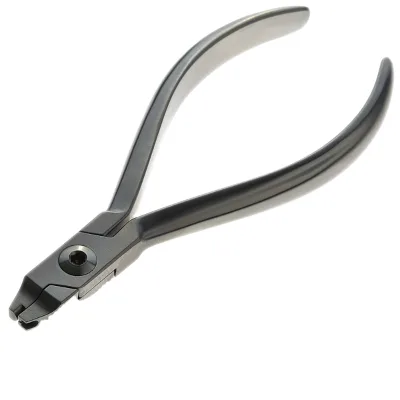
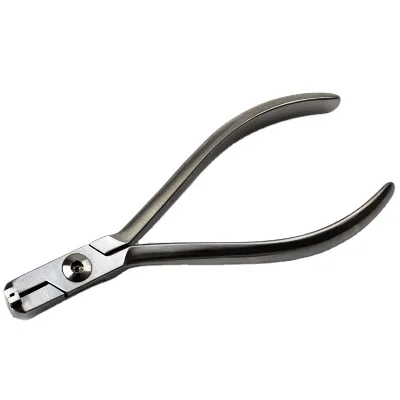
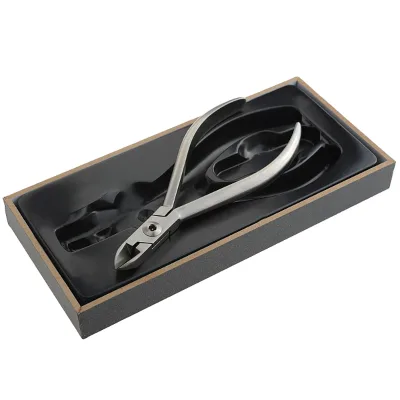
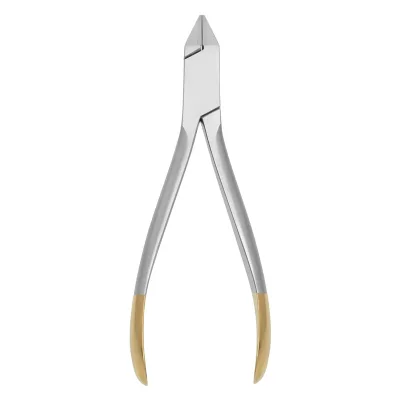
Dental Orthodontic Pliers Arch Wires Plier Ligature Wire Cutter
Contact supplier

Foshan SCS Medical Instrument Co., Ltd.
- Verified by BV
- Manufacturer/Factory
- China Guangdong
- Lead time15 days
- Avg. response≤ 5h
Main productsDental Unit / Dental Chair, Ent Unit, Dental Handpiece, Curing Light, Autoclave, Air Compressor, Scaler, Oral Camera / Monitor, X-ray Equipment, Diamond Burs / Files
Main marketsSouth America,Eastern Europe,Mid East,North America,Southeast Asia,Eastern Asia,Oceania,Western Europe,Africa
Changsha Easyinsmile Intelliegence Technolegy Co., Ltd.
- Manufacturer, Trading Company
- Hunan, China
- Lead time45 days
- Avg. response≤ 3h
Main productsDental Orthodontic Bracket,Ultrasonic Scaler,Dental Handpiece,Portable X-ray,Dental disposable product
Main marketsNorth America(35.0%), South America(30.0%), South Asia(12.0%), Eastern Europe(10.0%), Southern Europe(9.0%), Southeast Asia(4.0%)
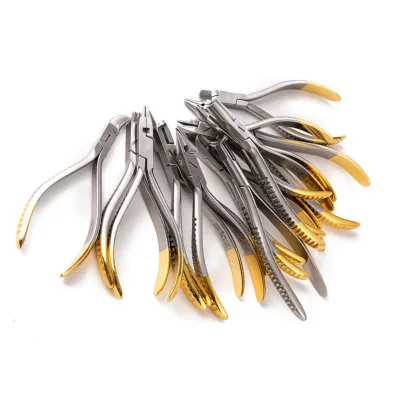
Stainless Steel Plier Multi-Functional Pliers 1pc/box Dental Orthodontics Plier
$20.00 - $23.00
Moq: 10
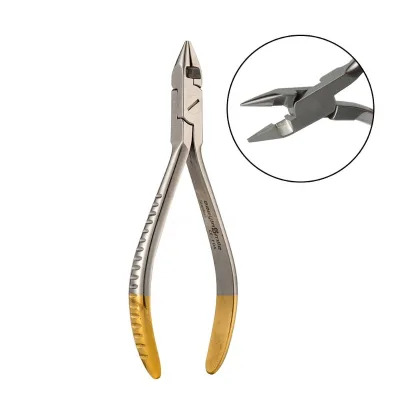
Easyinsmile Dental Orthodontics Plier Stainless Steel Pliers with Cutter for Archwires
$20.00 - $23.00
Moq: 10
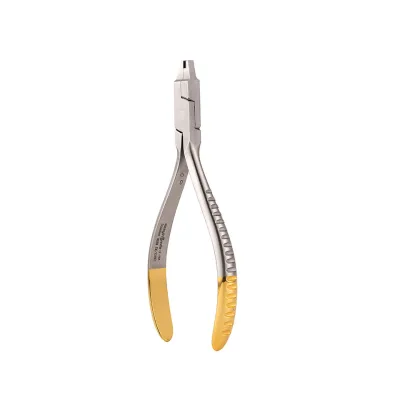

Foshan Vokodak Medical Equipment Co., Ltd.
- Verified by TUVRHEINLAND
- Trading Company,Manufacturer/Factory
- China Guangdong
- Lead time23 days
- Avg. response≤ 10h
Main productsDental Equipment, Dental Chair, Dental Handpiece, Dental Products, Dental Cameral, Dental Compressor, Dental Dimond Burs, Dental File, Utrasonic Scaler, Dental Unit
Main marketsSouth America,Eastern Europe,Mid East,North America,Southeast Asia,Eastern Asia,Oceania,Western Europe,Africa
Ningbo Aimeichi Technology Co., Ltd.
- Verified by SGS Group
- Trading Company
- Lead time8 days
- Avg. response≤ 2h
Main productsdental handpiece, dental lab/clinical equipment, dental consumable materials, dental instruments, orthodontic materials
Main marketsNorth America(15%), South America(15%), Mid East(15%)
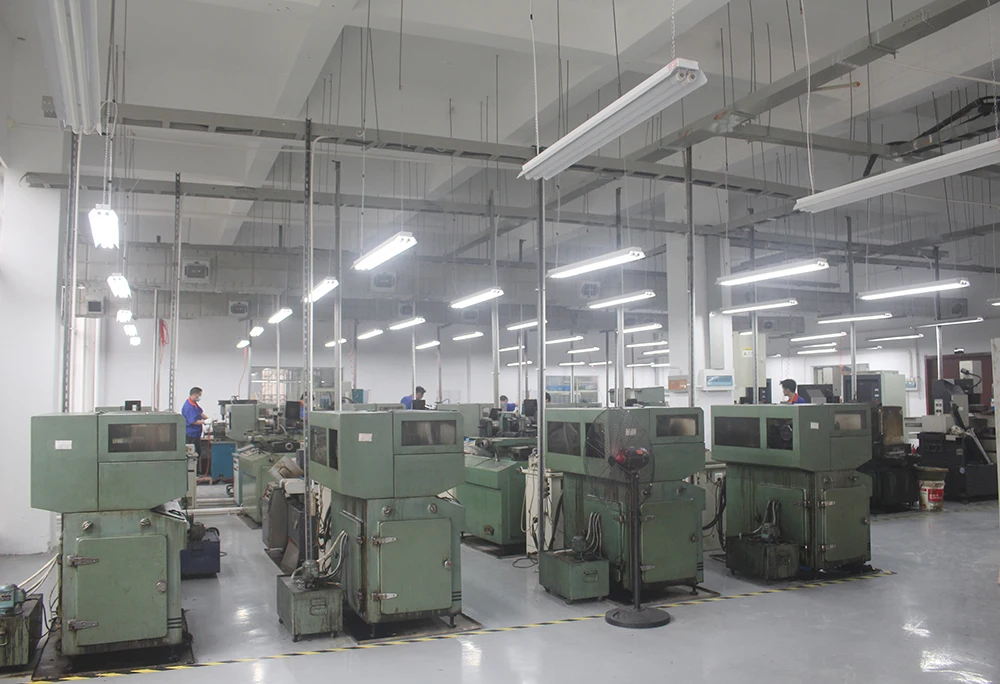
Hangzhou Dtc Medical Apparatus Co., Ltd.
- Manufacturer
- Zhejiang, China
- Lead time10 days
- Avg. response≤ 2h
Main productsbrackets,tubes,Buccal Tube,molar bands,Pliers
Main marketsEastern Asia(10.0%), Mid East(10.0%), Africa(10.0%), Southeast Asia(10.0%), Northern Europe(10.0%), South America(10.0%), Eastern Europe(5.0%), Western Europe(5.0%)
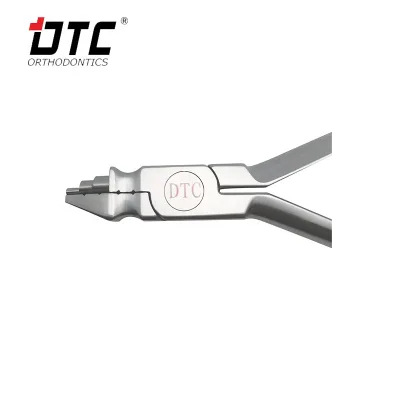
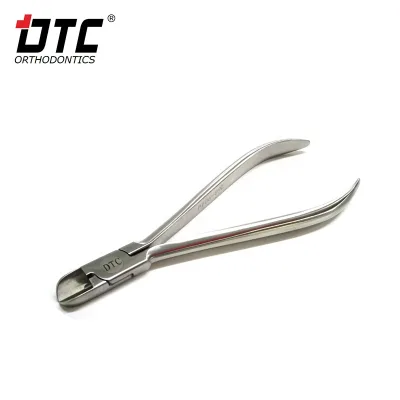
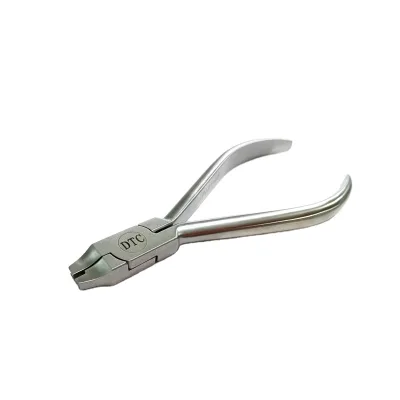
DTC Orthodontic Dental Loop Bending Plier Stainless Steel ISO Certified Machinery
$50.96 - $61.15
Moq: 100
Changsha Denxy Technology Co., Ltd.
- Trading Company
- Hunan, China
- Lead time5 days
- Avg. response≤ 6h
Main productsOrthodontic Brackets,Orthodontic Elastics,Acrylic Box,Stainless Steel Ligature Wire,Orthodontic Buccal Tube
Main marketsNorth America(40.0%), Southeast Asia(25.0%), South America(10.0%), Mid East(8.0%), Western Europe(5.0%), Eastern Europe(5.0%), South Asia(3.0%), Northern Europe(2.0%), Southern Europe(2.0%)
- Trading Company
- Hong Kong S.A.R.
- Lead time0 days
- Avg. response≤ 6h
Main productsdental equipment,dental instrument,dental material,dental chair,resin teeth
Main marketsNorthern Europe(10.0%), Central America(10.0%), Western Europe(10.0%), Mid East(10.0%), Oceania(10.0%), Africa(10.0%), Southeast Asia(10.0%), Eastern Europe(10.0%), South America(10.0%), North America(10.0%)

- Verified by BV
- Combined
- China Jiangsu
- Lead time23 days
- Avg. response≤ 6h
Main productsHandtools, Hardware, Kitchen Tools Kitchen Ware, Garden Tools, Camping Tool, Carfts and DIY Tools, Smiletools&Smilegifts&Ldk Metal&Smilefitness, Measuring Tools, Power Tools Accessories, Candle Tools
Main marketsDomestic,Europe,North America

- Verified by SGS
- Trading Company
- China Guangdong
- Lead time15 days
- Avg. response≤ 7h
Main productsDental Equipment, Dental Materials, Dental Intrument, Dental Files/Burs, Dental Unit, Dental Camera, Dental Disposable Products, Auticlace System
Main marketsOthers(foreignTradeCapacity.exportBusinessCapacityMarketOther),Southeast Asia/ Mideast,North America
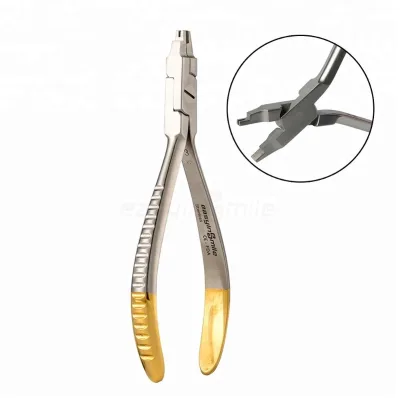
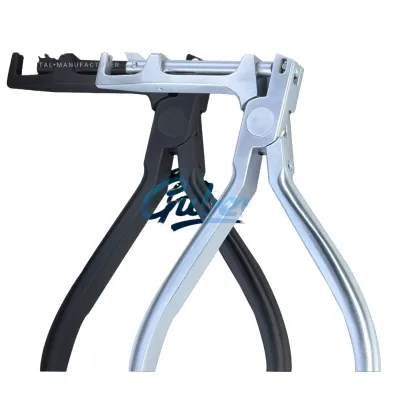
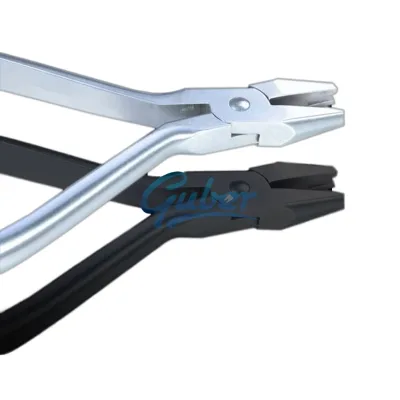
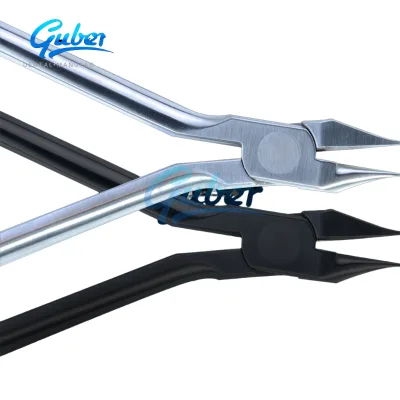






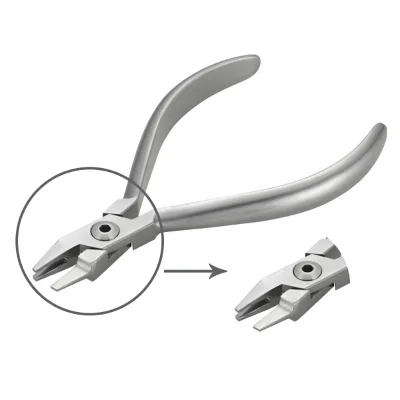
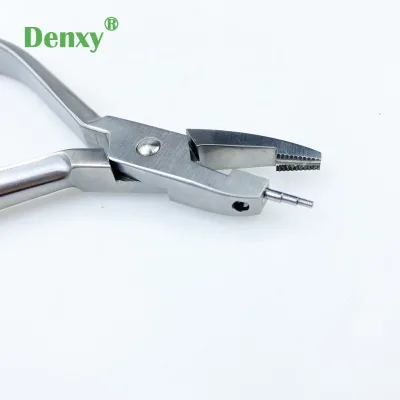
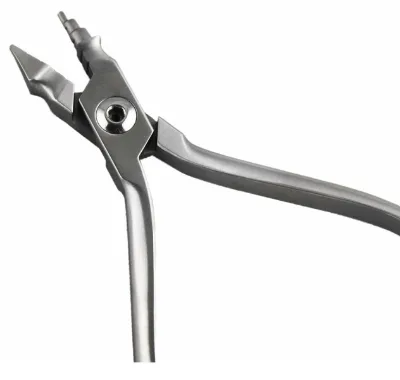
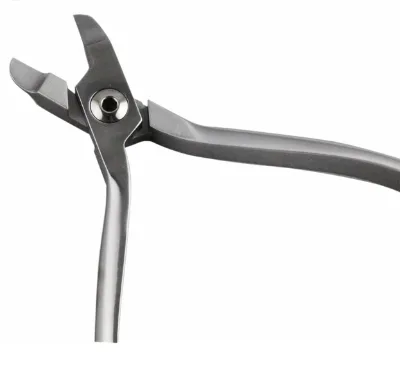


Comprehensive Sourcing Guide
CE Stainless Steel Orthodontic Plier Supplier Concentration and Factory Types
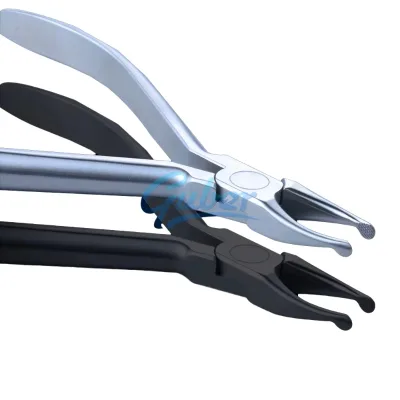
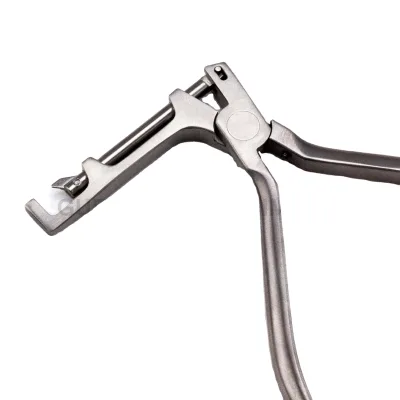
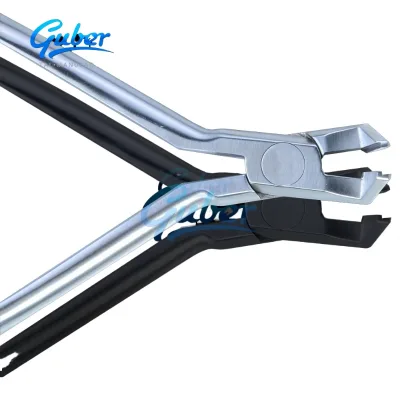
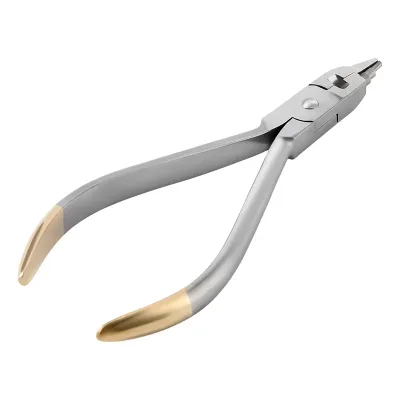
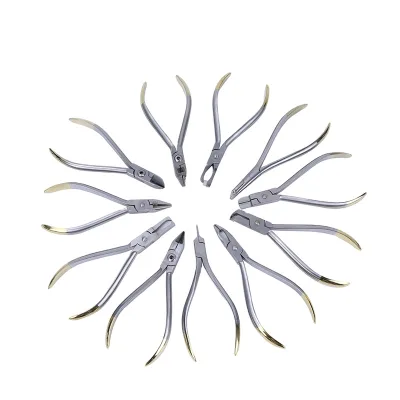
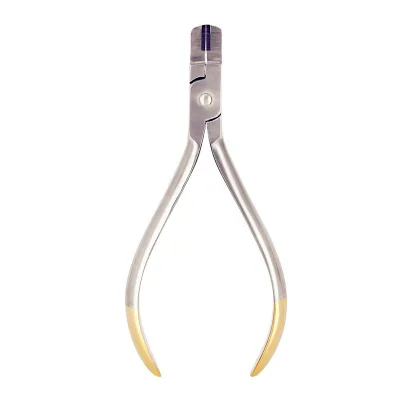
Current data indicates a concentration of manufacturing activity in Hunan and Zhejiang provinces within China, where specific listings for stainless steel orthodontic pliers originate. These regions host a mix of direct manufacturers and trading companies offering products such as wire cut pliers, crimpable hook pliers, and utility pliers. The Hunan-based results explicitly list locations as Hunan, China, with main products including dental orthodontic brackets and various handpieces alongside the requested pliers. Similarly, Zhejiang-based suppliers are identified with locations in Zhejiang, China, focusing on orthodontic kits and dental braces. This geographic clustering suggests established industrial zones for dental instrument production, though buyers must verify the specific factory address for each vendor rather than assuming all listed entities are located in these exact provinces.
The supplier types observed include both manufacturers and trading companies, which influences the supply chain structure and product customization capabilities. Manufacturer entities in the results often provide detailed technical specifications, such as material hardness ratings of HRC 52-55 or HRC 60-65, and specific certifications like CE and ISO13485. Trading companies may aggregate products from multiple factories, potentially offering a broader range of SKUs but with less direct control over the manufacturing process. Buyers should distinguish between these types by checking the company type field in supplier profiles. While some listings explicitly state "Manufacturer," others may not, requiring verification of the actual production capability. Understanding this distinction is critical for negotiating technical requirements and ensuring the stainless steel composition meets clinical standards for orthodontic applications.
How to Verify CE Stainless Steel Orthodontic Plier Suppliers
Verification begins with confirming the presence of valid quality certifications, specifically CE marks, which appear on multiple product listings for orthodontic pliers. The observed data includes products with "Quality Certification: CE" and "Certifications: / CE" or "International Certification CE" explicitly stated in product attributes. Buyers must request the actual certificate documents to ensure they are current and issued by an accredited body, as the presence of a keyword does not guarantee validity. Additionally, some listings mention ISO13485 and ISO 10993 system certifications, which are vital for medical device manufacturers. These standards indicate compliance with quality management systems and biocompatibility testing, essential for instruments that come into direct contact with patients. Do not rely solely on the text description; demand digital copies of the certificates and verify their expiration dates and scope.
Beyond certifications, buyers should validate the supplier's response time and lead time to assess operational reliability. The data shows response times ranging from 2 to 5 hours, with lead times varying significantly from 4 days to 45 days depending on the supplier and product complexity. A supplier with a 2-hour response time and a 4-day lead time, as seen in some Zhejiang listings, suggests a highly efficient operation capable of rapid fulfillment. In contrast, a 45-day lead time may indicate a longer production cycle or a need for custom tooling. Buyers should test the communication channel by sending a specific inquiry about a stainless steel plier order and measuring the actual response duration. Consistent, timely communication is a strong indicator of a supplier's ability to manage orders and resolve issues promptly, which is crucial for maintaining inventory levels in a clinical setting.
What to Compare Across CE Stainless Steel Orthodontic Plier Suppliers
When comparing suppliers, the minimum order quantity (MOQ) is a primary differentiator that affects procurement flexibility. The available data reveals an MOQ of 1 piece for certain stainless steel pliers, allowing for small trial orders, while other listings may have higher thresholds not explicitly detailed in the summary. Buyers should compare the MOQ against their immediate needs to avoid overstocking or incurring unnecessary shipping costs. Some products list "Selling Units: Single item," which supports low-volume purchasing, whereas others might require bulk purchases. It is essential to confirm the MOQ for the specific model number, such as the "crimpable hook plier" or "distal end cutter," as requirements can vary even within the same supplier's catalog. This comparison helps in selecting a partner that aligns with the buyer's inventory strategy and cash flow constraints.
Material specifications and hardness ratings provide another critical dimension for comparison among potential suppliers. The observed listings specify materials like "17-4 hard Stainless Steel" with hardness ratings of HRC 60-65, while others list generic "Metal" with HRC 52-55. These technical attributes directly impact the durability and performance of the pliers during orthodontic procedures. A higher hardness rating generally indicates better wear resistance and edge retention, which is vital for cutting wires or crimping hooks. Buyers should compare these specifications across different vendors to ensure the selected pliers meet the rigorous demands of daily clinical use. Additionally, comparing warranty terms, such as "1 Year" versus "More than 5 years," and after-sale services like "Return and Replacement" can reveal the supplier's confidence in their product quality and their commitment to customer satisfaction.
Common CE Stainless Steel Orthodontic Plier Sourcing Risks
One significant risk involves the discrepancy between claimed certifications and actual compliance status. While many listings display "CE" or "ISO13485" in their product attributes, the absence of a verified certificate number or issuing authority in the public data creates uncertainty. Buyers face the risk of receiving non-compliant products if they do not independently verify these claims with the relevant regulatory bodies. The data shows variations in certification details, with some entries listing "Certifications: / CE" and others "Quality Certification: CE," which may indicate different levels of scrutiny or documentation. To mitigate this, buyers must insist on seeing the full certificate text and cross-reference it with the official database of the certifying organization before placing any order. Relying on unverified claims can lead to regulatory penalties and compromised patient safety.
Another risk is the inconsistency in lead times and production capacity, which can disrupt supply chains. The observed lead times range from 4 days to 45 days, a wide variance that suggests different production models or capacity constraints among suppliers. A supplier promising a 4-day lead time might struggle to fulfill large orders, while one with a 45-day lead time might be better suited for bulk production but lacks agility. Buyers risk stockouts if they do not account for these variations when planning their inventory. Furthermore, the lack of standardized response times, ranging from 2 to 5 hours, can delay critical communications regarding order changes or quality issues. Buyers should assess the supplier's ability to scale production and maintain consistent lead times before committing to long-term contracts, ensuring they have a reliable partner for their orthodontic instrument needs.
CE Stainless Steel Orthodontic Plier Regional Sourcing and Logistics
Sourcing from the identified regions of Hunan and Zhejiang offers logistical advantages due to established manufacturing clusters for dental instruments. These provinces are known for their specialized industrial zones, which can facilitate faster production and potentially lower shipping costs for bulk orders. The data confirms that specific products originate from these locations, with Hunan and Zhejiang explicitly listed as the place of origin for various plier models. Buyers should consider the proximity of these regions to major ports, which can streamline the export process and reduce transit times. However, the specific logistics capabilities of each supplier must be verified, as not all manufacturers in these regions may have the same export experience or partnerships with freight forwarders. Understanding the local infrastructure helps in estimating delivery timelines more accurately.
Logistics planning must also account for packaging standards and shipping units to prevent damage during transit. The observed data includes packaging details such as "1pcs/pack," "1pc/box," and specific package dimensions like "20X10X5 cm" or "30X10X5 cm." These variations affect how many units can be shipped per container and the overall shipping cost. Buyers should compare the packaging efficiency across suppliers to optimize freight expenses. Additionally, the single gross weight of items, ranging from 0.100 kg to 0.500 KG, influences the total weight of the shipment and the associated freight charges. Ensuring that the packaging is robust enough to protect the stainless steel pliers during international shipping is crucial. Buyers should request sample packaging or detailed shipping instructions to confirm that the products will arrive in perfect condition, ready for clinical use.
CE Stainless Steel Orthodontic Plier Commercial Terms and Order Planning
Commercial terms regarding pricing and payment structures vary significantly among suppliers, requiring careful analysis of the cost per unit. The data shows price ranges from approximately 17.32 to 64.30, with specific listings indicating minimum prices of 19.43 and maximums of 21.47 for certain models. These fluctuations may reflect differences in material quality, such as the use of 17-4 hard Stainless Steel versus generic metal, or variations in hardness ratings. Buyers should compare the price per unit against the specified material and hardness to ensure they are receiving value for money. It is also important to clarify whether the quoted price includes shipping, taxes, or duties, as these factors can significantly impact the total cost of ownership. Understanding the full cost structure is essential for accurate budgeting and financial planning.
Order planning should incorporate the warranty and after-sale service terms to ensure long-term reliability and support. The observed data includes warranty periods ranging from "1 Year" to "More than 5 years," along with after-sale services like "Return and Replacement" and "OEM Accept." These terms indicate the supplier's confidence in their product durability and their willingness to support the buyer in case of defects. Buyers should prioritize suppliers offering extended warranties and comprehensive after-sale support, as this reduces the risk of unexpected costs and downtime. Additionally, the availability of OEM services allows for customization, which can be beneficial for clinics with specific branding or functional requirements. By carefully evaluating these commercial terms, buyers can establish a partnership that ensures consistent supply and high-quality products for their orthodontic practice.
FAQs
What is the minimum order quantity for stainless steel orthodontic pliers?
The minimum order quantity is one piece for specific stainless steel orthodontic pliers listed in the results. Some suppliers offer single item selling units with no bulk requirement. Buyers should verify the exact MOQ per product listing before placing an order.
Which certifications do these orthodontic pliers hold?
Many listed stainless steel orthodontic pliers carry CE certification as a quality standard. Some manufacturers also hold ISO13485 and ISO 10993 system certifications for medical devices. Buyers must check individual product pages to confirm specific certification status for each item.
What is the typical lead time for these dental instruments?
Lead times vary significantly between suppliers, ranging from four days to forty-five days for production and shipping. Some manufacturers in Zhejiang offer faster turnaround times compared to those in Hunan. Buyers should confirm the specific delivery schedule with the supplier before finalizing the purchase.
What material is used to make these orthodontic pliers?
The primary material used is 17-4 hard Stainless Steel or general metal for durability. Some listings specify a hardness rating of HRC 52-55 or HRC 60-65 depending on the model. Buyers should verify the exact material grade and hardness specifications in the product attributes.
Where are these orthodontic pliers manufactured?
These stainless steel orthodontic pliers are manufactured in China, specifically in the Hunan and Zhejiang provinces. The place of origin is clearly stated in the product attributes for each listing. Buyers can filter results by these specific locations to find preferred regional suppliers.
What is the price range for these dental pliers?
Prices for stainless steel orthodontic pliers range from approximately 17.33 to 64.30 US dollars per unit. The cost depends on the specific model, hardness, and supplier location. Buyers should compare the minimum and maximum price points listed for each product to determine the best value.
What warranty or after-sales service is provided?
Many suppliers offer a return and replacement service for defective items. Some products come with a warranty period of one year or more than five years depending on the manufacturer. Buyers should review the specific after-sale service terms listed for each product before purchasing.