Christmas Props Suppliers and Manufacturers in China
Compare 24 verified suppliers of Christmas Props based on location, lead times, and certifications. Review product specifications like material and customization options to find the right source for your needs; review the available evidence before requesting comparable quotations from suitable candidates.
Suppliers List

- Verified by CTI
- Trading Company
- China Zhejiang
- Lead time15 days
- Avg. response≤ 8h
Main productsJewelry, Brooch, Belt, Necklace, Agent, Bracelet, China Trim, China Ring, China Hair Accessory, China Earring
Main marketsSouth America


Christmas Craft Gifts Candles Painted Decorations Christmas Gifts Valentine's Day Proposal Props
$1.50 - $1.70
MOQ: 200 Sets

Christmas Decorations Christmas Tree Decorations Wooden Tabletops Decorate Christmas Gifts
$2.80 - $4.10
MOQ: 100 Pieces

Suzhou Lixiang Pai Technology Co., Ltd.
- Verified by SGS
- Trading Company
- China Jiangsu
- Lead time15 days
- Avg. response≤ 6h
Main productsArtificial Plants, Artificial Flowers, Home Decorations, Christmas Tree, Faux Flower, Artificial Green Plants, Plastic Flowers, Christmas Decorations, Wedding Decoration, Artificial Tree
Main marketsDomestic

Shandong Fandiluo Arts & Crafts Co., Ltd.
- Verified by TUVRHEINLAND
- Combined
- China Shandong
- Lead time30 days
- Avg. response≤ 10h
Main productsDisinfection Door, Disinfection Channel
Main marketsEast Asia(Japan/ South Korea),Europe,Australia

Giant Fiberglass Christmas Ball Sculpture Christmas Tree Christmas Wreath Display Props
$150.00 - $500.00
MOQ: 1 Pieces


Commercial Christmas Decoration Life Size Fiberglass Santa Claus Sculpture Props Display
$150.00 - $300.00
MOQ: 1 Pieces


$50.00 - $300.00
MOQ: 1 Pieces

Yiwu Xingxin International Trade Co., Ltd.
- Trading Company
- Zhejiang, China
- Lead time0 days
- Avg. response≤ 3h
Main productsPLUSH TOY,CARTOON KEYCHAIN,ACTION FIGURE,PLASTIC TOY
Main marketsNorth America(50.00%), Eastern Europe(10.00%), Southeast Asia(10.00%), South America(5.00%), Western Europe(5.00%), Southern Europe(5.00%), Mid East(3.00%), Eastern Asia(3.00%), Oceania(2.00%), Central America(2.00%), South Asia(2.00%), Africa(1.00%), Northern Europe(1.00%), Domestic Market(1.00%)
Shandong Fandiluo Arts & Crafts Co., Ltd.
- Verified by SGS Group
- Manufacturer, Trading Company
- Lead time15 days
- Avg. response≤ 3h
Main productsChristmas Decoration, Lighting DecorationSculpture Decoration, Sculpture Decoration, Interactive Props, Landscape Decoration
Main marketsNorth America(30%), South America(10%), Southeast Asia(10%)
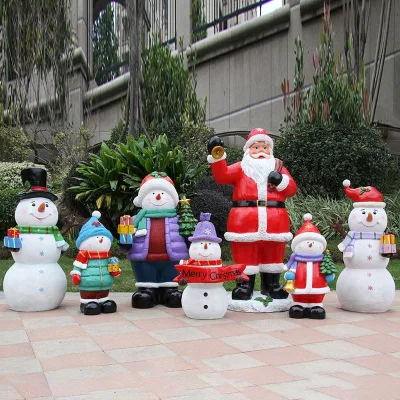
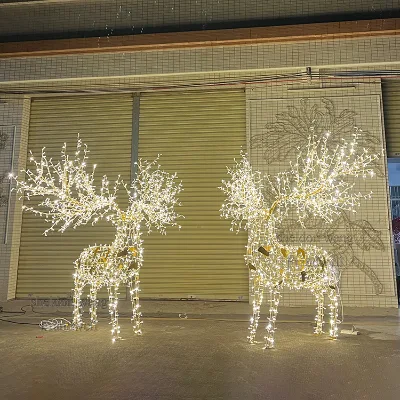
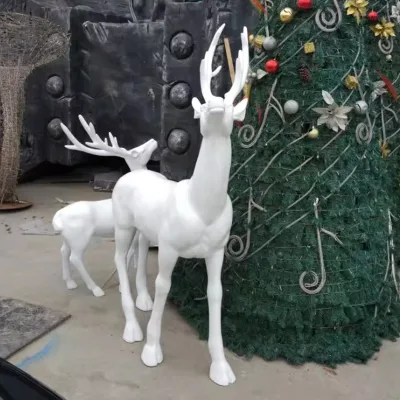
Outdoor Garden Statue Life Size Christmas Deer Props for Christmas Shop Decoration
$202.95 - $304.94
MOQ: 1 pieces
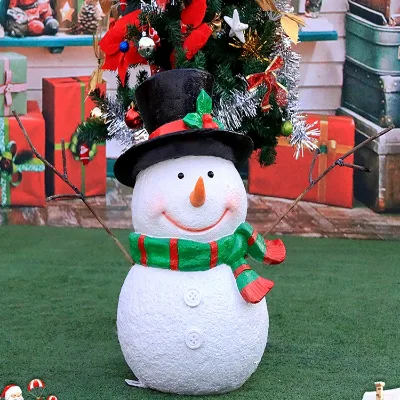
park decoration life size fiberglass santa statue christmas xmas ornaments halloween party props
$202.95 - $304.94
MOQ: 1 pieces
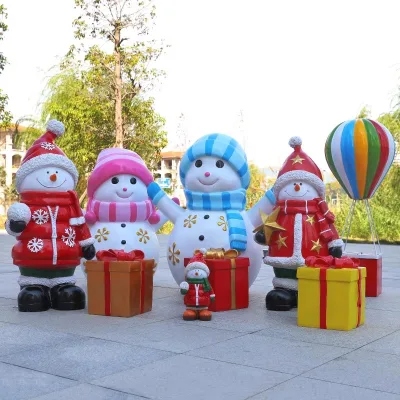
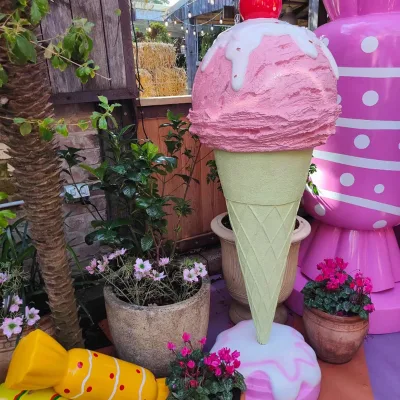
$155.00 - $413.32
MOQ: 2 pieces

Jinjiang Jiayi Supply Chain Management Co., Ltd.
- Verified by BV
- Trading Company
- China Fujian
- Lead time30 days
- Avg. response≤ 1h
Main productsGift, Shoe, Garment, Machine
Main marketsDomestic

Ningbo General Union Co., Ltd.
- Verified by SGS
- Trading Company
- China Zhejiang
- Lead time45 days
- Avg. response≤ 10h
Main productsChristmas Tree, Party Supply, Christmas Ball, LED Light Strip, Halloween Product, Holiday Decoration, Santa Claus, Valentine's Day Product, Balloon Decoration, Birthday Decoration
Main marketsSouth America,Europe,North America

Creative Christmas Tree Holding Doll Window Decoration Santa Claus Ornaments Standing Props
$9.83 - $10.59
MOQ: 100 Pieces


Shenzhen Jiangxinge Gift Crafts Co., Ltd.
- Manufacturer, Trading Company
- Guangdong, China
- Lead time0 days
- Avg. response≤ 1h
Main productsfiberglass statue custom,FRP sculpture manufacturer,fiberglass figurines wholesale,fiberglass animal statue,fiberglass mascot custom
Main marketsSouth America(50.00%), North America(20.00%), Eastern Europe(10.00%)
- Manufacturer
- Shandong, China
- Lead time30 days
- Avg. response≤ 4h
Main productsKitchen Items,Pet Supplies,Home Decoration,Garden Decoration,Pet Toy
Main marketsNorth America(52.00%), Western Europe(20.00%), Southern Europe(5.00%), Northern Europe(5.00%), South America(5.00%), Eastern Asia(3.00%), Eastern Europe(3.00%), South Asia(2.00%), Southeast Asia(2.00%), Mid East(2.00%), Africa(1.00%)
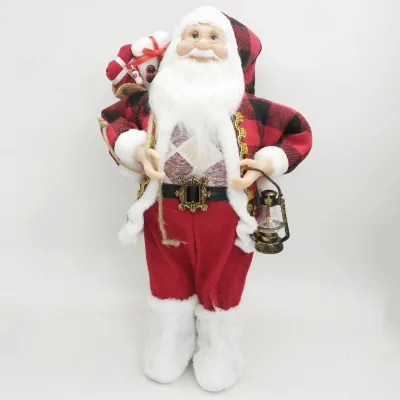
Wholesale Christmas Holiday Atmosphere Photo Props Big Size Bell Santa Claus Dancing
$4.86 - $5.26
MOQ: 240 pieces
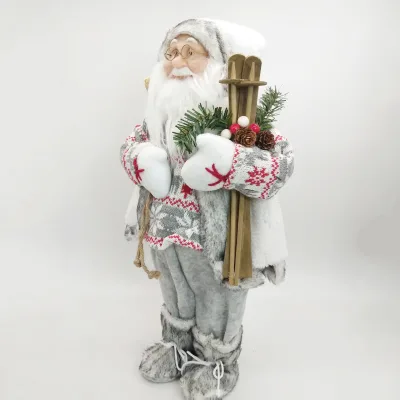
$4.86 - $5.32
MOQ: 240 pieces

- Combined
- China Guangdong
- Lead time23 days
- Avg. response≤ 4h
Main productsPromotion Gift, Toy, Flashing Item, Free Gift, Business Gift, Novelty
Main marketsAfrica,Europe,North America

- Verified by SGS
- Trading Company
- China Zhejiang
- Lead time15 days
- Avg. response≤ 15h
Main productsChristmas Decoration, Christmas Tree, Christmas Gift, Party Decoration, Promotional Product, Festival Items, Gift, Valentine, Party Items, Halloween Decorations
Main marketsEurope,Australia

Cheap Window Climbing Decoration Scene Setting Santa Claus Holiday Party Props
$1.82 - $2.04
MOQ: 490 Pieces


Hot Selling Christmas Props Window Decoration Wreath Bell Door Festival
$0.50 - $0.63
MOQ: 1587 Pieces

Cross-Border Direct Supply of Halloween Gifts and Halloween Decoration Props
$0.97 - $1.00
MOQ: 1000 Pieces

Hot Selling Halloween Classic Outdoor Pumpkin Decoration Ghost Party Props
$3.42 - $3.85
MOQ: 259 Pieces

New Halloween Flag Party Decoration Supplies Hangings Scene Atmosphere Layout Props
$0.35 - $0.40
MOQ: 2500 Pieces

Yiwu Shuangyuan Christmas Artware Co., Ltd.
- Verified by TUVRHEINLAND
- Combined
- China Zhejiang
- Lead time30 days
- Avg. response≤ 8h
Main productsChristmas Decoration, Christmas Tree, Christmas Ball, Christmas Santa, Christmas Ornament, Christmas Gift, Christmas Wreath
Main marketsOthers(foreignTradeCapacity.exportBusinessCapacityMarketOther)


Christmas Animals Animated Christmas Decorations Animated Christmas Toys
$2.99 - $3.21
MOQ: 100 Pieces


- Trading Company,Manufacturer/Factory
- China Guangdong
- Lead time0 days
- Avg. response≤ 13h
Main productsChristmas Ball, Christmas Decoration, Christmas Ornaments, Christmas Tree, Tinsel Garland, Mirror Ball, Disco Ball, Inside Painted Glass Ball

MOQ: 100 Pieces

MOQ: 100 Pieces

MOQ: 100 Pieces

MOQ: 100 Pieces

MOQ: 100 Pieces

MOQ: 100 Pieces

Shenzhen Copales Technology Co., Ltd.
- Trading Company
- Guangdong, China
- Lead time0 days
- Avg. response≤ 3h
Main productsgame controller,game bag,game cable,game console,game caps
Main marketsNorth America(50.00%), Eastern Europe(20.00%), South America(20.00%), Western Europe(10.00%)
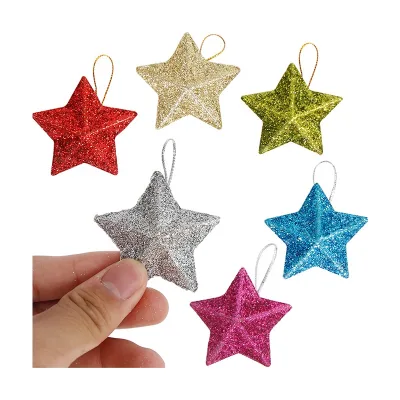
Classic 10CM Christmas Tree Decoration Pendant Hanging Three-Dimensional Stars Xmas Atmosphere Props
$0.40 - $0.69
MOQ: 6 pieces
Yiwu Bairui House Festival Supplies Co., Ltd.
- Verified by Intertek
- Manufacturer, Trading Company
- Lead time30 days
- Avg. response≤ 5h
Main productsChristmas Ball, Christmas Decorations, Holiday Decorations, Easter Decorations, Halloween Decorations
Main marketsNorth America(50%), Western Europe(30%), Eastern Europe(15%)
Xiamen E-Creative Display Co., Ltd.
- Manufacturer, Trading Company
- Fujian, China
- Lead time30 days
- Avg. response≤ 3h
Main productsWindow Display Props,Fiberglass Props,Cartoon Dolls,Arts Statues,Visual Display Props
Main marketsNorth America(35.00%), Domestic Market(35.00%), Mid East(8.00%), Southeast Asia(7.00%), Oceania(5.00%), Central America(3.00%), Eastern Asia(3.00%), Northern Europe(2.00%), Western Europe(2.00%)
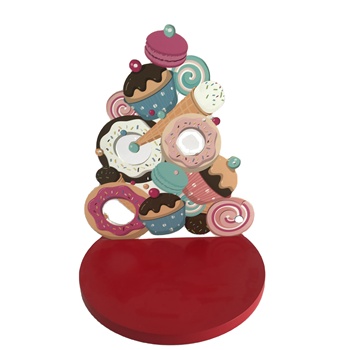
Donuts and lollipops on the table Christmas decoration PVC props tabletop decoration prop
$15.00 - $18.00
MOQ: 10 sets
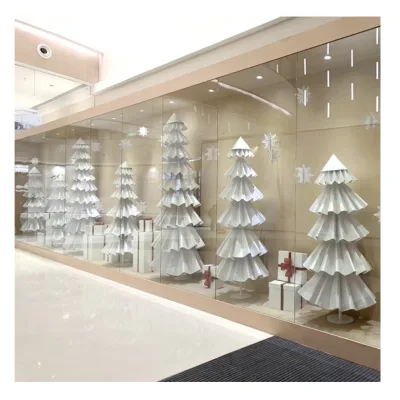
Prop for Events Window Display Decor Shopping Mall Opening Christmas Activity
$68.76 - $69.78
MOQ: 50 pieces
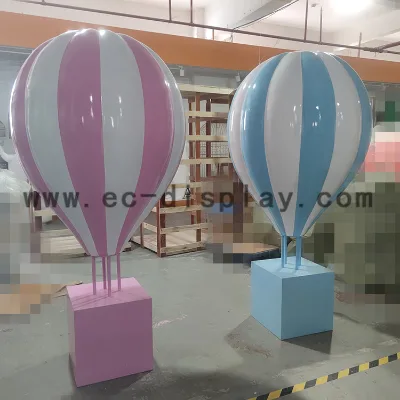

Wenzhou Sunray Technology Co., Ltd.
- Verified by SGS
- Manufacturer/Factory
- China Zhejiang
- Lead time23 days
- Avg. response≤ 5h
Main productsSunglasses, Custom Sunglasses, Polarized Sunglass, Reading Glasses, Jewelry Boxes, Paper Boxes, Gift Boxes, Packaging Box, Custom Packaging Box, Packing Box
Main marketsSouth America,Eastern Europe,Mid East,North America,Southeast Asia,Eastern Asia,Oceania,Western Europe,Africa

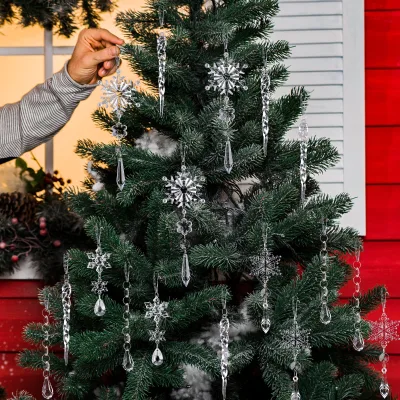
Christmas Decorations Clear Snowflake Pendants and Props for Christmas Tree Scene Setup.
$0.95 - $1.09
MOQ: 300 Pieces


Zhaoqing dingyi advertising production co. LTD
- Verified by SGS
- Trading Company
- China Guangdong
- Lead time23 days
- Avg. response≤ 17h
Main productsChannel Letter, Light Box, Neon Sign, Sign Board, Signage, Letter Sign, Pylon Sign, Glorifier Display
Main marketsSouth America,Eastern Europe,Mid East,North America,Eastern Asia,Oceania,Western Europe,Africa

Custom New Year Window Display Props Costume Shop Decorate Holiday Props
$352.00 - $486.00
MOQ: 1 Sets

Custom New Year Theme Window Display Props Window Decoration Festive Props
$213.00 - $336.00
MOQ: 1 Pieces
Shenzhen Xinfangzhen Technology Co., Ltd.
- Verified by SGS
- Combined
- China Guangdong
- Lead time15 days
- Avg. response≤ 1h
Main productsStainless Steel Sculpture, Fiberglass Sculpture, Metal Flower Pot, Outdoor Bench
Main marketsDomestic

Fiberglass Santa Claus Plush Reindeer Sleigh Landscape Sculpture Christmas Commercial Event Prop
$3000.00 - $50000.00
MOQ: 10 Pieces


- Combined
- China Guangdong
- Lead time45 days
- Avg. response≤ 1h
Main productsResin Craft, Baby Doll, Christmas Tree, Christmas Wreath, Christmas Garland, Christmas Decoration, Artificial Flower, Artificial Plant, Artificial Tree, Christmas Ornaments
Main marketsSouth America,Europe,North America


Christmas Decoration Navidad Christmas Ornaments Christmas Products Chirstmas Light
$0.10 - $2.00
MOQ: 1 Pieces
Shaanxi Longstar New Material Technology Co., Ltd.
- Verified by Intertek
- Manufacturer, Trading Company
- Lead time10 days
- Avg. response≤ 10h
Main productsGrass Wall, Onion Grass, Artificial Plant, Pot , Succulent
Jiangxi Panshi Animation Culture And Creativity Co., Ltd.
- Manufacturer
- Jiangxi, China
- Lead time20 days
- Avg. response≤ 7h
Main productsFestival productions,Christmas productions,wedding productions,party productions,Halloween productions
Main marketsSouth America(20.00%), North America(15.00%), Eastern Europe(10.00%), Domestic Market(6.00%), Mid East(6.00%), Southern Europe(6.00%), Western Europe(6.00%), South Asia(6.00%), Northern Europe(5.00%), Eastern Asia(5.00%), Africa(5.00%), Oceania(4.00%), Central America(3.00%), Southeast Asia(3.00%)
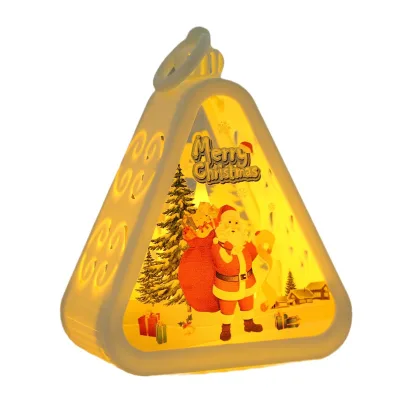
$1.01 - $1.05
MOQ: 100 pieces
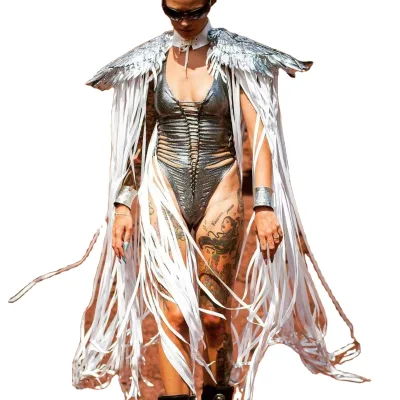
Large White Angel Wings Prop for Studio Photography for Christmas & New Year Decor Model Walk Show
$10.22 - $25.55
MOQ: 100 pieces
Shenzhen Better Industry Co., Ltd.
- Manufacturer
- Guangdong, China
- Lead time12 days
- Avg. response≤ 2h
Main productsFestival Lanterns,Fiberglass Sculptures,Resin Ornaments,Electroplated items,Festival Lightings
Main marketsDomestic Market(30.00%), North America(20.00%), South America(10.00%), Eastern Europe(10.00%), Northern Europe(6.00%), Southern Europe(5.00%), Western Europe(5.00%), Southeast Asia(3.00%), South Asia(3.00%), Mid East(3.00%), Africa(2.50%), Central America(2.00%), Eastern Asia(0.50%)
- Trading Company
- Zhejiang, China
- Lead time10 days
- Avg. response≤ 5h
Main productsParty supplies,Wedding Decoration,Gifts & Crafts,Christmas Decoration,Buying Agent
Main marketsSouth America(18.00%), North America(18.00%), Eastern Europe(13.00%), Northern Europe(10.00%), Southern Europe(8.00%), Africa(8.00%), Western Europe(5.00%), Oceania(5.00%), Southeast Asia(5.00%), Domestic Market(2.00%), South Asia(2.00%), Eastern Asia(2.00%), Mid East(2.00%), Central America(2.00%)









Comprehensive Sourcing Guide
Christmas Props Supplier Concentration and Factory Types
Current data indicates a concentration of Christmas Props manufacturers and trading companies within specific Chinese provinces, notably Zhejiang, Jiangsu, and Shandong. Suppliers in Zhejiang often list jewelry and general trim alongside festive items, suggesting a diversified manufacturing base that may include plastic molding for wreaths and ornaments. In Jiangsu, the presence of suppliers specializing in artificial plants and wooden decorations points to a cluster focused on resin and wood crafts for indoor display props. Shandong-based entities appear to handle larger scale items, such as fiberglass sculptures, often linked to combined company types capable of handling both ODM and OEM requests. These regional distinctions help buyers identify potential manufacturing capabilities, though the exact factory count per region fluctuates with search results.
When assessing factory types, buyers should distinguish between trading companies and direct manufacturers based on the provided company type labels. Trading companies in this sector often aggregate products like Christmas candles, plastic wreaths, and wooden table tops from various workshops, offering a broader catalog but potentially less control over production timelines. Direct factories, often identified by specific certifications like CTI or SGS, may offer more consistent quality for custom orders, particularly for items requiring specific material standards like resin or wood. Buyers must verify if a supplier claims ODM or OEM capacity, as this indicates whether they can modify existing designs or create new molds for unique Christmas Props. Understanding this distinction is critical for determining who controls the production process and quality assurance steps.
How to Verify Christmas Props Suppliers
Verification of Christmas Props suppliers relies heavily on third-party audit reports and specific certification labels provided in the supplier profile. Some suppliers display verification from CTI, while others may hold SGS or TÜV Rheinland certifications, which serve as external validations of their business legitimacy and production standards. These certifications are not merely badges but indicate that an independent body has reviewed the supplier's operations, though the specific scope of the audit varies by provider. Buyers should prioritize suppliers with active verification status, as this reduces the risk of dealing with non-existent entities or those with a history of compliance failures. However, the absence of a visible certification does not automatically disqualify a supplier, but it necessitates a more rigorous due diligence process before proceeding.
Beyond certifications, buyers must scrutinize the response time and product attributes listed in the supplier data to gauge operational reliability. A response time under six hours, such as the 5.10 hours observed in some Jiangsu-based profiles, suggests a responsive sales team capable of handling urgent inquiries regarding custom Christmas decorations. Conversely, longer response times may indicate a larger volume of inquiries or less dedicated support staff. Buyers should also check for specific product evidence, such as detailed material lists (e.g., plastic, wood, resin) and customization availability, to ensure the supplier can meet specific design requirements. If a supplier claims customization but lacks detailed product attributes in their listing, this discrepancy should be flagged for immediate clarification before any order is placed.
What to Compare Across Christmas Props Suppliers
When comparing suppliers, the primary focus should be on lead times, minimum order quantities (MOQ), and pricing structures, as these directly impact inventory planning and cash flow. Lead times in the current dataset range from 15 days for standard plastic items to 30 days for more complex fiberglass sculptures, reflecting the complexity of the manufacturing process. Buyers must align these timelines with their sales calendar, especially for seasonal items like Christmas wreaths and tree decorations, to avoid stockouts during peak holiday periods. MOQs also vary significantly, with some suppliers requiring 100 units for plastic ornaments while others demand 200 units for painted candles or wooden props. Understanding these thresholds is essential for determining the feasibility of small-batch testing versus large-scale production runs.
Pricing and customization options form another critical comparison point, as costs can fluctuate based on material choices and order volume. Current data shows price ranges for specific items, such as plastic Christmas wreaths priced around $4.61 per unit with a 100-unit MOQ, while wooden decorations may range from $0.70 to $2.90 depending on the specific model and size. Buyers should compare these figures against their target margins, keeping in mind that customization often incurs additional costs or higher MOQs. Additionally, the availability of customization, whether for color, size, or packaging, should be verified for each supplier. Some listings indicate "Available" customization, while others specify "Non-Customized," which dictates the flexibility a buyer has in tailoring products to their brand or market preferences.
Common Christmas Props Sourcing Risks
One significant risk in sourcing Christmas Props involves the discrepancy between advertised customization capabilities and actual production limitations. While many suppliers list "Customization: Available," the specific constraints on materials, colors, or dimensions may not be immediately apparent without detailed product attribute analysis. For instance, a supplier might offer custom colors for plastic wreaths but restrict changes to the underlying mold or structural design. Buyers must verify these limitations through direct communication to avoid receiving products that do not match their design specifications. Relying solely on the "Customized" label without confirming the scope of changes can lead to costly rework or rejected shipments, particularly for items requiring specific festive aesthetics.
Another prevalent risk is the variation in material quality and safety standards across different suppliers, especially for items intended for indoor or outdoor use. Products like wooden decorations or resin sculptures may be sourced from different workshops with varying quality controls, leading to inconsistencies in finish or durability. The dataset shows materials ranging from plastic to wood and resin, each with distinct properties and potential failure points. Buyers should request material safety data sheets or test reports to ensure compliance with destination market regulations, particularly for children's products or items used in public spaces. Without explicit verification of material standards, there is a risk of receiving substandard goods that could damage the buyer's reputation or result in regulatory penalties.
Christmas Props Regional Sourcing and Logistics
Regional sourcing strategies should account for the specific manufacturing strengths of different Chinese provinces, as these influence both product quality and logistics efficiency. Zhejiang-based suppliers often handle a mix of jewelry and general trim, suggesting a versatile supply chain that can accommodate diverse Christmas prop needs, including plastic and metal components. Jiangsu clusters appear to specialize in wooden and resin crafts, offering high-quality finishes for indoor decorations like candles and table tops. Meanwhile, Shandong suppliers may focus on larger, heavy-duty items such as fiberglass sculptures, which require different shipping considerations due to their size and weight. Understanding these regional specializations helps buyers select the most appropriate supplier for their specific product requirements.
Logistics planning must consider the origin location and the associated shipping times, as these factors impact the overall delivery schedule. Suppliers in Zhejiang and Jiangsu are generally well-connected to major ports, facilitating efficient export of smaller items like ornaments and candles. However, larger items from Shandong may require specialized freight arrangements, potentially increasing transit times and costs. Buyers should verify the specific origin details, such as "Yiwu China" or "Suzhou, Jiangsu," to estimate shipping durations accurately. Additionally, the packaging standards listed, such as OPP bags or cartons, play a crucial role in protecting goods during transit. Ensuring that the packaging is robust enough for the specific product type is essential to prevent damage, especially for fragile items like glass or resin decorations.
Christmas Props Commercial Terms and Order Planning
Commercial terms for Christmas Props often include specific requirements for payment, escrow, and sample approval, which must be clearly defined before order placement. While the current data does not explicitly list escrow availability for all suppliers, buyers should confirm if the platform offers secure payment options to mitigate financial risk. Lead times, ranging from 15 to 30 days, should be factored into the order planning process, with buffer time added for potential delays in production or shipping. Buyers must also consider the impact of seasonal demand on lead times, as suppliers may experience bottlenecks during peak holiday seasons. Establishing a clear timeline for sample approval and mass production is critical to ensuring timely delivery.
Order planning should also account for the minimum order quantities and pricing tiers to optimize cost efficiency. Suppliers may offer different price points based on volume, with lower unit costs for larger orders. Buyers should calculate the total cost of ownership, including shipping and potential customs duties, to determine the most economical order size. Additionally, the availability of customization options should be weighed against the MOQ, as custom orders often require higher minimums. By carefully analyzing these commercial terms, buyers can structure their orders to balance cost, quality, and delivery speed. It is also advisable to establish a clear communication channel with the supplier to address any issues that may arise during the production process, ensuring a smooth transaction from start to finish.
FAQs
What is the typical lead time for Christmas Props?
Manufacturers in China generally require 15 to 30 days to produce and ship Christmas Props. Specific timelines depend on the supplier type and order volume. Trading companies often list 15-day lead times, while combined suppliers may need 30 days. Buyers should confirm exact schedules before placing orders to ensure timely delivery for holiday events.
What are the minimum order quantities for Christmas decorations?
Minimum order quantities vary significantly by product type and supplier. Some plastic Christmas wreaths require a minimum of 100 units, while painted craft candles may need 200 units. Wooden scene props often have higher thresholds. Buyers should check specific product listings for exact MOQs to align with their budget and inventory requirements.
Which materials are commonly used for Christmas Props?
Common materials include plastic, wood, resin, and fiberglass. Plastic is frequently used for wreaths and candles due to its durability and cost-effectiveness. Wood is preferred for scene props and table decorations. Resin and fiberglass are ideal for large outdoor sculptures. Buyers can select materials based on the intended application, whether indoor or outdoor.
Are customization options available for Christmas Props?
Yes, many suppliers offer customization services for Christmas Props. Buyers can often request custom colors, sizes, and designs for items like wreaths, candles, and wooden decorations. Customization is typically available for plastic, wood, and resin products. Buyers should verify specific customization capabilities and any associated costs with the supplier before finalizing orders.
What is the price range for Christmas Props?
Prices for Christmas Props range from $0.70 to $20.00 per unit. Wooden scene props can cost as low as $0.70, while large fiberglass sculptures may reach $20.00. Plastic wreaths and candles typically fall between $1.50 and $4.60. Prices depend on material, size, and customization requirements. Buyers should compare quotes from multiple suppliers.
Where are Christmas prop suppliers located?
Suppliers are primarily located in China, specifically in Zhejiang, Jiangsu, and Shandong provinces. Zhejiang is known for jewelry and plastic decorations. Jiangsu suppliers often specialize in wooden props and artificial plants. Shandong manufacturers focus on large fiberglass sculptures. Buyers can filter suppliers by location to reduce shipping costs and improve logistics efficiency.
How quickly do suppliers respond to inquiries?
Response times vary among suppliers, typically ranging from 5 to 10 hours. Some suppliers respond within 5.10 hours, while others may take up to 9.57 hours. Faster response times indicate active customer service teams. Buyers should prioritize suppliers with quick response times to ensure efficient communication and timely order processing.