Christmas Tree Wooden Mailbox Suppliers and Manufacturers
Compare 13 verified suppliers offering Christmas Tree Wooden Mailbox products with varying lead times, MOQs, and certifications. Review response times and factory locations to select the right partner for your order; review the available evidence before requesting comparable quotations from suitable candidates.
Updated
Suppliers List
Shaanxi Longstar New Material Technology Co., Ltd.
- Manufacturer, Trading Company
- Lead time旺季: "1 - 300":35,"> 300":"To be negotiated", 淡季: "1 - 300":35,"> 300":"To be negotiated"
- Avg. response≤ 6h
Main productsChristmas Tree, Flocked Christmas Tree, Christmas Wreath, Christmas Garland, Table Christmas Tree

Hefei Sublime International Co., Ltd
- Verified by BV
- Trading Company,Manufacturer/Factory
- China Anhui
- Lead time30 days
- Avg. response≤ 5h
Main productsParty Favour Items, Wooden Decoration, DIY Hobby, Paper Stationery, Wooden Crafts, Paper Crafts, Wooden Gifts, Honeycomb Ball, Tissue Pompon, Paper Bags
Main marketsSouth America,Eastern Europe,Mid East,North America,Eastern Asia,Oceania,Western Europe


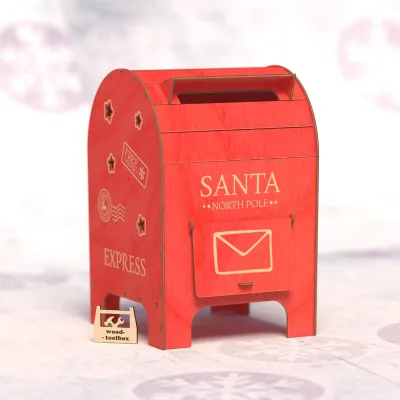
Delivery Mailbox for Santa Claus, Wooden Christmas Indoor Outdoor Decor
$0.45 - $0.50
MOQ: 4000 Pieces


Christmas Mailbox Letters to Santa, Rustic Metal Christmas Decor Decorative Box
$0.65 - $0.70
MOQ: 2000 Pieces

Santa Metal Mailbox Vintage Christmas Craft Rustic Metal Decorative Box
$0.75 - $0.80
MOQ: 2000 Pieces
Shandong Best G And G Enterprise Co., Ltd.
- Trading Company
- Shandong, China
- Lead time0 days
- Avg. response≤ 4h
Main productsMusic Box,Kalimba,Pan Drum,Tongue Drum,Garden Tool
Main marketsCentral America(20.00%), South America(20.00%), North America(20.00%), Eastern Europe(10.00%), Northern Europe(10.00%), Southeast Asia(10.00%), South Asia(5.00%), Mid East(5.00%)
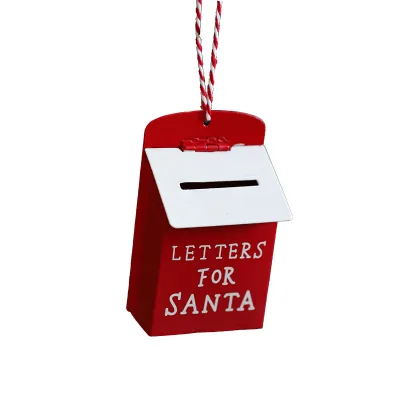
$2.0195 - $2.6542
MOQ: 100 Minimum

$1.1033 - $1.1452
MOQ: 100 pieces

Jiangmen Yako Hardware Manufacturer Co.,Ltd
- Verified by TUVRHEINLAND
- Manufacturer/Factory
- China Guangdong
- Lead time45 days
- Avg. response≤ 3h
Main productsDoor Hinge, Door Handle, Door Stopper, Door Lock, Shower Door Hinge, Glass Clamp, Furniture Handle, Mailbox, Railing Bracket, Pull Handle
Main marketsSouth America,Eastern Europe,Mid East,North America,Southeast Asia,Eastern Asia,Oceania,Western Europe,Africa

Shanghai Weway International Trading Co., Ltd.
- Trading Company
- Shanghai, China
- Lead time35 days
- Avg. response≤ 4h
Main productsmailbox,pet waste station,safe box,money box,lock safe
Main marketsNorth America(50.00%), Western Europe(40.00%), Northern Europe(10.00%)
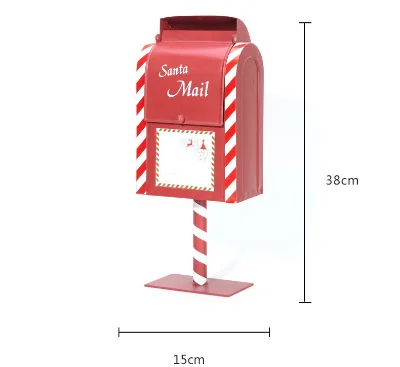
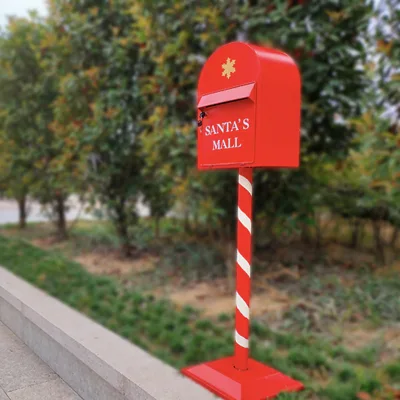
Red Christmas Mailbox Santa PostBox Outdoor Factory Price for Retail Hotel and Event Decoration
$29.2828 - $33.3936
MOQ: 300 pieces

Ningbo Artisan Import & Export Co., Ltd.
- Verified by TUVRHEINLAND
- Trading Company
- China Zhejiang
- Lead time30 days
- Avg. response≤ 25h
Main productsMailbox, Shaggy Blanket, Bathrobe, Furniture, Bill Counter, Book Stand, Bamboo Shoes Rack, Bar Tools
Main marketsEurope
Hu-Buy (shanghai) Industrial Co., Ltd.
- Manufacturer, Trading Company
- Shanghai, China
- Lead time45 days
- Avg. response≤ 4h
Main productsMailbox,Parcel box,Various types of box products,Aluminum telescopic ladder,Ladder
Main marketsWestern Europe(35.00%), South America(11.00%), Northern Europe(10.00%), North America(10.00%), Southern Europe(8.00%), Eastern Europe(8.00%), Domestic Market(5.00%), Africa(3.00%)
Huizhou Better Industry Co., Ltd.
- Trading Company
- Guangdong, China
- Lead time30 days
- Avg. response≤ 8h
Main productsResin Decor Crafts,Fiberglass Sculptures,Christmas Decorations,Easter Decorations,Halloween Decorations
Main marketsNorth America(40.00%), Western Europe(15.00%), Southern Europe(10.00%), Mid East(10.00%), Northern Europe(10.00%), Eastern Europe(5.00%), Africa(5.00%), South Asia(3.00%), Domestic Market(2.00%)
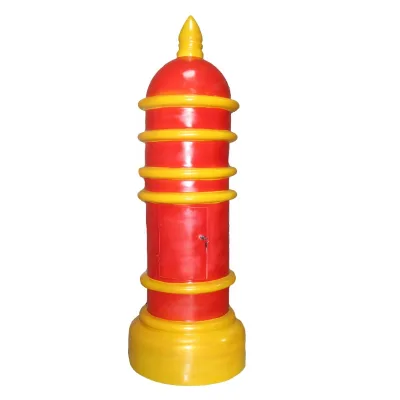
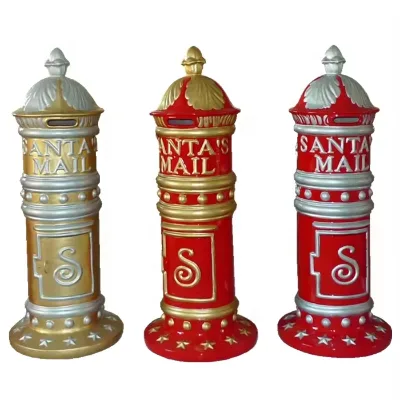
$390.973 - $565.881
MOQ: 1 pieces
Foshan Gaoming Chengfeng Hardware Products Co., Ltd.
- Manufacturer
- Guangdong, China
- Lead time30 days
- Avg. response≤ 2h
Main productsMailbox,TV mount,clothes hanger,fireplace,Other Hardwares
Main marketsWestern Europe(80.00%), Oceania(10.00%), Southern Europe(5.00%), Northern Europe(5.00%)
Henan Jinbailai Industrial Co., Ltd.
- Verified by Intertek
- Trading Company
- Lead time30 days
- Avg. response≤ 2h
Main productsSteel Fire Pits, Steel Planters, Steel Screens, Steel Edgings, Steel Sculptures
Main marketsWestern Europe(60%), North America(25%), Eastern Europe(10%)

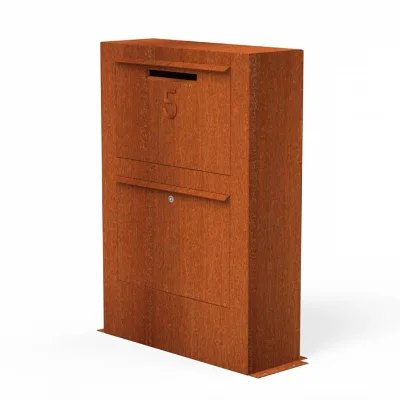
Outdoor Post Office Box Weathering Steel Mailbox Decoration for Mailbox
$800.00 - $900.00
MOQ: 2 pieces
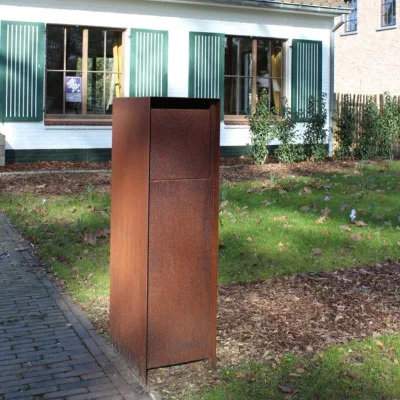
Outdoor Mailbox Parcel Storage Box Durable Mailbox Corten Steel Large Size Mailbox
$210.00 - $290.00
MOQ: 2

- Verified by BV
- Trading Company,Manufacturer/Factory
- China Guangdong
- Lead time23 days
- Avg. response≤ 7h
Main productsSheet Metal, Sheet Metal Fabrication, Water Vending Machine, Ice Vending Machine, Display Stand, Mail & Parcel Box, Metal Cabinet, Metal Tool Box, Metal Enclosure, Structure Metal Parts
Main marketsSouth America,Eastern Europe,Mid East,North America,Southeast Asia,Eastern Asia,Oceania,Western Europe,Africa
- Verified by SGS Group
- Manufacturer, Trading Company
- Lead time20 days
- Avg. response≤ 3h
Main productsCORTEN BBQ, CORTEN FIRE PIT, CORTEN PLANTER, CORTEN SCREEN, CORTEN EDGING
Main marketsSoutheast Asia(20%), Oceania(15%), Western Europe(15%)
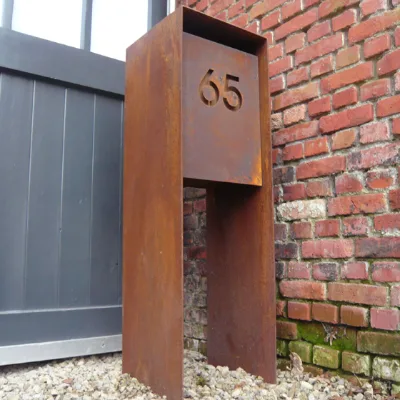
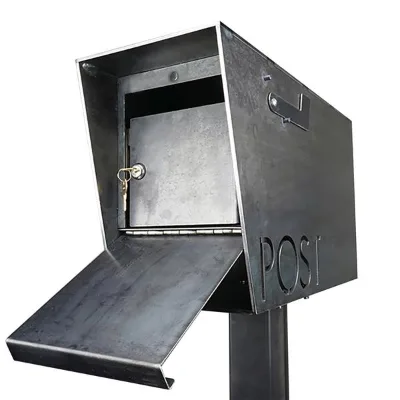
Decoration for Mailbox Outdoor Metal Modern Mailbox for Home Post Office Box
$148.9814 - $263.0289
MOQ: 1 Minimum
Cao County Jinpengyuan Container Packaging Co., Ltd.
- Verified by SGS Group
- Manufacturer, Trading Company
- Lead time30 days
- Avg. response≤ 4h
Main productsOak Barrel, Wooden Box, Wood Tray, Fumigator, Cutting Board
Main marketsDomestic Market(30%), North America(15%), South America(10%)






Comprehensive Sourcing Guide
Christmas Tree Wooden Mailbox Supplier Concentration and Factory Types
The current supplier landscape for Christmas Tree Wooden Mailbox products reveals a diverse mix of manufacturing capabilities and trading structures. Data indicates that the available suppliers include both manufacturers and trading companies, offering buyers a range of engagement models. Some entities operate as pure trading companies, focusing on aggregation and logistics, while others are identified as manufacturers or factories with direct production capabilities. This distinction is critical for buyers seeking either direct factory pricing or the flexibility of a trading partner who can consolidate multiple SKUs. The presence of both types suggests that sourcing for these specific decorative items does not rely on a single monolithic industrial cluster but rather on a distributed network of specialized workshops and larger export-oriented firms.
Geographic concentration is another key factor in understanding the supply base. Evidence points to specific regions such as Shaanxi and Anhui in China as active sourcing locations for these goods. Shaanxi appears to be a hub for wooden crafts, including items like wooden mailboxes and ornaments, often leveraging local wood resources and traditional craftsmanship. Meanwhile, Anhui hosts suppliers who may combine trading services with manufacturing, supported by broader industrial certifications. Buyers should recognize that these regional hubs offer distinct advantages, from raw material proximity to established export infrastructure. However, the exact density of suppliers in each province can fluctuate, so verifying the current operational status and physical address of any potential partner is essential before committing to large orders.
How to Verify Christmas Tree Wooden Mailbox Suppliers
Verification is the cornerstone of mitigating risk when sourcing Christmas Tree Wooden Mailbox products from international suppliers. Buyers must prioritize checking the verification status of each supplier profile, as this serves as a primary indicator of legitimacy. For instance, some suppliers in this category display BV (Bureau Veritas) verification, which confirms that a third-party inspection agency has validated their business license and operational capabilities. This level of verification provides a baseline of trust, ensuring that the entity is a real, registered business rather than a shell company. However, verification alone is not sufficient; buyers should also look for additional credentials such as system certifications. Some suppliers in this niche hold ISO 9001, ISO 14001, BSCI, or SEDEX certifications, which demonstrate adherence to quality management, environmental standards, and social responsibility practices.
Beyond static credentials, dynamic performance metrics offer crucial insights into supplier reliability. Response time is a key indicator of operational efficiency and communication quality. Data shows that response times for these suppliers can vary, with some achieving an average response time of around 4.29 hours, while others may take up to six hours. A faster response time often correlates with a more organized sales team and better customer service, which is vital when negotiating customizations for wooden mailboxes. Additionally, buyers should examine the supplier’s main product focus. Suppliers listing Christmas decorations, wooden crafts, or party favor items as their main products are likely more specialized and knowledgeable about the specific nuances of wooden mailbox production than generalist traders. Cross-referencing these verification badges, response speeds, and product specializations creates a robust profile of supplier capability.
What to Compare Across Christmas Tree Wooden Mailbox Suppliers
When evaluating multiple suppliers for Christmas Tree Wooden Mailbox products, comparing key operational parameters is essential to finding the best fit for your business needs. One of the most significant variables is the Minimum Order Quantity (MOQ). The data reveals a wide spectrum of MOQs, ranging from as low as 20 pieces for certain handmade wooden ornaments to 300 pieces for specific wooden mailbox designs, and up to 4,000 pieces for metal or mass-produced decorative items. This variance allows buyers to align orders with their inventory capacity and risk tolerance. Smaller MOQs are ideal for testing new markets or launching limited-edition holiday collections, while higher MOQs may unlock better unit economics for established retailers. Buyers must carefully match their order volume expectations with the supplier’s stated thresholds to avoid unnecessary capital tie-up or missed production slots.
Another critical dimension for comparison is the lead time and production capacity. Lead times for these decorative items can vary based on order size and seasonality. For instance, some suppliers indicate a standard lead time of 7-15 days for smaller orders, while others may require 15-30 days or even negotiate timelines for orders exceeding 300 units. During peak seasons, lead times can extend significantly, with some suppliers noting that orders over 300 units require direct negotiation for delivery schedules. Buyers should also compare the supplier’s ability to handle OEM/ODM requests. Many suppliers in this category accept customization, allowing for branded logos or specific design modifications. Comparing these factors side-by-side helps buyers identify suppliers who can meet their specific volume, timing, and customization requirements without compromising on quality or service levels.
Common Christmas Tree Wooden Mailbox Sourcing Risks
Sourcing Christmas Tree Wooden Mailbox products involves several inherent risks that buyers must proactively manage to ensure a smooth procurement process. One significant risk is the variability in material quality and craftsmanship. Wooden mailboxes and ornaments can be produced using different grades of wood, finishes, and assembly techniques. Some products are described as handmade and eco-friendly, while others are machine-processed metal or iron items marketed with similar themes. Without clear specifications, buyers may receive products that do not match their aesthetic or durability expectations. For example, a "wooden" mailbox might actually be a composite material or have a thin veneer, affecting its longevity and perceived value. Buyers must request detailed material specifications and finish types, such as natural or painted finishes, to ensure the product aligns with their brand standards.
Another major risk is the discrepancy between quoted prices and final costs, often driven by hidden fees or volume-based pricing structures. The data shows that prices can vary significantly based on the product type and order quantity. For instance, wooden ornaments might be priced around $4.27 per unit with an MOQ of 300, while larger decorative items could cost nearly $20 per unit with a much lower MOQ of 20. Conversely, mass-produced metal decorations might be priced as low as $0.45 but require an MOQ of 4,000. Buyers must be vigilant about understanding the total landed cost, including shipping, tariffs, and any customization fees. Additionally, there is a risk of supply chain disruptions during peak holiday seasons. Suppliers may face capacity constraints, leading to delayed deliveries or canceled orders if not properly contracted. Establishing clear communication channels and confirming production schedules early is crucial to mitigating these risks.
Christmas Tree Wooden Mailbox Regional Sourcing and Logistics
Regional sourcing plays a pivotal role in determining the efficiency and cost-effectiveness of procuring Christmas Tree Wooden Mailbox products. Suppliers located in regions like Shaanxi and Anhui in China offer distinct logistical advantages based on their proximity to raw materials and manufacturing hubs. Shaanxi, known for its wooden craft industry, provides access to high-quality wood resources, which can reduce material costs and support sustainable sourcing practices. Suppliers in this region often specialize in intricate wooden designs, such as mailboxes and figurines, leveraging local artisanal skills. On the other hand, Anhui-based suppliers may benefit from broader industrial infrastructure and established export channels, facilitating smoother logistics for larger orders. Buyers should consider the geographic location of their suppliers when planning shipping routes, as proximity to major ports can reduce transit times and freight costs.
Logistics planning must also account for the physical characteristics of the products, such as weight and packaging dimensions. The data indicates that wooden mailboxes and ornaments can have substantial single package sizes and weights, ranging from compact items to larger, bulkier packages. For example, some wooden ornaments have a single package size of 60x50x50 cm and a gross weight of 12 kg, while others are smaller but still require careful handling to prevent damage. Buyers need to optimize their packaging and shipping strategies to minimize freight costs and reduce the risk of product damage during transit. Consolidating shipments from multiple suppliers in the same region can also help achieve better container utilization and lower per-unit shipping costs. Additionally, understanding the export regulations and documentation requirements for wooden products is essential to avoid customs delays, especially when dealing with international buyers who may have strict phytosanitary standards for wood materials.
Christmas Tree Wooden Mailbox Commercial Terms and Order Planning
Effective order planning for Christmas Tree Wooden Mailbox products requires a strategic approach to commercial terms and production scheduling. Buyers must carefully negotiate payment terms, delivery schedules, and customization agreements to protect their interests and ensure timely receipt of goods. Given the seasonal nature of these products, aligning production timelines with holiday demand is critical. Suppliers may have different lead times based on order size and seasonality, with peak seasons potentially extending delivery windows. Buyers should aim to place orders well in advance, especially for customized items, to secure production slots and avoid last-minute rushes. Additionally, understanding the supplier’s return and refund policies is essential in case of quality issues or delivery delays. Clear communication of these terms in the purchase contract helps prevent disputes and ensures a smoother transaction process.
Customization is a key driver for many buyers in this category, with many suppliers offering OEM/ODM services. Buyers should clearly specify their customization requirements, including logo placement, material choices, and packaging preferences, to avoid misunderstandings. Some suppliers accept customized logos and designs, allowing for brand differentiation in the market. However, customization often comes with higher MOQs and longer lead times, so buyers must balance their desire for unique products with their volume and timing constraints. Furthermore, buyers should consider the total cost of ownership, including not just the unit price but also shipping, insurance, and potential tariffs. By carefully planning their orders and negotiating favorable commercial terms, buyers can maximize their profit margins and ensure a successful holiday season with Christmas Tree Wooden Mailbox products.
FAQs
What is the typical lead time for wooden mailbox orders?
Lead times generally range from 7 to 30 days depending on order volume and season. For quantities between 1 and 300 pieces, production typically takes 35 days during peak seasons. Larger orders exceeding 300 pieces require negotiation to determine specific delivery schedules. Some suppliers offer faster turnaround times of 7 to 15 days for smaller batches.
What are the minimum order quantities for wooden Christmas mailboxes?
Minimum order quantities vary significantly by product type and supplier. Standard wooden ornaments often require a minimum of 300 pieces. However, larger decorative items like wooden cottages may have a lower MOQ of just 20 pieces. Metal or iron-based mailbox decorations typically require higher minimums, such as 4000 pieces, due to manufacturing processes.
Are these wooden mailboxes suitable for outdoor use?
Suitability depends on the specific material and finish. While many wooden decorations are designed for indoor use in living rooms or shops, some products are explicitly rated for outdoor placement. Metal or iron mailboxes with specific finishes are often suitable for outdoor environments. Buyers should verify the intended usage and material composition with the supplier before purchasing for exterior display.
Can I customize the logo or design on these items?
Customization is widely available for many wooden and metal mailbox decorations. Suppliers often accept OEM and ODM requests, allowing for customized logos and designs. Printing methods like UV printing are used for detailed graphics. Buyers should confirm customization options, including logo placement and design specifications, directly with the manufacturer to ensure the final product meets their branding requirements.
What certifications do these suppliers hold?
Verified suppliers often hold recognized quality and social compliance certifications. Common certifications include ISO 9001 for quality management, ISO 14001 for environmental management, BSCI, and SEDEX. These certifications indicate adherence to specific manufacturing standards and ethical labor practices. Buyers seeking verified partners should check for these credentials to ensure supply chain reliability and compliance with international standards.
What is the average response time for these suppliers?
Supplier response times vary, with many providing quick replies to inquiries. Average response times can be as low as 4.29 hours for some verified trading companies and manufacturers. Other suppliers may have a standard response time of 6 hours. Prompt communication is essential for negotiating lead times and customization details, so buyers should prioritize suppliers with faster response rates.