Christmas Plush Dog Chew Toy Suppliers and Manufacturers
Source 15 verified suppliers for Christmas Plush Dog Chew Toy products. Compare key dimensions including location, lead time, MOQ, and certifications to find the right partner. Review product details and request quotes today; review the available evidence before requesting comparable quotations from suitable candidates.
Suppliers List

Shenzhen Sweetpet Pet Product Co., Ltd.
- Trading Company,Manufacturer/Factory
- China Guangdong
- Lead time23 days
- Avg. response≤ 7h
Main productsDog Collar, Dog Leash, Dog Harness, Dog Clothes, Dog Bed, Pet Supply, Pet Accessory, Pet Toys, Pet Bowl, Cat Toys
Main marketsSouth America,Eastern Europe,North America,Oceania,Western Europe


Dog Toy Plush Christmas Series Toys Indestructible Plush Squeaky Chew Set
$1.00 - $1.50
MOQ: 20 Pieces
Hangzhou Debei Pet Products Co., Ltd.
- Verified by Intertek
- Manufacturer, Trading Company
- Zhejiang, China
- Lead time15 days
- Avg. response≤ 5h
Main productsDog Toys, Cat Toys, Pet Beds, Rubber Pet Toys, TPR Pet Toys
Main marketsNorth America(88%), Eastern Asia(4%), Western Europe(4%)
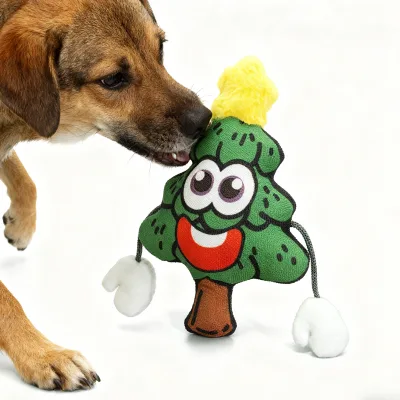
Custom Squeaky Soft Plush Christmas Tree Toys Pet Toys Christmas Dog Chew Toy
$1.23 - $1.33
MOQ: 480 pieces
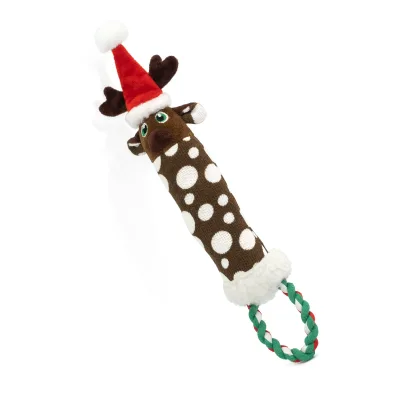

Hangzhou Tianyuan Pet Products Co., Ltd.
- Verified by TUVRHEINLAND
- Combined
- China Zhejiang
- Lead time30 days
- Avg. response≤ 19h
Main productsPet Beds, Cat Trees, Pet Products, Pet Accessories, Pet Supplies, Pet Collar, Pet Toy, Pet Brush, Pet Bowl, Pet Clothes
Main marketsEurope,North America

Yangzhou Lucky Bear Craft & Gifts Co., Ltd.
- Verified by TUVRHEINLAND
- Trading Company
- China Jiangsu
- Lead time30 days
- Avg. response≤ 2h
Main productsTeddy Bear, Plush Toy, Stuffed Animal, Toy Shoes, Baby Toy, Rocking Horse, Unstuffed Animal Skin, Indoor Slippers, Snow Boots, Promotional Toys
Main marketsEurope,North America


Wholesale Cute Animal Christmas Style Squeaky Interactive Dog Chew Toy Pet Dog Cat Toys
$0.99 - $2.85
MOQ: 50 Pieces


Shanghai Langyi Enterprise Development Co., Ltd
- Verified by SGS
- Manufacturer/Factory
- China Shanghai
- Lead time105 days
- Avg. response≤ 8h
Main productsPet Toy, Pet Bed, Dog Toy, Cat Toy, Dog Bed, Cat Tree, Dog Collar and Leash, Pet Bowl
Main marketsSouth America,Eastern Europe,Mid East,North America,Oceania,Western Europe


Factory Direct Supply Xmas Plush Dog Toys for Aggressive Chewer Dog Christmas Toys
$0.98 - $1.65
MOQ: 500 pieces


Xiamen Furvorite Pet Supplies Co., Ltd.
- Verified by SGS
- Trading Company,Manufacturer/Factory
- China Fujian
- Lead time45 days
- Avg. response≤ 4h
Main productsDog Harness, Pet Clothes, Dog Leash, Dog Collar, Pet Bed, Pet Accessories, Pet Grooming Tool, Pet Gates & Furniture, Pet Bowls & Feeding, Dog Brace
Main marketsSouth America,Eastern Europe,Mid East,North America,Southeast Asia,Eastern Asia,Oceania,Western Europe,Africa

- Verified by TUVRHEINLAND
- Trading Company
- China Jiangsu
- Lead time30 days
- Avg. response≤ 2h
Main productsPet Products, Pet Food, Pet House, Pet Plush Toy, Pet Clothes, Pet Collar, Cat Litter, Pet Leash, Pet Harness
Main marketsNorth America

Christmas Plush Toy Stuffed Snowman Pet Dog Chew Interactive Holiday Toy Gift
$1.50 - $5.88
MOQ: 500 Pieces


Factory Wholesale Pet Christmas Toys Plush Stuffed PP Cotton Chew Squeaky Training Dog Toy
$1.88 - $2.84
MOQ: 500 Pieces


Wholesale Christmas Series Plush Toys Stuffed Chew Squeaking Pet Animal Toy
$0.80 - $1.56
MOQ: 500 Pieces

- Trading Company,Manufacturer/Factory
- China Anhui
- Lead time38 days
- Avg. response≤ 4h
Main productsPet Beds&Mats, Pet Clothes, Pet Carrier, Pet Stroller
Main marketsEastern Europe,Mid East,North America,Southeast Asia,Oceania,Western Europe
- Manufacturer, Trading Company
- Shanghai, China
- Lead time53 days
- Avg. response≤ 8h
Main productsPlush Toy/Baby Toy,Pet Toy,Plush Pillow/Cushion/Plush Slipper
Main marketsNorth America(60.00%), Western Europe(10.00%), Eastern Asia(10.00%), Oceania(10.00%), Eastern Europe(10.00%)
Rizhao Spring Trading Co., Ltd.
- Verified by CTI
- Manufacturer/Factory
- China Shandong
- Lead time15 days
- Avg. response≤ 3h
Main productsWalnut, Pet House, Peanut, Cat Litter, Pet Products, Pet Food, Cat Food, Pet Treats, Dog Food, Pet Toys
Main marketsMid East,North America,Western Europe

Durable Puppy Christmas Stuffed Animals Cartoon Big Dog Squeaky Chew Toys
$0.95 - $1.85
MOQ: 500 Pieces

Dog Accessories Cute Animal Chew Toys for Dogs Dog Toy Plush Toys for Dogs
$1.40 - $1.85
MOQ: 500 Pieces


- Verified by TUVRHEINLAND
- Trading Company
- China Zhejiang
- Lead time15 days
- Avg. response≤ 13h
Main productsWooden Toy, Outdoor Product, Kitchen Item, Personal Care Tool, Painting Set, Disk Rack, Yoga, Garden
Main marketsSouth America,Europe,North America
- Verified by BV
- Trading Company
- China Zhejiang
- Lead time30 days
- Avg. response≤ 13h
Main marketsSouth America,Africa,Southeast Asia/ Mideast,East Asia(Japan/ South Korea),Europe,Australia,North America

Ningbo Yinzhou Wenhui Paper Co., Ltd.
- Verified by TUVRHEINLAND
- Manufacturer/Factory
- China Zhejiang
- Lead time45 days
- Avg. response≤ 10h
Main productsStationery Gifts Promotional Homeware, Pen, Pet Products, Board Game, Paper Tube, Notebook, Wooden Toys, DIY Toy, Puzzle, Gift Bag
Main marketsSouth America,Eastern Europe,Mid East,North America,Southeast Asia,Eastern Asia,Oceania,Western Europe,Africa

Direct Sales Durable Stuffed Animal Pet Plush Chew Toys with Squeakers Christmas Dog Toy Set
$1.10 - $1.40
MOQ: 5000 Pieces

$6.00 - $6.50
MOQ: 5000 Pieces

PUYANG SELFAIDING INDUSTRIAL CO., LTD.
- Verified by SGS
- Manufacturer
- China Henan
- Lead time15 days
- Avg. response≤ 4h
Main productsAdult Bib, Pet Pad, Underpad, Baby Bib, Protective Panties, Washable Sanitary Pad, Compression Stockings, Patient Care Clothing, Pet Nest, Pet Toy

- Verified by SGS
- Trading Company
- China Zhejiang
- Lead time15 days
- Avg. response≤ 12h
Main productsPet Harness, Pet Collar, Pet Leash, Pet Feeder, Pet Carries, Pet Toy, Pet Bed, Pet Grooming, Pet Accessories
Main marketsEurope,Australia


Chew Toys for Aggressive Chewers Indestructible Dog Toys for Large Dogs,
$1.83 - $1.93
MOQ: 100 Pieces


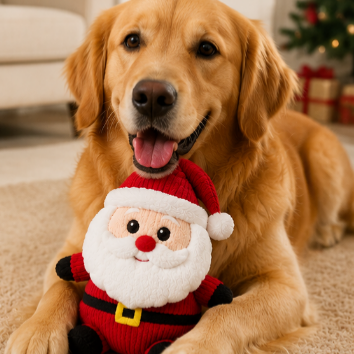
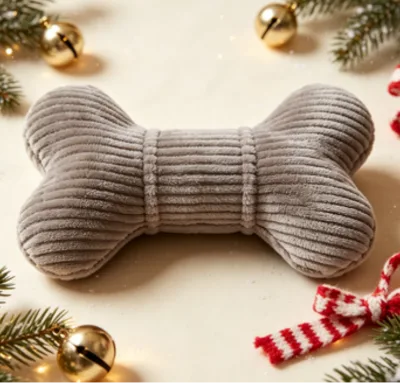


Comprehensive Sourcing Guide
Christmas Plush Dog Chew Toy Supplier Concentration and Factory Types
Current data indicates that manufacturers and trading companies for these items are concentrated in specific Chinese provinces, with Guangdong and Zhejiang emerging as primary hubs. Factories in Guangdong often list main products including dog collars, leashes, and various pet accessories alongside plush toys, suggesting a broad manufacturing ecosystem. In contrast, suppliers in Zhejiang frequently specialize in pet beds, cat trees, and specific rubber or TPR pet toys, indicating a regional focus on diverse pet product lines. This geographic clustering allows buyers to identify potential partners by filtering for these specific provincial locations rather than searching globally without direction.
The company types observed range from pure manufacturers to trading companies and combined entities. Some suppliers operate as manufacturers with factory certifications like ISO 9001, while others function as trading companies that may source from multiple factories. A few entities are listed as combined types, offering both manufacturing and trading capabilities. This variation means a buyer must verify the actual production capacity of a supplier, as a trading company might not own the machinery used to create the plush materials or sew the squeakers. Understanding whether a supplier is a direct factory or an intermediary is crucial for negotiating prices and ensuring quality control on custom orders.
How to Verify Christmas Plush Dog Chew Toy Suppliers
Verification processes should prioritize checking for recognized third-party certifications and audit reports rather than relying solely on self-declared claims. Some suppliers in the current results display system certifications such as ISO 9001, while others hold specific product certifications like RoHS or CE, which are relevant for safety compliance in various markets. Additionally, verification badges from agencies like Intertek or TÜV Rheinland provide an external layer of trust regarding the supplier's business legitimacy and factory conditions. Buyers should request current audit reports to confirm that the listed certifications are active and cover the specific production lines for plush toys.
Beyond certifications, buyers must assess the supplier's response time and verification status to gauge reliability. Response times in the observed data vary significantly, with some suppliers replying within five hours while others take nearly nineteen hours. A faster response time often correlates with better communication channels and a more active sales team, which is vital for resolving issues during the sampling phase. Furthermore, checking if a supplier is verified by a third party like Intertek adds a layer of security. Buyers should not assume all suppliers have these verifications and must explicitly ask for proof of status before proceeding with large orders.
What to Compare Across Christmas Plush Dog Chew Toy Suppliers
When comparing suppliers, key dimensions include lead time, minimum order quantity (MOQ), and response speed, as these directly impact project timelines and cash flow. Lead times observed in the data range from as little as five days for specific items to thirty days for broader production runs. MOQs also vary widely, with some suppliers requiring only twenty pieces while others demand orders of four hundred eighty or even one thousand units. Buyers should align these constraints with their inventory needs, noting that lower MOQs might come with higher per-unit costs or limited customization options.
Another critical comparison point is the range of main products and customization capabilities offered by each supplier. Some factories list extensive catalogs including dog beds and harnesses, while others focus strictly on toys. Customization features such as logo printing, color options, and material choices like cotton or plush are available across many listings, but the extent of these services differs. Buyers should compare the specific attributes listed, such as whether a supplier offers OEM or ODM services, and verify if they can handle complex requests like custom packaging or unique toy shapes. This ensures the selected partner can meet specific branding and product design requirements.
Common Christmas Plush Dog Chew Toy Sourcing Risks
One significant risk involves the discrepancy between advertised lead times and actual production capacity, which can delay shipments during peak seasons. While some suppliers list a lead time of five days, others indicate thirty days, and these figures may not account for material shortages or factory bottlenecks. Buyers should verify the current production schedule and ask for a detailed timeline before placing an order. Relying solely on the stated lead time without confirming capacity can lead to missed delivery windows, especially for seasonal items like Christmas toys that have strict market entry deadlines.
Another risk relates to material quality and safety compliance, particularly regarding the stuffing and squeakers used in plush toys. Some products are listed as having no stuffing, while others use cotton or plush materials that must meet specific safety standards like RoHS or CE. If a supplier claims a product is "indestructible" or "durable," buyers must request test reports to validate these claims. Without verified test results, there is a risk that the toys may not withstand rough play or could contain hazardous materials, leading to product recalls or customer complaints. Always demand evidence of material safety before finalizing a purchase.
Christmas Plush Dog Chew Toy Regional Sourcing and Logistics
Sourcing from regions like Guangdong and Zhejiang offers distinct logistical advantages due to established port infrastructure and supply chain networks. Suppliers in these areas often list specific ports, such as Shanghai Port, which facilitates efficient export procedures for international buyers. The proximity of factories to major shipping hubs can reduce inland transportation costs and shorten the time required to move goods from the factory floor to the vessel. Buyers should confirm the specific port of loading for each supplier to ensure it aligns with their preferred shipping routes and customs clearance strategies.
Logistics planning must also account for the varying packing standards and dimensions provided by different suppliers. Product attributes indicate that items may be packed in cartons or OPP bags, with dimensions ranging from standard sizes to custom configurations. Understanding these packing details is essential for calculating container load efficiency and estimating freight costs accurately. Buyers should request packing lists and dimensions before booking shipping space to avoid unexpected costs or space limitations. Additionally, verifying the origin of the goods ensures that all items comply with the import regulations of the destination country.
Christmas Plush Dog Chew Toy Commercial Terms and Order Planning
Commercial terms such as payment methods and pricing structures vary significantly among suppliers, requiring careful review before commitment. Some suppliers accept a wide range of payment options including PayPal, Western Union, TT, and Trade Assurance, while others may have stricter requirements. Pricing data shows a range from one dollar to five dollars per unit, depending on the product model and customization level. Buyers should compare these price points against the specified MOQs to determine the most cost-effective option for their order volume. It is also important to clarify whether the quoted price includes packaging and shipping costs.
Order planning should incorporate the specific customization capabilities and delivery timelines offered by each supplier. Features like logo printing, color customization, and model-specific designs are available, but the lead times for these customizations can extend the overall production schedule. Buyers must factor in the time required for sample approval and production adjustments when planning their order timeline. Additionally, understanding the supplier's capacity for handling large orders versus small batches helps in scaling production effectively. Clear communication regarding these terms ensures that the final product meets expectations and arrives on schedule.
FAQs
What is the typical lead time for Christmas plush dog toys?
Manufacturers generally require 3 to 5 days for production, while some suppliers indicate a broader range of 20 to 40 days depending on order volume. Standard factory lead times average around 23 days. Buyers should confirm specific delivery windows with the supplier before placing bulk orders to ensure timely arrival.
What is the minimum order quantity for these toys?
Minimum order quantities vary significantly by supplier, ranging from 20 pieces to 480 pieces. Some listings specify an MOQ of 50 pieces, while others require 1000 units. Buyers must check the specific product page for the exact MOQ, as requirements depend on the manufacturer and customization level.
Are these toys safe and certified?
Many products carry RoHS and CE certifications, ensuring compliance with safety standards. Some suppliers also hold ISO 9001 or ISO 14001 certificates. Verification services like Intertek or TÜV Rheinland may be used. Buyers should request valid certification documents to confirm product safety and regulatory compliance for their market.
Can I customize the logo and design?
OEM and ODM services are widely available, allowing for custom logos, colors, and styles. Suppliers offer cotton or plush materials with options for thousands of style variations. Logo printing is typically available. Buyers should discuss specific design requirements and customization fees directly with the manufacturer to ensure the final product matches their brand.
What is the price range for these items?
Prices typically range from $1.00 to $5.00 per unit, depending on material and complexity. Specific items may cost between $1.22 and $2.05. Costs are influenced by order volume and customization needs. Buyers should request detailed quotes based on their target quantity to understand the final unit price and any applicable setup fees.
Where are these suppliers located?
Manufacturers are primarily located in Guangdong and Zhejiang provinces in China. These regions are known for pet product manufacturing. Buyers can filter results by location to find suppliers near specific ports like Shanghai. Verifying the exact factory address helps assess logistics costs and supply chain reliability for international shipments.