Collagen Hydrating Facial Mask Suppliers and Manufacturers
Source Collagen Hydrating Facial Mask from 28 verified suppliers in China. Compare OEM/ODM capabilities, ISO9001:2015 and CE certifications, lead times, and MOQs. Filter by location and response time to find the right partner; review the available evidence before requesting comparable quotations from suitable candidates.
Updated
Suppliers List

Hangzhou Singclean Medical Products Co., Ltd.
- Verified by BV
- Combined
- China Zhejiang
- Lead time23 days
- Avg. response≤ 5h
Main productsDermal Filler, Joint Lubrication for Knee, Cross-Linked Sodium Hyaluronate Gels, Fsh Rapid Test Dipstick, Afp (Alpha-Fetoprotein) Rapid Test, Lh Ovulation Test, Absorbable Hemostatic Particles, Oxidized Regenerated Cellulose, Bacterial Vaginosis Diagnostic Strip Sets, Chitosan Products
Main marketsAfrica,Southeast Asia/ Mideast,Domestic,Europe,Australia,North America


Skformula OEM Collagen Hydrating and Moisturizing Mask with CE Sensitive Skin Care
$9.00 - $10.00
MOQ: 1000 Sets

Surgiclean Fish Collagen Hydration Face Mask Sensitive Skin Care Products
$9.00 - $10.00
MOQ: 1000 Sets

Surgiclean Collagen Hydration Face Mask 20g*5PCS for Skin Care with CE Approved
$9.00 - $10.00
MOQ: 1000 Sets

Skformula Collagen Facial Mask Enjoy Refreshing and Hydrated Skin Provide OEM ODM Service
$9.00 - $10.00
MOQ: 1000 Sets

ODM OEM Collagen Moisturizing Anti-Wrinkle Face Mask for Skincare Product with CE Approved
$9.00 - $10.00
MOQ: 1000 Sets
Guangzhou Mengxi Cosmetics Co., Ltd.
- Verified by TüVRheinland
- Trading Company
- Lead time0 days
- Avg. response≤ 3h
Main productsBeauty Tool, Skin Care Tool, Mask, Facial Cleanser, Facial Serum
Main marketsAfrica(40%), North America(10%), South America(10%)

GUANGZHOU BANGTING COSMETICS CO., LTD.
- Verified by TUVRHEINLAND
- Combined
- China Guangdong
- Lead time30 days
- Avg. response≤ 14h
Main productsFacial Cleansing Products, Facial Care, Eye Care, Collagen Eye Mask, Shampoo, Hair Mask, Eye Cream, Hair Essential Oil, Shower Gel, Body Lotion
Main marketsSoutheast Asia/ Mideast


Anti-Wrinkle Masks Face Care Moisturize Nourishing Whitening Deep Moisturizing Facial Mask Face
$0.42 - $0.84
MOQ: 100 pieces

Jining Innovision Biotechnology Co., Ltd.
- Verified by BV
- Combined
- China Shandong
- Lead time15 days
- Avg. response≤ 2h
Main productsHyaluronic Acid
Main marketsDomestic

Guangzhou Kanglixin Medical Biotechnology Co, Ltd.
- Verified by BV
- Combined
- China Guangdong
- Lead time30 days
- Avg. response≤ 9h
Main productsSkin Care Products, Body Care, Hair Care Products, Makeup, Men's Care Products, Ferminine Care Products, Serum, Facial Mask, Face Cream, Scrub
Main marketsSouth America,Africa,Southeast Asia/ Mideast,East Asia(Japan/ South Korea),Domestic,Europe,North America

$0.30 - $0.80
MOQ: 1000 pieces

$0.30 - $0.80
MOQ: 1000 pieces

$0.30 - $0.80
MOQ: 1000 pieces

$0.50 - $0.80
MOQ: 1000 pieces

Custom Logo Face Sheet Mask Hydrolyzed Collagen Moisture Lifting Firming Facial Mask
$0.20 - $0.50
MOQ: 5000 pieces


Shantou Una Cosmetics Co., Ltd
- Verified by BV
- Trading Company
- China Guangdong
- Lead time45 days
- Avg. response≤ 15h
Main productsLipsticks, Lip Gloss, Cosmetics, Nail Polish, Makeup, Foundation, Mascara, Eye Shadow, Lip Balm
Main marketsEurope,North America

Hydrating Collagen Mask - Refreshing, Hydrating and Nourishing Facial Mask for Daily Care
$1.38 - $1.54
MOQ: 1 Pieces

Collagen Moisturizing Mask - Gently Cares for Facial Skin, Hydrating, Softening and Brightening
$1.38 - $1.54
MOQ: 1 Pieces

Collagen Moisturizing Mask - Gently Nourishes, Brightens Skin, Hydrating, Plumping Peel-off Mask
$1.38 - $1.54
MOQ: 1 Pieces

Collagen Mask - Nourishes and Moisturizes Facial Skin, Revitalizes Skin Vitality, Sheet Mask
$1.38 - $1.54
MOQ: 1 Pieces

Collagen Peel-off Mask - Gently Nourishes Facial Skin, Hydrating, Moisturizing and Softening
$1.85 - $2.00
MOQ: 1 Pieces

Guangzhou Baiyun District Mayllinebe Cosmetics Factory
- Verified by SGS Group
- Trading Company
- Lead time6 days
- Avg. response≤ 5h
Main productsCollagen Crystal Facial Mask, Eye Mask, Lip Mask, Cream & Lotion, Hand & Foot Mask
Main marketsDomestic Market(32%), North America(12%), Southeast Asia(11%)

Guangzhou Danjia Cosmetics Co., Ltd.
- Verified by BV
- Manufacturer/Factory
- China Guangdong
- Lead time0 days
- Avg. response≤ 4h
Main productsDizao Facial Masks, Breast Enlarging Cream Slimming Cream, Dizao Foot Mask, Bb Cream, Breast Enlarging/ Hip up /Slimming Cream, Facial Cleanser, Body Lotion, Razor Shaving Cream, Facial Cream, Hand Cream
Main marketsSouth America,Eastern Europe,Mid East,North America,Southeast Asia,Eastern Asia,Oceania,Western Europe,Africa


Whitening Moisturizing Anti-Aging Anti-Winkles Face Mask and Neck Moisturizing Facial Mask
$2.00 - $2.40
MOQ: 180 box

Shenzhen Haiyi Cosmetics Co., Ltd.
- Verified by Intertek
- Manufacturer, Trading Company
- Lead time15 days
- Avg. response≤ 4h
Main productsPersonal care, Face Mask, Face serum, Sunscreen, Eye Cream
Main marketsNorth America(60%), Western Europe(20%), Southeast Asia(10%)
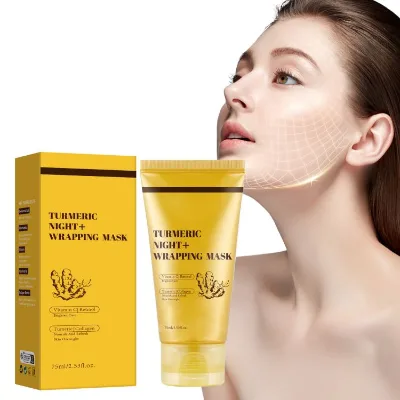
$0.60 - $2.50
MOQ: 50 pieces
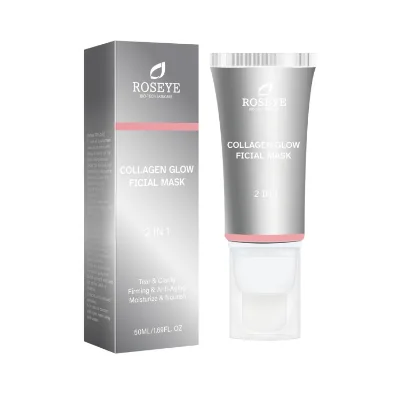
$1.35 - $1.93
MOQ: 50 pieces
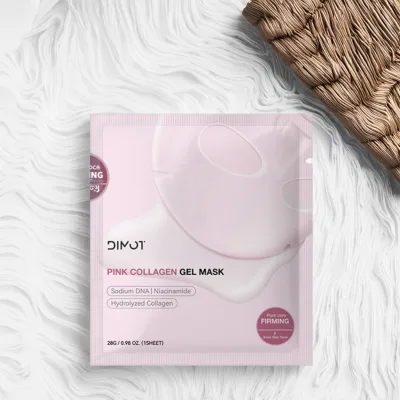
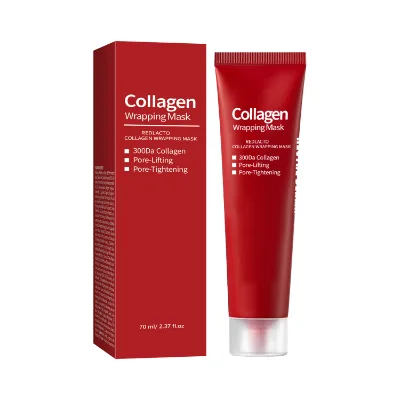
Private Label Collagen Whitening Face Care Moisturizing Skin Care Face Wrapping Mask
$0.6486 - $1.1325
MOQ: 50 pieces
- Verified by SGS Group
- Trading Company
- Lead time15 days
- Avg. response≤ 4h
Main productsToothbrush, Toothpaste, Package Bottle, Teeth Whitening Product, Skin Care Product
Main marketsNorth America(30%), Southeast Asia(20%), Africa(15%)
Guangzhou Biting Cosmetics Co., Ltd.
- Verified by Intertek
- Manufacturer, Trading Company
- Lead time25 days
- Avg. response≤ 4h
Main productsFacial Mask, Essential Oils, Hair Shampoo, Face Cream, Serum
Main marketsNorth America(49%), Southeast Asia(15%), Eastern Europe(11%)

Guangzhou Shiruoni Cosmetics Co., Ltd.
- Trading Company,Manufacturer/Factory,Group Corporation
- China Guangdong
- Lead time15 days
- Avg. response≤ 6h
Main productsSkin Care, Jelly Mask, Face Serum, Face Toner, Face Cream, Facial Mask, Sunscreen, Face Cleanser, Soap, Skin Care Set
Main marketsSouth America,Eastern Europe,Mid East,North America,Southeast Asia,Eastern Asia,Oceania,Western Europe,Africa

Custom Vegan Collagen Sheet Mask Hyaluronic Acid Hydrating Fruit Extract Facial Mask
$0.45 - $0.65
MOQ: 10000 Pieces

Guangzhou Haotuo Biotechnology Co., Ltd.
- Manufacturer, Distributor/Wholesaler
- Guangdong, China
- Lead time30 days
- Avg. response≤ 8h
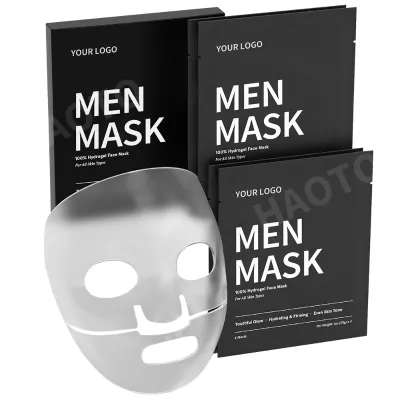
Main productshydrogel mask,eye mask,lip mask,personal care kits,hand&foot mask
Main marketsNorth America(16.00%), Central America(15.00%), Domestic Market(10.00%), South America(10.00%), Western Europe(10.00%), Eastern Europe(10.00%), Southern Europe(9.00%), Eastern Asia(6.00%), Northern Europe(5.00%), Africa(3.00%), Mid East(2.00%), South Asia(2.00%), Southeast Asia(2.00%)
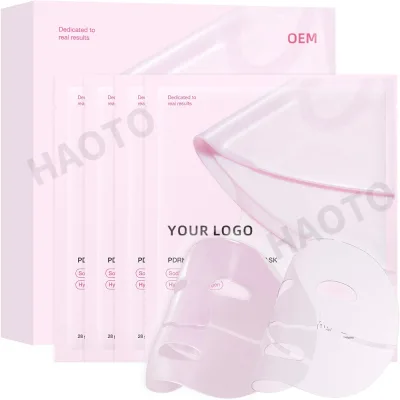
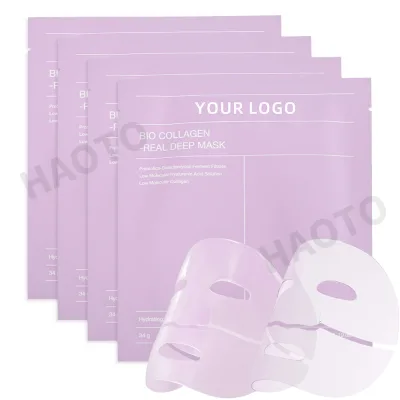
$0.34 - $0.412
MOQ: 2000 bags

Sanli Biotechnology (Dalian) Co., Ltd
- Verified by SGS
- Combined
- China Liaoning
- Lead time15 days
- Avg. response≤ 6h
Main productsSkin Care Product
Main marketsDomestic

Daily Collagen Hydration Everyday Moisture Boost Face Mask for Sustained Hydration and Health
$12.63 - $16.52
MOQ: 100 kg


Advanced Collagen and Hyaluronic Acid Hydration Plumping Face Mask for Smoothing and Dewy Skin
$12.63 - $16.52
MOQ: 100 kg

Professional Bio-Collagen and Algae Firming Lifting Face Mask for Tightening and Detoxifying
$12.63 - $16.52
MOQ: 100 kg
Shenzhen Baitejia Technology Co., Ltd.
- Verified by TüVRheinland
- Trading Company
- Lead time0 days
- Avg. response≤ 5h
Main productsHair Removal Instrument, Cleaning Instrument, Skin Care Products, Makeup Tools
Main marketsNorth America(25%), Western Europe(16%), South Asia(15%)
Guangzhou Shangmei Cosmetics Technology Co., Ltd.
- Manufacturer
- Guangdong, China
- Lead time7 days
- Avg. response≤ 8h
Main productsMask Powder,Jelly Mask,Face Toner,Skin Serum,Facial Mask
Main marketsNorth America(25.00%), Western Europe(15.00%), Northern Europe(10.00%), Oceania(10.00%), Southern Europe(10.00%), Eastern Europe(10.00%), Mid East(5.00%), Southeast Asia(5.00%), Domestic Market(5.00%), South America(4.00%), Eastern Asia(1.00%)
Ausmetics Daily Chemicals (Guangzhou) Co., Ltd.
- Verified by TüVRheinland
- Manufacturer, Trading Company
- Lead time40 days
- Avg. response≤ 8h
Main productsSkin Care, Bath & Body Care, Hair Care, Mom & Baby Care, Disinfectant
Main marketsDomestic Market(40%), Eastern Europe(10%), Western Europe(8%)

Henan Green Biotechnology Co., Ltd.
- Trading Company
- Henan Province, China
- Lead time0 days
- Avg. response≤ 2h
Main productsface cream,body scrub,lip mask,hair shampoo,soap
Main marketsEastern Europe(30.00%), South America(30.00%), North America(30.00%), Oceania(10.00%)

Guangzhou Aifujia Biotechnology Co., Ltd.
- Trading Company
- China Guangdong
- Lead time15 days
- Avg. response≤ 4h
Main productsFace Cream, Face Serum, 24K Serum, Rose Spray, Vitamin C Serum, Skin Care Set, Essential Oil, Facial Mask, Face Lotion, Anti Aging Whitening Face Cream
Main marketsSoutheast Asia/ Mideast,Europe,North America

Customized Vitamin C Collagen Face Mask for Skin Whitening, Hydration, and Anti-Aging
$0.20 - $1.80
MOQ: 1000 Pieces


Private Label Face Anti-Aging Hydrating Soft Moisturizing Cleansing Facial Mask
$1.60 - $1.90
MOQ: 1000 Pieces

Hydrating and Moisturizing Facial Mask Fresh and Tender Facial Mask for Cosmetics
$1.63 - $2.12
MOQ: 1000 Pieces

Guangdong Fanchen Biotechnology Co., Ltd.
- Verified by Intertek
- Manufacturer, Trading Company
- Lead time25 days
- Avg. response≤ 2h
Main productsFacial Serum, Scar Removal Cream, Massage Oil, Anti-chafe Balm, Slimming Cream
Main marketsDomestic Market(80%), North America(10%), Africa(6%)
$0.1768 - $0.4973
MOQ: 5000 parcels

Hangzhou Yimai Biotech Co., Ltd.
- Verified by SGS
- Trading Company
- China Zhejiang
- Lead time0 days
- Avg. response≤ 7h
Main productsGluthatione Injection, Cosmetic Vitamin C Injection, Thioctic Acid Injection, Vitamin B12 Injection, Vitamin B Complex Injection, Vitamin B Complex Powder, Cannula, Gluthatione Capsule, Syringe, Multi Vitamin Injection
Main marketsSouth America,Eastern Europe,Mid East,North America,Southeast Asia,Eastern Asia,Oceania,Western Europe,Africa
Shandong Lenore Enterprises Corp
- Trading Company
- Shandong, China
- Lead time7 days
- Avg. response≤ 2h
Main productsPersonal Care & Beauty,Medical Consumables,Home Appliances,Home & Garden,Water purification equipment
Main marketsSouth America(10.00%), Africa(10.00%), Western Europe(9.00%), North America(9.00%), Southern Europe(9.00%), Eastern Europe(9.00%), Northern Europe(8.00%), Eastern Asia(8.00%), Mid East(8.00%), South Asia(7.00%), Southeast Asia(7.00%), Central America(5.00%), Oceania(1.00%)
Guangzhou Ximu Trading Company Co., Ltd.
- Manufacturer, Trading Company, Distributor/Wholesaler
- Guangdong, China
- Lead time7 days
- Avg. response≤ 2h
Main productsmakeup tools,tattoo kits,wig,cosmetics,beauty equipment
Main marketsAfrica(40.00%), North America(30.00%), Northern Europe(20.00%), South Asia(10.00%)
Guangzhou Chuangyuan Pharmaceutical Technology Co., Ltd.
- Manufacturer, Trading Company
- Guangdong, China
- Lead time0 days
- Avg. response≤ 6h
Main productsFacial Mask, Cleanner, Sunscreen Cream & Spray, Facial Cream, Serum
Main marketsSoutheast Asia(30.00%), Domestic Market(10.00%), Mid East(10.00%), South Asia(5.00%), Eastern Asia(5.00%), South America(5.00%), Southern Europe(5.00%), Central America(5.00%), Northern Europe(5.00%), Africa(5.00%), Oceania(4.00%), Western Europe(4.00%), Eastern Europe(4.00%), North America(3.00%)
Guangzhou Mianpu Biotechnology Co., Ltd.
- Verified by SGS Group
- Manufacturer, Trading Company
- Lead time0 days
- Avg. response≤ 1h
Main productsFacial Mask Sheet, Printed Cartoon Facial Mask, Cotton Pad, Toner Pad, Hand & Foot Mask
Main marketsNorth America(30%), Eastern Europe(12%), Domestic Market(10%)
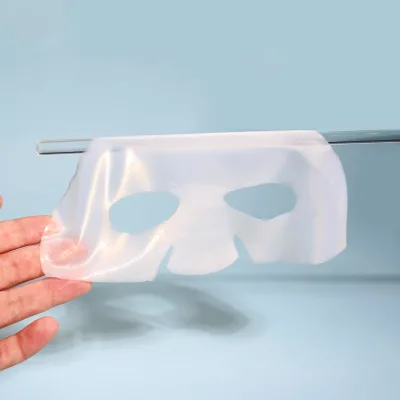
$0.50 - $0.55
MOQ: 1000 pieces
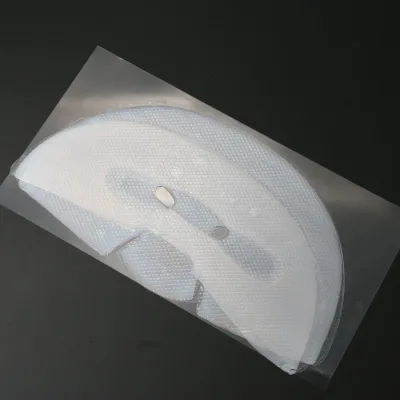
Guangzhou Diwo Biotechnology Co., Ltd.
- Verified by TüVRheinland
- Manufacturer, Trading Company
- Lead time20 days
- Avg. response≤ 2h
Main productsBody Care, Skin Care, Tanning Products, Mask, Hair Care
Main marketsNorth America(30%), Northern Europe(20%), Western Europe(15%)
Guangzhou Fuan Cosmetics Co., Ltd.
- Manufacturer, Trading Company
- Guangdong, China
- Lead time20 days
- Avg. response≤ 3h
Main productsFace Care,Body Care,Hair Care,Makeup,Men Care
Main marketsNorth America(60.00%), Southeast Asia(20.00%), Northern Europe(6.00%), Mid East(5.00%), Eastern Europe(3.00%), South Asia(2.00%), South America(2.00%), Central America(2.00%)
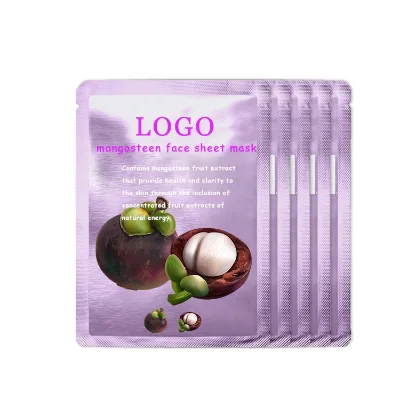
Skin Deepmoisturizing Sodium Hyaluronate Whitening Face Beauty Facial Mask
$0.25 - $0.45
MOQ: 1000 pieces
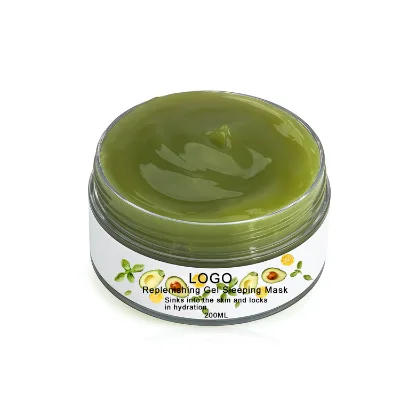
Shenzhen Pengtuankunyun Technology Co., Ltd.
- Verified by BV
- Trading Company
- China Guangdong
- Lead time15 days
- Avg. response≤ 9h
Main productsPerfume, Makeup
Main marketsSoutheast Asia/ Mideast,Europe,Australia,North America

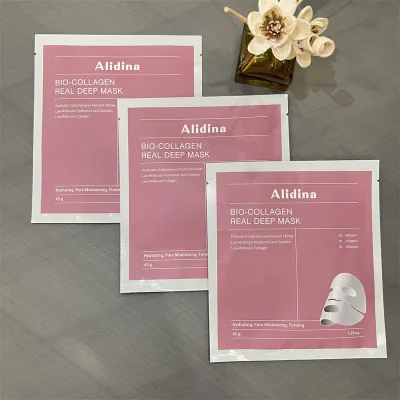
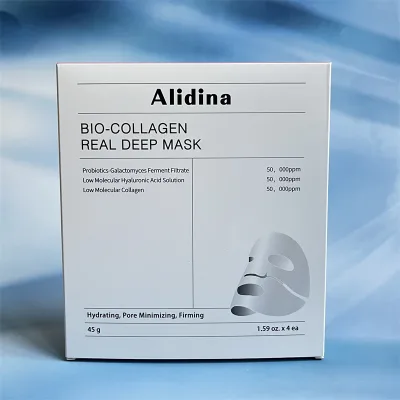
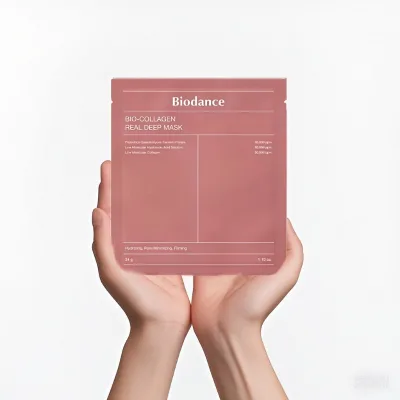
OEM Skin Care Collagen Real Deep Mask Private Label Hydrating Overnight Hydrogel Mask
$1.20 - $2.20
MOQ: 1 Pieces


Private Label Facial Mask OEM Hydrating Skin Care Face Care Mask Wholesale
$1.80 - $2.40
MOQ: 12 Pieces


Private Label Vitamin C Face Mask Custom Logo Brightening Facial Skin Care
$1.80 - $2.40
MOQ: 12 Pieces




Comprehensive Sourcing Guide
Collagen Hydrating Facial Mask Supplier Concentration and Factory Types
Search results for the Collagen Hydrating Facial Mask category show suppliers concentrated in China, with listings tied to Zhejiang and Guangdong provinces. Zhejiang appears in results tied to a combined manufacturer-and-trader profile whose broader product lines include medical and diagnostic items alongside cross-linked sodium hyaluronate gels, suggesting that some collagen mask suppliers operate diversified cosmetics or medical-adjacent facilities rather than single-product mask plants. Guangdong appears in results tied to trading companies and to a profile whose main products span facial care, eye care, and hair care, which is typical of the personal-care export corridor in that province. These two provinces should therefore anchor your first geographic screening pass.
Supplier types in this category split into three groups: combined manufacturers offering ODM and OEM capacity, trading companies that aggregate factory output, and skincare-focused suppliers with their own brands. One Zhejiang result displays ODM and OEM research capacity and an ISO9001:2015 system certificate with third-party verification; a Guangdong trading result emphasizes sample processing, graphic processing, and customized-on-demand services; another Guangdong profile lists ODM, OEM, and own-brand capability. When you shortlist, classify each candidate by type first, because a mask maker with in-house gel formulation will answer ingredient and stability questions very differently from a trader reselling finished stock, and your audit, tooling, and private-label expectations must match that structure.
How to Verify Collagen Hydrating Facial Mask Suppliers
Verification in this category should begin with the platform-displayed credentials, then move to document-level checks. In the current results, verification badges include BV and TüV Rheinland / TUVRHEINLAND assessments, and system certifications shown range from ISO9001:2015 to "Others," meaning certification depth varies widely. Product-level claims also differ: some collagen mask listings display CE marks, while one Guangdong skincare listing shows a certification string including CE, EEC, FDA, GMP, and MSDS. Treat any displayed mark as a claim to confirm, not a fact; request the actual certificate, check its scope covers cosmetics or the relevant mask category, and confirm the issuing body and expiry date directly.
Beyond certificates, verify operational substance. Ask for business license details matching the registered location, and cross-check that the factory address supports mask production rather than office-only trading. For formulation-sensitive products like collagen hydrating masks, request ingredient declarations, safety data for the collagen source (one listing identifies fish collagen), preservative systems, and stability or microbial test reports. Confirm whether the supplier permits third-party inspection before shipment and whether sample orders can be produced under the same conditions as bulk. Because several listings promote OEM, ODM, or private-label services, verify that customization extends to formula, essence weight, and packaging rather than only printing your logo on an existing stock mask. Keep a verification checklist per supplier so results remain comparable.
What to Compare Across Collagen Hydrating Facial Mask Suppliers
Build a comparison grid from the attributes the results actually display, while remembering that not every supplier shows every field. Useful comparable dimensions include: response time (results range from about 3 hours to about 13 hours), quoted lead time (results show figures such as 23 days and 30 days, with one trading profile showing 0, which usually means unreported or stock-based), MOQ (one listing shows 100 pieces, another 1,000), company type (manufacturer-combined versus trading company), location (Zhejiang or Guangdong), and main product breadth. Record establishment year and escrow or trade-assurance availability as fields to confirm during outreach when they are not displayed.
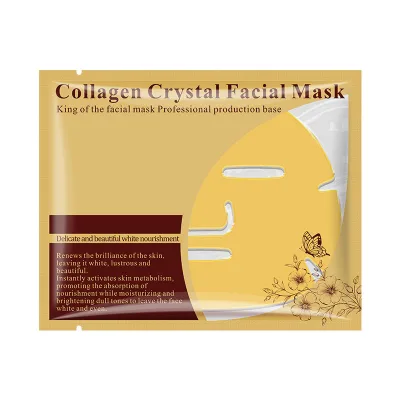
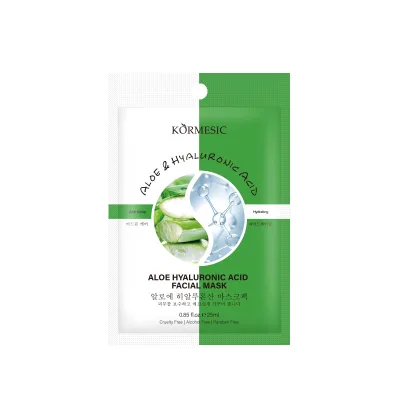
On the product side, compare specifications line by line. One Zhejiang listing shows a 20g × 5pcs format priced around $9–10 with a 1,000-piece MOQ; a Guangdong bio-collagen listing shows 34g sheet masks at roughly $0.46–0.54 with a 100-piece MOQ; crystal collagen gold masks appear around $0.30 for 60ml; and a multi-variant hydrating mask line shows 25ml units near $0.10. These gaps reflect format, essence content, claimed actives, and certification scope, so normalize your comparison by per-gram essence cost, packaging format, expiration (one listing states 2 years), applicable skin types, and customization availability before ranking suppliers on price alone.
Common Collagen Hydrating Facial Mask Sourcing Risks
The most common risk in this category is specification drift between sample and bulk. Collagen hydrating masks are judged on essence viscosity, sheet material, fragrance, and hydration performance, and a supplier who customizes freely—as several results advertise—may substitute a cheaper collagen grade or essence weight at scale unless your contract fixes the formula, per-piece weight (listings show formats from 25ml to 34g), and packing standard. Another frequent risk is certification mismatch: one listing displays CE while another displays a broad CE/EEC/FDA/GMP/MSDS string, yet the profiles behind them show system certifications as varied as ISO9001:2015 and unspecified "Others." A product-level mark does not guarantee a facility-level quality system.
Trading-company risk is also material here, because the results include verified traders whose lead time field shows 0 and whose value lies in aggregation rather than production. A trader can be the right choice for mixed-SKU private-label launches, but you must know who actually manufactures the mask, since audit rights, corrective-action responsibility, and reformulation control all depend on factory access. Additional risks include exaggerated "whitening" or "anti-wrinkle" feature claims (both appear in listing attributes) that may conflict with cosmetic regulations in your destination market, and long response times—one profile averages about 13 hours—which can stall customized projects. Mitigate by locking specifications in writing, inspecting pre-shipment, and confirming regulatory compliance for claimed features.
Collagen Hydrating Facial Mask Regional Sourcing and Logistics
The results tie this category to two Chinese provinces, and each carries different logistics implications. Zhejiang, with a listing origin in Hangzhou, is associated in these results with a combined manufacturer whose lead time is displayed as 23 days and whose diversified product base includes hyaluronate gels—relevant because hyaluronic acid and collagen hydrating masks often share gel-handling expertise. Guangdong, with an explicit listing origin noted for one hydrating mask line, hosts the trading profiles in these results and offers deep personal-care packaging, printing, and component supply. Match the region to your priority: formulation depth and medical-adjacent quality systems point toward the Zhejiang-type profile, while fast private-label assembly of many mask variants points toward Guangdong-type suppliers.
For logistics planning, use the displayed lead times as a starting range—23 to 30 days in these results—then add sample iterations, which for customized masks typically add weeks depending on how many formula or packaging rounds you request. Confirm the ex-works location in writing, since province-level labels hide city-level distance to ports and couriers. Mask products are light but bulky; essence-filled pouches and carton packing (one listing specifies cartons) affect freight cost per unit more than weight, so compare quotes on a delivered basis. Finally, ask how each supplier handles temperature and humidity during storage, because hydrating essence formulations can degrade in poorly controlled warehousing before shipment.
Collagen Hydrating Facial Mask Commercial Terms and Order Planning
Order planning should start from the MOQ and price spread visible in the results, which is wide: 100-piece minimums on bio-collagen sheet masks versus 1,000-piece minimums on boxed 20g × 5pcs sets, and unit prices from roughly $0.10 for simple hydrating pouches to around $9–10 for premium boxed sets. Use this spread to structure tiered orders: a low-MOQ stock design to validate your market, then a higher-MOQ customized private-label run once sell-through is proven. When negotiating, anchor on per-unit cost at your actual volume tier, and require the quoted price to specify essence weight, sheet count per pack, carton packing, and customization scope, since several listings show customization as "available" without defining its cost.
Payment and milestone structure should reflect supplier type and verification level. Where escrow or platform trade protection is offered, use it for first orders; the results include profiles verified by BV and TüV Rheinland, which reduces—but does not remove—counterparty risk. Sequence commercial terms as: paid samples, small pilot order, deposit-balance bulk order with inspection before balance payment, then standing orders once quality is stable. Reconcile lead time against your launch calendar using the displayed 23–30 day production figures plus sampling and shipping, and set reorder points early, because mask categories with seasonal promotions can exhaust a supplier's line capacity. Confirm expiry dating (2 years in one listing) at contract time so received stock supports your full retail window.
FAQs
What is the typical lead time for collagen hydrating facial masks?
The typical lead time for these masks is 23 days based on current supplier data. Some suppliers offer faster options with zero days, while others may require up to 30 days. Buyers should verify specific timelines with each vendor before placing orders to ensure timely delivery.
What are the minimum order quantities for collagen facial masks?
Minimum order quantities vary significantly among suppliers, ranging from 100 units to 1000 units. Some vendors accept small batches of 100 pieces, while others require larger orders of 1000 pieces. Buyers must check individual product listings to confirm the specific MOQ required for their purchase.
Which certifications are available for collagen hydrating facial masks?
Available certifications include CE, FDA, GMP, MSDS, and ISO9001:2015. Some products also hold EU 2015/863 compliance. Buyers should verify which specific certifications apply to the exact product model they intend to purchase, as not all suppliers offer the same regulatory approvals.
Where are the suppliers of collagen facial masks located?
Suppliers are primarily located in China, specifically in Zhejiang and Guangdong provinces. Some products originate from Hangzhou, while others come from Guangdong. Buyers should confirm the exact city of origin for each supplier to assess logistics and shipping costs accurately.
What customization services are offered for collagen facial masks?
Most suppliers offer OEM and ODM services with customization available for private labeling. Buyers can request custom packaging, specific ingredients, or unique formulations. Verification of customization capabilities should be done directly with the supplier to ensure their specific needs can be met effectively.
What is the price range for collagen hydrating facial masks?
Prices range from 0.10 to 10.00 per unit depending on the product specifications and order volume. Some basic masks start at 0.10, while premium options with additional features may cost up to 10.00. Buyers should request detailed quotes to understand the final pricing structure.
How quickly do suppliers typically respond to inquiries?
Response times vary, with some suppliers responding within 3 hours and others taking up to 13 hours. The average response time observed is around 4.41 hours. Buyers should expect varying speeds and may need to follow up to ensure timely communication regarding their orders.