Collapsible Rectangle Kitchen Colander Suppliers and Manufacturers
Source 33 verified suppliers for Collapsible Rectangle Kitchen Colander products. Compare key dimensions such as lead times, MOQs, and response rates to identify suitable partners. Contact suppliers directly to request quotes and verify customization options; review the available evidence before requesting comparable quotations from suitable candidates.
Suppliers List

Ningbo Happy Valley Household Co., Ltd.
- Verified by SGS
- Trading Company
- China Zhejiang
- Lead time30 days
- Avg. response≤ 16h
Main productsPot Lid, Glass Pot Lid, Kitchen Utensil Set, Kitchen Tool, Bento Box, Lunch Box, Plastic Lunch Box, Silicone Lunch Box, Collapsible Bucket, Plastic Bucket
Main marketsEurope


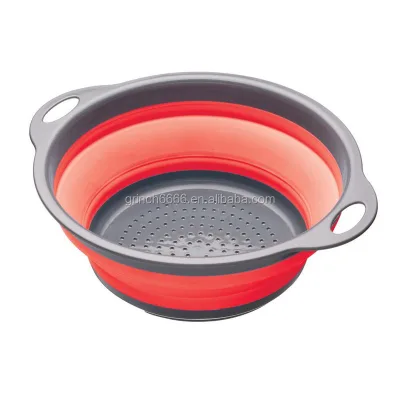
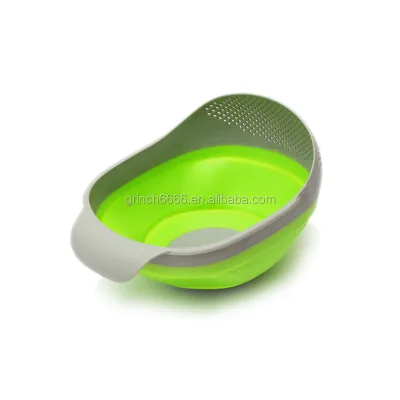
Versatile Collapsible Colander for Effortless Fruit and Vegetable Washing
$0.88 - $1.25
MOQ: 50 Pieces

Multi-Function Collapsible Colander for Efficient Fruit and Vegetable Washing
$0.70 - $0.90
MOQ: 50 Pieces
Xiamen Zhongying Electronic Technology Co., Ltd.
- Verified by SGS
- Combined
- China Fujian
- Lead time15 days
- Avg. response≤ 8h
Main productsPlastic Products, Rubber Ring, Sealing Ring, Gasket
Main marketsSoutheast Asia/ Mideast,Australia,North America


Non-Stick BPA-Free Food Grade Silicone Kitchen Colander with Hooks for Pots Pans Bowls
$1.50 - $1.80
MOQ: 100 Pieces
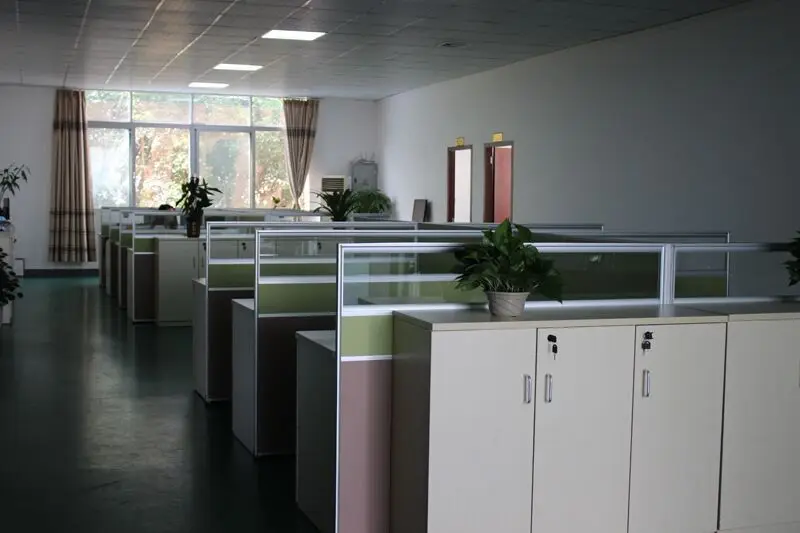
Guangzhou HY Plastic Co., Ltd.
- Manufacturer, Trading Company, Distributor/Wholesaler
- Guangdong, China
- Lead time5 days
- Avg. response≤ 1h
Main productschocolate mold,cake mold,soap mold,candle mold,cake tools
Main marketsNorth America(30.00%), Eastern Europe(25.00%), Oceania(10.00%), Africa(5.00%), Southeast Asia(5.00%), Northern Europe(5.00%), South America(5.00%), Western Europe(4.00%), South Asia(3.00%), Southern Europe(3.00%), Mid East(3.00%), Domestic Market(1.00%), Eastern Asia(1.00%)

Zhong Xing Da (Hangzhou) Import & Export Co., Ltd.
- Verified by SGS
- Manufacturer/Factory
- China Zhejiang
- Lead time45 days
- Avg. response≤ 5h
Main productsCooking, Cookware, Waterfun, Fishing, Camping, RV
Main marketsSouth America,Eastern Europe,North America,Western Europe

Foldable Silicone Strainer Basket - Expandable Collapsible Kitchen Colander & Drainer
$0.65 - $0.85
MOQ: 200 Pieces

Silicone Folding Basket Washing Basket Foldable Strainer Colander Collapsible Drainer Kitchen Tool
$0.65 - $0.85
MOQ: 200 Pieces

Collapsible Silicone Kitchen Colander - Foldable Drain Basket for Washing Veggies & Pasta
$0.65 - $0.85
MOQ: 200 Pieces

Foldable Silicone Colander for Vegetables - Stainless Steel Base, Collapsible Design
$5.90 - $6.80
MOQ: 200 Pieces

Foldable Kitchen Strainer Basket - Collapsible Silicone Colander for Easy Storage & Drainage
$0.65 - $0.85
MOQ: 200 Pieces

Adjustable Foldable Kitchen Colander: Dishwasher Safe, Collapsible Design with Extending Handles
$1.95 - $2.15
MOQ: 200 Pieces
Taizhou Qihe New Materials Co., Ltd.
- Manufacturer, Trading Company
- Zhejiang, China
- Lead time30 days
- Avg. response≤ 4h
Main productsSilicone water bottle,Kitchen accessories,Pet supplies,Mother and baby
Main marketsNorthern Europe(50.00%), North America(50.00%)

$0.36 - $0.43
MOQ: 2000 pieces

$2.25 - $2.64
MOQ: 200 pieces
Xiamen Boming Industrial & Trading Co.,ltd.
- Verified by SGS Group
- Manufacturer, Trading Company
- Lead time25 days
Main productsPlastic Injection Parts, Metal Stamping Parts, Folding Mop, Disposable Plastic Flatware, Plastic Food Colander
Main marketsSouthern Europe(56%), North America(13%), Mid East(10%)

New Foldable Plastic Colander with Bottom Hollow Design Collapsible Drain Basket or Bucket
$1.75 - $2.16
MOQ: 510 pieces


- Verified by SGS
- Trading Company,Manufacturer/Factory
- China Guangdong
- Lead time45 days
- Avg. response≤ 1h
Main productsStainless Steel Cookware, Stainless Steel Untensil, Stainless Steel Kitchenware, Stainless Steel Colander Bowl, Stainless Steel G. N Pan, Stainless Steel Pressure Cooker, Stainless Steel Buckets, Stainless Steel Dishes Rack, Stainless Steel Chafing Dishes, Stainless Steel Fittings
Main marketsSouth America,Eastern Europe,Mid East,North America,Southeast Asia,Eastern Asia,Oceania,Western Europe,Africa


Stainless Steel Colander Plastic Cover Kitchenware Rotary Colander Set Washing Vegetable Fruit
$1.50 - $2.00
MOQ: 100 Pieces


Shenzhen Hanchuan Industrial Co,.Ltd
- Verified by Intertek
- Manufacturer, Trading Company
- Lead time3 days
Main productsSilicone Baby Placemat, Silicone Ice Tray, Silicone Collapsible Lunch Box, Silicone BBQ Gloves, Silicone Baby Bib
Main marketsNorth America(40%), Western Europe(30%), Eastern Europe(10%)
Yangjiang Golden View Economic Trading Co., Ltd.
- Verified by Intertek
- Manufacturer, Trading Company
- Lead time45 days
Main productsKitchen Utensil, Bakeware, Ice Mold, Kitchen Gadgets, Baking Tools
Main marketsNorth America(35%), Oceania(15%), Western Europe(15%)
Chaozhou City Chaoan District Caitang Town Hongyuan Hardware Products Factory
- Verified by SGS Group
- Manufacturer, Trading Company
- Lead time6 days
Main productsStainless Steel Plate, Stainless Steel Basin, Stainless Steel Pot, Stainless Steel Square Plate, Stainless Steel Bowl
Main marketsNorth America(25%), Southeast Asia(20%), Western Europe(20%)
Pingyang County Jingyi Commodity Co., Ltd.
- Verified by SGS Group
- Manufacturer, Trading Company
- Lead time0 days
Main productsStorage Items, Cleaning Items, Bathroom Items, Kitchenware
Main marketsDomestic Market(100%)

Jiangmen Xinhaohui Kitchenware Manufacturing Co., Ltd
- Verified by BV
- Combined
- China Guangdong
- Lead time15 days
- Avg. response≤ 3h
Main productsPot
Main marketsSoutheast Asia/ Mideast,Europe

Foshan Dragon Technology Co., Ltd.
- Manufacturer, Trading Company
- Guangdong, China
- Lead time0 days
- Avg. response≤ 4h
Main productsSilicone Baby Product,Silicone Household Product,Silicone Kitchenware,Silicone Toy,Silicone Pet Toy
Main marketsWestern Europe(44.00%), North America(40.00%), South America(3.00%), Northern Europe(2.00%), Southern Europe(2.00%), Eastern Europe(2.00%), Oceania(1.00%), Central America(1.00%), Southeast Asia(1.00%), Eastern Asia(1.00%), Mid East(1.00%), South Asia(0.50%), Africa(0.50%)
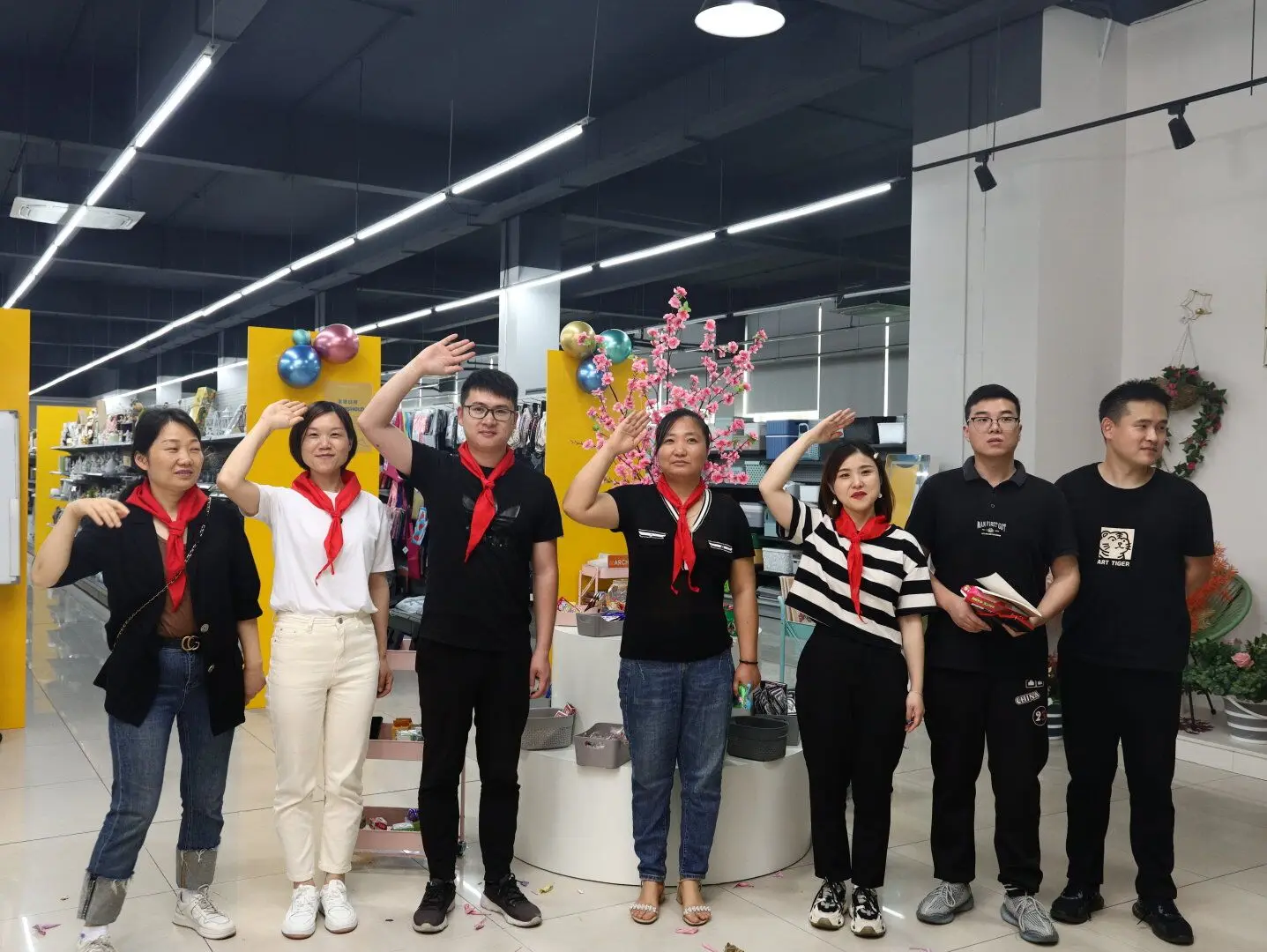
Ningbo Homecrest Imp.& Exp. Co., Ltd.
- Trading Company
- Zhejiang, China
- Lead time20 days
- Avg. response≤ 4h
Main productsKitchen Organizer, Home Organizer, Bathroom Organizer, Home Decor
Main marketsNorth America(40.00%), Northern Europe(40.00%), Oceania(10.00%), Eastern Asia(10.00%)

Wenzhou Cathylin International Trade Co., Ltd.
- Verified by TUVRHEINLAND
- Trading Company
- China Zhejiang
- Lead time15 days
- Avg. response≤ 14h
Main productsFlatware, Cutlery, Kitchen Tools, Tableware, Cookware, Bakeware, Drinkware
Main marketsNorth America


Collapsible Silicone Colander Set Pasta Basket Strainers with Plastic Handles
$0.61 - $2.72
MOQ: 20 Pieces

Plastic Collapsible Colander Strainer Basket Adjustable Drain Basket Convenient Food Sink Filter
$1.07 - $1.71
MOQ: 50 Pieces
Yangjiang Huaqiang Industrial Co., Ltd.
- Verified by SGS Group
- Manufacturer, Trading Company
- Lead time35 days
Main productsSilicone Kitchenware, Nylon Kitchenware, Silicone Baking Products

Yangjiang Homelife Industry & Trading Co., Ltd.
- Trading Company
- Guangdong, China
- Lead time35 days
- Avg. response≤ 3h
Main productsSilicone utensils,Kitchenware,Bakeware,Kitchen Gadgets,Kitchen Accessories
Main marketsNorth America(40.00%), Eastern Asia(15.00%), Southern Europe(10.00%), Western Europe(10.00%), Northern Europe(3.00%), South Asia(3.00%), Southeast Asia(3.00%), Eastern Europe(3.00%), Mid East(3.00%), Oceania(3.00%), Africa(3.00%), South America(2.00%), Central America(2.00%)
Yongkang Befair Kitchenware Co., Ltd.
- Verified by Intertek
- Manufacturer, Trading Company
- Lead time25 days
Main productsColander, Bakeware
Main marketsEastern Europe(57%), Domestic Market(20%), North America(10%)

Zhongshan Mingxin Silicone Manufactory
- Verified by SGS
- Combined
- China Guangdong
- Lead time15 days
- Avg. response≤ 5h
Main productsSilicone Kitchenware, Silicone Keypaid, Silicone Bracelet, Silicone Wristband, Silicone Ashtray, Silicone Tube, Silicone Watch, Silicone Rubber, Silicone Sex Doll, Silicone Mold
Main marketsEurope,North America

Kitchenware Silicone Colander Folding Silicone Collapsible Basket Strainer
$2.40 - $2.70
MOQ: 500 Pieces

Kitchenware Collapsible Silicone Colander Plastic Silicone Folding Basket Strainer
$2.40 - $2.70
MOQ: 500 Pieces

$2.40 - $2.70
MOQ: 500 Pieces

Yongkang Jiacheng Metal Co., Ltd.
- Manufacturer, Trading Company
- Zhejiang, China
- Lead time0 days
- Avg. response≤ 3h
Main productsStrainer,Colander,Wire Basket Series,Noodle Ladle Series,Oil Strainer Series
Main marketsEastern Asia(70.00%), North America(25.00%), Domestic Market(5.00%)

YONGKANG HOMESHINE SILICONE PRODUCTS CO., LTD.
- Combined
- China Zhejiang
- Lead time23 days
- Avg. response≤ 25h
Main productsGlass Lid
Main marketsSouth America,East Asia(Japan/ South Korea),Domestic,Europe,North America

Colanders&Strainers Type Kitchen Tool Silicone Collapsible Basket Colander
$0.95 - $3.18
MOQ: 1500 Pieces



Ningbo Bright Commodity Co., Ltd.
- Trading Company
- Zhengjiang, China
- Lead time30 days
- Avg. response≤ 9h
Main productsfood container,Refrigerator Organizer
Main marketsNorth America(50.00%), Northern Europe(20.00%), Western Europe(20.00%), Eastern Asia(5.00%), South America(5.00%)
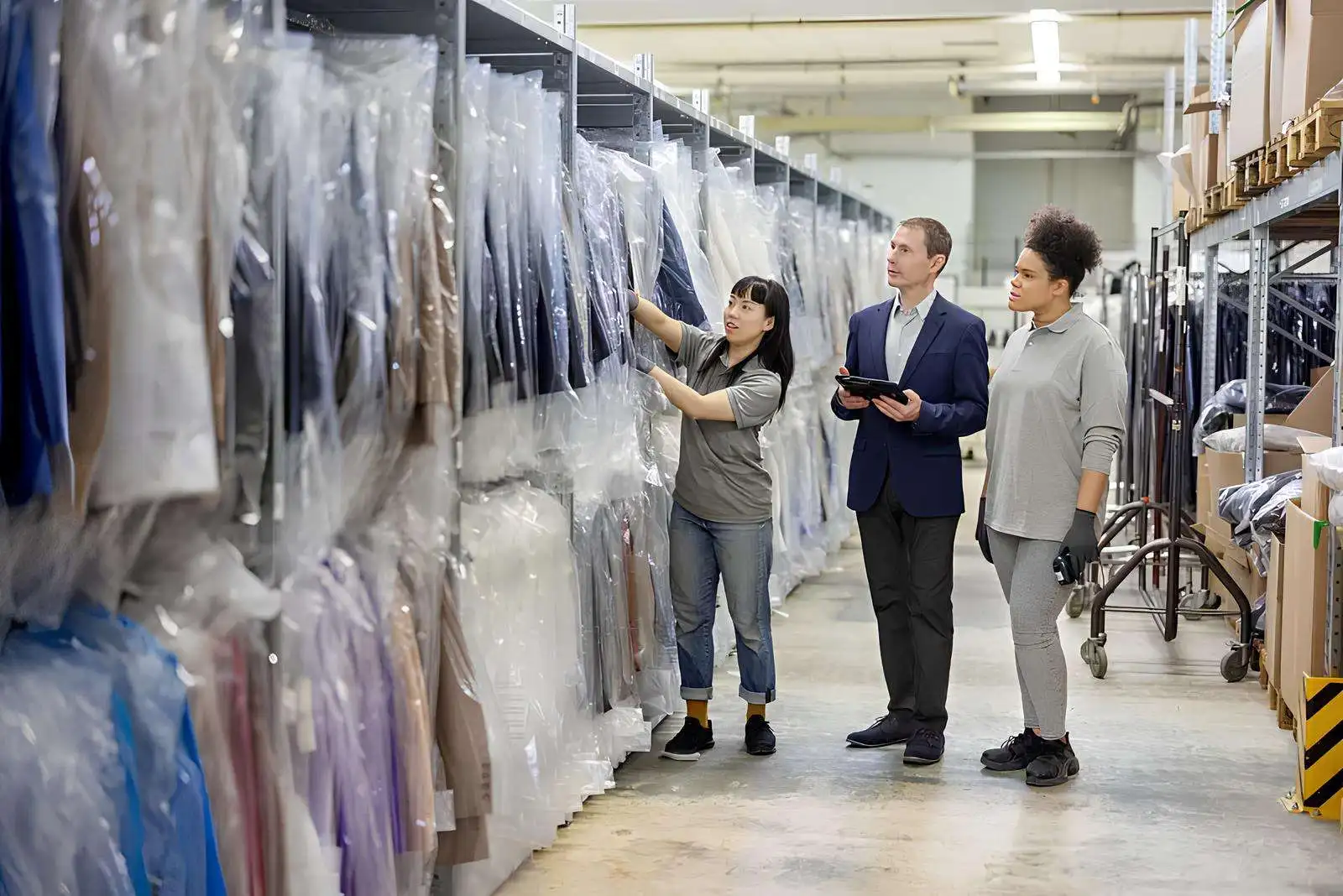
Henan Jielun Import And Export Co., Ltd.
- Trading Company
- Henan Province, China
- Lead time7 days
- Avg. response≤ 6h
Main productsWomen's clothing,Men's clothing,Sexy lingerie,women underwear/panty,Men's bag & Women's bag
Main marketsNorth America(23.00%), South America(21.00%), Eastern Europe(11.00%), Southeast Asia(10.00%), Africa(6.00%), Oceania(5.00%), Domestic Market(3.00%), South Asia(3.00%), Southern Europe(3.00%), Northern Europe(3.00%), Central America(3.00%), Western Europe(3.00%), Eastern Asia(3.00%), Mid East(3.00%)
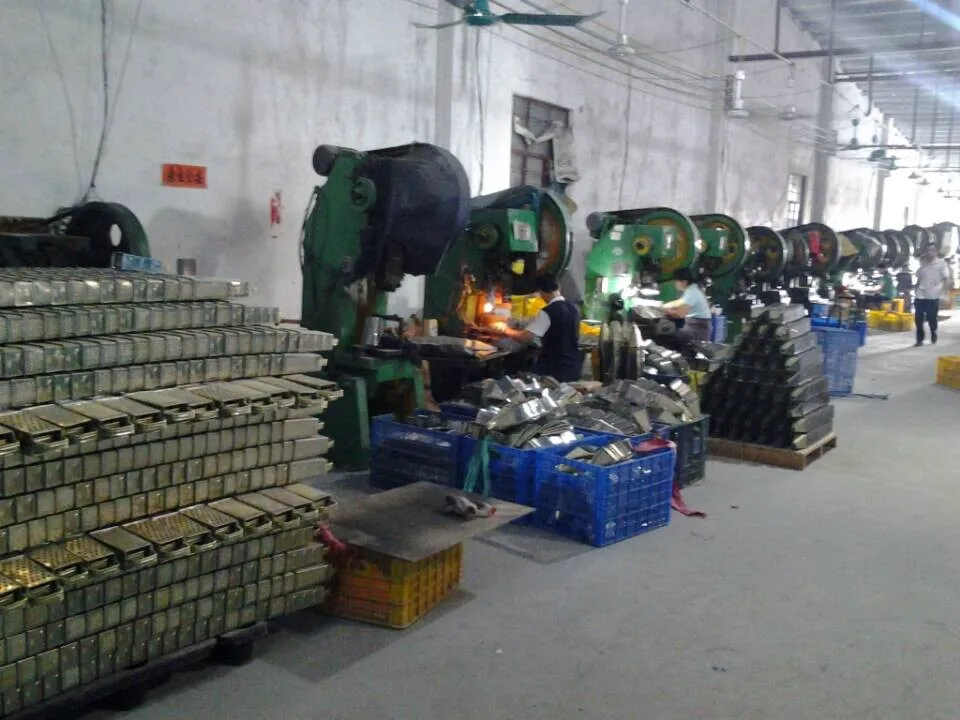
Huorun Import & Export Co., Ltd. (ASIA BEST BRANCH)
- Trading Company
- Guangdong, China
- Lead time30 days
- Avg. response≤ 7h
Main productsKitchen Knife & Scissor,Kitchen Tools,BBQ Tools,Wooden Cutting Boards,Manicure & Beauty Tools
Main marketsWestern Europe(45.00%), South America(20.00%), Eastern Asia(10.00%), Northern Europe(10.00%), Eastern Europe(5.00%), Central America(5.00%), North America(5.00%)

Eagle Catering Equipment Co., Ltd.
- Manufacturer/Factory
- China Guangdong
- Lead time30 days
- Avg. response≤ 6h
Main productsTrolleys, Gastronorm Containers, Table, Shelves, Sink, Barrier Post, Cookware, Buffetware, Barware, Kitchen Utensils
Main marketsSouth America,Eastern Europe,Mid East,North America,Southeast Asia,Eastern Asia,Oceania,Western Europe,Africa

Henan Zlovy Enterprise Co., Ltd.
- Trading Company
- Henan, China
- Lead time1 days
- Avg. response≤ 7h
Main productsCoffee Pot,Coffee Tools,Water Bottle,Home Appliances,Baking Tools
Main marketsNorth America(35.00%), Western Europe(20.00%), Mid East(20.00%), Southeast Asia(15.00%), South America(10.00%)
Shenzhen Erade Technology Limited
- Manufacturer, Trading Company, Distributor/Wholesaler
- Guangdong, China
- Lead time7 days
- Avg. response≤ 4h
Main productskitchen tools,stainless steel scoops,tea strainers,wine stoppers,household tool
Main marketsNorth America(45.00%), Western Europe(20.00%), Northern Europe(12.00%), Domestic Market(5.00%), Eastern Europe(5.00%), Southern Europe(3.00%), Southeast Asia(3.00%), Mid East(2.00%), South America(2.00%), Oceania(1.00%), South Asia(1.00%), Eastern Asia(1.00%)

Taizhou Shangyi Plastic Co., Ltd.
- Verified by TUVRHEINLAND
- Trading Company
- China Zhejiang
- Lead time23 days
- Avg. response≤ 22h
Main productsFood Container, Storage Container, Lunch Box, Bento Box, Plastic Laundry Basket, Plastic Storage Container, Plastic Cutting Board
Main marketsSouth America,Southeast Asia/ Mideast

Wash Colander Fruit Vegetable Washing Basket Kitchen Collapsible Strainer
$0.31 - $0.34
MOQ: 5000 Pieces

Plastic Strainer Colander with Handle for Pasta, Noodles, Spaghetti, Vegetables and More
$0.31 - $0.34
MOQ: 5000 Pieces


Multi Functional Double Layer Detachable Draining Basket Kitchen Storage Colanders
$0.45 - $0.48
MOQ: 5000 Pieces


- Verified by SGS Group
- Trading Company
- Lead time20 days
Main productsKitchenware, Coffee French Maker, Plastic Bento Box, Bamboo Wooden Kitchen Items, Ceramic & Glass Products
Main marketsNorthern Europe(20%), South Asia(20%), North America(10%)

Yangjiang C&B Consumer Product Limited
- Combined
- China Guangdong
- Lead time150 days
- Avg. response≤ 5h
Main productsBarbecue Tongs, Grilling Brushes, Outdoor Shovel, Grilling Tools, Kitchen Ware, Outdoor Products, Pizza Tools, Knife Set
Main marketsSouth America,Southeast Asia/ Mideast,Domestic,Europe,Australia,North America

Foldable Silicone Fruit & Veggie Strainer - Collapsible Colander with Handles
$0.84 - $0.95
MOQ: 1000 Sets


Kitchenware Extendable Handles Vegetable Fruit Collapsible Strainer Silicone Colanders Washing Tools
$2.23 - $2.42
MOQ: 1000 Sets

$0.84 - $0.95
MOQ: 1000 Sets

Kitchen Extendable Handles Collapsible Strainer Vegetable Fruit Colanders Kitchenware
$2.23 - $2.42
MOQ: 1000 Sets
Dongguan Good Impression Industrial Co., Ltd.
- Verified by TüVRheinland
- Manufacturer, Trading Company
- Lead time20 days
Main productsHot Water Bottle, Silicone Feeding Set, Baby Set, Silicone Ice Tray
Main marketsDomestic Market(45%), North America(30%), Northern Europe(12%)
Ningbo Bright Commodity Co., Ltd.
- Trading Company
- Lead time旺季: "1 - 500":180,"> 500":"To be negotiated", 淡季: "1 - 500":180,"> 500":"To be negotiated"
- Avg. response≤ 10h
Main productsmilk frother,stationery,vegetable chopper,Cereal dispenser,collapsible plastic basket & bucket

- Trading Company
- China Zhejiang
- Lead time30 days
- Avg. response≤ 11h
Main productsHome Appliance, Cookware Set, Thermos, Home Storage, Furniture, Pet Supplies, Garden Tools, Outdoor Supplies, Baby Supplies, Houesehold Items
Main marketsSouth America,Africa,Southeast Asia/ Mideast,East Asia(Japan/ South Korea),Domestic,Europe,Australia,North America




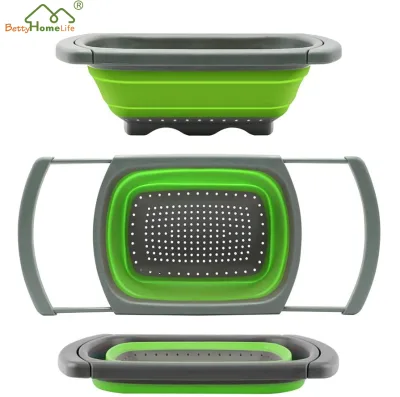


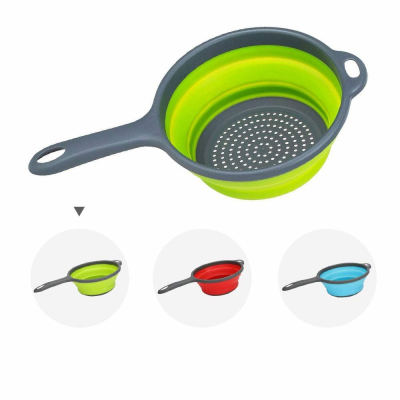

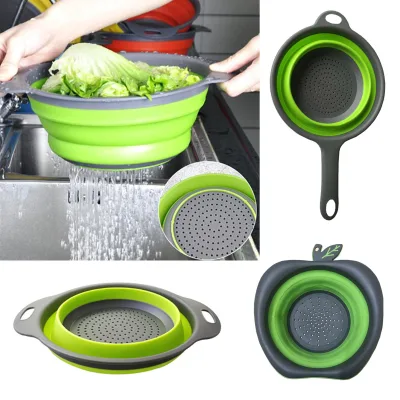


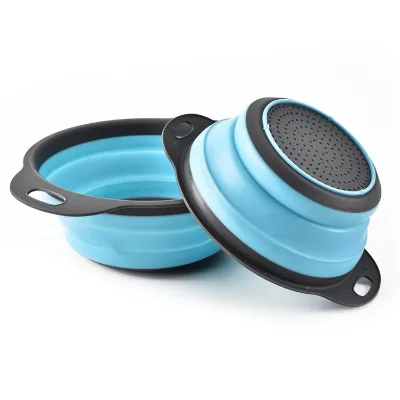



Comprehensive Sourcing Guide
Collapsible Rectangle Kitchen Colander Supplier Concentration and Factory Types
The current supplier landscape for collapsible rectangle kitchen colanders reveals a distinct concentration of manufacturing and trading entities within specific Chinese provinces, primarily Zhejiang and Fujian. Suppliers located in Zhejiang are predominantly identified as trading companies, which suggests a business model focused on aggregating products from various local factories rather than direct manufacturing. These entities often list a diverse range of main products, including pot lids, kitchen utensil sets, bento boxes, and silicone lunch boxes, indicating a broad catalog strategy rather than a specialized niche focus. This trading company structure can offer buyers access to a wider variety of designs and materials, such as plastic and silicone options, but it may also introduce an additional layer of communication and potential markup. The presence of these trading companies in Zhejiang highlights the region's role as a hub for general kitchenware distribution, where sourcing efficiency is driven by the ability to consolidate orders from multiple product lines. Buyers evaluating suppliers in this cluster should recognize that while the product range is extensive, the direct factory connection might be less transparent compared to specialized manufacturing hubs.
In contrast, suppliers based in Fujian present a different operational profile, often categorized as combined entities that may include both manufacturing and trading capabilities. These suppliers frequently emphasize specific certifications, such as ISO9001:2015, which signals a commitment to standardized quality management systems. The main products listed for Fujian-based suppliers often include plastic products, rubber rings, sealing rings, and gaskets, suggesting a technical proficiency in material processing and sealing technologies that can be applied to kitchenware production. This background in rubber and plastic components may translate to higher durability or better sealing features in collapsible colanders, particularly those relying on silicone or plastic hinges. The response times and lead times observed in this region can vary, with some suppliers demonstrating rapid response capabilities, which is crucial for buyers seeking quick turnaround on custom orders. Understanding these regional distinctions helps buyers align their sourcing strategy with the specific strengths of each location, whether it be the breadth of product variety in Zhejiang or the technical manufacturing capabilities in Fujian.
How to Verify Collapsible Rectangle Kitchen Colander Suppliers
Verifying the credibility and operational capacity of suppliers requires a multi-layered approach that goes beyond basic profile reviews. One critical step is to check for third-party verification badges, such as SGS, which provide an external validation of the supplier’s business legitimacy and operational standards. Buyers should prioritize suppliers who display such verification marks, as they indicate that an independent agency has assessed the company’s credentials. Additionally, examining the supplier’s response time is a practical indicator of their operational efficiency and customer service quality. A response time of approximately 15.93 hours, for instance, suggests a moderate level of engagement, while faster response times, such as 7.31 hours, may indicate a more responsive and potentially more agile team. Buyers should use these metrics to gauge the likelihood of smooth communication throughout the sourcing process, as delayed responses can often signal underlying logistical or managerial issues. It is also advisable to review the supplier’s main product listings to ensure they have specific experience with collapsible kitchenware, rather than just general kitchen tools.
Another essential verification step involves assessing the supplier’s customization capabilities and production standards. Many suppliers offer customization options, including logo printing and customized packing, which are vital for buyers looking to brand their products. However, buyers must verify the minimum order quantities (MOQ) associated with these customizations, as they can vary significantly, ranging from as low as 5 units to as high as 100 pieces. Furthermore, checking for relevant certifications, such as ISO9001:2015, provides assurance that the supplier adheres to recognized quality management practices. Buyers should also inquire about the specific materials used, such as silicone or plastic, and request evidence of material safety standards, especially since these products come into direct contact with food. By combining verification of business credentials, response metrics, customization flexibility, and material safety, buyers can build a comprehensive profile of each supplier’s reliability and suitability for their specific sourcing needs.
What to Compare Across Collapsible Rectangle Kitchen Colander Suppliers
When evaluating multiple suppliers, buyers must systematically compare key operational and commercial dimensions to identify the most suitable partner. One of the most critical factors is the lead time, which directly impacts inventory planning and market responsiveness. Suppliers may offer lead times ranging from 15 days to 30 days, depending on the complexity of the order and the supplier’s current production capacity. Buyers should align their order placement with these lead times to avoid stockouts or excess inventory. Additionally, the minimum order quantity (MOQ) is a significant differentiator, with some suppliers requiring as few as 5 units, while others may demand 50 or 100 units. This variation allows buyers with smaller budgets or testing needs to start with lower volumes, whereas larger buyers can negotiate better terms with suppliers who have higher MOQs. Comparing these two metrics helps buyers determine which suppliers fit their scale and speed requirements.
Price and product specifications are also essential comparison points. The price range for collapsible colanders can vary widely, with some models priced between $0.70 and $0.90, while others may cost between $1.88 and $2.12. These price differences often reflect variations in material quality, such as silicone versus plastic, and product features, such as foldability and size. Buyers should compare the product attributes, including weight, dimensions, and customization options, to ensure they are getting the best value for their money. For instance, a heavier product might indicate higher material density and durability, while a lighter product might be more suitable for travel or space-saving purposes. Additionally, buyers should compare the packaging options, such as polybag or color box, as this can affect the final retail presentation and shipping costs. By meticulously comparing lead times, MOQs, prices, and product specifications, buyers can make informed decisions that balance cost, quality, and operational efficiency.
Common Collapsible Rectangle Kitchen Colander Sourcing Risks
Sourcing collapsible kitchen colanders involves several inherent risks that buyers must proactively manage to ensure a successful procurement process. One significant risk is the variability in product quality, particularly when dealing with trading companies that may source from multiple factories. Without direct oversight, buyers may receive products that do not meet their specified standards for material durability or foldability. This risk is exacerbated by the lack of standardized testing for collapsible mechanisms, which can fail after repeated use. Buyers should mitigate this risk by requesting detailed product specifications and, if possible, samples to test the product’s resilience and functionality before placing a large order. Additionally, the reliance on plastic and silicone materials introduces concerns about food safety and chemical leaching, which can be mitigated by verifying that suppliers use BPA-free materials and comply with relevant food contact standards.
Another common risk is the discrepancy between quoted prices and final costs, often due to hidden fees or changes in material costs. Suppliers may quote low prices to attract buyers but add charges for customization, packaging, or shipping later in the process. Buyers should ensure that all costs, including tooling fees for custom logos and packaging, are clearly stated in the initial quotation. Furthermore, the risk of delayed shipments is prevalent, especially if suppliers face production bottlenecks or logistical issues. Buyers should establish clear communication channels and request regular updates on production status to monitor progress. Additionally, the risk of intellectual property infringement exists if buyers share proprietary designs with unverified suppliers. To protect their interests, buyers should use non-disclosure agreements and work with suppliers who have a proven track record of respecting intellectual property rights. By identifying and addressing these risks early, buyers can safeguard their investments and ensure a smoother sourcing experience.
Collapsible Rectangle Kitchen Colander Regional Sourcing and Logistics
The regional location of suppliers significantly influences logistics planning and supply chain efficiency. Suppliers based in Zhejiang and Fujian, two major manufacturing provinces in China, offer distinct logistical advantages and challenges. Zhejiang, being a hub for trading companies, often provides easier access to a variety of products and faster consolidation of orders from different suppliers. This can simplify logistics for buyers who need to source multiple items from a single location. However, the reliance on trading companies may mean less direct control over production schedules and quality control processes. Buyers sourcing from Zhejiang should factor in the potential for longer communication cycles and ensure that clear quality standards are established upfront. The proximity to major ports in Zhejiang can also facilitate faster export processes, reducing overall transit times to international destinations.
In contrast, suppliers in Fujian, often with combined manufacturing and trading capabilities, may offer more direct control over production, especially for customized orders. The presence of ISO9001:2015 certified suppliers in this region suggests a higher level of process standardization, which can lead to more consistent product quality. Logistics from Fujian can also be efficient, given its coastal location and access to major shipping routes. However, buyers should verify the supplier’s export experience and ability to handle international documentation and compliance requirements. Additionally, the lead times from Fujian suppliers, which can be as short as 15 days, allow for more agile supply chain responses. Buyers should compare the logistical costs and transit times from both regions to determine the most cost-effective and timely option for their specific needs. Understanding these regional nuances helps buyers optimize their supply chain and minimize logistical disruptions.
Collapsible Rectangle Kitchen Colander Commercial Terms and Order Planning
Effective order planning and negotiation of commercial terms are crucial for maximizing value and minimizing risks in the sourcing of collapsible kitchen colanders. Buyers should carefully review the payment terms, delivery conditions, and warranty policies offered by suppliers. Many suppliers offer flexible payment options, such as partial upfront payments and balance upon shipment, which can help manage cash flow. However, buyers should also consider using secure payment methods, such as escrow services, to protect their funds until the goods are received and inspected. Additionally, buyers should negotiate clear delivery terms, including Incoterms, to define responsibility for shipping costs and risks. Understanding these terms helps avoid unexpected costs and ensures that the buyer has control over the logistics process.
Order planning should also account for the supplier’s production capacity and customization lead times. Suppliers with higher MOQs may offer better unit prices, but buyers must ensure they have sufficient demand to absorb the inventory. For buyers with smaller order volumes, negotiating lower MOQs or participating in group buying initiatives can help achieve competitive pricing. Additionally, buyers should plan for potential delays by building buffer time into their inventory management systems. Regular communication with suppliers regarding production status and potential issues can help mitigate risks and ensure timely delivery. By establishing clear commercial terms and robust order planning processes, buyers can build a reliable and efficient supply chain for collapsible rectangle kitchen colanders, ensuring consistent product availability and customer satisfaction.
FAQs
What is the price range for collapsible colanders?
Prices for these kitchen tools typically range from $0.70 to $2.12 per unit. The final cost depends on the specific model, material choice, and order volume. Buyers should request a detailed quote to confirm the exact price for their required quantity and customization needs.
What is the minimum order quantity for these items?
Minimum order quantities vary significantly by product model. Some items require as few as five pieces, while others demand fifty or one hundred units. Buyers must check the specific MOQ for each model to ensure their order meets the supplier's production requirements.
How long does production take for these colanders?
Lead times generally range from fifteen to thirty days depending on the supplier and order size. Suppliers in Zhejiang and Fujian offer different production speeds. Buyers should confirm the exact timeline with their chosen supplier before finalizing the purchase order to avoid delays.
Are these colanders customizable for branding?
Yes, customization is available for most models. Suppliers accept custom logos and offer various packing options like polybags or color boxes. Buyers can request specific branding details to ensure the final product matches their marketing requirements and brand identity standards.
What materials are used for these colanders?
These kitchen tools are primarily made from silicone or plastic. Some models feature thickened plastic for durability, while others use silicone for flexibility. Buyers should verify the material specifications for each model to ensure it meets their safety and usage requirements.
Where are these suppliers located?
Suppliers for these items are located in China, specifically in Zhejiang and Fujian provinces. These regions are known for manufacturing kitchenware and plastic products. Buyers can filter results by location to prioritize suppliers based on their logistical preferences and shipping requirements.