Multi-Function Cavitation RF Roller Suppliers and Manufacturers
Source 26 multi-function cavitation rf roller suppliers from China Guangdong. Compare lead times, MOQs, prices, and response times to find the right partner. Verify certifications and request quotes today; review the available evidence before requesting comparable quotations from suitable candidates.
Updated
Suppliers List

Guangzhou Beir Electronic Technology Co., Ltd.
- Verified by BV
- Trading Company
- China Guangdong
- Lead time15 days
- Avg. response≤ 9h
Main productsLipolaser, Coolsculpting, Diode Lipolaser, Cryo Lipolaser System, Lipo Laser, Cryolipolysis, E-Light and IPL Beauty Equipment, RF Fractional Skin Tighten, Pressotherapy Lymphatic Drainage, Dermaroller and Micro Needles
Main marketsSoutheast Asia/ Mideast,East Asia(Japan/ South Korea),Europe,Australia,North America

Multifunction Velawell Shape Cavitation Vacuum Roller RF Body Contouring Machine
$2300.00 - $3500.00
MOQ: 1 Pieces


Vacuum Roller RF Cavitation Therapy Beauty Slimming Body Shaping Machine
$2100.00 - $2799.00
MOQ: 1 SET


Vacuum Roller RF Cavitation Slimming System Body Shaping Weight Loss Machine
$2899.00 - $3199.00
MOQ: 1 Sets


Beijing Globalipl Development Co., Ltd.
- Verified by TUVRHEINLAND
- Combined
- China Beijing
- Lead time15 days
- Avg. response≤ 9h
Main productsIPL Shr, Hair Removal IPL, Hair Removal Laser, IPL RF Elight YAG Laser Beauty Machine, 808nm Diode Laser Hair Removal Machine, Shr IPL +Diode Laser, Fat Freeze Cryolipolysis Slimming Machine, Ultrasonic Cavitation Slimming Machine, Q Switch ND YAG Laser Tattoo Removal Machine, Fractional CO2 Laser for Scar Removal
Main marketsOthers(foreignTradeCapacity.exportBusinessCapacityMarketOther),Europe,Australia,North America


$1500.00 - $1999.00
MOQ: 1 set


Factory Price Body Slimming Machine Shape Portable RF Vacuum Roller Massage
$900.00 - $1100.00
MOQ: 1 set

Solana Beauty Technology Co., Limited
- Trading Company,Manufacturer/Factory
- China Guangdong
- Lead time15 days
- Avg. response≤ 3h
Main productsBeauty Equipment, Hifu Anti-Aging Machine, Radio Frequency Lipocavitation Machine, Cryolipolysis Fat Freezing Machine, 808nm Diode Laser Hair Removal Machine, Elight Opt IPL Hair Removal Machine, Pressotherapy Machine, Hydro Facial Skincare Machine, Mesotherapy Machine, G5 Massager Machine
Main marketsSouth America,Eastern Europe,Mid East,North America,Southeast Asia,Eastern Asia,Oceania,Africa

Multifunctional 5 in 1 Cavitation RF Vacuum RF Weight Loss Beauty Machine
$240.00 - $300.00
MOQ: 1 Pieces

Portable Multifunctional V5 PRO Vacuum Roller Cavitation RF Bio Slimming Equipment
$900.00 - $1100.00
MOQ: 1 Pieces

Professional Vacuum Roller Massager Slimming Equipment Vela Machine with 40K Cavitation RF
$1500.00 - $2000.00
MOQ: 1 Pieces

Professional Vela Body Shaping Slimming Cellulite Remover with Radio Frequency
$1500.00 - $2000.00
MOQ: 1 Pieces
Foshan Colorful Smile Electronic Technology Co., Ltd.
- Manufacturer, Trading Company
- Guangdong, China
- Lead time15 days
- Avg. response≤ 4h
Main productsFacial multi-functional machine,Weight loss equipment,Laser Instrument,Intimate Instrument,Analyzer Instrument
Main marketsEastern Europe(20.00%), North America(20.00%), Western Europe(10.00%), Mid East(10.00%), Northern Europe(10.00%), South America(10.00%), Central America(6.00%), Southeast Asia(5.00%), South Asia(5.00%), Southern Europe(4.00%)
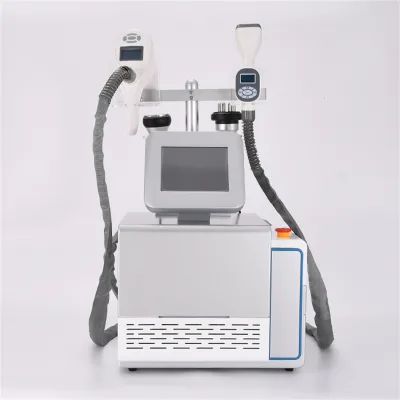
$1459.9268 - $1696.5599
MOQ: 1 pieces
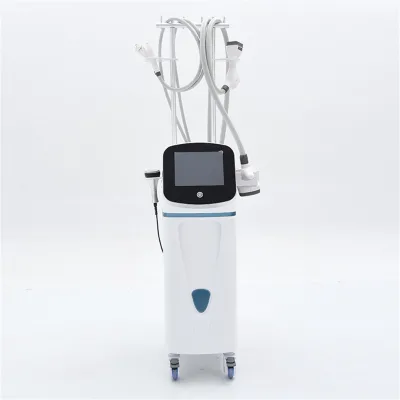
High Quality Vela Roller Vacuum Cavitation Rf Vela Slimming Butt Lifting Beauty Machine
$2359.8578 - $2540.4387
MOQ: 1 pieces

Beijing Nubway S & T Co., Ltd.
- Verified by BV
- Combined
- China Beijing
- Lead time15 days
- Avg. response≤ 3h
Main productsCryolipolysis, Diode Laser Hair Removal Machine, Muscle Sculpting Machine, 5D Hifu, Infrared RF Vacuum Roller Slimming Machine, Picosecond Laser, Q Switched ND YAG Laser, Fractional CO2 Laser, Fractional RF Microneeding Machine, IPL Shr Elight
Main marketsSouth America,Africa,Southeast Asia/ Mideast,East Asia(Japan/ South Korea),Europe,Australia,North America

IPL RF Cavitation Beauty Machine / Vacuum Roller Cavitation RF / Cavitation RF
$3500.00 - $4500.00
MOQ: 1 Pieces


Ice Pack Belly Fat Vacuum Roller Cavitation RF / Slimming Machine Cavitation RF / Cavitation RF
$3500.00 - $4500.00
MOQ: 1 Pieces


$1800.00 - $2800.00
MOQ: 1 Pieces


Hebei Tuosite Import & Export Trade Co., Ltd.
- Verified by CTI
- Trading Company
- China Hebei
- Lead time15 days
- Avg. response≤ 5h
Main productsBeauty Equipment, Medical Equipment, Skin Care Equipment, Diode Laser Equipment, Hair Removal Equipment, Muscle Building Equipment, Cryolipolysis Equipment, Cavitation Vacuum Equipment, Roller Infrared Massage Cellulite Equipment
Main marketsEurope


40K Cavitation Vacuum Roller RF for Fat Dissolving Skin Tightening Care Service
$1700.00 - $1900.00
MOQ: 1 Pieces


$1700.00 - $1900.00
MOQ: 1 Pieces

Beijing Metos Technology Co., Ltd.
- Trading Company
- Beijing, China
- Lead time3 days
- Avg. response≤ 3h
Main productsIPL Laser System,RF System,Slimming System,Skin Care System,Microneedling System
Main marketsCentral America(10.00%), Western Europe(10.00%), Mid East(10.00%), Southern Europe(10.00%), Africa(10.00%), Northern Europe(10.00%), Eastern Europe(10.00%), South America(10.00%), North America(10.00%), Oceania(5.00%), Southeast Asia(5.00%)
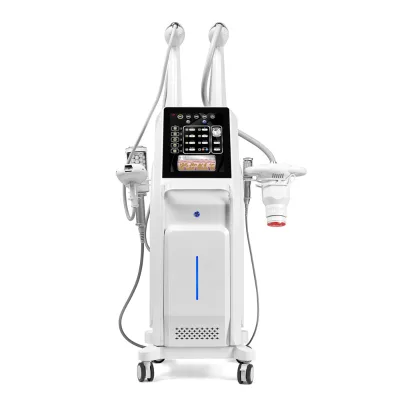
$2701.7973 - $2909.7077
MOQ: 1 sets
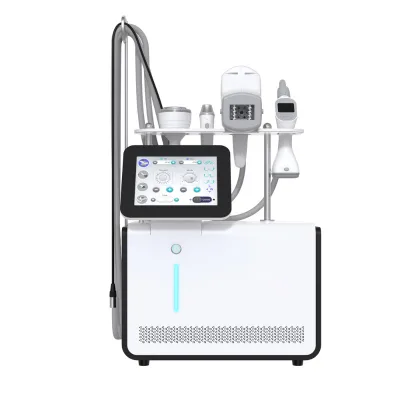
$1857.2728 - $2063.7512
MOQ: 1 sets
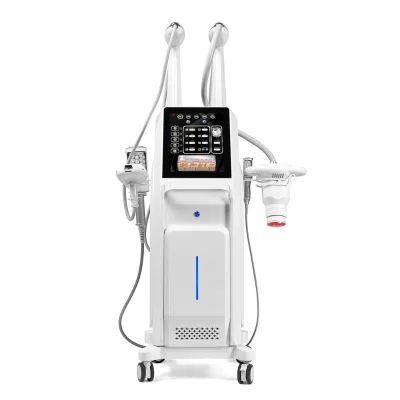
$2683.1861 - $2889.6645
MOQ: 1 sets
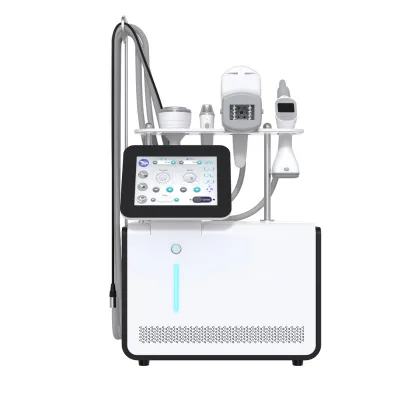
Portable Cellulite Reduction Radio Frequency Roller Vacuum Infrared RF Slimming Machine Velashaping
$1857.2728 - $2063.7512
MOQ: 1 sets
Guangzhou Linuo Beauty Electronic Technology Co., Ltd.
- Manufacturer, Trading Company
- Lead time旺季: "1 - 1":15,"> 1":"To be negotiated", 淡季: "1 - 1":15,"> 1":"To be negotiated"
- Avg. response≤ 2h
Main productsProfessional Laser Systems, Slimming & Body Shaping , Face Lifting & Anti-Aging, Accessories & Consumables, Skin Rejuvenation
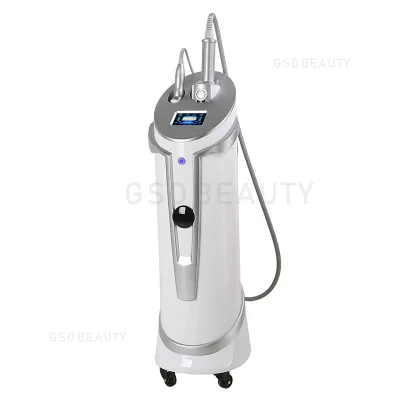
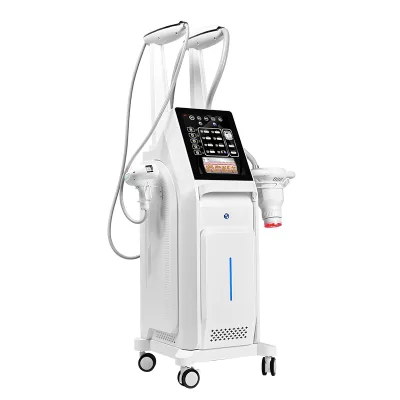
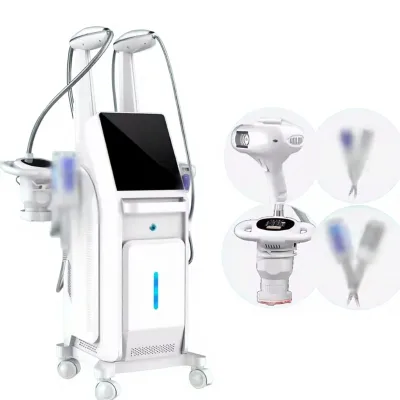
4 in 1 Rotary Inner Ball Roller Vacuum RF Body Contouring Machine
$2550.00 - $2750.00
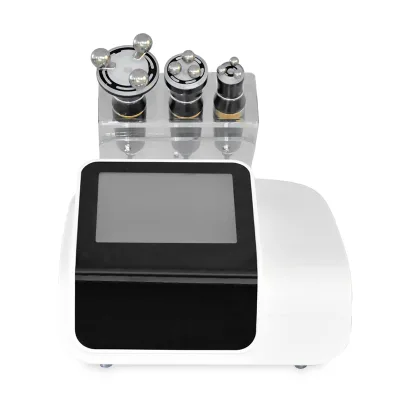
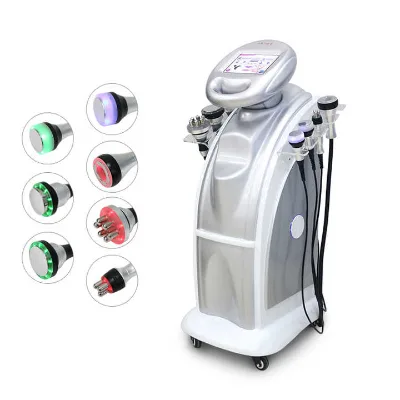
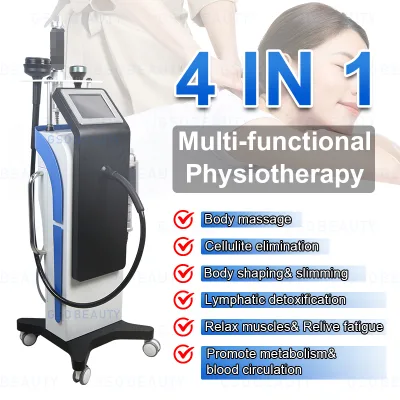
Guangzhou Kya Electronic Co., Ltd.
- Manufacturer
- Guangdong, China
- Lead time5 days
- Avg. response≤ 1h
Main productsLaser Beauty Equipment,Skin Management Machine,Slimming Machine,Scalp Analyzer Machine,Hair Removal Machine
Main marketsDomestic Market(20.00%), North America(10.00%), Mid East(10.00%), Eastern Europe(8.00%), South America(8.00%), Southeast Asia(8.00%), Eastern Asia(6.00%), Central America(6.00%), South Asia(5.00%), Southern Europe(5.00%), Northern Europe(5.00%), Western Europe(5.00%), Oceania(2.00%), Africa(2.00%)
$2267.5166 - $2461.4357
MOQ: 1 pieces
$2570.3433 - $2981.5982
MOQ: 1 pieces
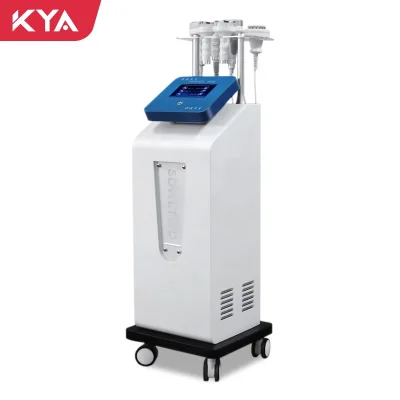
5d 80k Ultrasonic Rf Vacuum Cavitation Beauty Machine Radiofrecuencia Vacuum Fat Loss Body Shaping
$200.0759 - $251.3764
MOQ: 1 pieces
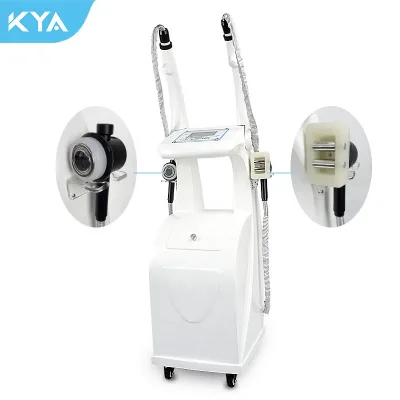
$495.00 - $595.00
MOQ: 1 pieces
Roller Cellulite Massager Vacuum Body Sculpting Weight Loss Cavitation System Vacuum Fat Reduction
$2769.2432 - $2892.3654
MOQ: 1 pieces
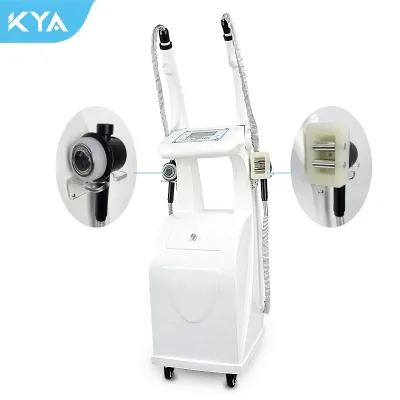

Foshan City DaiNi Electronic Technology Co., Ltd.
- Verified by SGS
- Combined
- China Guangdong
- Lead time15 days
- Avg. response≤ 9h
Main productsBeauty Machine, Beauty Equipment, Dermabrasion Machine, Breast &Butt Enlargement, Oxygen Machine, Haire &Tattoo Removal, Skin Care, Slimming Machine, PDT & LED, Hifu
Main marketsSoutheast Asia/ Mideast

Massage IR Vacuum Cavitation Roller Vela Body Shape RF Slimming Machine
$2500.00 - $2800.00
MOQ: 1 Pieces


Radio Frequency Cavitation Multipolar Bipolar Tripolar Vacuum Cavitation System
$160.00 - $200.00
MOQ: 10 Pieces

Guangzhou RenLang electronic technology Co., LTD
- Verified by CTI
- Combined
- China Guangdong
- Lead time15 days
- Avg. response≤ 8h
Main productsBeauty Machine, Hair Removal Machine, Tattoo Removal Machine
Main marketsEurope


2019 Multi-Functional Slimming RF Cavitation Vacuum Cryolipolysis Beauty Machine
$1055.00 - $1666.00
MOQ: 1 set

Advanced Portable Vacuum Roller Slimming Combination RF Cavitation Slimming Machine
$2400.00 - $2700.00
MOQ: 1 set
Guangzhou Lingmei Electronic Technology Co., Ltd.
- Manufacturer, Trading Company, Distributor/Wholesaler
- Guangdong, China
- Lead time7 days
- Avg. response≤ 5h
Main productscryolipolysis machine,hifu machine,ipl elight opt shr hair removal machine,Cavitation Machine,shock wave device
Main marketsSouth Asia(7.69%), Southern Europe(7.69%), Northern Europe(7.69%), Central America(7.69%), Western Europe(7.69%), Eastern Asia(7.69%), Mid East(7.69%), Oceania(7.69%), Africa(7.69%), Southeast Asia(7.69%), Eastern Europe(7.69%), South America(7.69%), North America(7.69%)
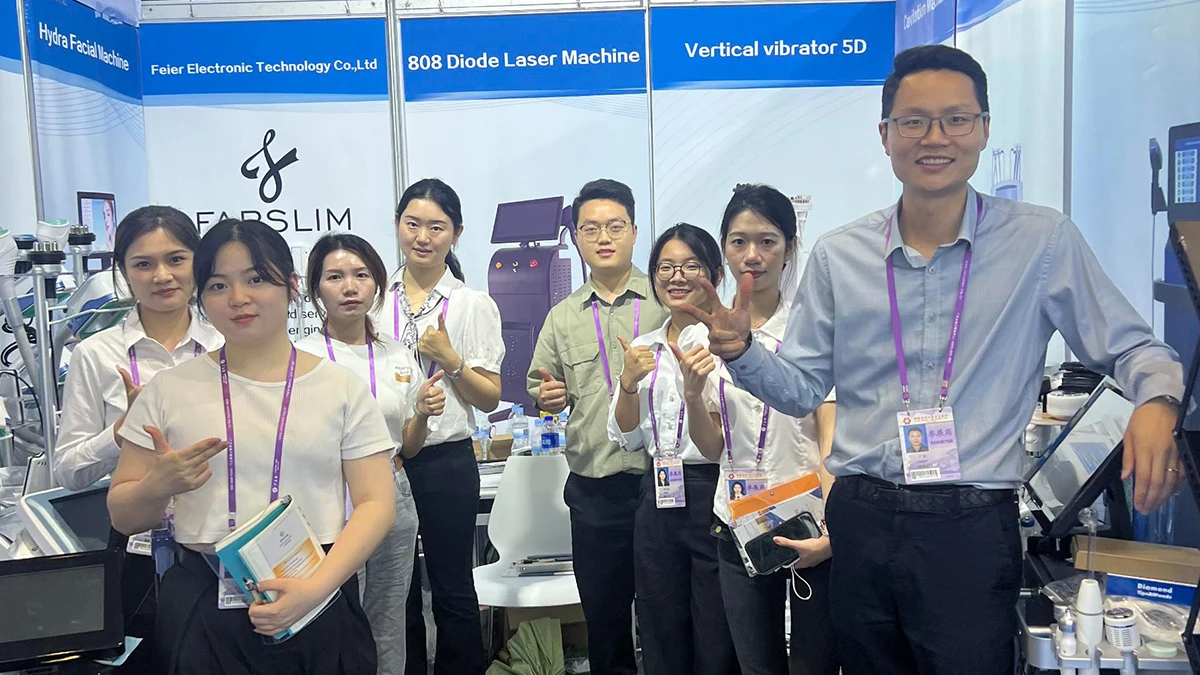
Jiangmen Faling Electronic Technology Co., Ltd.
- Manufacturer, Trading Company
- Guangdong, China
- Lead time15 days
- Avg. response≤ 2h
Main productsSkin Analyzer Machine, Cold Hammer, LED Facial Machine, Hair Growth Helmet
Main marketsNorth America(50.00%), Western Europe(30.00%), Mid East(20.00%)
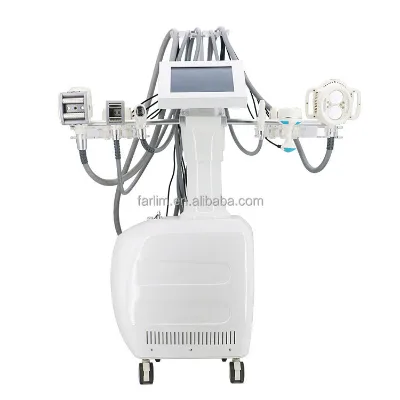
$2800.00 - $3000.00
MOQ: 1 pieces
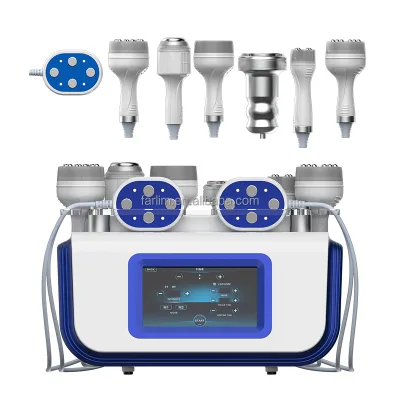
$300.00 - $350.00
MOQ: 1 pieces

Guangzhou Newbelle Technology Co., Ltd.
- Verified by BV
- Trading Company
- China Guangdong
- Lead time15 days
- Avg. response≤ 3h
Main productsShockwave Therapy, Hydro Facial Machine, Pressotherapy Machine, Cryotherapy Machine, Cryoskin Machine, Microcurrent RF Machine
Main marketsSouth America,Africa,Southeast Asia/ Mideast,Europe

Vacuum RF Roller Fat Ultra Sound Ultrasonic Massage Cavitation Machine
$799.00 - $1150.00
MOQ: 1 Pieces

$799.00 - $1150.00
MOQ: 1 Pieces

Vacuum Roller Cavitation Body Facial Eyes RF Machine Avashape Ava Shape Beauty Equipemnt
$799.00 - $1150.00
MOQ: 1 Pieces
Guangzhou Linuo Beauty Electronic Technology Co., Ltd.
- Verified by SGS Group
- Manufacturer, Trading Company
- Lead time15 days
- Avg. response≤ 3h
Main productsSlimming Machine, Hair Removal Machine, Plasma Pen, Skin cleaning machine, Shock Wave Machine
Main marketsNorth America(24%), Domestic Market(10%), Eastern Europe(8%)
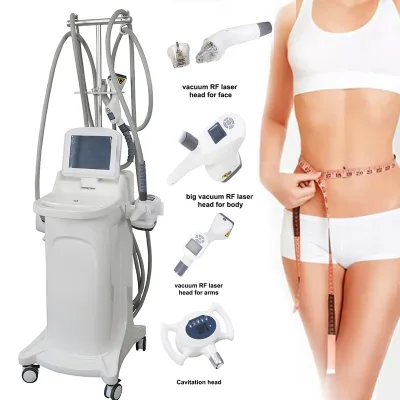
$2459.746 - $2869.8744
MOQ: 1 pieces
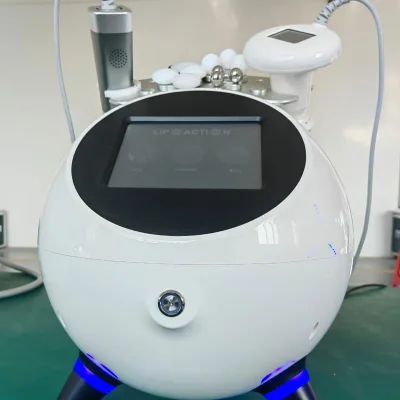
$819.2322 - $2869.8744
MOQ: 1 Minimum
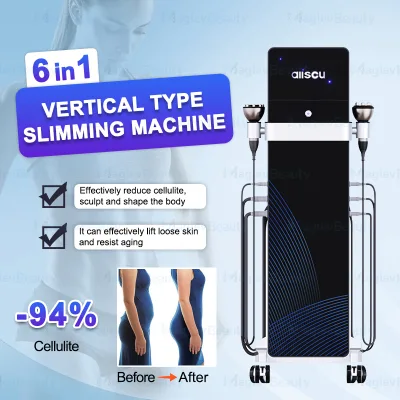
$666.4587 - $871.5229
MOQ: 1 pieces

Beijing ADSS Development Co., Ltd.
- Verified by TUVRHEINLAND
- Combined
- China Beijing
- Lead time15 days
- Avg. response≤ 6h
Main productsHifu, Laser Vaginal Tightening, Digital Syringe Injector, 808nm Diode Laser Hair Remvoal, Fractional RF & Thermal RF, Vacuum Shape, 20MHz RF Thermal, Cryolipolysis Slimming Machine, Cavitation Slimming Machine, Fractional CO2 Laser
Main marketsSouth America,East Asia(Japan/ South Korea),Europe,Australia,North America


$3000.00 - $5000.00
MOQ: 1 Pieces


Multi- Functional Body Shape Ultrasonic Cavitation Vacuum RF Slimming Machine
$2500.00 - $3800.00
MOQ: 1 Pieces


$3000.00 - $4500.00
MOQ: 1 Pieces

GUANGZHOU KONMISON TECHNOLOGY CO., LIMITED
- Verified by BV
- Trading Company
- China Guangdong
- Lead time30 days
- Avg. response≤ 8h
Main productsBeauty Machine, Beauty Equipment, Slimming Machine, Cavitation Weight Loss Beauty Machine, Skin Care Machine, RF Skin Lifting Rejuvenation Machine, IPL Hair Removal Machine, Laser Hair Removal Machine, LED Facial Mask Beauty Device
Main marketsEurope,Australia

40K Cavitation Multifunctional Vacuum RF Fat Burning Body Slimming Machine
$160.00 - $200.00
MOQ: 1 Pieces


Wholesale Professional Strong Energy Vacuum 3 RF Handles Ultrasonic Cavitation Machine
$175.00 - $205.00
MOQ: 1 Pieces

HEBEI KEYLASER SCI-TECH CO., LTD.
- Verified by CTI
- Manufacturer/Factory
- China Beijing
- Lead time15 days
- Avg. response≤ 3h
Main productsIPL, Diode Laser Hair Removal, ND YAG Laser, Hifu, CO2 Fractional Laser, Picosecond Laser, Body Slimming, Cryolipolysis Fat Freezing, 980nm Diode Laser, Emscuplt Muscle Building
Main marketsSouth America,Eastern Europe,Mid East,North America,Southeast Asia,Eastern Asia,Oceania,Western Europe,Africa


$2500.00 - $3800.00
MOQ: 1 set
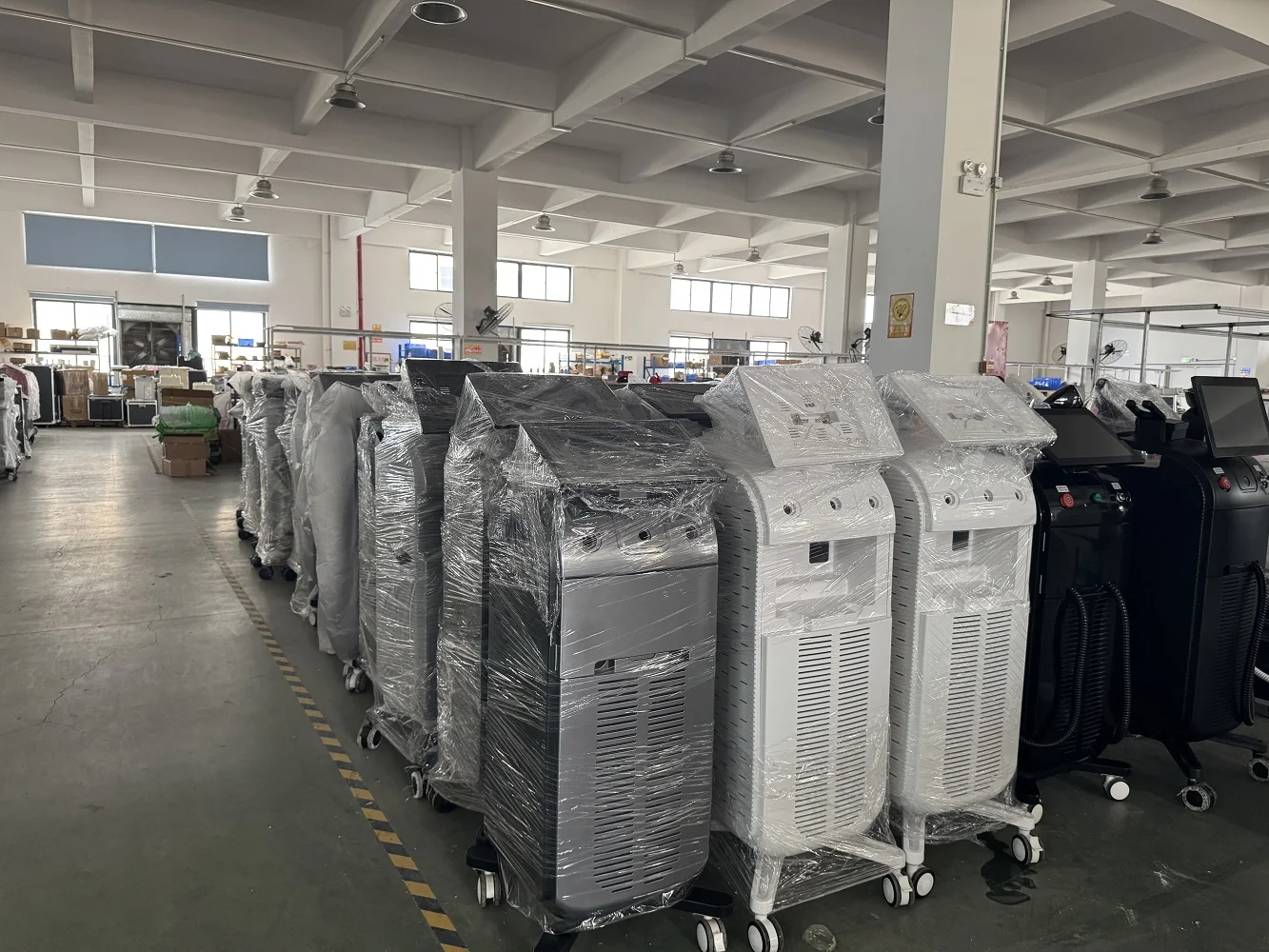
Guangzhou Etele Electronics Co., Ltd.
- Manufacturer, Trading Company
- Guangdong, China
- Lead time10 days
- Avg. response≤ 2h
Main productsLaser Hair Removal Machine,Slimming Machine,Hydro Dermabrasion Machine,RF Equipment,Intense Pulsed Light(IPL)
Main marketsDomestic Market(37.00%), North America(20.00%), Southern Europe(12.00%), Eastern Europe(10.00%), Western Europe(6.00%), South America(5.00%), Eastern Asia(3.00%), Northern Europe(2.00%), Mid East(1.00%), South Asia(1.00%), Southeast Asia(1.00%), Oceania(1.00%), Central America(1.00%)
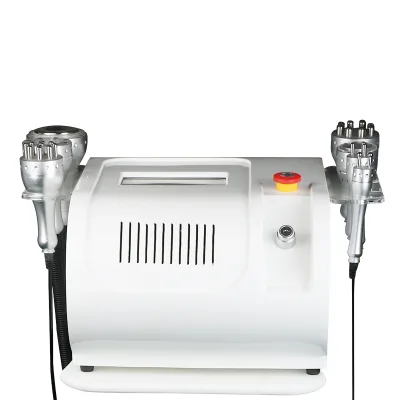
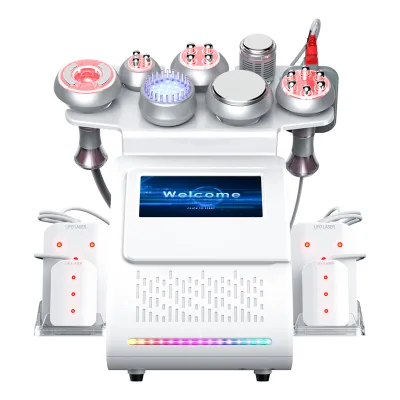
$362.3392 - $393.3973
MOQ: 1 carats
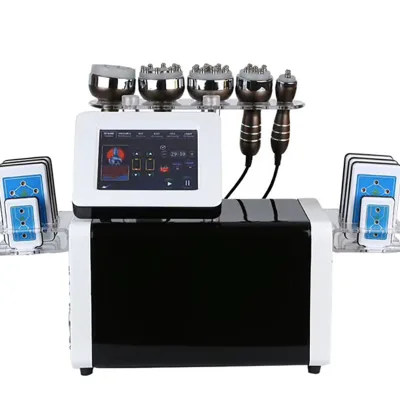
$445.1592 - $465.8645
MOQ: 1 sets
Guangzhou Allfond Electronics Co., Ltd.
- Verified by TüVRheinland
- Trading Company
- Lead time5 days
- Avg. response≤ 3h
Main productsBeauty Machine, Slimming Machine, Micro Needle System, Hair Removal Machine, HIFU
Main marketsSouthern Europe(25%), South America(20%), Eastern Europe(12%)
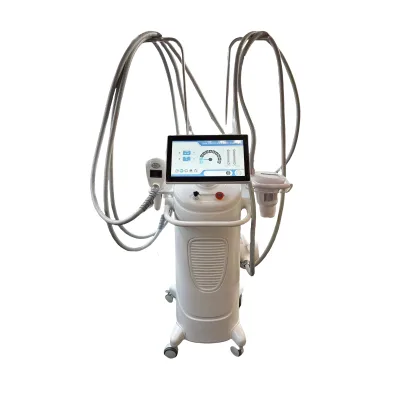
Dual Cavitation 180 Degree Vacuum RF Roller Massage Shape Beauty Machine
$3115.2573 - $3146.1011
MOQ: 1 sets
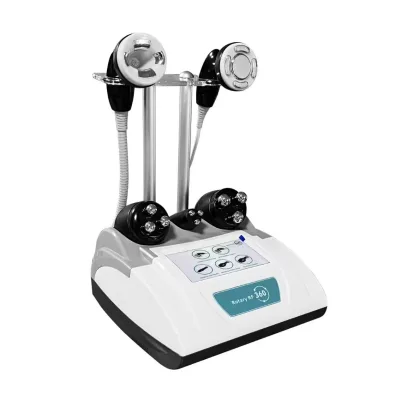
OEM/ODM Rotate 360 RF Machine - CE Certified for Salon & Home Use with Cavitation Vacuum
$390.00 - $460.00
MOQ: 1 pieces
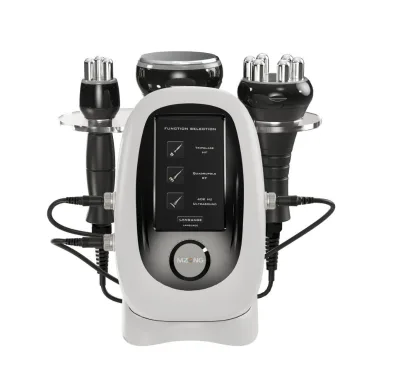
Professional 3-in-1 Cavitation + Radiofrequency + Ultrasonic Machine - 40KHz/1MHz Dual Frequency
$81.617 - $101.2453
MOQ: 1 pieces
Guangzhou Lafo Electronic Technology Co., Ltd.
- Manufacturer, Trading Company
- Lead time旺季: "1 - 10":7,"> 10":"To be negotiated", 淡季: "1 - 10":7,"> 10":"To be negotiated"
- Avg. response≤ 2h
Main productsbeauty machine,face beauty machine,slimming machine,laser machine,hair removal machine
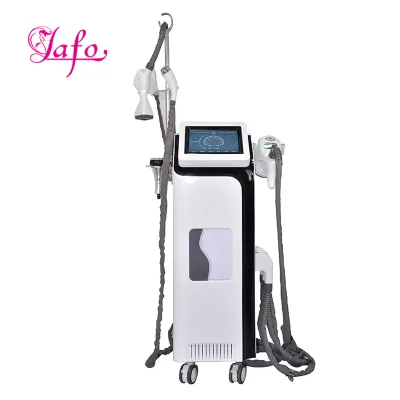
$1500.00 - $2000.00
MOQ: 1 Minimum
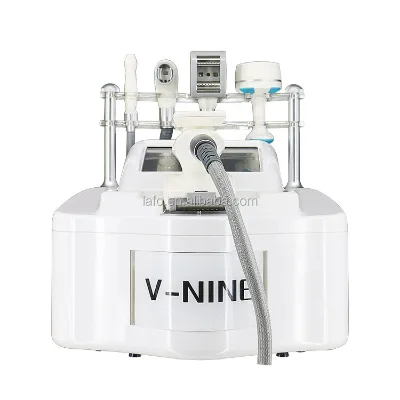
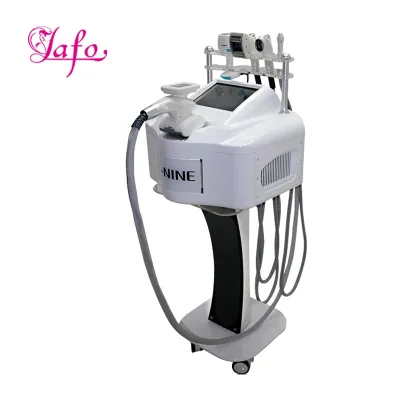
Portable RF Fat Cavitation Lipo Machine with Vacuum Roller US/IT/ZA Plug for Face Slimming Price
$1300.00 - $1680.00
MOQ: 1 sets
$1332.8081 - $1743.2181
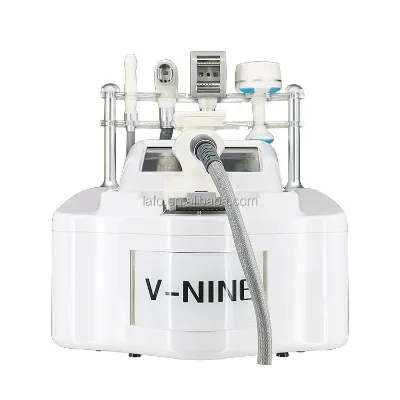
MOQ: 1 sets
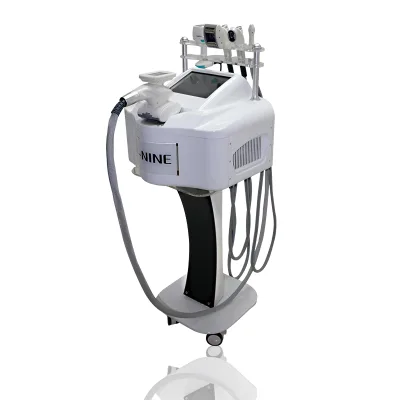
Popular Hot Sale 5 in 1 Vacuum Roller Weight Loss Machine /rf Cavitation Vacuum Slim Machine LF-136B
$1333.8327 - $1641.6402
MOQ: 1 Minimum

Ofan Intelligent Technology (guangzhou) Co., Ltd.
- Verified by SGS
- Combined
- China Guangdong
- Lead time15 days
- Avg. response≤ 7h
Main productsFat Freezing Machine, EMS Sculpting Machine, Cavitation RF Machine, Fractional RF Machine, Bbl Body Slimming Machine, Hifu Machine, Hydra Dermabrasion Machine, Hair Therapy Machine, Laser Machine
Main marketsSoutheast Asia/ Mideast,Europe,North America

$299.00 - $399.00
MOQ: 1 Pieces

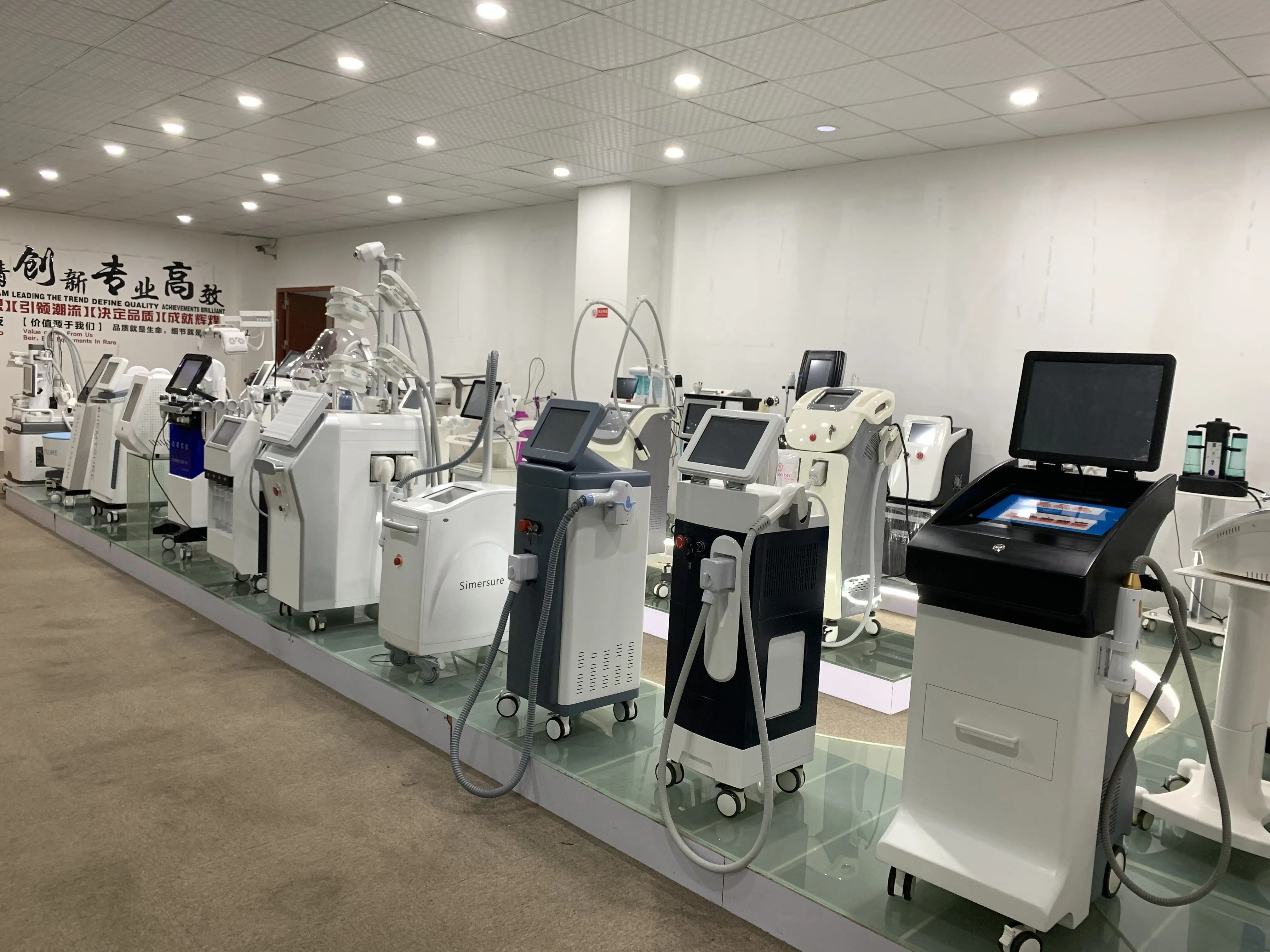
Guangzhou Huanhong Electronic Technology Co., Ltd.
- Manufacturer, Trading Company
- Guangdong, China
- Lead time7 days
- Avg. response≤ 1h
Main productsPhysical Therapy Equipment,Magnetic Therapy,Tecar therapy,Shockwave Therapy,Weight loss Equipment
Main marketsSouthern Europe(25.00%), North America(25.00%), Eastern Europe(20.00%), Western Europe(10.00%), Mid East(5.00%), Southeast Asia(5.00%), South America(5.00%), Oceania(3.00%), Africa(2.00%)
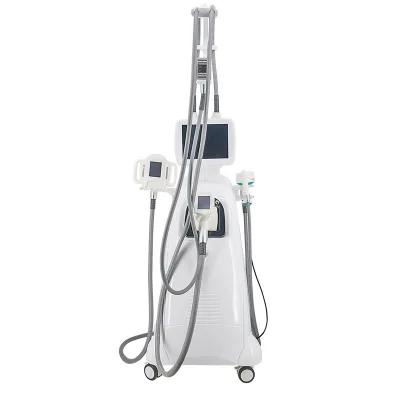
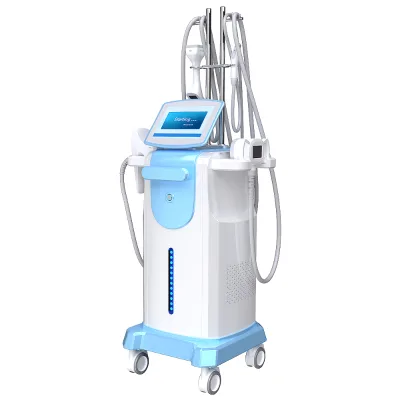
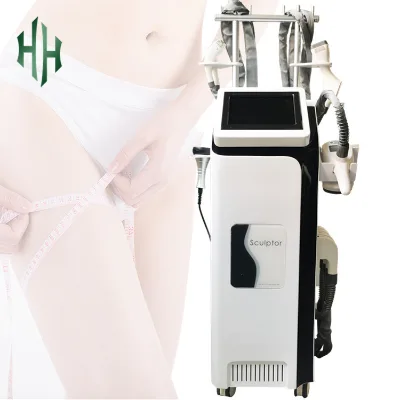
Hot Sale Vacuum Roller Massager Vacuum RF Cavitation Body Slimming Machine
$2080.00 - $2280.00
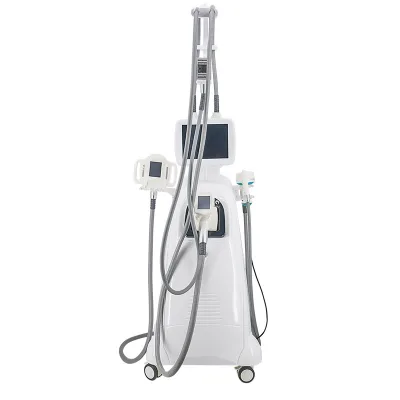
Vacuum Inner Roller Weight Loss Cavitation Device Body Roll Slimming Massage Roller Machine
$1763.5714 - $2022.9202
MOQ: 1 sets
Sanhe Lefis Electronics Co., Ltd.
- Manufacturer, Trading Company
- Lead time旺季: "1 - 1":15,"> 1":"To be negotiated", 淡季: "1 - 1":15,"> 1":"To be negotiated"
- Avg. response≤ 3h
Main productsHifu, Laser Beauty Equipment, Slimming Machine, Rf Machine, Emsculpt
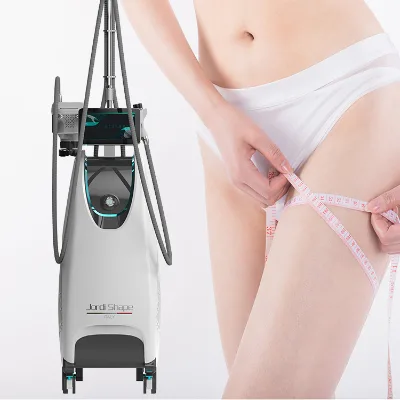
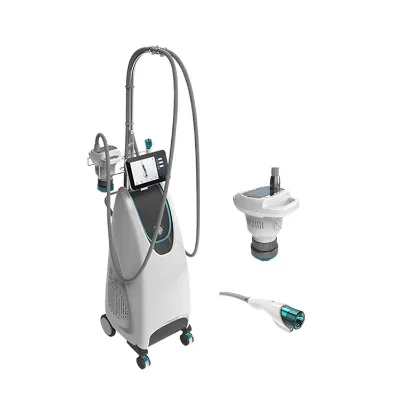
80k Cavitation Rf Machine Cellulite Machine Slimming Ultrasonic 9 in 1 Rf Skin Tightening Machine
$3670.6498 - $3896.2201
MOQ: 20 sets
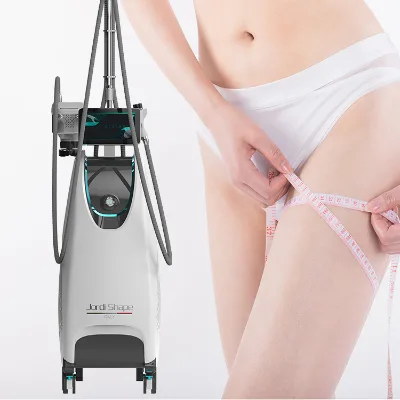
$3580.00 - $3900.00
MOQ: 1 sets
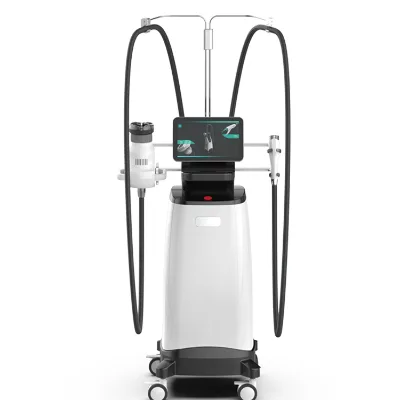
$3673.1709 - $4083.581
MOQ: 1 Minimum
Guangzhou Yingcai Beauty Instrument Co., Ltd.
- Verified by SGS Group
- Manufacturer, Trading Company
- Lead time7 days
- Avg. response≤ 2h
Main productsFacial Machine, Emslim Neo, Body Slimming Machine, Laser Beauty Equipment, Hifu Machine
Main marketsMid East(20%), Eastern Europe(10%), Southeast Asia(10%)
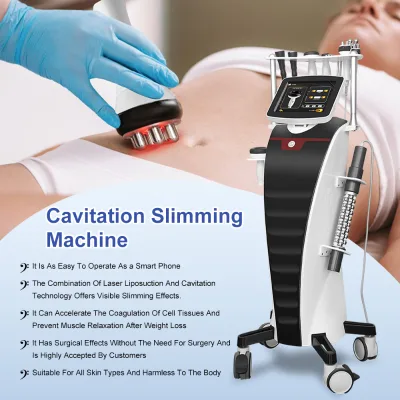
$462.3457 - $667.8324
MOQ: 1 sets
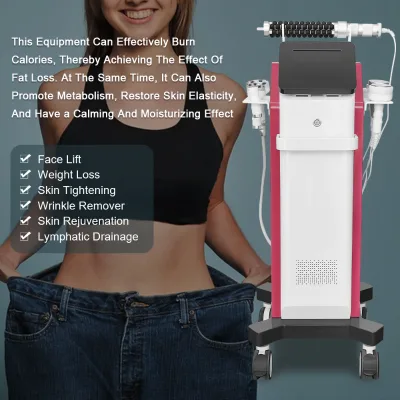
$472.0587 - $576.9607
MOQ: 20 sets
MAGIC PLUS (GUANGZHOU) BEAUTY EQUIPMENT CO., LTD.
- Verified by SGS Group
- Manufacturer, Trading Company
- Lead time5 days
- Avg. response≤ 4h
Main productsEmslim Hifu, Cryo Slimming Machine, Hair Removal Machine, Facial Machine, Body Massage Machine
Main marketsNorth America(28%), Western Europe(20%), Southern Europe(20%)
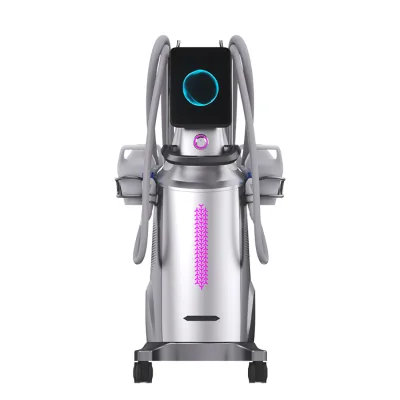
$1668.041 - $3754.3955
MOQ: 1 Minimum
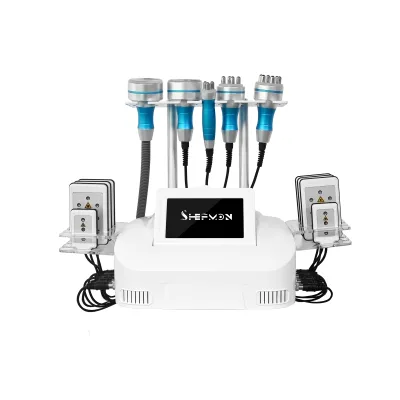
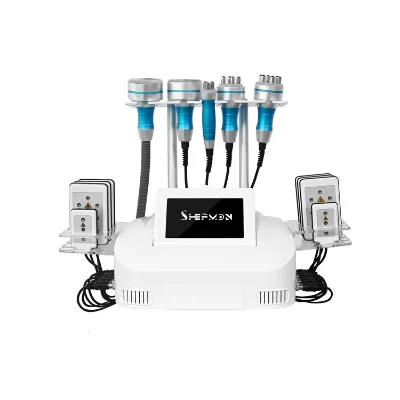
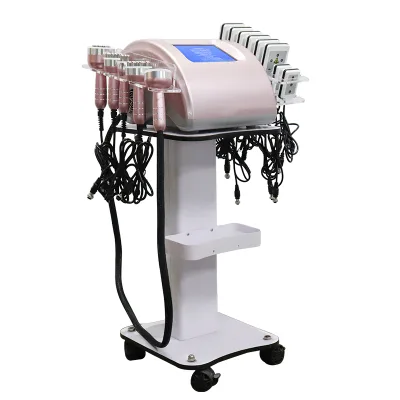
Best Selling 80k Cavitation Machine 6 in 1 Rf 80k Cavitation Slimming Machine for Fat Removal
$453.2214 - $609.1123
MOQ: 1 units
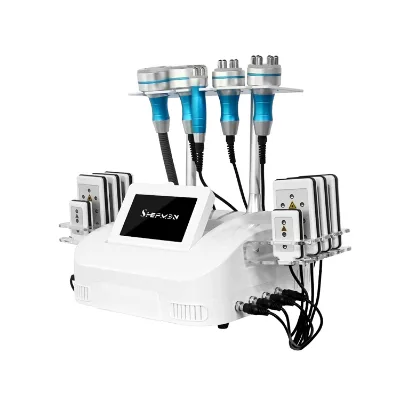
$257.0658 - $411.9245
MOQ: 1 units
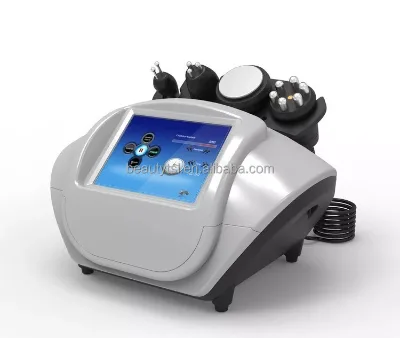
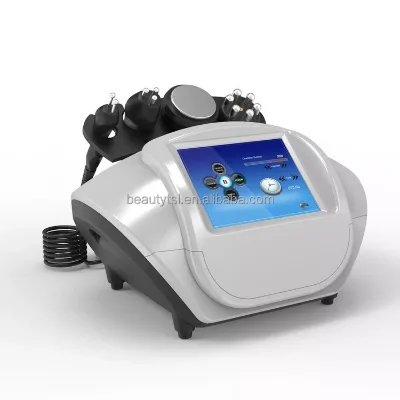
Comprehensive Sourcing Guide
Multi-Function Cavitation Rf Roller Supplier Concentration and Factory Types
The current supplier landscape for multi-function cavitation RF rollers is heavily concentrated in China, with Guangdong serving as a primary manufacturing hub. This regional focus suggests a mature ecosystem for beauty equipment production, where supply chains for electronic components, mechanical parts, and plastic casings are well-established. Buyers evaluating these suppliers should recognize that this geographic concentration often correlates with competitive pricing and rapid prototyping capabilities, as manufacturers in this area are accustomed to high-volume export orders. The presence of numerous suppliers in this specific province indicates that logistics infrastructure is optimized for shipping heavy, bulky beauty devices to international markets. However, buyers must remain vigilant about the specific factory capabilities within this region, as not all entities in Guangdong operate as original equipment manufacturers. Some may function as trading companies that aggregate products from various smaller workshops, which can impact quality control consistency and direct communication with the engineering teams responsible for the RF and cavitation technologies.
Company types in this sector vary significantly, ranging from direct factories to trading companies that specialize in beauty equipment distribution. The available data indicates that trading companies are present in the results, which often provide a broader catalog of related products such as IPL devices, diode lasers, and cryolipolysis systems. This diversification can be advantageous for buyers seeking a one-stop-shop for multiple beauty devices, as these suppliers often have established relationships with multiple factories. However, when sourcing a specialized multi-function cavitation RF roller, it is crucial to determine whether the supplier is the actual manufacturer or a middleman. Direct factories typically offer more flexibility for customizations, such as adjusting the RF frequency or vacuum pressure specifications, while trading companies may offer faster response times and easier communication but at a potentially higher price point. Understanding this distinction helps buyers assess the true value proposition and the level of technical support they can expect during the product lifecycle.
How to Verify Multi-Function Cavitation Rf Roller Suppliers
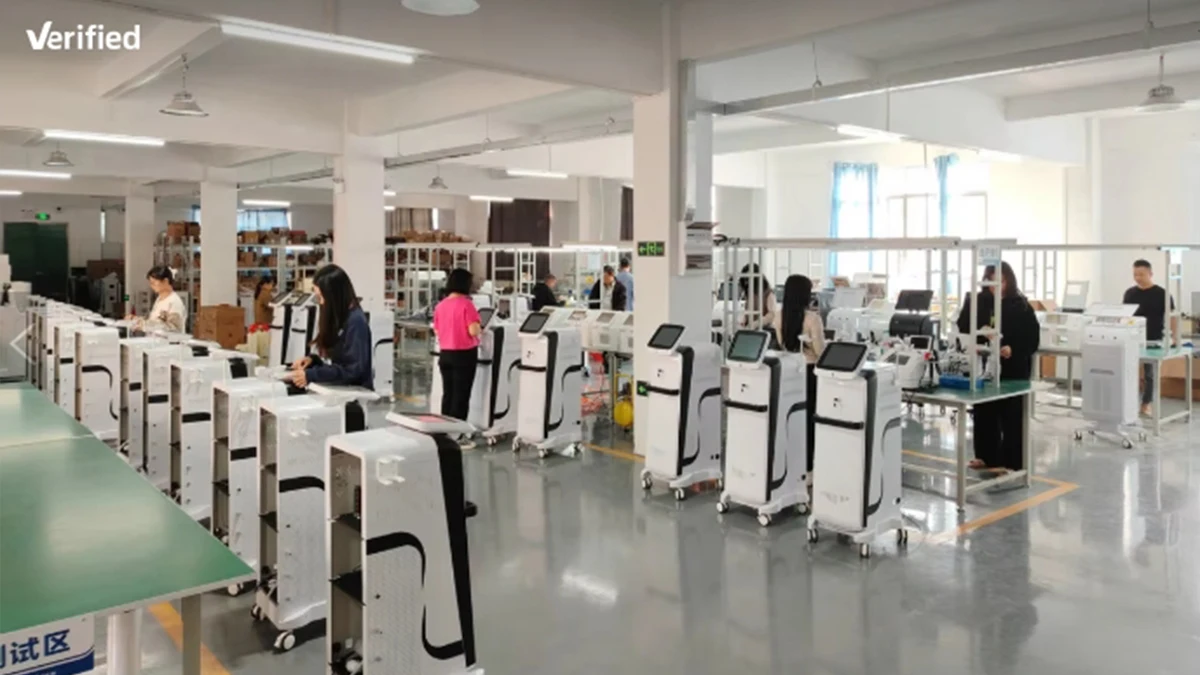
Verification is a critical step in mitigating risk when sourcing multi-function cavitation RF rollers, particularly given the technical complexity of combining radio frequency, cavitation, and vacuum technologies. Buyers should prioritize suppliers who have undergone third-party verification processes, such as BV certification, which provides an additional layer of trust regarding the supplier's business legitimacy and operational capabilities. While system certifications like ISO are not explicitly displayed for all suppliers in the current results, the presence of BV verification is a strong positive indicator. Buyers should request detailed verification reports to understand the scope of the audit, including factory size, production capacity, and quality management systems. It is also advisable to ask for recent video walkthroughs of the production line to visually confirm the assembly processes for the RF generators and vacuum pumps, ensuring that the components are sourced from reputable manufacturers and assembled with precision.
Beyond third-party verification, buyers should conduct thorough due diligence on the supplier's technical expertise and product evidence. The multi-function cavitation RF roller is a complex device that requires precise calibration of frequencies, such as 1MHz for RF and 40kHz for cavitation, to ensure safety and efficacy. Buyers should request detailed technical specifications and test reports for these specific parameters, verifying that the equipment meets international safety standards for electrical and electromagnetic compatibility. Additionally, examining the supplier's response time, which averages around 8.98 hours in the current data, can provide insights into their operational efficiency and customer service quality. A responsive supplier is more likely to be proactive in addressing technical queries and resolving post-sales issues. Buyers should also inquire about the supplier's experience with similar products, asking for case studies or references from previous clients who have purchased multi-function beauty devices, to gauge their reliability and commitment to quality.
What to Compare Across Multi-Function Cavitation Rf Roller Suppliers
When comparing suppliers for multi-function cavitation RF rollers, buyers should focus on key operational metrics such as lead time, minimum order quantity, and response speed to ensure alignment with their business needs. The current data shows a lead time of approximately 15 days, which is a competitive benchmark for this type of equipment. Buyers should compare this against their own inventory requirements and market launch timelines to determine if the supplier can meet their delivery expectations. Additionally, the minimum order quantity (MOQ) is a critical factor, with some suppliers offering an MOQ of just one unit, which is ideal for small businesses or those testing the market. However, buyers seeking larger volumes should negotiate for better pricing tiers, as the price range for these devices varies from approximately $2,099 to $3,949 depending on the model and specifications. Comparing these price points across different suppliers helps buyers identify the best value proposition without compromising on quality.
Another important aspect of comparison is the customization options and technical specifications offered by each supplier. The multi-function cavitation RF roller often includes features such as vacuum pressure settings, RF energy density, and various treatment heads, which can be customized to meet specific client needs. Buyers should compare the level of customization available, such as OEM/ODM services, and the associated MOQs for these customizations, which may start at ten sets or five sets depending on the supplier. Additionally, the type of screen, such as a 10.4-inch or 12.1-inch touch screen, and the portability of the device are significant differentiators. Some models are non-portable and designed for salon use, while others are portable for home or mobile beauty services. Buyers should also compare the warranty terms, which typically cover the host machine for one year, and the availability of spare parts, ensuring that they have long-term support for their equipment investments.
Common Multi-Function Cavitation Rf Roller Sourcing Risks
One of the primary risks in sourcing multi-function cavitation RF rollers is the potential discrepancy between advertised specifications and actual product performance. Buyers must be cautious of suppliers who may exaggerate the efficacy of their RF or cavitation technologies, as these claims are not always backed by rigorous clinical testing. The complexity of integrating multiple technologies into a single device increases the likelihood of technical failures, such as inconsistent vacuum pressure or unstable RF output, which can affect treatment results and customer satisfaction. To mitigate this risk, buyers should request detailed technical documentation and, if possible, conduct independent testing of sample units before placing large orders. It is also important to verify the quality of the components used, such as the RF generators and vacuum pumps, as inferior parts can lead to premature device failure and increased maintenance costs. Buyers should ask for component specifications and supplier certifications to ensure that the internal parts meet industry standards.
Another significant risk is the lack of after-sales support and spare parts availability, which can disrupt business operations for beauty salons and clinics. Multi-function cavitation RF rollers are complex devices that require regular maintenance and occasional repairs, particularly for high-wear components like treatment handles and rollers. Buyers should assess the supplier's commitment to after-sales service, including the availability of technical support, training materials, and spare parts inventory. The warranty terms, which typically cover the host machine for one year, should be clearly understood, along with the process for claiming warranty service. Buyers should also inquire about the supplier's policy for handling defective units and the turnaround time for repairs or replacements. Additionally, the packaging of the device, whether in a wooden case or aluminum case, can impact the risk of damage during shipping, so buyers should ensure that the packaging is robust enough to protect the sensitive electronic components during transit.
Multi-Function Cavitation Rf Roller Regional Sourcing and Logistics
Sourcing multi-function cavitation RF rollers from China, particularly from the Guangdong region, offers logistical advantages due to the established export infrastructure and proximity to major shipping ports. The standard packing dimensions for these devices, such as 109x75x64cm or 118x56x62cm, indicate that they are relatively bulky and heavy, requiring careful planning for freight costs and storage. Buyers should consider the total landed cost, including shipping, insurance, and import duties, when evaluating supplier quotes. The choice of packaging, whether wooden cases or aluminum cases, can also impact shipping costs and durability, with aluminum cases often providing better protection for international shipments. Buyers should work with their freight forwarders to determine the most cost-effective shipping method, whether by sea or air, based on their urgency and budget constraints. Sea freight is generally more economical for large orders, while air freight may be necessary for urgent samples or small batches.
Logistics planning also involves understanding the supplier's export experience and documentation capabilities. Suppliers in the Guangdong region are typically well-versed in international trade regulations and can provide the necessary documentation, such as commercial invoices, packing lists, and certificates of origin, to facilitate smooth customs clearance. Buyers should verify that the supplier can provide accurate product descriptions and HS codes to avoid delays or additional fees at the destination port. Additionally, buyers should consider the impact of seasonal fluctuations on shipping rates and lead times, particularly during peak periods like the holiday season. Establishing a clear communication channel with the supplier regarding shipping schedules and tracking information is essential to ensure timely delivery. Buyers should also plan for adequate storage space at their destination, given the size and weight of the multi-function cavitation RF rollers, to prevent damage and ensure efficient inventory management.
Multi-Function Cavitation Rf Roller Commercial Terms and Order Planning
Commercial terms for multi-function cavitation RF rollers often include flexible payment options and clear warranty policies to protect both buyers and suppliers. The price range for these devices, typically between $2,099 and $3,949, allows buyers to select models that fit their budget while meeting their technical requirements. Buyers should negotiate payment terms that align with their cash flow, such as a deposit followed by balance payment upon shipment or completion of quality inspections. The availability of escrow services can provide an additional layer of security, ensuring that funds are released only when the buyer confirms receipt and satisfaction with the goods. Buyers should also clarify the warranty terms, which generally cover the host machine for one year, and understand the process for claiming warranty service, including who bears the cost of shipping for repairs or replacements. Clear commercial terms help prevent disputes and ensure a smooth transaction process.
Order planning for multi-function cavitation RF rollers requires careful consideration of MOQs, customization requirements, and production lead times. With MOQs as low as one unit for standard models and higher for customized OEM/ODM orders, buyers can start with small quantities to test the market before scaling up. The lead time of approximately 15 days for standard orders allows for efficient inventory management, but buyers should account for additional time for customization and shipping. Buyers should also plan for the procurement of spare parts and accessories, such as treatment handles and rollers, to ensure long-term operational readiness. Establishing a relationship with a reliable supplier who can provide consistent quality and timely delivery is crucial for building a successful beauty equipment business. By carefully evaluating commercial terms and planning orders strategically, buyers can minimize risks and maximize the value of their investments in multi-function cavitation RF rollers.
FAQs
What is the price range for multi-function cavitation RF roller machines?
Prices for these slimming systems typically range from $2,099 to $3,949 per unit. The final cost depends on specific features like screen size, vacuum pressure, and included handles. Buyers should check the minimum order quantity to determine the exact per-unit price for their volume needs.
What is the minimum order quantity for these beauty equipment machines?
The minimum order quantity is generally one unit for standard purchases. However, OEM or ODM customization services usually require a minimum of five to ten sets. Buyers seeking branded equipment should verify the specific supplier requirements before placing an order for customized units.
How long does delivery take for these body contouring machines?
The standard lead time for manufacturing and shipping these machines is approximately 15 days. This timeframe applies to most suppliers located in China. Buyers should confirm the exact delivery schedule with the supplier, as shipping methods and customs clearance can affect the total arrival time.
What warranty is provided for the main host machine?
Suppliers typically offer a one-year warranty for the main host machine. Some providers may offer six months for handles or accessories. Buyers should verify the specific warranty terms and coverage details with the supplier to ensure adequate protection for their investment in the equipment.
Where are these multi-function cavitation machines manufactured?
These beauty equipment machines are primarily manufactured in Guangdong, China. Guangzhou is a common origin point for these slimming systems. Buyers should verify the specific factory location to understand logistics, shipping costs, and potential tariffs associated with importing the equipment from this region.
What technical specifications define the RF and cavitation functions?
These machines typically use 1MHz RF frequency and 40kHz cavitation for body shaping. Laser wavelengths often range around 940nm with a maximum power of 20W. Vacuum pressure levels vary, with some units offering up to 100kpa. Buyers should review the specific technical data sheet for their chosen model.