Cold Resistant Inflatable Snow Tube Suppliers and Manufacturers
Explore 27 verified options for Cold Resistant Inflatable Snow Tube suppliers and manufacturers in China. Compare locations like Henan and Hebei, response times, lead times, and product certifications. Contact suppliers directly to request quotes and verify specifications; review the available evidence before requesting comparable quotations from suitable candidates.
Suppliers List
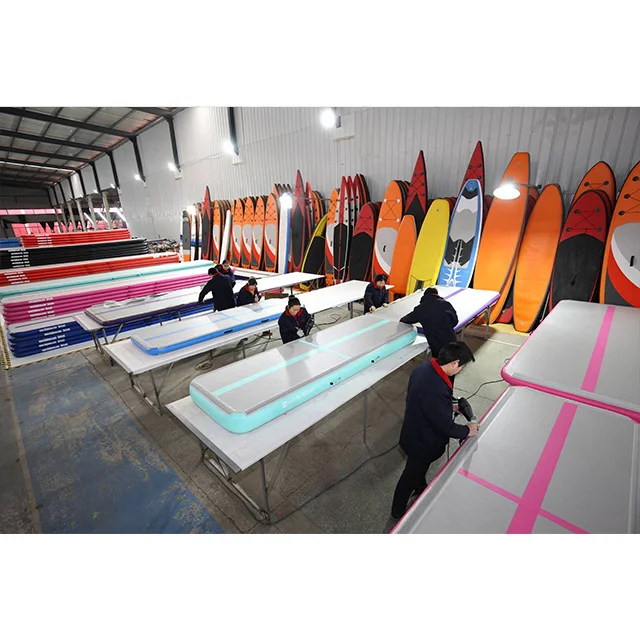
Henan Windo Industry Co., Ltd.
- Manufacturer, Trading Company
- Henan, China
- Lead time20 days
- Avg. response≤ 6h
Main productsair track,paddle board,inflatable dock,inflatable kayak
Main marketsNorth America(40.00%), Western Europe(20.00%), Northern Europe(20.00%), Eastern Europe(8.00%), Oceania(7.00%), Southern Europe(3.00%), Central America(1.00%), South America(1.00%)
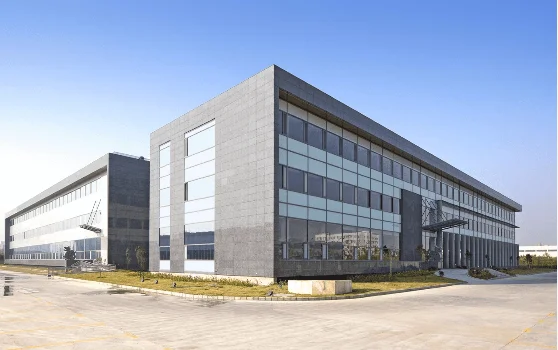
Renqiu Huarunke Sports Equipment Co., Ltd.
- Manufacturer
- Hebei, China
- Lead time30 days
- Avg. response≤ 3h
Main productsRainbow Slide,ski,snow tube,swim ring
Main marketsDomestic Market(30.00%), North America(10.00%), South America(5.00%), South Asia(5.00%), Southern Europe(5.00%), Northern Europe(5.00%), Central America(5.00%), Western Europe(5.00%), Eastern Asia(5.00%), Mid East(5.00%), Oceania(5.00%), Africa(5.00%), Southeast Asia(5.00%), Eastern Europe(5.00%)
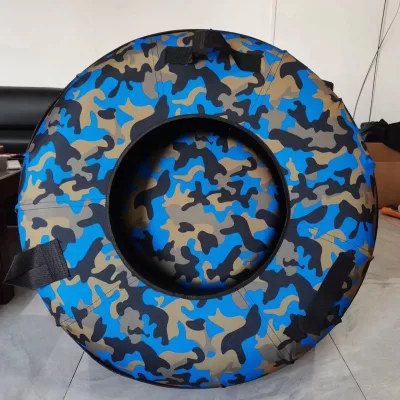
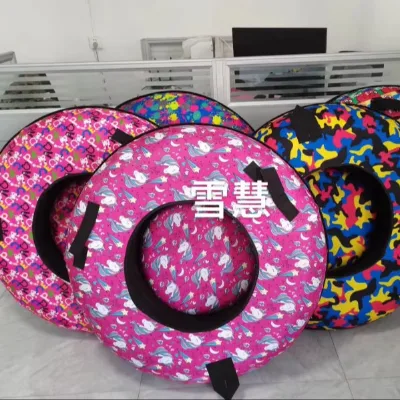
Custom Winter Inflatable Snow Tubes for Sledding With Handles Outdoor Pvc Inflatable Snow Tube
$77.09 - $101.43
MOQ: 100
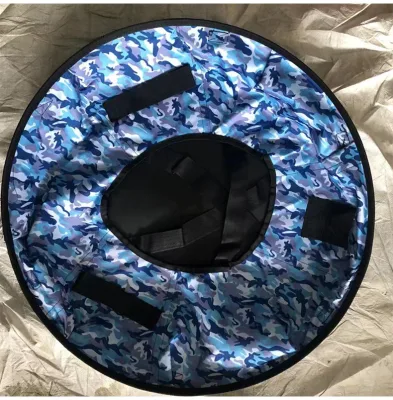
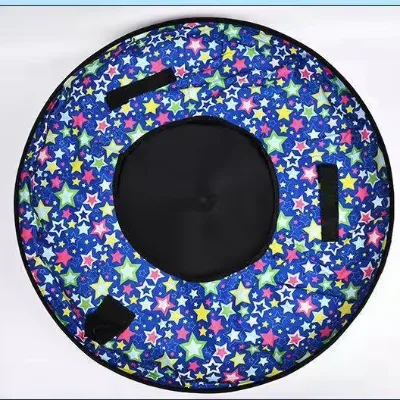
Wholesale Heavy Duty Inflatable Snow Tube Outdoor Winter Ski Circle for Snow Skiing
$5.14 - $20.54
MOQ: 1 pieces
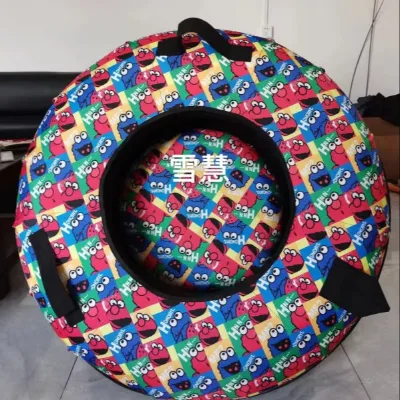
Customized Inflatable Snow Ski Circle Popular Design Snow Sled Tube for Adults and Children
$8.83 - $11.77
MOQ: 100 Minimum
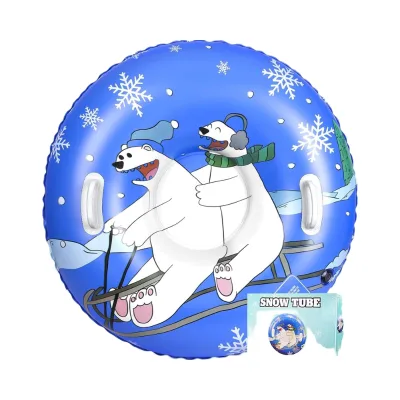

Nanchang ICE BEAR Cooling and Warming Household Products Co., Ltd.
- Manufacturer/Factory
- China Jiangxi
- Lead time45 days
- Avg. response≤ 11h
Main productsCooling Mat, Dog Pool, Pet Pad, Dog Cooling Vest, Dog Cooling Bed, Cooling Cap, Cooling Scarf, Splash Pad, Heating Pad
Main marketsEastern Europe,North America

Weihai Hi Wobang Yacht Co., Ltd.
- Verified by SGS
- Manufacturer/Factory
- China Shandong
- Lead time23 days
- Avg. response≤ 17h
Main productsInflatable Boat, Air Track, Inflatable Toy, Kayak, Surfboard, Sup, Air Bed, Inflatable Paddle Board, Inflatable Sup, Tent
Main marketsSouth America,Eastern Europe,Mid East,North America,Eastern Asia,Western Europe


China Manufacturer Inflatable Snow Tube Single Double Person Inflatable Sledge Snow Tube
$5.00 - $30.00
MOQ: 1 Pieces

Inflatable Snow Tube Customized Size Single Double Person Inflatable Sledge Snow Sled/Tube
$5.00 - $30.00
MOQ: 1 Pieces

Sledge Snow Sled/Tube Colorful Durable Snow Ski Toys Inflatable Snow Tube
$5.00 - $30.00
MOQ: 1 Pieces

Inflatable Snow Tube Customized Color Single Double Person Inflatable Sledge Snow Sled/Tube
$5.00 - $30.00
MOQ: 1 Pieces
Jiangmen Guangshan Plastics Product Co., Ltd.
- Verified by SGS Group
- Manufacturer, Trading Company
- Lead time30 days
- Avg. response≤ 5h
Main productsInflatable Furniture, Inflatable Pool Float, Inflatable Toy, Inflatable Pool, Inflatable Sport Items
Main marketsNorth America(20%), South America(20%), Western Europe(20%)

Shenzhen Enqiao Technology Co., Limted
- Manufacturer
- Guangdong, China
- Lead time30 days
- Avg. response≤ 4h
Main productsPool float,beach mattress,air bed,travel neck pillow,inflatable sofa
Main marketsNorth America(45.00%), Western Europe(18.00%), South Asia(10.00%), Domestic Market(10.00%), Eastern Europe(6.50%), Northern Europe(5.00%), Eastern Asia(3.00%), South America(2.50%)
- Manufacturer, Trading Company
- Zhejiang, China
- Lead time25 days
- Avg. response≤ 5h
Main productsInflatable Air Mattress,Inflatable Beach Ball,Inflatable Toys,Inflatable Swimming,Inflatable Promotional Hand
Main marketsWestern Europe(30.00%), North America(30.00%), South America(15.00%), Central America(10.00%), Northern Europe(10.00%), Africa(5.00%)
Guangzhou Audi Inflatables Co., Ltd.
- Manufacturer, Trading Company
- Guangdong, China
- Lead time10 days
- Avg. response≤ 7h
Main productsInflatables,Inflatable toys,Inflatable games,Inflatable slides,Inflatable castles
Main marketsNorth America(25.00%), Western Europe(21.50%), Oceania(21.00%), Eastern Europe(6.00%), Southeast Asia(6.00%), Mid East(5.00%), Northern Europe(5.00%), South America(3.00%), Southern Europe(2.00%), Eastern Asia(2.00%), Domestic Market(1.00%), Central America(1.00%), Africa(1.00%), South Asia(0.50%)

Qingdao Otia Industry and Trade Co., Ltd.
- Verified by SGS
- Trading Company,Manufacturer/Factory
- China Shandong
- Lead time105 days
- Avg. response≤ 4h
Main productsFolding Wagon, Garden Cart, Shopping Cart, Wheel Barrow, Aluminum Storage Box, Wheels
Main marketsSouth America,Eastern Europe,Mid East,Eastern Asia,Western Europe,Africa


Winter Outdoor Thicken PVC Hard Bottom Heavy Duty Inflatable Snow Tube
$14.80 - $15.00
MOQ: 500 Pieces


Hunan Lixin Plastic Inflatable Product Co., Ltd.
- Verified by SGS Group
- Manufacturer, Trading Company
- Lead time15 days
- Avg. response≤ 2h
Main productsInflatable Pool, Swimming Ring, Snow Tube, Inflatable Bed, Inflatable Pool Floating
Main marketsNorth America(60%), Domestic Market(15%), Southeast Asia(10%)
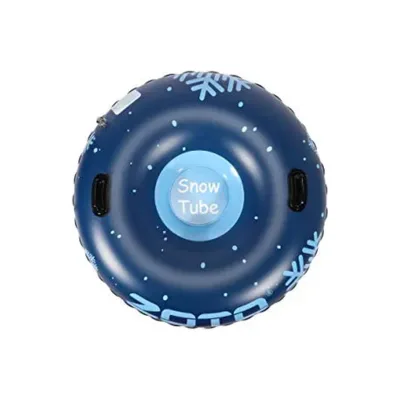
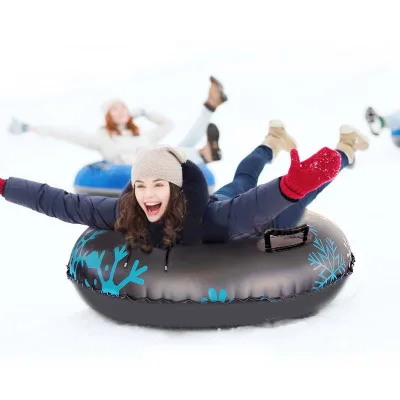
Factory Customize Hot Sell PVC Inflatable Flying Speed Tube Inflatable Snow Tube for Winter Sports
$8.00 - $10.00
MOQ: 500 pieces
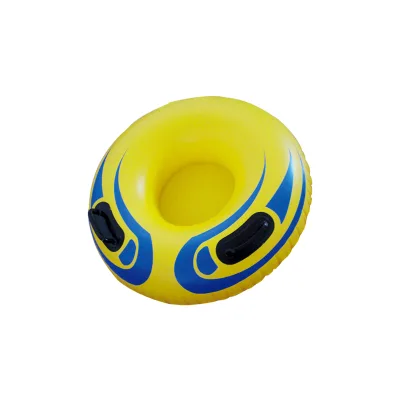
Custom Winter Sports Polar Area Cold Resistance Inflatable Snow Tube Towable Skiing Sled
$6.59 - $9.03
MOQ: 500 pieces

Huizhou Arison Technology Co., Ltd.
- Trading Company
- Guangdong, China
- Lead time25 days
- Avg. response≤ 3h
Main productsInflatables,water toy,sports toy,Charging cable,Data cable
Main marketsNorth America(40.00%), Northern Europe(20.00%), Eastern Asia(10.00%), Western Europe(5.00%), Eastern Europe(5.00%), Southern Europe(5.00%), Oceania(5.00%), Domestic Market(5.00%), Mid East(2.00%), South America(2.00%), Southeast Asia(1.00%)

Shunhe District Dinghong Plastic Product Sales Department
- Trading Company
- Henan, China
- Lead time30 days
- Avg. response≤ 10h
Main productsinflatable toy,inflatable sofa,inflatable boat,inflatable advertisment item,inflatable pool
Main marketsNorth America(25.00%), Northern Europe(12.00%), Southern Europe(10.00%), Western Europe(10.00%), Eastern Europe(8.00%), South Asia(5.00%), Southeast Asia(5.00%), South America(5.00%)
Weihai Hiwobang Yacht Co., Ltd.
- Verified by Intertek
- Manufacturer, Trading Company
- Lead time20 days
- Avg. response≤ 6h
Main productsInflatable Paddle Board, Kayak, Inflatable Boat, Air Mat, Tent
Main marketsWestern Europe(30%), Southern Europe(20%), North America(19%)
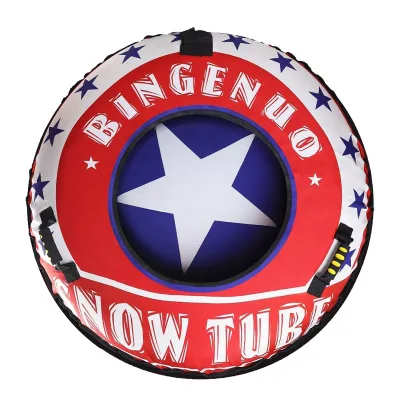
Inflatable Snow Tube 70-130cm Heavy Duty Inflatable Sledge Snow Sled/Tube
$5.00 - $30.00
MOQ: 1 pieces
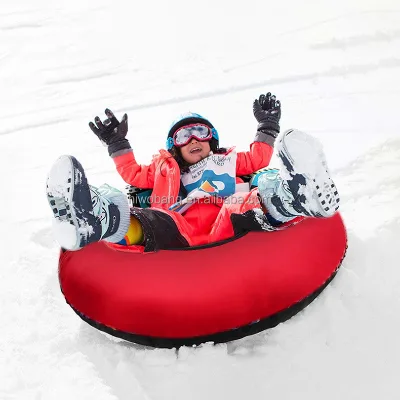

Ningbo Wonderful Plastic Industry and Trade Co., Ltd.
- Verified by TUVRHEINLAND
- Combined
- China Zhejiang
- Lead time30 days
- Avg. response≤ 8h
Main productsAir Bed, Swimming Pool, Inflatable Boat &Kayak, Inflatable Toys, Inflatable Pool Float, Inflatable Swim Rings, Snow Tube, Inflatable Party Decoration
Main marketsNorth America

Kids Inflatable Ski Ring - Cold-Resistant PVC Foldable Snow Tube for Outdoor
$8.20 - $8.40
MOQ: 2000 Pieces


Jiangmen Tiger Inflatable Toys Co., Ltd.
- Manufacturer
- Guangdong, China
- Lead time25 days
- Avg. response≤ 1h
Main productsinflatable lounger air sofa,air bed,inflatable punching bag,inflatable pool float,inflatable toys for kids
Main marketsSouth America(20.00%), Mid East(20.00%), Southern Europe(15.00%), Eastern Europe(15.00%), Northern Europe(10.00%), North America(10.00%), South Asia(5.00%), Southeast Asia(5.00%)
Jiangmen Xinhui Haizhiyuan Plastic Products Factory
- Manufacturer, Trading Company
- Guangdong, China
- Lead time30 days
- Avg. response≤ 2h
Main productsSauna suit,Inflatable Toys,Pet Pool,Advertising Inflatables
Main marketsNorth America(30.00%), Eastern Asia(20.00%), Domestic Market(17.00%), Northern Europe(10.00%), Southern Europe(10.00%), Western Europe(8.00%), South America(5.00%)

MAX (HK) INDUSTRIAL CO., LIMITED
- Verified by SGS
- Trading Company,Manufacturer/Factory,Group Corporation
- China Guangdong
- Lead time23 days
- Avg. response≤ 2h
Main productsInflatable Promotion Items, Inflatable Pool Float, Inflatable Swimming Tools, Inflatable Hot Air Balloon, Mascot Costume, Inflatable Sofa or Furniture, Inflatable Moon House Bouncer, Inflatable Castle and Sports Game, Inflatable Commerical Ad Display, Inflatable Outdoor Camping Prodcuts
Main marketsSouth America,Eastern Europe,Mid East,North America,Southeast Asia,Eastern Asia,Oceania,Western Europe,Africa
- Manufacturer
- Henan, China
- Lead time0 days
- Avg. response≤ 3h
Main productsInflatable Castles,Inflatable Slides,Inflatable Tents,Inflatable Competitive Games,Inflatable Advertising Products
Main marketsEastern Europe(20.00%), Western Europe(15.00%), North America(15.00%), South America(15.00%), Southern Europe(10.00%), Central America(10.00%), Southeast Asia(5.00%), Northern Europe(5.00%), Eastern Asia(5.00%)
Chongqing Chufang Leisure Products Co., Ltd.
- Verified by Intertek
- Manufacturer, Trading Company
- Lead time30 days
- Avg. response≤ 3h
Main productsFolding Bathtub, Inflatable Bathtub, Inflatable Swimming Pool, Inflatable Tent, Sauna Rooms
Main marketsSouth America(48%), Western Europe(32%), Domestic Market(20%)
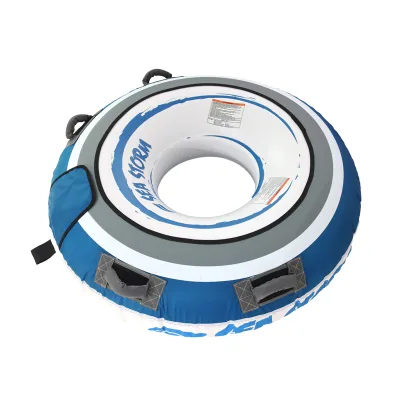
$25.00 - $29.00
MOQ: 1 pieces
Jiangmen Tiger Inflatable Toys Co., Ltd.
- Manufacturer, Trading Company
- Lead time旺季: "1 - 1000":7,"> 1000":"To be negotiated", 淡季: "1 - 1000":7,"> 1000":"To be negotiated"
- Avg. response≤ 1h
Main productsWater Splash Pad, Boxing Bag, Pet Pool, Inflatable Baby Sofa, Inflatable Sofa

- Verified by BV
- Manufacturer/Factory
- China Fujian
- Lead time15 days
- Avg. response≤ 25h
Main productsWater Bottle, Kitchen Ware, Shoes, Plastic Product, Bag, Toy
Main marketsSouth America,Eastern Europe,Mid East,North America,Southeast Asia,Eastern Asia,Oceania,Western Europe,Africa

Guangzhou Huayue Inflatable Products Co., Ltd.
- Verified by BV
- Combined
- China Guangdong
- Lead time30 days
- Avg. response≤ 5h
Main productsInflatable Water Park, Inflatable Slide, Bouncy Castle, Inflatable Mirror Ball, Air Track, Inflatable Bunkers, Inflatable Platform, Inflatable Tent, Inflatable Water Toy, Paddle Boards
Main marketsSouth America,Africa,Southeast Asia/ Mideast,East Asia(Japan/ South Korea),Europe,Australia,North America

10m Long Colorful Inflatable Tube for Team Building Game on Snow Weather
$270.00 - $290.00
MOQ: 1 Pieces

10m Length Long Inflatable Tube for Team Building Game Inflatable Tube on Snow
$270.00 - $290.00
MOQ: 1 Pieces

Haining Ouxin Sports Products Co., Ltd
- Trading Company
- ZheJiang, China
- Lead time0 days
- Avg. response≤ 5h
Main productsIce Bath Tub, Inflatable Pools, Inflatable Boat, Kayak, Sup
Main marketsNorth America(50.00%), Western Europe(30.00%), Oceania(20.00%)
Dongguan Xingyuan Outdoor Products Co., Ltd.
- Verified by Intertek
- Manufacturer, Trading Company
- Lead time25 days
- Avg. response≤ 2h
Main productsSwimming Pool, Air Mattress, Inflatable Sofa, Camping Air Mattress, Inflatable Float

Dongguan Fuduosheng Plastic Products Co., Ltd.
- Manufacturer, Trading Company
- Guangdong, China
- Lead time30 days
- Avg. response≤ 2h
Main productsInflatable pool floats,Inflatable Dog Collar,Air Bed,Towable tubes,Inflatable sport toys
Main marketsNorth America(60.00%), Western Europe(15.00%), Eastern Europe(5.00%), Eastern Asia(5.00%), Domestic Market(3.00%), Mid East(3.00%), South America(2.00%), Southern Europe(2.00%), Southeast Asia(2.00%), Oceania(2.00%), Northern Europe(1.00%)
- Manufacturer, Trading Company
- Guanddong, China
- Lead time20 days
- Avg. response≤ 7h
Main productsinflatable toys,Inflatable costume,Inflatable sofa chairs,Inflatable pool floats,Inflatable character
Main marketsCentral America(24.00%), North America(19.00%), Western Europe(19.00%), Northern Europe(15.00%), Eastern Europe(3.00%), South America(3.00%), Southern Europe(3.00%), Southeast Asia(3.00%), Oceania(3.00%), Domestic Market(2.00%), South Asia(2.00%), Eastern Asia(2.00%), Mid East(2.00%)

Pingdu Zihai Rubber Manufactory
- Manufacturer/Factory
- China Shandong
- Lead time15 days
- Avg. response≤ 6h
Main productsInner Tube, Tyre Flap, Tire, Tyre, Motorcycle Inner Tube, Motorcycle Butyl Inner Tube, Truck&Bus Tyre Inner Tubes, Natural Rubber Inner Tubes, Butyl Inner Tubes, Car Inner Tube


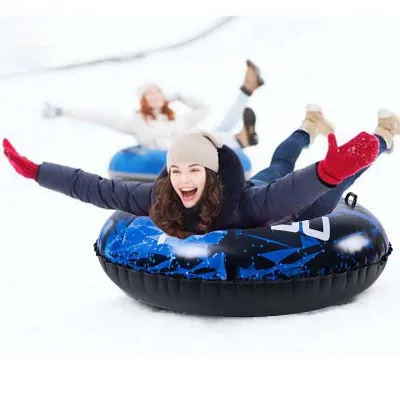
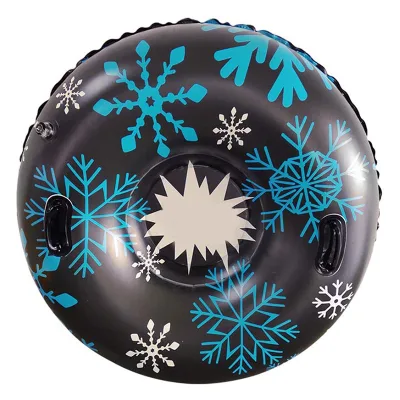
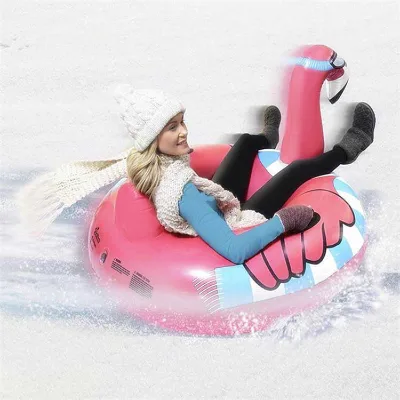
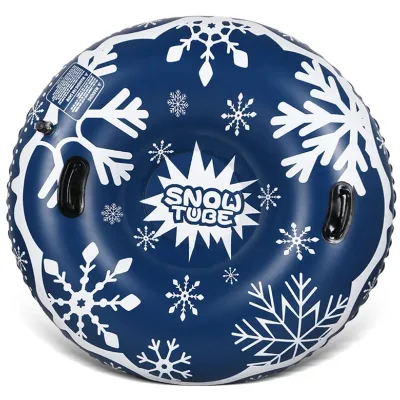
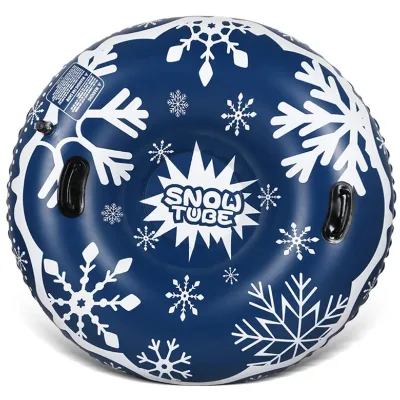
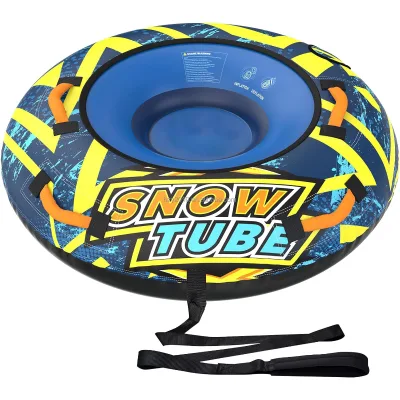
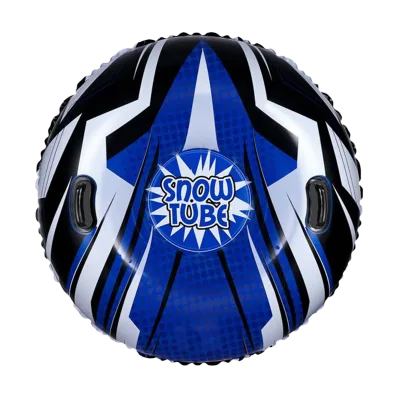


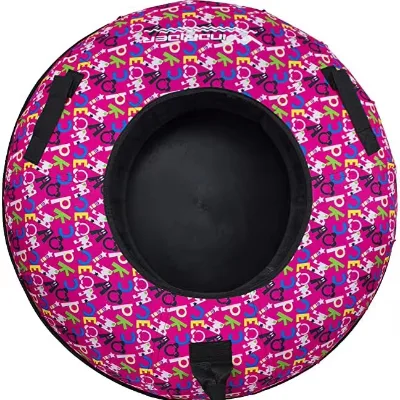




Comprehensive Sourcing Guide
Cold Resistant Inflatable Snow Tube Supplier Concentration and Factory Types
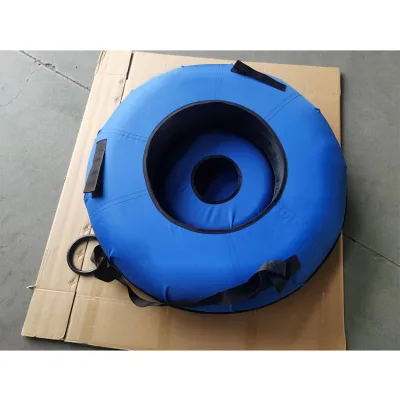
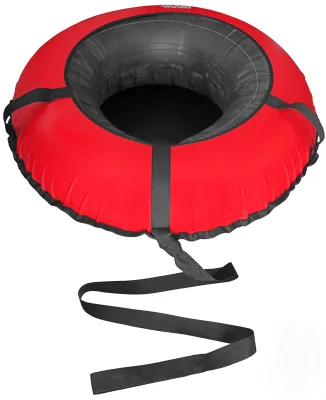
Current data indicates a concentration of manufacturers and trading companies operating within Henan, China, specifically producing air tracks, paddle boards, inflatable docks, and inflatable kayaks alongside winter sports equipment. These entities often list their company type as either a Manufacturer or a Trading Company, suggesting a mix of direct production capabilities and sourcing services. Some suppliers in this region have established a supply ability of 20,000 pieces per month for specific snow tube models, indicating significant production capacity for high-volume orders. The presence of multiple product lines including winter sport inflatable circles and heavy-duty nylon cover tubes suggests these facilities are equipped to handle diverse inflatable product requirements beyond just snow sleds.
In contrast, other verified results show manufacturing activity in Hebei, China, where suppliers focus on rainbow slides, skis, and swim rings alongside snow tubes. These Hebei-based entities are identified strictly as Manufacturers, which may imply a different operational structure compared to the mixed-type suppliers in Henan. Additionally, product evidence points to origins in Guangdong, China, where brands like YUCALO offer PVC-based snow tubes with specific model numbers ranging from 70cm to 120cm. Buyers should verify if these Guangdong facilities are dedicated manufacturers or trading entities, as the distinction impacts direct communication and quality control protocols. The geographic spread across Henan, Hebei, and Guangdong requires buyers to assess which cluster aligns best with their specific material and volume needs.
How to Verify Cold Resistant Inflatable Snow Tube Suppliers
Verification begins by confirming the stated location and company type against the product evidence provided. For instance, if a supplier claims to be a manufacturer in Henan, buyers should check if their product attributes list specific model numbers like WINDO-ST30 or WINDO, which are associated with that region. It is crucial to validate that the "Place of Origin" listed in product details matches the supplier's claimed location, such as verifying if a product labeled "Henan, China" actually originates from a facility in that province. Buyers must also cross-reference the main products listed, such as air tracks or paddle boards, to ensure the supplier has the necessary infrastructure for inflatable winter sports equipment rather than just reselling generic items.
Response time and lead time are critical metrics for verifying supplier reliability and operational efficiency. Data shows response times ranging from 3 to 6 hours, which can indicate the responsiveness of the sales team and the availability of support staff. A supplier with a 3-hour response time in Hebei may offer faster communication than one with a 6-hour response time in Henan, though this varies by shift and workload. Buyers should also examine lead times, which are recorded as 20 days for some suppliers and 30 days for others, to gauge production scheduling flexibility. Confirming these timelines through direct inquiry ensures that the supplier can meet delivery deadlines without relying on unverified estimates or generic promises.
What to Compare Across Cold Resistant Inflatable Snow Tube Suppliers
When comparing suppliers, the minimum order quantity (MOQ) is a primary differentiator that affects order feasibility and inventory planning. Evidence shows MOQs as low as 2 pieces for certain commercial HDPE ski tubes, while other suppliers require a minimum of 100 pieces for winter sports snow tubes. This significant variance means buyers must align their order volume with supplier thresholds to avoid unnecessary costs or stockouts. Additionally, price ranges vary widely, with some products listed between $15.00 and $25.00, while others range from $20.00 to $29.00, and custom PVC options can reach up to $101.43. Buyers should calculate the total landed cost, including shipping, rather than focusing solely on the unit price to determine the true value proposition.
Material composition and certification status are essential comparison points for ensuring product durability and safety compliance. Some suppliers offer tubes with rubber inner tubes and nylon covers, while others utilize PVC materials with specific waterproofing features. Certification data indicates that certain models are CE/EN71 certified, which is vital for markets with strict safety regulations, whereas other listings may not explicitly state certification status. Buyers must also compare packaging details, such as heavy-duty PVC carry bags versus export cartons, to ensure the product arrives in good condition. The supply ability, noted as 20,000 pieces per month for some, should be weighed against the buyer's projected demand to ensure the supplier can scale production if orders increase.
Common Cold Resistant Inflatable Snow Tube Sourcing Risks
One significant risk involves the discrepancy between product descriptions and actual material quality, particularly regarding the inner tube construction. Some listings specify rubber inner tubes, while others mention PVC or HDPE materials, and the durability of these materials varies significantly in cold weather conditions. Buyers face the risk of receiving products that may not withstand extreme temperatures if the material specifications are not rigorously verified against the intended usage environment. Furthermore, the absence of explicit quality control details in some product attributes, such as the lack of "24 Hour Inflated Air Testing" mentioned in other listings, creates uncertainty about the leak resistance and structural integrity of the final product.
Another risk stems from inconsistent lead times and potential delays in shipping logistics. While some suppliers list a lead time of 20 days, others indicate 30 days, and the port of dispatch may vary, such as Shanghai for some products. These variations can disrupt supply chains, especially if the buyer has a fixed launch date for the winter season. Additionally, the single gross weight and package dimensions listed for some items may differ from the actual shipped weight, leading to unexpected freight costs. Buyers must verify the actual shipping weight and volume to avoid budget overruns, as discrepancies in packaging details like "Single gross weight: 0.0 kg" versus "7.0 kg" suggest potential data entry errors or incomplete information that could affect logistics planning.
Cold Resistant Inflatable Snow Tube Regional Sourcing and Logistics
Sourcing from Henan, China, offers access to a cluster of manufacturers producing a wide range of inflatable products, including air tracks and paddle boards, which may indicate versatile production lines. The presence of suppliers in this region with a supply ability of 20,000 pieces per month suggests robust capacity for large orders. However, buyers must confirm the specific port of dispatch, as some products list Shanghai as the port, which may involve additional inland transportation costs from the Henan factory. The logistics chain from Henan to the port requires careful coordination to ensure timely delivery, especially during peak winter seasons when shipping capacity may be constrained.
In contrast, suppliers in Hebei and Guangdong offer different logistical profiles, with Hebei-based manufacturers focusing on snow tubes and swim rings, and Guangdong entities providing PVC-based options. The port of dispatch for Hebei suppliers is not explicitly detailed in all records, requiring buyers to confirm the nearest port to minimize transit time. Guangdong suppliers may offer different shipping routes depending on their proximity to major ports like Shenzhen or Guangzhou. Buyers should evaluate the total transit time from the factory to the destination, considering that a 30-day lead time in Hebei might result in a longer overall delivery window compared to a 20-day lead time in Henan. Understanding these regional nuances helps in selecting the most efficient supply chain for specific order requirements.
Cold Resistant Inflatable Snow Tube Commercial Terms and Order Planning
Order planning must account for the varying price points and minimum order quantities to optimize budget allocation. With prices ranging from $8.21 to $101.43 depending on the model and material, buyers should prioritize products that offer the best balance of cost and quality for their target market. The MOQ of 2 pieces for some items allows for small trial orders, while the 100-piece MOQ for others necessitates larger commitments. Buyers should structure their orders to meet these thresholds efficiently, perhaps combining different models to maximize the value of each shipment. Additionally, the availability of custom logos and specific packaging details like heavy-duty cartons should be factored into the commercial terms to ensure brand consistency and product protection.
Commercial terms also include the verification of certifications and quality control measures to mitigate risk. Suppliers offering CE/EN71 certification provide a higher level of assurance for safety compliance, which is critical for retail distribution. Buyers should explicitly request proof of these certifications before finalizing orders, as not all suppliers list them in their product attributes. Furthermore, the response time of 3 to 6 hours indicates the level of support available for resolving issues during the order process. Buyers should establish clear communication channels and agree on response expectations to ensure that any production or shipping issues are addressed promptly, maintaining the integrity of the supply chain and protecting the buyer's investment.
FAQs
What is the price range for cold resistant inflatable snow tubes?
Prices typically range from $8.22 to $101.43 per unit depending on material and size. Basic rubber tubes start around $8.22, while heavy-duty PVC options with handles can reach $101.43. Most standard commercial tubes fall between $15 and $29, offering durable nylon covers and multiple size options for winter sports.
What are the minimum order quantities for inflatable snow tubes?
Minimum order quantities vary significantly by supplier and product type. Some manufacturers accept orders as low as two units for specific heavy-duty models. Other suppliers require a minimum of 100 pieces for standard rubber or PVC tubes. Buyers should verify the specific MOQ with the supplier before placing an order to ensure it fits their budget.
How long does production take for custom snow tubes?
Production lead times generally range from 20 to 30 days. Suppliers in Henan often quote a 20-day turnaround, while those in Hebei may require up to 30 days. These timelines apply to standard manufacturing runs. Buyers needing faster delivery should confirm specific lead times with the supplier, as custom branding or large volumes may extend the schedule.
Where are these snow tubes manufactured?
Manufacturing locations primarily include Henan and Hebei provinces in China. Some suppliers also list Guangdong as a production origin. These regions are known for producing durable winter sports equipment. Buyers can filter results by these specific locations to find suppliers closer to their preferred logistics hubs or to align with regional sourcing strategies.
What certifications do these snow tubes have?
Many heavy-duty snow tubes carry CE and EN71 certifications, ensuring compliance with European safety standards. Quality control often includes 24-hour inflated air testing to guarantee durability. Buyers should request specific certification documents from the supplier to verify that the products meet the safety regulations required for their target market or retail channels.
How quickly do suppliers respond to inquiries?
Supplier response times typically range from 3 to 6 hours. Faster response rates are often associated with manufacturers in Hebei, while Henan-based suppliers may take slightly longer. Quick communication is vital for negotiating prices and confirming details. Buyers should prioritize suppliers with shorter response times to ensure efficient project management and timely order processing.