Commercial Slushie Maker Suppliers and Manufacturers
Source 18 Commercial Slushie Maker options from verified Chinese factories. Compare key dimensions including lead times, MOQs, certifications, and pricing to identify suitable partners. Review detailed product specifications and request quotes directly from suppliers; review the available evidence before requesting comparable quotations from suitable candidates.
Suppliers List
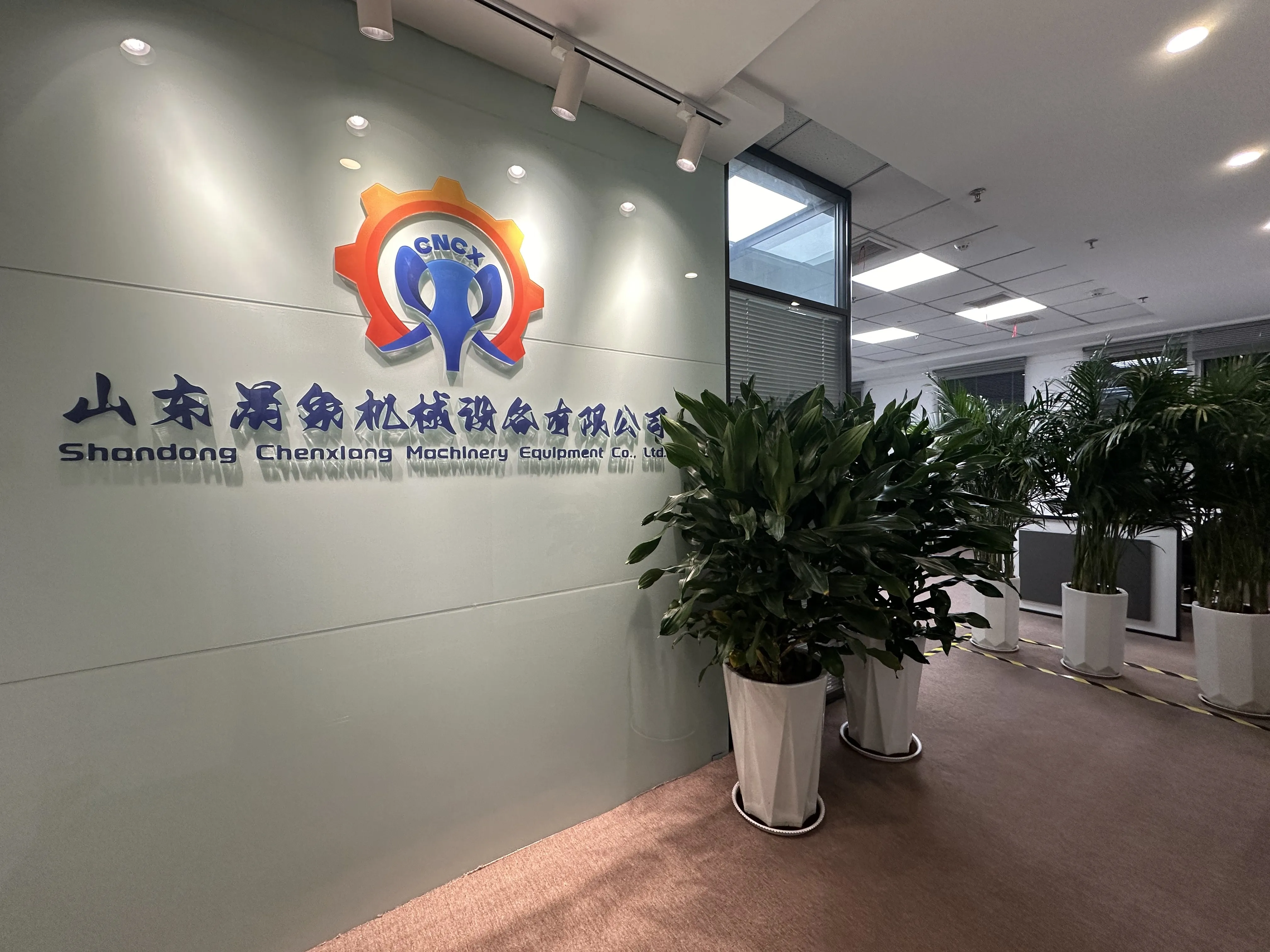
Shandong Chenxiang Machinery Equipment Co., Ltd.
- Manufacturer, Trading Company
- Shandong, China
- Lead time7 days
- Avg. response≤ 2h
Main productsFood Trucks,Commercial Equipment and Machinery,Packaging Supplies,Cargo Bundling Services,Transportation Services
Main marketsNorth America(36.00%), Central America(16.00%), South America(15.00%), Northern Europe(13.00%), Western Europe(10.00%), Oceania(10.00%)

Freestanding Commercial Slushie Maker for Cafes
$395.00 - $467.00

High-Efficiency Slushie Maker with Low Power Consumption
$395.00 - $467.00

Zhengzhou Hento Machinery Co., Ltd.
- Verified by SGS
- Trading Company,Manufacturer/Factory,Group Corporation
- China Henan
- Lead time15 days
- Avg. response≤ 6h
Main productsMeat Processing Machinery, Egg Processing Machinery, Dairy Processing Machinery, Fruit & Vegetable Processing Machinery, Grain Product Making Machines, Snack Machines, Nuts Processing Machinery, Packing Machines, Drying Machines, Commodity Making Machines
Main marketsSouth America,Eastern Europe,Mid East,North America,Southeast Asia,Eastern Asia,Oceania,Western Europe,Africa

Hangzhou Creato Machinery Co., Ltd.
- Verified by BV
- Trading Company
- China Zhejiang
- Lead time30 days
- Avg. response≤ 7h
Main productsFood Mixer, Vegetable Cutter, Drywall Sanders, Chocolate Fountain, Airless Paint Sprayer, Constructions Tool, Ice Cream Machine, Paint Remover, Meat Mincer, Bone Saw Machine
Main marketsSouth America,Africa,Southeast Asia/ Mideast,Europe,Australia,North America


Professional Grade Slush Machine Frozen Drink Maker for Restaurants and Cafes
$675.00 - $750.00
MOQ: 1 Pieces


Ningbo Sicen Refrigeration Equipment Co., Ltd.
- Verified by TUVRHEINLAND
- Combined
- China Zhejiang
- Lead time15 days
- Avg. response≤ 10h
Main productsIce Cream Machine, Frozen Yogurt Machine, Slush Machine, Juice Dispenser, Soda Fountain Machine, Ice Cream Maker, Mini Ice Cream Maker, Frozen Yogurt Maker, Soft Serve Ice Cream and Frozen Yogurt Machine, Ice Cream Maker for Home Use
Main marketsSouth America,Domestic,Europe

45L Commercial Frozen Drink Slush Slushy Making Machine Smoothie Ice Maker
$750.00 - $1000.00
MOQ: 1 unit


Easy Operate Commercial Slush Machine Factory Food Grade Stainless Steel Milkshake Maker
$800.00 - $1500.00
MOQ: 1 unit


GGMGASTRO (QINGDAO) INTERNATIONAL CO., LTD.
- Verified by BV
- Trading Company,Manufacturer/Factory
- China Shandong
- Lead time23 days
- Avg. response≤ 3h
Main productsCommercial Refrigerator, Kitchen Equipment, Catering Equipment, Bakery Eqipment, Ice Maker, Stainless Steel Sink, Meat Slicer, Fryer, Induction Cooker, Contact Grill
Main marketsSouth America,Eastern Europe,Mid East,Southeast Asia,Western Europe

Guangzhou Junjian Kitchen Appliances & Refrigeration Equipment Co., Ltd.
- Verified by BV
- Combined
- China Guangdong
- Lead time15 days
- Avg. response≤ 6h
Main productsKitchen Refrigerator, Commercial Freezer, Cake Showcase, Ice Maker, Ice Cream Machine, Salad Bar, Beverage Cooler, Working Table, Juice Dispenser, Stainless Steel Kitchen Equipment
Main marketsOthers(foreignTradeCapacity.exportBusinessCapacityMarketOther)

Foshan Oushine Technology Co., Ltd.
- Verified by TUVRHEINLAND
- Manufacturer/Factory
- China Guangdong
- Lead time90 days
- Avg. response≤ 4h
Main productsAir Fryer, Smokeless Grill, Rice Cooker & Pressure Cooker, Toaster, Coffee Grinder, Raclette Grill
Main marketsSouth America,Eastern Europe,Mid East,North America,Southeast Asia,Eastern Asia,Oceania,Western Europe,Africa

Oushine 2L Slushie Machine Commercial Frozen Juice Drink Maker Slushy Maker Ice Slush Machine
$90.00 - $100.00
MOQ: 1000 Pieces


- Verified by SGS
- Trading Company
- China Guangdong
- Lead time30 days
- Avg. response≤ 5h
Main productsAir Fryer, Air Fryer Oven, Toaster Oven, Electric Oven, Toaster, Pressure Cooker, Commercial Microwave Oven, Commercial Oven, Aroma Diffuser, Ice Maker
Main marketsEast Asia(Japan/ South Korea),Europe,North America

Yichu (Qingdao) Kitchen Equipment Co., Ltd
- Verified by SGS
- Trading Company
- China Shandong
- Lead time30 days
- Avg. response≤ 4h
Main productsShowcase, Commercial Refrigerator, Neutral Stainless Steel, Gn Pan, Gas Range, Ice Maker, Meat Ager, Working Table, Wine Cooler, Bottle Cooler
Main marketsSoutheast Asia/ Mideast,Europe,Australia,North America

- Verified by BV
- Combined
- China Guangdong
- Lead time15 days
- Avg. response≤ 2h
Main productsHood Type Dishwasher, Conveyor Type Dishwasher, Ultrasonic Dishwasher, Undercounter Dishwasher, Bakery Equipment, Food Processor
Main marketsSouth America,Africa,Others(foreignTradeCapacity.exportBusinessCapacityMarketOther),North America

Durable Commercial Slush Maker with High Efficiency for Instant Ice Solutions
$804.00 - $864.00
MOQ: 5 Pieces


Commercial Slush Machine with High Efficiency for Instant Ice Solutions
$804.00 - $864.00
MOQ: 5 Pieces


Henan Smile Technology Industrial Co., Ltd.
- Verified by SGS
- Trading Company,Manufacturer/Factory
- China Henan
- Lead time0 days
- Avg. response≤ 10h
Main productsBaking Oven, Industrial Mixer, Laboratory Equipment, Bakery Equipment, Bakery Processor, Kitchen Equipment, Refrigeration Series, Fast Food Equipment, Juicer Extractor Machine


Commercial Slushy Frozen Drink Slush Machine Juice Slush Machine for Sale
$470.00 - $870.00
MOQ: 1 Pieces


Guangzhou Tailang Industrial Co., Ltd.
- Verified by TUVRHEINLAND
- Combined
- China Guangdong
- Lead time15 days
- Avg. response≤ 2h
Main productsDeep Fryer, Popcorn Machine, Crepe Maker, Cotton Candy Machine, Panini Grill, Griddle, Waffle Maker, Fishball Grill, Bain Marie
Main marketsSouth America

Commercial Slush Machine Industrial Slush Machine Frozen Drink Machine
$787.00 - $794.00
MOQ: 5 Pieces


WELLCOOLING INTELLIGENT TECHNOLOGY (JM) CO., LTD.
- Manufacturer
- China Guangdong
- Lead time23 days
- Avg. response≤ 14h
Main productsIce Cream Machine, Slush Machine, Popsicle Machine, Juice Dispenser, Ice Cream Cone Machine, Ice Making Machine, Water Vending Machine, Frozen Yogurt Machine, Food Mixer, Ice Cream Display Freezer
Main marketsSoutheast Asia/ Mideast,Europe,North America


Wellcooling Cocktail Sorbet Yogurt Alcohol Slush Machine Slushy Maker Icee Machine
$1000.00 - $1300.00
MOQ: 1 Pieces
Shanghai Bokni Refrigeration Equipment Co., Ltd.
- Verified by TüVRheinland
- Manufacturer, Trading Company
- Lead time10 days
Main productsIce Cream Machine, Orange Juicer, Slush Machine, Ice Machine, Juice Dispenser
Main marketsWestern Europe(30%), Domestic Market(30%), North America(20%)

Guangzhou ETON Import & Export Co., Ltd.
- Verified by SGS
- Combined
- China Guangdong
- Lead time30 days
- Avg. response≤ 8h
Main productsCandy Floss Machine, Popcorn Machine, Cup Sealing Machine, BBQ Roaster, Electric Fryer, Hot-Dog Roller, Ice Blender, Ice Crusher, Juice Extrctor, Slush Machine
Main marketsSouth America,Europe

Stainless Steel Durable Ice Maker Slush Slushie Instant Slushy Machine
$390.00 - $400.00
MOQ: 10 Pieces

Best Quality Best Selling Slush Machine New Type Smoothie Commercial Use
$690.00 - $700.00
MOQ: 10 Pieces


Luohe Quality Mechanical Equipment Co., Ltd.
- Verified by SGS
- Manufacturer/Factory
- China Henan
- Lead time23 days
- Avg. response≤ 5h
Main productsJuice Extractor, Sausage Making Machine, Pita Bread Machine, Biscuit Making Machine
Main marketsSouth America,Eastern Europe,North America,Eastern Asia,Western Europe

Zhengzhou Shuogui Machinery Co., Ltd
- Verified by SGS
- Trading Company
- China Henan
- Lead time15 days
- Avg. response≤ 3h
Main productsFresh Noodle Machine, Ice Cream Machine, Ice Maker, Food Dryer, Fryer, Tortilla Maker, Pizza Oven, Meat Processing Machine
Main marketsSouth America,Southeast Asia/ Mideast,North America


12L 1-Tank Commercial Granita Slushie Machine Ice Slush Maker for Sale
$529.00 - $559.00
MOQ: 1 Pieces

Commercial 2-Tank Slush Machine Electric Frozen Ice Slush Maker for Sale
$689.00 - $719.00
MOQ: 1 Pieces


Stainless Steel 3-Tank Slush Machine Commercial Ice Slush Machine Frozen Smoothie Maker
$2270.00 - $2439.00
MOQ: 1 Pieces

Shandong Shenglang Kitchen Co., Ltd.
- Verified by TUVRHEINLAND
- Combined
- China Shandong
- Lead time15 days
- Avg. response≤ 4h
Main marketsSoutheast Asia/ Mideast

$650.00 - $750.00
MOQ: 10 Pieces


Comprehensive Sourcing Guide
Commercial Slushie Maker Supplier Concentration and Factory Types
The current supplier landscape for commercial slushie makers reveals a diverse mix of manufacturing capabilities concentrated in specific Chinese provinces. Results indicate that suppliers are primarily located in Shandong, Henan, and Zhejiang, suggesting distinct regional clusters for this equipment. In Shandong, the supply base includes both manufacturers and trading companies, with main products spanning food trucks, commercial equipment, and packaging supplies. This suggests that some suppliers in this region may offer integrated solutions for mobile beverage operations rather than just standalone machines. The presence of trading companies alongside manufacturers indicates that buyers might encounter intermediaries who aggregate products from various factories, potentially offering a wider selection but with less direct control over production quality.
In contrast, suppliers in Henan and Zhejiang show different operational profiles. Henan-based entities are often described as trading companies, manufacturer/factories, or group corporations, with a strong focus on meat, egg, dairy, and snack processing machinery. This broad industrial background implies that these suppliers may have robust engineering capabilities applicable to slushie machines, which share similarities with other frozen food processing equipment. Zhejiang suppliers, identified as trading companies, focus on a wide array of tools including ice cream machines and food mixers. This specialization suggests that Zhejiang suppliers might prioritize commercial catering equipment and have established supply chains for specific components like compressors or control panels. Understanding these factory types helps buyers determine whether they are dealing with direct producers or distributors, which impacts negotiation leverage and technical support availability.
How to Verify Commercial Slushie Maker Suppliers
Verifying the legitimacy and capability of Commercial Slushie Maker suppliers requires a multi-layered approach focusing on certifications, verification badges, and response metrics. Several suppliers in the current results display specific verification statuses that serve as initial trust indicators. For instance, some suppliers are verified by SGS, a globally recognized inspection and certification company, which adds a layer of credibility regarding their business operations and product quality. Others hold BV (Bureau Veritas) verification, another reputable third-party service that confirms the supplier’s identity and operational capacity. These verification badges are crucial for buyers who cannot physically inspect the factory, as they provide evidence that the company has undergone external scrutiny. Buyers should prioritize suppliers with these established verification marks to reduce the risk of engaging with fraudulent or non-existent entities.
Beyond verification badges, buyers must scrutinize the specific product certifications and technical specifications provided in the supplier listings. Many commercial slushie makers listed come with CE certification, which is mandatory for selling electrical equipment in the European market and indicates compliance with health, safety, and environmental protection standards. Some suppliers also list MET certification, which is relevant for the North American market. Buyers should request copies of these certificates and verify their validity with the issuing bodies. Additionally, the response time of the supplier is a practical metric for verification; suppliers with faster response times, such as those averaging under six hours, often demonstrate better operational efficiency and customer service readiness. Buyers should test communication by asking specific technical questions about voltage, power consumption, and warranty terms to gauge the supplier’s expertise and transparency before committing to an order.
What to Compare Across Commercial Slushie Maker Suppliers
When evaluating multiple suppliers for commercial slushie makers, buyers should systematically compare key operational and product attributes to identify the best fit for their business needs. One critical dimension is the lead time, which varies significantly across suppliers. For example, some suppliers offer a lead time of just seven days, while others may require up to thirty days. This variance can impact inventory planning and market launch schedules, making it essential for buyers to align supplier capabilities with their time-sensitive requirements. Additionally, the minimum order quantity (MOQ) is a vital factor; some suppliers offer an MOQ of just one set, which is ideal for small businesses or testing new markets, while others may have higher thresholds. Buyers should also compare the warranty terms, with many suppliers offering a one-year warranty, but the scope of coverage and after-sales support can differ.
Product specifications and customization options are another area requiring detailed comparison. Buyers should examine the power consumption, tank volume, and automatic grade of the machines. For instance, some models feature a 15-liter tank capacity with 380W power consumption, while others offer dual 12-liter tanks with 500W or 600W power. The voltage options, such as 220V or 110V/60Hz, must match the buyer’s local electrical infrastructure. Furthermore, the degree of customization available varies; some suppliers offer fully customized solutions, while others provide non-customized, standard models. Buyers should also compare the physical dimensions and weight of the units, as these factors affect shipping costs and installation space. By creating a comparison matrix of these attributes, buyers can objectively assess which supplier offers the best balance of cost, performance, and service for their specific Commercial Slushie Maker requirements.
Common Commercial Slushie Maker Sourcing Risks
Sourcing commercial slushie makers from international suppliers introduces several risks that buyers must proactively manage to ensure a successful procurement process. One significant risk is the variability in product quality and compliance with local safety standards. While many suppliers list CE or MET certifications, there is a risk that the actual shipped product may not fully adhere to these standards or may lack proper documentation. Buyers face the challenge of verifying that the electrical components, such as compressors and motors, meet the specific safety regulations of their target market. This is particularly risky if the supplier is a trading company that sources from multiple factories, as quality control may be inconsistent across different production batches. Buyers should mitigate this risk by requesting detailed technical drawings and material specifications before placing an order.
Another common risk is the discrepancy between the quoted price and the final landed cost, including shipping and customs duties. The price range for commercial slushie makers can vary widely, from approximately $339 to over $800, depending on features and capacity. However, this price often excludes shipping, insurance, and import taxes, which can significantly increase the total cost. Additionally, lead time delays can disrupt business operations, especially if the supplier is a trading company with less direct control over production schedules. Buyers also face the risk of inadequate after-sales support, particularly if the supplier is located in a different time zone or lacks a local service network. To address these risks, buyers should insist on clear Incoterms, detailed warranty clauses, and reliable communication channels. Conducting a pre-shipment inspection or using third-party quality assurance services can also help ensure that the products meet the agreed-upon specifications before they leave the factory.
Commercial Slushie Maker Regional Sourcing and Logistics
The regional location of suppliers significantly influences logistics planning, shipping costs, and delivery times for commercial slushie makers. Suppliers are concentrated in Shandong, Henan, and Zhejiang provinces in China, each offering distinct logistical advantages. Shandong, being a coastal province with major ports, may offer more efficient sea freight options for large or heavy equipment. Suppliers in this region often list main products that include transportation services, which might simplify logistics coordination for buyers. However, buyers must verify if these services are included in the price or offered as an add-on. The proximity to ports can reduce inland transportation costs and lead times, making Shandong a potentially attractive sourcing hub for bulk orders.
In contrast, suppliers in Henan and Zhejiang may have different logistical profiles. Henan is an inland province, which might result in longer inland transportation times to coastal ports, potentially increasing lead times and costs. However, suppliers in this region often have strong manufacturing bases for processing machinery, which could mean better availability of spare parts and technical support. Zhejiang, another coastal province, is known for its robust manufacturing and trading sectors. Suppliers here may offer competitive shipping rates due to the proximity to major international shipping routes. Buyers should consider the total logistics cost, including inland freight, port fees, and ocean freight, when comparing suppliers from different regions. Additionally, the packaging standards, such as fumigation-free wooden cases or carton foam packaging, can impact shipping efficiency and product protection. Understanding these regional logistical nuances helps buyers optimize their supply chain and minimize unexpected costs.
Commercial Slushie Maker Commercial Terms and Order Planning
Effective order planning for commercial slushie makers requires careful attention to commercial terms, payment structures, and production capabilities. Buyers should negotiate clear payment terms, such as a deposit followed by balance payment before shipment, to protect their financial interests. It is crucial to confirm whether the supplier offers trade assurance or escrow services, which provide an additional layer of security for the transaction. The lead time, ranging from seven to thirty days, should be factored into the production schedule to ensure timely delivery. Buyers should also verify the supplier’s capacity for OEM and ODM services if they require custom branding or specific design modifications. Some suppliers explicitly state their ability to handle own brand, OEM, and ODM orders, which is valuable for businesses looking to establish a unique market presence.
Warranty and after-sales support are critical components of the commercial terms. Most suppliers offer a one-year warranty, but buyers should clarify the scope of coverage, including parts and labor. It is advisable to request a list of spare parts and their availability to minimize downtime in case of machine failure. Additionally, buyers should confirm the supplier’s response time to technical inquiries, as faster response times can lead to quicker resolution of issues. The price range, typically between $339 and $814, should be compared against the features and warranty offered to ensure value for money. Buyers should also consider the total cost of ownership, including energy consumption and maintenance costs, when evaluating the long-term viability of the supplier. By meticulously planning these commercial terms, buyers can secure a reliable partnership and ensure a smooth procurement process for their Commercial Slushie Maker needs.
FAQs
What is the price range for commercial slushie makers?
Prices for commercial slushie makers typically range from $339 to $814. The cost varies based on capacity, power consumption, and specific features like automatic operation or tank volume. Buyers should compare options from different manufacturers to find the best value for their specific operational needs and budget constraints.
What is the typical lead time for these machines?
Lead times for commercial slushie makers generally range from 7 to 30 days. Suppliers in China offer varying production schedules, with some providing faster turnaround times of one week, while others may require up to a month for manufacturing and shipping. Buyers should confirm specific delivery windows with their chosen supplier.
What certifications are available for these machines?
Many commercial slushie makers come with CE certification, ensuring compliance with European safety standards. Some models also feature MET certification for additional safety assurance. Buyers should verify specific certification requirements for their target market and ensure the supplier provides valid documentation for the equipment being purchased.
What is the minimum order quantity for these machines?
The minimum order quantity for commercial slushie makers is often just one set. Many suppliers allow single-unit purchases, making it easy for small businesses to test equipment. Buyers should confirm the MOQ with the supplier, as some may offer discounts for bulk orders or have different policies for customized units.
What power sources do these machines use?
Commercial slushie makers typically use electric power sources with voltages of 220V or 110V. Power consumption ranges from 350W to 600W depending on the model and capacity. Buyers should ensure their facility has the appropriate electrical infrastructure to support the specific voltage and power requirements of the chosen machine.
Where are these machines manufactured?
These machines are primarily manufactured in China, with production facilities located in provinces such as Shandong, Henan, and Zhejiang. Buyers can choose from various regional suppliers, each offering different advantages in terms of logistics, pricing, and specialized manufacturing capabilities for commercial food equipment.
What warranty is provided for these machines?
Most commercial slushie makers come with a one-year warranty covering manufacturing defects and operational issues. Buyers should review the specific warranty terms provided by the supplier, including coverage for parts and labor. Extended warranty options may be available for additional cost, providing longer-term protection for the investment.