Concrete Mixer Shaft Lock Suppliers and Manufacturers
Source 12 verified suppliers for Concrete Mixer Shaft Lock components from China. Compare lead times, certifications, and response rates to identify suitable partners. Review product specifications and request quotes directly; review the available evidence before requesting comparable quotations from suitable candidates.
Suppliers List

ANHUI YAFEI MACHINE TOOL CO., LTD.
- Verified by TUVRHEINLAND
- Trading Company,Manufacturer/Factory,Group Corporation
- China Anhui
- Lead time23 days
- Avg. response≤ 4h
Main productsMechanical Blade, Industry Knife, Knife for Metal Industry, Knife for Paper Industry, Knife for Recycling Industry, Knife for Packaging Industry, Knife for Print Industry, Knife for Wood Industry, Slitting Blades, Shear Blades
Main marketsSouth America,Eastern Europe,Mid East,North America,Southeast Asia,Eastern Asia,Oceania,Western Europe,Africa

- Verified by TUVRHEINLAND
- Combined
- China Shandong
- Lead time15 days
- Avg. response≤ 12h
Main productsConcrete Batching Plant, Tower Crane, Concrete Pump, Truck Mixer, Building Hoist, Construction Elevator, Soil-Stablization Batching Plant, Concrete Mixing Plant, Construction Machine, Mixer
Main marketsAfrica,Domestic,Europe

Maanshan Zhongrun Intelligent Equipment Co., Ltd.
- Verified by CTI
- Combined
- China Anhui
- Lead time23 days
- Avg. response≤ 1h
Main productsMixer Casting Wear-Resistant Parts, Mixer Liner, Mixer Blade, Mixer Arm, Concrete Mixer Wear Parts, Alloy Steel
Main marketsDomestic

Henan Ideal Machinery Equipment Co., Ltd.
- Combined
- China Henan
- Lead time15 days
- Avg. response≤ 6h
Main productsSteel Bar Cutting Machine, Steel Bar Bending Machine, Steel Bar Straightening and Cutting Machine, Stirrup Bending Machine, Tamping Rammer, Plate Compactor, Trowelling Machine, Concrete Cutting Machine, Road Roller, Concrete Viabratory Screed
Main marketsSouth America,Africa,Southeast Asia/ Mideast,East Asia(Japan/ South Korea),Domestic,Europe,Australia,North America

Elephant Fluid (Hebei) Hydraulic Machinery Co., Ltd.
- Verified by BV
- Trading Company
- China Hebei
- Lead time0 days
- Avg. response≤ 15h
Main productsHydraulic Pump Part, Hydraulic Pump, Hydraulic Motor, Hydraulic Valve, Mining Dump Truck Parts, Hydraulic Vane Pump and Spare Parts, Gear Pump
Maanshan Huadong Wear-Resisting Alloy Co., Ltd.
- Manufacturer, Trading Company
- Anhui, China
- Lead time15 days
- Avg. response≤ 3h
Main productsConcrete Mixer Parts,Asphalt Paver Parts,Gas turbine accessories,Crusher Parts,Accessories for pumps
Main marketsNorth America(24.00%), Mid East(16.00%), Eastern Asia(15.00%), Africa(13.00%), Southern Europe(6.00%), Eastern Europe(6.00%), Western Europe(5.00%), Southeast Asia(5.00%), Northern Europe(5.00%), Oceania(2.00%), South America(2.00%)

Quanzhou Hawen Machinery Co., Ltd.
- Verified by BV
- Combined
- China Fujian
- Lead time23 days
- Avg. response≤ 5h
Main productsBlock Machine, Block Making Machine, Concrete Block Machine, Brick Making Machine, Cement Brick Machine, Cement Block Machine, Concrete Brick Machine
Main marketsSouth America,Africa,Southeast Asia/ Mideast,Europe,North America

Shandong Dom Machinery Equipment Co., Ltd.
- Verified by SGS
- Combined
- China Shandong
- Lead time23 days
- Avg. response≤ 5h
Main productsMobile Concrete Batching Plant, Cement Silo
Main marketsSouth America,Africa,Southeast Asia/ Mideast,East Asia(Japan/ South Korea),Domestic,Europe,Australia,North America

Zhengzhou Focus Machinery Co., Ltd.
- Verified by BV
- Manufacturer/Factory
- China Henan
- Lead time15 days
- Avg. response≤ 3h
Main productsConcrete Batching Plant, Mobile Concrete Mixing Plant, Asphalt Mixing Plant, Concrete Pump, Concrete Mixer, Concrete Truck Mixer, Dry Mortar Mixing Plant, Tower Crane, Construction Hoist, Stablized Soil Mixing Plant
Main marketsSouth America,Eastern Europe,Mid East,North America,Southeast Asia,Eastern Asia,Oceania,Western Europe,Africa

Changge Kowloon Machinery Manufacturing Co., Ltd.
- Verified by TUVRHEINLAND
- Trading Company,Manufacturer/Factory
- China Henan
- Lead time15 days
- Avg. response≤ 8h
Main productsSteel Bar Cutting Machine, Steel Bar Bending Machine, Steel Bar Straightening and Cutting Machine, Steel Bar Stirrup Bender Machine, Tamping Rammer Machine, Plate Rammer Machine, Concrete Power Trowel, Concrete Screed, Concrete Grinder, Portable Cutting Machine and Bending Machine
Main marketsSouth America,Eastern Europe,Mid East,North America,Southeast Asia,Eastern Asia,Oceania,Western Europe,Africa

- Verified by SGS
- Trading Company,Manufacturer/Factory
- China Shaanxi
- Lead time0 days
- Avg. response≤ 2h
Main productsPush Pull Cable, Marine Engine Control, Mixer Control Lever, Auto Control Cable, Heavy Truck Control Lever, Marine Control Cable, Rotary Steering System, Rotary Steering Helm


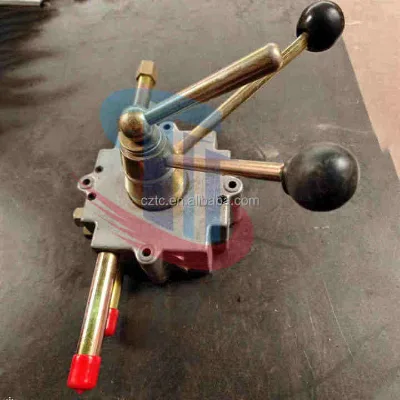
Mixer Truck Parts Throttle Control Lever Remote Pump Control Lever for Concrete Mixer
$43.00 - $45.00
MOQ: 1 Pieces

Double Lever Rack Control Box Parts for Concrete Pump Mixer Control Lever
$44.00 - $45.00
MOQ: 1 Pieces

Concrete Mixer Truck Remote Control Lever for Pump
MOQ: 1 Pieces
Cangzhou Taichan Mechanical Equipment Co., Ltd.
- Trading Company
- Hebei, China
- Lead time0 days
- Avg. response≤ 2h
Main productsConcrete pump pipe,Concrete pump parts,Concrete pump rubber hose,Steel flange,Steel pipe fittings
Main marketsEastern Europe(20.00%), Africa(20.00%), South America(15.00%), North America(10.00%), Southeast Asia(10.00%), Mid East(10.00%), Oceania(5.00%), South Asia(5.00%), Eastern Asia(5.00%)




Comprehensive Sourcing Guide
Concrete Mixer Shaft Lock Supplier Concentration and Factory Types
The current supplier landscape for concrete mixer shaft locks reveals a distinct concentration of manufacturing activity within specific Chinese provinces, with Anhui and Shandong emerging as primary hubs based on available location data. Suppliers in Anhui often operate as trading companies, manufacturers, or group corporations, offering a diverse range of mechanical blades and industry knives alongside specialized concrete mixer spare parts. This clustering suggests a mature supply chain where raw material access and specialized casting capabilities, such as lost foam casting for wear-resistant alloy parts, are readily available. Buyers should prioritize regions where these specific manufacturing capabilities are documented, as the proximity of foundries to assembly lines often reduces lead times and ensures better quality control for critical components like shaft locks.
In contrast, suppliers located in Shandong frequently present as combined entities or specialized manufacturers focusing on heavy machinery like twin shaft mixers and batching plants. These facilities often hold comprehensive certifications such as ISO 9001:2015 and ISO 14001:2015, indicating a structured approach to quality management and environmental compliance. The presence of both trading companies and direct manufacturers in these regions allows buyers to choose between a single point of contact for multiple components or a direct factory relationship for custom engineering. When evaluating concentration, it is essential to verify if the supplier's main products align with the specific mechanical requirements of shaft locks, ensuring they possess the necessary casting tolerances and surface treatment processes like polishing or alloy steel fabrication.
How to Verify Concrete Mixer Shaft Lock Suppliers
Verification of potential suppliers requires a rigorous examination of their system certifications and third-party audit results to ensure operational legitimacy. Many suppliers in the current results display verification badges from recognized bodies such as TÜV Rheinland or CTI, which serve as critical indicators of their compliance with international safety and quality standards. Buyers must cross-reference these verification statuses with specific product certifications, such as ISO 9001 or CE marks, to confirm that the concrete mixer shaft locks meet the required engineering specifications. Relying solely on self-declared claims is insufficient; the presence of a verified badge from an independent agency provides a higher degree of confidence regarding the supplier's ability to deliver consistent, high-quality components.
Beyond certifications, the response time and communication efficiency of a supplier offer valuable insights into their operational readiness and customer service capabilities. Data indicates that response times can vary significantly, ranging from approximately 0.01 hours to over 11 hours, which directly impacts the speed of the sourcing process. A supplier with a rapid response time is more likely to provide timely technical support, accurate quotations, and quick resolution of queries regarding shaft lock dimensions or material properties. Buyers should prioritize suppliers who demonstrate consistent responsiveness, as this often correlates with a well-organized internal workflow and a commitment to maintaining strong client relationships throughout the procurement lifecycle.
What to Compare Across Concrete Mixer Shaft Lock Suppliers
When comparing suppliers, lead time is a critical metric that influences production scheduling and project timelines. Available data shows lead times ranging from 15 to 23 days, reflecting differences in production capacity, inventory levels, and logistical efficiency. Suppliers with shorter lead times may offer ready-to-ship inventory or streamlined manufacturing processes, while those with longer lead times might require custom tooling or longer production runs. Buyers must align these timelines with their project deadlines, ensuring that the selected supplier can deliver the concrete mixer shaft locks within the required window without compromising on quality or causing downstream delays in equipment assembly.
Minimum Order Quantity (MOQ) and pricing structures are equally important factors in the comparison process, as they affect the financial viability of the order. Some suppliers list an MOQ of just one unit, offering flexibility for small-scale repairs or testing, while others may have higher thresholds for bulk orders. Pricing can vary widely, with some spare parts listed between 680 and 8500 units of currency, while larger machinery components may command significantly higher prices. Buyers should evaluate the total cost of ownership, including shipping and potential customization fees, rather than focusing solely on the unit price. Additionally, the availability of customization options, such as specific hardness ratings or surface treatments, should be assessed to ensure the shaft locks meet the exact operational demands of the concrete mixer.
Common Concrete Mixer Shaft Lock Sourcing Risks
One significant risk in sourcing concrete mixer shaft locks is the potential mismatch between advertised specifications and actual product performance, particularly regarding material hardness and wear resistance. While some product attributes list hardness ratings like HRC 45-60, buyers must verify that these values are consistently maintained across all units, as variations can lead to premature failure in high-stress environments. The reliance on generic terms like "standard" for product standards without specific technical documentation can obscure critical details about the alloy composition or heat treatment processes used. This ambiguity increases the risk of receiving components that do not withstand the abrasive conditions typical of concrete mixing operations, leading to costly downtime and replacement expenses.
Another prevalent risk involves the reliability of the supply chain and the consistency of the supplier's output over time. Suppliers may claim capabilities in OEM and ODM services, but the actual capacity to fulfill large orders without quality degradation is not always guaranteed. The variation in response times and lead times observed across different suppliers suggests that some may struggle with capacity planning or resource allocation. Buyers should be cautious of suppliers who cannot provide clear evidence of their production capacity or who lack a track record of consistent delivery. Ensuring that the supplier has robust quality control measures in place, such as casting tolerance checks and surface treatment verification, is essential to mitigate these risks and secure a reliable supply of durable shaft locks.
Concrete Mixer Shaft Lock Regional Sourcing and Logistics
Regional sourcing decisions are heavily influenced by the geographic location of the manufacturing facilities, which impacts shipping costs and delivery times. Suppliers located in Anhui and Shandong provinces offer distinct logistical advantages, with Anhui often associated with specialized casting and blade manufacturing, while Shandong is known for heavy machinery and large-scale equipment production. Buyers should consider the proximity of these regions to major ports to minimize freight costs and transit times. The origin of the products, often listed as Anhui China or Shandong China, provides a baseline for estimating shipping durations and selecting the most efficient logistics partners for international delivery.
Logistics planning must also account for the specific packaging requirements of the concrete mixer shaft locks to prevent damage during transit. Product attributes indicate that items are often packed in wooden cases or bulk packaging, depending on the size and weight of the component. For larger machinery parts, bulk packing may be more cost-effective, while smaller spare parts might require individual wooden cases for protection. Buyers should verify the packaging details with the supplier to ensure that the shipping method aligns with the fragility and dimensions of the shaft locks. Proper packaging not only protects the product but also facilitates easier handling and storage upon arrival, reducing the risk of damage and ensuring that the components are ready for immediate installation.
Concrete Mixer Shaft Lock Commercial Terms and Order Planning
Commercial terms and order planning are pivotal for managing the financial and operational aspects of the procurement process. Buyers must carefully review the pricing structures, which can range from 680 to 8500 units of currency for spare parts, and understand how these prices are calculated based on volume, customization, and material costs. The availability of customization options, such as specific models or surface treatments, may incur additional charges that need to be factored into the overall budget. Clear communication regarding payment terms, delivery schedules, and warranty conditions is essential to avoid misunderstandings and ensure a smooth transaction.
Order planning should also consider the establishment year and operational history of the supplier, as these factors can indicate stability and experience in the market. While specific establishment years are not always provided, the presence of long-standing certifications and a diverse product range suggests a mature operation. Buyers should plan their orders well in advance, accounting for potential lead times and the need for quality inspections before shipment. Establishing a clear timeline for the entire procurement process, from initial inquiry to final delivery, helps in managing expectations and ensuring that the concrete mixer shaft locks are available when needed. This proactive approach minimizes the risk of delays and ensures that the project stays on schedule.
FAQs
What certifications do concrete mixer spare part suppliers hold?
Suppliers in Anhui and Shandong hold ISO 9001 and ISO 9001:2015 certificates. Some also possess OHSAS 18001, QC 080000, or ISO 14001:2015 certifications. CE marks appear on specific mixer models. Verify current status directly with the vendor before ordering.
What is the typical lead time for concrete mixer parts?
Lead times vary between 15 and 23 days depending on the supplier location and product type. Suppliers in Shandong often report 15 days, while Anhui-based manufacturers may require up to 23 days. Confirm exact delivery schedules during the inquiry phase to ensure project timelines are met.
What is the minimum order quantity for mixer spare parts?
The minimum order quantity for concrete mixer spare parts is one unit. This allows buyers to test quality before placing larger orders. Some suppliers offer customization options even at this low volume. Check specific product listings to confirm if bulk discounts apply for higher quantities.
How fast do suppliers typically respond to inquiries?
Response times range from 0.01 to 11.04 hours based on the supplier. Some vendors respond almost instantly, while others take nearly half a day. Faster response times often indicate higher availability. Always check the specific supplier profile for their current average response speed before initiating contact.
What materials are used for concrete mixer wear parts?
Wear parts like blades and arms are often made from alloy steel with hardness between 45 and 60 HRC. Some components use Q345b material for structural strength. Customization is available for specific hardness requirements. Verify material certificates to ensure they meet your project durability standards.
Are concrete mixer spare parts available for twin shaft mixers?
Yes, suppliers offer spare parts specifically designed for twin shaft concrete mixers. These include arms, blades, scrapers, and liners. Models like JS500, JS750, and FJS1500 have compatible parts. Ensure the part model matches your mixer specifications before purchasing to guarantee proper fit and function.
What is the price range for concrete mixer spare parts?
Prices for spare parts range from 680 to 8500 units of currency depending on the item. Larger mixers or specialized wear plates may cost up to 40000 units. Full mixer units start around 8600 units. Request a detailed quote for the specific part number to get an accurate price.