Electric Waste Compression Station Suppliers and Manufacturers
Source 25 verified suppliers for Electric Waste Compression Station units. Compare specifications like 10-18t capacity, CCC certification, and Hubei or Hebei origins. Review lead times and pricing to identify suitable partners for municipal waste management projects; review the available evidence before requesting comparable quotations from suitable candidates.
Suppliers List
Hubei Kaili Special Automobile Co., Ltd.
- Verified by SGS Group
- Manufacturer, Trading Company
- Lead time15 days
- Avg. response≤ 1h
Main productsWater Truck, Garbage Truck, Road Sweeper Truck, Sewage Cleaning Truck, Dump Truck
Main marketsDomestic Market(70%), Africa(10%), Southeast Asia(10%)
Hubei Shenghang Special Automobile Co., Ltd
- Verified by TUVRHEINLAND
- Trading Company
- China Hubei
- Lead time60 days
- Avg. response≤ 1h
Main productsGarbage Truck, Water Truck, Refrigerated Truck, Ambulance, Wrecker Truck, Aerial Platform Truck, Truck Mounted Crane, Suction Sewage Truck, Dump Truck
Main marketsDomestic

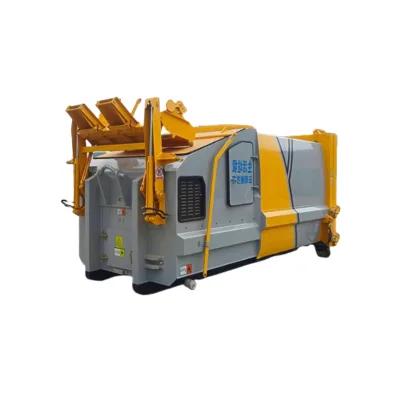
Heavy Duty 10-18t Electric Compression Garbage Compression Truck for Municipal Waste Collection
$13000.00 - $18000.00
MOQ: 1 Pieces

$13000.00 - $18000.00
MOQ: 1 Pieces

SHANGQIU ZHONGQING ENVIRONMENTAL PROTECTION SCIENCE AND TECHNOLOGY CO., LTD.
- Combined
- China Henan
- Lead time23 days
- Avg. response≤ 5h
Main productsTire Plastic Recycling, Pyrolysis Plant, Distillation Plant, Waste Resource Recycling Plant, Crude Carbon Black Plant
Main marketsSouth America,Africa,Southeast Asia/ Mideast,East Asia(Japan/ South Korea),Europe,Australia,North America

Hubei Suny Automobile and Machinery Co., Ltd.
- Verified by SGS
- Trading Company,Manufacturer/Factory
- China Hubei
- Lead time105 days
- Avg. response≤ 6h
Main productsGarbage Truck, LPG Tanks and LPG Trailer, Vacuum Suction Truck, Fire Truck, Water Truck, Fuel Truck, Semi-Trailer, Refrigerator Truck, Tractor Truck, Dump Truck
Main marketsSouth America,Eastern Europe,Mid East,Southeast Asia,Eastern Asia,Oceania,Western Europe,Africa


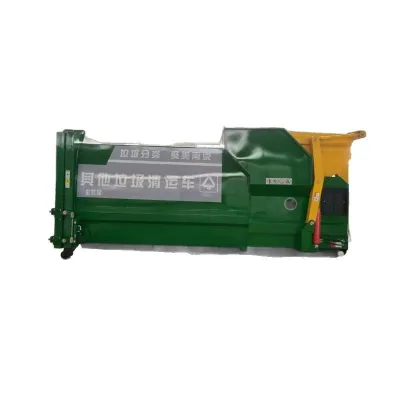
Multi-Function Mobile Dustbin 6 Cbm Mobile Compression Garbage Station
$12000.00 - $26000.00
MOQ: 1 Pieces

Fujian Qunfeng Machinery Co., Ltd.
- Verified by BV
- Combined
- China Fujian
- Lead time45 days
- Avg. response≤ 6h
Main productsBlock/Brick Making Machine, Concrete Curb Machine, Paver Forming Machine, Roof Tile Making Machine, Paving Stone Machine, AAC Block Machine, AAC Brick Machine, Brick Machine, Block Machine, AAC Production Line
Main marketsSouth America,Africa,Southeast Asia/ Mideast,Europe
Zhejiang Bioclean Machinery Technology Co., Ltd
- Verified by CTI
- Combined
- China Zhejiang
- Lead time30 days
- Avg. response≤ 4h
Main marketsDomestic

$9000.00 - $20000.00
MOQ: 1 Pieces


Shandong Qunfeng Heavy Industry Technology Co., Ltd.
- Verified by BV
- Combined
- China Shandong
- Lead time30 days
- Avg. response≤ 2h
Main productsRecycling, Baler, Msw Sorting Waste, Baling Press, Garbage Sparate, Urban Solid Garbage Sorting Machine, Waste Garbage Recycling Machine Line, Waste Recycling Machine, Msw Treatment Line, City Garbage Sorting Machine and Hydraulic Baler
Main marketsSouth America,Southeast Asia/ Mideast,Domestic


$15000.00 - $40000.00
MOQ: 1 Sets


$15000.00 - $40000.00
MOQ: 1 Sets

$80000.00 - $150000.00
MOQ: 1 Sets

$80000.00 - $150000.00
MOQ: 1 Sets
Hubei Zhongyu Environmental Equipment Co., Ltd.
- Manufacturer, Trading Company
- Hubei, China
- Lead time25 days
- Avg. response≤ 3h
Main productsGarbage Station,Garbage Truck,Emergency Vehicle,garbage disposal truck,garbage compactor
Main marketsDomestic Market(100.00%)

Hubei Manten Automobile Co., Ltd.
- Verified by BV
- Trading Company
- China Hubei
- Lead time45 days
- Avg. response≤ 8h
Main productsTank Truck, Garbage Truck, Fire Fighting Truck, Truck with Crane, Concrete Mixer Truck, Dump Truck, Aerial Plateform Truck, LED Mobile Truck, Sewage Suction Truck, LPG Tanker
Main marketsAfrica

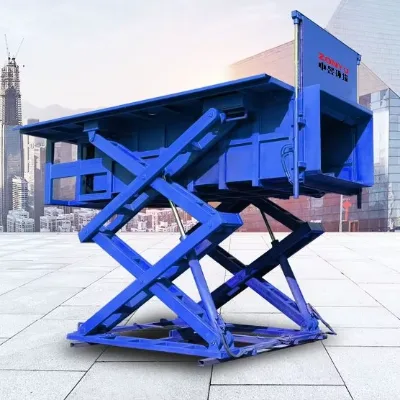
15cbm Buried Lifting Horizontal Compression Waste Grabage Transfer Station
$27500.00 - $37500.00
MOQ: 1 Pieces


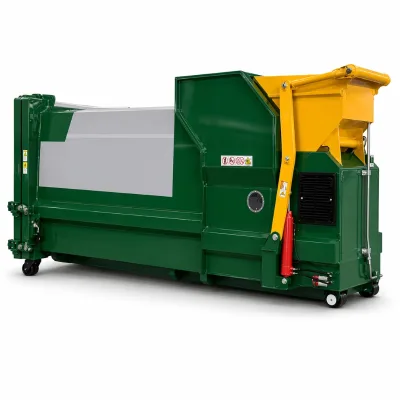
Compactor Garbage Station 16 M3, Compression Garbage Container 16000 Liter Refuse Collection
$17500.00 - $22500.00
MOQ: 1 Pieces

Cheap Price Mobile Compressor Rubbish Transfer Station for Waste Collection
$10000.00 - $30000.00
MOQ: 1 Pieces

New 18cbm 16, 000L Garbage Compression Mobile Box Container Station
$10500.00 - $29900.00
MOQ: 1 Pieces

Mobile 18cbm 20m3 Garbage Compactor Station Matching 240L 660L Waste Bins
$18800.00 - $29500.00
MOQ: 1 UNIT
HENAN ULIKE INDUSTRY CO., LTD.
- Verified by TUVRHEINLAND
- Manufacturer/Factory
- China Henan
- Lead time23 days
- Avg. response≤ 3h
Main productsDump Truck, Excavator, Wheel Loader, Road Roller, Motor Garder, Mobile Concrete Mixing Batching Plant, Fixed Concrete Mixing Batching Plant, Mixer Truck, Farm Tractor, Parts
Main marketsSouth America,Eastern Europe,Mid East,North America,Southeast Asia,Eastern Asia,Oceania,Western Europe,Africa

$27900.00 - $29900.00
MOQ: 1 unit

China Manufacturing High Efficiency Mobile Compression Garbage Station Garbage Compactor
$27900.00 - $29900.00
MOQ: 1 unit

Hot Selling 8m3~20m3 Garbage Compactor Plant Mobile Compactor Garbage Compression Station
$27900.00 - $29900.00
MOQ: 1 unit

Hubei Hongyu Special Automobile Co., Ltd
- Verified by CTI
- Combined
- China Hubei
- Lead time23 days
- Avg. response≤ 3h
Main productsFuel Tank Truck, Water Truck, Refrigerated Truck, Cargo Truck, Garbage Truck, Dump Truck, Electric Truck, Truck Mounted Crane, Wrecker Truck, Aerial Platform Truck
Main marketsAfrica,Southeast Asia/ Mideast,North America


$11000.00 - $35000.00
MOQ: 1 Pieces

Mobile 18m3 Plus 2m3 Compactor Garbage Containers Station with Remote Control
$11000.00 - $35000.00
MOQ: 1 Pieces

Hubei Xinzhonglv Special Automobile Co., Ltd.
- Verified by BV
- Combined
- China Hubei
- Lead time45 days
- Avg. response≤ 4h
Main productsWater Truck, Fire Truck, Oil Tank Truck, Septic Suction Truck, Garbage Truck, Road Cleaning Truck, High Pressure Cleaning Truck, Obstacle Clearing Truck, High Altitude Work Truck, Truck Mounted Crane
Main marketsAfrica,Southeast Asia/ Mideast,Domestic,Europe


Convenient Mobile Garbage Station Compressor with Compressed Garbage Bin
$12800.00 - $15500.00
MOQ: 1 Pieces

Price of Multifunctional Garbage Compactor for Mobile Compression Box
$12800.00 - $15500.00
MOQ: 1 Pieces

High-Quality Low-Cost Garbage Compressors for Efficient Waste Management
$39000.00 - $50000.00
MOQ: 1 Pieces
Jiangsu Satamz City Services Group Co., Ltd.
- Verified by SGS
- Combined
- China Jiangsu
- Lead time30 days
- Avg. response≤ 4h
Main productsGolf Cart, Electric Vehicle, Electric Three Wheel Vehicle, Electric Specialized Vehicle, Electric Sanitation Vehicle, New Energy Vehicle, Electric Tricycle, Electric Scrubber, Electric Road Sweeper, Tuktuk Trike
Main marketsDomestic

Hooklift Garbage Station Waste Collector High Density Compression Customizable Design
$23200.00 - $25000.00
MOQ: 1 set

- Verified by BV
- Trading Company
- China Hubei
- Lead time45 days
- Avg. response≤ 5h
Main productsGarbage Truck, Fire Truck, Water Truck, Fuel Truck, Sweeper Truck, Ambulance, Workshop Truck, Vacuum Truck, Manlift Truck, Refrigerator Truck
Main marketsSouth America,Eastern Europe,Mid East,North America,Southeast Asia,Eastern Asia,Oceania,Africa

Shandong Xintuo Mechanical Technology Co., Ltd
- Verified by BV
- Manufacturer/Factory
- China Shandong
- Lead time23 days
- Avg. response≤ 3h
Main productsGarbage Car, Garbage Dispos, Garbage Truck, Garbage Compacting Equipment, Garbage Incinerator, Hook Lift Dumpster, Hook Container, Hook Lift Bin, Hook Skip Bin, Roll off Dumpster
Main marketsSouth America,Eastern Europe,Mid East,North America,Southeast Asia,Eastern Asia,Oceania,Western Europe,Africa

Customizable Trash Compactor Waste Recycling Compression Station Low Cost Garbage Compactor
$9900.00 - $11800.00
MOQ: 1 piece

$9999.00 - $11000.00
MOQ: 1 Pieces

20 Cubic Meter Mobile Garbage Compactor Station for Waste Management with Hydraulic Compression
$9999.00 - $11000.00
MOQ: 1 Pieces

$10000.00 - $12000.00
MOQ: 1 piece

Ningbo Dima Industrial Technology Co., Ltd.
- Verified by SGS
- Trading Company
- China Zhejiang
- Lead time30 days
- Avg. response≤ 5h
Main productsMobile Garbage Compactor, Water Sprinkler, Road Sweeping Truck, Hook Lift Truck, Kitchen Trash Truck, Special Truck, Garbage Compactor Truck, Car Accessories, Rubber Track
Main marketsOthers(foreignTradeCapacity.exportBusinessCapacityMarketOther)

- Verified by SGS
- Combined
- China Hunan
- Lead time45 days
- Avg. response≤ 11h
Main productsAppliance Dismantling, Pyrolysis Machine, Refrigerator Recycling, Tire Recycling, Waste Plastic Pyrolysis, Oily Sludge Pyrolysis, Biomass Carbonization
Main marketsSouth America,Southeast Asia/ Mideast,East Asia(Japan/ South Korea),Domestic,Europe

Advanced Electronic Waste Recycling Machine for Sustainable Processing
$3000000.00 - $3500000.00
MOQ: 1 Sets

High-Efficiency E Waste Recycling Machine and Comprehensive Recycling System
$650000.00 - $850000.00
MOQ: 1 Sets

Advanced Electronic Waste Recycling Machine for Efficient Processing
$3000000.00 - $3500000.00
MOQ: 1 Sets

E Waste Recycling Machine and Recycling System for Optimal Material Recovery
$650000.00 - $850000.00
MOQ: 1 Sets

Taian Tongxin Hydraulic Machinery Factory
- Combined
- China Shandong
- Lead time30 days
- Avg. response≤ 3h
Main productsHydraulic Cylinder, Hydraulic Power Pack/Power Unit/Hydraulic System, Balance Crane, Material Handling Equipment, Sheet Metal Fabrication Service, Truck Crane, Hydraulic Scissor Hoist
Main marketsDomestic

Energy-Saving Double Acting Garbage Compression Station for Sanitation Equipment Hydraulic Cylinder
$85.00 - $899.00
MOQ: 10 Pieces


Associated Engineers Zhuhai S.e.z. Ltd.
- Verified by SGS Group
- Manufacturer, Trading Company
- Lead time0 days
- Avg. response≤ 2h
Main productsAircraft Maintenance Platform, Mobile Waste Compactor, Trash Bin, Equipment Steel Structure, Refuse Transfer Station
Main marketsNorth America(50%), Southeast Asia(30%), Eastern Asia(20%)
Hubei Yisheng Automobile Co., Ltd.
- Verified by SGS
- Trading Company
- China Hubei
- Lead time30 days
- Avg. response≤ 2h
Main productsAmbulance, Refrigerated Truck, Advertising Vehicle, Tow Truck, Tanker Trucks, Dump Truck, Aerial Platform Truck, Combination Sewer Cleaner, Water Truck, Garbage Compactor Truck
Main marketsDomestic

High-Efficiency Customized 8m³ Mobile Compression Refuse Station -Compatible with Rubbish Trucks
$4599.00 - $4999.00
MOQ: 1 Pieces

Customizable 8 Cubic Meter Mobile Compression Refuse Station - Rubbish Truck-Compatible
$4599.00 - $4999.00
MOQ: 1 Pieces
Huizhou Happy Trading Co., Ltd.
- Verified by SGS
- Trading Company
- China Guangdong
- Lead time15 days
- Avg. response≤ 7h
Main productsTrash Bin, Wheelie Bin, Trash Can, Waste Bin, Garbage Bin, Waste Container, Carbage Can, Waste Can, Dustbin, Rubbish Bin
Main marketsSoutheast Asia/ Mideast

Waste Segregation Station - 3-Color Coded Trash Bin
MOQ: 10 Pieces

Waste Segregation Station - 3-Color Coded Trash Bin
MOQ: 10 Pieces
Hubei Chenyang Special Vehicles Co., Ltd.
- Trading Company
- Hubei, China
- Lead time0 days
- Avg. response≤ 3h
Main productssprinkler,Garbage truck,Refrigerator car,Concrete mixer truck,oil tank truck
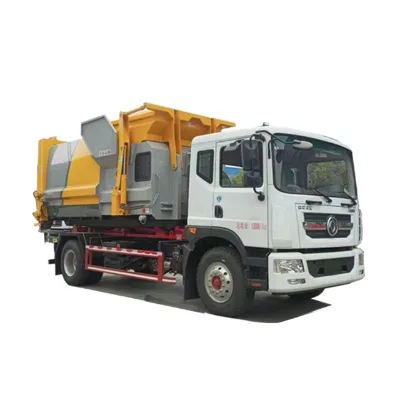
Dongfeng 12 Cubic Meters of Mobile Compressed Garbage Station for Sale
$19800.00 - $20000.00
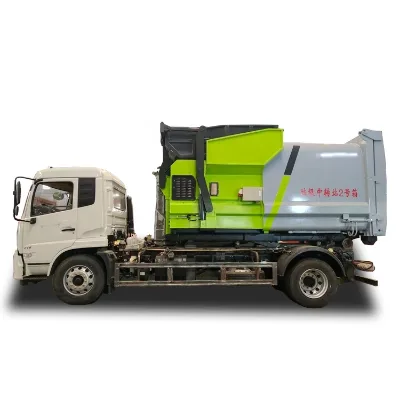
10000L Cubic Mobile Compressed Garbage Transfer Station Price
$40000.00 - $42000.00

- Verified by CTI
- Combined
- China Jiangsu
- Lead time30 days
- Avg. response≤ 5h
Main productsSteam Compressor, Centrifugal Fan, Centrifugal Blower, Regenerated Fan, Low Temperature Rise Steam Compressor, High -Speed Direct Drive Steam Compressor, Magnetic Steam Compressor, High Efficient Centrifugal Fan, Single-Stage High Speed Centrifugal Blower, Multi-Stage Centrifugal Blower
Main marketsSouth America,Africa,Others(foreignTradeCapacity.exportBusinessCapacityMarketOther),Southeast Asia/ Mideast,Domestic,Europe,North America


Versatile Steam Compressor with Split Base for Effective Wastewater Treatment
$65000.00 - $95000.00
MOQ: 1 Pieces

Eco-Conscious Steam Compressor for Advanced Wastewater Treatment Techniques
$65000.00 - $95000.00
MOQ: 1 Pieces


Powerful Steam Compressor for Reliable Wastewater Processing Solutions
$65000.00 - $95000.00
MOQ: 1 Pieces

Reliable Steam Compressor with Adjustable Speed for Wastewater Systems
$65000.00 - $95000.00
MOQ: 1 Pieces

Tianjin Great Air Compressor Co., Ltd.
- Verified by TUVRHEINLAND
- Manufacturer/Factory
- China Tianjin
- Lead time23 days
- Avg. response≤ 15h
Main productsScrew Air Compressor, Oil Injected Screw Compressor, Fsd Screw Air Compressor, VSD Screw Air Compressor, Pm VSD Screw Air Compressor, 2 Stage Compression Screw Compressor, Portable Screw Air Compressor, Low Pressure Screw Compressor, Air Dyer, Air Tanker
Main marketsSouth America,Eastern Europe,Mid East,North America,Southeast Asia,Eastern Asia,Oceania,Western Europe,Africa

Shandong Seaco Machinery Equipment Co., Ltd.
- Verified by TUVRHEINLAND
- Trading Company
- China Shandong
- Lead time15 days
- Avg. response≤ 4h
Main productsOil Equipment, Drilling Tool, Rig, Wellhead Equipment, Steel Tubing Casing, Drill Pipe, Oil Extraction Machinery and Accessories, Valves and Fittings, Marine Spare Parts
Main marketsEurope
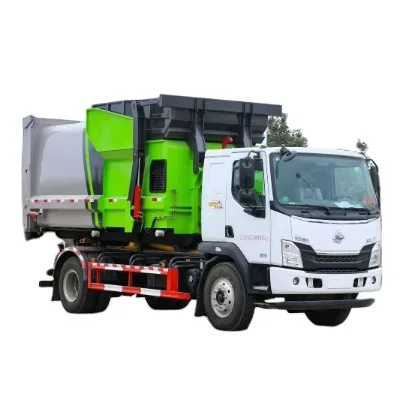
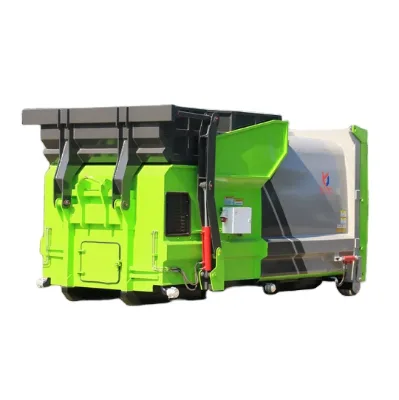






Comprehensive Sourcing Guide
Electric Waste Compression Station Supplier Concentration and Factory Types
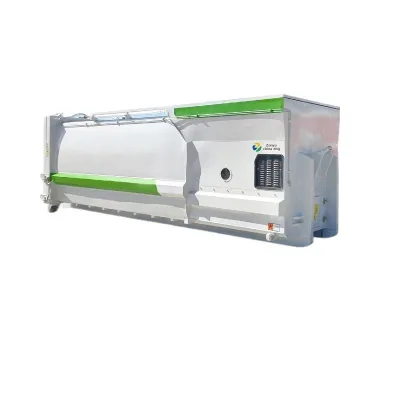
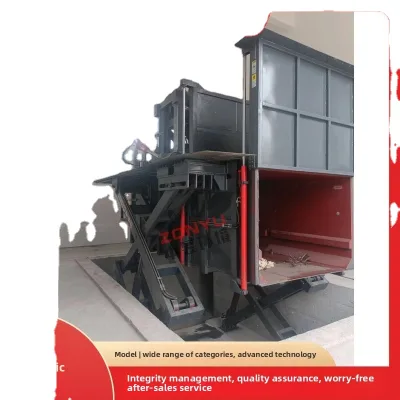
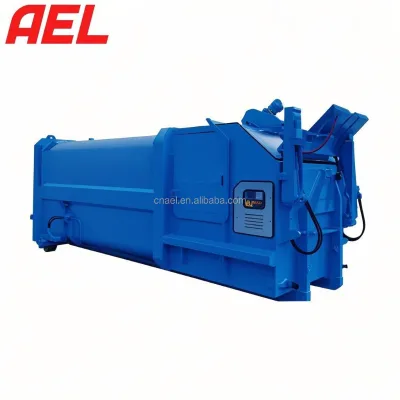
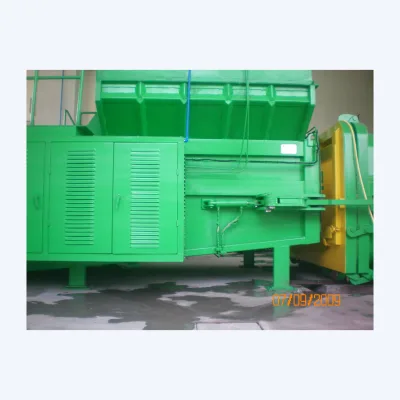
The current supplier landscape for electric waste compression stations reveals a mix of manufacturers and trading companies operating primarily within specific Chinese provinces. Evidence indicates that production facilities are concentrated in Hubei and Hebei, with some operations noted in Henan. These regions serve as the primary hubs where the core components, such as PLCs and engines, are integrated into the final municipal machinery units. Buyers should recognize that the presence of a trading company does not necessarily imply a lack of manufacturing capability, as some entities function as combined entities offering both direct production and sourcing services. The data shows that main products often include a broader range of municipal vehicles like water trucks and garbage trucks, suggesting that specialized factories may diversify their output to maintain production line efficiency.
When assessing the factory type, it is critical to distinguish between pure manufacturers and trading entities based on their verified status and core capabilities. Some suppliers display verification from major groups like SGS or TÜV Rheinland, which adds a layer of credibility to their operational claims. However, the absence of a specific establishment year in the provided data means buyers cannot rely on tenure as a primary filter. Instead, the focus should be on the supplier's declared capacity for customization and their ability to handle graphic processing or specific design demands. The variation in company types, ranging from pure manufacturers to combined entities, requires buyers to verify the actual source of the equipment to ensure quality control aligns with the specific needs of an Electric Waste Compression Station project.
How to Verify Electric Waste Compression Station Suppliers
Verification of suppliers for electric waste compression stations requires a rigorous check of their certification status and third-party validation records. The available data indicates that some suppliers hold CCC certification, while others may provide certificates such as TÜV or ISO standards upon request. It is essential to confirm that the specific unit being purchased carries the necessary certifications for the target market, as standards like EURO 5 for emissions or specific electrical safety protocols may vary by region. Buyers should not assume that a general company certification applies to every product model; instead, they must request product-specific documentation that matches the technical specifications of the electric compression station. The presence of a "Video outgoing-inspection" feature is a valuable tool, allowing buyers to visually verify the assembly and condition of the machinery before shipment.
Beyond certifications, the verification process must include an assessment of the supplier's response time and their ability to provide detailed product attributes. The data shows response times varying significantly, with some suppliers responding within a fraction of a second while others take several hours. A rapid response often correlates with a more active sales team, but it does not guarantee technical competence. Buyers should prioritize suppliers who can provide comprehensive details on core components, such as the specific PLC models or engine types used in the electric system. Additionally, checking the "is_verified" status against recognized groups like SGS or TÜV Rheinland provides a baseline of trust. However, buyers must remain cautious and verify that the verification covers the specific product line, as a general company verification might not extend to every custom configuration or new model release.
What to Compare Across Electric Waste Compression Station Suppliers
Comparing suppliers requires a systematic evaluation of key operational metrics such as lead time, minimum order quantity, and pricing structures. The data reveals a wide range in lead times, with some suppliers offering delivery within 15 days while others require up to 60 days. This variance is critical for project planning, as a shorter lead time might be necessary for urgent municipal deployments, whereas a longer lead time could indicate a more customized or lower-volume production schedule. Buyers must also scrutinize the minimum order quantity, as some listings indicate a single item is available, while others may have higher thresholds that affect the total cost of ownership. Pricing data shows significant fluctuations, with some units listed at lower price points while others reflect higher costs due to advanced features or specific chassis brands like DongFeng or FAW.
In addition to logistical metrics, buyers should compare the technical specifications and customization options offered by different suppliers. The product attributes highlight variations in horsepower, ranging from 100 to 160hp, and different driving types such as 4x2 or 6x4 configurations. Some suppliers offer electric fuel types with specific emission standards, while others may provide multifunctional units with varying tank capacities. The ability to customize the vehicle, including chassis selection and specific functional requirements, is a major differentiator. Buyers should also consider the warranty terms, which are listed as one year in some cases, and the availability of after-sales support. By creating a comparison matrix that includes these technical and commercial variables, buyers can identify the supplier that best aligns with their specific operational needs and budget constraints.
Common Electric Waste Compression Station Sourcing Risks
One of the primary risks in sourcing electric waste compression stations is the potential mismatch between advertised specifications and actual product capabilities. The data shows that while some products are listed as electric with EURO 5 compliance, others may have different fuel types or emission standards that do not meet local regulations. This discrepancy can lead to significant delays in customs clearance or operational shutdowns if the equipment is not compliant with the destination country's environmental laws. Buyers must verify the exact fuel type and emission standard for every unit, rather than relying on general product descriptions. The variation in core components, such as the specific PLC or engine models, further complicates this risk, as incompatible parts can lead to performance issues or increased maintenance costs.
Another significant risk involves the reliability of the supply chain and the consistency of delivery times. The observed lead times range from 15 to 60 days, and this variability can disrupt project timelines if not managed correctly. Suppliers with longer lead times may be experiencing capacity constraints or may be relying on third-party manufacturers, which introduces additional layers of uncertainty. Furthermore, the lack of standardized establishment years in the data makes it difficult to assess the long-term stability of a supplier. Buyers should be wary of suppliers who cannot provide clear evidence of their production capacity or who offer vague terms regarding delivery. The risk of receiving a product that does not match the "Video outgoing-inspection" or other visual evidence is also present, necessitating strict quality control measures before final payment is released.
Electric Waste Compression Station Regional Sourcing and Logistics
Regional sourcing for electric waste compression stations is heavily influenced by the location of manufacturing clusters, which are currently identified in Hubei, Hebei, and Henan provinces. These regions offer a concentration of suppliers capable of producing the necessary municipal machinery, but the logistics of transporting heavy equipment from these inland locations can be complex. Buyers must account for the distance between the factory and the port of export, as this impacts both the cost and the time required for shipping. The data indicates that some products originate from Hubei, while others come from Hebei, suggesting that buyers should evaluate the specific origin of each unit to optimize their logistics strategy. The choice of chassis brand, such as DongFeng or FAW, may also be influenced by regional availability and supplier partnerships.
Logistics planning must also consider the specific dimensions and weight of the units, as these factors determine the shipping method and associated costs. The product attributes list dimensions such as 495025002550 mm and weights up to 10,600 kg, which require specialized transport solutions. Buyers should verify the packaging details, as some units are shipped in a "Nude" condition while others may require custom crating. The single package size and gross weight are critical for calculating freight charges and ensuring that the equipment can be handled at the destination port. Additionally, the delivery time of 45 days mentioned for certain mobile compression stations highlights the need for early planning to avoid bottlenecks. Buyers should work closely with logistics providers to ensure that the route from the factory to the final destination is efficient and cost-effective.
Electric Waste Compression Station Commercial Terms and Order Planning
Commercial terms for electric waste compression stations vary significantly based on the supplier's pricing structure and payment conditions. The data shows price ranges from approximately 3,000 to 18,000 units, reflecting differences in capacity, features, and customization levels. Buyers must carefully analyze these price points to understand what is included, such as whether the price covers the chassis, the compression mechanism, or additional accessories. The minimum order quantity is another critical factor, with some suppliers allowing single-item purchases while others may have higher thresholds. Understanding these terms is essential for budgeting and ensuring that the total cost of ownership aligns with the project's financial constraints. Buyers should also inquire about any hidden costs related to shipping, insurance, or customs duties that may not be included in the initial quote.
Order planning for these units requires a clear understanding of the warranty and after-sales support provided by the supplier. The data indicates a standard warranty period of one year, but buyers should verify the scope of this coverage, including whether it covers the electric components and the compression mechanism. The availability of spare parts and the supplier's response time to service requests are also vital considerations. Buyers should establish a clear communication channel with the supplier to ensure that any issues are addressed promptly. Additionally, the customization options available, such as specific chassis brands or functional modifications, should be finalized before placing the order to avoid delays. By carefully planning the commercial terms and order details, buyers can mitigate risks and ensure a smooth procurement process for their Electric Waste Compression Station needs.
FAQs
What is the typical lead time for electric waste compression stations?
Lead times vary by supplier and order specifics. Some manufacturers offer delivery within 15 days, while others may require up to 60 days. Buyers should confirm the exact timeline with the supplier before placing an order to ensure it meets project schedules.
Are these trucks available in electric fuel types?
Yes, electric options are available for waste compression trucks. Specific models feature electric fuel types and meet EURO 5 emission standards. These units often include core components like PLC and engines, with horsepower ranging from 100 to 160hp for efficient municipal operations.
What certifications do these suppliers typically hold?
Suppliers often hold CCC certification and may provide additional certificates like TUV or ISO upon request. Verification by groups such as SGS or TÜV Rheinland is also common. Buyers should verify specific certification documents directly with the supplier to ensure compliance with local regulations.
What is the minimum order quantity for these vehicles?
The minimum order quantity is typically one unit for single item purchases. This allows buyers to test the product without committing to large volumes. However, bulk orders might offer different pricing tiers, so discussing volume discounts with the supplier is recommended for cost efficiency.
Where are these electric waste stations manufactured?
Manufacturing locations include Hubei, Hebei, and Henan provinces in China. Specific models originate from these regions, with some units weighing around 10,600 kg. Buyers should confirm the exact place of origin to understand shipping logistics and potential import duties for their destination.
How quickly do suppliers typically respond to inquiries?
Response times vary, with some suppliers replying within 0.48 hours and others taking up to 4.30 hours. Fast response is crucial for urgent procurement needs. Buyers should prioritize suppliers with shorter response times to ensure timely communication regarding product specifications and availability.
What is the price range for these compression stations?
Prices range from approximately 3,000 to 18,000 USD depending on capacity and features. Smaller units may cost around 3,680 USD, while heavy-duty electric models can reach 18,000 USD. Buyers should request detailed quotes to understand the final cost including shipping and taxes.