Modular Steel KBK Flexible Crane Suppliers and Manufacturers
Explore 21 verified options for Modular Steel KBK Flexible Crane systems with varying lead times, certifications, and response speeds. Compare specifications like lifting capacity and customization availability to select the right partner for your project needs; review the available evidence before requesting comparable quotations from suitable candidates.
Suppliers List

Shandong Deluke Crane Group Co., Ltd.
- Combined
- China Shandong
- Lead time30 days
- Avg. response≤ 7h
Main productsCrane
Main marketsSouth America,Africa,Southeast Asia/ Mideast
Anhui Metal Machinery Technology Co., Ltd.
- Trading Company
- Lead time旺季: "1 - 100":31,"> 100":"To be negotiated", 淡季: "1 - 100":31,"> 100":"To be negotiated"
- Avg. response≤ 2h
Main productsOverhead Crane,Gantry Crane,Bridge Crane,Electric Hoist,Crane accessories
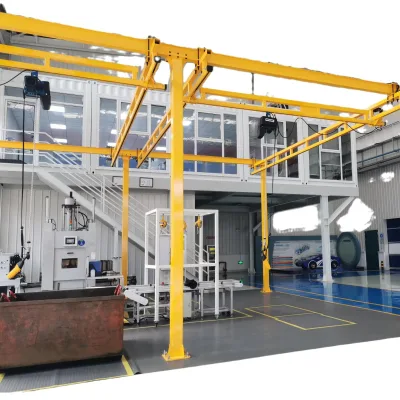
Flexible KBK Modular Crane Systems Customizable Solutions for Precision Light-Duty Material Handling
$762.48 - $826.10
MOQ: 1 pieces
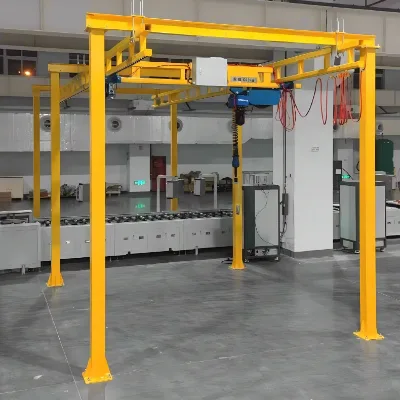
New Trend KBK Modular Overhead Cranes for Improved Worker Efficiency and Safety
$846.77 - $900.20
MOQ: 1 pieces
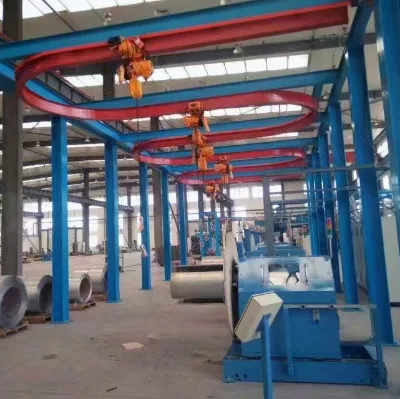

Jiangsu Tonghui Lifting Equipment Co., Ltd.
- Verified by TUVRHEINLAND
- Trading Company
- China Jiangsu
- Lead time120 days
- Avg. response≤ 12h
Main productsCrane, Grab, Hydraulic Crane, Portal Crane, Telescopic Crane, Gantry Crane, Floating Crane, Marine Crane, Eco Hopper, Dust-Proof Hopper
Main marketsSoutheast Asia/ Mideast


Hydraulic Folding Telescopic Marine Crane Knuckle Boom Crane for Sale in Discount
$50000.00 - $150000.00
MOQ: 1 Pieces

Henan Mine Crane International Trade Co. Ltd.
- Verified by TUVRHEINLAND
- Trading Company
- China Henan
- Lead time30 days
- Avg. response≤ 5h
Main productsOverhead Crane, Electric Hoist, Gantry Crane, Portal Crane, Cranes and Accessories
Main marketsSoutheast Asia/ Mideast,Europe

Shanghai Hexin Crane Machinery Co., Ltd.
- Verified by BV
- Combined
- China Shanghai
- Lead time30 days
- Avg. response≤ 3h
Main productsOverhead Crane, Gantry Crane, Electric Hoist, Bridge Crane, Eot Crane, Jib Crane, Rtg Crane, Monorail Crane, Double Girder Overhead Crane, Rubber Tyred Gantry Crane
Main marketsSouth America,Africa,Southeast Asia/ Mideast,East Asia(Japan/ South Korea),Europe,Australia,North America


$999.00 - $5000.00
MOQ: 1 Sets
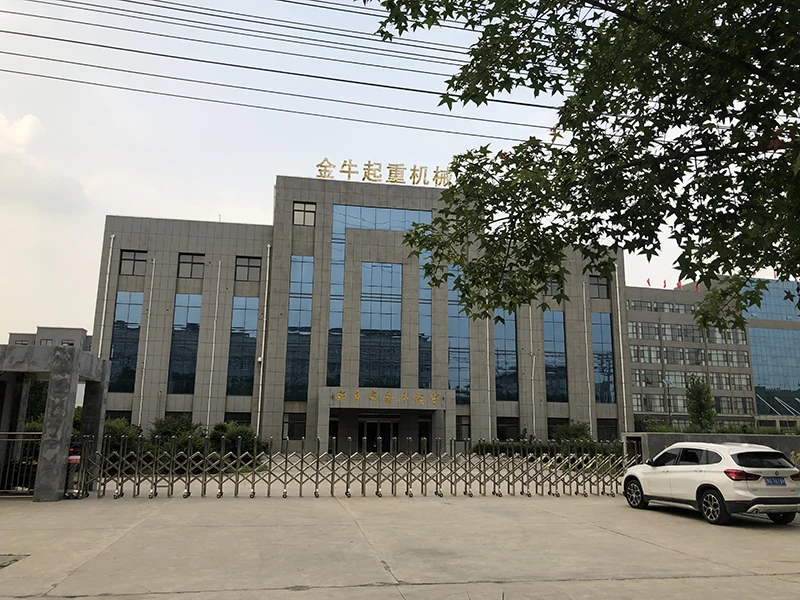
HENAN JINNIU HEAVY CRANE CO.,LTD
- Manufacturer, Trading Company
- Henan, China
- Lead time8 days
- Avg. response≤ 2h
Main productsOverhead Crane/Gantry Crane,Electric Hoist/Electric Winch,Electromagnet Chuck,Container Spreader,Scissor Lift
Main marketsDomestic Market(50.00%), Southeast Asia(20.00%), North America(11.00%), South America(9.00%), Africa(6.00%), Eastern Europe(4.00%)
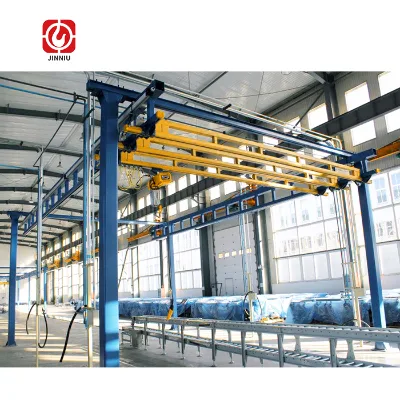
$1368.00 - $1768.00
MOQ: 1 sets
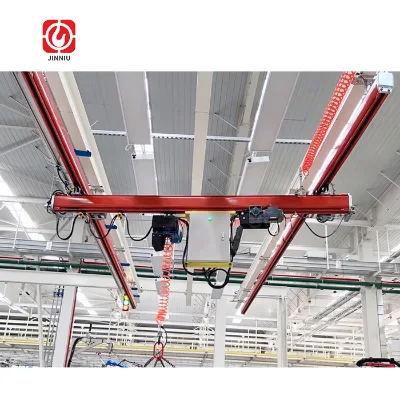
$1368.00 - $1768.00
MOQ: 1 sets
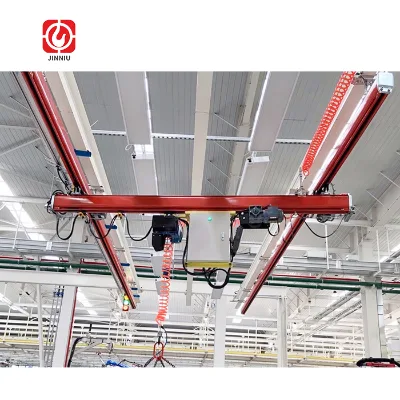
250Kg 500Kg Remote Control Composite Crane Straight Rail Light Duty Flexible Combined Overhead Crane
$1368.00 - $1768.00
MOQ: 1 sets
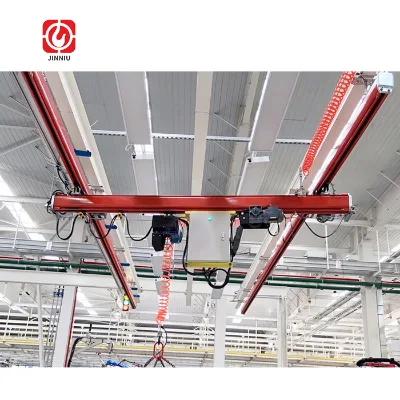
$1368.00 - $1768.00
MOQ: 1 sets
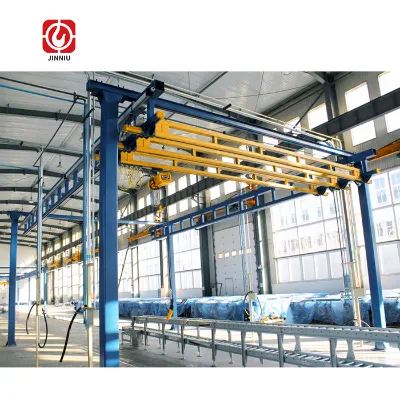
Bridge Crane 200 kg 250 500kg 1ton Industrial Move 4 Axis KBB Traditional Bridge Over Head Crane
$1402.88 - $1845.90
MOQ: 1
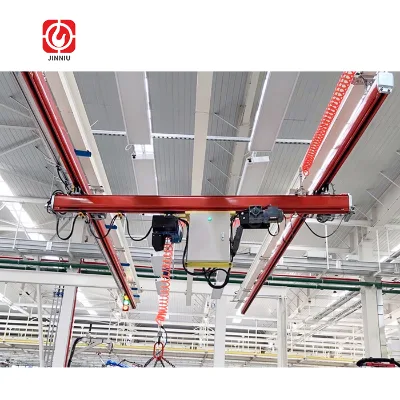
$1368.00 - $1768.00
MOQ: 1 sets

Henan Nucrane Machinery Co.,Ltd.
- Verified by BV
- Trading Company
- China Henan
- Lead time30 days
- Avg. response≤ 5h
Main productsHydraulic Anchor Windlass, Overhead Crane, Gantry Crane, Jib Crane, Glass Vacuum Lifter, Rtg, Spider Crane, Electric Winch, Port Crane, Deck Crane
Main marketsOthers(foreignTradeCapacity.exportBusinessCapacityMarketOther),Southeast Asia/ Mideast


$50000.00 - $300000.00
MOQ: 1 Sets


Chongqing Gohi Marine Equipment Co., Ltd.
- Verified by TUVRHEINLAND
- Trading Company
- China Chongqing
- Lead time23 days
- Avg. response≤ 2h
Main productsLifeboat, Rescue Boat, Life Raft, External Fifi System, Ballast Water Management System, Anchor Winch, Sewage Treatment Plant, Bilge Separator, Bow Thruster, Azimuth Thruster
Main marketsSoutheast Asia/ Mideast,Europe,North America


CCS, BV, ABS Approved Ship Electric, Hydraulic Telescopic Fixed Stiff Boom Crane
$1000.00 - $50000.00
MOQ: 1 Sets

- Trading Company,Manufacturer/Factory
- China Henan
- Lead time30 days
- Avg. response≤ 21h
Main productsOverhead Crane, Electric Hoist, Gantry Crane, Load Cell, Jib Crane, Steel Workshop, Container House, Port Machinery, Electric Winch, Hydraulic Parts
Main marketsSouth America,Eastern Europe,Mid East,North America,Southeast Asia,Eastern Asia,Oceania,Western Europe,Africa

2 Tons Fast Installation Curved Kbbk Overhead Crane with Pneumatic Hoist
$2000.00 - $30000.00
MOQ: 1 Sets

1 Ton Fast Installation Curved Kbbk Overhead Crane with Pneumatic Hoist
$2000.00 - $30000.00
MOQ: 1 Sets


1.5 Tons Fast Installation Curved Kbbk Overhead Crane with Pneumatic Hoist
$2000.00 - $30000.00
MOQ: 1 Sets


Shandong Mannick Engineering Machinery Co., Ltd.
- Verified by BV
- Combined
- China Shandong
- Lead time30 days
- Avg. response≤ 4h
Main productsGrab Crane, Ship Crane, Folding Arm Crane, Log Crane, Scrap Metal Grab Machine, Material Handling Machine, Grapples
Main marketsAfrica,Southeast Asia/ Mideast

Foldable Hydraulic Boom Crane for Steel Factory Multi Angle Rotation Arm
$17999.00 - $19999.00
MOQ: 1 Pieces

800kg-2000kg Stationary Crane Telescopic Folding 8m Boom Log Grass Grab Crane
$11500.00 - $12800.00
MOQ: 1 Pieces

Heavy Duty Foldable Boom Crane Electric Hydraulic Motor Steel Factory Direct Sale
$17999.00 - $19999.00
MOQ: 1 Pieces

Multi Purpose Folding Arm Crane for Steel Processing Plant Electric Powered
$17999.00 - $19999.00
MOQ: 1 Pieces

Multi Angle Rotating Foldable Crane with Engine for Steel Mill Application
$17999.00 - $19999.00
MOQ: 1 Pieces

Xuzhou Fuman Special Vehicle Co., Ltd.
- Verified by SGS
- Manufacturer/Factory
- China Jiangsu
- Lead time45 days
- Avg. response≤ 2h
Main productsTruck Crane, Crane Truck, Truck Mounted Crane, Truck Mounted Crane Boom, Flange Crane, Hydraulic Crane, Marine Crane, Telescopic Crane, Crane, Agricultural Crane

HENAN ETERNALWIN MACHINERY EQUIPMENT CO., LTD.
- Verified by BV
- Trading Company,Manufacturer/Factory
- China Henan
- Lead time23 days
- Avg. response≤ 2h
Main productsOverhead Crane, Gantry Crane, Jib Crane, Spider Crane with Sucker, Rtg Crane, Sts Crane, Straddle Carrier, Vacuum Lifter Equipment, Portable Gantry Crane, Marine Hydraulic Winch Anchor
Main marketsSouth America,Eastern Europe,Mid East,North America,Southeast Asia,Eastern Asia,Oceania,Western Europe,Africa


Industrial Steel Factory Wireless Remote Control Overhead Crane with Busbar
$3200.00 - $21000.00
MOQ: 1 Sets

Kci (Henan) Machinery Co., Ltd
- Verified by SGS
- Combined
- China Henan
- Lead time15 days
- Avg. response≤ 2h
Main productsOverhead Cranes, Gantry Cranes, Jib Cranes, Electric Hoists, Crane Wheels, Crane End Carriages, Transfer Trolleys, Industrial Cranes, Crane Trolleys, Crane Spare Parts
Main marketsOthers(foreignTradeCapacity.exportBusinessCapacityMarketOther),Southeast Asia/ Mideast

Gantry Crane with Modular Components Anti-Sway Gantry Crane for Stable Load Movement
$3500.00 - $8000.00
MOQ: 1 Pieces


China High Quality Portable Floor Mounted Articulated Wall Mounted Jib Crane
$750.00 - $888.00
MOQ: 1 Pieces

- Verified by SGS
- Combined
- China Henan
- Lead time30 days
- Avg. response≤ 3h
Main productsOverhead Crane, Gantry Cranes, Electric Hoist, Jib Crane, Crane Wheel, Crane Hook, Lifitng Electromagnet, Crane Grab, Scissor Lift, Boom Lfit

Elephant Fluid (Hebei) Hydraulic Machinery Co., Ltd.
- Verified by BV
- Trading Company
- China Hebei
- Lead time0 days
- Avg. response≤ 15h
Main productsHydraulic Pump Part, Hydraulic Pump, Hydraulic Motor, Hydraulic Valve, Mining Dump Truck Parts, Hydraulic Vane Pump and Spare Parts, Gear Pump

XUZHOU BOB-LIFT CONSTRUCTION MACHINERY CO., LTD.
- Verified by SGS
- Combined
- China Jiangsu
- Lead time30 days
- Avg. response≤ 4h
Main productsKnuckle Boom Crane, Telescopic Boom Crane, Timber Crane with Trailer, Marine Crane, Port Crane, Truck Mounted Crane, Forestry Crane, Track Crane, Lorry Crane, Mini Engine Crane
Main marketsSouth America,Africa,Southeast Asia/ Mideast,East Asia(Japan/ South Korea),Domestic,Europe,Australia,North America

Dongguan Taize Intelligent Technology Co., Ltd.
- Verified by SGS
- Manufacturer/Factory
- China Guangdong
- Lead time15 days
- Avg. response≤ 3h
Main productsGlass Vacuum Lifter, Suction Cup Lifter, Vacuum Tube Lifter, Glass Suction Lifter, Glass Sucker Lifter, Vacuum Cup Lifter, Panel Sheet Metal Slab Lifter, Jib Crane, Loading Machine, Flexible Overhead Jib Crane
Main marketsSouth America,Eastern Europe,Mid East,North America,Southeast Asia,Eastern Asia,Western Europe

- Verified by BV
- Combined
- China Jiangsu
- Lead time15 days
- Avg. response≤ 8h
Main productsHoist, Electric Chain Hoist, Electric Hoist, Electric Wire Rope Hoist, Wire Rope Hoist, Manual Chain Hoist, Chain Hoist, Lever Hoist, Chain Block, Overhead Crane
Main marketsSouth America,Africa,Southeast Asia/ Mideast,East Asia(Japan/ South Korea),Domestic,Europe,Australia,North America

Txk Suspending Flexible Double Girder 1 Ton 2 Ton Overhead Bridge Crane System
$1000.00 - $3000.00
MOQ: 1 Pieces


MOQ: 1 Pieces

Shandong Kaiyuan Heavy Machinery Co., Ltd.
- Verified by TUVRHEINLAND
- Combined
- China Shandong
- Lead time15 days
- Avg. response≤ 1h
Main productsOverhead Crane
Main marketsEurope

Shaoxing Nante Crane Equipment Co., Ltd.
- Verified by BV
- Combined
- China Zhejiang
- Lead time45 days
- Avg. response≤ 4h
Main productsOverhead Crane, Gantry Crane, Jib Crane, Hoist, Winch, Launching Crane, End Carriage, Conductor Rail, Festoon System, Crane Rail
Main marketsSouth America,Africa,Southeast Asia/ Mideast,Domestic,Europe,Australia,North America

Evangel Industrial (Shanghai) Co., Ltd.
- Verified by BV
- Trading Company
- China Shanghai
- Lead time15 days
- Avg. response≤ 13h
Main productsTruck Crane, Wheel Loader, Road Roller, Concrete Pump, Motor Grader, Crawler Crane, Bulldozer, Backhoe, Forklift, Skid Steer Loader
Main marketsSoutheast Asia/ Mideast


Comprehensive Sourcing Guide
Modular Steel KBK Flexible Crane Supplier Concentration and Factory Types
Current data indicates that suppliers for Modular Steel KBK Flexible Crane systems are concentrated in specific Chinese provinces, with Shandong and Jiangsu emerging as primary manufacturing hubs. Fact records show a distinct cluster in Shandong, where combined companies and trading firms offer a wide range of overhead and gantry cranes. This region hosts manufacturers producing single girder beam cranes and flexible beam systems, often listing their origin explicitly as Shandong or China. Another significant presence is noted in Jiangsu, where suppliers focus on diverse crane types including hydraulic, portal, and marine cranes alongside standard overhead models. These geographic concentrations suggest that buyers can expect a high density of specialized vendors in these areas, though the specific factory type varies between direct manufacturers and trading companies.
The supplier landscape includes both combined entities and pure trading companies, each offering different value propositions for the Modular Steel KBK Flexible Crane market. Some suppliers in the results are classified as combined companies, indicating they may possess their own brand capabilities alongside OEM and ODM services. This structure allows for greater customization of products like the Dlk Kpk Flexible Crane or the Workshop Full Coverage Mobile Kpk Type Flexible Crane. In contrast, other entries list the company type strictly as a trading company, which may streamline the procurement process by aggregating products from multiple factories. Buyers should verify whether a supplier is a direct manufacturer or a middleman to understand the depth of technical support and production control available for their specific modular crane requirements.
How to Verify Modular Steel KBK Flexible Crane Suppliers
Verification of suppliers for Modular Steel KBK Flexible Crane systems requires a rigorous check of system certifications and product attributes found in the data. Several suppliers explicitly list ISO9001:2015 and ISO14001:2015 certificates, which are critical indicators of quality management and environmental compliance. Additionally, product evidence often includes specific certifications such as ISOCE, RoHS, and GS, which validate the safety and material standards of the cranes. Buyers must confirm that these certifications are current and applicable to the specific model being purchased, such as the Kpk Flexible Cranes or the Bridge Crane Kpk Flexible Beam Crane. The presence of a Machinery Test Report and video outgoing-inspection services further strengthens the verification process, providing tangible proof of the manufacturing quality before shipment.
Beyond certifications, buyers should scrutinize the response time and the availability of detailed product attributes to gauge supplier reliability. Data shows response times ranging from 2 to 7 hours, which serves as a proxy for the supplier's operational efficiency and customer service readiness. A faster response time often correlates with better communication channels and quicker resolution of technical queries regarding span, lifting height, or hoist speed. Furthermore, verifying the "Core Components" listed, such as the engine, bearing, gearbox, and motor, ensures that the supplier uses quality parts. Buyers should also check for the provision of video outgoing-inspection and machinery test reports, as these are concrete evidence of the supplier's transparency and commitment to delivering a verified Modular Steel KBK Flexible Crane system that meets the specified lifting capacity and operational requirements.
What to Compare Across Modular Steel KBK Flexible Crane Suppliers
When evaluating suppliers for Modular Steel KBK Flexible Crane systems, the lead time is a critical differentiator that impacts project scheduling and inventory management. The observed data reveals a standard lead time of 30 days for orders, with specific notes indicating that quantities exceeding 100 units may require negotiation during peak seasons. Some suppliers specify a lead time of 31 days for both small and large orders, while others state that larger volumes are "To be negotiated." This variation necessitates a direct comparison of production capacity and current workload. Buyers must determine if the quoted lead time includes the time for customization, as many products offer adjustable spans and lifting heights, which can extend the manufacturing window beyond the standard baseline.
Another essential comparison point is the Minimum Order Quantity (MOQ) and the pricing structure relative to the product specifications. The data indicates a flexible MOQ of 1 unit for many suppliers, allowing for small-scale procurement of systems like the Light Duty Dlk Kpk Suspend Rail Flexible Crane System. However, pricing varies significantly, with ranges observed from $100 to $20,000 depending on the model and customization level. Buyers should compare the price per ton of lifting capacity or per meter of span to ensure value alignment. Additionally, the main products listed by each supplier, such as whether they specialize in electric hoists, crane accessories, or full overhead systems, should be weighed against the buyer's specific needs. A supplier offering a broad range of crane types may provide better integration solutions, while a specialized vendor might offer deeper expertise in modular steel systems.
Common Modular Steel KBK Flexible Crane Sourcing Risks
One significant risk in sourcing Modular Steel KBK Flexible Crane systems is the variability in product specifications and the potential for mismatched expectations regarding customization. While many suppliers list "Customization: Available" and offer adjustable spans and lifting heights, the actual implementation can vary. For instance, some products specify a maximum lifting weight of less than 20 tons, while others offer custom lifting moments and capacities. If a buyer assumes a standard configuration without verifying the exact technical parameters, they may receive a system that does not fit their facility's structural constraints. The difference between a "Single Girder" form and other configurations, or the specific operation form like remote control versus ground control, must be explicitly confirmed to avoid costly retrofits or safety hazards.
Another risk involves the inconsistency in warranty terms and the availability of after-sales support, which are crucial for long-term operational safety. The data shows that some suppliers provide a one-year warranty, while others do not explicitly state warranty terms in the initial product attributes. This ambiguity can lead to disputes if a component like the electric trolley or motor fails shortly after installation. Furthermore, the reliance on third-party components such as engines, bearings, and gearboxes introduces a risk if the supplier does not have direct control over the quality of these core parts. Buyers must verify the origin of these components and ensure that the supplier has a clear protocol for handling defects, as the lack of standardized warranty coverage across the market can leave the buyer vulnerable to unexpected downtime and repair costs.
Modular Steel KBK Flexible Crane Regional Sourcing and Logistics
Sourcing Modular Steel KBK Flexible Crane systems from China involves navigating logistics from specific manufacturing clusters, primarily in Shandong and Anhui provinces. Fact records confirm that products originate from these regions, with some listings specifying Anhui, China, as the place of origin for KBK Flexible Cranes. The concentration of suppliers in Shandong suggests a mature supply chain for heavy machinery, potentially offering more competitive shipping rates and established freight forwarders familiar with oversized cargo. However, buyers must account for the distance between the factory and the port, as well as the specific packing requirements, which are often listed as "Export Packing" or "Standard Seaworthy Packing." Understanding the logistics chain from the factory floor to the destination port is essential for accurate cost estimation and delivery planning.
Logistical challenges also arise from the custom nature of the cranes, which often require specialized handling and packaging to prevent damage during transit. The data indicates that products are packed for export, but the dimensions and weight can vary significantly based on the span and lifting capacity. For example, a system with a span of 7 to 38.5 meters will require different shipping arrangements compared to a compact 0.25t unit. Buyers should verify the packing details and ensure that the supplier uses robust packaging to protect the modular steel components. Additionally, the origin location impacts the lead time for shipping; suppliers in Jiangsu or Shandong may have different port access and transit times compared to those in Anhui. Coordinating with the supplier to confirm the exact shipping terms and Incoterms is vital to avoid delays and unexpected freight charges.
Modular Steel KBK Flexible Crane Commercial Terms and Order Planning
Commercial terms for Modular Steel KBK Flexible Crane systems often include specific conditions regarding payment, delivery, and customization fees. The data shows a wide price range, from $100 to $20,000, which suggests that the final cost is highly dependent on the specific configuration and order volume. Buyers should be prepared to negotiate terms for orders exceeding 100 units, as lead times and pricing may shift during peak seasons. It is crucial to clarify whether the quoted price includes all customization costs, such as the adjustment of the span or the selection of specific lifting speeds. Some suppliers list the price as a minimum and maximum, indicating that the final figure is determined after the technical specifications are finalized.
Order planning must also account for the response time and the availability of technical documentation to ensure a smooth procurement process. With response times ranging from 2 to 7 hours, buyers can expect relatively quick communication, but this should be verified for the specific supplier. The availability of video outgoing-inspection and machinery test reports is a key commercial term that adds value to the order, providing assurance of quality before payment is finalized. Buyers should also consider the warranty period, which is listed as one year for some suppliers, and ensure that this is clearly defined in the contract. Finally, the MOQ of 1 unit allows for flexible ordering, but buyers should plan for the potential need to order multiple units to achieve economies of scale, especially if the project requires a complete system with multiple cranes or accessories.
FAQs
What is the price range for KBK flexible cranes?
Prices for these modular cranes typically range from $100 to $20,000 depending on specifications. Some specialized lightweight systems are listed between $762 and $901. Buyers should verify exact costs based on span, lifting capacity, and customization needs with suppliers directly.
What certifications do these cranes usually have?
Manufacturers often provide ISO9001:2015 and ISO14001:2015 certificates for their systems. Product-level certifications may include ISOCE, RoHS, and GS marks. Buyers should request specific documentation to ensure compliance with regional safety and environmental standards before placing orders.
What is the typical lead time for production?
Standard lead times are generally around 30 days for production. For larger orders exceeding 100 units, delivery schedules may require negotiation. Seasonal variations can also impact timelines, so confirming current availability and production slots with the supplier is recommended.
What is the minimum order quantity for these cranes?
The minimum order quantity is typically one unit, allowing for flexible procurement. This low MOQ supports testing specific configurations or small-scale workshop installations. Buyers can order single items without needing to meet bulk volume thresholds for initial purchases.
Where are these cranes primarily manufactured?
Manufacturing locations are primarily in China, specifically in Shandong and Jiangsu provinces. Some suppliers also operate in Anhui. Buyers should verify the exact place of origin for each product listing to understand logistics, shipping costs, and regional manufacturing capabilities.
What lifting capacities are available for these systems?
Available capacities range from 0.25t to 2t for standard light-duty models. Maximum lifting weights for broader categories are listed under 20t. Custom lifting moments and capacities are also available, allowing for tailored solutions for specific material handling requirements.
How quickly do suppliers respond to inquiries?
Response times vary, with some suppliers responding within two hours and others taking up to seven hours. Faster response speeds indicate active sales teams ready to assist with technical queries. Buyers should prioritize suppliers with quicker response times for efficient project planning.