Construction Machinery Camera Suppliers and Manufacturers
Find 19 verified suppliers offering Construction Machinery Camera solutions with ISO certifications and OEM capabilities. Compare response times, lead times, and product specifications like waterproof ratings and video compression before requesting quotes; review the available evidence before requesting comparable quotations from suitable candidates.
Suppliers List

Glorytek Industry (Beijing) Co., Ltd.
- Verified by CTI
- Manufacturer/Factory
- China Beijing
- Lead time15 days
- Avg. response≤ 6h
Main productsDrilling Rig, Drill Bits, DTH Drill Rig, Drill Machine, Downhole Motor, Water Well Drill Rig, Tricone Bits, DTH Hammer, Anchor Drill Rig, Button Bits
Main marketsSouth America,Eastern Europe,Mid East,North America,Southeast Asia,Eastern Asia,Oceania,Western Europe,Africa

Jiangxi Zhongli Superhard Materials Tools Co., Ltd.
- Combined
- China Jiangxi
- Lead time15 days
- Avg. response≤ 12h
Main productsDiamond Tool
Main marketsSouth America,Africa,Southeast Asia/ Mideast,East Asia(Japan/ South Korea),Domestic,Europe,Australia,North America

- Manufacturer
- China Hubei
- Lead time30 days
- Avg. response≤ 1h
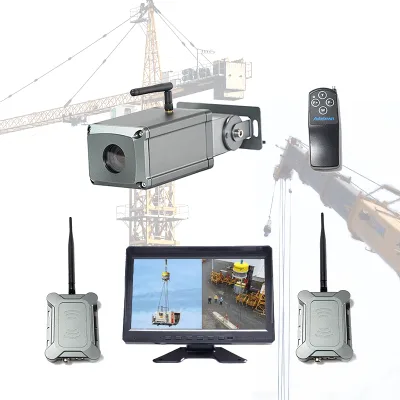
Main productsLoad Sensor, Safe Load Indicator, Load Moment Indicator, Crane Anti Collision System, Crane Safety Devices, Load Pin, Anemometer, Crane CCTV System, Overload Limiter, Anti Two Block Device
Main marketsSouth America,Africa,Southeast Asia/ Mideast,East Asia(Japan/ South Korea),Europe,Australia,North America

Shenzhen Wopson Electrical Co., Ltd.
- Verified by TUVRHEINLAND
- Combined
- China Guangdong
- Lead time15 days
- Avg. response≤ 1h
Main productsPipe Inspection Camera, Sewer Inspection Camera, Drain Inspection Camera, Plumbing Inspection Tool, Water Leak Detection, Pan Tilt Inspection Camera, Chimney Inspection Camera, Telescopic Pole Inspection Camera, CCTV Camera, Pipe Locator
Main marketsDomestic


Pipeline Construction Camera 400FT Cable with Meter Counter Function
$2115.00 - $2226.00
MOQ: 1 carton
Autotown Innovation Technology (shenzhen) Co., Ltd.
- Manufacturer, Trading Company
- Guangdong, China
- Lead time25 days
- Avg. response≤ 4h
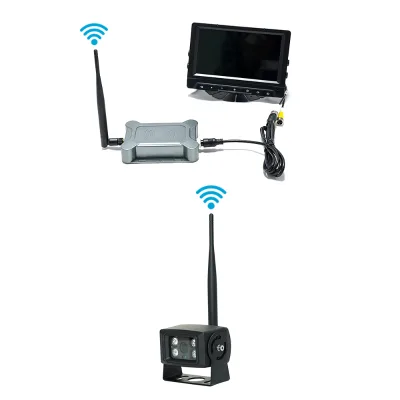
Main productsOn-board camera,On-board display,On-board recorder,Visual reversing radar system,360 degree panoramic system
Main marketsNorth America(27.00%), Western Europe(25.00%), Eastern Europe(20.00%), Southeast Asia(18.00%)

Wuhan Easy-Sight Technology Co., Ltd.
- Verified by BV
- Combined
- China Hubei
- Lead time23 days
- Avg. response≤ 17h
Main productsCCTV Inspection, Pipeline Robot, Sewer Pipe Line Camera, Drainage Pipe Detection, CCTV Pipeline Indpection, Sewerage Pipe Camera
Main marketsSouth America,Europe,North America


1080P 360 Degree Industrial Sewer Pipe Crawler Camera Screw Type Camera Sewer Pipe Camera
$25000.00 - $35000.00
MOQ: 1 Sets


Shenzhen Lingyue Vision Technology Co., Ltd.
- Verified by SGS
- Manufacturer
- China Guangdong
- Lead time15 days
- Avg. response≤ 5h
Main productsPipe Inspection Camera, Sewer Inspection Camera, Drain Inspection Camera, Industrial Endoscope Camera, Pipeline Inspection System, Pipe Inspection Robot, CCTV Pipe Inspection System, 360 Degree Pipe Inspection Camera, Pan Tilt Zoom Inspection Camera, Borescope Inspection Camera

Shanghai Mss International Trade Co., Ltd.
- Verified by TUVRHEINLAND
- Trading Company
- China Shanghai
- Lead time15 days
- Avg. response≤ 6h
Main productsMicroscope, Industrial Camera, Microscope Accessories, Industrial Lens, Infrared Thermal Imaging, Vacuum Pump, Endoscope, Optical Measuring Instruments
Main marketsEast Asia(Japan/ South Korea)


High-Performance Industrial Camera for Commercial Applications and Projects
$115.00 - $149.00
MOQ: 1 sets


Zhengzhou Jiutai Technology Co., Ltd.
- Verified by TUVRHEINLAND
- Manufacturer/Factory
- China Henan
- Lead time15 days
- Avg. response≤ 4h
Main productsSewer Inspection Camera, Sewer Camera, Pipe Inspection Robot, Pipe Camera, Drain Crawler Robot, Sewer Crawler Robot, Pipe Borescope Camera, Borehole Camera, Videoscope Camera, Pipe Push Rod Camera
Main marketsSouth America,Eastern Europe,Mid East,North America,Southeast Asia,Eastern Asia,Oceania,Western Europe,Africa


Sewer Pipe Video Inspection Camera Sewer Robot Inspection Crawler Pipe Inspection Camera
$7999.00 - $9500.00
MOQ: 1 Sets


Shenzhen Chitongda Electronic Co., Ltd.
- Verified by BV
- Trading Company,Manufacturer/Factory
- China Guangdong
- Lead time23 days
- Avg. response≤ 18h
Main productsAlarm System, Burglar Alarm, Security System, GSM Alarm System, Wireless Home Security, Car GSM Alarm, Home / Commercial Alarm, CCTV System, Detector, Surveillance Equipment
Main marketsSouth America,Eastern Europe,Mid East,North America,Southeast Asia,Eastern Asia,Oceania,Western Europe,Africa

Shandong Better Drilling Machinery Co., Ltd.
- Verified by SGS
- Combined
- China Shandong
- Lead time15 days
- Avg. response≤ 3h
Main productsdrilling rig
Main marketsSouth America,Africa,Others(foreignTradeCapacity.exportBusinessCapacityMarketOther),Europe,North America


Underground Camera Deep Well Borehole Camera Best Working Underground Water
$699.00 - $999.00
MOQ: 1 Pieces

Veise (Guang Zhou) Electronics Co., Ltd.
- Verified by TUVRHEINLAND
- Manufacturer/Factory
- China Guangdong
- Lead time23 days
- Avg. response≤ 5h
Main productsBackup Camera Systems, Backup Cameras, Reversing Camera Systems, Rear View Monitors, LED Beacon Warning Lights, LED Work Lights, Electric Fence Energizer, Pet Expandable Braided Sleeving
Main marketsSouth America,Eastern Europe,Mid East,North America,Southeast Asia,Eastern Asia,Oceania,Western Europe,Africa

$450.00 - $580.00
MOQ: 1 Sets


Kangde Electronic Technology (Guangdong) Co., LTD
- Verified by TUVRHEINLAND
- Combined
- China Guangdong
- Lead time30 days
- Avg. response≤ 2h
Main productsPlastic Injection Mould, Auto Plastic Parts, Electronic Plastic Parts, Mobile Phone Housing, Camera Housing, Remoter Housing, Loudspeaker Housing, Plastic Sheets, Smart Sweeper, Hardware
Main marketsEurope

Chongqing Gold Mechanical & Electrical Equipment Co., Ltd.
- Combined
- China Chongqing
- Lead time15 days
- Avg. response≤ 5h
Main productsGeophysical Equipment, Underground Water Detector, Well Logging, Borehole Camera, Drilling Machine, Water Well Camera, Seismograph, Geological Instrument, Geophysical Instrument
Main marketsSouth America,Africa,Southeast Asia/ Mideast,East Asia(Japan/ South Korea),Domestic,Europe,Australia,North America

Shanghai Future Vision Technology Co., Ltd.
- Verified by SGS
- Trading Company
- China Shanghai
- Lead time15 days
- Avg. response≤ 2h
Main productsCCTV Camera
Main marketsSouth America,Africa,Europe

Jinan Hope Wish Photoelectronic Technology Co., Ltd.
- Verified by BV
- Trading Company,Manufacturer/Factory
- China Shandong
- Lead time30 days
- Avg. response≤ 10h
Main productsThermal Camera, Long Range Night Vision Camera, Laser Camera, IR Camera, Handheld Thermal Camera, Surveillance Camera, Monocular Night Vision Camera, Binocular Night Vision Camera, Visible Light Camera
Main marketsSouth America,Eastern Europe,Mid East,North America,Southeast Asia,Eastern Asia,Oceania,Western Europe,Africa


Fire Alarm Security Thermal Security Camera
MOQ: 1 Pieces

Guangzhou YKndt enterprise Co.,Ltd
- Verified by SGS
- Trading Company
- China Henan
- Lead time15 days
- Avg. response≤ 2h
Main productsEndoscope, Industry Videoscope, Pipe Inspection Camera, Industry Crawler Robots, Solar Street Light, Pipelines Crawler, Industry Borescopes, Solar LED Lights, Industry Video Endoscopy, Industrial Snakecamera
Main marketsSoutheast Asia/ Mideast,North America

- Verified by SGS
- Manufacturer/Factory
- China Guangdong
- Lead time15 days
- Avg. response≤ 9h
Main productsSewer Camera, Drain Camera, Pipe Inspection Camera, 512Hz Sonde Transmitter, Self-Leveling Camera, Articulating Borescope, Cavity Wall Camera, Rigid Borescope Inspection Camera, Videoscope, Endoscopes
Main marketsSouth America,Eastern Europe,Mid East,North America,Southeast Asia,Eastern Asia,Oceania,Western Europe,Africa


720p HD Real-Time Inspection Camera For720p HD Real-Time Inspection Camera
$105.00 - $150.00
MOQ: 1 Pieces


Shandong Hongke Mechanical Equipment Manufacturing Co., Ltd. Shanghai Branch
- Verified by SGS
- Combined
- China Shanghai
- Lead time15 days
- Avg. response≤ 1h
Main productsMining LHD, Underground Mine Loader, Underground Loader, LHD Underground Loader, Mini Scooptram, Underground Scooptram, Scooptram, Underground Mine Truck, Underground Dump Truck
Main marketsOthers(foreignTradeCapacity.exportBusinessCapacityMarketOther)


Reliable Rear Camera Improves Efficiency of Underground Loader Operations.
$78800.00 - $79800.00
MOQ: 1 Pieces




Comprehensive Sourcing Guide
Construction Machinery Camera Supplier Concentration and Factory Types
The current supplier landscape for construction machinery cameras reveals a distinct concentration of manufacturing activity within specific Chinese regions, with Beijing and Jiangxi emerging as notable hubs based on available location data. Suppliers in Beijing are actively listing drilling rigs, DTH hammers, and specialized borehole inspection cameras, indicating a cluster focused on deep-hole imaging and heavy machinery integration. Meanwhile, facilities in Jiangxi are demonstrating capabilities in concrete machinery and cutting equipment, suggesting a regional specialization in structural construction tools that often require integrated camera systems for safety and monitoring. These geographic clusters allow buyers to identify factories that have established supply chains for heavy industrial components, which is critical when sourcing complex camera systems designed for harsh construction environments.
Factory types in this sector vary significantly, ranging from pure manufacturers to combined entities offering both OEM and ODM services. Evidence shows that many suppliers operate as manufacturers or factories, possessing the internal capacity to produce drilling rigs and downhole motors alongside their camera solutions. Some entities are classified as combined companies, offering a broader range of services that may include design customization and brand development for construction machinery parts. This diversity in company structure means buyers must carefully distinguish between a factory that builds the camera hardware and a trading entity that merely aggregates products. Understanding whether a supplier has in-house R&D capabilities, such as the ability to customize video compression or lens specifications, is essential for ensuring the final product meets the rigorous demands of construction site operations.
How to Verify Construction Machinery Camera Suppliers
Verification of Construction Machinery Camera suppliers requires a rigorous examination of their certification status and third-party validation records. Several suppliers in the current results hold ISO 9001 and ISO 14001 certifications, which indicate adherence to quality management and environmental standards, while others possess specific ISO 9001:2015 certificates. It is crucial to confirm that these certifications are current and applicable to the specific camera products being sourced, rather than just general company operations. Additionally, verification bodies like CTI are noted in the data, providing an external layer of trust regarding the supplier's operational integrity. Buyers should request valid certification documents and cross-reference them with the issuing authority to ensure the supplier has not expired their compliance status, as this is a primary indicator of a reliable manufacturing partner.
Beyond certifications, the response time and verification status of a supplier offer immediate insights into their operational readiness and reliability. Data indicates response times ranging from under one hour to over eleven hours, with some suppliers demonstrating a response time of 0.66 hours, which suggests a highly responsive sales and support team. A fast response time is particularly important for construction machinery cameras, where technical specifications and integration issues often require immediate clarification. Buyers should prioritize suppliers with documented verification statuses and rapid response metrics, as these factors correlate with the ability to handle urgent orders and resolve technical queries efficiently. Always ask for proof of these response metrics and verification badges directly from the supplier to avoid relying on potentially outdated platform data.
What to Compare Across Construction Machinery Camera Suppliers
When evaluating potential partners, buyers must compare key operational metrics such as lead times, minimum order quantities, and pricing structures to ensure alignment with project schedules and budgets. Lead times in the current market vary, with some suppliers indicating a 15-day production window while others suggest a 30-day timeline for complex orders. These differences can significantly impact project delivery, especially when cameras are needed for immediate deployment on active construction sites. Minimum order quantities also differ, with some suppliers offering a low MOQ of one unit, which is ideal for testing or small-scale projects, while others may have higher thresholds. Comparing these figures helps buyers determine which suppliers can accommodate their specific volume requirements without incurring unnecessary costs or delays.
Product specifications and customization capabilities are equally critical dimensions for comparison across the supplier base. Available data highlights features such as waterproof ratings, video compression standards like H.264, and specific model numbers for borehole and crane cameras. Some suppliers offer customization options, allowing for tailored solutions that fit unique machinery dimensions or environmental conditions, while others provide standard off-the-shelf models. Buyers should compare the technical attributes of the cameras, such as resolution, sensor type, and IP ratings, to ensure they meet the specific demands of their construction applications. Additionally, comparing the main products offered by each supplier can reveal whether they specialize in the exact type of camera system needed, such as offshore crane CCTV or deep well inspection tools, ensuring a better match for the buyer's specific operational needs.
Common Construction Machinery Camera Sourcing Risks
One significant risk in sourcing construction machinery cameras is the potential mismatch between product claims and actual performance in harsh environments. While suppliers list features like waterproof and weatherproof capabilities, the specific IP ratings and durability standards must be rigorously verified against the actual conditions of the construction site. Some products are marketed for general inspection, while others are designed for extreme conditions like offshore drilling or deep boreholes. Without clear evidence of testing results or specific environmental certifications, buyers risk purchasing equipment that fails prematurely under stress. It is essential to request detailed test reports or third-party validation for the specific environmental claims made by the supplier to mitigate the risk of equipment failure during critical operations.
Another major risk involves the reliability of the supply chain and the consistency of product quality over time. Variations in lead times and the availability of customization services can lead to project delays if a supplier cannot meet their stated delivery windows. Some suppliers may claim OEM capabilities but lack the actual infrastructure to support large-scale production or rapid customization. Furthermore, the diversity of product categories offered by a single supplier, such as combining drilling rigs with camera systems, can sometimes indicate a lack of focus on the core camera technology. Buyers should assess the supplier's primary product focus and capacity to ensure they are not relying on a generalist manufacturer for a highly specialized component, which could result in quality inconsistencies or support gaps when technical issues arise.
Construction Machinery Camera Regional Sourcing and Logistics
Sourcing construction machinery cameras from specific regions like Beijing and Jiangxi offers logistical advantages due to established industrial clusters, but it also requires careful planning for shipping and customs. Suppliers in Beijing are often positioned to handle complex machinery and drilling equipment, which may necessitate specialized packaging and handling procedures to prevent damage during transit. The presence of manufacturers in Jiangxi, focusing on concrete and cutting machinery, suggests a robust local supply chain for heavy industrial components that can be integrated with camera systems. Buyers should consider the proximity of these manufacturing hubs to major ports to optimize shipping costs and reduce transit times, ensuring that the heavy and potentially fragile camera equipment arrives safely and on schedule.
Logistics planning must also account for the specific packaging requirements and dimensions of the camera systems to avoid unexpected freight charges. Product data indicates various packing standards, ranging from wooden boxes to carton packaging, with specific dimensions provided for different models. For instance, some cameras are packed in non-fumigation wooden boxes, which may require specific documentation for international shipping to comply with phytosanitary regulations. Buyers need to verify the exact packaging details with the supplier to ensure that the shipping method aligns with the product's fragility and size. Additionally, understanding the origin of the product, such as Beijing or Jiangxi, helps in calculating accurate freight costs and estimating delivery timelines, which are critical for maintaining project schedules in the construction industry.
Construction Machinery Camera Commercial Terms and Order Planning
Commercial terms for construction machinery cameras often include specific pricing structures and payment conditions that must be clearly defined before placing an order. Current data shows price ranges for various camera models, with some units listed at fixed prices around $1500 to $3900, depending on the specific features and customization options. Buyers should negotiate based on these baseline prices while considering the volume of the order and the potential for bulk discounts. It is also important to clarify whether the quoted price includes shipping, insurance, and any applicable taxes, as these factors can significantly impact the total cost of ownership. Clear communication regarding payment terms, such as the use of escrow services or letter of credit, can help protect the buyer's financial interests throughout the transaction.
Order planning for construction machinery cameras requires a strategic approach to managing lead times and inventory levels to prevent project delays. With lead times varying from 15 to 30 days, buyers must factor in production schedules and potential shipping delays when planning their procurement timeline. It is advisable to place orders well in advance of the required deployment date to accommodate any unforeseen delays in manufacturing or logistics. Additionally, buyers should consider the availability of spare parts and the supplier's after-sales support capabilities, as these are crucial for maintaining the operational readiness of the camera systems. By carefully planning the order timeline and securing reliable commercial terms, buyers can ensure a smooth procurement process and minimize the risk of disruptions to their construction projects.
FAQs
What is the lead time for construction machinery cameras?
The lead time for these items is 15 days for some suppliers and 30 days for others. Buyers should verify the specific delivery schedule with the manufacturer before placing an order to ensure it meets project deadlines.
Are these cameras waterproof for borehole inspection?
Yes, the product attributes confirm that the cameras are waterproof and weatherproof. This feature makes them suitable for water well inspection and borehole survey applications where exposure to moisture is common during operations.
What is the minimum order quantity for these cameras?
The minimum order quantity is one unit for the listed borehole inspection cameras. This low threshold allows buyers to purchase single units for testing or small-scale projects without needing to meet high volume requirements.
Do suppliers offer customization for these inspection cameras?
Customization is available for the construction machinery cameras listed in the results. Buyers can request specific modifications to meet their unique engineering needs, ensuring the equipment fits their specific operational requirements perfectly.
What certifications do the manufacturers hold?
Manufacturers hold ISO 9001, ISO 14001, and ISO 45001 certifications. These standards indicate that the suppliers adhere to strict quality, environmental, and safety management systems for their production processes and product reliability.
Where are the suppliers located?
Suppliers are located in Beijing, Jiangxi, and Hubei in China. Buyers can filter results by these specific regions to find manufacturers that are geographically convenient for their logistics and shipping requirements.
What is the price range for these cameras?
Prices range from 1500 to 3900 depending on the specific model and features. Buyers should check the exact price for the desired model, as costs vary between basic borehole cameras and advanced engineering inspection systems.