Cordless High Power Electric Sprayer Suppliers and Manufacturers
Explore 26 verified suppliers offering cordless high power electric sprayers with customizable features and varying lead times. Buyers can compare response times, certifications like ISO9001:2015, and product specifications such as tank capacity and power supply before contacting factories directly.
Updated
Suppliers List

Taizhou City Xiefeng Machinery Co., Ltd.
- Verified by BV
- Combined
- China Zhejiang
- Lead time30 days
- Avg. response≤ 6h
Main productsSprayer, Battery Sprayer Pump, Hand Sprayers, Plastic Sprayer, Knapsack Sprayers, Manual Sprayers, Electrical Sprayer, Pump, 2 in 1 Sprayer, Trigger Sprayer
Main marketsAfrica,Southeast Asia/ Mideast,Europe

Taizhou City Order Machinery Co., Ltd.
- Verified by TUVRHEINLAND
- Combined
- China Zhejiang
- Lead time30 days
- Avg. response≤ 11h
Main productsSprayer, Knapsack Sprayer, Backpack Sprayer, Electric Sprayer, Battery Sprayer, Pressure Sprayer, Hand Sprayer, Manual Sprayer, Power Sprayer, Sprayer Pump
Main marketsOthers(foreignTradeCapacity.exportBusinessCapacityMarketOther),Europe


High Quality Portable High-Power Electric Sprayer for Flower Garden Orchard Spray
$30.00 - $45.00
MOQ: 1 Pieces

Electric Garden Sprayer 2L Handheld Rechargeable Battery Powered Sprayer
$4.43 - $4.68
MOQ: 1000 Pieces


Henan Best Machinery Co., Ltd.
- Trading Company
- Henan, China
- Lead time7 days
- Avg. response≤ 7h
Main productsbrush cutter,farm cultivator,mini weeder,walking tractor,farm spraying machine
Main marketsEastern Asia(21.00%), Southeast Asia(19.00%), South America(10.00%), Africa(9.00%), Western Europe(7.00%), South Asia(7.00%), North America(6.00%), Oceania(5.00%), Mid East(5.00%), Eastern Europe(3.00%), Southern Europe(3.00%), Northern Europe(2.00%), Central America(2.00%), Domestic Market(1.00%)
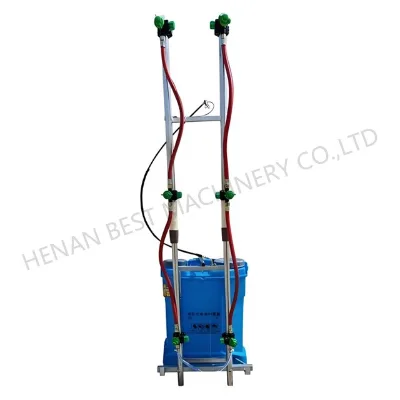
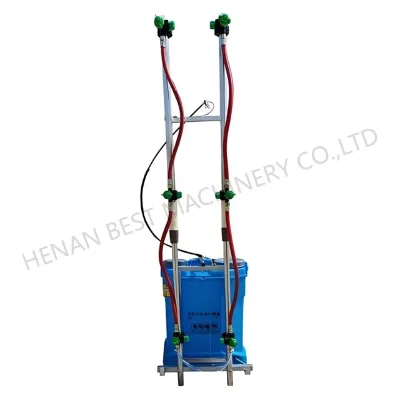
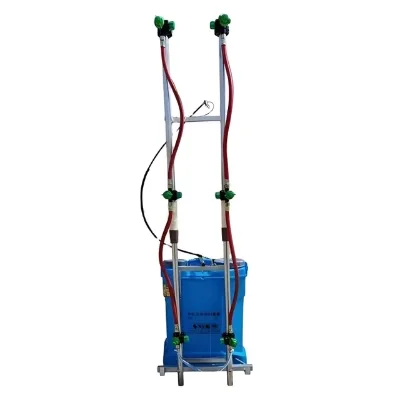
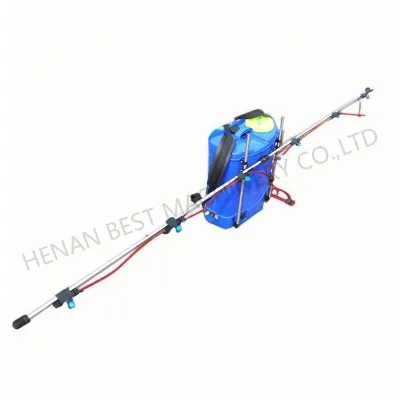
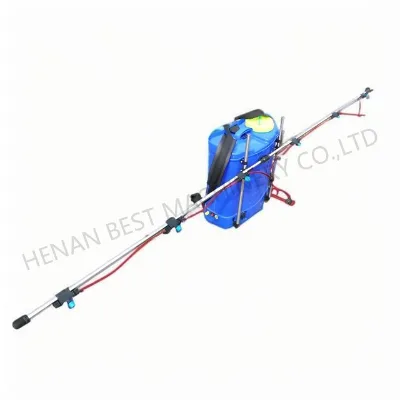
Electric Agricultural Sprayer with 6 Adjustable Nozzles for Large-Scale Farming
$35.00
MOQ: 50 kilograms
Yongkang Leeyu Import And Export Co., Ltd.
- Manufacturer, Trading Company
- Zhejiang, China
- Lead time25 days
- Avg. response≤ 10h
Main productsGasoline Chainsaw,Brush Cutter,Garden tools sapre parts,Power tools,Garden tools spare parts
Main marketsEastern Europe(25.00%), South America(20.00%), Western Europe(18.00%), Mid East(10.00%), Africa(5.00%), South Asia(3.00%), Eastern Asia(2.00%), Southern Europe(2.00%), Domestic Market(1.00%), Oceania(1.00%), Southeast Asia(1.00%), Northern Europe(1.00%), Central America(1.00%), North America(1.00%)
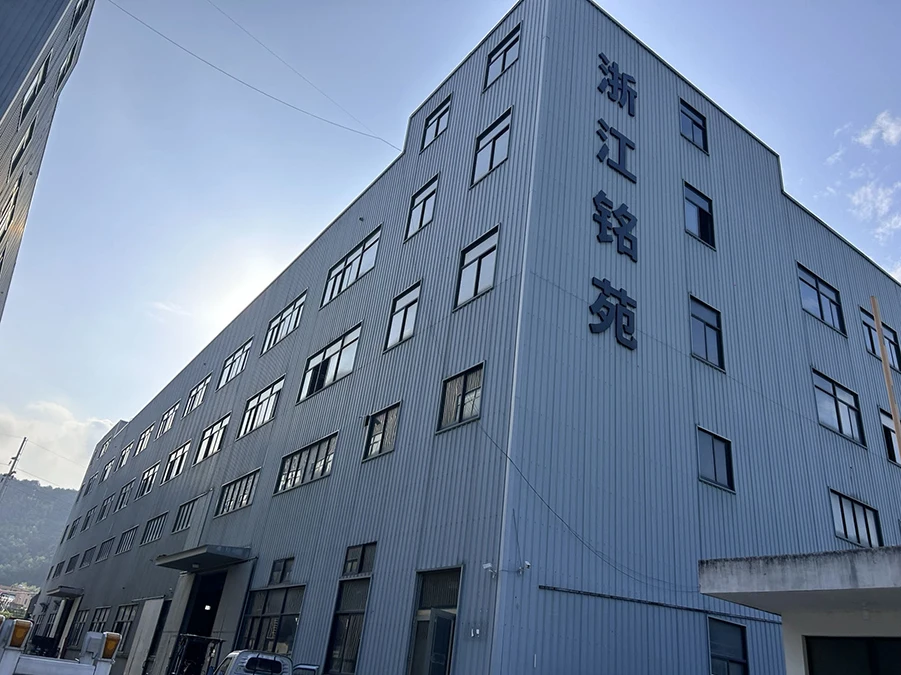
Zhejiang Mingyuan Garden & Leisure Products Co., Ltd.
- Manufacturer
- Zhejiang, China
- Lead time45 days
- Avg. response≤ 2h
Main productsPlastic products (watering cans, flower pots, bird feeders, garden tools, sprayer, fence)
Main marketsEastern Asia(30.00%), North America(30.00%), Domestic Market(25.00%), Western Europe(10.00%), Northern Europe(5.00%), South Asia(0.00%), South America(0.00%), Oceania(0.00%), Southern Europe(0.00%), Central America(0.00%), Africa(0.00%), Eastern Europe(0.00%), Mid East(0.00%), Southeast Asia(0.00%)

Taizhou Lanbo Machinery Co., Ltd.
- Verified by TUVRHEINLAND
- Manufacturer/Factory
- China Zhejiang
- Lead time0 days
- Avg. response≤ 19h
Main productsGenerator
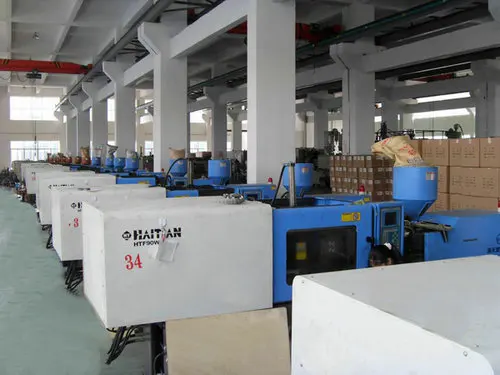
Zhejiang Menghua Sprayer Co., Ltd.
- Manufacturer
- Zhejiang, China
- Lead time30 days
- Avg. response≤ 4h
Main productsBattery sprayers,Manual Knapsack Sprayer,Electric Knapsack Sprayer,Garden Manual Sprayer
Main marketsDomestic Market(5.00%), South Asia(5.00%), Southern Europe(5.00%), Northern Europe(5.00%), Central America(5.00%), Western Europe(5.00%), Eastern Asia(5.00%), Mid East(5.00%), Oceania(5.00%), Africa(5.00%), Southeast Asia(5.00%), Eastern Europe(5.00%), South America(5.00%), North America(5.00%)

Nantong Hiseed Machinery Co., Ltd.
- Trading Company
- Jiangsu, China
- Lead time30 days
- Avg. response≤ 22h
Main productsGarden tools,magnetic clutch and brake,Industrial brake and clutch,power transformer,oil and dry type power transformer
Main marketsWestern Europe(16.00%), Eastern Europe(15.00%), North America(15.00%), Oceania(14.00%), Southern Europe(13.00%), South America(10.00%), Northern Europe(10.00%), Central America(3.00%), Mid East(2.00%), Eastern Asia(2.00%)
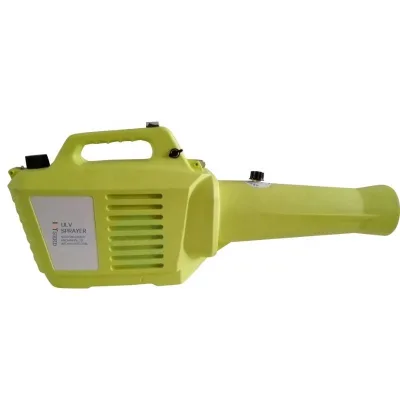
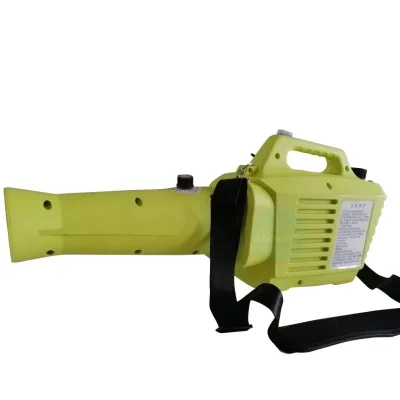
Free Shipping Cordless Electrostatic Sprayer Agriculture Sprayer Pump Mist Blower Sprayer
$256.00 - $271.00
MOQ: 1 sets
Chongqing Action Trading Co., Ltd.
- Verified by SGS Group
- Trading Company
- Lead time15 days
- Avg. response≤ 3h
Main productsElectric Spray Gun Tool, Electric Caulking Gun Tool, Electric Nailer Gun Tool, Electric Garden Spray Tool, Electric Home Cleaning Tool
Main marketsSouth America(50%), Eastern Europe(20%), Southeast Asia(10%)
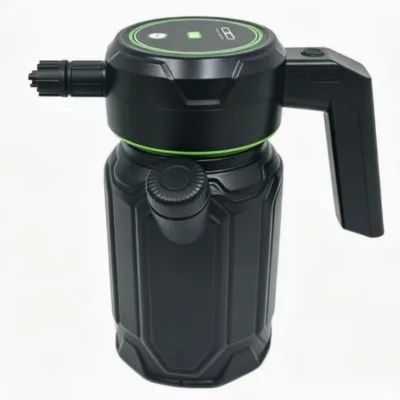
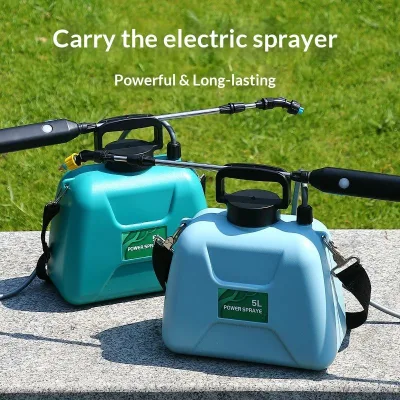
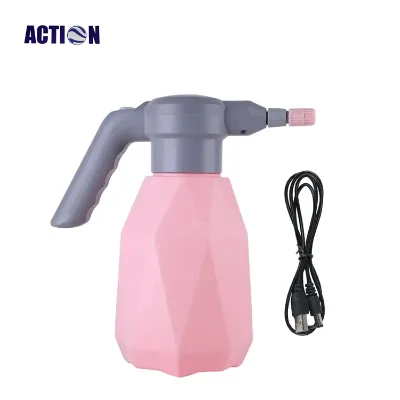
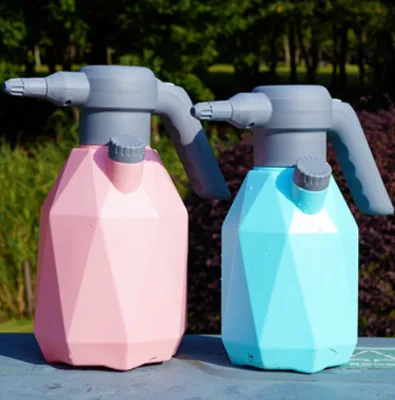
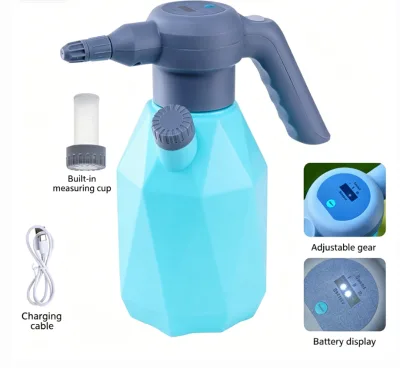
AKX High Quality Multifunctional 2L Electric Sprayer 3W Cordless Garden Tools Water Spraying Machine
$4.99 - $7.00
MOQ: 300 sets
Changzhou Hantechn Imp.& Exp. Co., Ltd.
- Verified by SGS Group
- Trading Company
- Lead time35 days
- Avg. response≤ 3h
Main productsPot&planter, Watering&irrigation, Plant Propagation, Hydroponic Gardening, Garden Tools
Main marketsWestern Europe(30%), South America(15%), Oceania(12%)

Taizhou Luqiao Dayuan Machinery Co., Ltd.
- Verified by TUVRHEINLAND
- Combined
- China Zhejiang
- Lead time30 days
- Avg. response≤ 7h
Main productsElectric Sprayer, Hand Sprayer, Manual Sprayer, Garden Sprayer, Pressure Sprayer, Knapsack Sprayer, Agriculture Sprayer, Agricultural Sprayer, Battery Sprayer, Power Sprayer
Main marketsDomestic

Taizhou Guangfeng Plastic Co., Ltd.
- Verified by BV
- Combined
- China Zhejiang
- Lead time30 days
- Avg. response≤ 11h
Main productsManual Sprayer, Electric Sprayer, Hand Sprayer, Battery Sprayer, Knapsack Sprayer, Power Sprayer, Agricultural Sprayer, Plastic Sprayer, Backpack Sprayer, Sprayer
Main marketsSouth America,Africa,Southeast Asia/ Mideast,East Asia(Japan/ South Korea),Europe,North America

Taizhou Kesiwo Garden Tools Co., Ltd.
- Verified by SGS
- Trading Company,Manufacturer/Factory
- China Zhejiang
- Lead time23 days
- Avg. response≤ 11h
Main productsPower Sprayer, Water Pump, Brush Cutter, Seeder, Multi-Function Weeder, Tiller, Garden Tools, Saw, Earth Augur, Lithium Battery Scissors
Main marketsSouth America,Eastern Europe,Mid East,North America,Southeast Asia,Eastern Asia,Oceania,Western Europe,Africa


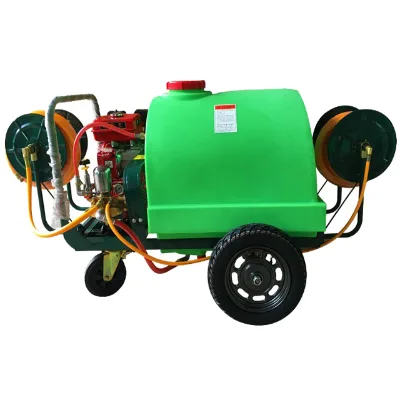
High Pressure Agricultural Green House Electric Remote Control Power Sprayer
$218.00 - $260.00
MOQ: 49 Pieces


Henan Sincerely Industrial Co., Ltd.
- Manufacturer, Trading Company
- Henan, China
- Lead time10 days
- Avg. response≤ 5h
Main productsfarm machinery,agricultural machinery,forklift,animal husbandry machinery,grass cutters
Main marketsSouth America(20.00%), South Asia(10.00%), Africa(10.00%), Eastern Asia(10.00%), Southern Europe(8.00%), Western Europe(6.00%), Northern Europe(5.00%), Central America(5.00%), Southeast Asia(5.00%), North America(5.00%), Mid East(5.00%), Oceania(4.00%), Domestic Market(4.00%), Eastern Europe(3.00%)
- Verified by Intertek
- Trading Company
- Lead time7 days
- Avg. response≤ 1h
Main productsFruit Vegetable Machine, Meat Processing Machine, Pastry Bakery Machine, Snack Machine, Feed Processing Machine
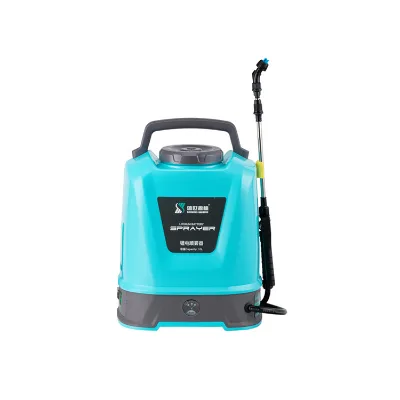
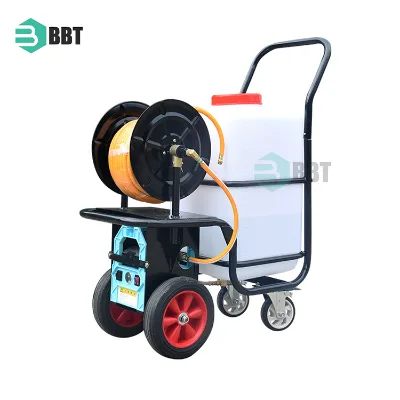
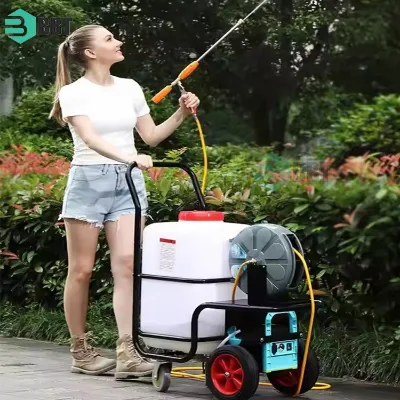
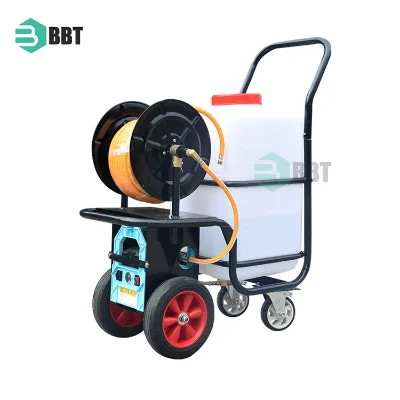
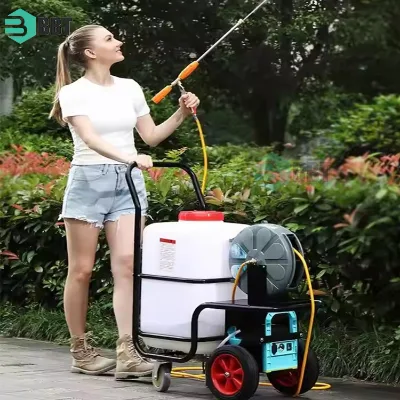
Commercial 60L Cordless Sprayer With Auto Rewind Hose Battery for Large Area Pest Control
$154.935 - $177.9649
MOQ: 1 Minimum
Taizhou Guangfeng Plastic Co., Ltd.
- Verified by Intertek
- Manufacturer, Trading Company
- Lead time20 days
Main productsManual Sprayer, Battery Sprayer, Sprayer Parts, Garden Sprayer
Main marketsAfrica(45%), Southeast Asia(22%), Domestic Market(16%)
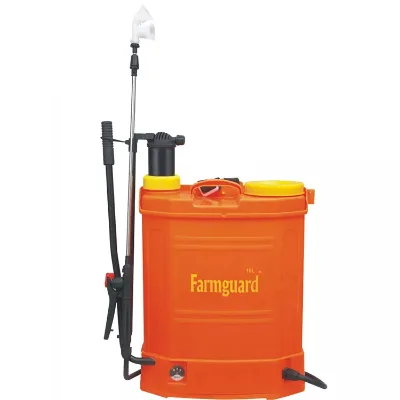
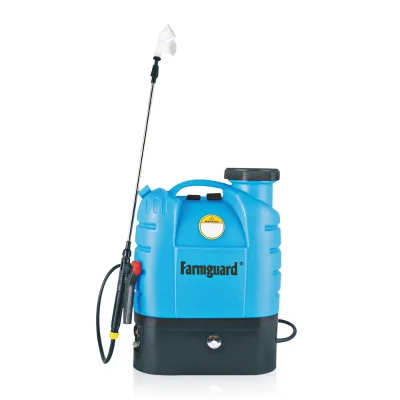
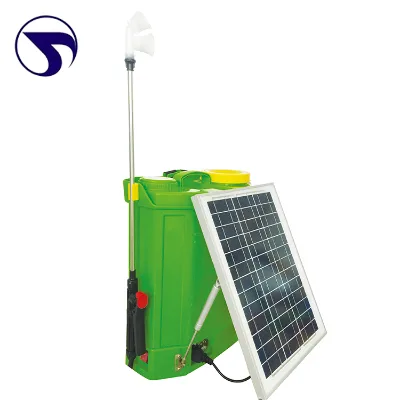
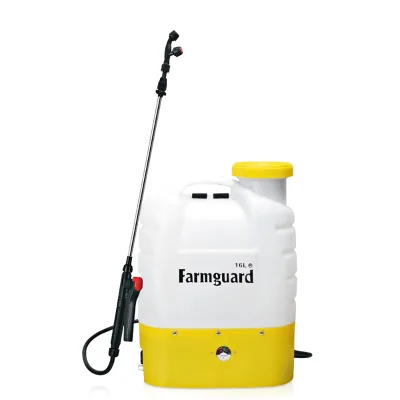
Good Price 6.0KGS Electric Lithium-ion Rechargeable Battery Sprayer
$14.8068 - $25.5298
MOQ: 100 Minimum

Linyi Taixin Industry and Trade Co., Ltd.
- Verified by SGS
- Combined
- China Shandong
- Lead time15 days
- Avg. response≤ 2h
Main productsHand Push Planter, Transplanting Machine, Manual Fertilizer Applicator, Backpack Electric Sprayer
Main marketsSouth America,Africa

Ningbo Jerry Pump Industry Co., Ltd
- Verified by SGS
- Manufacturer/Factory
- China Zhejiang
- Lead time0 days
- Avg. response≤ 5h
Main productsMirco Diaphragm Pump, Mini Diaphragm Pump, DC Diaphragm Pump, DC Sprayer Pump, Electric ATV Sprayer, Electric Spot Sprayer
Taizhou Kesiwo Garden Tools Co, Ltd.
- Manufacturer, Trading Company
- Zhejiang, China
- Lead time20 days
- Avg. response≤ 7h
Main productspower sprayer,brush cutter,water pump,electric tool,tiller
Main marketsDomestic Market(30.00%), Africa(20.00%), Southeast Asia(15.00%), South America(10.00%), South Asia(10.00%), North America(5.00%), Eastern Europe(5.00%), Mid East(5.00%)
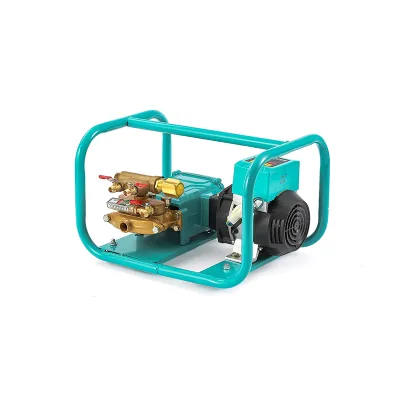
72V/220V Machine High Pressure Agricultural Electric Sprayer
$95.00 - $115.00
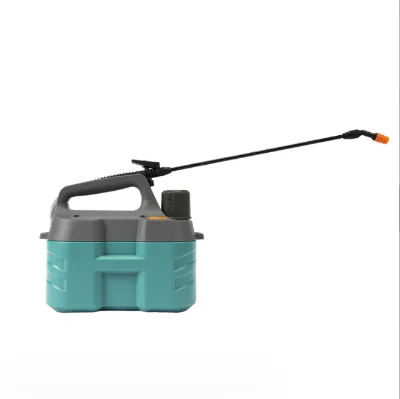

Taizhou Luqiao Qiyong Agricultural Machinery Co., Ltd.
- Verified by SGS
- Combined
- China Zhejiang
- Lead time15 days
- Avg. response≤ 14h
Main productsSprayer, Agricultural Sprayer, Knapsack Power Sprayer, Hand Sprayer, Electric Sprayer, Caster, Power Sprayer, Pressure Sprayer, Backpack Sprayer, Water Pump
Main marketsSouth America,Africa,Others(foreignTradeCapacity.exportBusinessCapacityMarketOther),East Asia(Japan/ South Korea),Europe
Taizhou Kaifeng Plastic&Steel Co., Ltd.
- Manufacturer
- Zhejiang, China
- Lead time30 days
- Avg. response≤ 2h
Main productssprayer,battery sprayer,manual sprayer,power sprayer,lawn mower
Main marketsDomestic Market(41.08%), South Asia(15.23%), Mid East(7.12%), Africa(5.71%), Eastern Europe(5.19%), Southern Europe(4.59%), South America(4.28%), Southeast Asia(4.17%), North America(3.98%), Western Europe(3.95%), Northern Europe(1.76%), Central America(1.25%), Oceania(1.17%), Eastern Asia(0.52%)
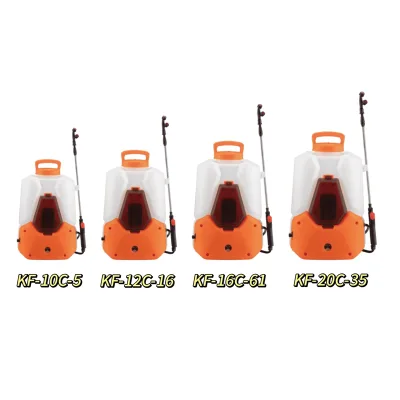
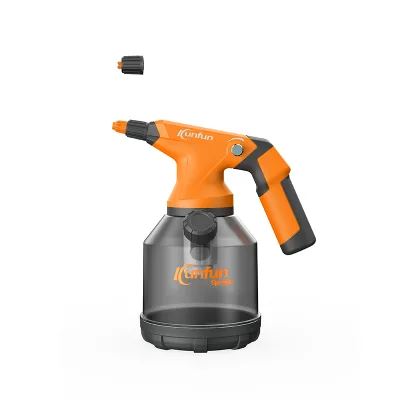
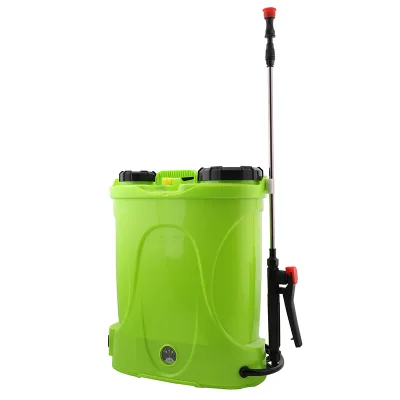
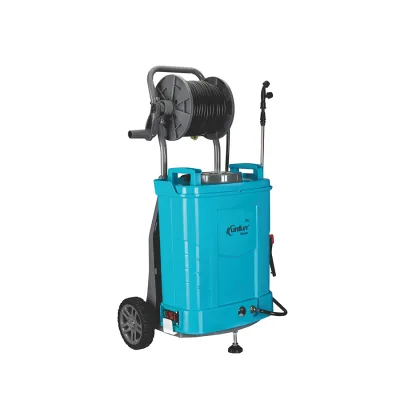
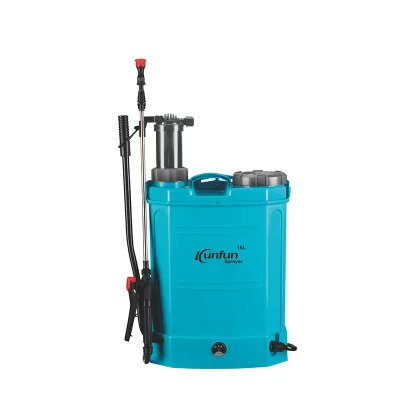
16L 2 in 1 Factory Supply Garden Electric Manual Easily Operated Agricultural Battery Sprayer
$16.50 - $17.00
MOQ: 1000
Taizhou Kobold Sprayer Co., Ltd.
- Verified by SGS Group
- Trading Company
- Lead time30 days
- Avg. response≤ 6h
Main productsElectric Sprayer, Hand Sprayer, Sprayer Parts
Main marketsWestern Europe(30%), South America(25%), North America(15%)

Fujin Lixing Plant Protection Machinery Manufacturing Co., Ltd.
- Verified by TUVRHEINLAND
- Combined
- China Heilongjiang
- Lead time30 days
- Avg. response≤ 1h
Main productsSprayer, Agricultural Sprayer, Boom Sprayer, Self Propelled Sprayer, Mounted Sprayer, Trailed Sprayer, Agriculture Sprayer, Trailer Sprayer, Towed Sprayer, Towable Sprayer
Main marketsEurope

Jilin Yicheng Technology Co., Ltd.
- Manufacturer, Trading Company
- Jilin, China
- Lead time10 days
- Avg. response≤ 1h
Main productsButterfly valve;,Gate Valve,Safety Valve,Control Valve,Ball Valve
Main marketsDomestic Market(30.00%), Eastern Europe(15.00%), Eastern Asia(10.00%), South America(10.00%), South Asia(10.00%), North America(10.00%), Western Europe(5.00%), Southeast Asia(5.00%), Central America(5.00%)

Taizhou Guangfeng Plastic Co., Ltd.
- Verified by BV
- Combined
- China Zhejiang
- Lead time23 days
- Avg. response≤ 16h
Main productsSprayer, Electric Sprayer, Hand Sprayer
Main marketsSouth America,Africa,Southeast Asia/ Mideast,East Asia(Japan/ South Korea),Europe,North America
- Verified by TüVRheinland
- Manufacturer, Trading Company
- Lead time3 days
- Avg. response≤ 3h
Main productsMini Excavator, Lawn Mower, Mini Loader, Packing Machine, Spray Machine
Main marketsNorth America(22%), Domestic Market(20%), Eastern Europe(15%)
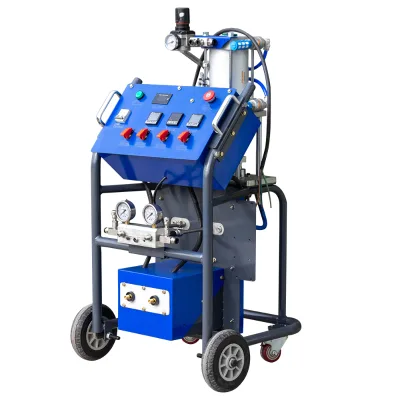
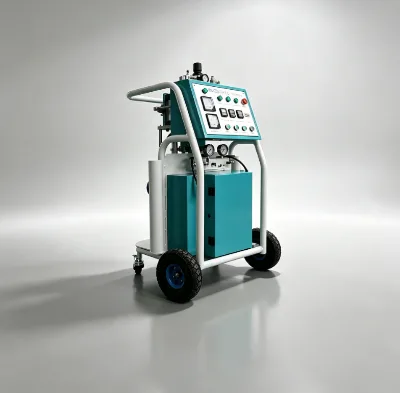
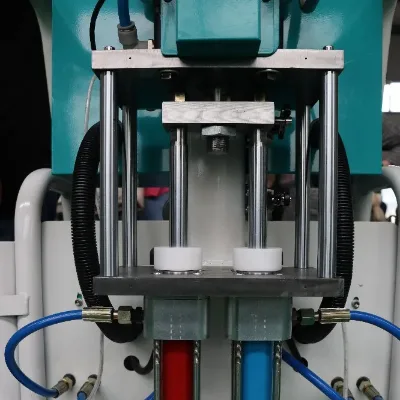
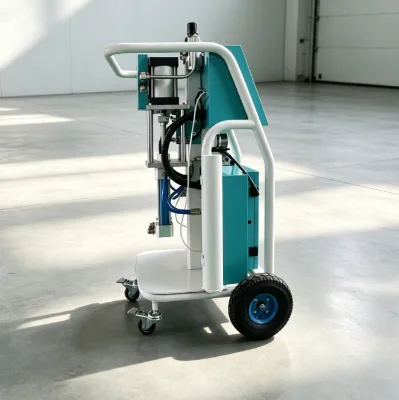
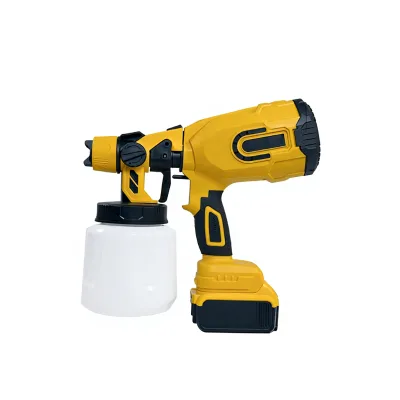
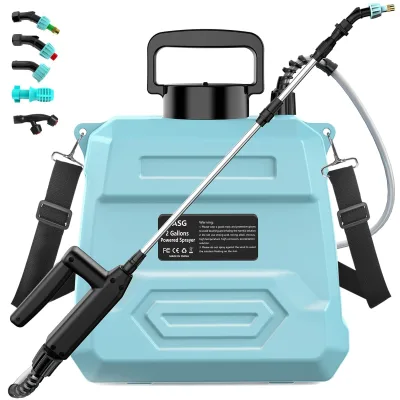
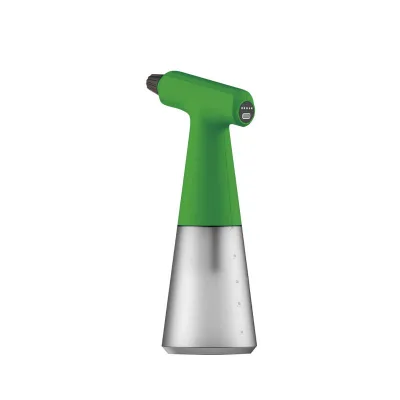
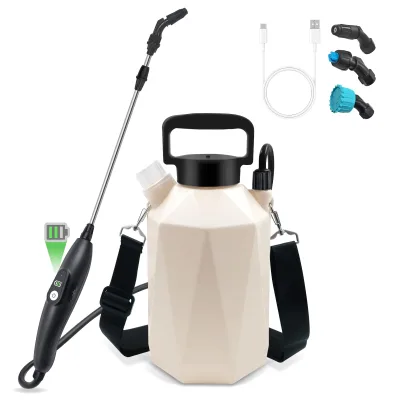
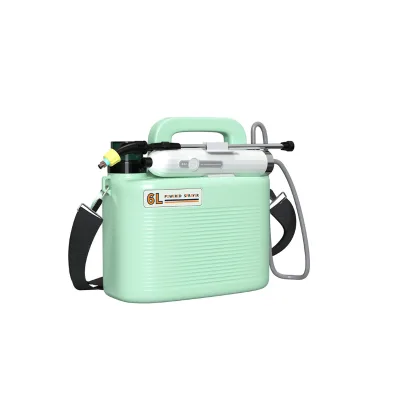
Cordless Small Sprayer: Battery-Powered Convenience for Outdoor Fence Painting
$2400.00 - $2450.00
MOQ: 1 sets




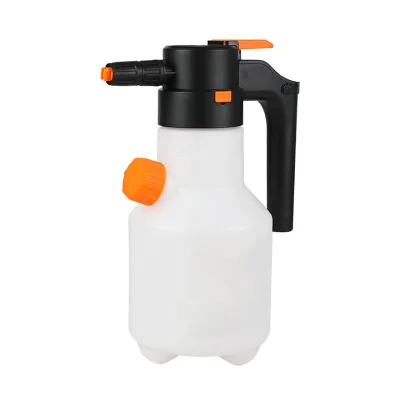
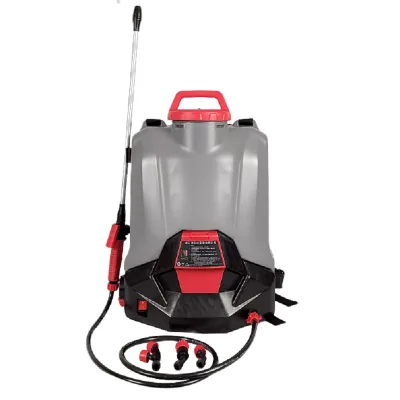
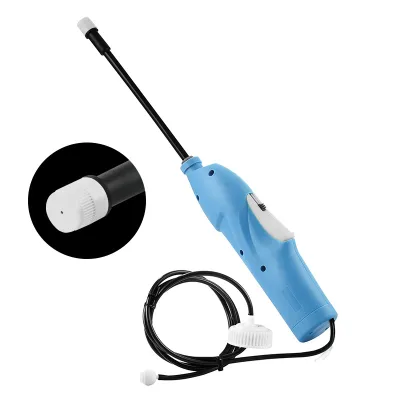
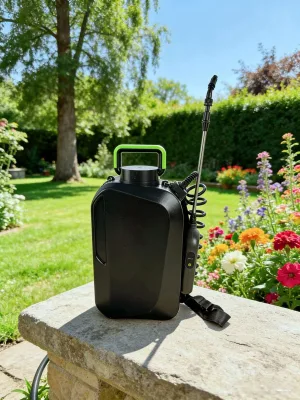








Comprehensive Sourcing Guide
Cordless High Power Electric Sprayer Supplier Concentration and Factory Types
Buyers researching this category will notice that many listings originate from suppliers based in Zhejiang, China, with some product origins traced to Taizhou within that province. Zhejiang has a long association with plastic garden and agricultural equipment, and the concentration of sprayer makers there means buyers can often shortlist multiple candidates within one region, compare them side by side, and consider consolidated shipping from a single province. That said, concentration alone is not a quality signal; it simply means the sampling pool is large and that regional factory visits or third-party inspections are logistically easier to arrange than in scattered supply markets.
The supplier mix typically includes combined-operation companies that both manufacture and trade, which is common in this category. Many list main products spanning knapsack sprayers, battery and electric sprayers, hand and trigger sprayers, pressure sprayers, sprayer pumps, and power sprayers, indicating dedicated sprayer production rather than incidental catalog additions. Research and development capabilities also vary: some suppliers advertise ODM, OEM, and own-brand capacity, while others limit themselves to ODM and OEM. Buyers should decide early whether they need a factory that can engineer a custom battery, pump, and tank assembly or whether an existing electric or knapsack platform with screen-printed branding is sufficient. Matching factory type to that requirement prevents wasted sampling cycles and clarifies which supplier attributes, such as customization availability, actually matter for the order.
How to Verify Cordless High Power Electric Sprayer Suppliers
Verification should start with the platform-level evidence each supplier displays. Some suppliers in this category carry third-party verification from bodies such as BV or TÜV Rheinland, which indicates an on-site or documented audit rather than self-declared claims. System certifications differ too: one supplier may show an ISO9001:2015 quality management certificate while another displays no system certification at all. Neither situation is automatically disqualifying, but the buyer should treat an absent certificate as an open question and request the supplier's quality documentation directly, including any product-level marks claimed on individual listings, since these must be confirmed with the supplier rather than assumed.
Beyond displayed badges, verification means confirming operational reality. Ask each candidate to confirm its factory address, whether it is a manufacturer, a combined manufacturer-and-trader, or a trading company, and to provide evidence such as business licenses or audit reports. Note that response speed is itself verifiable data: suppliers in the observed results show average response times ranging from roughly five hours to just over ten hours, which is a useful early indicator of communication discipline. Request recent references from buyers in agricultural or garden-tool distribution, and ask for a sample of the exact model you intend to order rather than a showroom equivalent. For battery-powered units, verify which components are sourced in-house versus purchased, because cell quality drives most field failures in this product type.
What to Compare Across Cordless High Power Electric Sprayer Suppliers
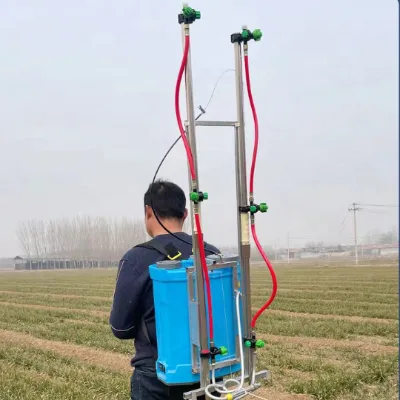
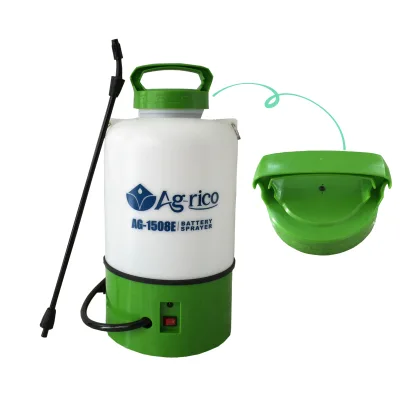
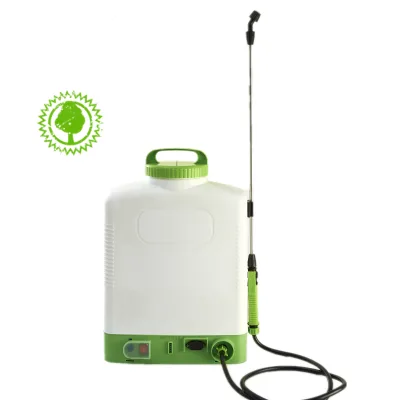
Build a comparison sheet using the attributes suppliers actually display, and record blanks honestly rather than assuming values. Useful dimensions include supplier location, company type, verification status, system certification, average response time, establishment year, and main product lines. On the product side, compare model specifications: observed listings describe PE tanks, knapsack-type units with electric power supply, adjustable lances, internal or external thread connections, screen printing or injection molding processes, and flow rates such as 5L/Min on a larger 45L high-power unit. Battery details matter greatly; one listing specifies a 12V12ah 3.4kg lead-acid cell, which is a materially different proposition from lighter lithium-based designs, so capture chemistry and capacity for every candidate.
Commercial attributes deserve equal weight in the comparison. Listed MOQs in this category range widely, from as low as a single unit on one high-power electric model, to 100 pieces on a portable electric sprayer, to 200 or 500 pieces on knapsack and power sprayer models, so a supplier that looks expensive per unit at low volume may still win on total order cost. Price ranges observed span roughly $19.50 to $135 depending on model and capacity, so compare like-for-like specifications rather than headline prices. Lead time is another differentiator: at least one supplier in the results states a 30-day lead time, and buyers should confirm equivalent figures from every shortlisted candidate before ranking.
Common Cordless High Power Electric Sprayer Sourcing Risks
The most frequent risk in this category is spec drift between the listing and the shipped product. Listings may advertise customization as available, but the depth of customization varies; changing tank color may be routine, while changing the pump, battery, or lance assembly may exceed a supplier's real engineering capacity even when ODM or OEM is claimed. Buyers should anchor the order to a written specification sheet covering tank material, capacity, battery type and weight, flow rate, nozzle configuration, packing format, and model number, then confirm the exact production model code in the proforma invoice so substitutions cannot occur silently.
Other risks are commercial rather than technical. Low displayed MOQs, including single-unit listings, can mask per-unit prices that only fall at realistic wholesale volumes, so model the landed cost at your true target quantity. Inconsistent packing descriptions, such as one-piece colorful cartons versus seven-layer cartons for heavier 45L units, affect freight damage rates and should be specified explicitly. Certification claims attached to individual products, such as CE, CCC, RoHS, or ISO 9001 markings seen on some listings, must be validated with certificates naming the correct model, because copied or lapsed documents are a known issue in battery-powered equipment. Finally, battery-powered goods face transport restrictions; confirm with the supplier how cells are declared, packed, and documented for your destination market before paying a deposit.
Cordless High Power Electric Sprayer Regional Sourcing and Logistics
Where a location is genuinely established in the results, buyers can plan around it. The Zhejiang cluster, and Taizhou in particular as a stated product origin, offers practical logistics advantages: inland freight to major coastal ports is short, several sprayer factories sit within a compact area, and combining factory audits from multiple shortlisted suppliers into one trip is feasible. If your candidate list includes suppliers outside any stated cluster, do not assume a regional advantage; instead ask each supplier to confirm its dispatch port, typical inland transit time to that port, and whether it exports battery-equipped goods regularly, because handling experience matters for this category.
On the freight side, plan around weight and battery classification. A 45L high-power electric unit with a 3.4kg lead-acid battery is a fundamentally different shipment than a 2L handheld rechargeable sprayer, and carton dimensions listed per unit determine container utilization. Ask suppliers for packed dimensions and gross weights per carton, not just naked-unit weights, and request whether cartons are single-wall or the heavier seven-layer type noted on some listings. Sea freight is the norm for knapsack and large-capacity units at wholesale volumes, while samples of smaller handheld models can move by air if battery rules permit. Build the 30-day lead time figure seen in the results into a planning baseline, then add booking and port congestion buffers rather than treating it as a door-to-door promise.
Cordless High Power Electric Sprayer Commercial Terms and Order Planning
Structure commercial terms around verifiable milestones. Typical category pricing seen in the results runs from about $19.50 for entry agricultural electric knapsack models, through the $21.60 to $25.00 band for mid-range electric units, $30 to $45 for portable high-power electric sprayers, $54.80 for a power sprayer model, and up to $95 to $135 for a 45L high-capacity electric unit. Use these as reference points when comparing quotes, but insist that any quotation specify the exact model code, battery specification, customization scope, packing format, and Incoterms, because a low quote on a stripped-down configuration is not comparable to a fully specified one.
Order planning should respect the MOQ structure each supplier displays. Single-unit and 100-piece MOQs on some electric models allow low-risk pilot orders, whereas 200- and 500-piece MOQs on other knapsack and power sprayer models require firmer demand forecasts; a sensible sequence is a paid sample, then a pilot batch at the lowest permitted quantity, then scale-up once field feedback and inspection results justify it. Confirm the stated 30-day lead time applies to your configuration and quantity, agree inspection rights before final payment, and align payment terms so a meaningful balance is withheld until pre-shipment inspection passes. Finally, document spare-part availability, especially pumps, batteries, and lances, since after-sales support commitments often determine whether a supplier relationship is worth scaling beyond the first order.
-word count check: sections approximately 229, 227, 231, 230, 226, 226 = ~1369 words. Confirming within 1350-1450 range.
FAQs
What is the price range for electric sprayers?
Electric sprayer prices typically range from $19.50 to $135.00 per unit. Lower-cost models around $21.60 are available for basic knapsack styles, while high-power 45L agricultural units cost up to $135.00. Final pricing depends on capacity, battery specifications, and order volume.
What is the minimum order quantity for these sprayers?
Minimum order quantities vary significantly by model. Some high-power agricultural sprayers allow orders as low as one piece, while standard knapsack electric sprayers require a minimum of 200 units. Other specialized power sprayers may require a minimum of 500 pieces for production.
How long does production take for electric sprayers?
Standard production lead times for these electric sprayers are approximately 30 days. This timeline applies to most knapsack and handheld models. Buyers should confirm specific delivery schedules with suppliers, as complex customizations or large volume orders may extend the manufacturing period.
Are these sprayers customizable for branding?
Yes, customization is available for most electric sprayer models. Suppliers offer OEM and ODM services, allowing for custom tank colors like white, blue, or orange. Screen printing and injection molding techniques support brand logos and specific product model numbers on the final units.
What certifications do these electric sprayers have?
Many high-power electric sprayers carry CE, CCC, RoHS, and ISO 9001 certifications. Suppliers often hold ISO9001:2015 system certificates to ensure quality management standards. Buyers should verify specific certification documents for each model to ensure compliance with local agricultural or safety regulations.
Where are these sprayer manufacturers located?
Manufacturers of these electric sprayers are primarily located in Zhejiang, China, with specific origins in Taizhou. This region is a known hub for garden tools and agricultural machinery. Buyers can source directly from these verified suppliers to ensure proximity to established supply chains.
What materials are used for the sprayer tanks?
Sprayer tanks are predominantly made from PE plastic, ensuring durability and chemical resistance for agricultural medicine. Some models specify 12V12ah lead-acid batteries for power. The internal components often use screen printing or injection molding techniques for robust construction and long-term field performance.