Crystal Gold Hair Straightener Suppliers and Manufacturers
Explore 24 verified suppliers offering Crystal Gold Hair Straightener with options for OEM, ODM, and custom branding. Compare locations in China, response times, lead times, and certifications like ISO9001 before requesting quotes; review the available evidence before requesting comparable quotations from suitable candidates.
Suppliers List

Yueqing Fiy Electric Co., Ltd.
- Verified by CTI
- Combined
- China Zhejiang
- Lead time30 days
- Avg. response≤ 8h
Main productsIndustry Socket, Industry Plug, Solar String Light, Christmas Decoration, Solar Light, Christmas Lights, Solar LED Light, LED Strip Light, Industry Switch, Tools Switch
Main marketsSouth America,Southeast Asia/ Mideast,East Asia(Japan/ South Korea),Domestic,Europe,Australia,North America


OEM Fast Heating Hair Straightener Comb Salon Home Use Hair Styler Hair Straightener
$3.04 - $3.17
MOQ: 2000 Pieces

Kingwin Salon Equipment Co., Ltd.
- Verified by TüVRheinland
- Manufacturer, Trading Company
- Lead time30 days
- Avg. response≤ 10h
Main productsSalon Equipment
Main marketsNorth America(45%), Western Europe(9%), Eastern Europe(5%)
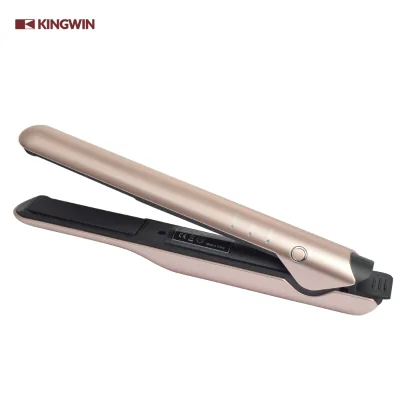
Ceramic Flat Iron Ionic Hair Straightener
$17.80 - $20.80
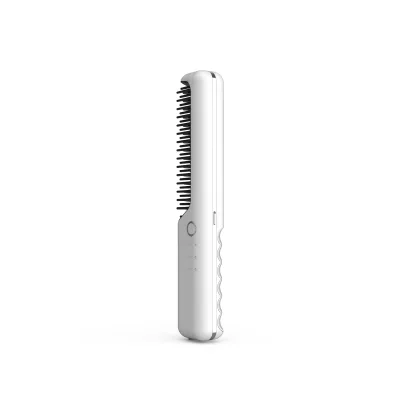
Professional Hair Straighteners Cordless Hair Straightener
$17.80 - $19.80

Guangzhou Umei Technology Co., Ltd
- Verified by SGS
- Manufacturer/Factory
- China Guangdong
- Lead time15 days
- Avg. response≤ 3h
Main productsHair Straightener, Hair Dryer, Hair Curler, Hair Clipper, Photo Booth Vending Machine, Cotton Candy Vending Machine, Popcorn Vending Machine, Vending Machine, Ice Cream Vending Machine, 360 Photo Booth
Main marketsSouth America,Eastern Europe,Mid East,North America,Southeast Asia,Eastern Asia,Western Europe

Guangzhou Mackay Hair Tools Products Co., Ltd.
- Verified by SGS
- Manufacturer/Factory
- China Guangdong
- Lead time0 days
- Avg. response≤ 5h
Main productsHair Brush, Hair Combs, Hair Scissors, Hair Cape & Apron, Salon Jacket, Hair Color Brush with Bowl, Acetate Comb, Hair Clip, Hair Ring & Hair Band, Hair Salon Tools Accessories
Main marketsSouth America,Eastern Europe,Mid East,North America,Southeast Asia,Eastern Asia,Oceania,Western Europe,Africa


Gold Color Ceramic Perfect Hair Straightening Brush
MOQ: 1200 Pieces
Shenzhen Kaylux Electric Appliance Co., Ltd.
- Verified by Intertek
- Manufacturer, Trading Company
- Lead time25 days
- Avg. response≤ 2h
Main productsHair Straightener, Curling Iron, Hair Straightener Brush , Hair Dryer, Multi Styler
Main marketsNorth America(20%), Mid East(20%), Eastern Asia(20%)

- Verified by BV
- Trading Company
- China Zhejiang
- Lead time30 days
- Avg. response≤ 8h
Main productsElectric Kettle, Massager, Hair Dryer, Heater, Electric Grill, Humidifier, Hair Straightener, Mixer, Beauty Instrument, Electronics
Main marketsAfrica,Southeast Asia/ Mideast,Europe,North America
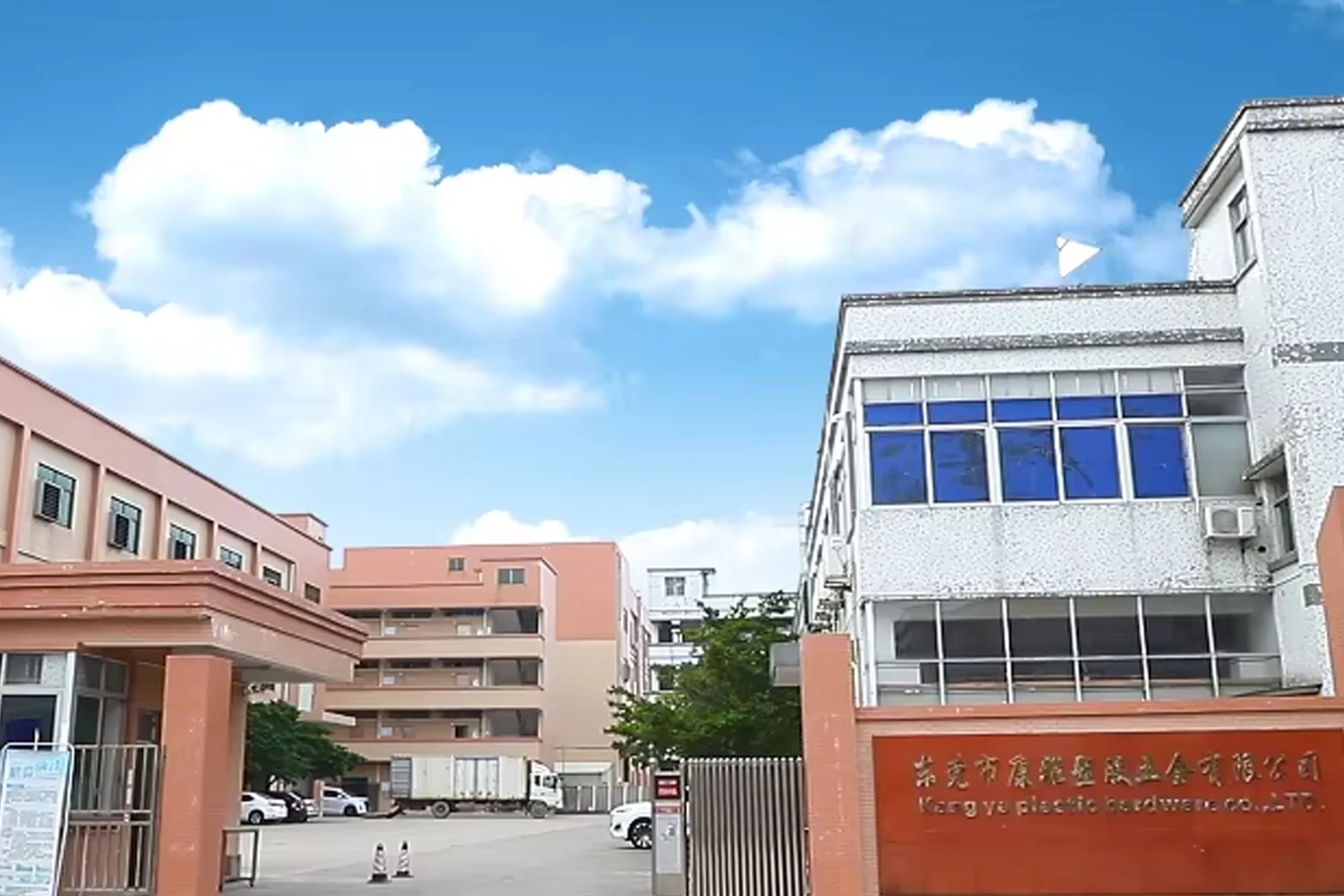
Dongguan Kangya Plastic Hardware Co., Ltd.
- Manufacturer, Trading Company
- Guangdong, China
- Lead time45 days
- Avg. response≤ 4h
Main productsHairbrush,comb,Roller brush
Main marketsNorth America(30.00%), Domestic Market(25.00%), Eastern Asia(20.00%), Eastern Europe(8.00%), Western Europe(6.00%), Northern Europe(6.00%), Southern Europe(5.00%)

Shenzhen Baiyisen Health Technology Co., Ltd.
- Verified by SGS
- Trading Company
- China Guangdong
- Lead time30 days
- Avg. response≤ 4h
Main productsHigh-Speed Hair Dryer Curling Irons Styler, Multi-Function Hair Dryer Hairdryer, Secador De Cabello Air Wrap, Blower Hair Secador De Pelo Blow Dryer
Main marketsDomestic

Hair Care Does Not Damage Hair, Smoothes Frizz and Smoothes Hair Straightener
$14.30 - $15.50
MOQ: 500 Pieces


Home High-Speed Hair Straightening Hair Dryer Splint Styling Straightener
$29.00 - $36.00
MOQ: 1000 Pieces

Quick Dry Hair Straightening Styler Professional Salon Hair Straightener
$35.00 - $39.00
MOQ: 1000 Pieces


Changsha Fusheng Electronic Technology Co., Ltd.
- Trading Company
- China Hunan
- Lead time15 days
- Avg. response≤ 2h
Main productsElectronic Product
Main marketsSoutheast Asia/ Mideast,Europe,North America


Flat Iron Hair Straightener Beauty Tool Hair Straightener Travel Use Styler
$11.90 - $15.90
MOQ: 10 Pieces

Flat Iron Hair Straightener Beauty Tool Hair Straightener Travel Use Portable Steam Styler
$4.80 - $6.90
MOQ: 20 Pieces


- Verified by SGS
- Trading Company
- China Zhejiang
- Lead time15 days
- Avg. response≤ 20h
Main productsFan, Heater Fan, Air Fryer, Toaster, Rice Cooker, Vacuum Cleaner, Coffee Machine, Hairdressing Appliance, Electric Toothbrush, Steam Iron
Main marketsEurope,Australia

Factory Outlet One Step Straightening Brush Ceramic Hot Brush Hair Straightener
$4.98 - $5.00
MOQ: 200 Pieces


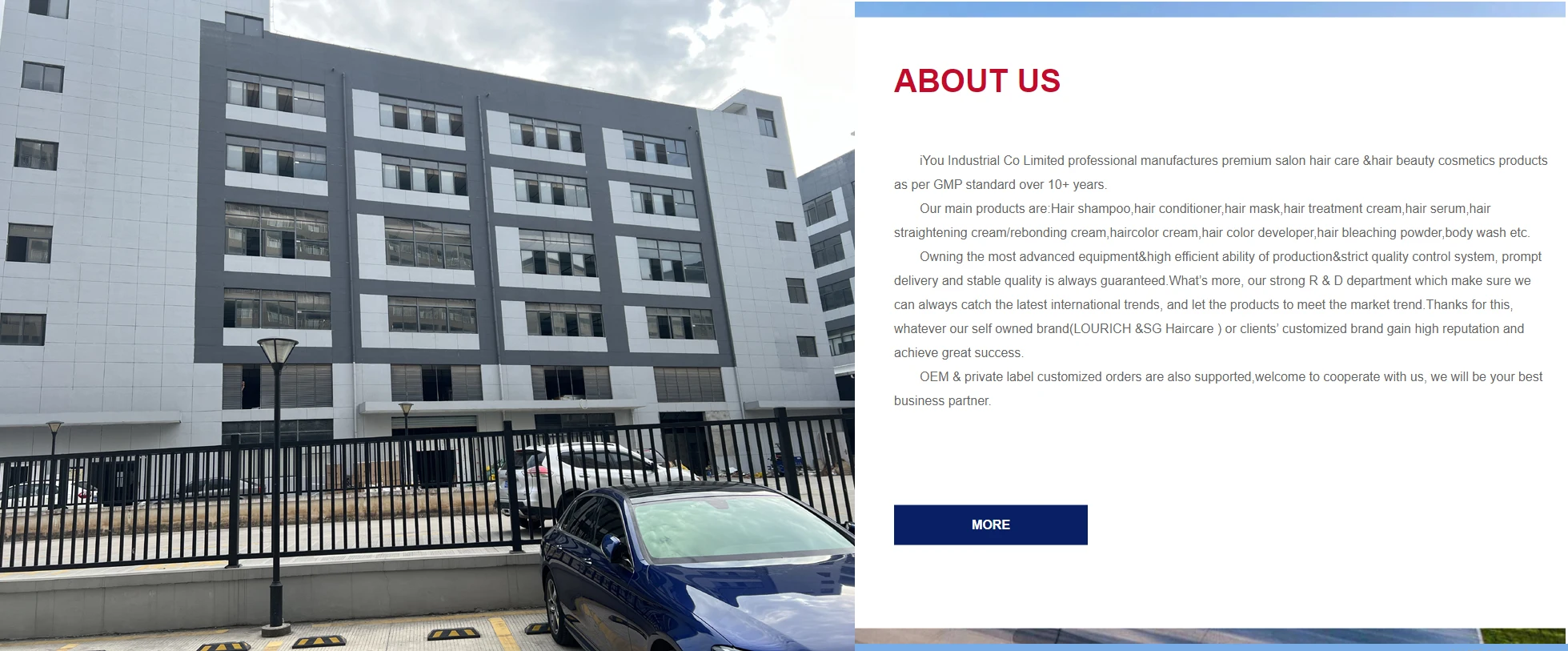
- Manufacturer, Distributor/Wholesaler
- Guangdong, China
- Lead time0 days
- Avg. response≤ 4h
Main productsshampoo,hair conditioner,hair mask,hair color cream,hair treatment
Main marketsSoutheast Asia(13.00%), Mid East(10.00%), Eastern Asia(10.00%), Africa(10.00%), North America(10.00%), South Asia(10.00%), South America(10.00%), Northern Europe(5.00%), Central America(5.00%), Western Europe(5.00%), Southern Europe(5.00%), Domestic Market(3.00%), Oceania(2.00%), Eastern Europe(2.00%)
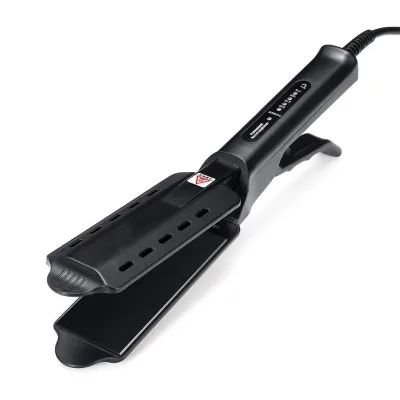
Hot Salon Use Steam Hair Straightener Iron Professional Ceramic Steam Styler Hair Straightener
$7.04 - $8.67
MOQ: 10 pieces
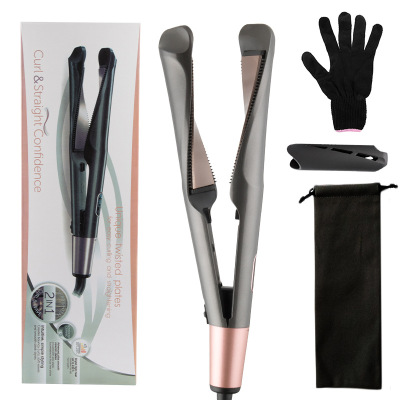
$7.65 - $9.49
MOQ: 10 pieces

Qingtian Minghui Electronics Co., Ltd
- Verified by SGS
- Combined
- China Zhejiang
- Lead time23 days
- Avg. response≤ 8h
Main marketsAfrica,Southeast Asia/ Mideast,Europe,North America

Wenzhou Boyo Electric Appliance Co., Ltd.
- Verified by BV
- Manufacturer/Factory
- China Zhejiang
- Lead time45 days
- Avg. response≤ 14h
Main productsHair Straightener, Hair Curler, Men's Shaver, Lady Epilator/Rozar, Callus Remover, Hair Dryer, Hair Clipper/Trimmer, Facial Cleansing Brush, Hot Air Brush, Oil Diffuser
Main marketsSouth America,Eastern Europe,Mid East,North America,Southeast Asia,Eastern Asia,Oceania,Western Europe,Africa

Xuchang Leyide Import And Export Trading Co., Ltd.
- Trading Company,Manufacturer/Factory
- China Henan
- Lead time23 days
- Avg. response≤ 4h
Main productsHair Products, Wig Making Tools, Remy Human Hair, Mannequin, Stand Tripod, Synthetic Hair Extensions, Wigs, Virgin Human Hair, Satin Wig Bonnet, Lace Glue
Main marketsSouth America,Eastern Europe,Mid East,North America,Southeast Asia,Eastern Asia,Oceania,Western Europe,Africa

Cheap Professional Fast Ceramic Wide Plate Ionic Flat Iron Hair Straightener
$3.40 - $3.80
MOQ: 10 Pieces

Dongguan Bidisco Electric Co., Ltd.
- Verified by SGS Group
- Manufacturer, Trading Company
- Lead time20 days
- Avg. response≤ 4h
Main productsHair Straightener/Hair Dryer, Hair Curler/Hair Brush
Main marketsEastern Asia(40%), North America(20%), South America(6%)
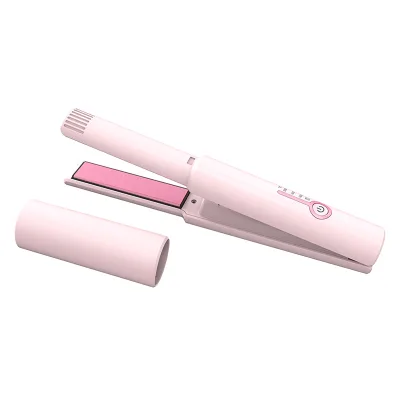
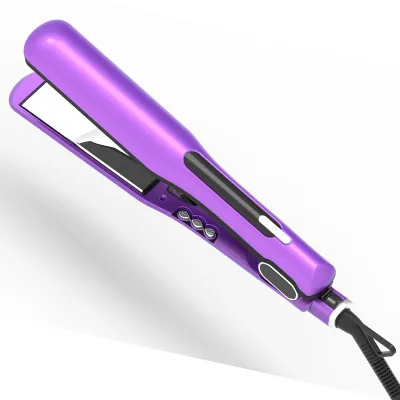
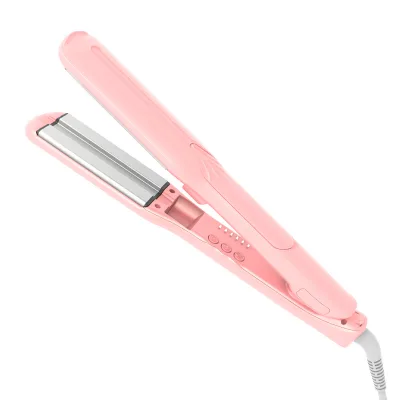
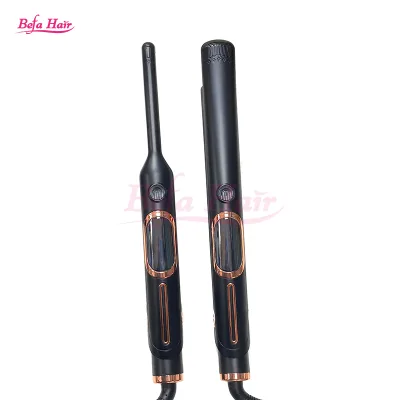
Candy Colored Small Household Hair Flat Iron 2 in 1 Straightener and Curler
$14.20 - $19.70
MOQ: 500 pieces
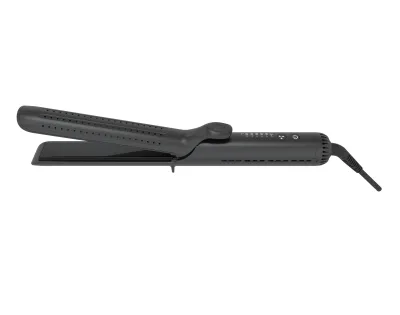
Guangzhou Best Fashion Hair Product Co., Ltd.
- Trading Company
- Guangdong, China
- Lead time3 days
- Avg. response≤ 5h
Main productsHuman Hair Weft, Human Hair Closure, Human Hair Wigs, Human Hair Frontal, Hot Comb
Main marketsNorth America(95.00%), Eastern Europe(4.00%), Africa(1.00%)
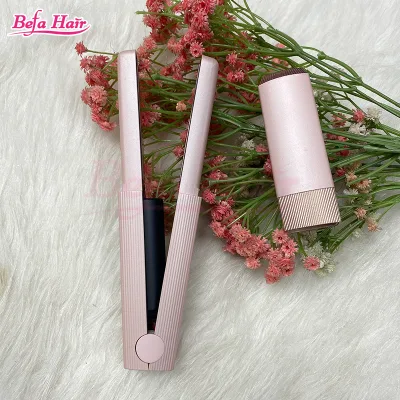
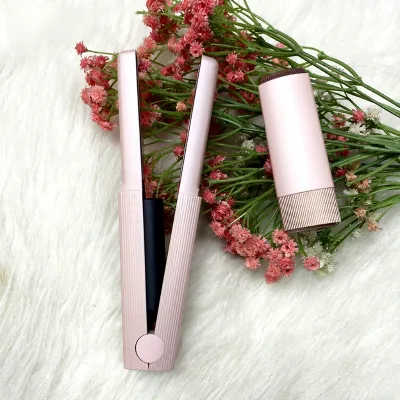
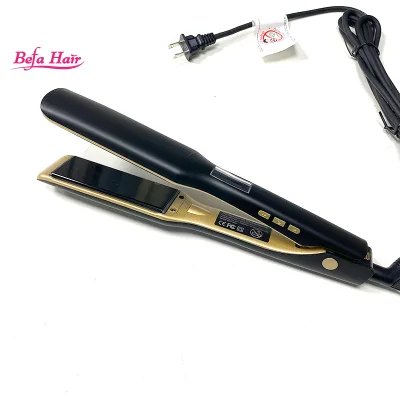
USB Hair Straightener Wireless Mini Hair Straightening Cordless Flat Iron
$11.00 - $13.00
MOQ: 1 pieces
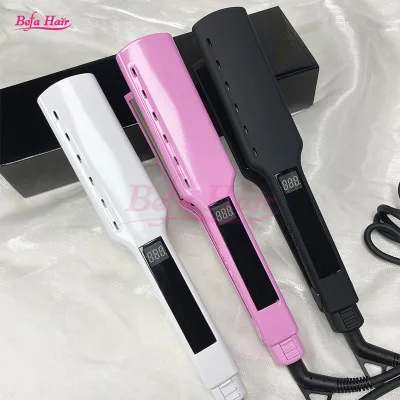
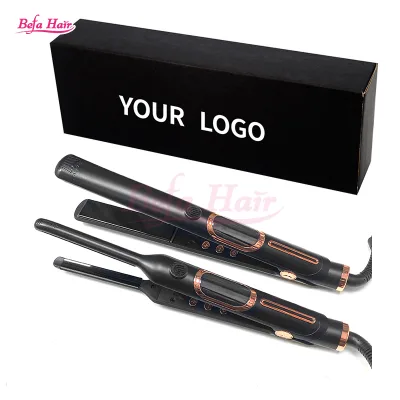

Dongguan Bidisco Electric CO., LTD
- Combined
- China Guangdong
- Lead time30 days
- Avg. response≤ 5h
Main productsHair Straightener, Hair Curler, Curling Iron, Mini Hair Straightener, Professional Curling Iron, Salon Eqipment, Curlers, Ceramic Straightener, Hair Curling Machine, Curling Tong
Main marketsSoutheast Asia/ Mideast,East Asia(Japan/ South Korea),Domestic,Europe,Australia,North America
Nanning Canye Trading Co., Ltd.
- Trading Company
- Guangxi, China
- Lead time15 days
- Avg. response≤ 3h
Main productsHair dryer,Hair styling tools,Household appliances,Kitchen appliance,Personal care products
Main marketsAfrica(32.00%), North America(12.00%), South America(12.00%), Southeast Asia(8.00%), Western Europe(6.00%), Eastern Europe(6.00%), Northern Europe(5.00%), Central America(5.00%), Domestic Market(5.00%), Mid East(4.00%), Eastern Asia(2.00%), Southern Europe(2.00%), South Asia(1.00%)

Guangzhou Xinyang Electric Appliance Co., Ltd.
- Verified by SGS
- Combined
- China Guangdong
- Lead time15 days
- Avg. response≤ 11h
Main productshair dryer
Main marketsDomestic

Rotatable Ceramic Curling Hair Straightener Large Curl Small Curl Salon Curler
$6.10 - $6.70
MOQ: 200 Pieces


Wenzhou Hexi Electronic Technology Co., Ltd.
- Verified by SGS
- Combined
- China Zhejiang
- Lead time23 days
- Avg. response≤ 5h
Main productsNeck and Back Massager, Massage Gun, Massage Pillow, Foot Massager, Beauty& Personal Care, Water Flosser, Eye Massager, Electric Toothbrush, Hair Curler, Knee Massager
Main marketsAfrica,Southeast Asia/ Mideast,Europe

Hair Straightener Professional Salon 2-in-1 Straightener & Curler Factory
$0.59 - $0.82
MOQ: 100 Pieces

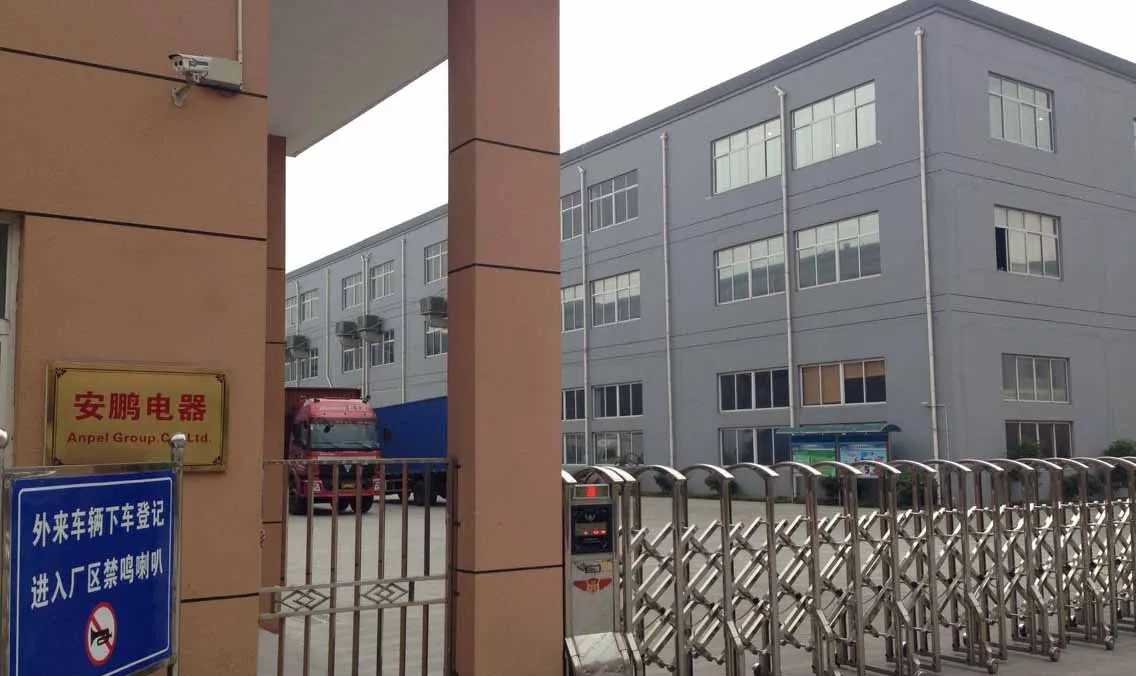
Hangzhou Anpel Appliance Co., Ltd.
- Trading Company
- Zhejiang, China
- Lead time35 days
- Avg. response≤ 17h
Main productsHair Clipper,Electric Shaver,Hair Straightener,Hair Curler,Nose Trimmer
Main marketsDomestic Market(100.00%), South Asia(100.00%), Oceania(100.00%), Southeast Asia(100.00%), South America(30.00%), North America(15.00%), Northern Europe(15.00%), Mid East(10.00%), Western Europe(8.00%), Eastern Europe(5.00%), Eastern Asia(5.00%), Central America(5.00%), Southern Europe(5.00%), Africa(2.00%)

Shanghai Prime Technology Co., Ltd.
- Verified by SGS
- Trading Company
- China Shanghai
- Lead time45 days
- Avg. response≤ 2h
Main productsCoffee Machine Bread Machine, Blender Food Processor Juicer, Air Fryer Hair Dryer Ect.
Main marketsSouth America,Eastern Europe,Mid East,North America,Southeast Asia,Eastern Asia,Oceania,Western Europe,Africa
- Manufacturer, Trading Company
- Guangdong, China
- Lead time6 days
- Avg. response≤ 9h
Main productsHair trimmer,beard shaver,hair dryer,hair curler,hair straightener
Main marketsNorth America(40.00%), Western Europe(15.00%), Mid East(10.00%), South America(10.00%), Domestic Market(5.00%), Southeast Asia(5.00%), Eastern Europe(5.00%), Africa(5.00%), Oceania(3.00%), Eastern Asia(2.00%)
Ningbo Anbo United Electric Apparatus Co., Ltd.
- Verified by TüVRheinland
- Trading Company
- Lead time40 days
- Avg. response≤ 2h
Main productsHome Appliance
Main marketsSoutheast Asia(13%), Mid East(13%), North America(12%)


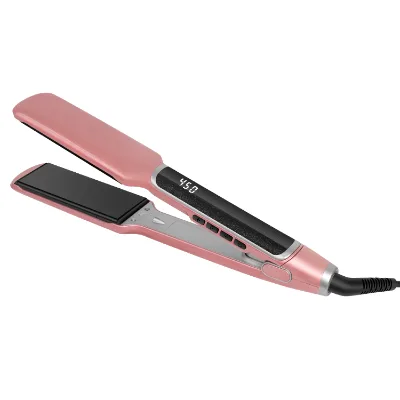
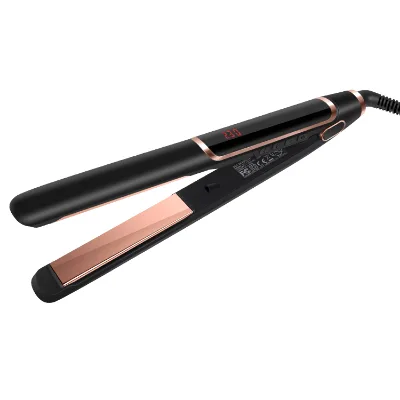



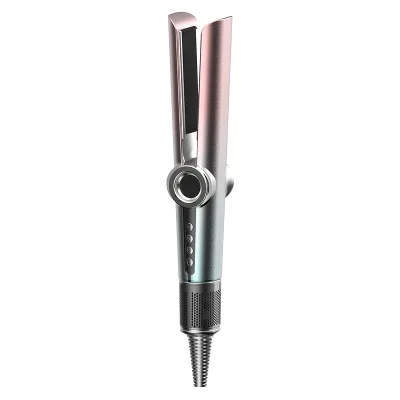


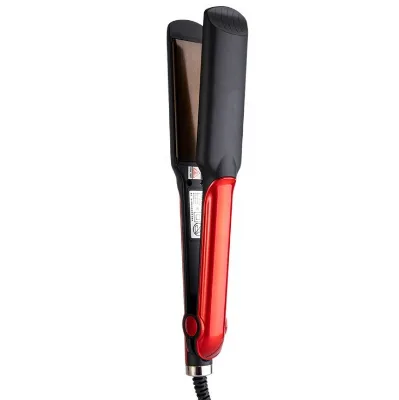


Comprehensive Sourcing Guide
Crystal Gold Hair Straightener Supplier Concentration and Factory Types
Current data indicates that suppliers offering hair styling equipment are primarily located in China, with specific clusters identified in Zhejiang and Guangdong provinces. Fact records show Zhejiang-based entities listing industry sockets and plugs alongside solar lighting, while Guangdong suppliers explicitly mention hair straighteners, dryers, and curlers as core products. This geographic split suggests that buyers should verify the specific manufacturing origin of their requested items, as a supplier listing general electrical components may not possess the specialized tooling for precision hair care devices. The presence of "Combined" company types and "Manufacturer/Factory" classifications in the results confirms that the market includes both direct producers and trading entities.
When evaluating factory types, buyers must distinguish between pure manufacturers and combined entities that may outsource production. The observed data reveals suppliers claiming ODM, OEM, and own-brand capabilities, which implies a capacity for customization beyond standard catalog items. Some records list extensive certification portfolios including ISO 9001, CE, and various safety standards, which often correlates with larger manufacturing facilities capable of rigorous quality control. However, the absence of a specific "crystal gold" product name in the provided evidence means buyers cannot assume a specific factory specializes in this finish without direct verification. It is essential to confirm that the factory's stated main products align with the specific aesthetic and technical requirements of the requested hair straightener before proceeding with engagement.
How to Verify Crystal Gold Hair Straightener Suppliers
Verification processes for hair styling equipment suppliers rely heavily on third-party audit reports and system certifications found in supplier profiles. The available data highlights verification bodies such as CTI, TÜV Rheinland, and SGS, which provide a baseline of trust regarding a supplier's operational legitimacy. Buyers should prioritize suppliers displaying these specific verification badges, as they indicate that an independent party has inspected the facility or product lines. Additionally, system certifications like ISO 9001:2015, CE, LVD, and EMC are critical indicators that the supplier adheres to international quality management and safety standards. These credentials are particularly important for electrical appliances, where compliance with voltage and heating element safety is mandatory for market entry in many regions.
Beyond static certifications, buyers must assess the responsiveness and communication reliability of the supplier to ensure a smooth sourcing process. The observed response times in the data range from approximately 2 hours to nearly 8 hours, with some suppliers showing a 10-hour window. A faster response time often correlates with a more active sales team and better project management capabilities, which are vital when discussing custom finishes like crystal gold plating. Buyers should also check for specific product attributes such as "Customization: Available" and "After-sales service provided," which signal a supplier's willingness to support bespoke orders. If a supplier lacks these specific attributes in their profile, it is a strong indicator that they may not be equipped to handle the unique requirements of a specialized product line.
What to Compare Across Crystal Gold Hair Straightener Suppliers
When comparing potential partners, the primary differentiators are lead times, minimum order quantities, and pricing structures found in the supplier data. The records show lead times varying significantly, with some suppliers offering a 15-day turnaround while others require 30 days. This variance is crucial for buyers planning inventory cycles, as a longer lead time may necessitate earlier ordering to avoid stockouts. Similarly, minimum order quantities (MOQ) in the observed data range from 1,000 to 2,000 units, which directly impacts the initial capital investment required. Buyers must calculate whether their budget can accommodate the highest MOQs or if they need to negotiate with suppliers offering lower thresholds, keeping in mind that lower MOQs often come with higher per-unit costs.
Pricing and product specifications provide another layer of comparison that determines the overall value proposition of each supplier. The data indicates unit prices ranging from approximately $3.04 to $20.80, depending on the product features and complexity. Suppliers offering cordless, battery-powered, or advanced heating models command higher price points compared to basic electric models. Buyers should scrutinize the specific attributes listed, such as plate material, temperature ranges, and power sources, to ensure the quoted price matches the desired quality level. Furthermore, the availability of customization options and the inclusion of after-sales services like free spare parts or warranties should be factored into the total cost of ownership. A lower price without these value-added services may result in higher long-term costs due to quality issues or lack of support.
Common Crystal Gold Hair Straightener Sourcing Risks
One significant risk in sourcing specialized hair styling tools is the discrepancy between advertised product capabilities and actual manufacturing output. The provided data lists various product names and keywords, but none explicitly confirm a "crystal gold" finish or specific aesthetic details. This gap creates a risk where a supplier may claim to offer the finish but deliver a standard chrome or black variant. Buyers must request physical samples or high-resolution images of the specific finish before placing a bulk order to mitigate this risk. Relying solely on text descriptions or generic product images can lead to receiving goods that do not meet the visual standards required for the target market.
Another critical risk involves the reliability of the supply chain and the consistency of quality control measures. While some suppliers list extensive certifications, the actual implementation of these standards can vary. The data shows a mix of company types, including trading companies and manufacturers, which introduces complexity in tracking the actual production source. If a trading company is the primary point of contact, the buyer may have less visibility into the factory floor processes, increasing the risk of quality inconsistencies. Additionally, the variation in response times and lead times suggests that some suppliers may struggle with capacity management. Buyers should verify the supplier's ability to meet deadlines and maintain quality standards through regular communication and, if possible, third-party inspections during the production phase.
Crystal Gold Hair Straightener Regional Sourcing and Logistics
Geographic location plays a pivotal role in determining shipping costs and delivery timelines for hair styling equipment. The observed data places suppliers in Zhejiang and Guangdong, two major manufacturing hubs in China known for their robust logistics infrastructure. Zhejiang is noted for electrical components and lighting, while Guangdong is explicitly linked to hair care appliances and vending machines. Buyers sourcing from these regions can generally expect efficient port access and established shipping routes to international markets. However, the specific origin city, such as Wenzhou mentioned in some product attributes, may influence local logistics costs and the availability of specialized packaging materials.
Logistics planning must also account for the specific packaging requirements of delicate electrical appliances. The data includes packaging dimensions and weights for various models, such as carton sizes and single package weights. These details are essential for calculating freight costs, as the volumetric weight of hair straighteners can significantly impact shipping expenses. Buyers should verify if the supplier uses standard export packaging or if custom packaging is required for the crystal gold finish to prevent damage during transit. Additionally, understanding the lead time in conjunction with the shipping method is crucial; a 15-day production lead time combined with a 30-day sea freight option results in a total timeline that must be factored into the overall supply chain strategy.
Crystal Gold Hair Straightener Commercial Terms and Order Planning
Commercial terms and order planning require a clear understanding of the financial and operational commitments involved in the transaction. The data reveals specific pricing ranges and MOQs that define the entry barrier for buyers. For instance, a supplier with a 2,000-unit MOQ and a price point of $3.04 per unit requires a substantial initial investment compared to a supplier with a 1,000-unit MOQ and a higher unit price. Buyers must align their order volume with their sales forecasts to avoid overstocking or understocking. Furthermore, the availability of customization options suggests that buyers may need to negotiate specific terms regarding tooling costs, sample fees, and the timeline for design approval before mass production begins.
Payment terms and warranty provisions are also critical components of the commercial agreement. The observed data mentions warranty periods of one year and after-sales services such as free spare parts and return policies. These terms provide a safety net for buyers but must be clearly defined in the contract to ensure enforceability. Buyers should verify if the warranty covers manufacturing defects or if it is limited to specific components like heating elements. Additionally, the response time of the supplier, which ranges from 2 to 10 hours, can impact the speed of resolving any post-sale issues. A supplier with a slower response time may delay the resolution of critical problems, affecting the buyer's reputation in the market. Therefore, selecting a supplier with a proven track record of responsive support is essential for long-term success.
FAQs
What is the typical lead time for hair straightener orders?
The typical lead time for hair straightener orders is 30 days based on current supplier data. Some manufacturers offer faster production with a 15-day lead time for specific models. Buyers should confirm exact timelines with the supplier before placing bulk orders to ensure timely delivery.
What are the minimum order quantities for these products?
Minimum order quantities vary by product model, ranging from 1000 to 2000 units. Specific models like the 2-in-1 curler require 1000 units, while other straighteners may need 2000 units. Buyers must check the specific product page to verify the exact MOQ required for their selected item.
Which certifications do the hair straightener suppliers hold?
Suppliers hold various certifications including ISO9001:2015, CE, LVD, EMC, and SVHC. Some manufacturers also possess TÜV Rheinland verification or SGS certification. Buyers should verify specific product certifications like CE or UKCA to ensure compliance with their local market safety standards before purchasing.
Where are the hair straightener manufacturers located?
Manufacturers are primarily located in China, specifically in Zhejiang and Guangdong provinces. Some products originate from Wenzhou, while others come from Guangdong. Buyers can filter search results by these specific locations to find suppliers that match their logistical or regional sourcing preferences.
What is the price range for professional hair straighteners?
Prices for professional hair straighteners range from approximately 3.04 to 20.80 USD per unit. Specific models like the ceramic flat iron are priced around 11.08 USD, while cordless options may cost between 17.80 and 20.80 USD. Buyers should compare specific product listings to find the best price for their needs.
Do suppliers offer customization services for hair styling tools?
Yes, many suppliers offer customization services including OEM, ODM, and own brand options. Customization is available for specific models like the automatic hair curler and electric straightener combs. Buyers can request custom designs or branding, but they must confirm availability and additional costs with the supplier directly.
How quickly do suppliers typically respond to inquiries?
Supplier response times vary, with some responding within 2.09 hours and others taking up to 10 hours. The average response time observed is around 7.84 hours. Buyers seeking urgent assistance should prioritize suppliers with faster response metrics to ensure efficient communication during the sourcing process.