Cosmetic Raw Material Cetyl Alcohol Suppliers and Manufacturers
Source 23 Cosmetic Raw Material Cetyl Alcohol suppliers from China. Compare verified manufacturers and trading companies based on certifications like ISO 9001, response times, and pricing. Review product specifications and lead times to identify suitable partners for your procurement needs.
Suppliers List

Hebei Qiyao Technology Co., Ltd.
- Verified by SGS
- Trading Company
- China Hebei
- Lead time15 days
- Avg. response≤ 9h
Main productsAluminum Sulfate PAC Xanthan Gum Citric Acid, SLES LABSA Cab
Main marketsAfrica


$1950.00 - $2100.00
MOQ: 16 Tons


Cosmetic Raw Material Thickener Cetearyl Alcohol C16-18 Alcohol for Hair Care
$2.35 - $2.51
MOQ: 1000 kg


Cosmetic Grade Cetyl Alcohol C16 1-Hexadecanol CAS 36653-82-4 Raw Material
$1960.00 - $2150.00
MOQ: 10 Tons

Hebei Cengchi International Trade Co., Ltd.
- Verified by TUVRHEINLAND
- Manufacturer/Factory
- China Hebei
- Lead time15 days
- Avg. response≤ 3h
Main productsYttrium Oxide, Erbium Oxide, Gadolinium Oxide, Dysprosium Oxide, Terbium Oxide, Thulium Oxide, Cobalt Oxide, Titanium Oxide, Zinc Oxide, Lutetium Oxide
Main marketsSouth America,Eastern Europe,Mid East,North America,Southeast Asia,Eastern Asia,Oceania,Western Europe,Africa

Cosmetic Grade Cetearyl Alcohol / Cetyl Stearyl Alcohol / C16-18 Alcohol
$0.79 - $1.49
MOQ: 1000 Pieces

Factory for Salecosmetic Grade Cetearyl Alcohol / Cetyl Stearyl Alcohol / C16-18 Alcohol
$0.79 - $1.49
MOQ: 1000 Pieces


Cosmetic Raw Material Cetearyl Alcohol with High Purity CAS 8005-44-5 C16-C18
$0.79 - $1.49
MOQ: 1000 Pieces

Cosmetic Raw Material Cetearyl Alcohol with High Purity C16-C18 CAS 67762-27-0
$0.79 - $1.49
MOQ: 1000 Pieces

Hot Sales Low Prices Cetyl Stearyl Alcohol/ Cetearyl Alcohol C16-18 CAS 67762-27-0
$0.79 - $1.49
MOQ: 1000 Pieces

Hebei Kenbin Technology Co., Ltd.
- Verified by SGS
- Trading Company
- China Hebei
- Lead time15 days
- Avg. response≤ 4h
Main productsTiO2, SLES, K12, Stearic Acid, LABSA, Glycerin
Main marketsAfrica


Supply Cosmetic Grade C16-18 Alcohol Cetyl Stearyl Alcohol Cetearyl Alcohol
$1500.00 - $2500.00
MOQ: 20 Tons

Wholesale Cosmetic Grade C16-18 Alcohol Cetearyl Alcohol Cetyl Stearyl Alcohol
$0.50 - $6.00
MOQ: 20 kg


Suzhou Greenway Biotech Co., Ltd.
- Verified by BV
- Trading Company,Manufacturer/Factory
- China Jiangsu
- Lead time15 days
- Avg. response≤ 8h
Main productsGlutathione, Nmn, Pharmaceutical Intermediates, Cosmetic Materials, Nutritional Supplements
Main marketsSouth America,Eastern Europe,Mid East,North America,Southeast Asia,Eastern Asia,Oceania,Western Europe,Africa

Cosmetic Raw Material Thickener Hair Care 1618 Alcohol 18 Alcohol for Cosemetic Cetearyl Alcohol
$10.00 - $25.00
MOQ: 1 kg

Cosmetic Raw Material Thickener Cetearyl Alcohol C16-18 Alcohol for Hair Care
$10.00 - $25.00
MOQ: 1 kg


- Verified by TUVRHEINLAND
- Trading Company
- China Hebei
- Lead time30 days
- Avg. response≤ 7h
Main productsSLES 70%, LABSA 96%, SLS/K12, Soap Noodles, HPMC, Titanium Dioxide, Soy Wax, Aos 35% 92%, Monohydrous/Anhydrous Citric Acid, Petroleum Jelly
Main marketsSoutheast Asia/ Mideast


Natural Organic Cosmetic Raw Cetearyl Alcohol/Cetyl Stearyl Alcohol C16-18
$1200.00 - $1600.00
MOQ: 1 Tons

Hot Selling Cosmetic Grade Thickener Cetostearyl Alcohol/ Cetearyl Alcohol
$1200.00 - $1600.00
MOQ: 1 Tons

Factory Price Cosmetic Raw Materials CAS 8005-44-5 C16-18 Cetearyl Alcohol
$1200.00 - $1600.00
MOQ: 1 Tons

Cetyl Stearyl Alcohol C16-18 Cosmetic Grade Cetostearyl Alcohol Emulsifiers
$1200.00 - $1600.00
MOQ: 1 Tons

- Verified by CTI
- Combined
- China Jiangsu
- Lead time15 days
- Avg. response≤ 5h
Main productsFatty Acid From C8 to C18, Fatty Alcohol, Surfactant, Soap Noodle, Glycerin, Personal Care, Feed Additive
Main marketsSoutheast Asia/ Mideast,Domestic
Xi'an International Healthcare Factory Co., Ltd.
- Verified by Intertek
- Manufacturer, Trading Company
- Lead time10 days
- Avg. response≤ 2h
Main productsCompound Whitening Powder, Healthcare Products, Nutritional supplement, Plant Extract, Compound anti-wrinkle powder
Main marketsNorth America(40%), South America(10%), Western Europe(10%)

- Verified by CTI
- Trading Company
- China Anhui
- Lead time15 days
- Avg. response≤ 6h
Main productsHerbal Medicine, Blue Lotus Flower, Red Ginseng Root, Chinese Herbal
Main marketsSouth America,Africa,Southeast Asia/ Mideast,East Asia(Japan/ South Korea),Europe,Australia,North America

Dalian Sinobio Chemistry Co., Ltd.
- Manufacturer/Factory
- China Liaoning
- Lead time15 days
- Avg. response≤ 2h
Main productsATMP, NMP, Glutaraldehyde, Trixylyl Phosphate CAS 25155-23-1 Txp, Bronopol, Cmit/Mit 14%, Dbnpa, Zinc Pyrithione, Ipbc
Main marketsSouth America,Eastern Europe,Mid East,North America,Southeast Asia,Eastern Asia,Oceania,Western Europe,Africa

Cosmetic Raw Material Cetearyl Alcohol/Cetostearyl Alcohol/Cetyl Stearyl Alcohol C16-18
$8.00 - $30.00
MOQ: 1 kg


- Verified by SGS
- Trading Company,Manufacturer/Factory,Group Corporation
- China Shandong
- Lead time0 days
- Avg. response≤ 3h
Main productsAdipic Acid, Propylene Glycol, Maleic Anhydride, Dipropylene Glycol, Diethylene Glycol, MMA, Sofa, Mea/Dea/Tea, Phthalic Anhydride, Peg
Main marketsSouth America,Eastern Europe,Mid East,North America,Southeast Asia,Eastern Asia,Oceania,Western Europe,Africa
Jinan Yudong Trading Co., Ltd.
- Verified by SGS Group
- Manufacturer, Trading Company
- Lead time7 days
- Avg. response≤ 4h
Main productsOrganic Intermediate, Lithium Battery Electrolyte Additives, Cosmetic Product Intermediates and Functional Monomer
Main marketsSoutheast Asia(30%), Eastern Asia(30%), North America(10%)
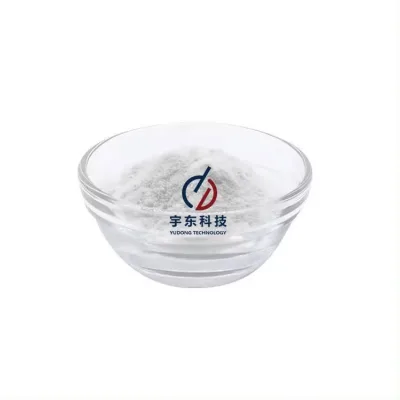
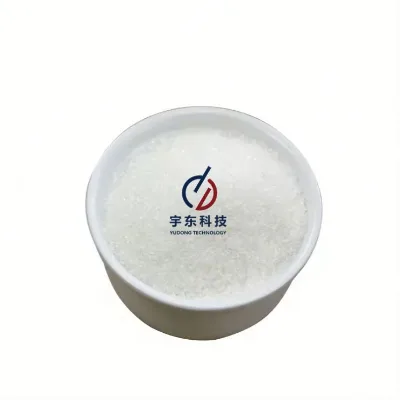
Cetearyl Alcohol Cetyl Alcohol 1-Hexadecanol for Cosmetic Grade CAS 36653-82-4
$2.00 - $69.00
MOQ: 1 Minimum
Hebei Koufeng Technology Co., Ltd.
- Manufacturer, Trading Company
- Hebei, China
- Lead time0 days
- Avg. response≤ 3h
Main productsfragrance oil,perfume oil,Soap noodle / soap base,SLES,LABSA
Main marketsOceania(20.00%), North America(20.00%), Western Europe(15.00%), Southeast Asia(10.00%), Eastern Asia(10.00%), Southern Europe(10.00%), Mid East(10.00%), Central America(3.00%), South America(2.00%)

Shandong Kaiyue Chemical Co., Ltd.
- Verified by SGS
- Trading Company
- China Shandong
- Lead time15 days
- Avg. response≤ 6h
Main marketsOthers(foreignTradeCapacity.exportBusinessCapacityMarketOther)

Cosmetic Grade Daily Chemicals Cetearyl Alcohol CAS 36653-82-4 and Cetyl Alcohol
$0.50 - $1.20
MOQ: 1 Pieces

Good Quality L Cetyl Alcohol Price Powder Raw Materia Cetyl Alcohol in Cosmetics
$0.50 - $1.20
MOQ: 1 Pieces

Hubei Highwin New Material Technology Co., Ltd
- Verified by SGS
- Trading Company
- China Hubei
- Lead time15 days
- Avg. response≤ 9h
Main productsEpoxy Resin, Chemical Raw Materials
Main marketsEurope


High Purity Cetyl Alcohol Skin/Personal Care Cetyl Alcohol CAS 36653-82-4 Daily Chemicals
$3.00 - $5.00
MOQ: 1 Tons

Shandong Baovi Energy Technology Co., Ltd
- Verified by BV
- Trading Company
- China Shandong
- Lead time15 days
- Avg. response≤ 3h
Main productsOrganic Chemistry, Green Solvent, Organic Intermediate, Pharmaceutical Intermediates, Antifreeze, Chemicals Intermediates, Basic Organic Raw Materials, Food Additives, Catalyst and Auxiliary Chemicals, Inorganic Chemistry
Main marketsAfrica


Cosmetic Grade Cetearyl Alcohol C16-18 Cetostearyl Alcohol CAS 67762-27-0 Emulsifier Raw Material
$700.00 - $900.00
MOQ: 1 Tons

Shandong Qingjiang Zhilian Technology Co., Ltd.
- Trading Company,Manufacturer/Factory
- China Shandong
- Lead time0 days
- Avg. response≤ 1h
Main productsLiquid Detergent, Laundry Washing Powder, Laundry Detergent, Soap Noodle

Cosmetic Raw Material Cetearyl Alcohol with High Purity CAS 8005-44-5 C16-C18
$12.00 - $37.00
MOQ: 1 Tons

Pure Cetearyl Alcohol Hexadecyl Octadecyl Alcohol Cosmetic Grade Raw Material for Skincare
$12.00 - $37.00
MOQ: 1 Tons
Xi'an Eco Biotech Factory Co., Ltd.
- Verified by Intertek
- Manufacturer, Trading Company
- Lead time10 days
- Avg. response≤ 2h
Main productsSoftgels, Drops, Healthcare Products, Gummies, Solid Drink
Main marketsNorth America(30%), Southeast Asia(20%), South America(10%)

Tianjin Chuangjiaguan Biotechnology Co., Ltd.
- Trading Company
- China Tianjin
- Lead time0 days
- Avg. response≤ 7h
Main productsWhey Protein Powder Monohydrate Creatine, Cocoa Butter, Cocoa Powder, Xanthan Gum, Milk Protein, Hydrolyzed Beef Protein, Creatine Anhydrous, Guar Gum, Limonene, Matcha Powder


Top Quality Cosmetic Cetyl Alcohol Stearyl Alcohol Wholesale Price CAS 36653-82-4
$1.71 - $1.81
MOQ: 5000 kg

Factory Supply Cetyl Alcohol/1-Hexadecanol Cosmetic Grade Emulsifier Cetyl-Alcohol CAS 36653-82-4
$1.54 - $1.66
MOQ: 5000 kg

Dalian Huihai Shengtong Biotechnology Co., Ltd.
- Trading Company
- China Liaoning
- Lead time0 days
- Avg. response≤ 2h
Main productsPolyaluminum Chloride (PAC), Polyacrylamide PAM, Ferrous Sulfate, Aluminum Sulfate, Blue Copper Peptide, Betaine, Glycerin, Cosmetic Peptide, Peptides, Carbomer

Cosmetic Grade Raw Material Cetyl Alcohol/1-Hexadecanol CAS 67762-27-0
$2500.00 - $3200.00
MOQ: 25 Tons

Cosmetic Grade Cetyl Alcohol Thickening Stabilizer CAS 36653-82-4 Bulk Stock
$268.00 - $355.00
MOQ: 25 kg

Shijiazhuang Sincere Chemicals Co., Ltd.
- Verified by BV
- Trading Company
- China Hebei
- Lead time15 days
- Avg. response≤ 23h
Main productsDichlorodiethyl Ether, 35-Dimethylpiperidine, Tetramethylethylenediamine, Formamide, 4-Methylpiperidine, N-Methylpiperidine, 3-Methylpiperidine, N-Methylformamide, N-Methylmorpholine N-Oxide, N-Formylmorpholine
Main marketsEast Asia(Japan/ South Korea),Domestic,Europe,North America
Jinan Zhonghe Chemical Co., Ltd.
- Verified by SGS Group
- Trading Company
- Lead time3 days
- Avg. response≤ 4h
Main productsOrganic Raw Materias, Inorganic Raw Materials, Catalysts, Chemical Additives
Main marketsNorth America(15%), Southeast Asia(15%), Eastern Asia(15%)
- Trading Company
- Shaanxi, China
- Lead time0 days
- Avg. response≤ 1h
Main productsPlant Extract,Cosmetics Raw Materials,Chemicals Daily,Food Additives
Main marketsNorth America(20.00%), Eastern Europe(15.00%), Southern Europe(12.00%), Southeast Asia(10.00%), Mid East(8.00%), Central America(7.00%), Western Europe(6.00%), Northern Europe(5.00%), South Asia(4.00%), Africa(3.00%), South America(3.00%), Eastern Asia(3.00%), Oceania(3.00%), Domestic Market(1.00%)

NINGBO HI-TECH ZONE YEFENG NEW MATERIALS TECHNOLOGY CO.,LTD.
- Verified by SGS
- Trading Company
- China Zhejiang
- Lead time0 days
- Avg. response≤ 4h
Main productsLanolin Anhydrous, Alkyl Polyglucoside, Sodium Cocoamphoacetate, Laureth -7 Citrate, Polyglyceryl-3 Diisostearate, Peg-75 Lanolin, Peg-7 Hydrogenated Castor Oil, Isopropyl Palmitate








Comprehensive Sourcing Guide
Cosmetic Raw Material Cetyl Alcohol Supplier Concentration and Factory Types
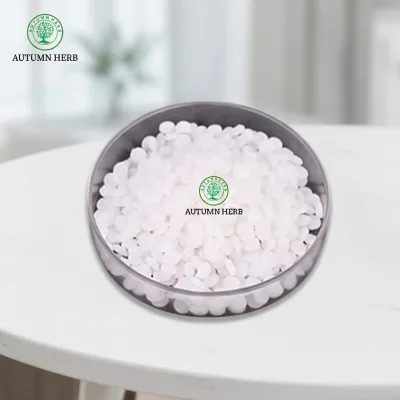
Current data indicates a concentration of suppliers located in China Hebei, where both trading companies and manufacturers operate within the cosmetic raw material sector. Some entities in this region list main products including Aluminum Sulfate, PAC, Xanthan Gum, Citric Acid, SLES, and LABSA alongside Cetyl Alcohol variants. Other suppliers in the same geographic area focus on rare earth oxides like Yttrium Oxide and Titanium Oxide, suggesting a broader chemical manufacturing cluster rather than a specialized single-product facility. Buyers should verify if a specific factory specializes in fatty alcohols or if Cetyl Alcohol is a secondary offering within a diverse chemical portfolio. The presence of ODM and OEM capabilities suggests that some facilities offer customization for specific purity grades or packaging requirements, while others may function primarily as distributors for third-party production.
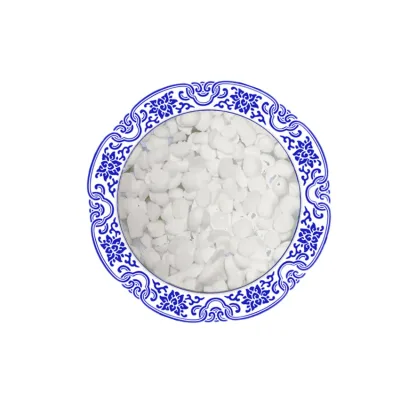
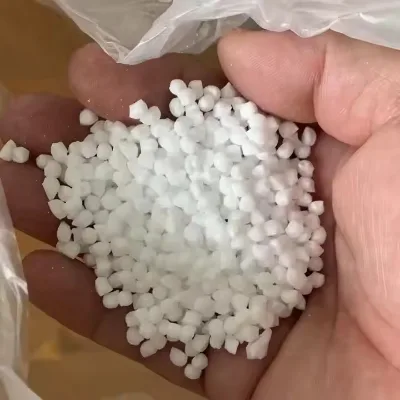
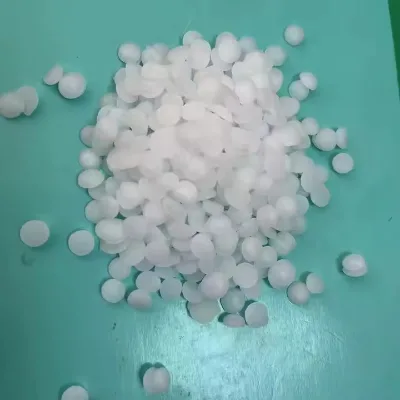
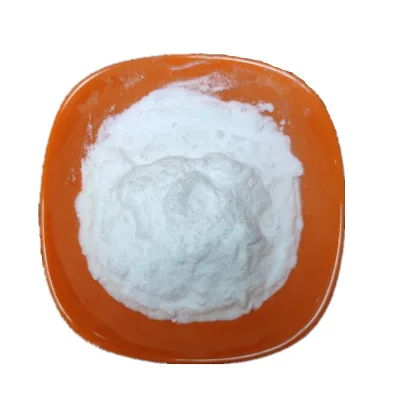
When assessing factory types, buyers must distinguish between trading companies and direct manufacturers based on the company type field provided in supplier profiles. Trading companies often aggregate products from multiple sources, whereas manufacturers typically list specific production models like QY887 or Dongfang and may offer free samples directly from their production lines. Evidence shows some suppliers provide detailed product attributes such as "Granule" or "Liquid" appearance and specific hydroxyl numbers, which can indicate direct processing capabilities. However, without explicit confirmation of the facility's ownership or production capacity, buyers should treat all listed entities as potential intermediaries until verified. The distinction is critical for understanding who controls the quality assurance process and who bears responsibility for production delays or specification deviations in the final shipment.
How to Verify Cosmetic Raw Material Cetyl Alcohol Suppliers
Verification of supplier credentials is essential when sourcing cosmetic raw materials, as the market contains both verified and unverified entities. Some suppliers in the current results hold SGS verification status, while others display TUVRHEINLAND certification, indicating third-party validation of their business operations or product quality. Buyers should prioritize suppliers with these specific verification badges to ensure a baseline of operational legitimacy. Additionally, system certifications such as ISO 9001, ISO 14001, BSCI, and GMP provide further evidence of a supplier's adherence to international management standards. These certifications are particularly relevant for cosmetic ingredients, where regulatory compliance and environmental safety are paramount for downstream manufacturing processes.
Beyond external certifications, buyers should examine the specific product evidence provided in supplier listings to confirm authenticity. Detailed product attributes like CAS numbers (8005-44-5 or 36653-82-4), purity levels (min 99% or 98% Min), and specific models (QY-1, QY-4) serve as tangible proof of product knowledge and inventory depth. Suppliers offering free samples or clearly defined delivery times, such as "7-14 Working Days After Payment," demonstrate a higher level of operational transparency. Buyers must cross-reference these claims with the supplier's response time, which varies from 2.66 to 8.12 hours in the current data, to gauge their responsiveness to inquiries. A supplier with a fast response time and detailed product specifications is more likely to provide accurate information and reliable service throughout the procurement lifecycle.
What to Compare Across Cosmetic Raw Material Cetyl Alcohol Suppliers
Comparing suppliers requires a systematic evaluation of key operational metrics including lead time, minimum order quantity, and pricing structures. Lead times in the current dataset range from 15 days to specific windows like "Within 7-15 Days," which directly impacts production planning and inventory management. Buyers should calculate the total time from order placement to delivery, factoring in potential customs clearance if the supplier is located in China Hebei. Minimum order quantities also vary significantly, with some suppliers requiring 1000 units while others accept orders as low as 10 units or 25kg bags. This flexibility allows buyers to test the market with smaller volumes before committing to larger, more expensive orders, reducing financial risk during the initial sourcing phase.
Pricing and packaging specifications are equally critical dimensions for comparison across different suppliers. Price ranges observed in the data span from $0.50 to $2100.00, reflecting differences in product grade, purity, and packaging formats. Some suppliers offer products in 25kg PP bags or Kraft bags, while others provide granule or liquid forms with specific packing models. Buyers must align these specifications with their own manufacturing requirements, ensuring that the chosen packaging is compatible with their storage and handling systems. Additionally, the presence of customization options, such as available customization for specific grades or models, allows buyers to tailor the product to their exact needs. A thorough comparison of these factors ensures that the selected supplier offers the best value proposition while meeting all technical and logistical requirements.
Common Cosmetic Raw Material Cetyl Alcohol Sourcing Risks
One significant risk in sourcing cosmetic raw materials is the potential mismatch between product descriptions and actual specifications. While some listings claim a purity of "min 99%" or "98% Min," others may list "Industrial Grade" or "Cosmetic Grade" without providing detailed test reports. Buyers must verify that the product grade matches their intended application, as industrial grade materials may not meet the stringent safety standards required for cosmetic formulations. The presence of multiple CAS numbers, such as 8005-44-5 and 67762-27-0, further complicates the verification process, as these may represent different isomers or blends. Without clear documentation, buyers risk receiving materials that do not perform as expected in their final products, leading to production delays and potential regulatory non-compliance.
Another critical risk involves the reliability of delivery timelines and the consistency of product quality over time. While some suppliers promise delivery within 7-15 days, others list a fixed lead time of 15 days, which may not account for unforeseen delays in production or logistics. The variation in response times, ranging from 2.66 to 8.12 hours, can also indicate differences in customer service quality and the ability to resolve issues promptly. Buyers should be cautious of suppliers who do not provide clear information about their production capacity or who lack specific certifications like ISO 9001 or GMP. These gaps in information can signal a higher risk of quality inconsistencies or delivery failures, which can disrupt the buyer's supply chain and damage their reputation with end consumers.
Cosmetic Raw Material Cetyl Alcohol Regional Sourcing and Logistics
Sourcing from China Hebei offers logistical advantages due to the region's established chemical manufacturing infrastructure and proximity to major ports. Suppliers in this area often list their origin as China, which simplifies the initial verification of product provenance. However, buyers must consider the implications of shipping from this specific region, including potential transit times and customs procedures. The distance from the factory to the port of loading can affect the overall lead time, especially if the supplier is located inland. Buyers should request detailed shipping terms from the supplier to understand the Incoterms being used and who is responsible for freight costs and insurance. This information is crucial for accurate cost modeling and risk management in the supply chain.
Logistics planning also involves evaluating the packaging and handling requirements for the specific product form, whether granule or liquid. Some suppliers offer 25kg PP bags or Kraft bags, which are standard for bulk chemical transport, while others may provide custom packaging solutions. Buyers should ensure that the packaging is suitable for long-distance shipping and storage, protecting the product from moisture, contamination, or physical damage. Additionally, the availability of samples, as noted in some supplier profiles, allows buyers to test the product's quality and compatibility with their existing processes before placing a large order. This step is essential for mitigating the risk of receiving substandard materials and ensures that the final product meets the required specifications for cosmetic applications.
Cosmetic Raw Material Cetyl Alcohol Commercial Terms and Order Planning
Commercial terms and order planning are fundamental to a successful procurement strategy, requiring careful attention to payment conditions and order volume. Suppliers in the current dataset offer varying minimum order quantities, from 10 units to 1000 units, which allows buyers to scale their orders based on demand and budget constraints. Buyers should negotiate payment terms that align with their cash flow, considering options like escrow services or letters of credit to protect against non-delivery or quality issues. The presence of customization options and specific product models, such as QY887 or Dongfang, provides opportunities to tailor orders to specific needs, but buyers must confirm these details in writing before finalizing the agreement.
Order planning also involves managing the relationship between price, quality, and delivery speed. While some suppliers offer competitive prices ranging from $0.50 to $2100.00, buyers must balance cost savings with the need for high-quality, certified materials. The response time of the supplier, which can range from 2.66 to 8.12 hours, is a key indicator of their ability to handle urgent requests and resolve issues quickly. Buyers should establish clear communication channels and set expectations for response times and delivery schedules to ensure a smooth transaction. By carefully planning orders and negotiating favorable commercial terms, buyers can minimize risks and maximize the value of their sourcing efforts in the competitive cosmetic raw material market.
FAQs
What is the typical price range for cosmetic grade cetyl alcohol?
Prices for cosmetic grade cetyl alcohol vary significantly based on purity and packaging. Some listings show ranges from 0.50 to 6.00 per unit, while others indicate costs between 1950 and 2150 depending on the specific model and quantity ordered. Buyers should verify current rates against their required specifications.
What are the minimum order quantities for cetyl alcohol suppliers?
Minimum order quantities differ across suppliers, with some requiring as little as 10 units or 20 kilograms. Other listings specify a minimum of 1000 units or 25 kilograms per bag. It is essential to check individual product pages to confirm the exact MOQ before placing an order for bulk purchases.
How long does it take to receive cetyl alcohol after payment?
Lead times for delivery typically range from 7 to 15 working days after payment confirmation. Some suppliers indicate a standard lead time of 15 days, while others promise delivery within 7 to 14 days. Buyers should confirm specific timelines with the supplier to ensure timely receipt of materials.
Where are the manufacturers of cetyl alcohol located?
Most suppliers offering cetyl alcohol are located in Hebei, China. The product origin is consistently listed as China across various listings. Buyers seeking specific regional sourcing should verify the exact location details provided in the supplier profile to ensure alignment with logistics requirements.
What certifications do cetyl alcohol suppliers hold?
Suppliers often hold multiple certifications including ISO 9001, ISO 14001, and GMP. Some are verified by SGS or TÜV Rheinland, ensuring quality standards are met. Buyers should request specific certification documents to confirm compliance with international safety and quality regulations for cosmetic raw materials.
Is customization available for cetyl alcohol products?
Customization is available for many cetyl alcohol products, allowing buyers to specify packaging or purity levels. Suppliers offer options like 25kg bags or specific models such as QY-1. Buyers should discuss their unique requirements with the supplier to ensure the final product meets their exact formulation needs.
What is the purity level of cosmetic grade cetyl alcohol?
Purity levels for cosmetic grade cetyl alcohol typically range from 98% to 99% minimum. Some products specify a standard of 99% or a C16 to C18 ratio of 30:70. Buyers must verify the purity percentage on the product specification sheet to ensure it meets their quality standards.