Find Cosmetic Raw Material Potassium Pyrosulfate Suppliers
Browse 22 suppliers offering Cosmetic Raw Material Potassium Pyrosulfate and compare grounded dimensions such as purity specifications, ISO certification, lead times, response times and manufacturing location. Filter the results to shortlist candidates, then request samples and quotations directly from each supplier.
Suppliers List

Hebei Fiza Technology Co., Ltd.
- Verified by BV
- Trading Company
- China Hebei
- Lead time15 days
- Avg. response≤ 11h
Main productsLead Oxide Lead Sufate, Barium and Strontium Salt, Chlorine Dioxide, Flux and Crucible Cupel, Sodium Percarbonate, Potassium Mono Persulfate, Ammonium Polyphosphate, Soap, Detergent
Main marketsOthers(foreignTradeCapacity.exportBusinessCapacityMarketOther)


Factory Price Potassium Persulfate Potassium Peroxodisulfate (CAS: 7727-21-1)
$1400.00 - $1550.00
MOQ: 10 Tons


- Manufacturer, Trading Company
- Shandong, China
- Lead time10 days
- Avg. response≤ 10h
Main productsPhotoinitiators,Glyoxal,Glyoxylic acid,Glycolic acid,Dimethyl disulfide
Main marketsDomestic Market(45.00%), Mid East(16.00%), North America(12.00%), South America(10.00%), Eastern Asia(8.00%), Eastern Europe(3.00%), Southern Europe(3.00%), Western Europe(3.00%)
Shandong Yurun Chemical Co., Ltd.
- Manufacturer/Factory
- China Shandong
- Lead time15 days
- Avg. response≤ 22h
Main productsAdblue Urea, Sodium Bicarbonate, Calcium Chloride, Magnesium Chloride, Urea Ammonium Nitrate, Ammonium Chloride, Sodium Metabisulphite, Magnesium Sulphate, Urea Formaldehyde, Magnesium Silicate
Main marketsSouth America,Eastern Europe,Mid East,North America,Southeast Asia,Eastern Asia,Oceania,Western Europe,Africa

Wuhan Kangzheng Science and Technology Co., Ltd.
- Verified by SGS
- Trading Company
- China Hubei
- Lead time15 days
- Avg. response≤ 4h
Main productsEDTA, Ammonium Thiosulfate, Potassium Thiosulfate, Calcium Thiosulfate, Magnesium Thiosulfate, Ferrous Sulphate, Sulfuric Acid, Hydrochloric Acid, Phosphorous Acid, Monocalcium Phosphate
Main marketsSouth America,Southeast Asia/ Mideast,Domestic,Europe,Australia,North America

Hebei Jietou Chemical Technology Co., Ltd.
- Verified by SGS
- Trading Company
- China Hebei
- Lead time15 days
- Avg. response≤ 5h
Main productsChemical Products
Main marketsSoutheast Asia/ Mideast

Shanghai Bosman Industrial Co., Ltd.
- Verified by BV
- Trading Company
- China Shanghai
- Lead time30 days
- Avg. response≤ 18h
Main productsAgrochemicals Bosman, Herbicide Hot Sale, Insecticide, Pesticide, Fungicide, Disinfectant, Fertilizer, Glyphosate, Propiconazole, Plant Growth Regulator
Main marketsSouth America,Africa,Southeast Asia/ Mideast
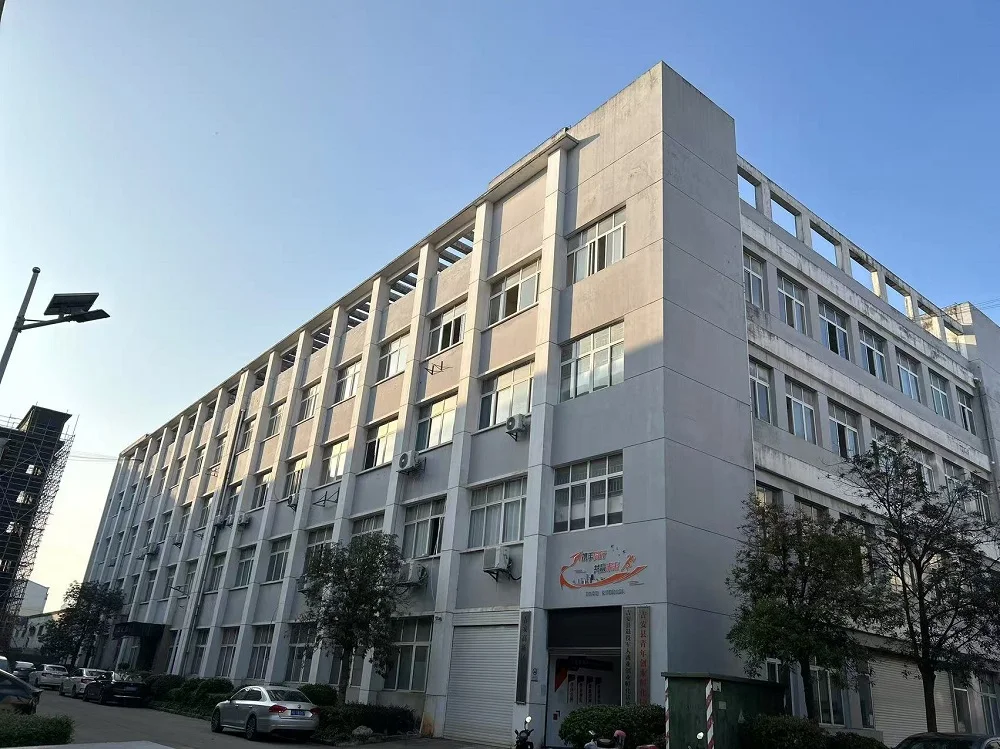
Jiangxi Shengwei Chemical Technology Co., Ltd.
- Trading Company
- Jiangxi, China
- Lead time0 days
- Avg. response≤ 3h
Main productsAnalytical chemical reagent,Laboratory supplies,Materials Chemistry,Biochemical Reagents,chemical raw materials
Main marketsMid East(30.00%), North America(30.00%), Central America(10.00%), Western Europe(10.00%), South America(10.00%), Eastern Europe(10.00%)
Boqi Chemicals(Shanghai)Company Limited
- Verified by BV
- Trading Company
- China Shanghai
- Lead time15 days
- Avg. response≤ 4h
Main productsOxalic Acid, Calcium Formate, Potassium Formate, Sodium Formate, Humic Acid
Main marketsSouth America,East Asia(Japan/ South Korea),Europe

K2s2o8 Industrial Cosmetic Grade Price Persulphate Potassium Persulfate
$1885.00 - $2270.00
MOQ: 25 Tons

K2s2o8 CAS 7727-21-1 Industrial Cosmetic Grade Price Persulphate Potassium Persulfate
$1885.00 - $2270.00
MOQ: 25 Tons

K2s2o8 CAS 7727-21-1 Industrial Cosmetic Grade Price Potassium Persulphate
$1885.00 - $2270.00
MOQ: 25 Tons

CAS 7727-21-1 Industrial Cosmetic Grade Price Persulphate Potassium Persulfate
$1885.00 - $2270.00
MOQ: 25 Tons
Beijing Jinchenyuan Trading Co., Ltd.
- Manufacturer/Factory
- China Beijing
- Lead time15 days
- Avg. response≤ 7h
Main productsChemicals
Main marketsSouth America,Eastern Europe,Mid East,North America,Southeast Asia,Eastern Asia,Oceania,Western Europe,Africa

Potassium Lauryl Phosphate Cosmetic Raw Material Foaming Agent for Hair Care Chemicals
$1.50 - $2.10
MOQ: 25 kg


Dalian Eastland International Trading Co., Ltd.
- Verified by BV
- Trading Company,Manufacturer/Factory,Group Corporation
- China Liaoning
- Lead time23 days
- Avg. response≤ 10h
Main productsLactic Acid, L-Lactic Acid, Buffered Lactic Acid, Sodium Lactate, Chemical Product, Calcium Lactate, Chemical
Main marketsSouth America,Eastern Europe,Mid East,North America,Southeast Asia,Eastern Asia,Oceania,Western Europe,Africa


Acesulfame Potassium/ Acesulfame K Potassium Acetylsulfonate CAS No. 55589-62-3
$4.00 - $18.00
MOQ: 100 kg

Shanghai Worldyang Chemical Co., Ltd.
- Verified by BV
- Trading Company
- China Shanghai
- Lead time30 days
- Avg. response≤ 8h
Main productsIntermediates, Chemical Products, Biological Buffers, Hormones
Main marketsSouth America,East Asia(Japan/ South Korea),Domestic,Europe,North America
Sinochem Supply Chain Management Co., Ltd.
- Verified by TUVRHEINLAND
- Trading Company
- China Shandong
- Lead time15 days
- Avg. response≤ 13h
Main productsSodium Benzoate, Benzoic Acid, Calcium Propionate, Vanillin, Aspartame, Allicin, Sodium Butyrate, Potassium Sorbate, Menthol Crystal, Sucralose
Main marketsSouth America,Eastern Europe,Mid East,North America,Southeast Asia,Eastern Asia,Oceania,Western Europe,Africa
Shantou Bangde Chemical Co., Ltd.
- Manufacturer, Trading Company
- Guangdong, China
- Lead time0 days
- Avg. response≤ 9h
Main productsCosmetic ingredients,Surfactant,Foundation Powder,Cosmetic emulsifier,Pigments
Main marketsDomestic Market(50.00%), Mid East(20.00%), South Asia(10.00%), South America(10.00%), North America(10.00%)

Suzhou Greenway Biotech Co., Ltd.
- Verified by BV
- Trading Company,Manufacturer/Factory
- China Jiangsu
- Lead time15 days
- Avg. response≤ 7h
Main productsGlutathione, Nmn, Pharmaceutical Intermediates, Cosmetic Materials, Nutritional Supplements
Main marketsSouth America,Eastern Europe,Mid East,North America,Southeast Asia,Eastern Asia,Oceania,Western Europe,Africa
Zhengzhou Alfa Chemical Co., Ltd.
- Trading Company
- Henan, China
- Lead time7 days
- Avg. response≤ 5h
Main productsCOFS/MOFS,Intermediates,Organic Chemistry,OLED/ Photoelectric Materials,Metal Catalysts
Main marketsDomestic Market(40.00%), North America(20.00%), Eastern Asia(15.00%), Southeast Asia(10.00%), South America(5.00%), Western Europe(5.00%), Oceania(5.00%)
Hebei Kenbin Technology Co., Ltd.
- Verified by SGS
- Trading Company
- China Hebei
- Lead time15 days
- Avg. response≤ 4h
Main productsTiO2, SLES, K12, Stearic Acid, LABSA, Glycerin
Main marketsAfrica

Qingdao Twell Sansino Import & Export Co., Ltd.
- Trading Company
- China Shandong
- Lead time15 days
- Avg. response≤ 19h
Main productsFood Additive, Citric Acid, Sodiumalglinate, Malic Acid, Tartaric Acid, Sodium Benzoate, Sodium Saccharin, Aspartame, Carboxymethylcellulose Sodium CMC, Acetic Acid Glacial
Main marketsSouth America,Others(foreignTradeCapacity.exportBusinessCapacityMarketOther),Europe
Jiangsu Xinsu New Materials Co., Ltd
- Verified by SGS
- Trading Company
- China Jiangsu
- Lead time15 days
- Avg. response≤ 14h
Main marketsSoutheast Asia/ Mideast,East Asia(Japan/ South Korea),Europe

Shandong Zhishang New Materials Co., Ltd
- Trading Company
- China Shandong
- Lead time15 days
- Avg. response≤ 4h
Main productsIsopropyl Myristate, Kojic Acid, Behenyl Trimethyl Ammonium Methyl Sulfate, Sodium Coconut Isethionate, Azelaic Acid, Magnesium Glycinate, Kojic Acid Dipalmitate, Sodium Dodecyl Benzene Sulfonate, Lpha-Arbutin, Trifluoroacetyl Tripeptide-2
Main marketsSouth America,Europe,North America
- Verified by SGS
- Manufacturer/Factory
- China Liaoning
- Lead time30 days
- Avg. response≤ 8h
Main productsCosmetic Ingredients, Cosmetic Preservatives, Biocides, Molecular Sieve, Color Developer, Glyoxylic Acid, PARA Nitrobenzoic Acid, Benzoic Acid, 6-Methyluracil, Methyl Salicylate
Main marketsSouth America,Eastern Europe,Mid East,North America,Southeast Asia,Eastern Asia,Oceania,Western Europe,Africa

Cosmetic Raw Materials Whitening Agent Potassium 2-Hydroxy-4-Methoxybenzoate CAS 152312-71-5
$280.00 - $350.00
MOQ: 1 kg

- Trading Company,Manufacturer/Factory
- China Liaoning
- Lead time15 days
- Avg. response≤ 2h
Main productsSoya Lecithin, Calcium Propionate, Propylene Glycol, Propylene Carbonate, Maltitol, Citric Acid, Gel Wax, Sapp/SHMP/Tspp/STPP/Tkpp, Vitamins
Main marketsSouth America,Eastern Europe,Mid East,North America,Southeast Asia,Eastern Asia,Oceania,Western Europe,Africa


Lauryl Hydroxysulfobetaine Lauryl Hydroxysultaine Cosmetic Raw Material with Low Price
$2.00 - $10.00
MOQ: 1 kg
Shaanxi Dennis Biotechnology Co., Ltd.
- Verified by Intertek
- Trading Company
- Lead time0 days
- Avg. response≤ 3h
Main productsSolid Drinks, Xanthan Gum, Locust Bean Gum, White Tuckahoe Extract, American Ginseng Extract








Comprehensive Sourcing Guide
Cosmetic Raw Material Potassium Pyrosulfate Supplier Concentration and Factory Types
Current data indicates that suppliers for this chemical are concentrated in specific Chinese provinces, with Hebei and Shandong emerging as key operational hubs. One observed supplier type is a Trading Company based in Hebei, while another entity in Shandong operates as both a Manufacturer and Trading Company. This mix suggests that buyers may encounter direct production facilities alongside intermediaries depending on the specific region they engage. The presence of manufacturers in Shandong implies a potential for direct factory pricing and customization capabilities, whereas trading companies in Hebei might offer broader product portfolios including related items like lead oxide or chlorine dioxide.
When evaluating the factory type, buyers should look for explicit declarations of "Manufacturer" status alongside "Trading Company" to understand the supply chain depth. Some listings highlight capabilities such as ODM, OEM, and own brand development, which are critical for cosmetic raw materials requiring specific formulations. The main products listed for these entities often extend beyond a single chemical, covering a wide range of inorganic salts and daily chemicals. This diversification can be advantageous for consolidated sourcing but requires careful verification to ensure the specific cosmetic-grade material is the primary focus rather than a secondary offering.
How to Verify Cosmetic Raw Material Potassium Pyrosulfate Suppliers
Verification is a critical step when sourcing cosmetic raw materials, and buyers should prioritize suppliers with third-party validation badges such as BV. The current dataset shows that at least one supplier holds BV verification, which serves as a tangible indicator of business legitimacy and operational stability. Beyond this badge, buyers must scrutinize system certifications like ISO9001:2015 and ISO14001:2015, which are explicitly listed for some suppliers. These certifications suggest adherence to quality management and environmental standards, which are essential for ingredients intended for personal care and cosmetic applications.
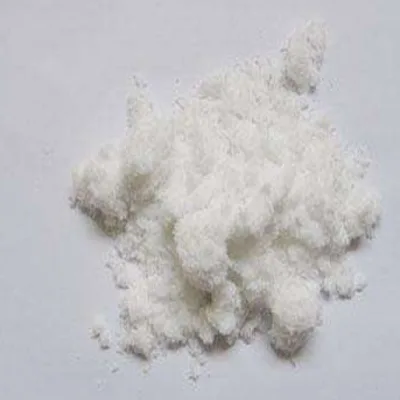
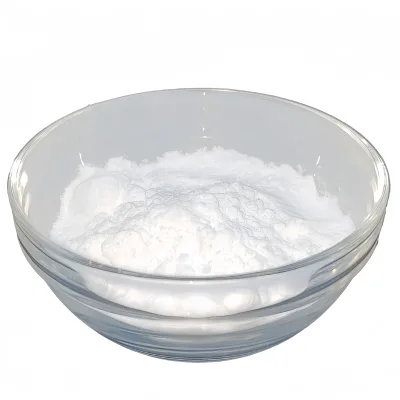
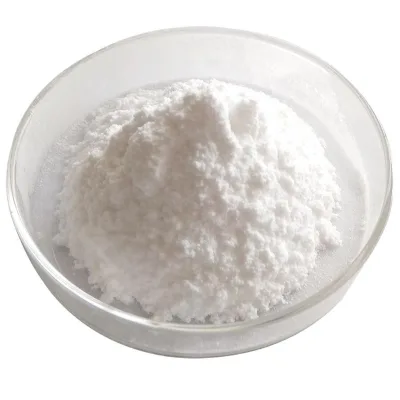
Buyers should also examine the specific product attributes provided in the listing to ensure they match cosmetic requirements. For instance, purity levels are listed as high as 99% or 98.0% for Potassium Pyrosulfate, with specific assay values and impurity limits like chloride content. It is vital to confirm that the "Grade Standard" is explicitly defined as Industrial Grade or higher, and that the appearance matches the required specification, such as white powder or white crystal. If a supplier claims to be a manufacturer, buyers should request evidence of their production capacity and ask for recent test reports to validate the stated purity and stability claims before proceeding with any transaction.
What to Compare Across Cosmetic Raw Material Potassium Pyrosulfate Suppliers
When comparing potential partners, buyers must analyze key operational metrics such as lead time, minimum order quantity, and response speed. The observed data reveals a lead time of 15 days for one supplier and 10 days for another, indicating variability in production and shipping schedules. Response times also differ, with some suppliers averaging around 10 to 10.62 hours, which impacts the speed of negotiation and issue resolution. These differences can significantly affect project timelines, especially for cosmetic manufacturers with tight production schedules, making it essential to compare these figures directly against your own operational needs.
Pricing and order flexibility are equally important dimensions for comparison. The minimum order quantities observed range widely, from 100 grams to 20 kilograms, depending on the specific product listing and supplier. Price points also vary, with some listings showing ranges from approximately 5 to 12 dollars per unit, while others for bulk industrial grades show prices between 1180 and 2000 dollars. Buyers should not assume all suppliers offer the same pricing structure or MOQ flexibility. It is necessary to request detailed quotes that account for the specific purity, packaging, and volume requirements to ensure a fair comparison of the total cost of ownership across different supplier profiles.
Common Cosmetic Raw Material Potassium Pyrosulfate Sourcing Risks
One significant risk involves the discrepancy between claimed purity and actual product quality, particularly when specifications vary across listings. Some products are listed with purity of 99%, while others specify 98.0% or a range of 30% to 50% for different compounds. For cosmetic applications, even minor variations in impurities like chloride content can affect the final product's safety and efficacy. Buyers must verify that the specific CAS number and assay results align with their formulation requirements, as relying solely on general product titles can lead to receiving materials that do not meet strict cosmetic standards.
Another risk relates to the stability and storage requirements of the chemical, which are often detailed in the product attributes. Potassium Pyrosulfate is described as an oxidizer that is stable but incompatible with combustible materials, requiring storage in a dry, sealed warehouse. If a supplier fails to provide clear storage instructions or if the packaging is not robust enough to prevent moisture ingress, the material could degrade during transit. Additionally, the lack of a standardized "establishment year" in the provided data makes it difficult to assess the long-term reliability of a supplier. Buyers should explicitly ask for the company's founding date and track record to mitigate the risk of engaging with transient or inexperienced vendors.
Cosmetic Raw Material Potassium Pyrosulfate Regional Sourcing and Logistics
Geographic location plays a pivotal role in determining logistics costs and delivery reliability for this chemical. The current results highlight suppliers located in Hebei and Shandong, with one specific listing noting a place of origin in Shanghai. These regions are major chemical manufacturing hubs in China, but the distance from the port of export can influence shipping times and freight costs. Buyers should verify the exact port of loading and the specific logistics partners used by the supplier to ensure that the supply chain is robust and capable of handling the specific hazards associated with oxidizing agents.
Logistics planning must also account for the specific packaging and handling requirements of the material. Listings indicate packaging options such as 25kg PP bags, sealed export drums, or sealed plastic bags, which must be suitable for international transport. The UN number 3260 is associated with some potassium compounds, signaling that the material is classified as a dangerous good requiring specialized shipping documentation and handling. Buyers need to confirm that the supplier has experience with hazardous material logistics and can provide the necessary safety data sheets and transport declarations to ensure compliance with international shipping regulations and avoid delays at customs.
Cosmetic Raw Material Potassium Pyrosulfate Commercial Terms and Order Planning
Commercial terms regarding payment, escrow, and order planning are essential for securing a safe transaction. While specific escrow details are not explicitly detailed in the current facts, the presence of BV verification suggests a level of transactional security. Buyers should always utilize secure payment methods and verify the supplier's ability to honor the agreed-upon terms before releasing funds. The minimum order quantities observed, ranging from 100 grams to 20 kilograms, require careful planning to balance inventory costs with production needs. Ordering too little may result in high per-unit costs, while ordering too much could lead to storage issues given the chemical's stability requirements.
Lead time and customization capabilities are also critical components of order planning. With lead times ranging from 10 to 15 days, buyers must factor in production and shipping time when scheduling their manufacturing runs. Some suppliers offer customization and own brand development, which can be valuable for creating unique cosmetic formulations. However, buyers should clarify the timeline for custom orders, as these may extend beyond standard lead times. It is advisable to establish a clear communication channel for updates on production status and to confirm the delivery schedule in writing to ensure that the cosmetic raw material arrives exactly when needed for production.
FAQs
What is potassium pyrosulfate used for in cosmetic formulations?
It is listed as a raw material for cosmetics, detergents, hair care, and oral care applications. Suppliers typically offer it as a white powder or white crystal with purity around 99%. Before purchasing, confirm with your own formulator that the grade, impurity limits such as chloride content, and regulatory status match your intended cosmetic use, since listings may describe industrial or general-purpose material.
What purity and appearance can buyers expect from listed potassium pyrosulfate?
Listings commonly describe a white powder or white crystal with purity of 99% and an assay of at least 98%. Some listings also state a chloride limit of 0.01% or less. Always request a certificate of analysis for the exact batch, verify the CAS number 7790-62-7 on the document, and check whether the offered grade is suitable for cosmetic raw material use.
How is potassium pyrosulfate packaged for export orders?
Listed packaging options include sealed export drums with sealed plastic bags, and related potassium sulfate products are often packed in 25kg PP bags. Shelf life is stated as two years, with storage in a dry, sealed warehouse. Confirm packaging weight per drum, moisture protection, and whether hazardous-goods labeling applies, since some potassium peroxy-salts carry a UN classification requiring compliant export handling.
What is the typical MOQ and price range for potassium pyrosulfate?
Listings show MOQs as low as 100 grams for samples or small lots, with unit prices roughly between about five and twelve dollars depending on quantity and specification. Related potassium persulfate products list MOQs of 10 to 20 units with higher per-ton prices. Request quotations for your exact volume, since price scales with order size, purity, and shipping terms.
How fast do suppliers of potassium pyrosulfate respond and deliver?
Listed response times are around ten to eleven hours, and stated lead times run from ten to fifteen days depending on the supplier. Some listings promise dispatch as soon as possible after payment. Treat these as indicative only: ask each supplier to confirm current response hours, production scheduling, and transit time to your port before committing to a delivery date in your contract.
Can suppliers provide samples and customized specifications?
Sample availability is stated in several potassium pyrosulfate listings, and related potassium persulfate listings indicate customization is available. Samples let you verify appearance, purity, and packaging before committing to bulk quantities. Ask whether the sample is free or charged, who pays freight, how long sample preparation takes, and whether the bulk production batch will be tested against the same specification as the approved sample.
Which supplier locations and company types are common for this chemical?
Listed suppliers of potassium pyrosulfate and related potassium salts are located in Shandong and Hebei, China, and operate as manufacturers, trading companies, or combined manufacturer-trading companies. Location affects freight cost and lead time, while company type affects pricing transparency and quality control. Ask potential partners whether they produce in-house or resell, and request their plant address and export experience with chemicals.
What certifications should I verify before ordering?
At least one listed supplier holds ISO9001:2015 and ISO14001:2015 system certifications, and product listings reference ISO certification. Certificates indicate a quality management system but do not guarantee cosmetic compliance for your market. Request copies of valid certificates, check scope and expiry dates, and separately confirm compliance with cosmetic ingredient regulations in your destination country before placing a production order.