Cosmetic Storage Handbag Suppliers and Manufacturers
Source 21 verified Cosmetic Storage Handbag suppliers from China Fujian and Zhejiang. Compare response times, lead times, MOQs, and certifications to find the right partner. Contact suppliers directly to request samples and negotiate pricing; review the available evidence before requesting comparable quotations from suitable candidates.
Suppliers List

Xiamen Ederbou Industry&Trade Co., Ltd.
- Verified by CTI
- Combined
- China Fujian
- Lead time30 days
- Avg. response≤ 6h
Main productsCooler Insulated Bags, Backpacks, Delivery Bags, Travel Bags, Sports Bags, Picnic Bags
Main marketsSouth America,Southeast Asia/ Mideast,East Asia(Japan/ South Korea),Europe,Australia,North America

- Verified by SGS
- Combined
- China Zhejiang
- Lead time15 days
- Avg. response≤ 5h
Main productsCosmetic Bag, Travel Bag, Tote Bag
Main marketsEurope,Australia
Hefei Exciway Import & Export Co., Ltd.
- Trading Company
- Anhui, China
- Lead time35 days
- Avg. response≤ 6h
Main productsBackpacks,Cosmetic bags,Business bag&cases,Handbags,Luggage&Travel bags
Main marketsWestern Europe(30.0%), North America(25.0%), Northern Europe(10.0%), Eastern Europe(10.0%), Southern Europe(5.0%), Southeast Asia(5.0%), Mid East(5.0%), Oceania(5.0%), South America(3.0%), Central America(2.0%)

Difanmax Tech Lianyungang Co., Ltd.
- Verified by BV
- Manufacturer/Factory
- China Jiangsu
- Lead time23 days
- Avg. response≤ 4h
Main productsConsumer Electronics, Kinesiology Tape Adhesive Tapes, Industrial Tools, Home & Garden, Gifts & Crafts, Sport Products Entertainment, Health & Medical, Auto Parts E-Bike Auto Tools & Components, Clothes Apparel, Bicycle Hardware Laboratory Measuring Protective
Main marketsSouth America,North America,Southeast Asia,Oceania,Western Europe

XinMao Packaging Products Dongguan Co., Ltd.
- Verified by SGS
- Manufacturer
- China Guangdong
- Lead time15 days
- Avg. response≤ 10h
Main productsNeoprene Bag, Laptop Sleeve, Bottle / Can Cooler, Phone / Camera Bag, Ice / Lunch Bag, Key Chain / Glasses Holder, Neoprene Gloves, Shopping Bag, Cosmetic/Pennies/Stationery Pouch, Felt Bag
Main marketsEurope,Australia

Jinjiang Jiaxing Import and Export Co., Ltd.
- Verified by CTI
- Manufacturer/Factory
- China Fujian
- Lead time120 days
- Avg. response≤ 1h
Main productsShoes, Slipper, Clothes, Promotion Gifts, Silicone Products, Outdoor Sports Products, Bags, Fashion Accessories, Consumer Electronics
Main marketsSouth America,Eastern Europe,Mid East,North America,Southeast Asia,Eastern Asia,Oceania,Western Europe,Africa

Changrun Bag & Case Manufacture Co., Ltd.
- Verified by TUVRHEINLAND
- Combined
- China Guangdong
- Lead time23 days
- Avg. response≤ 5h
Main productsBackpack, Travel Bag, Laptop Bag, Trolley Bag, Cosmetic Bags, Handbag, Duffel Bag, Bag, China Backpack, China Travel Bag
Main marketsDomestic

DongGuan Saivlon Sport Goods Co., Ltd.
- Verified by BV
- Combined
- China Guangdong
- Lead time23 days
- Avg. response≤ 5h
Main productsSwimsuit, Rash Guard, Horse Equipment, Sport Swear, Horse Products, Horse Rug, Horse Bell Boots, Horse Bits, Neoprene Bag, Horse Tack
Main marketsSouth America,East Asia(Japan/ South Korea),Europe,Australia,North America
Dongguan City DIADIA Industrial Co., Ltd.
- Manufacturer, Trading Company
- Guangdong, China
- Lead time15 days
- Avg. response≤ 4h
Main productsCosmetic Bag, Hand Bag, Messenger Bag, Backpack, Pencil Bag
Main marketsEastern Asia(45.0%), North America(10.0%), Southeast Asia(10.0%), South America(5.0%), Oceania(5.0%), Western Europe(5.0%), Southern Europe(5.0%), Northern Europe(5.0%), Eastern Europe(5.0%), Mid East(5.0%)

Jinjiang Jiaxing Supply Management Co., Ltd.
- Verified by TUVRHEINLAND
- Trading Company
- China Fujian
- Lead time30 days
- Avg. response≤ 1h
Main productsEVA Clogs, Flip Flop, Shoe Charms, Shopping Bags, Wristbands, Gifts, Promotional Gifts, Slipper, Sport Cap, Ball
Main marketsNorth America

- Verified by SGS
- Trading Company
- China Zhejiang
- Lead time23 days
- Avg. response≤ 3h
Main productsBaseball Cap, Hat, Handbag, Duffle Bag, UV Hat, Sport Cap, Sport Hat, Travel Bag, Cosmetic Bag, Storage Bag
Main marketsSouth America
Shanghai Tuanjue Trading Co., Ltd.
- Trading Company
- China Shanghai
- Lead time0 days
- Avg. response≤ 25h
Main productsLadies' Bag
- Verified by BV
- Trading Company
- China Fujian
- Lead time30 days
- Avg. response≤ 25h
Main productsBackpack Bag, School Bag, Travel Bag, Backpack, Waterproof Bag, Cooler Bag, Trolley Suitcase, Luaggage
Main marketsSouth America,Europe,North America
Guangdong Qihui Cases Co., Ltd.
- Verified by SGS Group
- Manufacturer, Trading Company
- Lead time30 days
- Avg. response≤ 2h
Main productsMakeup Bag\t, Trolley Makeup Case\t, Makeup Box with Light\t, Makeup Tools\t\t, Luggage Suitcase
Main marketsNorth America(38%), Domestic Market(30%), Western Europe(7%)
Yangzhou Bozhiyue Import and Export Trading Co., Ltd.
- Verified by SGS
- Trading Company
- China Jiangsu
- Lead time15 days
- Avg. response≤ 6h
Main productsLuxury Handbag, Sling Bag, Tote Bag, Shopping Bag, Canvas Bag, Garment Bag
Main marketsEurope
Yang Donggui Food Businesstrading Company
- Trading Company
- China Fujian
- Lead time0 days
- Avg. response≤ 1h
Main productsClothing, Shoe, Jewelry, Watch, Bag, Belt, Down Jacket

Guangdong Min Sun Environmental Protection Packaging Technology Co., Ltd.
- Verified by SGS
- Manufacturer
- China Guangdong
- Lead time15 days
- Avg. response≤ 2h
Main productsPlastic Packaging Products, Printed Plastic Products, Film Rolls, Laminated Plastic Packaging Products, Food Packaging Bag, Industry Packaging Bag, Medicine Use Packaging Bag, Shrink Label, Gravure Printing Products, Custom Packaging Service
Main marketsEurope,North America

Ningbo Anklun Imp. & Exp. Co., Ltd.
- Verified by SGS
- Trading Company
- China Zhejiang
- Lead time30 days
- Avg. response≤ 4h
Main productsBags and Suitcase, LED Lights and LED Torches, Umbrellas, Toys and Inflatable Items, Stationeries and Gifts, Keychains and Bottle Openers, Kitchenwares&Dishwares, Tools, Daily Necessities General Merchandises, Promotional Items Gifts and Goods
Main marketsEurope


Hot Selling New Design Fashion Customized Whole Sale Promotion Cosmetic Pouch Hand Bag
$0.30 - $0.80
Moq: 3000


Guangzhou Fu Li Ya Industry Co., Ltd.
- Verified by TUVRHEINLAND
- Combined
- China Guangdong
- Lead time30 days
- Avg. response≤ 10h
Main productsShopping Bag, Promotional Bag, Canvas Bag, Polyester Bag, Cotton Bag, Tote Bag, Non Woven Bag, Garment Bag, Cooler Bag, Hand Bag
Main marketsEurope,North America
Guangzhou Hehong Industrial Co., Ltd.
- Verified by SGS
- Combined
- China Guangdong
- Lead time23 days
- Avg. response≤ 16h
Main productsHandbag, Backpack, Diaper Bag, Laptop Bag, Evening Bag, Wallet
Main marketsEurope
Foshan Jinling International Trade Co., Ltd.
- Verified by CTI
- Trading Company
- China Guangdong
- Lead time15 days
- Avg. response≤ 4h
Main productsLuxury Watches, Ladies Handbag, Luxury Handbag, Fashion Shoes
Main marketsSouth America,Europe,North America


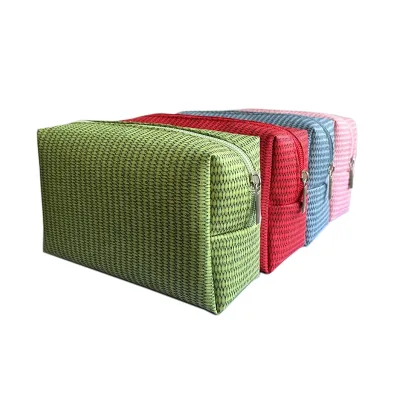


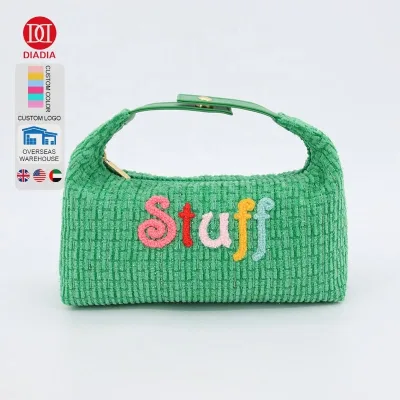
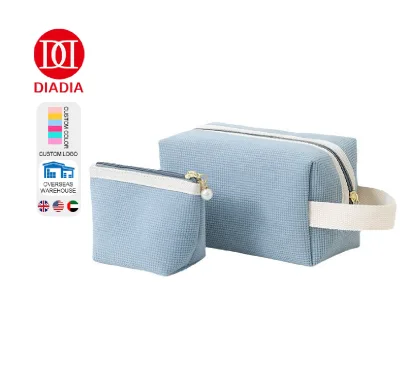
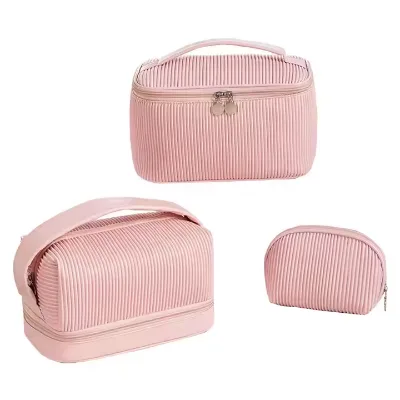


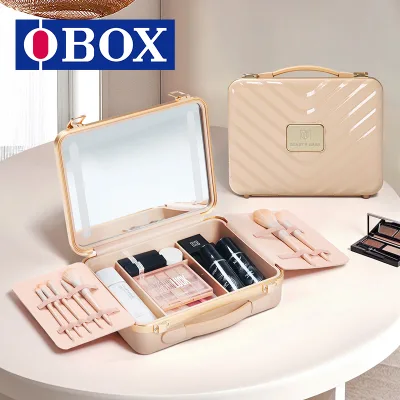
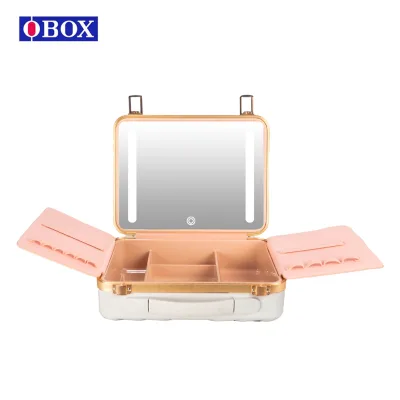
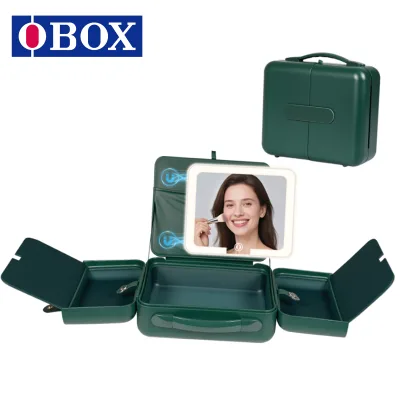


Comprehensive Sourcing Guide
Cosmetic Storage Handbag Supplier Concentration and Factory Types
Current data indicates that verified suppliers for cosmetic storage handbags are concentrated in specific Chinese provinces, with Fujian and Zhejiang emerging as key manufacturing hubs. Fact records show a supplier located in Fujian specializing in cooler insulated bags, backpacks, and travel bags, while another in Zhejiang focuses on cosmetic bags, travel bags, and tote bags. These regions host combined company types that offer both Original Design Manufacturing and Original Equipment Manufacturing capabilities, allowing buyers to access flexible production models. The presence of these clusters suggests a mature supply chain where raw materials like nylon, polyester, canvas, and PU leather are readily available for diverse product requirements.
When evaluating factory types, buyers should look for suppliers listing ODM and OEM capacities alongside their own brand capabilities. The observed supplier profiles include companies capable of customizing logos, sizes, and materials, which is essential for branding cosmetic storage handbags. Some suppliers provide combined services, meaning they can handle design, production, and packaging under one roof. However, not all suppliers display the same level of capacity; some may only offer OEM while others provide full ODM solutions. Buyers must verify the specific manufacturing scope of each potential partner to ensure it aligns with their product development needs, rather than assuming all factories in a region offer identical services.
How to Verify Cosmetic Storage Handbag Suppliers
Verification is a critical step when sourcing cosmetic storage handbags, as the market contains a mix of trading companies and manufacturers. Current records show that some suppliers hold CTI verification status, while others are verified by SGS. These third-party certifications provide a layer of assurance regarding the supplier's business legitimacy and operational stability. Buyers should prioritize suppliers with these specific verification badges, as they indicate that an independent agency has reviewed the company's credentials. It is important to note that not every supplier in the search results will display a verification badge, and the absence of one does not automatically disqualify a vendor, but it does require deeper due diligence.
Beyond verification badges, buyers should assess the supplier's response time and product evidence to gauge reliability. Data shows response times ranging from approximately 4.28 to 5.40, which serves as a metric for communication efficiency. A faster response time often correlates with better project management and customer service. Additionally, examining the detailed product attributes provided, such as material composition, waterproof ratings, and customization options, helps confirm the supplier's technical competence. Buyers must cross-reference these product details with their specific requirements to ensure the supplier can deliver the exact specifications needed for their Cosmetic Storage Handbag line.
What to Compare Across Cosmetic Storage Handbag Suppliers
Comparing suppliers requires a systematic review of key operational metrics, including lead times, minimum order quantities, and pricing structures. The available data reveals significant variation in lead times, with some suppliers offering a 15-day turnaround while others require 30 days or more. Minimum order quantities also differ, ranging from 100 pieces to 300 pieces depending on the specific product model and customization level. Buyers should create a comparison matrix to evaluate these factors side-by-side, ensuring they select a partner whose production capacity and order thresholds match their inventory strategy and budget constraints.
Pricing and material specifications are equally vital components of the comparison process. Product evidence indicates price ranges from roughly $1.42 to $7.90 per unit, influenced by materials like canvas, polyester, nylon, and PU leather. Some products are waterproof, while others are not, directly impacting the cost and suitability for different use cases. Buyers must analyze whether the price difference justifies the material upgrade or additional features like multiple compartments or hangable designs. It is essential to request detailed quotes that break down costs for materials, labor, and customization to avoid hidden fees and ensure the final product meets quality expectations without exceeding the allocated budget.
Common Cosmetic Storage Handbag Sourcing Risks
One significant risk in sourcing cosmetic storage handbags is the inconsistency in product specifications and material quality. While some suppliers list products as waterproof, others explicitly state their items are not waterproof, which can lead to customer dissatisfaction if not clearly communicated. Buyers must carefully review product attributes such as hardness, closure types, and inside materials to ensure they match the intended application. Relying solely on product titles or keywords without verifying the detailed attribute list can result in receiving goods that do not meet the required standards for durability or functionality.
Another risk involves the variability in sample and delivery timelines. The data shows sample dates ranging from 5 to 10 days, with delivery dates extending from 35 to 45 days. Delays in sample approval can cascade into significant production delays, affecting the overall supply chain. Buyers should establish clear communication channels to confirm these timelines before placing an order. Additionally, the lack of standardized certifications for some suppliers means that quality control processes may vary. It is crucial to implement strict quality assurance protocols and request pre-shipment inspections to mitigate the risk of receiving substandard or non-compliant inventory.
Cosmetic Storage Handbag Regional Sourcing and Logistics
Regional sourcing impacts logistics costs and lead times, with suppliers in Fujian and Zhejiang offering distinct advantages. Fact records confirm that suppliers in these provinces are active in producing cosmetic storage handbags, leveraging local infrastructure for efficient shipping. Buyers should consider the proximity of the factory to major ports to minimize freight costs and transit times. While specific logistics providers are not listed, the location data suggests that sourcing from these regions can streamline the supply chain for international buyers. However, buyers must verify the specific shipping terms and Incoterms with each supplier to understand who bears the responsibility for freight and insurance.
Logistics planning also involves understanding the packaging standards and customs requirements associated with the region. Product evidence indicates that items are often packed in customary packing or individual OPP bags, which may require additional protection for long-distance shipping. Buyers should confirm if the supplier offers customized packing solutions to prevent damage during transit. Furthermore, the origin of the goods, listed as China, means that import regulations and tariffs must be accounted for in the total landed cost. Buyers should work with their freight forwarders to ensure compliance with all relevant regulations and to optimize the shipping route for their specific destination.
Cosmetic Storage Handbag Commercial Terms and Order Planning
Commercial terms for cosmetic storage handbags vary significantly based on the supplier's capacity and the product's complexity. Available data shows that customization is widely available, with options for logo printing, size adjustments, and material selection. Buyers should negotiate clear terms regarding sample costs, which can range from 7 to 10 days for production, and bulk delivery timelines that may extend to 45 days. Understanding these timelines is crucial for effective inventory planning and ensuring that products arrive in time for seasonal demand or marketing campaigns.
Order planning must also account for the minimum order quantities and payment structures. With MOQs ranging from 100 to 300 pieces, buyers need to balance their initial investment against their sales projections. It is advisable to start with smaller orders to test the market and the supplier's reliability before committing to larger volumes. Buyers should also clarify the payment terms, such as the use of escrow services, to protect their financial interests. By carefully structuring the order plan and commercial terms, buyers can minimize risk and build a sustainable relationship with their suppliers for long-term success in the Cosmetic Storage Handbag market.
FAQs
What are the typical lead times for cosmetic storage handbags?
Lead times vary by supplier and order specifics. Some manufacturers offer a 15-day production window, while others require up to 30 days. Sample delivery often takes between 7 to 10 days after design confirmation. Buyers should confirm exact schedules before placing bulk orders to ensure timely delivery.
What is the minimum order quantity for these bags?
Minimum order quantities depend on the specific supplier and product model. Some vendors accept orders as low as 100 pieces, while others require a minimum of 300 units. Customization options may also influence the required volume. Always verify the MOQ with the supplier before finalizing your purchase plan.
Are these cosmetic bags available in waterproof materials?
Yes, waterproof options are available in materials like nylon and polyester. Some products feature waterproof coatings, while others are made from canvas or PU leather which may not be fully waterproof. Buyers should check product attributes for specific waterproof claims to ensure the bag meets their storage needs.
Can suppliers customize the logo and design of the bags?
Most suppliers offer customization services including logo printing and design adjustments. Options often include silk screen printing, foil bronzing, and heat transfer. Custom sizes and colors are frequently available. Buyers should confirm specific customization capabilities and any associated costs with the manufacturer prior to ordering.
What materials are commonly used for these storage handbags?
Common materials include canvas, polyester, nylon, and PU leather. Some bags feature soft or medium-soft hardness with horizontal square designs. Inside materials often match the exterior or use polyester for durability. Buyers should review product specifications to select the material that best fits their intended use and aesthetic preferences.
How quickly do suppliers typically respond to inquiries?
Response times vary among suppliers, with some averaging around 4 to 5 hours. Faster response rates indicate better communication channels. Buyers should expect prompt replies for urgent inquiries. Checking supplier profiles for average response metrics helps in selecting a partner who can meet tight communication deadlines effectively.
What certifications do these suppliers hold?
Certification status varies by supplier. Some are verified by third-party agencies like CTI or SGS, while others may not list specific system certifications. Buyers should request current verification documents to ensure quality standards are met. Always confirm the specific certification requirements needed for your market before proceeding with a supplier.