Polished Stone Pendant Suppliers and Manufacturers
Compare 24 Polished Stone Pendant suppliers in Guangdong and Jiangsu, China. Review response times, lead times, and product specifications like material and origin. Contact verified factories to request quotes for custom designs; review the available evidence before requesting comparable quotations from suitable candidates.
Suppliers List
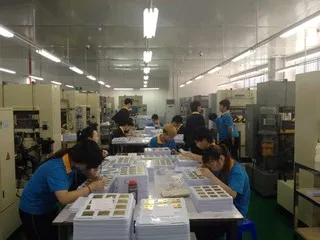
Shenzhen Jingzhanyi Jewelry Company Limited
- Manufacturer, Trading Company, Distributor/Wholesaler
- Guangdong, China
- Lead time15 days
- Avg. response≤ 1h
Main productsJewelry mold design and manufacture,24k/22k/18k/14k gold set diamond jewelry design and manufacture,925 sterling silver jewelry design and manufacture,Filling glue/enamel/baking paint/drop glue jewelry manufacturing,Precious metal and hardware material CNC products carving
Main marketsEastern Europe(12.00%), Eastern Asia(10.00%), Domestic Market(10.00%), Central America(10.00%), Southeast Asia(10.00%), North America(10.00%), South America(10.00%), Northern Europe(6.00%), Western Europe(6.00%), Mid East(5.00%), Oceania(5.00%), Southern Europe(4.00%), South Asia(2.00%)
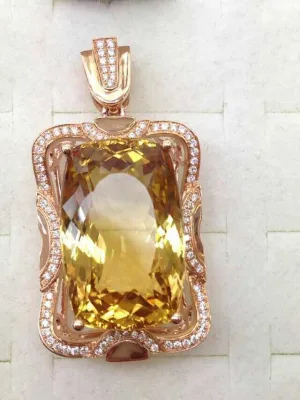
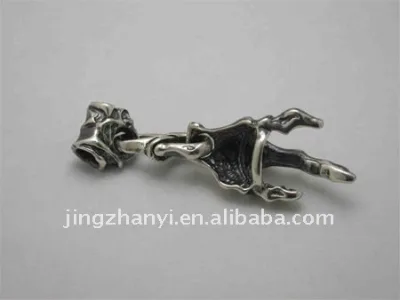
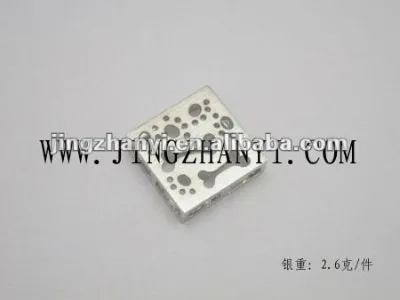
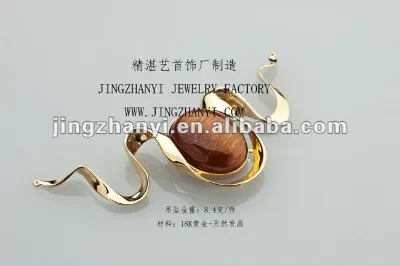
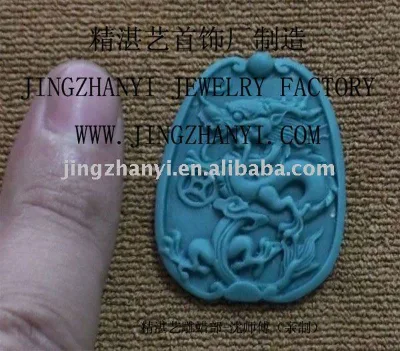

Top Quality Silver Jewlry Pendant Necklace
Contact supplier
Donghai Pingtouge Jewelry Co., Ltd.
- Trading Company
- Jiangsu, China
- Lead time0 days
- Avg. response≤ 4h
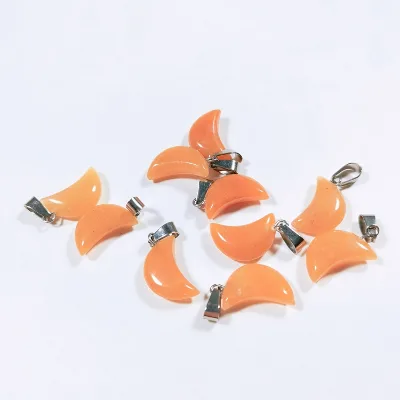
Main productscarved crystal,carving natural crystal stones,crystal carving,crystal animal carvings,crystal moon carving
Main marketsEastern Europe(30.00%), Northern Europe(20.00%), North America(20.00%), South Asia(20.00%), South America(10.00%)
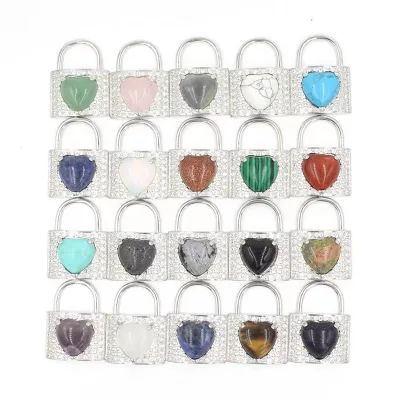
Healing Crystal Stone Couple Lock Pendant Natural Gemstones Heart Lovers Lock Pendant
$1.94 - $2.55
MOQ: 50 pieces
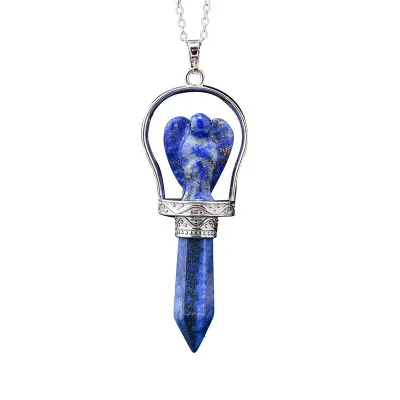
Wholesale fashion natural gemstone crystal point angel pendant crystal pendant
$6.11 - $7.13
MOQ: 100 pieces
$0.51 - $0.71
MOQ: 100 pieces
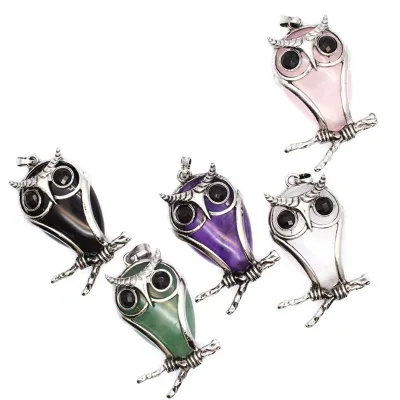
Alloy with Natural Crystal Gemstone Owl Pendants
$2.00 - $2.50

Guangzhou Huifu Jewelry Co., Ltd.
- Verified by BV
- Manufacturer/Factory
- China Guangdong
- Lead time90 days
- Avg. response≤ 3h
Main productsJewelry, Stainless Steel Jewelry, Stainless Steel Ring, Stainless Steel Pendant, Stainless Steel Earring, Fashion Jewelry, Ring, Necklace, Pendant, Bracelet
Main marketsEastern Europe,Mid East,North America,Western Europe,Africa
Dongguan Huiying Art&crafts Co., Ltd.
- Manufacturer, Trading Company
- Guangdong, China
- Lead time20 days
- Avg. response≤ 5h
Main productsgifts,crafts,skin care products,face rollers,gua sha massagers
Main marketsWestern Europe(25.00%), North America(25.00%), Northern Europe(10.00%), Oceania(10.00%), Mid East(5.00%), Eastern Europe(5.00%), Central America(5.00%), Southeast Asia(3.00%), Eastern Asia(3.00%), South Asia(2.00%), Southern Europe(2.00%), South America(2.00%), Africa(2.00%), Domestic Market(1.00%)
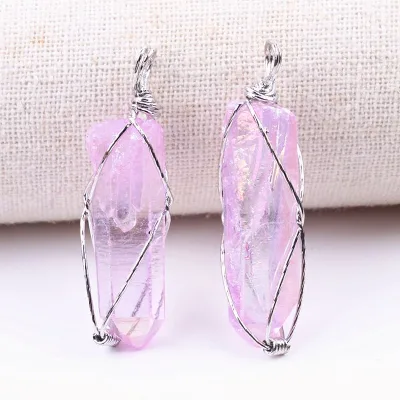
2026 Gems Wholesale Natural Quartz Crystal Rock Clear Quartz Raw Stone Pendant
$1.01 - $2.74
MOQ: 100 pieces
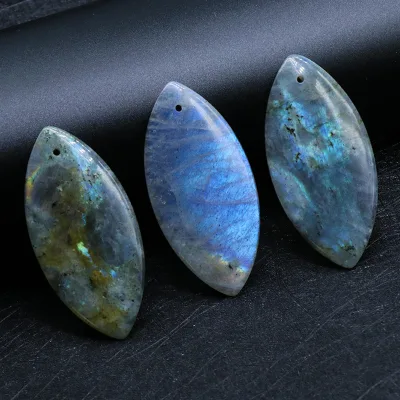
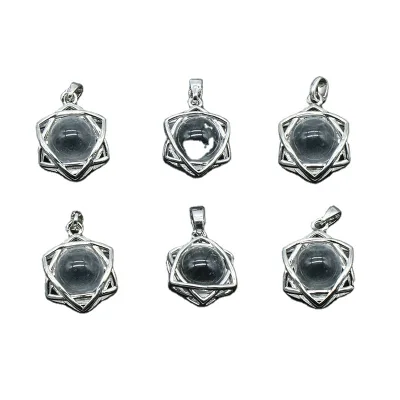
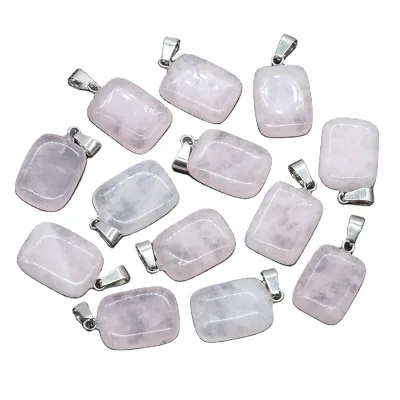
DIY Polished Natural Stone Mix Quartz Crystal Carving Clear Quartz Hex Star Pendant
$1.02 - $9.19
MOQ: 100 Minimum

East Sunrise Jewelry Co., Limited
- Verified by SGS
- Manufacturer/Factory
- China Guangdong
- Lead time23 days
- Avg. response≤ 15h
Main productsPendant, Necklace, Bracelet, Ring, Earring, Carving, Ornament, Loose Bead, Jewelry, Semi-Precious Stones
Main marketsSouth America,Eastern Europe,Mid East,North America,Southeast Asia,Eastern Asia,Oceania,Western Europe,Africa


Fashion Pendant Semi Precious Stone Vintage Style Butterfly Inlaid Necklace Pendant
Contact supplier
MOQ: 100 Pieces


Dongguan Bosin Hardware Co., Ltd.
- Trading Company
- China Guangdong
- Lead time15 days
- Avg. response≤ 3h
Main productsKey Ring, Snap Hooks, Ball Chain, Carabiner, Metal Clips, Metal Rings, Metal Buckle, Stainless Steel Chains, Key Chain, Bottle Opener
Main marketsEurope,North America

Yiwu Hongzhuo Art&crafts Factory
- Manufacturer, Trading Company
- Zhejiang, China
- Lead time30 days
- Avg. response≤ 6h
Main productsCrystal Crafts,Beauty Tools,Massage Tools,Gemstone Carving,Jewelry & Accessories
Main marketsDomestic Market(100.00%)
Longyan Zhanling Industry and Trade Co., Ltd.
- Manufacturer/Factory
- China Fujian
- Lead time150 days
- Avg. response≤ 4h
Main productsStainless Steel Cup, Customized Cup, Stainless Steel Cup & Mug, Double Wall Stainless Steel Cup, Customized Stainless Steel Cup, Water Bottle, Tumbler, Stainless Steel Water Bottle, Stainless Steel Bottle, Whiskey Glass
Main marketsSouth America,Eastern Europe,Mid East,North America,Southeast Asia,Eastern Asia,Oceania,Western Europe,Africa


Personalized Ceramic Pendant with Customizable Design for Special Occasions
$1.99 - $2.30
MOQ: 50 Pieces
Donghai Vardy Crystal Company Limited
- Trading Company
- Jiangsu, China
- Lead time10 days
- Avg. response≤ 2h
Main productscrystal points and wands,crystal spheres,crystal clusters,gemstone carving,mineral specimens
Main marketsWestern Europe(30.00%), North America(25.00%), South America(12.00%), Eastern Europe(12.00%), Northern Europe(11.00%), Oceania(6.00%), Mid East(4.00%)
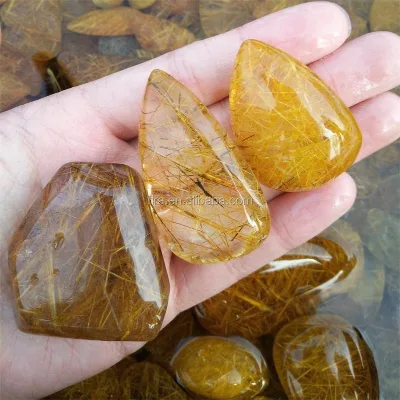
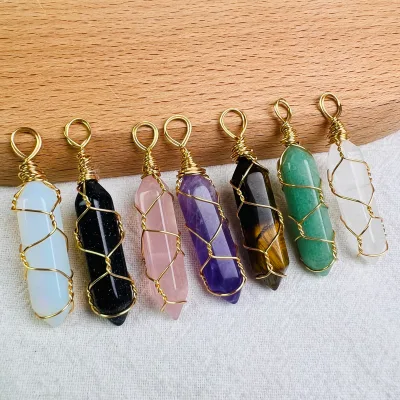
$0.81 - $1.53
MOQ: 10 pieces

Guangzhou IO Jewelry Co., Ltd.
- Combined
- China Guangdong
- Lead time30 days
- Avg. response≤ 9h
Main productsJewelry, Fashion Jewelry, Stainless Steel Jewelry, Custom Jewelry, Stainless Steel Beads, Stainless Steel Charms, Stainless Steel Rings, Stainless Steel Pendants, Beads, Charms
Main marketsSouth America,Domestic,Europe,Australia,North America


Handmade High Quality Tail Pendant with Shiny Crystals Custom Pendant Necklace
$1.00 - $3.00
MOQ: 100 Pieces

Yiwu Renrui E-commerce Business
- Trading Company
- China Zhejiang
- Lead time0 days
- Avg. response≤ 3h
Main productsSouvenir Gift, Craft, Scented Candle, Artificial Flower, Christmas Ornaments, Daily Use, Home Decoration, Solid Wood Carvings, Accessories, Photo Frame


Double Snake Chain Necklace - Geometric Heart Pendant with Zircon Stone and Adjustable Length
$5.00 - $5.20
MOQ: 10 Pieces

Jinjiang Jiayi Supply Chain Management Co., Ltd.
- Verified by BV
- Trading Company
- China Fujian
- Lead time30 days
- Avg. response≤ 1h
Main productsGift, Shoe, Garment, Machine
Main marketsDomestic

Jinjiang Jiaxing Supply Management Co., Ltd.
- Verified by TUVRHEINLAND
- Trading Company
- China Fujian
- Lead time30 days
- Avg. response≤ 1h
Main productsEVA Clogs, Flip Flop, Shoe Charms, Shopping Bags, Wristbands, Gifts, Promotional Gifts, Slipper, Sport Cap, Ball
Main marketsNorth America

Qingdao Gemopia Jewelry Co., Ltd.
- Combined
- China Shandong
- Lead time30 days
- Avg. response≤ 4h
Main productsGold Jewelry, Silver Ring
Main marketsSouth America,Africa,Southeast Asia/ Mideast,East Asia(Japan/ South Korea),Domestic,Europe,Australia,North America
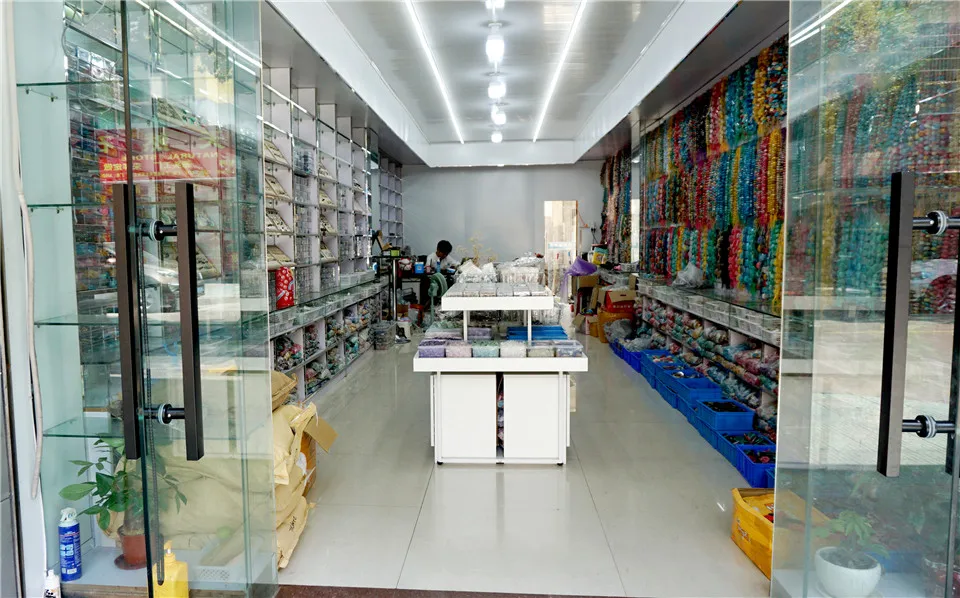
- Trading Company
- Zhejiang, China
- Lead time0 days
- Avg. response≤ 8h
Main productsNatural stone pendant,Natural stone necklace,Agate Pendant,Earrings,Arts and Crafts
Main marketsWestern Europe(40.00%), Southern Europe(20.00%), North America(20.00%), Eastern Europe(10.00%), South America(10.00%)

Dongguan weiyizao import and Export Co., Ltd.
- Verified by BV
- Trading Company,Manufacturer/Factory
- China Guangdong
- Lead time45 days
- Avg. response≤ 4h
Main productsUnderwear, Sportwear, Seamless Underwear, Mould Bra, Nursing Bra, Panty, Garment Accessories, Garment Decoration-Jewelry, Bra Strap, Belt
Main marketsSouth America,Eastern Europe,Mid East,North America,Southeast Asia,Eastern Asia,Oceania,Western Europe,Africa

China Manufactory Fashion Designs with Stones Pendant Charm Pendant for Decoration
$0.29 - $0.49
MOQ: 200 Pieces

$0.29 - $0.49
MOQ: 200 Pieces


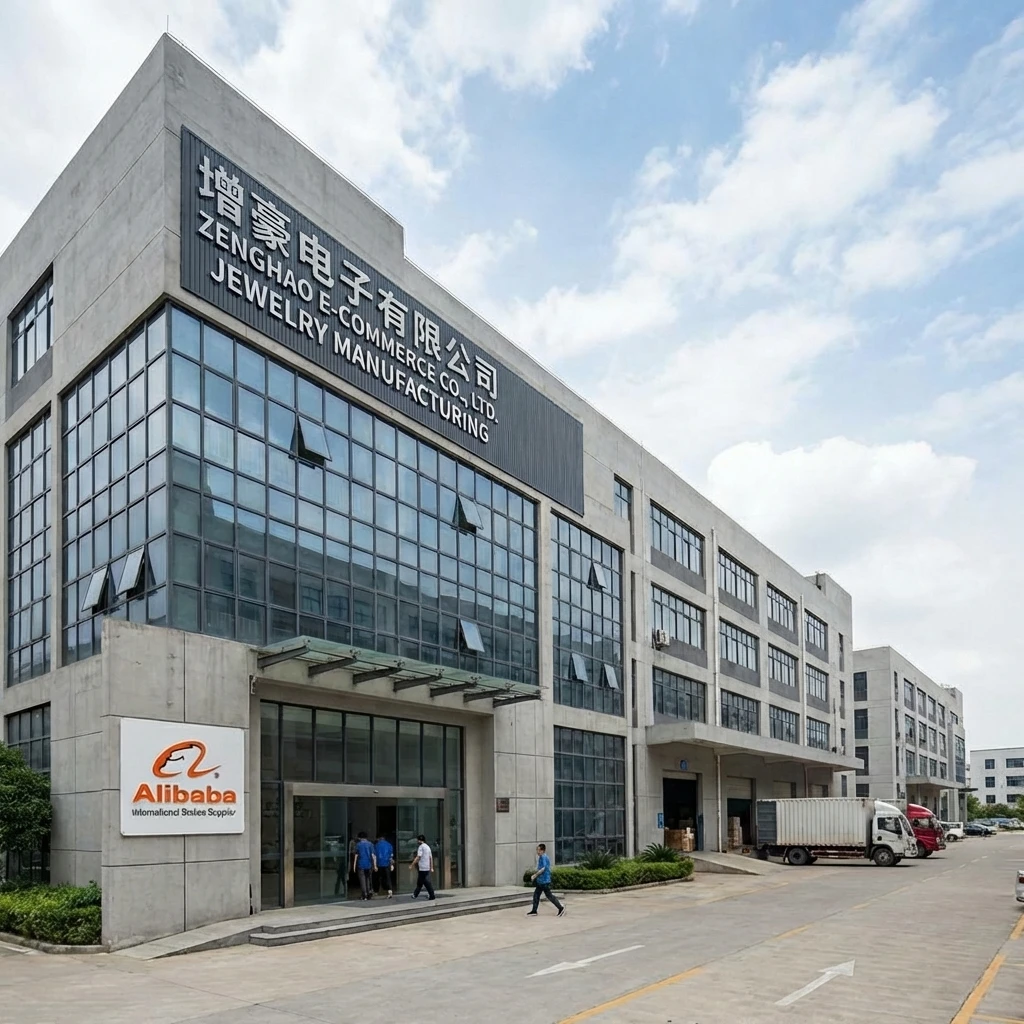
Yiwu Zenghao E Commerce Corporation
- Trading Company
- Zhejiang, China
- Lead time30 days
- Avg. response≤ 5h
Main productsnecklace,earring,bracelet,ring,keychain
Main marketsCentral America(40.00%), Eastern Europe(10.00%), Western Europe(10.00%), North America(5.00%), Domestic Market(5.00%), Mid East(5.00%), Oceania(5.00%), Southern Europe(5.00%), Northern Europe(5.00%), South Asia(3.00%), South America(2.00%), Africa(2.00%), Southeast Asia(2.00%), Eastern Asia(1.00%)
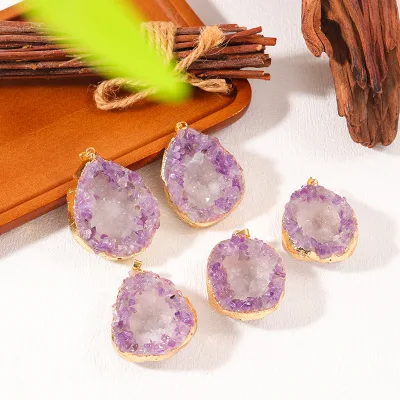
$1.30 - $1.47
MOQ: 12 Minimum
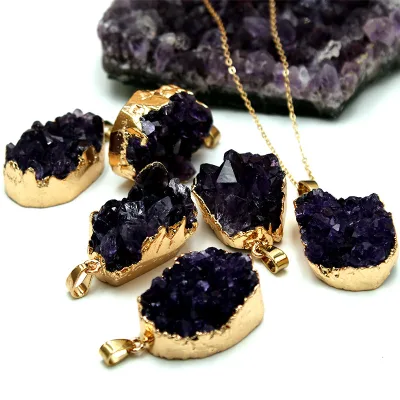
Natural Dark Amethyst Stone Pendant for Crystal Necklace DIY Jewelry Accessories
$2.98 - $3.28
MOQ: 5 pieces
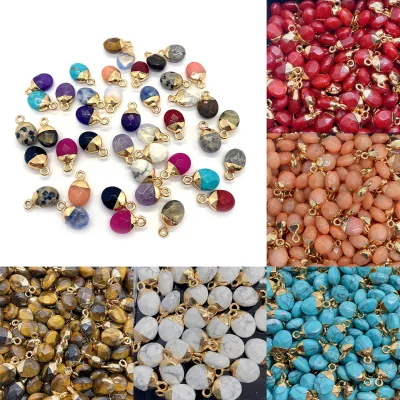
Natural Stone Cut Spot Stone Pendant Oval Opal Pendant DIY Necklace Accessory
Contact supplier
MOQ: 10 Minimum
Yiwu Dibishi Jewelry Co., Ltd.
- Trading Company
- Zhejiang, China
- Lead time旺季: "10 - 1000":7,"1010 - 100000":30,"> 100000":"To be negotiated", 淡季: "10 - 1000":7,"1010 - 100000":30,"> 100000":"To be negotiated"
- Avg. response≤ 3h
Main productsBeads,Bracelets,Crystal,Gemstone,Loose Beads
Main marketsNorth America(40.00%), Western Europe(20.00%), Northern Europe(10.00%), Eastern Europe(10.00%), Southeast Asia(5.00%), Central America(5.00%), South America(5.00%), Oceania(5.00%)

- Verified by CTI
- Trading Company
- China Zhejiang
- Lead time15 days
- Avg. response≤ 7h
Main productsJewelry, Brooch, Belt, Necklace, Agent, Bracelet, China Trim, China Ring, China Hair Accessory, China Earring
Main marketsSouth America
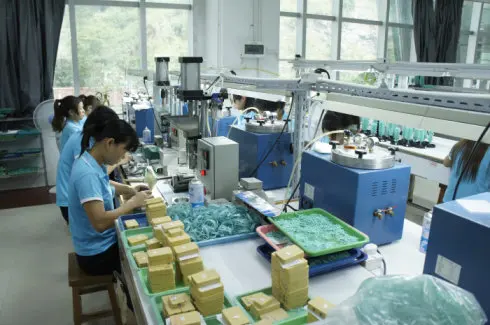
Guangzhou Bangmingwei Jewelry Co., Ltd.
- Trading Company
- Guangdong, China
- Lead time5 days
- Avg. response≤ 3h
Main productsBracelet/ Necklace/ Ring/ Earring/ Jewelry accessories
Main marketsNorth America(50.00%), South America(20.00%), Mid East(15.00%), Eastern Europe(10.00%), Africa(5.00%)

- Verified by BV
- Trading Company,Manufacturer/Factory
- China Guangdong
- Lead time0 days
- Avg. response≤ 10h
Main productsSilver Jewelry, Brass Jewelry, Fashion Jewelry, Semi-Precious
Main marketsSouth America,Eastern Europe,Mid East,Southeast Asia,Eastern Asia,Oceania,Western Europe,Africa


925 Silver Round Ring Pendant Necklace with Square Setting and Hanging Pendant
$12.50 - $12.60
MOQ: 15 Pieces

Wuzhou Provence Jewelry Co., Ltd.
- Verified by CTI
- Combined
- China Guangxi
- Lead time23 days
- Avg. response≤ 6h
Main productsMoissanite, Moissanite Jewelry, Cubic Zirconia, Lab Grown Diamond, Gold Jewelry
Main marketsSoutheast Asia/ Mideast,Europe,North America


Silver 925 Pendant Men Fine Jewelry Pendants Men's Necklaces Pendants
$386.00 - $1252.00
MOQ: 1 Pieces
Guangzhou Anfook & Dakerden Jewelry Co., Ltd
- Trading Company
- China Guangdong
- Lead time0 days
- Avg. response≤ 10h

Shenzhen Jinshengrun Technology Co., Ltd.
- Manufacturer/Factory
- China Guangdong
- Lead time0 days
- Avg. response≤ 2h
Main productsStainless Steel Bracelets and Necklaces, Tungsten Steel Ring, Tungsten Ring, Smartwatch(Activity Tracker), Smart Ring, Titanium Steel Necklace, Necklace Pendant, Smart Glasses


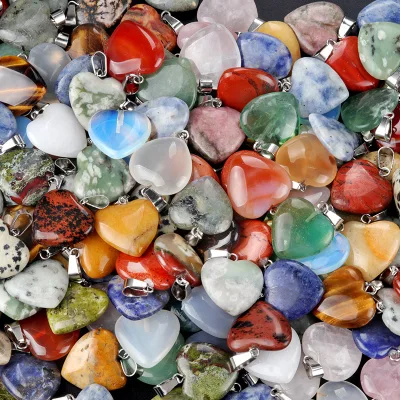
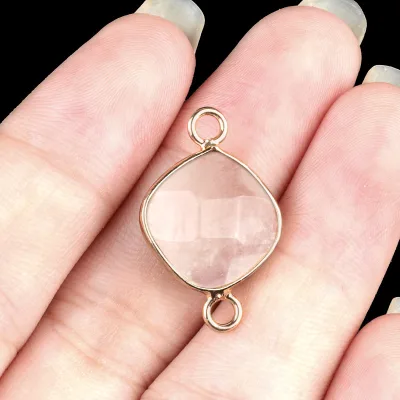






Comprehensive Sourcing Guide
Polished Stone Pendant Supplier Concentration and Factory Types
When sourcing polished stone pendants, the first structural question is where production actually happens. On this page, supplier results point to two Chinese provinces: Guangdong and Jiangsu. The Guangdong-based entries present themselves as manufacturers combined with trading and wholesale distribution, and their listed main products span jewelry mold design, karat-gold and sterling silver jewelry manufacture, enamel and glue-fill work, and CNC carving of precious metals and hardware. That mix matters because polished stone pendants often need both a stone-cutting or carving capability and a metal finding or bail component, so a single Guangdong supplier covering molds, metals, and stones can consolidate steps that would otherwise be split across vendors. One listed Guangdong product even carries a supply ability figure and a Shenzhen dispatch port, which signals export-oriented production.
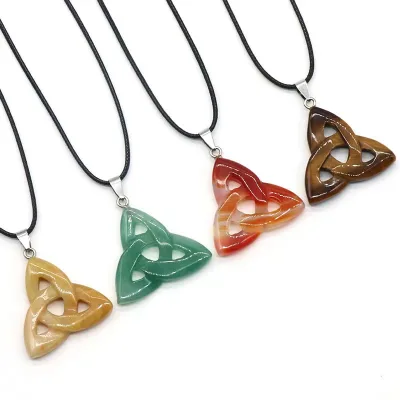
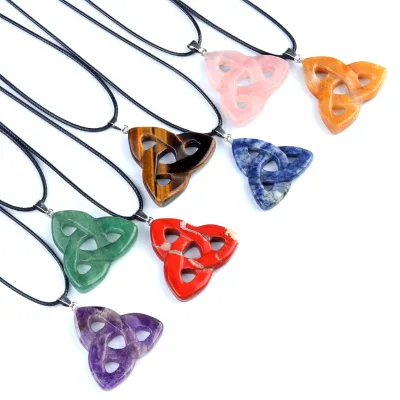
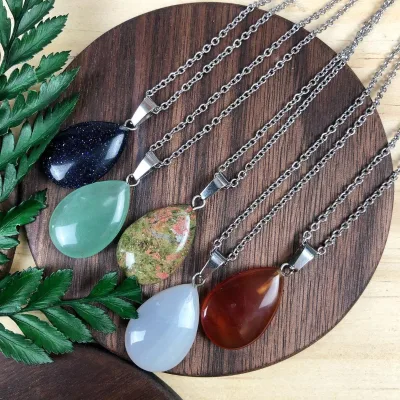
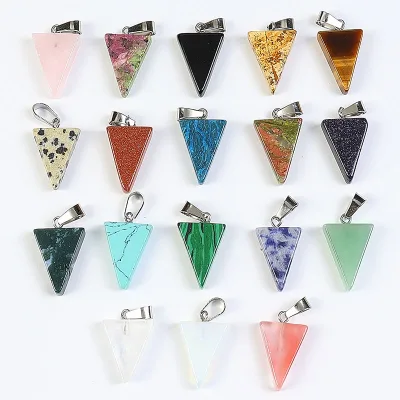
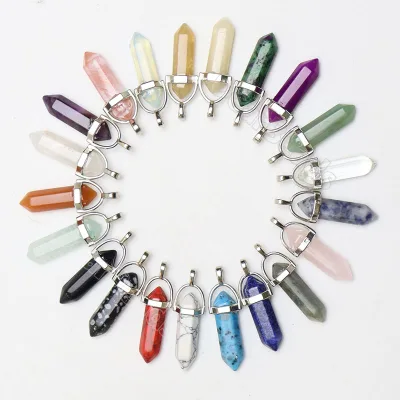
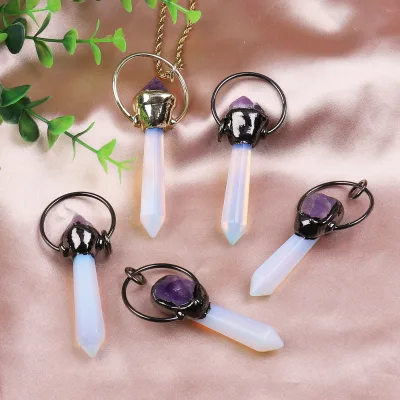
The Jiangsu-based entries are different in character. They are trading companies whose main products are carved natural crystal and crystal animal or moon carvings, with listings for couple lock pendants, angel point pendants, and Celtic knot charms in materials like rose quartz, amethyst, lapis lazuli, tiger eye, obsidian, and agate. This suggests a cluster oriented toward semi-precious stone carving rather than fine metalwork. Buyers should read these type labels carefully: a manufacturer may quote tooling-inclusive pricing, while a trading company may aggregate multiple carving workshops. Where location data is absent, verify it directly rather than assuming.
How to Verify Polished Stone Pendant Suppliers
Verification starts with matching claimed identity to observable evidence. A supplier type label such as "Manufacturer, Trading Company, Distributor/Wholesaler" is a self-declared classification, so cross-check it against the product list: genuine manufacturers usually show tooling, mold-making, or CNC carving capability in their main products, as one Guangdong entry does with jewelry mold design and CNC products. Trading companies, like the Jiangsu crystal carving sellers, should be able to name the workshops they represent and explain their quality-control role between those workshops and you. Response time is another verifiable behavior: figures of one hour and four hours appear among these results, but quoted response speed should be tested with a real inquiry before you rely on it.
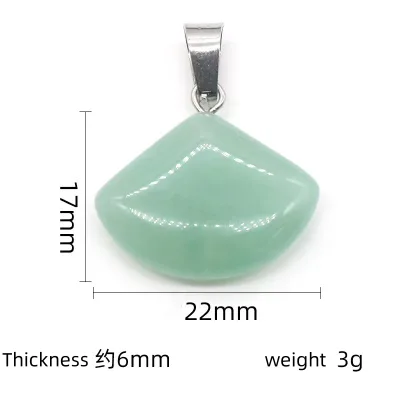
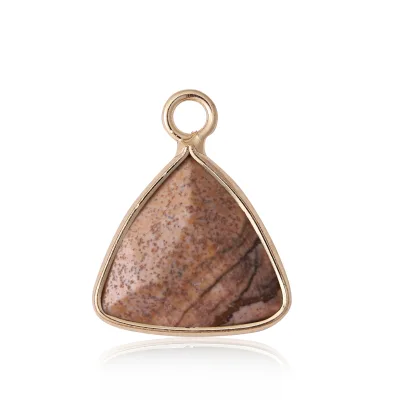
Beyond identity, verify the product itself. Listings for carved pendants here include package dimensions, single gross weight, size specifications such as 8x33x24 mm or 7x2.8 cm, and color options ranging across many gemstone types. Ask whether the photographs show actual polished stock or renders, because dyed or resin-filled stones can look identical in photos. Request material disclosure for each stone name in the color list, since terms like "blue sandstone" denote man-made glass rather than natural stone. For the Guangdong metal jewelry listings, ask which components are silver, brass, or gold-plated, and confirm the place-of-origin and port-of-dispatch claims match your import documentation. Finally, verify that MOQ figures shown on listings—such as 30, 50, or 100 pieces—apply to your chosen variant, not just a display color.
What to Compare Across Polished Stone Pendant Suppliers
Build a comparison grid using the attributes that are actually displayed, without assuming every supplier shows every one. Location is the first column: a Guangdong jewelry manufacturer and a Jiangsu crystal trading company serve different needs even on the same product. Company type is second, distinguishing manufacturers with mold and CNC capability from trading companies aggregating carving workshops. Main products form the third column—compare whether stone carving, metal findings, or enamel work is the core competence. Response time, where shown, gives a service signal; a one-hour versus four-hour figure is worth recording but must be re-tested with your own inquiry.
Commercial attributes come next. Lead time appears as 15 days for one Guangdong supplier and is unlisted for the Jiangsu trading company, so treat lead time as a data gap to fill rather than a given. MOQs on visible listings range from 30 pieces on a pave diamond gemstone pendant to 50 on a gothic pendant and 100 on crystal point angel pendants; compare quoted MOQ against your pilot order size. Price ranges differ sharply by product: roughly 1 to 10 dollars for the pave pendant, 5 to 25 for the gothic design, and about 2 to 7 dollars for the carved crystal items, with one hollow square pendant reaching 100. Also compare packaging details (OPP bags with scratch-resistant film is one stated example), supply ability figures, and whether custom design is explicitly welcomed.
Common Polished Stone Pendant Sourcing Risks
The most common risk in this category is material misrepresentation. Listings that list many colorways—green turquoise, snowflake stone, sodalite, lapis lazuli, amethyst, obsidian, howlite, malachite, labradorite, opalite, and others—invite substitution, because several of those names cover both natural and synthetic versions. Blue sandstone and opalite, for instance, are man-made materials, and dyed howlite frequently passes for turquoise. Confirm in writing whether each listed stone name refers to natural, dyed, or synthetic material, and ask for the polishing treatment used, since waxing or resin stabilization changes both value and durability.
A second risk cluster involves finish and consistency. Polished stone pendants are carved from natural material, so free-form shapes and size tolerances (one listing specifies 8x33x24 mm) can vary between units; agree on acceptable dimensional and color deviation before production. Drill-hole placement, chip damage from polishing, and uneven gloss are recurring quality complaints in carved pendants. Third, watch structural gaps in supplier information: a lead time of zero days displayed for a Jiangsu trading company is a missing value, not a fast promise, and one listing shows no MOQ at all. Treat absent numbers as questions to ask. Finally, one-off fashion pendant designs carry copy risk—confirm who owns a custom design and whether the supplier will produce it exclusively.
Polished Stone Pendant Regional Sourcing and Logistics
Regional logic for this category follows the two clusters visible in the results. Guangdong is a fine-jewelry manufacturing province: the listed supplier there combines mold design, karat-gold and sterling silver production, and CNC carving, and dispatches through the port of Shenzhen, one of China's primary export gateways. If your pendant line mixes polished stones with metal bails, chains, or plated settings, sourcing the metalwork in Guangdong and confirming whether the same supplier can procure or carve stones will reduce handoffs. Ask whether the quoted 15-day lead time covers both the stone and the metal components, since component sourcing often sits outside the factory's own production.
Jiangsu entries skew toward natural crystal and semi-precious stone carving as a trading company activity, which suits pure stone pendant programs without metal fabrication. When working through a trading company, clarify who inspects polishing quality at the workshop and who bears the cost of freight from the workshop to the consolidation point. For both regions, logistics planning should account for packaging weight and volume: one carved crystal listing shows a single gross weight of 0.5 kg with a 5x5x5 cm box, which adds up quickly at MOQs of 100 pieces. Confirm the port of dispatch, whether shipments consolidate with other suppliers, and which incoterms the supplier quotes before comparing landed costs.
Polished Stone Pendant Commercial Terms and Order Planning
Order planning should anchor on the commercial numbers visible per listing rather than on category averages. Recorded price bands here run from roughly 1 to 10 dollars for a pave gemstone pendant, 5 to 25 dollars for a gothic pendant, about 1.8 to 7 dollars for carved crystal designs, and up to 100 dollars at the top of one hollow square listing—so quote your exact design, not a sibling product. MOQs of 30, 50, and 100 pieces appear on different items, and one listing shows no MOQ, so confirm order minimums per SKU. Where stated, supply ability (3,000 pieces per month on one listing) should be matched against your replenishment schedule, and the 15-day lead time against your launch calendar.
Payment and protection terms deserve explicit negotiation. Ask whether the supplier accepts escrow or a third-party protected payment arrangement, since none of the displayed results confirm escrow status; never assume it. Agree on samples before bulk—especially for natural stones, where color variance between the sample and the production batch is the norm. Fix packaging terms in the contract: one listing specifies OPP bags plus scratch-resistant protective film, which is a reasonable baseline for polished surfaces. Finally, plan a pilot order at or slightly above MOQ, define acceptance criteria for size, polish, and stone authenticity, and reserve second-stage volume until the first shipment passes inspection.
Word count check: Six sections counted: 232, 230, 233, 229, 231, 229 = 1384 words. Within 1350–1450.
FAQs
What is a typical MOQ for polished stone pendants?
Minimum order quantities on this page commonly start around 30 to 100 pieces per design. Entry-level gemstone pendants may carry an MOQ near 30 units, while carved crystal point styles often require 100 units. Confirm the exact MOQ per style before quoting, because simpler charm shapes usually allow smaller first orders than multi-stone or custom-carved designs.
How long does production usually take after an order is confirmed?
Production lead times listed by suppliers on this page range from around 15 days to longer periods depending on the design. Carved natural stone work can extend timelines because each piece is shaped and polished individually. Ask the supplier to confirm the current lead time for your chosen pendant, and factor in shipping time before planning your launch date.
Can polished stone pendants be customized with my own designs?
Yes, many manufacturers on this page offer custom pendant design and welcome buyer drawings or samples. Customization options often include stone selection, metal settings in silver, brass or gold, engraving, and enamel or glue filling. Provide clear artwork, target size, and stone preferences, then request a sample so you can approve carving quality and polishing before mass production begins.
Which stones are commonly available for carved crystal pendants?
Popular options include amethyst, rose quartz, clear quartz, lapis lazuli, tiger eye, black obsidian, green aventurine, malachite, labradorite, turquoise, and several agates and jaspers. Availability varies by season and raw material supply, so confirm the current stone list and color consistency. For healing-themed or DIY jewelry lines, request photos of actual batches rather than catalog images to check polishing quality.
Where are the suppliers of these pendants mainly located?
The suppliers featured on this page are mainly located in Guangdong and Jiangsu provinces in China. Guangdong suppliers tend to focus on metal and silver jewelry manufacturing, including molds, CNC work, and set-stone pendants, while Jiangsu suppliers concentrate on carved natural crystal and gemstone pieces. Your material focus should guide which region offers the better production fit.
What price range should I expect when sourcing stone pendants?
Prices on this page generally range from about one to ten US dollars per piece, with some premium silver or gold designs reaching higher levels. Carved crystal pendants often fall between roughly two and seven dollars depending on stone type and size. Request quotes based on your exact stone, plating, and quantity, since material costs drive most of the variation.
How quickly do these suppliers usually respond to inquiries?
Response times on this page range from about one hour to around four hours during working days. Faster responders are often trading companies handling multiple factories, while specialized manufacturers may take slightly longer. Send detailed inquiries with quantity, stone choice, and target price, because complete requests typically receive more accurate and quicker replies than short messages.
What packaging can I expect for stone pendant shipments?
Common packaging includes individual OPP bags with scratch-resistant protective film for polished metal and stone pendants, which helps prevent surface damage during transit. Carved crystal pieces are often shipped in small safe boxes, with single cartons sized around five to ten centimeters per unit. Confirm carton weight, inner-box counts, and whether custom logo packaging is available before confirming your order.