Custom 3D Print Resin Suppliers and Manufacturers in China
Explore 23 verified options for Custom 3D Print Resin from Guangdong and Fujian factories. Compare response times, lead times, certifications, and product specifications like hardness and viscosity before requesting samples; review the available evidence before requesting comparable quotations from suitable candidates.
Suppliers List
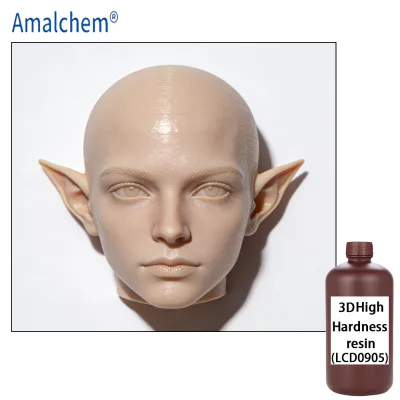
Yingde Amalchem Polymer New Materials Co., Ltd.
- Manufacturer, Trading Company
- Guangdong, China
- Lead time0 days
- Avg. response≤ 5h
Main productsUV Resin,UV Monomer,UV Photoinitiator,PVC film transfer ahesives,UV ahesives
Main marketsNorth America(1.00%)

Xiaohoo Intelligent Technology Co., Ltd.
- Verified by SGS
- Trading Company
- China Guangdong
- Lead time23 days
- Avg. response≤ 4h
Main products3D Printer, Material, Laser Engraving Machine
Main marketsDomestic

Xiamen Aibeisen Electronic Co., Ltd.
- Verified by TUVRHEINLAND
- Combined
- China Fujian
- Lead time15 days
- Avg. response≤ 1h
Main productsThermal Pad, Thermal Paste, Adhesive, Conformal Coating, Epoxy Glue
Main marketsSouth America,Europe,North America

Dongguan Haoxin New Materials Co., Ltd.
- Verified by SGS
- Manufacturer/Factory
- China Guangdong
- Lead time23 days
- Avg. response≤ 17h
Main productsUV Curing Resin, UV Varnish, Epoxy Acrylate, Polyester Acrylate, a Full Acrylic Oligomer, Water-Based Acrylic Resin, Waterborne UV-Curable Dispersion, Water-Soluble UV-Curable Oligomer, Aliphatic Urethane Acrylate, UV Epoxy Resin
Main marketsSouth America,Eastern Europe,Mid East,North America,Southeast Asia,Eastern Asia,Oceania,Western Europe,Africa

Yingde Amalchem Polymer New Materials Co., Ltd.
- Verified by TUVRHEINLAND
- Combined
- China Guangdong
- Lead time15 days
- Avg. response≤ 4h
Main productsUV Resin, Monomer, Photoinitiator
Main marketsSoutheast Asia/ Mideast


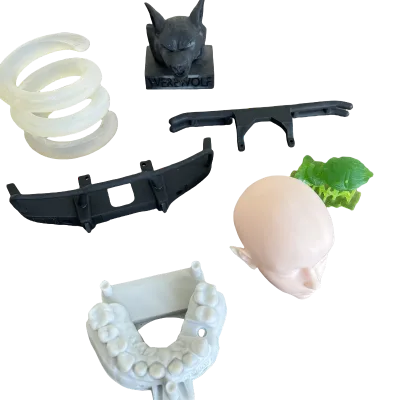
High Quality High Toughness 3D Printers Resin UV Curing 3D Printing Liquid Photopolymer
$20.71 - $25.06
MOQ: 120 kg

3D Printing Light-Curing Rigid Resin Excellent Hardness, High Resolution and Form Ability
$7.00 - $9.00
MOQ: 500 kg
Shenzhen Bassen Technology Co., Ltd.
- Manufacturer
- Guangdong, China
- Lead time5 days
- Avg. response≤ 3h
Main products3D Printer,DLP/LCD Resin,3D Filament,3D Parts,3D Accessory
Main marketsNorth America(30.00%), Western Europe(15.00%), Central America(10.00%), South America(10.00%), Northern Europe(10.00%), Eastern Europe(10.00%), South Asia(5.00%), Southern Europe(5.00%), Eastern Asia(5.00%)

XIAMEN ZHISEN ELECTRO. EQUIP. CO., LTD.
- Verified by SGS
- Trading Company
- China Fujian
- Lead time15 days
- Avg. response≤ 11h
Main products3D Printer, SLA 3D Printer, Tooling Board for Model, 3D Scanner, 3D Printing Materials, 3D Printer Resin, 3D Printer Parts, 3D Printing Service, DLP Light Engine, Linear Guide Rail
Main marketsOthers(foreignTradeCapacity.exportBusinessCapacityMarketOther),Southeast Asia/ Mideast


Resin LCD/DLP/SLA 355nm 3D Printing Resin UV Sensitive Resin China Factory Wholesale
$30.00 - $150.00
MOQ: 1 kg


High-Quality White Resin Photosensitive for 3D Printer High Toughness Photopolymer Liquid Resin
$30.00 - $150.00
MOQ: 1 kg

Shenzhen Kingroon 3d Technology Co., Ltd.
- Verified by SGS
- Combined
- China Guangdong
- Lead time15 days
- Avg. response≤ 5h
Main products3D Printing Filament, 3D Printing Resin, 3D Printer Parts
Main marketsSoutheast Asia/ Mideast

Dongguan Tianxingjian Electronic Technology Co., Ltd
- Verified by SGS
- Combined
- China Guangdong
- Lead time15 days
- Avg. response≤ 1h
Main products3D Resin, 3D Printer Machine
Main marketsEurope


$13.42 - $18.42
MOQ: 10 Pieces


Xiamen Neway Rubber & Plastic Products Co., Ltd.
- Verified by BV
- Combined
- China Fujian
- Lead time15 days
- Avg. response≤ 3h
Main productsPlastic Injection Molding, Plastic Parts, Silicone Rubber Parts, Gasket Seals, Rubber Grommet, Mould, O Ring, Extrusion Strip, Metal Parts, Suction Cup
Main marketsSouth America,Africa,Southeast Asia/ Mideast,East Asia(Japan/ South Korea),Europe,Australia,North America

3D Model Production 3D Print Custom 3D Printing Service 3D Printer Processing
$2.00 - $10.00
MOQ: 1 Pieces


Guangdong Haohui New Materials Co., Ltd.
- Trading Company
- China Guangdong
- Lead time23 days
- Avg. response≤ 24h
Main productsUV Curing Resin, UV Curing Epoxy Resin, Polyurethane Acrylate, Epoxy Acrylate, Polyester Acrylate, Oligomer
Main marketsSouth America,Africa,Southeast Asia/ Mideast,Europe,North America

Jiangyin Gegewu New Material Technology Co., Ltd.
- Verified by TUVRHEINLAND
- Combined
- China Jiangsu
- Lead time23 days
- Avg. response≤ 3h
Main marketsNorth America
Dongguan Huan Ya Model Technology Co., Ltd.
- Manufacturer, Trading Company
- Guangdong, China
- Lead time0 days
- Avg. response≤ 8h
Main products3D Printing,Model customization,industrial design,CNC Machining,Metal plastic printing processing
Main marketsSouthern Europe(50.00%), Mid East(20.00%), Western Europe(15.00%), North America(10.00%), Southeast Asia(5.00%)
Guangzhou Yisun Technology Co., Ltd
- Verified by TüVRheinland
- Manufacturer, Trading Company
- Lead time5 days
- Avg. response≤ 3h
Main products3D Printing, 3D Design Drawing, 3D Scan, Mold
Main marketsNorth America(25%), Northern Europe(10%), Domestic Market(10%)
Suzhou Aorita New Material Technology Co., Ltd.
- Trading Company
- Jiangsu, China
- Lead time0 days
- Avg. response≤ 4h
Main productsFep Film,nfep film,acf film,Pei buildplate
Main marketsDomestic Market(100.00%)

Wuxi Binwang Chemical Factory (General Partnership)
- Trading Company
- China Jiangsu
- Lead time15 days
- Avg. response≤ 25h
Main productsRubber Agent, Rubber Curing Resin, Rubber Tackifying Resin, Rubber Removal Agent, Rubber Brominated Resin
Main marketsDomestic
- Verified by SGS
- Combined
- China Guangdong
- Lead time15 days
- Avg. response≤ 4h
Main marketsSoutheast Asia/ Mideast,Europe,Australia,North America

$5.00 - $10.00
MOQ: 1 Pieces

Jiangsu Totus Technology Co., Ltd.
- Trading Company
- Jiangsu, China
- Lead time30 days
- Avg. response≤ 2h
Main products3D PRINTER MACHINE,DLP 3D PRINTER MACHINE,3D RESIN PRINTER,3D JEWELRY MACHINE,PHOTOPLOYMER RESIN
Main marketsDomestic Market(34.00%), Mid East(15.00%), Southeast Asia(15.00%), South Asia(8.00%), Africa(6.00%), Western Europe(5.00%), Northern Europe(5.00%), Eastern Europe(4.00%), Central America(2.00%), Eastern Asia(2.00%), North America(1.00%), South America(1.00%), Southern Europe(1.00%), Oceania(1.00%)
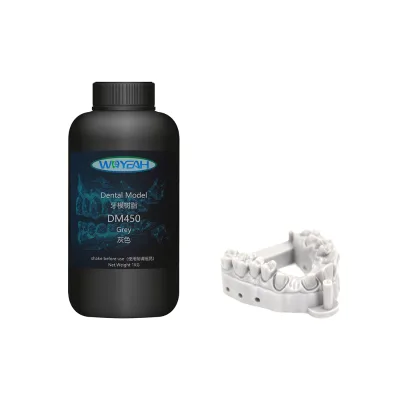
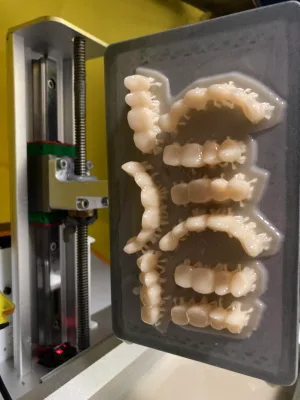
China manufacturer grey print resin high precision 3D printer resin for dental teeth model
$85.30 - $94.55
MOQ: 1 kilograms
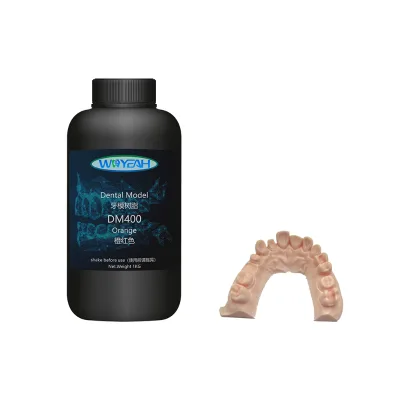
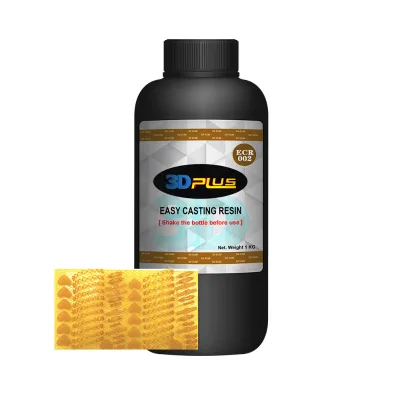
China manufacturer direct smooth surface ash-free residue-free 3D Printer resin
$200.00 - $220.00
MOQ: 1

Zhongshan Kaishimei Trading Co., Ltd.
- Verified by TUVRHEINLAND
- Trading Company
- China Guangdong
- Lead time15 days
- Avg. response≤ 9h
Main productsAdhesive, Printing Ink, UV Ink, Doll and Toy, Mobile Phones Decoration, Laminationg Glue, Paint, Arts & Crafts, Toys, Packaging
Main marketsSoutheast Asia/ Mideast


MOQ: 200 kg

Ningbo Shuyou Plasticization Co., Ltd.
- Verified by BV
- Trading Company
- China Zhejiang
- Lead time30 days
- Avg. response≤ 10h
Main productsplastic granules & Rubber
Main marketsSouth America

Xuzhou Huide New Material Technology Co., Ltd.
- Verified by BV
- Trading Company
- China Jiangsu
- Lead time30 days
- Avg. response≤ 9h
Main productsAcrylic Polymer Emulsion, Waterborne Acrylic Polymer Resin, Textile Printing Binder, Waterroofing Coating, Dispersant, Thickening Agent, Defoamer, Industrial Paint, Silicone Sealant, Adhesives
Main marketsOthers(foreignTradeCapacity.exportBusinessCapacityMarketOther)

Zhuhai Printer Materials Co., Ltd.
- Verified by TUVRHEINLAND
- Trading Company
- China Guangdong
- Lead time15 days
- Avg. response≤ 15h
Main products3D Printer, SLA Stereo Lithography Printer, Top Down DLP, Digital Light Processing Printer, Selective Laser Sintering SLS Printer, Industrial Grade Printer, Photosensitive Resin
Main marketsDomestic

High-Quality DLP/LCD 3D Printer Resin - Versatile and Durable for Precision Printing
$11.50 - $13.00
MOQ: 1 kg

High-Quality DLP/LCD 3D Printer Resin for Precision Printing - Versatile and User-Friendly
$11.50 - $13.00
MOQ: 1 kg

High-Quality DLP/LCD 3D Printer Resin - Versatile and Compatible for Precision Printing
$11.50 - $13.00
MOQ: 1 kg

Premium DLP/LCD 3D Printer Resin - High Performance and Accuracy for Professional Printing
$11.50 - $13.00
MOQ: 1 kg

JIANGXI NEW SILK ROAD INDUSTRY & TRADE COMPANY LIMITED
- Trading Company
- China Jiangxi
- Lead time23 days
- Avg. response≤ 5h
Main productsConstruction Goods, Hand Tool, Stove for Outdoor, Electric Items, and Any Related Items
Main marketsSouth America,Africa,Southeast Asia/ Mideast,East Asia(Japan/ South Korea),Europe,Australia,North America

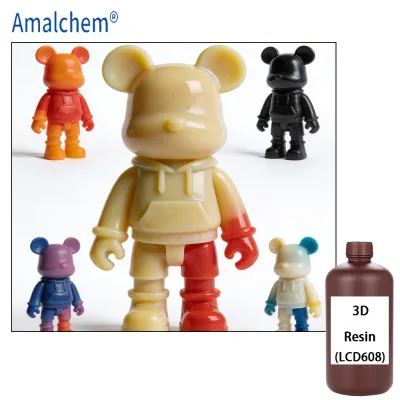
Anycubic Colored Standard 3D Printer Resin 1kg High Precision & Rapid Photopolymer
$9.95 - $10.50
MOQ: 1 Pieces



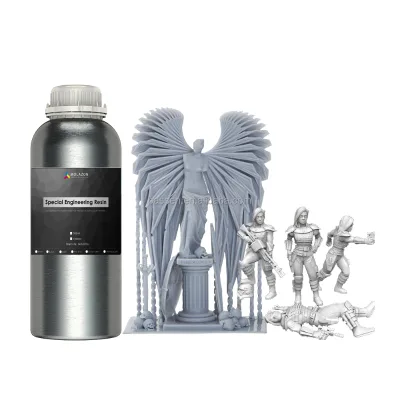


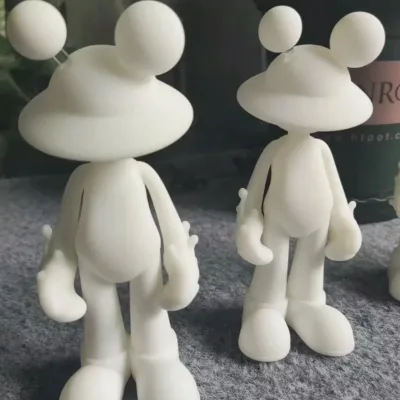
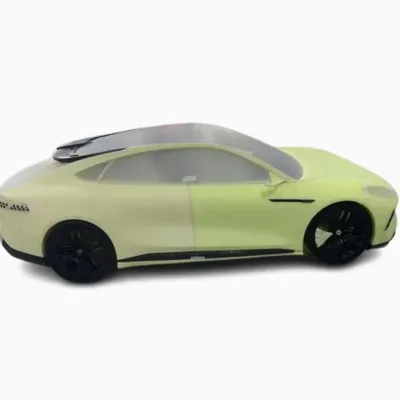
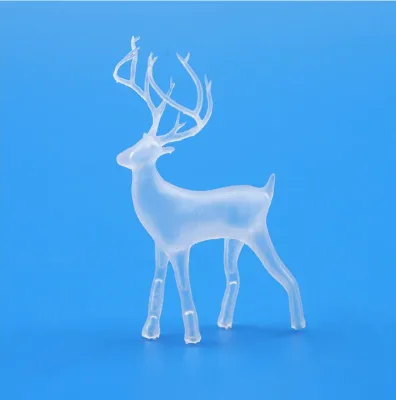



Comprehensive Sourcing Guide
Custom 3D Print Resin Supplier Concentration and Factory Types
The current supplier landscape for Custom 3D Print Resin shows a distinct concentration in Guangdong, China, where multiple manufacturers and trading companies operate. This region serves as a primary hub for chemical production, specifically for UV resins, monomers, and photoinitiators essential for 3D printing applications. Buyers observing results from this area will frequently encounter suppliers listing main products that include UV resin, PVC film transfer adhesives, and various photopolymer materials. The presence of both manufacturers and trading companies in this cluster suggests a robust supply chain capable of handling both direct production and distribution needs.
When evaluating factory types, it is critical to distinguish between entities that produce the resin and those that facilitate trade. Some suppliers in the results are identified explicitly as manufacturers, while others operate as trading companies or combined entities. This distinction impacts the ability to customize formulations and control quality standards directly. A manufacturer may offer greater flexibility for custom specifications, whereas a trading company might provide a broader range of compatible products from different sources. Buyers should verify the company type listed in the supplier profile to understand the depth of their technical capabilities and supply chain control before proceeding with inquiries.
How to Verify Custom 3D Print Resin Suppliers
Verification of suppliers requires checking specific credentials and response metrics provided in the supplier profile. Some suppliers in the current results display verification badges from recognized bodies such as SGS or TÜV Rheinland, which indicates a third-party assessment of their business operations. Additionally, system certifications like ISO9001:2015 and ISO14001:2015 may be listed, signaling adherence to quality and environmental management standards. Buyers must confirm that these certifications are current and relevant to chemical manufacturing rather than generic business registration. The presence of these marks provides a baseline of trust but should be cross-referenced with product-specific test data.
Response time and lead time are also critical indicators of supplier reliability and operational efficiency. Data from the current results shows response times ranging from approximately 3 to 5 hours, which suggests a generally active supplier base. However, lead times vary significantly, with some entries showing zero days while others indicate a 23-day window. This variance often depends on whether the product is in stock or requires custom production. Buyers should not assume a uniform lead time across all suppliers and must explicitly ask for the estimated delivery date for their specific order volume. Confirming these timelines helps prevent production delays and ensures the supply chain aligns with project schedules.
What to Compare Across Custom 3D Print Resin Suppliers
Comparing suppliers requires a detailed analysis of product attributes, pricing structures, and minimum order quantities. The current results highlight specific technical specifications such as Shore Hardness ranging from 78 to 88D, tensile strength values between 36 and 75 MPa, and viscosity levels from 150 to 350 mPa.s. These physical properties are essential for matching the resin to specific 3D printing applications, such as high-detail prototyping or industrial parts. Buyers should create a comparison matrix to evaluate how different suppliers' resins perform against these mechanical benchmarks to ensure the material meets the required durability and precision standards.
Pricing and order terms also vary significantly across the supplier pool. Price points for standard 1kg units have been observed ranging from approximately 7.14 to 18.15, with some specialized rigid resins priced at a flat rate around 10.60. Minimum order quantities are not uniform; while some suppliers accept single items, others enforce a minimum of 10 units. Additionally, customization availability is listed as "Available" for certain suppliers, which is a key differentiator for buyers needing specific formulations. Buyers must weigh the cost per unit against the flexibility of the order terms and the technical specifications to determine the most cost-effective and suitable supplier for their specific project requirements.
Common Custom 3D Print Resin Sourcing Risks
One significant risk in sourcing Custom 3D Print Resin involves the variability of product consistency and purity claims. While some product listings state a purity of 100%, buyers must verify this through independent testing or request detailed material safety data sheets. Inconsistent batch quality can lead to printing failures, such as layer adhesion issues or dimensional inaccuracies, which are costly in a production environment. The presence of different product types, from standard photosensitive resin to high-hardness industrial variants, means that a supplier's expertise in one category may not translate to another. Buyers should request samples to validate the claimed features like high hardness or low odor before committing to a large order.
Another risk relates to the reliability of lead times and the potential for supply chain disruptions. The observed lead times in the results range from immediate availability to over three weeks, indicating that stock levels and production capacity fluctuate. If a supplier claims a zero-day lead time, it may only apply to standard SKUs and not custom formulations. Furthermore, the distinction between a manufacturer and a trading company affects the ability to resolve quality issues quickly. A trading company might need to coordinate with a third-party factory, potentially extending the resolution time for defects. Buyers should clarify the source of the product and the contingency plans for delays to mitigate these operational risks effectively.
Custom 3D Print Resin Regional Sourcing and Logistics
The primary sourcing region for these materials is Guangdong, China, which hosts a dense network of chemical manufacturers and trading firms. This concentration offers logistical advantages due to established export infrastructure and proximity to major ports. However, buyers should also be aware of suppliers located in other regions like Fujian, which may specialize in different product lines such as thermal pads or adhesives alongside resin. When sourcing from Guangdong, the logistics network is generally robust, but buyers must confirm the specific shipping terms and whether the supplier handles customs documentation. The location of the factory directly impacts transit times and shipping costs, which should be factored into the total landed cost calculation.
Logistics planning must also account for the specific packaging and handling requirements of chemical products. Product attributes in the results indicate that resins are often packed in cartons with specific dimensions, such as 220mm x 90mm for 1kg units. Some suppliers note that products must be stored away from light, which implies special handling during transit to prevent premature curing or degradation. Buyers should verify if the supplier uses appropriate protective packaging to ensure the resin arrives in optimal condition. Additionally, the compatibility of the resin with 90% of LCD light-curing 3D printers is a common claim, but buyers should confirm that the packaging meets international shipping standards for hazardous or sensitive materials to avoid delays at customs.
Custom 3D Print Resin Commercial Terms and Order Planning
Commercial terms for Custom 3D Print Resin orders often include specific requirements regarding samples and customization. Many suppliers indicate that samples are available, which is a crucial step for validating the material before a full production run. The ability to customize is explicitly listed for several suppliers, allowing for tailored formulations regarding hardness, viscosity, or color. Buyers should negotiate clear terms for sample costs and whether these costs are deductible from the final order. Understanding the customization process is vital, as it may involve additional lead time and minimum order quantities that differ from standard stock items.
Order planning must also consider the financial and operational constraints of the supplier. The observed price ranges and minimum order quantities suggest that buyers need to balance cost efficiency with inventory management. For instance, a supplier with a 10-unit MOQ might be suitable for prototyping, while a manufacturer with higher capacity might be better for bulk production. Buyers should also inquire about payment terms and escrow options to ensure financial security. The response time of the supplier, ranging from 3 to 5 hours, indicates a need for prompt communication to finalize orders. Effective order planning involves aligning the supplier's production capacity and lead times with the buyer's project deadlines to ensure a smooth procurement process.
FAQs
Where are the 3D printing resin suppliers located?
Most suppliers offering 3D printing resin are located in Guangdong, China. Some listings also indicate origins in Fujian. Buyers should verify the specific factory address for each product to ensure accurate shipping calculations and logistics planning for their orders.
What is the typical response time for these suppliers?
Response times vary among the listed suppliers, with some showing a response time of 5 hours and others around 3.12 hours. Buyers should check the specific supplier profile for the most current response metric before initiating a negotiation to ensure timely communication.
What are the minimum order quantities for 3D resin?
One specific product listing indicates a minimum order quantity of 10 units. Other items may have different thresholds, so buyers must review the individual product page details to confirm the exact MOQ required for their specific resin type and customization needs.
What certifications do the resin suppliers hold?
Some suppliers hold ISO9001:2015 and ISO14001:2015 certificates, while others are verified by SGS or TÜV Rheinland. Buyers should request current certification documents directly from the supplier to confirm compliance with specific industry standards and safety requirements for their projects.
What is the lead time for custom resin orders?
Lead times vary significantly, with some suppliers showing a lead time of 23 days while others list zero days. Buyers need to confirm the production schedule with the specific manufacturer to determine the actual delivery date for their custom 3D printing resin requirements.
What are the hardness levels of the available resins?
Available resins feature Shore Hardness values ranging from 78-84D to 82-88D depending on the specific product. Some rigid resins also list hardness between 80-85D. Buyers should select the hardness level that matches their specific application requirements for durability and precision.
Are samples available for testing the 3D printing resin?
Yes, samples are available for certain products like the standard photosensitive resin. Buyers can request samples to test viscosity and curing properties before placing a bulk order to ensure the material meets their specific 3D printing machine and project specifications.
What is the price range for 1kg of 3D resin?
Prices for 1kg units range from approximately 7.14 to 18.15 depending on the resin type and features. Specific rigid resins may be priced around 8.34 or 10.60. Buyers should compare current listings to find the best value for their budget and quality needs.