Anodized Aluminum Wireless Speaker Suppliers and Manufacturers
Explore 16 verified options for Anodized Aluminum Wireless Speaker suppliers and manufacturers in China. Compare lead times, certifications like ISO9001, and product specifications to find the right partner. Contact suppliers directly to request quotes and samples; review the available evidence before requesting comparable quotations from suitable candidates.
Suppliers List

- Trading Company
- China Zhejiang
- Lead time30 days
Main productsHome Appliance, Cookware Set, Thermos, Home Storage, Furniture, Pet Supplies, Garden Tools, Outdoor Supplies, Baby Supplies, Houesehold Items
Main marketsSouth America,Africa,Southeast Asia/ Mideast,East Asia(Japan/ South Korea),Domestic,Europe,Australia,North America

Hangzhou Zhonghe Electronic Equipment Co., Ltd.
- Combined
- China Zhejiang
- Lead time45 days
Main productsAmplifier, Speaker, Microphone, Sound Mixer
Main marketsSoutheast Asia/ Mideast,Europe

NINGBO HAISHU HOPE-U INTERNATIONAL TRADING CO., LTD.
- Manufacturer/Factory
- China Zhejiang
- Lead time45 days
Main productsGift, Beauty Device, Bluetooth Speaker, Skin Care, Cosmetics, Promotional Products, Camping Lamp, Fan, Keyboard and Mouse, Humidifier
Main marketsSouth America,Eastern Europe,North America,Southeast Asia,Western Europe
Shanxi Changkun Electronic Technology Co.,ltd
- Verified by SGS Group
- Manufacturer, Trading Company
- Lead time15 days
- Avg. response≤ 3h
Main productsSlushie Maker, Microphones, Kids' Cameras, Mini Printer, Small Home Appliances
Main marketsNorth America(25%), Domestic Market(20%), Eastern Asia(15%)

Ningbo Jumboaudio Industrial Co., Ltd.
- Verified by TUVRHEINLAND
- Combined
- China Zhejiang
- Lead time30 days
Main productsPortable Speaker Box, Speaker, Subwoofer Speaker Box, HiFi Speaker
Main marketsSouth America,Africa,Southeast Asia/ Mideast,East Asia(Japan/ South Korea),Domestic,Europe,North America

GUANGZHOU FUGUO ELECTRONICS CO., LTD.
- Verified by BV
- Combined
- China Guangdong
- Lead time30 days
Main productsDVD Player, Speaker, Amplifier
Main marketsAfrica

- Verified by BV
- Combined
- China Shandong
- Lead time23 days
Main productsLine Array, PRO Audio, Professional Audio, Sound System, Professional Stage Loudspeaker, Church Speaker
Main marketsDomestic
Shenzhen Sachikoo Yongfa Technology Co., Ltd.
- Verified by TUVRHEINLAND
- Combined
- China Guangdong
- Lead time15 days
Main productsSafe, Telephone, LED Mirror, Electric Kettle, Mini Fridge, Hairdryer
Main marketsSouth America,Southeast Asia/ Mideast,Europe,Australia,North America


High Quality Wireless Bluetooth Speaker Super Bass Stereo Sound Waterproof Outdoor Speaker
$3.50 - $4.10
MOQ: 50 Pieces


Guangzhou Lingyin Electronic Co., Ltd.
- Verified by BV
- Combined
- China Guangdong
- Lead time30 days
Main productsPRO Audio, Speaker, Amplifier, PA Address System, IP Network System, Wireless Broadcast, Wireless Mic, PA Lectern, Professional Audio, Line Arry
Main marketsOthers(foreignTradeCapacity.exportBusinessCapacityMarketOther),Southeast Asia/ Mideast,Europe,Australia,North America

Shenzhen Tina Nis Electronics Co., Ltd.
- Verified by SGS
- Trading Company
- China Guangdong
- Lead time15 days
Main productsEarphone, Headphone, Adapter, Phone Case, Speaker, Stylus, Earbuds
Main marketsEurope


Metal Wireless Outdoor Mini Bluetooth Speaker Subwoofer Mini Bluetooth Speaker
$2.50 - $4.10
MOQ: 10 Pieces

YUOKO ELECTRONICS CO., LIMITED
- Verified by SGS
- Manufacturer/Factory
- China Guangdong
- Lead time23 days
Main productsMobile Phone Accessories, Cell Phone Batteries, Pd Fast Charger, Energy Battery & BMS, Wall Charger Power Bank, Bt Mini Speaker, Interlligent Battery Equalizer, Interlligent Battery Equirement, Energy Storage Battery, electronic Vehiche Charger
Main marketsSouth America,Eastern Europe,Mid East,North America,Southeast Asia,Eastern Asia,Oceania,Western Europe,Africa

SHENZHEN YANMING PLATE PROCESS CO., LTD.
- Manufacturer
- China Guangdong
- Lead time15 days
Main productsMetal Etching, Speaker Grill, Chemical Netching, Metal Nameplate, Stainless Steel Etching, Ceiling Speaker, Graphic Overlay, Photo Etching
Main marketsEast Asia(Japan/ South Korea),Europe,North America

Customized Professional Speaker Wireless Speaker Subwoofer Audio Speaker
$0.50 - $10.00
MOQ: 500 Pieces


- Verified by SGS
- Trading Company
- China Zhejiang
- Lead time15 days
Main marketsOthers(foreignTradeCapacity.exportBusinessCapacityMarketOther),North America

- Verified by CTI
- Trading Company,Manufacturer/Factory
- China Guangdong
- Lead time105 days
Main productsBluetooth Speaker, Radio Receiver, Solar Energy, Car Motro Battery, TV DVD, Headphone Headset, Data Cable, Smart Watch
Main marketsSouth America,Eastern Europe,Mid East,North America,Southeast Asia,Eastern Asia,Oceania,Western Europe,Africa

OEM Portable Sound Box Fabric Speaker Outdoor Wireless Bluetooth Speaker with Handle
$4.52 - $4.82
MOQ: 1000 Pieces

Wireless Subwoofer Fabric Amplifier Outdoor Sports Sound Box Portable Bluetooth Speaker
$4.68 - $4.96
MOQ: 1000 Pieces

Portable Wireless Bluetooth Speaker HiFi Stereo Subwoofer Outdoor Hands-Free Speaker
$4.08 - $4.48
MOQ: 1000 Pieces

Guangzhou J. Sound Audio Equipment Parts Co., Ltd.
- Verified by BV
- Combined
- China Guangdong
- Lead time30 days
Main productsProfessional Audio Sound Reinforcement, Line Array System Rigging Hardware Parts, Quick Release Pin Fast Pin Pernos Pino, PA Speaker Horn Bocinas PRO Parlantes, PRO Audio Speaker Accessories Top Hat, Arreglo Lineal Sistema Herrajes Sonido, Professional Speaker Parts Accessories, Sonido Professional Linha Array Acessorio, Sonorisation Professionnels Materiel Hau, Lautsprecher Zubehor
Main marketsSouth America,Africa,Southeast Asia/ Mideast,East Asia(Japan/ South Korea),Europe,Australia,North America

SHENGZHOU CITY ESOUND ELECTRONIC CO., LTD.
- Verified by TUVRHEINLAND
- Trading Company
- China Zhejiang
- Lead time30 days
Main productsSpeaker, Speaker Cabinet, Speaker Parts
Main marketsSoutheast Asia/ Mideast


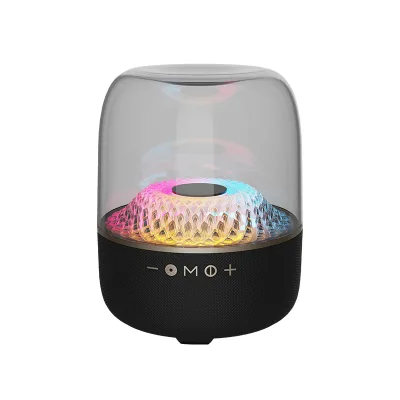
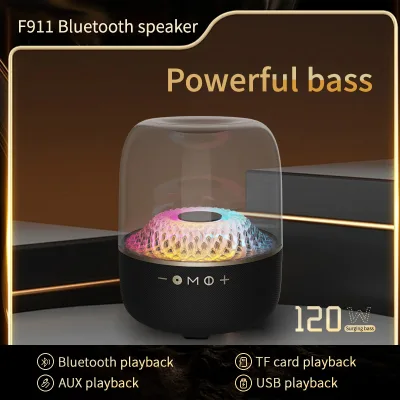


Comprehensive Sourcing Guide
Anodized Aluminum Wireless Speaker Supplier Concentration and Factory Types
The available data indicates a concentration of suppliers in China, specifically within the Zhejiang province, which serves as a primary manufacturing hub for audio equipment. This region hosts a mix of company types, including trading companies, manufacturers, and combined entities that handle both production and sales. Buyers observing these results should note that trading companies often aggregate products from various factories, while manufacturers may offer direct production capabilities with their own brands or OEM services. The presence of combined entities suggests a hybrid model where a single supplier might manage both the design and the final assembly of wireless speakers.
When evaluating the factory types, it is essential to distinguish between pure manufacturers and trading firms based on the specific product evidence provided. Some suppliers list main products ranging from home appliances to specialized audio gear, indicating a broad catalog that may include anodized aluminum speakers alongside other electronics. Others focus strictly on professional audio, amplifiers, and microphones, suggesting deeper technical expertise in sound engineering. Buyers must verify whether a supplier's primary focus aligns with their specific needs for anodized aluminum wireless speakers, as a general trading company might not possess the same specialized manufacturing capacity as a dedicated factory.
How to Verify Anodized Aluminum Wireless Speaker Suppliers
Verification begins with scrutinizing the system certifications listed in the supplier profiles, such as ISO9001:2015, ISO14001:2015, BSCI, or ISO 14064. These documents provide evidence of quality management systems and environmental compliance, which are critical for ensuring consistent production standards. However, some suppliers in the current results show a certification status of NIL, requiring buyers to request direct proof of compliance before proceeding. It is also necessary to confirm that the specific Anodized Aluminum Wireless Speaker models carry relevant product certifications like CE and CCC, which are visible in the product attributes for several listed items.
Beyond certifications, buyers should validate the supplier's capacity for customization and original design manufacturing. The product evidence shows that customization is available for various models, with specific attributes like active or passive amplification types and memory card support. Buyers must confirm if the supplier offers ODM or OEM services, as some profiles explicitly state "Own brand, ODM, OEM" capabilities while others only list OEM. Verifying the origin of the products, such as the stated "China" or "Zhejiang" origin in product attributes, ensures that the supply chain matches the buyer's expectations for manufacturing location and quality control protocols.
What to Compare Across Anodized Aluminum Wireless Speaker Suppliers
Comparing suppliers requires a detailed analysis of lead times, which vary significantly across the available results. Some suppliers indicate a lead time of 30 days, while others extend to 45 days, directly impacting inventory planning and time-to-market. Buyers should also examine the minimum order quantities (MOQ), which range from as low as 1 unit for certain PA speakers to 1000 units for standard consumer electronics. This variance suggests that some suppliers cater to small-scale testing or niche markets, whereas others are optimized for large-volume production runs.
Price and product specifications form another critical comparison dimension. The observed price ranges for wireless speakers span from approximately $1.70 to $22.50, depending on the model, material, and features like waterproofing or subwoofer integration. Buyers must compare the specific product attributes, such as THD levels, noise ratings, and speaker materials, to ensure the quoted price aligns with the technical performance required. Additionally, the main products listed by each supplier, ranging from home storage to professional audio equipment, help determine if the supplier has the necessary focus and expertise to deliver high-quality anodized aluminum wireless speakers consistently.
Common Anodized Aluminum Wireless Speaker Sourcing Risks
One significant risk involves the inconsistency in certification status among suppliers. While many products display CE and CCC certifications, some supplier profiles list system certifications as NIL, creating uncertainty about their overall quality management processes. This discrepancy can lead to compliance issues in target markets if the final products do not meet local regulatory standards. Buyers must treat suppliers with missing system certifications as higher risk and demand third-party verification of their product-specific certifications before placing any orders.
Another risk is the variation in product specifications and customization capabilities. The product evidence shows diverse attributes, such as different speaker systems, operation modes, and material compositions like metal or plastic. If a buyer assumes a supplier offers a specific anodized aluminum finish or a particular customization level without explicit confirmation, they may receive a product that does not meet their design requirements. Furthermore, the wide range of MOQs and lead times can disrupt supply chain stability, making it difficult to predict delivery schedules and manage stock levels effectively for Anodized Aluminum Wireless Speaker projects.
Anodized Aluminum Wireless Speaker Regional Sourcing and Logistics
The primary sourcing region identified in the data is China, with a specific concentration in the Zhejiang province. This location is a known hub for electronics manufacturing, offering established logistics networks and access to raw materials like aluminum. Buyers sourcing from this region should anticipate standard shipping routes and customs procedures associated with Chinese exports. However, since not all suppliers explicitly state their exact city or industrial zone, buyers should verify the specific location details to assess proximity to major ports and the efficiency of local freight forwarding services.
Logistics planning must account for the varying product dimensions and packaging standards observed in the supplier results. Product attributes indicate different packing types, such as brown boxes or cartons, and varying standard dimensions ranging from compact 120mm units to larger column speakers exceeding 900mm in height. These differences affect container loading efficiency and shipping costs. Buyers should calculate freight charges based on the specific dimensions and weights of the anodized aluminum wireless speakers they intend to order, ensuring that the packaging protects the aluminum finish during transit and minimizes damage risks.
Anodized Aluminum Wireless Speaker Commercial Terms and Order Planning
Commercial terms are heavily influenced by the lead times and MOQs provided in the supplier data. With lead times ranging from 30 to 45 days, buyers must plan their order cycles well in advance to avoid stockouts. The MOQs, which can be as low as 1 unit or as high as 1000 units, dictate the financial commitment required for each order. Buyers should negotiate terms that align with their cash flow and inventory strategy, potentially starting with lower MOQs to test the market before committing to larger production runs.
Order planning also requires careful attention to the specific product attributes and customization options available. Since customization is listed as available for many models, buyers should clarify the timeline and costs associated with custom branding or design changes. The price ranges observed, from $1.70 to $22.50, suggest that budget planning must be flexible to accommodate different feature sets and material qualities. Buyers should establish clear communication channels to confirm all technical specifications, including frequency response and noise levels, to ensure the final product meets the intended application requirements for home, commercial, or outdoor use.
FAQs
What is the price range for wireless speakers?
Prices for wireless speakers vary significantly based on type and features. Portable mini models range from $1.70 to $5.42, while professional outdoor column speakers cost between $11.80 and $22.50. Buyers should check specific product listings for exact pricing tiers and volume discounts.
What certifications do these speakers have?
Many outdoor and commercial speakers carry CE and CCC certifications for safety and compliance. System certifications like ISO 9001, ISO 14001, and BSCI are also available from select manufacturers. Always verify specific product certificates before placing large orders to ensure regulatory compliance.
What is the typical lead time for orders?
Standard lead times generally range from 30 to 45 days depending on the supplier type and order volume. Trading companies may offer faster turnaround than manufacturers. Confirm the exact production schedule with your supplier to align with your project deadlines and inventory needs.
What is the minimum order quantity (MOQ)?
MOQs vary by product category, typically starting at 1000 units for consumer electronics and 500 units for professional audio equipment. Some specialized items may have lower thresholds. Check individual product pages for precise MOQ requirements to plan your initial procurement budget effectively.
Can I customize these wireless speakers?
Customization is widely available across most speaker categories, including portable and outdoor models. Suppliers offer OEM and ODM services for branding and design modifications. Verify customization options, such as logo printing or packaging changes, directly with the manufacturer to meet your specific brand requirements.
Where are these suppliers located?
Most suppliers are located in Zhejiang, China, a major hub for electronics and manufacturing. This region offers robust supply chains for home appliances and consumer electronics. Buyers can leverage this geographic concentration for efficient logistics and consolidated shipping when sourcing multiple audio products.