Deep Cleansing Makeup Remover Oil Suppliers and Manufacturers
Explore 31 verified options for Deep Cleansing Makeup Remover Oil from China Guangdong. Compare dimensions like lead times, certifications, and MOQs to find suitable factories. Contact suppliers directly to request samples or quotes; review the available evidence before requesting comparable quotations from suitable candidates.
Suppliers List

Reina Cosmetics (Guangzhou) Co., Ltd.
- Manufacturer/Factory
- China Guangdong
- Lead time30 days
- Avg. response≤ 23h
Main productsSkin Care Products, Hair Care Products, Personal Care Products, Hair Color and Perm Products, Sunscreen Products, Minoxidil, Suncare Products, Body Care Products, OTC Personal Care, Aerosol Personal Care
Main marketsSouth America,Eastern Europe,Mid East,North America,Southeast Asia,Eastern Asia,Oceania,Western Europe

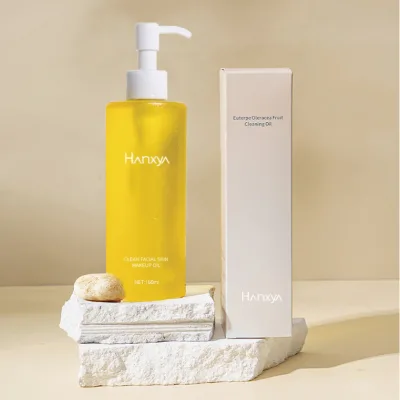
Makeup Removing Cleansing Skin Care Deep Clean Makeup Remover Cleansing Oil
$1.00 - $1.20
MOQ: 10000 Pieces

Makeup Removing Cleansing Skin Care Deep Clean Makeup Remover Cleansing Oil
$1.00 - $1.20
MOQ: 10000 Pieces


Makeup Removing Cleansing Skin Care Deep Clean Makeup Remover Cleansing Water
$1.00 - $1.20
MOQ: 10000 Pieces
Shenzhen Imanson Technology Co., Ltd.
- Verified by TüVRheinland
- Trading Company
- Lead time3 days
- Avg. response≤ 4h
Main productsEyeshadow, Blush, Lipstick, Lipgloss, Makeup Tools
Main marketsNorth America(50%), Eastern Europe(10%), Western Europe(10%)

Guangzhou Mebamy Cosmetics Co., Ltd.
- Verified by TUVRHEINLAND
- Manufacturer/Factory
- China Guangdong
- Lead time15 days
- Avg. response≤ 5h
Main productsFace Serum, Soap, Face Cream, Sunscreen, Eyelash Growth Serum, Teeth Whitening, Face Mask, Facial Cleanser, Essential Oil, Hair Care Series
Main marketsNorth America,Western Europe

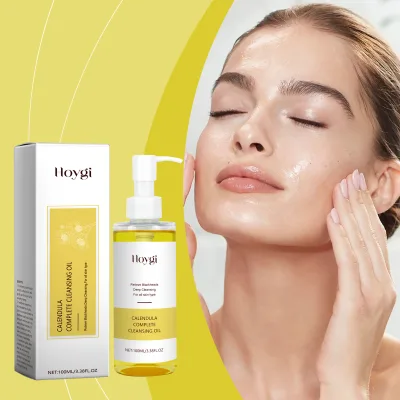
Natural Hydrating Calendula Complete Deep Makeup Remover Facial Cleansing Oil
$1.33 - $2.28
MOQ: 3000 Pieces


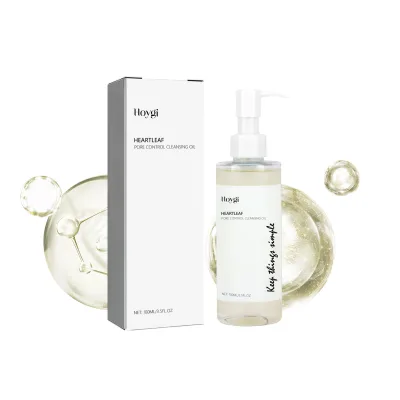
Korean Daily Makeup Removal Blackhead Melting Facial Pure Cleansing Oil
$1.29 - $2.38
MOQ: 3000 Pieces
Guangzhou Meisheng Cosmetics Co., Ltd.
- Verified by SGS Group
- Manufacturer, Trading Company
- Lead time35 days
- Avg. response≤ 2h
Main productsSkin Care Serum, Hand Care, Foot Care, Body Care, Face Care
Main marketsNorthern Europe(25%), Southern Europe(25%), Domestic Market(14%)
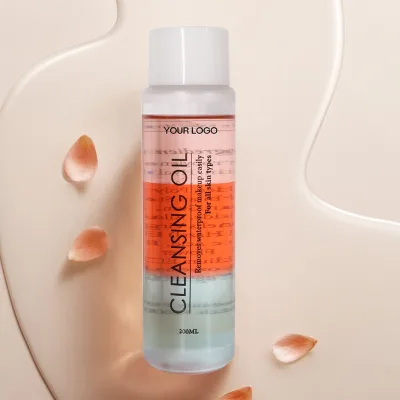
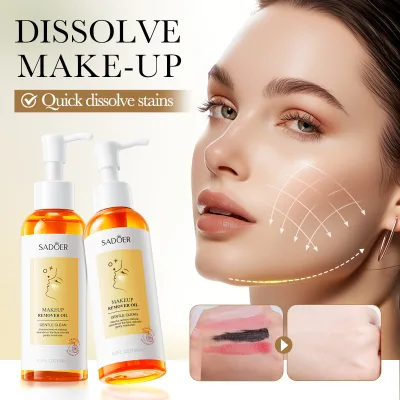
Three Color Cleansing Oil Skincare Daily Makeup Removal Facial Deep Cleansing Oil
$2.41 - $3.36
MOQ: 1000 pieces
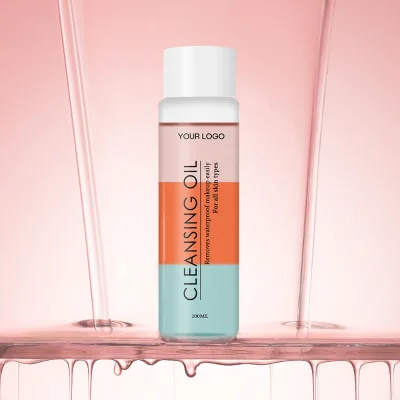
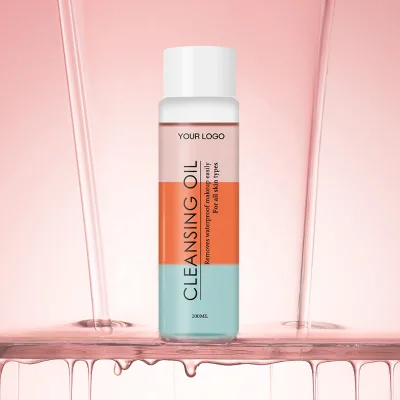
Oem Moisturizing Cleansing Oil Makeup Remover for Sensitive and Acne Prone Skin
$2.41 - $3.36
MOQ: 1000 pieces

Guangzhou Danjia Cosmetics Co., Ltd.
- Verified by BV
- Manufacturer/Factory
- China Guangdong
- Lead time0 days
- Avg. response≤ 21h
Main productsDizao Facial Masks, Breast Enlarging Cream Slimming Cream, Dizao Foot Mask, Bb Cream, Breast Enlarging/ Hip up /Slimming Cream, Facial Cleanser, Body Lotion, Razor Shaving Cream, Facial Cream, Hand Cream
Main marketsSouth America,Eastern Europe,Mid East,North America,Southeast Asia,Eastern Asia,Oceania,Western Europe,Africa
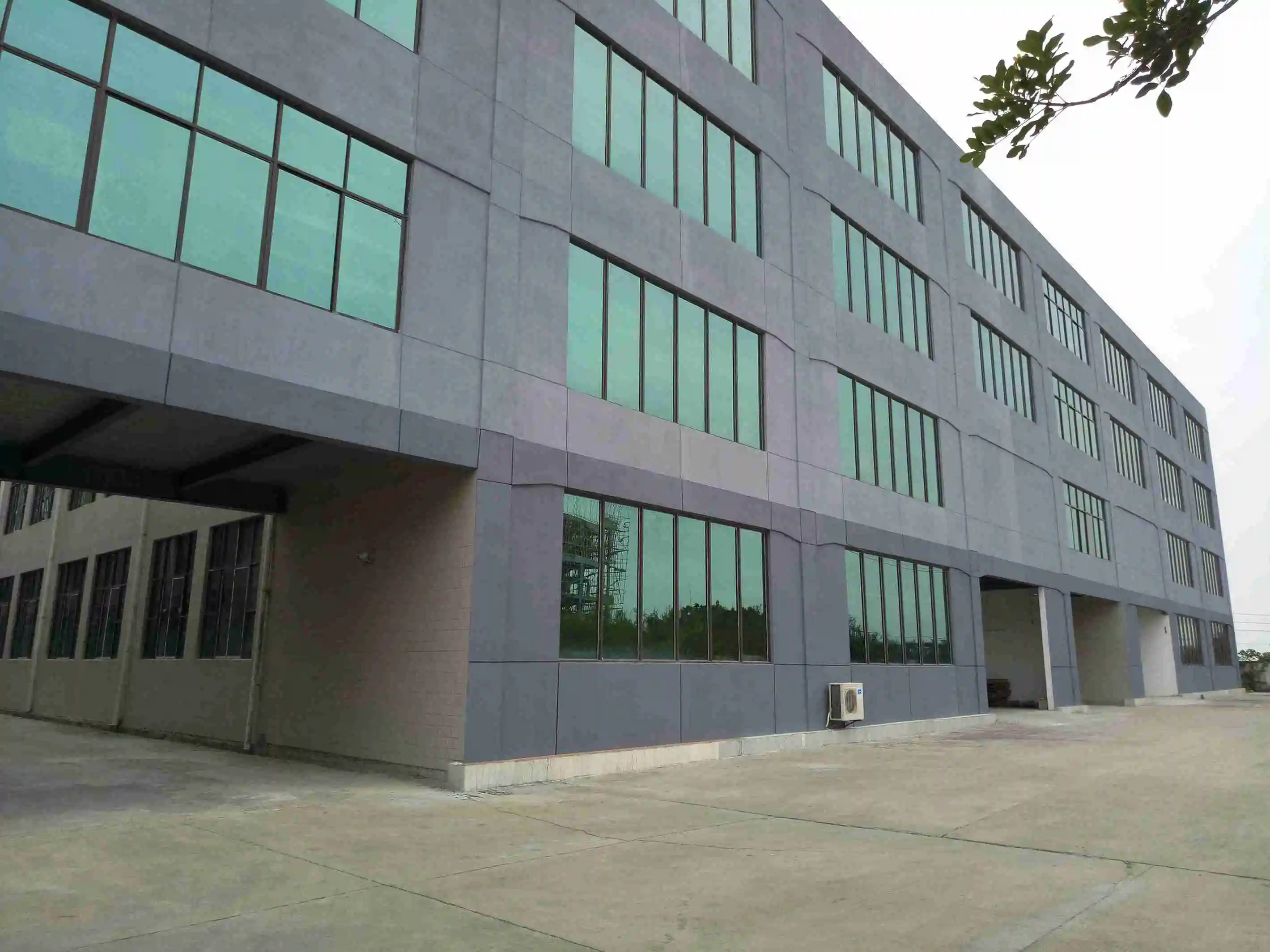
Guangzhou Caiwei Biotechnology Co., Ltd.
- Manufacturer
- Guangdong, China
- Lead time25 days
- Avg. response≤ 3h
Main productsFace Serum & Cream & Oil and Mask,Eye Serum & Cream & Mask,Hair Care,Body Care,Beauty Salon Products
Main marketsNorth America(70.00%), Western Europe(20.00%), South Asia(3.00%), Southern Europe(3.00%), Northern Europe(2.00%), Central America(2.00%)
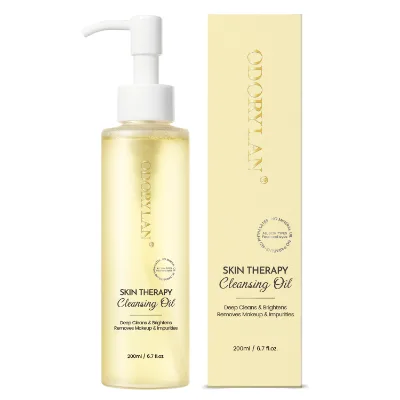
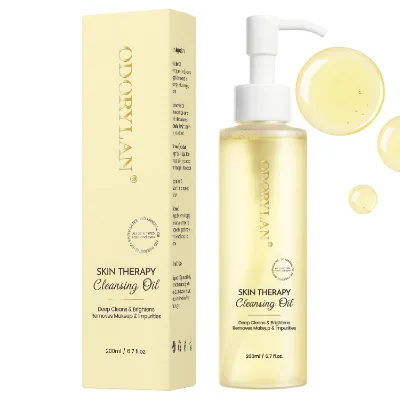
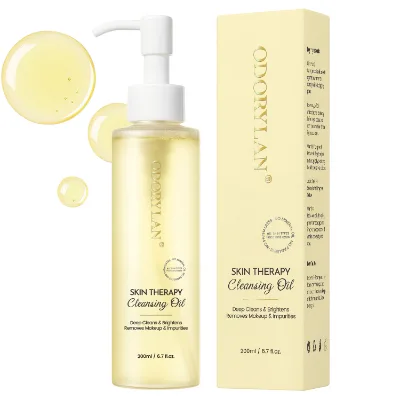
$1.92 - $2.94
MOQ: 1 pieces
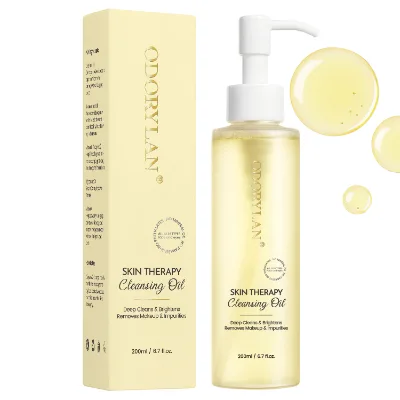
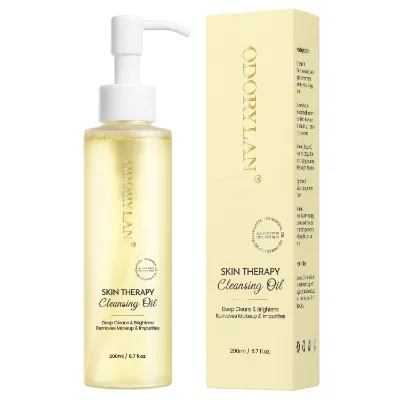
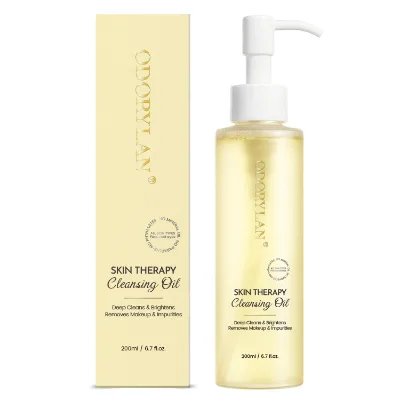
New Arrival Deep Cleansing Oil 200ml Hot Selling Makeup Removing Oil Korean-wholesale Product
$1.92 - $2.94
MOQ: 1 pieces
Guangzhou Tengyuan Biotechnology Co., Ltd.
- Verified by Intertek
- Trading Company
- Lead time15 days
- Avg. response≤ 2h
Main productsShampoo , Body lotion, Shower Gel, Facial Cleanser, Cream
Main marketsSoutheast Asia(55%), Domestic Market(25%), North America(20%)
Guangzhou Kaxiou Biotechnology Co., Ltd.
- Verified by SGS
- Combined
- China Guangdong
- Lead time30 days
- Avg. response≤ 11h
Main productsMakeup
Main marketsSoutheast Asia/ Mideast,Domestic

$2.18 - $2.98
MOQ: 500 Pieces

Cosmetics Manufacturers Custom Private Label Discharge Oil Face Deep Cleansing Makeup Remover
$2.27 - $2.42
MOQ: 500 Pieces


Private Label Caviar Essence Soothing Cleansing Oil Removes Makeup Softens Makeup Remover OEM ODM
$1.71 - $2.56
MOQ: 12 Pieces


Yixing Allwin Products Co., Ltd.
- Verified by CTI
- Trading Company,Manufacturer/Factory,Group Corporation
- China Jiangsu
- Lead time23 days
- Avg. response≤ 2h
Main productsFace Cream, Lip Care, Bath Care, Perfume/ Body Mist, Personal Care, Luxury Cosmetic, Laundry Detergent, Soap Flowers, Package
Main marketsSouth America,Eastern Europe,Mid East,North America,Southeast Asia,Eastern Asia,Oceania,Western Europe,Africa
Guangzhou Chingo Cosmetic Co., Ltd.
- Verified by TüVRheinland
- Manufacturer, Trading Company
- Lead time15 days
- Avg. response≤ 3h
Main productsFace Care Products, Body Care Products, Hair Care Products
Main marketsNorth America(45%), Western Europe(15%), Mid East(10%)
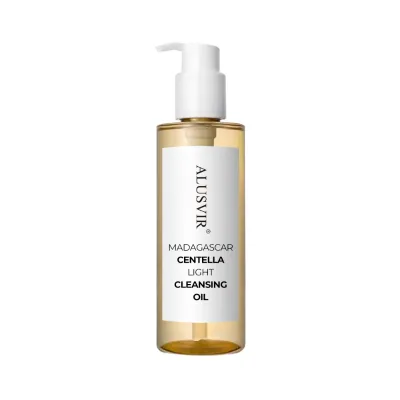
$1.85 - $2.50
MOQ: 500 pieces
Chengdu Yuanlab Biotech Co., Ltd.
- Verified by CTI
- Trading Company
- China Sichuan
- Lead time23 days
- Avg. response≤ 3h
Main productsFacial Mask, Serum, Facial Cleanser, Face Cream, Essential Oil, Shampoo and Bath Products, Eye Makeup, Facial Makeup, Lip Makeup, Lyophilized Powder
Main marketsDomestic,Europe,North America


Grape Seed Cleansing Oil Makeup Remover Pore Purifying Nourishing Face Oil
$1.50 - $4.00
MOQ: 1 Pieces
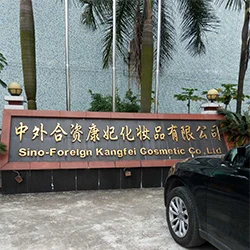
Guangzhou Kangfei Cosmetics Co., Ltd.
- Manufacturer, Trading Company
- Guangdong, China
- Lead time30 days
- Avg. response≤ 17h
Main productsFacial masks,Hair Care products,Nail Polishing Products,Make-up Products,Body care products
Main marketsNorth America(30.00%), Mid East(10.50%), Western Europe(10.00%), Northern Europe(10.00%), Eastern Europe(10.00%), Southeast Asia(5.50%), Central America(5.00%), Africa(5.00%), Domestic Market(5.00%), South America(5.00%), Eastern Asia(1.00%), South Asia(1.00%), Southern Europe(1.00%), Oceania(1.00%)

Guangzhou Aifujia Biotechnology Co., Ltd.
- Trading Company
- China Guangdong
- Lead time15 days
- Avg. response≤ 5h
Main productsFace Cream, Face Serum, 24K Serum, Rose Spray, Vitamin C Serum, Skin Care Set, Essential Oil, Facial Mask, Face Lotion, Anti Aging Whitening Face Cream
Main marketsSoutheast Asia/ Mideast,Europe,North America


Deep Cleansing Oil Skin Makeup Remover and Orangecleansing Oil Korean Supplier
$1.47 - $2.07
MOQ: 350 Pieces


Centella Cleansing Oil for Face Paraben-Free Antioxidant & Makeup Remover
$1.47 - $2.07
MOQ: 350 Pieces

Ultra Hyaluronic Cleansing Oil Sulfate-Free Makeup Remover & Pore Shrinking
$1.47 - $2.07
MOQ: 350 Pieces

Certified Cruelty-Free Fluid Liquid Gentle Cleansing Face Make up Remover
$0.88 - $1.98
MOQ: 1000 Pieces
Guangzhou Xiaoshi Biotechnology Co., Ltd.
- Trading Company
- Guangdong, China
- Lead time3 days
- Avg. response≤ 2h
Main productsshampoo,Shower Gel,Conditioner,Personal Care Products,Mask Powder/Essence/Facial Scrub/Liquid Foundation/Sunscreen Cream
Main marketsNorth America(60.00%), Eastern Europe(10.00%), South America(10.00%), Southeast Asia(5.00%), Western Europe(2.00%), Eastern Asia(2.00%), Mid East(2.00%), Oceania(2.00%), Africa(2.00%), Domestic Market(1.00%), South Asia(1.00%), Southern Europe(1.00%), Northern Europe(1.00%), Central America(1.00%)

Suzhou Yiyada Trading Co., Ltd.
- Verified by SGS
- Trading Company
- China Jiangsu
- Lead time30 days
- Avg. response≤ 14h
Main productsShampoo, Hair Conditioner, Hair Mask, Body Wash, Body Lotion, Toothpaste, Mouthwash, Face Cleanser, Cleaner, Laundry Detergent
Main marketsSouth America,Africa,Southeast Asia/ Mideast,Europe,Australia,North America
FangCheng Qi Xiao Guai International Trade Co., Ltd.
- Trading Company
- Henan, China
- Lead time0 days
- Avg. response≤ 1h
Main productscolor cosmetics,skincare,beauty tools,Oral Care,Personal care
Main marketsSoutheast Asia(50.00%), North America(20.00%), South America(10.00%), Mid East(10.00%), Eastern Europe(5.00%), Oceania(5.00%)

Guangzhou Olehana Biotechnology Co., Ltd
- Verified by BV
- Manufacturer/Factory
- China Guangdong
- Lead time45 days
- Avg. response≤ 19h
Main productsFace Serum, Face Cream, Skin Care Set, Hair Growth, Beauty Device, Lip Gloss, Lip Stick, Lip Balm, Beard Care, Body Care
Main marketsEastern Europe,North America,Western Europe


$1.55 - $2.65
MOQ: 1 Pieces


Meiji Cosmetic Company Limited
- Verified by BV
- Combined
- China Guangdong
- Lead time15 days
- Avg. response≤ 8h
Main productsCosmetic Production, Lotion, Facial Mask, Cream, Serum
Main marketsDomestic,Europe

Guangzhou Zohe Wellness Technology Co. Ltd
- Verified by SGS
- Combined
- China Guangdong
- Lead time15 days
- Avg. response≤ 2h
Main marketsDomestic


OEM Deep Cleansing Waterproof Heavy Makeup Black Truffle Plant Extract Makeup Remover Oil
$2.18 - $2.98
MOQ: 3000 Pieces

Guangzhou Ailian Cosmetic Co., Ltd.
- Verified by SGS Group
- Manufacturer, Trading Company
- Lead time15 days
- Avg. response≤ 5h
Main productsMask, Body Care, Make Up, Cosmetics, Skin Care
Main marketsDomestic Market(30%), Eastern Europe(25%), Southeast Asia(12%)
Guangzhou Biying Cosmetics Co., Ltd.
- Verified by TüVRheinland
- Manufacturer, Trading Company
- Lead time15 days
- Avg. response≤ 7h
Main productsFacial Care, Eye Care, Body Care, Skin Care, Cosmetics
Main marketsNorth America(20%), Eastern Europe(15%), Southeast Asia(15%)

Guangzhou Shiruoni Cosmetics Co., Ltd.
- Trading Company,Manufacturer/Factory,Group Corporation
- China Guangdong
- Lead time15 days
- Avg. response≤ 6h
Main productsSkin Care, Jelly Mask, Face Serum, Face Toner, Face Cream, Facial Mask, Sunscreen, Face Cleanser, Soap, Skin Care Set
Main marketsSouth America,Eastern Europe,Mid East,North America,Southeast Asia,Eastern Asia,Oceania,Western Europe,Africa

China Cosmetics Deep Cleansing Facial Foam Moisturizing Makeup Remover Face Cleanser
$2.00 - $2.50
MOQ: 1000 Pieces

Oil Control Gentle Makeup Cleansing Water Alcohol Free Deep Cleanses Makeup Remover Private Label
$1.60 - $2.50
MOQ: 1000 Pieces

Private Label Gentle Cleansing Makeup Water Deep Cleanses Makeup Remover for Sensitive Skin
$1.60 - $2.50
MOQ: 1000 Pieces

Best Selling Herb Green Cleansing Oil Daily Makeup Remover Tea Tree Facial Cleanser Oil for Women
$2.00 - $2.50
MOQ: 1000 Pieces

Customized Logo Natural Makeup Remover Not Greasy Deep Face Wash Cleaning Balm
$0.90 - $1.50
MOQ: 1000 Pieces

$2.00 - $2.50
MOQ: 1000 Pieces
- Manufacturer, Trading Company
- Lead time旺季: "1 - 5000":30,"> 5000":"To be negotiated", 淡季: "1 - 5000":30,"> 5000":"To be negotiated"
- Avg. response≤ 3h
Main productsEye Makeup, Foundation, Lip Makeup, Face Makeup, Setting Spray
$1.29 - $1.61
MOQ: 100 pieces
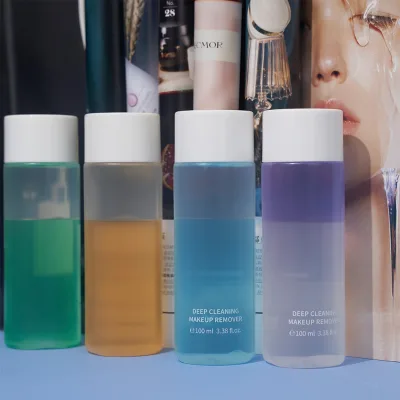
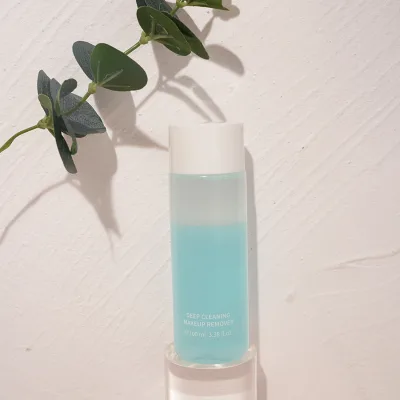
Factory Wholesale Face Makeup Remover Cleansing Oil Deep Speed Cleansing Gentle Make up Remover
$1.28 - $1.61
MOQ: 100 pieces
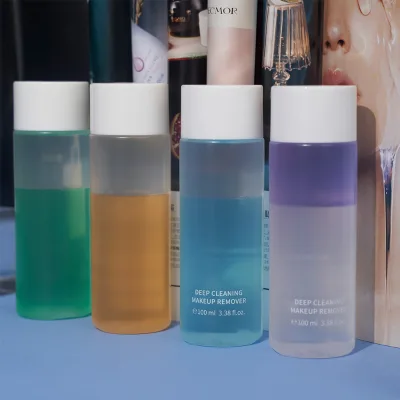
$1.26 - $1.58
MOQ: 100 pieces
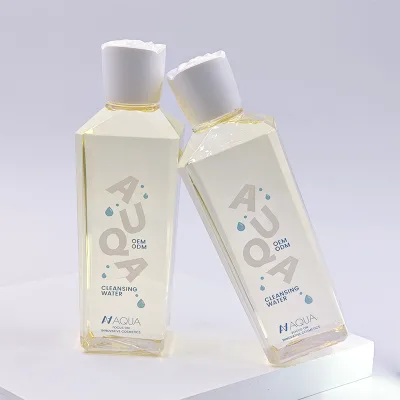
Henan Qingmei Glass Products Co., Ltd.
- Trading Company
- Henan, China
- Lead time15 days
- Avg. response≤ 8h
Main productsPerfume bottle,essential oil bottle,cosmetic bottle,diffusion bottle,cosmetic packaging
Main marketsMid East(30.00%), Northern Europe(12.00%), Southern Europe(10.00%), South Asia(10.00%), Western Europe(10.00%), North America(10.00%), Eastern Europe(10.00%), South America(8.00%)

Guangzhou Kanglixin Medical Biotechnology Co, Ltd.
- Verified by TUVRHEINLAND
- Manufacturer/Factory
- China Guangdong
- Lead time23 days
- Avg. response≤ 10h
Main productsSkin Care Products, Body Care, Hair Care Products, Makeup, Men's Care Products, Ferminine Care Products, Serum, Facial Mask, Face Cream, Scrub
Main marketsSouth America,Eastern Europe,Mid East,North America,Southeast Asia,Eastern Asia,Oceania,Western Europe,Africa
Guangdong Beaust Biotechnology Co., Ltd.
- Verified by Intertek
- Manufacturer, Trading Company
- Lead time30 days
- Avg. response≤ 2h
Main productsFace & Body Mask, Eye Mask, Body Cream, Skin Care Set, Face Cream & Lotion
Main marketsSouthern Europe(35%), North America(15%), Domestic Market(15%)
Guangzhou Elov Cosmetics Co., Ltd.
- Verified by SGS Group
- Manufacturer, Trading Company
- Lead time20 days
- Avg. response≤ 6h
Main productsMask, Eye Pad, Body Cream, Facial and Body Spray, Foot and Hand Mask
Main marketsDomestic Market(40%), North America(12%), Western Europe(10%)

Shenzhen Fundy Cosmetics Co., Ltd.
- Verified by TUVRHEINLAND
- Manufacturer/Factory
- China Guangdong
- Lead time30 days
- Avg. response≤ 5h
Main productsEyeshadow, Lipgloss, Foundation, Lipstick, Blusher, Highlighter, Makeup, Makeup Tool, OEM/ODM
Main marketsSouth America,Eastern Europe,Mid East,North America,Southeast Asia,Eastern Asia,Oceania,Western Europe,Africa

Wholesale Gently Deep Cleansing Makeup Remover Balm Face Lips Eye Make up Remover Cleansing Balm
$1.50 - $2.80
MOQ: 50 pieces

Private Label Vegan Facial Cleanser Eye Shadow Lipstick Makeup Remover Cleansing Cream
$1.50 - $2.80
MOQ: 50 pieces

Guangzhou Aixin Cosmetic Co., Ltd.
- Verified by TUVRHEINLAND
- Trading Company
- China Guangdong
- Lead time15 days
- Avg. response≤ 5h
Main productsSkin Care, Cosmetic, Face Mask, Beauty, Body Scrub, Face Care, Body Care, Skin Care Product, Mask, Cream
Main marketsDomestic

Cosmetics Face Skin Care Cleansing Makeup Remover Gel Soothing Wash Facial Cleanser
$1.50 - $2.85
MOQ: 100 Pieces

Beauty Cosmetics Facial Cleanser Remover Mint Makeup Remover Micellar Cleaning Water
$1.55 - $2.45
MOQ: 100 Pieces
Guangzhou Hanmei International Trade Co., Ltd.
- Manufacturer, Trading Company
- Guangdong, China
- Lead time15 days
- Avg. response≤ 2h
Main productsSkincare manufacturing,Creams,masks,serums,hair oils
Main marketsNorth America(30.00%), Domestic Market(20.00%), Eastern Europe(15.00%), Southeast Asia(10.00%), South America(5.00%), Western Europe(5.00%), Eastern Asia(5.00%), Mid East(5.00%), Africa(5.00%)

Guangzhou Rangecolor Cosmetics Co., Ltd.
- Trading Company,Manufacturer/Factory
- China Guangdong
- Lead time38 days
- Avg. response≤ 18h
Main productsEyeshadow, Blush, Lipgloss, Face Powder, Lipstick, Lip Balm, Facial Mask, Lotion, Makeup Remover, Liquid Foundation
Main marketsSouth America,Eastern Europe,Mid East,North America,Eastern Asia,Western Europe,Africa












Comprehensive Sourcing Guide
Deep Cleansing Makeup Remover Oil Supplier Concentration and Factory Types
Suppliers of Deep Cleansing Makeup Remover Oil on this page are concentrated in Guangdong, China, which functions as a major personal care manufacturing cluster. Buyers searching this category will typically encounter two distinct company types. Manufacturer/factory suppliers list broad skincare portfolios — skin care, hair care, sunscreen, body care and OTC personal care products — and position themselves as OEM/ODM partners, with some advertising in-house brands alongside contract manufacturing. Trading company suppliers in the same region list narrower cosmetics assortments such as eyeshadow, blush, lipstick, lipgloss and makeup tools, and source makeup remover oil from third-party producers.
Understanding this split matters for sourcing decisions. A factory-type supplier can more directly control formulation, filling and quality systems, and may hold system-level certifications such as ISO 9001 and GMP, though buyers should verify current certificates. A trading company can consolidate multiple cosmetic categories into one order and may respond faster or ship samples quicker, but adds a layer between the buyer and the actual production line. Product-level evidence in this category shows cleansing oil listings in 100ml and 300ml formats, plastic packing, carton outer packaging and OEM/ODM supply types, which helps buyers confirm they are evaluating the right product family. When a supplier's location is not displayed, ask directly for the production address and check whether it sits in a recognized cosmetics cluster before committing to audits or samples.
How to Verify Deep Cleansing Makeup Remover Oil Suppliers
Verification should begin with the platform-displayed signals, then move to documents you request. Some listings on this page carry third-party verification badges such as TüV Rheinland, which indicates an on-site or documentary assessment by an independent body, but a badge is not a substitute for your own checks. For factory-type suppliers, ask for ISO 9001 and GMP certificates and confirm the scope and expiry dates. For individual cleansing oil products, the displayed attributes reference certificates such as GMPC, ISO 22716 and COA — request copies and match certificate holders to the legal entity you are contracting with, since the certificate holder and the sales company are sometimes different.
Next, verify the product itself. Request a sample of the cleansing oil, check the model number against the listing (models such as D20-series and similar codes appear in this category), and confirm the declared volume — 100ml and 300ml formats are shown — plus packing material and origin. Ask the supplier to state whether it manufactures in-house or trades, and if it trades, request the manufacturing partner's details. For cosmetics entering regulated markets, confirm which market registrations the supplier can support, since listing-level certificates do not automatically cover your destination market. Finally, test responsiveness before ordering: response times displayed on this page range from a few hours to more than twenty, so send a technical question about ingredients or packaging and measure how quickly and how specifically the supplier answers.
What to Compare Across Deep Cleansing Makeup Remover Oil Suppliers
Build a comparison table using dimensions that are actually displayed, while remembering not every supplier shows every attribute. Core columns should include company type (manufacturer versus trading company), location, lead time, MOQ, response time, main products, and verification status. On this page, lead times vary widely — some suppliers show lead times as short as 3 days and 15 days, while a factory-type listing shows around 30 days — so quote lead time for the specific cleansing oil SKU, not the company average. MOQs also differ dramatically: one trading listing shows a 1-piece minimum on a 100ml cleansing oil, while factory OEM listings show 10,000-unit minimums on 300ml formats, reflecting fundamentally different business models.
Compare product evidence alongside commercial terms. Look at volume formats (100ml versus 300ml), ingredient positioning (mineral-based versus herbal or botanical claims appear in listings), certification references per product, customization availability, and packing specifications. A supplier whose main products are skincare and sunscreen may have deeper formulation capability than one focused on color cosmetics. Response time is a practical proxy for communication quality; suppliers showing a few hours' response will usually resolve production issues faster than those taking a day or more. Also compare whether suppliers offer sample processing, graphic processing and on-demand customization, and whether they hold their own brand — a sign of in-house R&D capacity. Weight the columns by your priority: small brands favor low MOQ and samples, while private-label programs favor certifications and customization.
Common Deep Cleansing Makeup Remover Oil Sourcing Risks
The most common risk in this category is certificate mismatch. Product listings display certificate strings such as GMPC, ISO 22716, MSDS, CE, GMP and COA, but these may apply to a product line, a facility, or a batch test rather than your specific formulation and destination market. A buyer who accepts listing text without document verification may later find the certificate cannot be used for import registration. A related risk is entity mismatch: the selling company, the certificate holder and the factory can be three different organizations, especially with trading companies.
Quality and consistency risks follow. Cleansing oil is an emulsion-free but oxidation-sensitive product; mineral-oil-based and botanical formulations behave differently over shelf life, so a sample that performed well may degrade in bulk production or in transit heat. Confirm stability testing and shelf-life data rather than assuming the sample predicts the shipment. MOQ and lead-time surprises are also frequent — the gap between a 1-piece minimum and a 10,000-unit minimum on this page shows how differently suppliers define accessibility, and lead times ranging from days to a month can shift with peak season. Finally, beware of generic listings: multiple models (D20, D209, D201, D208, D206, D18) with nearly identical descriptions suggest white-label bases where differentiation is only fragrance or packaging. Ask what is genuinely customizable — formula, color, fragrance, bottle, label — before assuming a listing equals a bespoke product.
Deep Cleansing Makeup Remover Oil Regional Sourcing and Logistics
The supplied results place these suppliers in Guangdong, China, which matters for logistics planning. Guangdong hosts dense cosmetics supply chains — bottle and pump suppliers, carton converters, filling plants and freight forwarders sit close together — which shortens component lead times and simplifies factory visits. Buyers planning audits can combine multiple supplier visits in one trip, and sample shipments from the region are typically fast via courier. Where a supplier's location is not displayed, ask for the production address and confirm it before estimating freight.
For logistics execution, note that this category's products are liquids in plastic bottles packed in cartons. Displayed packaging details include individual cartons and palletized, paper-boxed cartons, so clarify outer packing standards, drop tests and pallet configuration early. Cleansing oil is classified as a liquid cosmetic; check whether the specific formulation triggers restrictions on air freight and confirm MSDS availability, since some listings reference it. Sea freight is standard for volume orders of 300ml formats; air or express suits 100ml samples and small trial runs. Plan around a lead-time spectrum observed here — from roughly 3 days for trading-company dispatch to about 30 days for factory production — and add time for pre-shipment inspection. If sourcing outside a known cluster, factor in longer component sourcing and less frequent audit access. Confirm Incoterms in writing, and verify who handles export documentation, since trading companies and factories differ in export licensing and consolidation capability.
Deep Cleansing Makeup Remover Oil Commercial Terms and Order Planning
Commercial terms in this category span two extremes, so align terms with your business stage. Displayed unit prices for cleansing oils range roughly from about one dollar to under three dollars depending on format and supplier, with factory OEM listings quoting per-unit prices against 10,000-unit minimums on 300ml bottles and trading listings quoting higher per-unit prices against 1–2 piece minimums on 100ml bottles. Small buyers can validate a market with trading-company minimums, then transition to factory OEM pricing once volumes justify tooling and formulation work. Always confirm whether quoted prices include printing, plates, bottles and labeling for customized orders.
Order planning should sequence sample, trial, and scale. Start with a paid sample even where listings indicate samples are available, since free samples attract less serious handling. Then place a trial order at the lowest viable MOQ to test packing survival, shipping time and customer feedback before committing to container volumes. Match payment terms to risk: use escrow or platform-protected payment where offered, stage payments against milestones for factory orders, and avoid large deposits to unverified entities. Confirm in writing the lead time for your SKU — observed ranges span roughly 3 to 30 days — plus reorder lead time, since repeat velocity matters more than first-order speed. Finally, lock specifications in a document: model number, volume, formula reference, packing material, carton spec and certificate obligations, so that a reorder matches the approved sample rather than a listing description.
FAQs
What bottle sizes are typical for Deep Cleansing Makeup Remover Oil?
Most listings in this category offer 300ml carton-packed bottles for private label programs, while some suppliers provide 100ml bottles suited to retail or trial formats. Confirm the fill volume, packing material and carton configuration during quoting, because customization is generally available but the standard size listed on the product page may be the only stocked option.
Can suppliers provide OEM or ODM services for makeup remover oil?
Yes, many manufacturers and trading companies list OEM/ODM supply as their default arrangement, with customization available for logo, formula direction and packaging. ODM usually means the supplier develops the formulation from an existing base, while OEM focuses on producing your finished design. Ask each supplier to state which service tiers they offer and what artwork or samples they require to start.
What certifications should a makeup remover oil manufacturer hold?
Look for GMP and ISO 9001 system certification at the factory level, plus product-level certificates such as GMPC, ISO 22716 and COA on specific items. Buyers exporting to Europe may also ask about REACH and CPNP compliance. Always request copies of the actual certificates and verify they are current, because listing pages do not confirm expiration dates or scope of coverage.
What is the typical minimum order quantity for cleansing oil?
MOQs vary widely by supplier type. Some manufacturers set the minimum at 10,000 units for 300ml private label runs, while certain trading companies accept orders as small as one or two pieces, useful for sampling or testing the market. Decide whether you need bulk production pricing or low-volume flexibility first, then match suppliers whose stated MOQ fits that plan.
How long does production take for makeup remover oil orders?
Lead times shown by suppliers in this category range from as fast as 3 days to around 30 days, depending on order size, customization level and whether stock is available. A trading company with ready goods can ship quickly, while a factory producing a custom formula needs more time. Confirm the lead time in writing before paying a deposit.
Where are most Deep Cleansing Makeup Remover Oil suppliers located?
The suppliers represented on this page are based in Guangdong, China, which is a major hub for cosmetics and personal care manufacturing. Guangdong's supplier density supports competitive pricing and a wide choice of manufacturers, trading companies and packaging partners. Product origin listings also state China, but you should confirm the exact factory address during direct communication.
How quickly do these suppliers respond to buyer inquiries?
Listed average response times on this page range from about 4 hours to roughly 22 hours, so responsiveness differs noticeably between suppliers. Fast response matters most during sampling and negotiation stages when questions arise daily. Send an identical inquiry to several suppliers, compare how quickly and completely each one replies, and weight that behavior in your final selection.
Should I source from a manufacturer or a trading company?
Manufacturers generally suit large private label runs because they control formulation, production and GMP compliance directly. Trading companies suit small orders, mixed-product sourcing or buyers who need fast dispatch from ready stock. Some verified trading companies offer sample processing and customized-on-demand services. Request the business license type and factory photos so you know who actually produces your oil.