Organic Peptides Face Cream Suppliers and Manufacturers
Source Organic Peptides Face Cream from 28 verified suppliers in China. Compare certifications like ISO 22716, lead times, and MOQs to find the right partner. Review product details and request quotes today; review the available evidence before requesting comparable quotations from suitable candidates.
Suppliers List

Guangzhou Meikou Biotechnology Co., Ltd.
- Verified by SGS
- Combined
- China Guangdong
- Lead time15 days
- Avg. response≤ 25h
Main productsSkin Care, Cosmetic, Facial Mask, Face Care, Body Care, Lyophilized Powder, Umbilical Extract
Main marketsDomestic


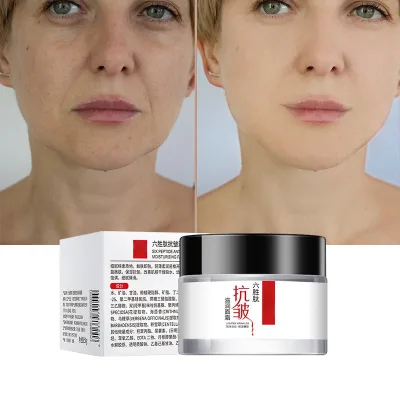
Peptide Anti-Wrinkle Firming Cream Moisturizing Treatment for Eye and Face Face Cream
$0.80 - $1.00
MOQ: 800 Pieces


Natural Collagen Skin Care Organic Anti Aging Gentle Nourishing Smooth Face Cream
$0.80 - $1.00
MOQ: 800 Pieces

Natural Anti Wrinkle Skin Care Organic Collagen Gentle Nourishing Smooth Face Cream
$0.80 - $1.00
MOQ: 800 Pieces
Guangzhou Pallas Cosmetics Co., Ltd.
- Verified by Intertek
- Trading Company
- Lead time10 days
- Avg. response≤ 2h
Main productsFacial Mask, Face Cream, Shampoo, Sunscreen, Serum
Main marketsNorth America(30%), Eastern Europe(25%), Southeast Asia(20%)
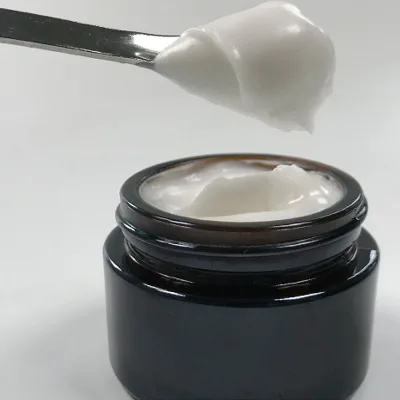
$1.15 - $1.75
MOQ: 500 pieces
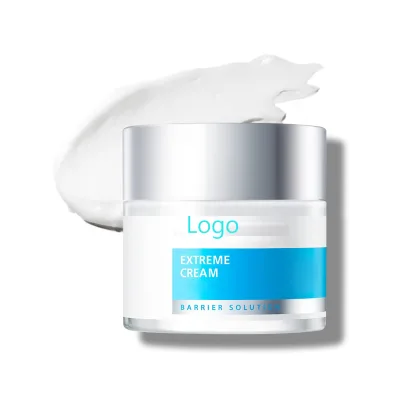
$1.70 - $2.30
MOQ: 1000 pieces

Guangzhou Kanglixin Medical Biotechnology Co, Ltd.
- Verified by TUVRHEINLAND
- Manufacturer/Factory
- China Guangdong
- Lead time23 days
- Avg. response≤ 9h
Main productsSkin Care Products, Body Care, Hair Care Products, Makeup, Men's Care Products, Ferminine Care Products, Serum, Facial Mask, Face Cream, Scrub
Main marketsSouth America,Eastern Europe,Mid East,North America,Southeast Asia,Eastern Asia,Oceania,Western Europe,Africa

Firming Face Cream Custom Logo Factory OEM ODM with Organic Herbals Peptides 3D Lifting Face Cream
$2.20 - $2.50
MOQ: 1000 pieces

Organic Skin Care Facial Cream Whitening Face Brightening Long Lasting Nourishing Face Cream
$1.60 - $2.00
MOQ: 5000 pieces

Private Label Vegan Peptide Moisturizing Cream Firming Repairing Facial Moisturizer
$2.20 - $2.50
MOQ: 1000 pieces

Custom Logo Anti-Aging Skin Care Moisturizing Revitalizing Firming Facial Oil Peptide Lotion
$1.88 - $2.28
MOQ: 2000 pieces
Guangzhou Gelan Biotechnology Co., Ltd.
- Verified by TüVRheinland
- Manufacturer, Trading Company
- Lead time15 days
- Avg. response≤ 4h
Main productsFace Toner & Lotion, Face Cream, Face Serum, Facial Mask, Body Care
Main marketsDomestic Market(40%), North America(15%), Southeast Asia(15%)
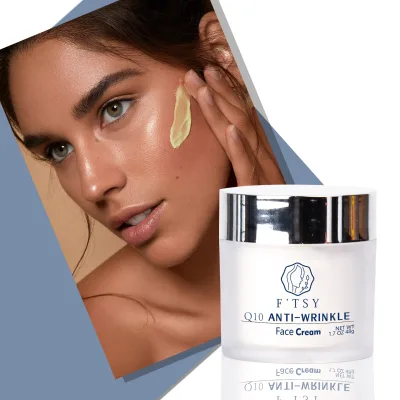
Guangzhou Fantesy Biotechnology Co., Ltd.
- Manufacturer, Trading Company
- Lead time旺季: "1 - 1000":30,"> 1000":"To be negotiated", 淡季: "1 - 1000":30,"> 1000":"To be negotiated"
- Avg. response≤ 3h
Main productsBody Lotion, Handmade Soap, Intimate Care, Skin Care Set, Sunscreen
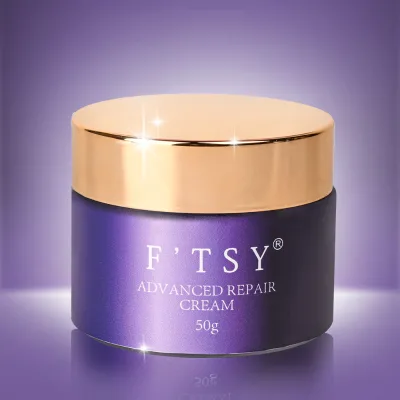
$1.68 - $2.40
MOQ: 1000 sets
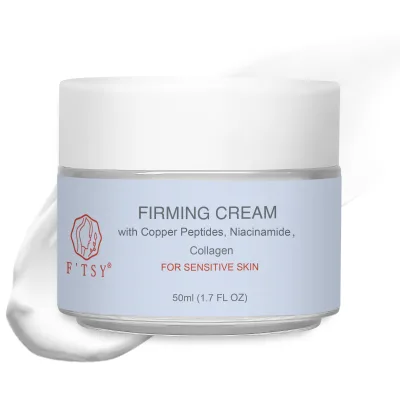

Guangzhou Shiruoni Cosmetics Co., Ltd.
- Trading Company,Manufacturer/Factory,Group Corporation
- China Guangdong
- Lead time15 days
- Avg. response≤ 6h
Main productsSkin Care, Jelly Mask, Face Serum, Face Toner, Face Cream, Facial Mask, Sunscreen, Face Cleanser, Soap, Skin Care Set
Main marketsSouth America,Eastern Europe,Mid East,North America,Southeast Asia,Eastern Asia,Oceania,Western Europe,Africa

Shenzhen Bangjiarui Technology Co., Ltd.
- Trading Company
- China Guangdong
- Lead time0 days
- Avg. response≤ 1h
Main productsCosmetic, Skin Care Product, Face Cream, Eye Cream, Toner, Skin Whitening Cream, Lotion, Mask, Hand Cream, Hair Conditioner

OEM/ODM Peptide Firming Face Cream for Smooth and Youthful-Looking Skin
$1.37 - $4.65
MOQ: 1000 Pieces


Advanced Retinol Peptide Face Cream for Wrinkle Care and Smooth Texture
$1.37 - $3.65
MOQ: 1000 Pieces


Peptide Retinol Face Cream for Fine Lines, Firmness and Daily Skin Care
$1.37 - $3.65
MOQ: 1000 Pieces

Sanli Biotechnology (Dalian) Co., Ltd
- Verified by SGS
- Combined
- China Liaoning
- Lead time15 days
- Avg. response≤ 8h
Main productsSkin Care Product
Main marketsDomestic

Organic Anti-Wrinkle Face Cream with Blue Copper Peptide for Daily Care and OEM Manufacturing
$129.81 - $169.76
MOQ: 100 kg


Targeted Tetrapeptide Repair Anti Wrinkle Face Cream for Fine Lines Reduction
$2.50 - $2.80
MOQ: 100 kg

Tetrapeptide Essence Lifting Age Defying Face Cream China Factoy for Bright Complexion
$2.50 - $2.80
MOQ: 100 kg

Soothing Whitening Face Cream with Blue Copper Peptide for Sensitive Skin Care and OEM Manufacturing
$59.43 - $77.72
MOQ: 100 kg

Protective Acne Face Cream with Blue Copper Peptide for Acne Prone Skin and Wholesale Distribution
$59.43 - $77.72
MOQ: 100 kg
Guangzhou Herbicos Beauty Products Co., Ltd.
- Verified by Intertek
- Manufacturer, Trading Company
- Lead time15 days
- Avg. response≤ 8h
Main productsSerum, Mask, Essential Oil, Body Scrub, Face Cream
Main marketsNorth America(40%), Western Europe(30%), Oceania(15%)
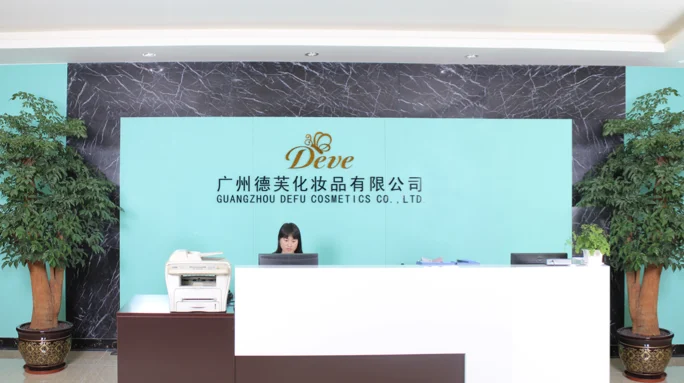
Guangzhou Defu Cosmetics Co., Ltd.
- Manufacturer, Trading Company
- Guangdong, China
- Lead time35 days
- Avg. response≤ 11h
Main productsFace Care, Body Care,Skin Care Set, Men Care, Make Up
Main marketsDomestic Market(35.00%), North America(15.00%), Mid East(10.00%), South Asia(5.00%), South America(5.00%), Oceania(5.00%), Western Europe(5.00%), Southern Europe(5.00%), Northern Europe(5.00%), Eastern Europe(5.00%), Southeast Asia(5.00%)
Bingo Cosmetic Manufacture Ltd.
- Manufacturer, Trading Company
- Lead time旺季: "1 - 3000":30,"> 3000":"To be negotiated", 淡季: "1 - 3000":30,"> 3000":"To be negotiated"
- Avg. response≤ 3h
Main productsHair Care Products; Hair Dyeing Products; Skin Care Products; Hair Styling Products; Pet Care Products,Hair Dyeing Products,Hair Styling Products,Skin Care Products,Pet Cleaning Products
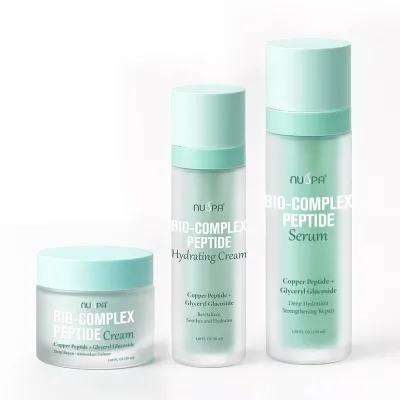
$5.00 - $5.30
MOQ: 3000 pieces
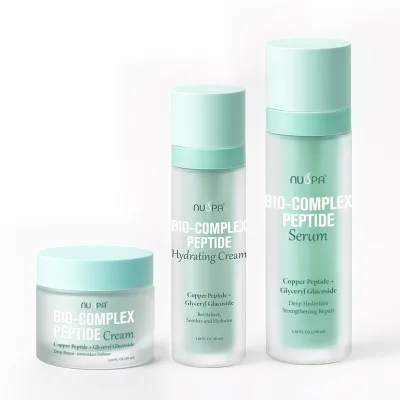
$5.13 - $5.44
MOQ: 3000 pieces
NANTONG TIANLAN COSMETICS CO., LTD.
- Combined
- China Jiangsu
- Lead time30 days
- Avg. response≤ 12h
Main productsSkin Whitening Cream, Toothpaste, Shampoo, Essential Balm, Balm, Cosmetics, Cream, Baby Powder, Inhaler, Hair Relaxer
Main marketsSouth America,Africa,Southeast Asia/ Mideast

Dalian Huihai Shengtong Biotechnology Co., Ltd.
- Trading Company
- China Liaoning
- Lead time0 days
- Avg. response≤ 2h
Main productsPolyaluminum Chloride (PAC), Polyacrylamide PAM, Ferrous Sulfate, Aluminum Sulfate, Blue Copper Peptide, Betaine, Glycerin, Cosmetic Peptide, Peptides, Carbomer
Guangdong Quanxin Pharmaceutical Technology Co., Ltd.
- Verified by SGS Group
- Manufacturer, Trading Company
- Lead time30 days
- Avg. response≤ 2h
Main productsFace Toner, Face Lotion, Face Serum, Face Cream, Face Mask
Main marketsDomestic Market(80%), North America(5%), South America(5%)

Guangzhou Mebamy Cosmetics Co., Ltd.
- Verified by TUVRHEINLAND
- Manufacturer/Factory
- China Guangdong
- Lead time15 days
- Avg. response≤ 5h
Main productsFace Serum, Soap, Face Cream, Sunscreen, Eyelash Growth Serum, Teeth Whitening, Face Mask, Facial Cleanser, Essential Oil, Hair Care Series
Main marketsNorth America,Western Europe

OEM ODM Organic Peptide Complex Brightening Facial Serum for Aging Wrinkles
$2.80 - $2.96
MOQ: 1000 Pieces


Nanping Yanping District Gongjitang Trading Co., Ltd.
- Verified by Intertek
- Trading Company
- Lead time5 days
- Avg. response≤ 2h
Main productsPain Relief Ointment, Nasal Care Products, Eye Care Products, Skin Care Products, Urinary System Nursing
Guangzhou Jieyanhui Cosmetics Co., Ltd.
- Verified by SGS Group
- Manufacturer, Trading Company
- Lead time10 days
- Avg. response≤ 2h
Main productsSkin Care, Face Care, Body Care, Make Up, Mask
Main marketsNorth America(25%), Southeast Asia(24%), Western Europe(18%)
Guangdong Joyful Gathering Biotechnology Co., Ltd.
- Manufacturer, Trading Company
- Guangdong, China
- Lead time15 days
- Avg. response≤ 15h
Main productsShampoo, Hair Mask, Body Wash, Face Serum, Body Lotion
Main marketsNorth America(23.00%), Central America(13.00%), Western Europe(12.00%), Southeast Asia(11.00%), Domestic Market(10.00%), Oceania(7.00%), Mid East(6.00%), Eastern Asia(5.00%), Eastern Europe(4.00%), South America(2.00%), Southern Europe(2.00%), Northern Europe(2.00%), Africa(2.00%), South Asia(1.00%)
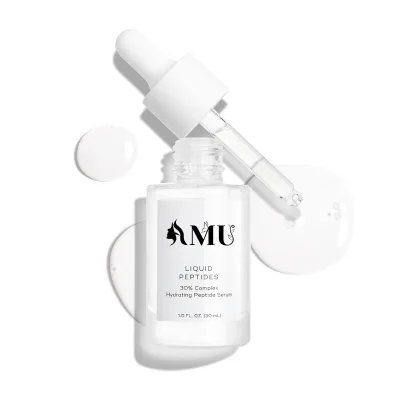
Formula Reducing Wrinkles Fine Lines Skin Care Face Lightening Stem Cell Peptide Serum
$0.53 - $0.66
MOQ: 1000 pieces
Guangzhou Chuyu Cosmetics Co., Ltd.
- Manufacturer, Trading Company
- Lead time旺季: "1 - 1000":60,"> 1000":"To be negotiated", 淡季: "1 - 1000":60,"> 1000":"To be negotiated"
- Avg. response≤ 2h
Main productsFacial Mask, Foot Mask, Facial Serum, Hair Care/Skin Care, Makeup/Bath Salt

Guangdong Daimeishi Biotechnology Co., Ltd.
- Verified by BV
- Combined
- China Guangdong
- Lead time15 days
- Avg. response≤ 1h
Main productsCosmetics, Skin Care Products
Main marketsDomestic,Europe
Guangzhou Biosphere Cosmetics Co., Ltd.
- Verified by SGS Group
- Manufacturer, Trading Company
- Lead time15 days
- Avg. response≤ 7h
Main productsFace Care Products, Body Care Products, Skin Care Set, Hair Care Products, Make Up Products
Main marketsSoutheast Asia(35%), North America(25%), Domestic Market(15%)

Suzhou Greenway Biotech Co., Ltd.
- Verified by BV
- Trading Company,Manufacturer/Factory
- China Jiangsu
- Lead time15 days
- Avg. response≤ 8h
Main productsGlutathione, Nmn, Pharmaceutical Intermediates, Cosmetic Materials, Nutritional Supplements
Main marketsSouth America,Eastern Europe,Mid East,North America,Southeast Asia,Eastern Asia,Oceania,Western Europe,Africa

Xi'an Xinlu Biotechnology Co., Ltd.
- Verified by SGS
- Trading Company
- China Shaanxi
- Lead time15 days
- Avg. response≤ 2h
Main productsResveratrol, Glutathione, Coenzyme Q10, Chitosan, Catechin, Artesunate, Cycloastragenol, Gastrodin, Hydroxychlorohydrin, Sulforaphane
Main marketsSoutheast Asia/ Mideast,Domestic,Europe,North America
Xi'an Austar Slender Biotech Co., Ltd.
- Manufacturer, Trading Company
- Shaanxi, China
- Lead time15 days
- Avg. response≤ 2h
Main productsFace Cream, Facial Mask, Skin Toner, Skin Care Serum, Facial Cleanser
Main marketsNorth America(80.00%), Oceania(10.00%), Western Europe(5.00%), Mid East(5.00%)
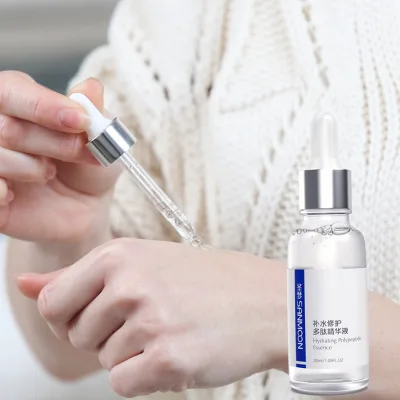
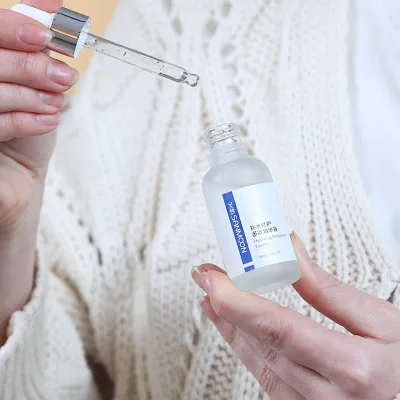
Beauty Products Peptide Anti-wrinkle Face Serum Increase Skin Elasticity Reduce the Look of Wrinkles
$3.08 - $4.68
MOQ: 50 pieces

- Verified by SGS
- Trading Company
- China Jiangsu
- Lead time30 days
- Avg. response≤ 2h
Main productsPolydeoxyribonucleotide, Mussel Adhesive Protein, Ceramide, Biotinyl-Ghk Tripeptide, Palmitoyl Tripeptide-8, Pyrroloquinoline Quinone, Citicoline Sodium, ATP Sodium Solution (100 mm), Dmt-2'-Ome-Pseudouridine, Customized Peptide Synthesis
Main marketsNorth America

Letscharm Cosmetics Limited Guangzhou
- Verified by SGS
- Trading Company
- China Guangdong
- Lead time30 days
- Avg. response≤ 8h
Main productsCosmetics Custom Wholesale and Chemical Raw Mate
Main marketsNorth America


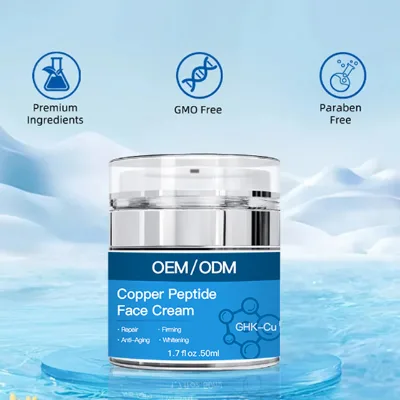
Ls164 OEM Blue Copper Peptide Cream: Transforms Skin with Soothing & Firming Care
$1.45 - $1.91
MOQ: 300 Pieces

Ls164 OEM Custom Blue Copper Peptide Cream: Moisturizing, Anti-Aging & Skin Soothing
$1.15 - $1.96
MOQ: 100 Pieces

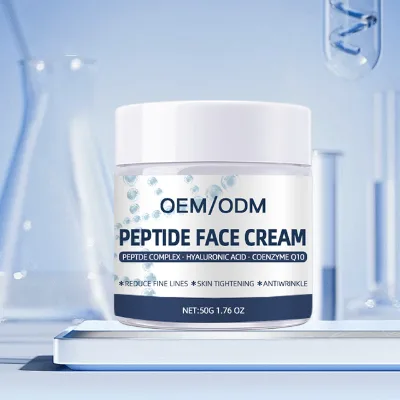
Peptide Capsule Cream Anti-Aging Firming Repair Face Moisturizer OEM ODM Private Label
$3.50 - $4.80
MOQ: 100 Pieces

Ls164 OEM Blue Copper Peptide Firming Cream: Anti-Aging, Deep Moisturizing & Soothing
$1.25 - $1.90
MOQ: 500 Pieces

Hebei Ermai Medical Technology Co., Ltd.
- Verified by CTI
- Trading Company
- China Hebei
- Lead time15 days
- Avg. response≤ 5h
Main productsSkin Booster, Hyaluronic Acid, Lipolysis, Exosome, Pdo Thread, Meso Needle, Blunt Cannula, Crystal Multi-Needle, Derma Stamp/Roller, Hydra Roller/Needle
Main marketsSouth America,Africa,Southeast Asia/ Mideast,East Asia(Japan/ South Korea),Europe,Australia,North America

Hangzhou Yimai Biotech Co., Ltd.
- Verified by TUVRHEINLAND
- Trading Company
- China Zhejiang
- Lead time0 days
- Avg. response≤ 11h
Main productsGluthatione Injection, Cosmetic Vitamin C Injection, Thioctic Acid Injection, Vitamin B12 Injection, Vitamin B Complex Injection, Vitamin B Complex Powder, Cannula, Gluthatione Capsule, Syringe, Multi Vitamin Injection
Main marketsSouth America,Eastern Europe,Mid East,North America,Southeast Asia,Eastern Asia,Oceania,Western Europe,Africa








Comprehensive Sourcing Guide
Organic Peptides Face Cream Supplier Concentration and Factory Types
Sourcing results for Organic Peptides Face Cream on B2B platforms show a strong concentration in China's Guangdong province, with several listings explicitly identifying Guangzhou as the place of origin. This matters because Guangzhou is one of the most active cosmetics manufacturing regions in Asia, and suppliers based there typically sit close to packaging, raw-material and formulation networks. When a supplier's profile or product attributes confirm a Guangdong or Guangzhou origin, you can reasonably treat it as part of an established personal-care cluster. Where a listing does not state a location, do not assume one; instead, check the supplier's registered address, ask directly, and use the answer to judge whether the supplier is close to the formulation and packaging ecosystem this category requires.
The supplier pool on this page mixes two company types. Some are trading companies, which aggregate products from multiple manufacturers and often list broader catalogs that include facial masks, shampoos, sunscreens and serums alongside face creams. Others are combined manufacturers and traders, listing main products such as skin care, cosmetic, facial mask, face care, body care and lyophilized powder. Combined-type suppliers generally control production more directly, while trading companies offer breadth and convenience. Neither type is inherently better; what matters is whether the entity you contract with can actually produce or reliably deliver an organic peptide-based cream to your specification, at your volume, with consistent quality across repeat orders.
How to Verify Organic Peptides Face Cream Suppliers
Verification starts with third-party inspection status, and the current results give you concrete anchors. One supplier's profile shows verification by SGS, while another shows verification by Intertek. These are independent audit bodies, and a verified badge from either is a meaningful screening signal because it indicates the platform had the company's registration and premises checked rather than relying on self-declared data. When a listing shows no verification mark, treat the supplier as unvetted until you commission your own document check or factory audit. Also examine system certifications: one supplier in these results lists sedex, ISO 22716, IATA DGR and IMDG CODE, while another lists only "Others" for system certification. ISO 22716 is the cosmetics GMP standard, so its presence is directly relevant to face cream production; a vague entry should prompt a request for the actual certificate.
Product-level documentation is the second verification layer. Several listings in this category display product attributes citing EEC, FDA and GMP certification, and one face cream supplier cites ISO 22716 and GMPC at product level. Do not accept these strings at face value—ask for certificate copies, verify scope and expiry, and confirm whether the certification covers the peptide cream itself or only the facility. Request the formulation's ingredient documentation for the peptide actives, confirm the claimed organic content in writing, and ask whether customization claims marked "Available" in the listing are supported by an in-house lab or outsourced development. A supplier whose answers arrive slowly and generically is telling you something before you place any money.
What to Compare Across Organic Peptides Face Cream Suppliers
Build a comparison sheet using the attributes actually displayed on supplier and product pages, but never assume every supplier shows every field. In the current results, response time is one of the clearest differentiators: one supplier averages a 25-hour response while another responds in roughly 2 hours. For a category where you will iterate on formulations, packaging artwork and regulatory paperwork, a two-hour versus one-day turnaround compounds over weeks of negotiation. Lead time is the next field: the listings here show lead times of 10 days and 15 days, which directly affects how you plan launch dates and replenishment cycles. Record these as stated, then validate them with a trial order.
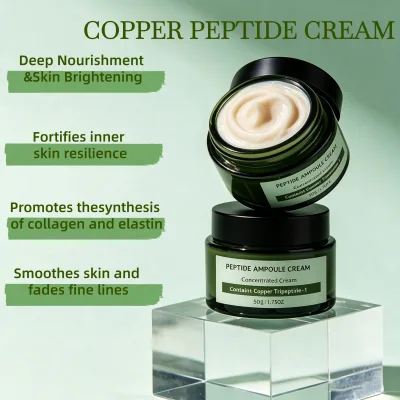
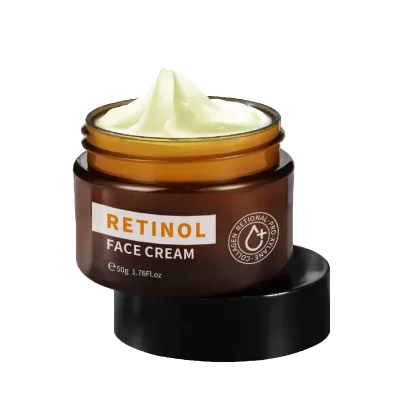
Then compare commercial parameters on the product rows themselves. Minimum order quantities in these results range from 500 to 1,000 units, and unit price ranges differ by product—some peptide and whitening creams list at roughly 0.80 to 1.00 per unit, while others with hyaluronic acid, pearl or peptide positioning list at 1.15 to 2.30. Price alone is meaningless without the matching specification, packaging standard (50 g per bottle appears repeatedly), customization availability, and main-product fit: a supplier whose core lines are skin care and face care is a better structural match than one whose cream sits alongside unrelated medical equipment keywords. Also note company type, verification body, and, where displayed, establishment year, so your shortlist ranks structural fit rather than headline price.
Common Organic Peptides Face Cream Sourcing Risks
The most frequent risk in this category is certification mismatch. Listings frequently display broad certification strings such as EEC, FDA, GMP, ISO 22716 or GMPC, but these may refer to the factory, a different product line, or an export-compliance claim that does not apply to your destination market. An "FDA" reference on a Chinese listing, for example, does not mean FDA registration of your specific product. Similarly, "organic" in the keyword and product titles is a marketing term here—none of the displayed attributes confirms a recognized organic certification, so buyers who need certified-organic claims must verify this separately with documentation, not product names.
The second cluster of risks concerns formulation and consistency. Several products list extensive ingredient ranges—niacinamide, arbutin, tranexamic acid, kojic acid, peptides, collagen, hyaluronic acid—across whitening, anti-wrinkle and firming claims. Whitening and lightening claims face regulatory restrictions in many markets, so confirm which claims you can legally make where you sell. Ingredients listed as available do not guarantee they appear in the formula you will receive at scale; require stability testing, batch samples and a locked specification sheet. Finally, watch supplier-type risk: a trading company may subcontract to whichever factory is available, so brand consistency can drift between orders. Ask who manufactures, whether the same facility will be used for reorders, and what recourse exists if a later batch differs from the approved sample.
Organic Peptides Face Cream Regional Sourcing and Logistics
The confirmed sourcing geography in these results is Guangdong, China, with one product explicitly listing Guangzhou as the place of origin and another listing Guangdong. For this category, that concentration is an advantage worth exploiting: proximity to packaging suppliers, peptide and botanical ingredient distributors, and contract filling lines compresses development cycles. When you shortlist a supplier whose location is confirmed in the results, factor in cluster benefits such as faster packaging sampling and easier third-party inspection visits. Where location is not displayed or is unclear, make it a mandatory pre-order question rather than an assumption, and use video audits or an independent inspector to confirm the address matches the registration.
On logistics execution, look for documented capability rather than promises. One supplier in the current results lists IATA DGR and IMDG CODE among its system certifications—these are dangerous-goods transport regulations covering air and sea freight, which signals familiarity with export shipping constraints for cosmetic products containing certain ingredients. Combine that with the stated lead times of 10 to 15 days to build realistic order calendars, remembering that production lead time excludes transit, customs clearance and destination-market testing. Ask each shortlisted supplier to quote both sea and air options with documented packing configurations; the listings here show standard pack formats such as 50 g bottles, 40 bottles per box, with single-item gross weights around 0.5 kg, which gives you a concrete basis for freight estimates.
Organic Peptides Face Cream Commercial Terms and Order Planning
Structure your first orders around the commercial fields the listings actually disclose. Minimum order quantities in the current results are 500 and 1,000 units depending on the product, and unit prices range roughly from 0.80 to 2.30 with customization marked as available on multiple listings. Use these as negotiation anchors: ask whether the quoted price at MOQ includes your private-label packaging, what the price becomes at two or three times MOQ, and whether sample fees are credited against the first order. One supplier advertises OEM/ODM private-label service explicitly, which is the standard arrangement for branded face creams; confirm what intellectual-property protections, artwork approval steps and exclusivity terms come with that service in the contract, not in the listing description.
Payment and milestone planning should follow the verification strength you established earlier. Where a supplier is verified by SGS or Intertek and holds relevant certifications such as ISO 22716 or sedex, standard deposit-and-balance terms carry less risk; with unverified suppliers, favor platforms offering escrow or third-party inspection before balance payment, and confirm what escrow protection actually covers on the marketplace you use. Sequence orders as: paid samples, small pilot at or near MOQ, then scaled reorders once you have tested stability and repeat-batch consistency. Lock lead time of 10 or 15 days into a written production calendar with a penalty clause, align reorder points with your sales forecast plus transit time, and keep a buffer of finished stock during your first two cycles while you learn the supplier's real, rather than advertised, reliability.
FAQs
What certifications do organic peptide face creams have?
Suppliers offer products with EEC, FDA, and GMP certifications. Some listings also display ISO 22716 and GMPC standards. These credentials ensure compliance with international safety and manufacturing regulations for cosmetic ingredients and final formulations.
What is the minimum order quantity for face creams?
Minimum order quantities vary by supplier, typically ranging from 500 to 1000 units. Some manufacturers accept orders as low as 500 pieces, while others require a minimum of 800 or 1000 units for production runs.
How long does production take for face creams?
Lead times generally range from 10 to 15 days depending on the supplier. Faster turnaround options are available with specific manufacturers, while standard production cycles may require up to two weeks to complete manufacturing and packaging.
What is the price range for organic face creams?
Prices typically range from $0.80 to $2.30 per unit. The cost depends on specific ingredients, packaging materials, and order volume. Bulk purchases often secure lower unit prices within this established market range for cosmetic face creams.
Where are these face cream suppliers located?
Most suppliers are located in Guangdong, China, particularly in Guangzhou. This region is a major hub for cosmetic manufacturing, providing access to raw materials and efficient logistics for international shipping and distribution of skincare products.
Do suppliers offer customization services?
Yes, many suppliers provide OEM, ODM, and private label services. Customization options include specific ingredient formulations, packaging designs, and branding. Buyers can request tailored solutions to meet specific market requirements or unique product specifications.