Automatic Makeup Brush Cleaner Suppliers and Manufacturers
Source 29 verified suppliers for Automatic Makeup Brush Cleaner units. Compare grounded dimensions including China Guangdong and Zhejiang locations, ISO 9001 and BSCI certifications, lead times, and MOQs. Review product specifications and request quotes directly; review the available evidence before requesting comparable quotations from suitable candidates.
Suppliers List

- Verified by SGS
- Trading Company,Manufacturer/Factory
- China Guangdong
- Lead time23 days
- Avg. response≤ 3h
Main productsBeauty Devices, Skin Care Instrument, LED Face Masks, Makeup Tools, Beauty Instrument (OEM/ODM), OEM / ODM Electronics, Beauty Device, Home Air Care Appliances, Furniture, Electric Bakhoor Burners
Main marketsSouth America,Eastern Europe,Mid East,North America,Southeast Asia,Eastern Asia,Oceania,Western Europe,Africa
- Verified by BV
- Trading Company
- China Zhejiang
- Lead time30 days
- Avg. response≤ 7h
Main productsMop with Bucket, Spray Mop, Cleaning Brush, Shoe Rack, Flat Mop, Mop Cloth
Main marketsSoutheast Asia/ Mideast,Europe,North America


Electric Cosmetic Brush Cleaner Machine Automatic Makeup Brush Self-Cleaning Too
$5.10 - $6.40
MOQ: 100 Pieces

Automatic Cosmetics Brush Cleaner Electric Makeup Brush Cleaner Machine with Drying Function
$5.10 - $6.40
MOQ: 100 Pieces
- Verified by SGS
- Trading Company
- China Zhejiang
- Lead time15 days
- Avg. response≤ 12h
Main marketsEurope
Dongguan Xuanyi Technology Co., Ltd.
- Trading Company
- Guangdong, China
- Lead time15 days
- Avg. response≤ 3h
Main productsOEM & ODM,Professional Home Use Beauty Equipment,Face & Neck Lifting Device,Facial Cleansing Device,Beauty Tools
Main marketsEastern Europe(20.00%), North America(20.00%), Western Europe(15.00%), South America(10.00%), Oceania(10.00%), Southern Europe(5.00%), Northern Europe(5.00%), Africa(5.00%), Mid East(5.00%), Southeast Asia(5.00%)
Pingyang Ruiqiang Home Appliances Factory
- Manufacturer
- Zhejiang, China
- Lead time0 days
- Avg. response≤ 13h
Main productsHair Curler,Massage Gun,Hair Straightener,Pet Supplies,Beauty Products
Main marketsDomestic Market(50.00%), North America(10.00%), South America(10.00%), Mid East(6.00%), Northern Europe(5.00%), Western Europe(5.00%), Southern Europe(5.00%), Eastern Europe(5.00%), Southeast Asia(2.00%), Eastern Asia(1.00%), South Asia(1.00%)
Foshan Coolnice Silicone Rubber Products Co., Ltd.
- Verified by TüVRheinland
- Manufacturer, Trading Company
- Lead time7 days
- Avg. response≤ 3h
Main productsKitchen Supplies, Household Products, Beauty Tools, Outdoor Supplies, Outdoor Sport Accessories
Main marketsNorthern Europe(11%), South Asia(11%), Central America(10%)

Endless (guangzhou) Import & Export Co.,ltd.
- Manufacturer, Trading Company
- Guangdong, China
- Lead time0 days
- Avg. response≤ 5h
Main productshousehold appliances,Household daily necessities,Consumer Electronics,Sports and entertainment products,Custom processing
Main marketsNorth America(45.00%), South America(13.00%), Southern Europe(5.00%), Northern Europe(5.00%), Oceania(5.00%), Central America(5.00%), Western Europe(5.00%), Eastern Europe(5.00%), Southeast Asia(4.00%), South Asia(2.00%), Eastern Asia(2.00%), Mid East(2.00%), Africa(2.00%)
Qingdao Gambur Trade Company Co.,Ltd
- Verified by SGS Group
- Trading Company
- Lead time7 days
- Avg. response≤ 1h
Main productsMakeup Sponge Puff, Makeup Brushes, Makeup Mirrors, Makeup Headband, Makeup Cleaning Tools
Main marketsNorth America(60%), Western Europe(15%), Oceania(10%)

- Verified by TUVRHEINLAND
- Trading Company
- China Guangdong
- Lead time15 days
- Avg. response≤ 2h
Main productsBeauty Tools, Tweezer, Eyelash Curler, Manicure Set, Cosmetic Mirror, Implement, Pedicure, Make up
Main marketsEurope


Electric Home 3 in 1 Cleaning Dryer Machine Wholesale Automatic Cosmetic Makeup Sponge Brush Cleaner
$8.60 - $10.50
MOQ: 100 Pieces

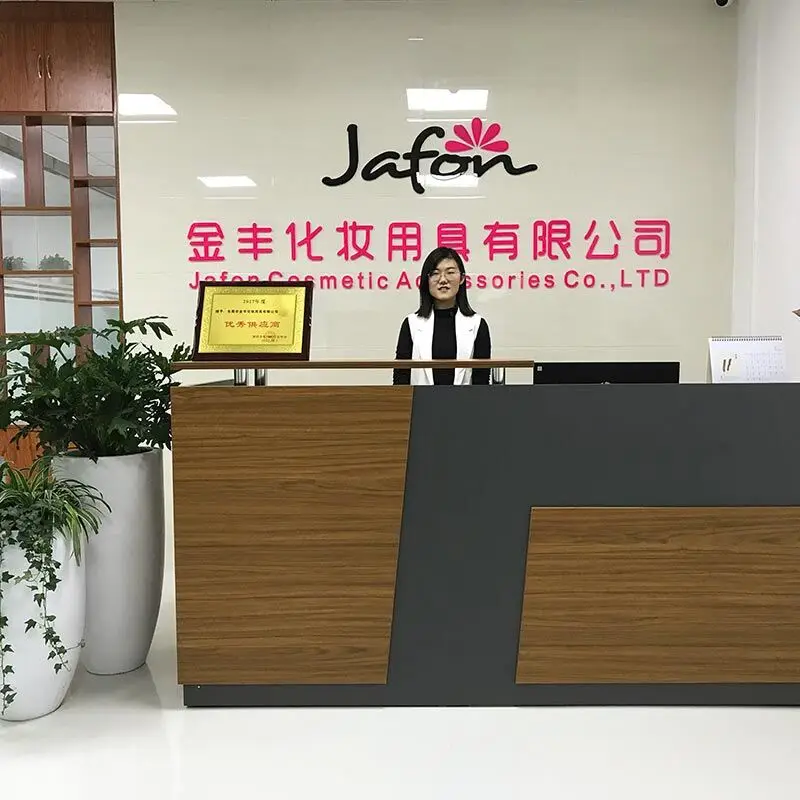
Shenzhen Jafon Beauty Co., Ltd.
- Manufacturer, Trading Company
- Guangdong, China
- Lead time15 days
- Avg. response≤ 2h
Main productsMakeup Brushes/Nail Brush,Nail brush,Makeup Tools,nail art brush,Makeup Sponge
Main marketsWestern Europe(40.00%), North America(40.00%), Southern Europe(10.00%), Northern Europe(10.00%)

NINGBO AOVEA IMPORT & EXPORT CO., LTD.
- Verified by TUVRHEINLAND
- Trading Company
- China Zhejiang
- Lead time30 days
- Avg. response≤ 5h
Main productsMakeup Brush, Cosmetic Brush, Make up Brush, Cosmetic Bag Case, Makeup Tools, Jade Roller and Gua Sha, Hair Brush, Body Brush, Hair Accessories, Makeup Sponge
Main marketsSouth America,Africa,Southeast Asia/ Mideast,Europe,Australia,North America


$0.45 - $0.60
MOQ: 100 Pieces


Hot-Selling Flower Series Silicone Makeup Brush Cleaner Pad with Suction
$0.85 - $0.90
MOQ: 1000 Pieces

High Good Quality Silicone Makeup Brush Cleaning Tool Silicone Makeup Cleaning Mat
$0.35 - $0.55
MOQ: 100 Pieces

Guangzhou Jingpeng Electronic Technology Co., Ltd.
- Manufacturer, Trading Company
- Guangdong, China
- Lead time7 days
- Avg. response≤ 4h
Main productsnight light,table lamp,solar lamp,grow light,led strip
Main marketsNorth America(60.00%), South Asia(5.00%), Southern Europe(5.00%), Northern Europe(5.00%), Western Europe(5.00%), Eastern Asia(5.00%), Southeast Asia(5.00%), Eastern Europe(5.00%), South America(5.00%)
- Trading Company
- Anhui, China
- Lead time10 days
- Avg. response≤ 9h
Main productsShoe Brush,Kitchen Cleaning Brush,Garden Tools,Car Cleaning Products,Household Tools
Main marketsEastern Europe(20.00%), Domestic Market(15.00%), Mid East(15.00%), Northern Europe(10.00%), South America(10.00%), Western Europe(10.00%), North America(10.00%), Southeast Asia(10.00%)
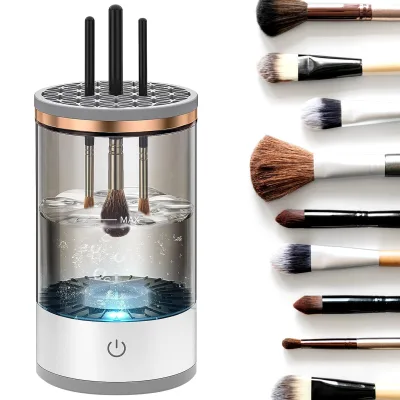
$3.05 - $3.32
MOQ: 100 pieces
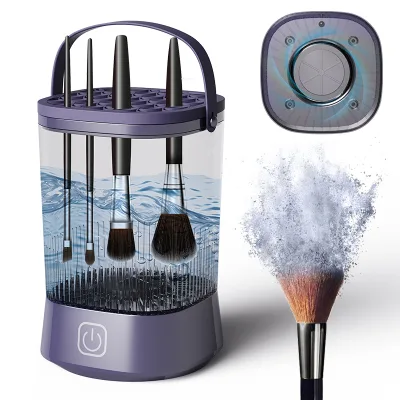
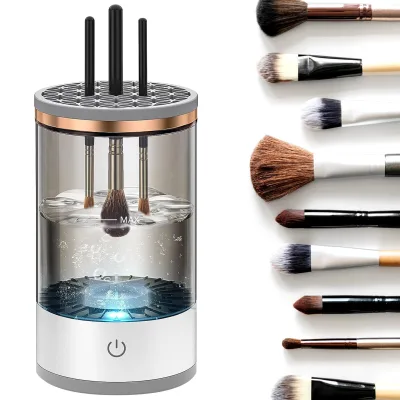
Smart Rechargeable Makeup Brush Washing Machine Electric Portable Cosmetic Brush Cleaner
$5.50 - $6.08
MOQ: 40 pieces
Foshan Jieruimei Makeup Co., Ltd.
- Verified by Intertek
- Manufacturer, Trading Company
- Lead time0 days
- Avg. response≤ 4h
Main productsMakeup Brushes, Powder Puff, Makeup Products, Cosmetic Bags
Main marketsNorth America(40%), Western Europe(15%), Northern Europe(15%)

NanChang Sunflower Silicone Rubber Co. Ltd
- Verified by TUVRHEINLAND
- Trading Company
- China Jiangxi
- Lead time15 days
- Avg. response≤ 2h
Main productsSex Toy, Watch, Phone Case, Kitchenware, Gift
Main marketsOthers(foreignTradeCapacity.exportBusinessCapacityMarketOther)

Juancheng Simon Eyelash Co., Ltd.
- Verified by BV
- Trading Company,Manufacturer/Factory
- China Shandong
- Lead time23 days
- Avg. response≤ 22h
Main productsEyelash, Lash, Makeup Brush, Cosmetics, Horse Eyelash, 3D Mink Eyelash, Individual Lashes, Eyelash Package Box, Eyelash Tools, Hair Extension
Main marketsSouth America,Eastern Europe,Mid East,North America,Southeast Asia,Eastern Asia,Oceania,Western Europe,Africa
Wenzhou Shifengxu Technology Co., Ltd.
- Verified by SGS
- Combined
- China Zhejiang
- Lead time15 days
- Avg. response≤ 5h
Main marketsDomestic

Gentle Daily Makeup Brush Cleaner for Sensitive Skin and Flawless Application.
$1.70 - $2.00
MOQ: 1 Pieces

Makeup Brush Cleaner, Electric Dryer, Integrated Washing, Quick Drying, Fully Automatic
$5.40 - $5.80
MOQ: 1 Pieces

$10.40 - $10.80
MOQ: 1 Pieces

Professional Makeup Brush Cleaner Spray That Removes Bacteria and Deep Oil.
$1.70 - $2.00
MOQ: 1 Pieces

$10.40 - $10.80
MOQ: 1 Pieces

Zhongshan Mingxin Silicone Manufactory
- Verified by SGS
- Combined
- China Guangdong
- Lead time15 days
- Avg. response≤ 7h
Main productsSilicone Kitchenware, Silicone Keypaid, Silicone Bracelet, Silicone Wristband, Silicone Ashtray, Silicone Tube, Silicone Watch, Silicone Rubber, Silicone Sex Doll, Silicone Mold
Main marketsEurope,North America

Cosmetic Make up Brush Egg Silicone Makeup Brush Cleaner for Cleaning Makeup Brushes
$0.60 - $0.86
MOQ: 1000 Pieces


Makeup Tools- Silicone Woman Facial Cleaning Brush Facial Silicone Face Clean Brush
$0.48 - $0.56
MOQ: 1000 Pieces

- Verified by SGS
- Trading Company
- China Zhejiang
- Lead time15 days
- Avg. response≤ 17h
Main productsEyelashes, Makeup Brush, Cosmetic Brush, Eyelash Extension, Lipstick, Eyeshadow, Mascara, Nail Sticker, Nail Lamp, Mask
Main marketsEurope,Australia

Factory Wholesale Silicone Beauty Tools Convenient Wash Bowl Makeup Brush Cleaner
$0.25 - $0.27
MOQ: 3700 Pieces


Explosive Automatic Brush Washing and Quick-Drying Beauty Tools Make-up Brush Cleaner
$1.20 - $1.40
MOQ: 700 Pieces

Hot Selling Portable Silicone Multifunctional Makeup Brush Cleaner Holder Organizer Cleaning
$0.43 - $0.48
MOQ: 2500 Pieces

New Wholesale Multifunctional Silicone Makeup Brushes Folding Brush Cup Cleaner
$2.70 - $3.00
MOQ: 300 Pieces

Silicone E Bowl Makeup Brush Cleaner Beauty Egg Sponge Puff Cleaning Bowl
$0.28 - $0.31
MOQ: 3204 Pieces
Shenzhen Canvor Technology Co., Ltd.
- Verified by SGS Group
- Trading Company
- Lead time7 days
- Avg. response≤ 2h
Main productsHair Dryer, Hair Straightener, Hair Curler, Facial Massager, Led Facial Mask
Main marketsNorth America(23%), Western Europe(20%), Southeast Asia(10%)
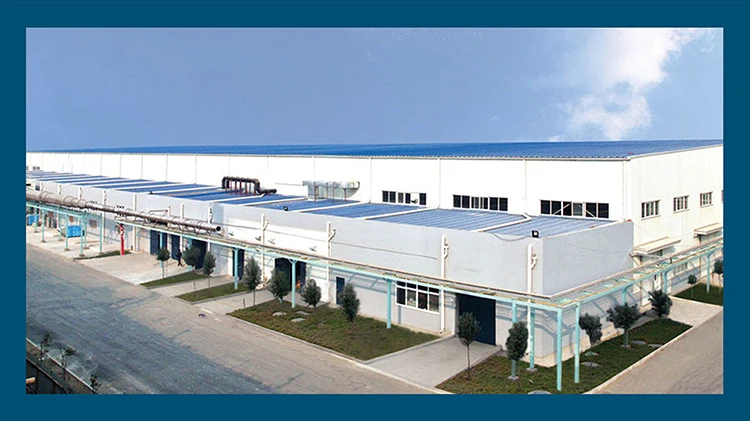
Shijiazhuang Cangli Trading Co., Ltd.
- Trading Company
- Hebei, China
- Lead time45 days
- Avg. response≤ 4h
Main productsMakeup brush,makeup brush set,makeup sponge,makeup remover,textile
Main marketsNorth America(50.00%), Western Europe(20.00%), Southern Europe(5.00%), Northern Europe(5.00%), South America(5.00%), Oceania(5.00%), Southeast Asia(5.00%), Eastern Europe(5.00%)
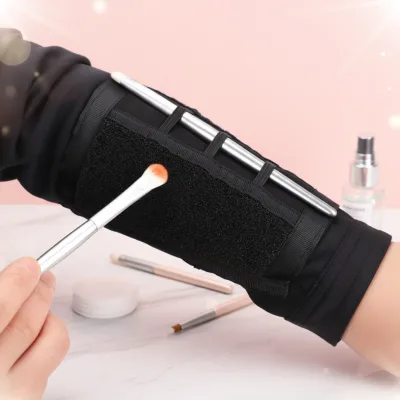
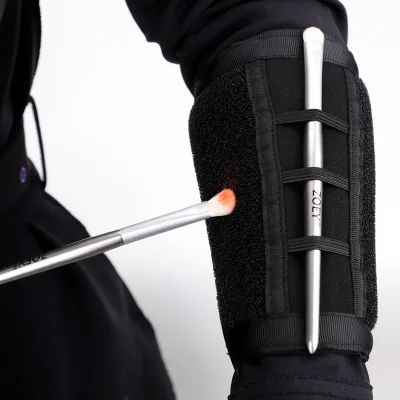
China Manufacturer Professional Arm Strap Cleaning Cuff Makeup Brush Cleaner and Dryer
$1.53 - $2.20
MOQ: 50 pieces
Zhejiang Sowell Commodity Co., Ltd.
- Verified by TüVRheinland
- Manufacturer, Trading Company
- Lead time5 days
- Avg. response≤ 2h
Main productsPersonal Care Product, Baby Care Product, Manicure & Pedicure Set, Hair Removal Device, Facial Cleaning Brush
Main marketsSouth America(25%), North America(20%), Western Europe(15%)

Guangzhou Rangecolor Cosmetics Co., Ltd.
- Trading Company,Manufacturer/Factory
- China Guangdong
- Lead time38 days
- Avg. response≤ 18h
Main productsEyeshadow, Blush, Lipgloss, Face Powder, Lipstick, Lip Balm, Facial Mask, Lotion, Makeup Remover, Liquid Foundation
Main marketsSouth America,Eastern Europe,Mid East,North America,Eastern Asia,Western Europe,Africa
Shenzhen Hungwang Technology Co., Ltd.
- Manufacturer, Trading Company
- Guangdong, China
- Lead time30 days
- Avg. response≤ 5h
Main productsMakeup Brush,Facial Clean Brush,Toothbrush,Shaving Set
Main marketsNorth America(21.50%), Northern Europe(12.70%), Central America(11.30%), Southeast Asia(9.30%), Eastern Europe(7.90%), Western Europe(7.90%), Eastern Asia(6.10%), Southern Europe(5.90%), Domestic Market(5.70%), South America(4.50%), Mid East(4.40%), South Asia(2.70%), Africa(0.10%)
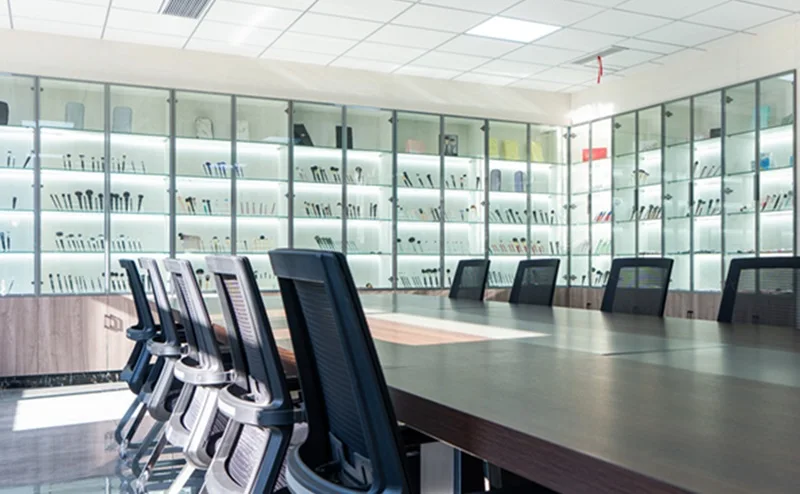
D&L Sourcing Solutions Co., Ltd.
- Trading Company
- Tianjin, China
- Lead time20 days
- Avg. response≤ 2h
Main productsMakeup Brush Set,Single Makeup Brush,Makeup Sponge,Other Makeup Tools,Eyelash Curler
Main marketsNorth America(70.00%), Western Europe(15.00%), Southern Europe(10.00%), Eastern Asia(5.00%)
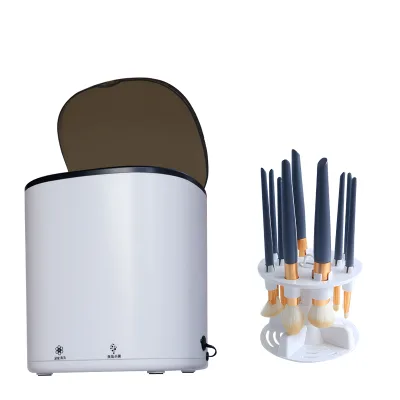
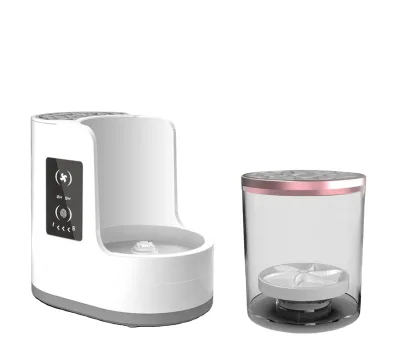
Hot Selling Portable 3-in-1 Automatic Electric Makeup Brush Cleaner Machine USB Operated Top Seller
$12.93 - $18.26
MOQ: 5 Minimum

Jinjiang Jiaxing Supply Management Co., Ltd.
- Verified by TUVRHEINLAND
- Trading Company
- China Fujian
- Lead time30 days
- Avg. response≤ 1h
Main productsEVA Clogs, Flip Flop, Shoe Charms, Shopping Bags, Wristbands, Gifts, Promotional Gifts, Slipper, Sport Cap, Ball
Main marketsNorth America
Shenzhen Branpac Technology Co., Ltd.
- Trading Company
- Lead time旺季: "1 - 50":8,"51 - 300":9,"301 - 500":15,"> 500":"To be negotiated", 淡季: "1 - 50":8,"51 - 300":9,"301 - 500":15,"> 500":"To be negotiated"
- Avg. response≤ 4h
Main productsEyeshadow, Lipgloss, Foundation, Lipstick, Loose Powder
Guangdong Glory Electric Appliance Co., Ltd.
- Verified by SGS Group
- Manufacturer, Trading Company
- Lead time30 days
- Avg. response≤ 4h
Main productsPortable Blender, USB Food Processor, USB Brush Cleaner
Main marketsDomestic Market(25%), Eastern Europe(20%), Southeast Asia(15%)
Foshan Gezhe Technology Co., Ltd.
- Manufacturer, Trading Company
- Guangdong, China
- Lead time25 days
- Avg. response≤ 6h
Main productsHousehold Ultrasonic Cleaners, Mini Washing Machine, Multi-Function High Speed Hair Dryer, Fruit And Vegetable Washing Machine, Makeup Brush Cleaner
Main marketsDomestic Market(50.00%), North America(15.00%), Eastern Asia(15.00%), Oceania(5.00%), Western Europe(5.00%), Eastern Europe(5.00%), Southeast Asia(3.00%), Mid East(2.00%)
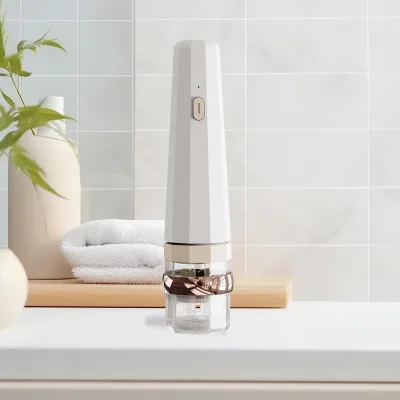
Electric Brush Cleaner Spinner Automatic Makeup Brush Cleaning Washer Gz-hbq01
$6.99 - $7.37
MOQ: 1000
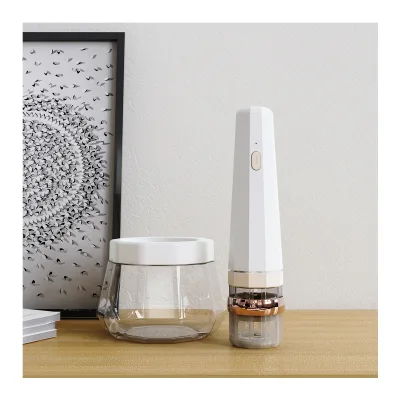
Manufacture Wholesale Electric Portable Cosmetic Makeup Brush Cleaner Machine Gz-hbq01
$7.13 - $7.52
MOQ: 1000 pieces


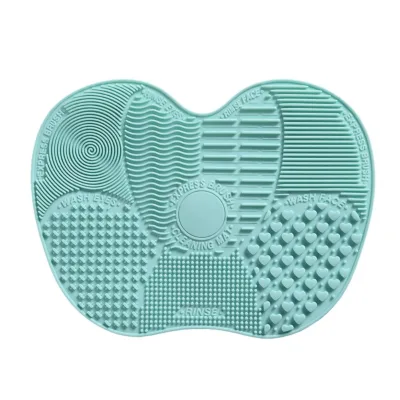
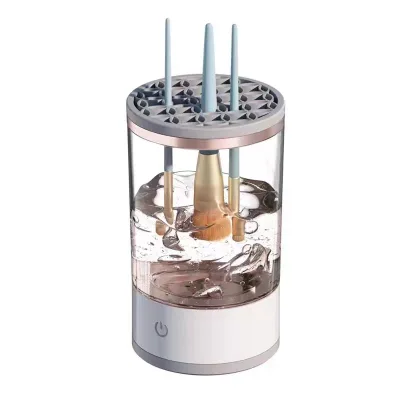
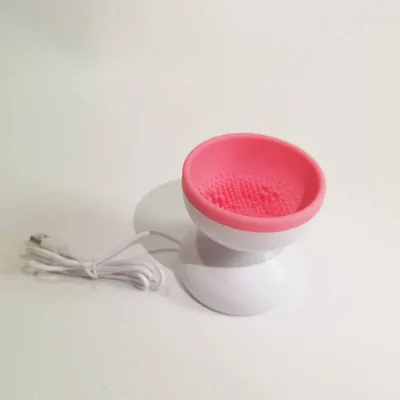
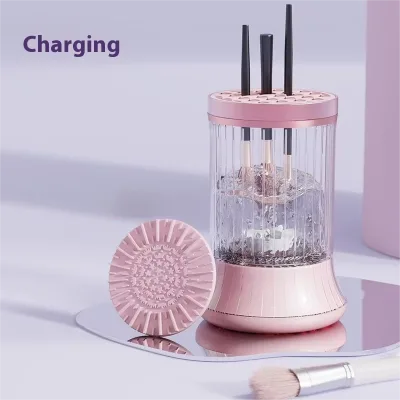
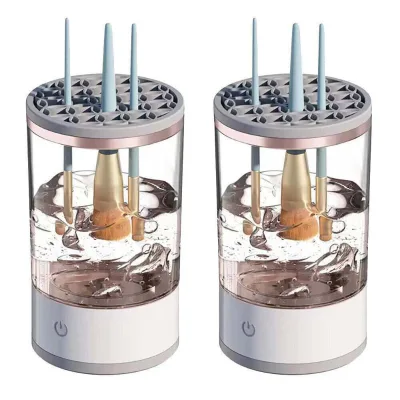
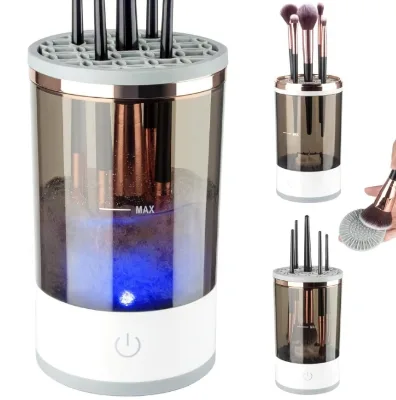
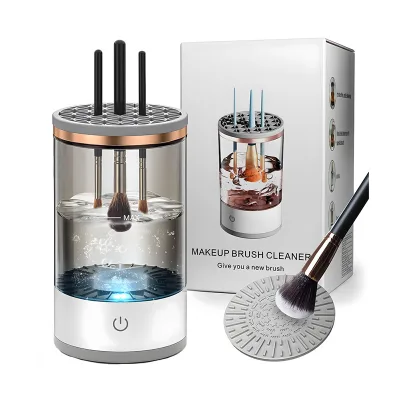
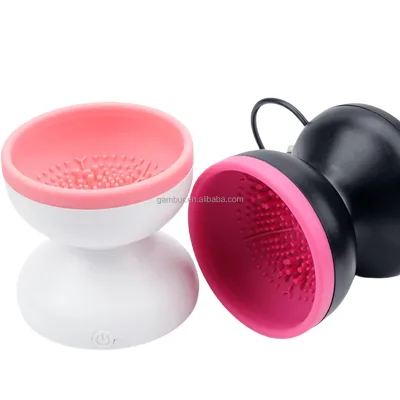
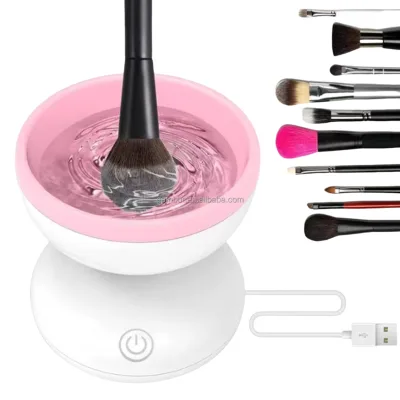
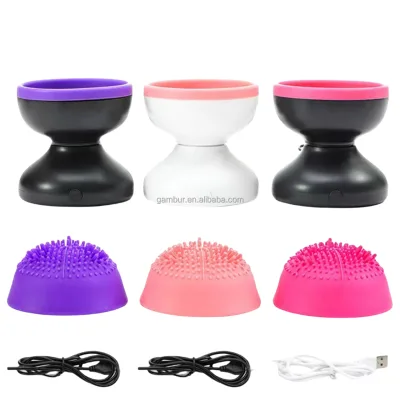
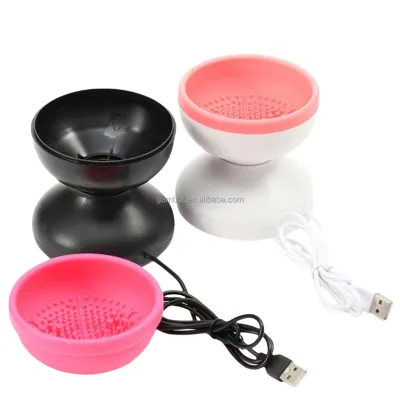
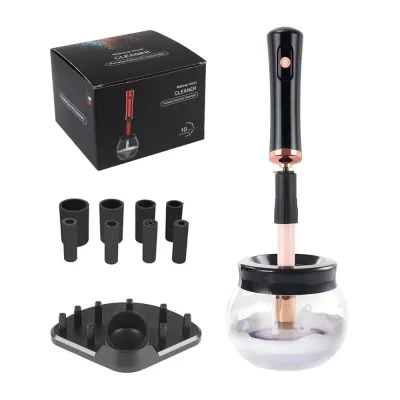
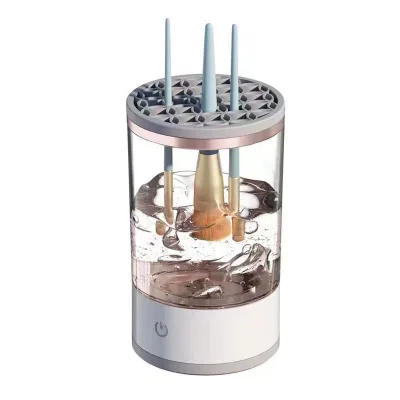
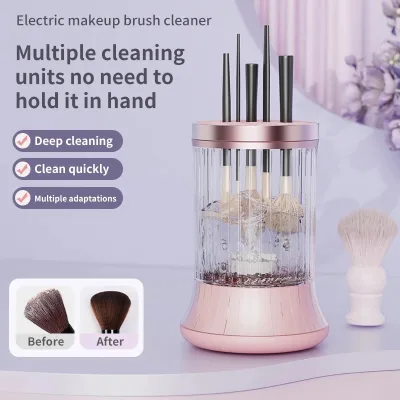
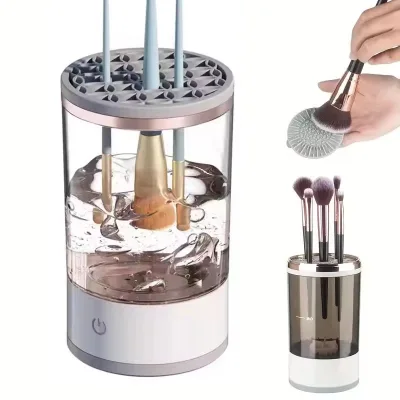
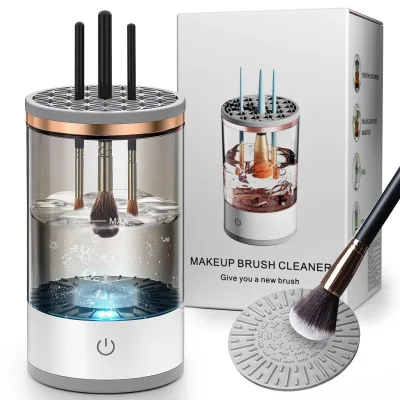
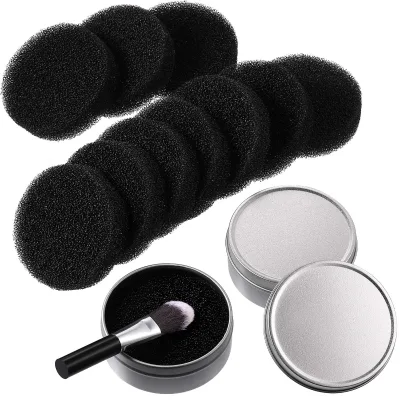


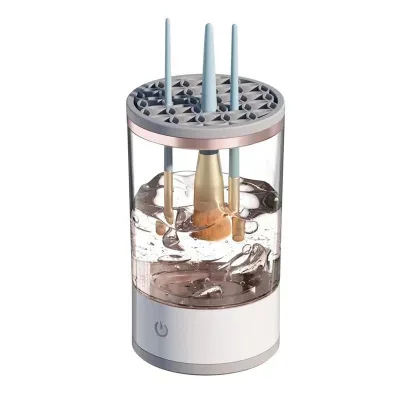
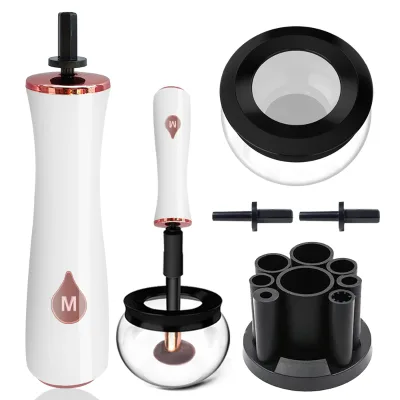
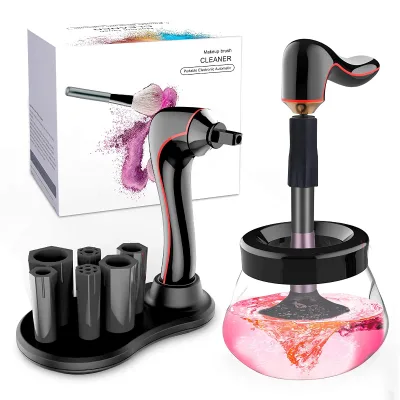
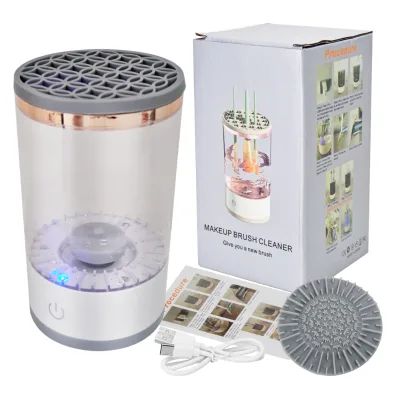
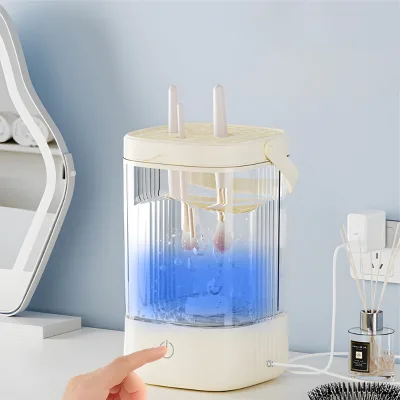


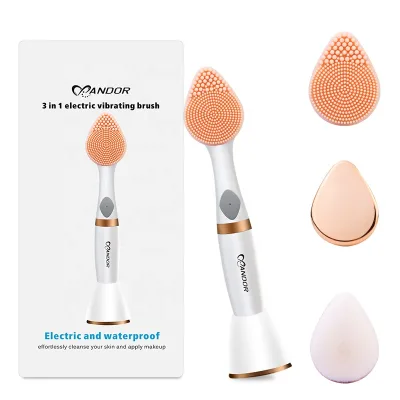
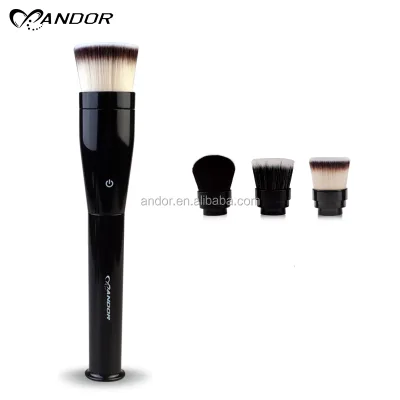


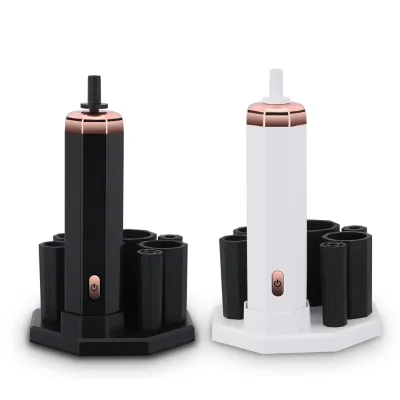
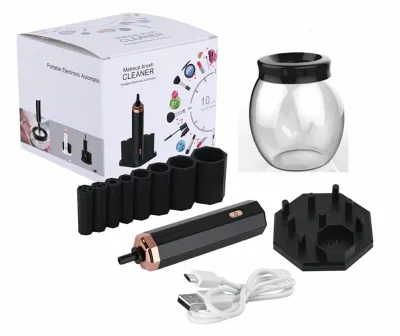
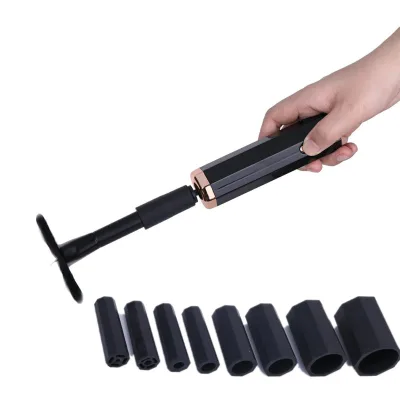
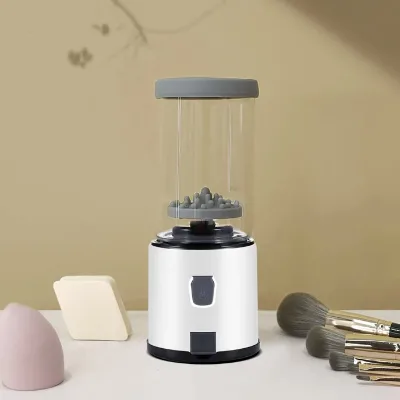
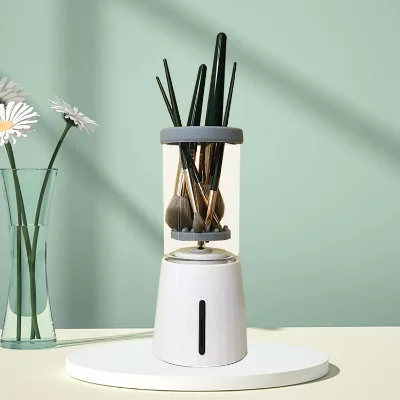
Comprehensive Sourcing Guide
Automatic Makeup Brush Cleaner Supplier Concentration and Factory Types
Suppliers of the Automatic Makeup Brush Cleaner on this page cluster in two Chinese provinces: Guangdong and Zhejiang. Guangdong-based companies, with product origins frequently traced to Shenzhen, tend to present themselves as manufacturer/factory operations or as hybrid trading companies with their own brands, and their main product lines often extend into beauty devices, LED face masks, skin care instruments, and other OEM/ODM electronics. Zhejiang-based listings come from trading companies whose catalogs are broader still, covering mops, spray mops, cleaning brushes, shoe racks, and flat mops, with the electric brush cleaner appearing as one item among many household cleaning products.
This distinction matters when you shortlist. A factory-type supplier in Guangdong may offer OEM and ODM capacity, own-brand development, and product-level customization, which suits buyers planning private-label versions of an Automatic Makeup Brush Cleaner with custom colors, packaging, or branding. A trading company in Zhejiang may be faster to quote across multiple categories but relies on underlying factories it does not control, so ask which plant actually molds the plastic housing and assembles the motor unit. Since some listings on this page do not state a location or company type at all, treat concentration as a starting filter rather than a conclusion: confirm the manufacturing address, ask whether the cleaner is produced in-house or subcontracted, and verify that beauty tools sit within the supplier's genuine core competence rather than as an occasional catalog addition.
How to Verify Automatic Makeup Brush Cleaner Suppliers
Verification begins with the platform-visible credentials, but only where they are actually displayed. On this page, some suppliers carry third-party verification badges—one verified by SGS, another by BV—and some list system certifications such as BSCI or ISO 9001. Others display none of these, which is not automatically disqualifying but means you must request documentation directly: a business license, factory photos or a live video walkthrough, and copies of any claimed certificates checked against the issuing body's database. Never accept a certificate image at face value, because forged and expired certificates circulate widely in low-value electronics categories like this one.
Product-level claims also need checking. One Zhejiang listing states product certifications of CE, RoHS, and MSDS; ask for the actual test reports and confirm the certificate holder matches the legal entity you are contracting with, not a different factory. For suppliers advertising OEM, ODM, or own-brand capacity, ask for evidence such as existing mold records, brand registrations, or sample customization work. Request references from buyers in similar beauty-tool categories, and if a claimed response time is fast—some listings show average response figures of roughly two hours while others exceed six—test it yourself with a technical question before committing. Finally, verify who will sign the contract and receive payment: the verified entity, the factory, and the export agent should be one and the same, or the relationships must be documented in writing before any deposit changes hands.
What to Compare Across Automatic Makeup Brush Cleaner Suppliers
Build a comparison sheet using only attributes that are actually displayed, and mark missing fields as "to confirm" rather than assuming them. Useful dimensions on this page include lead time, which ranges from roughly fifteen days at the short end to around thirty days for some Zhejiang listings; MOQ, which varies dramatically from fifty units on a Guangdong makeup brush cleaning machine to 100, 450, or 550 units on other models; and average response time, which spans from about two hours to nearly twelve. Price bands also differ sharply: entry-level rotating cleaners are quoted from under two dollars, mid-range units from four to six dollars, and larger multi-functional machines approaching ten dollars per unit.
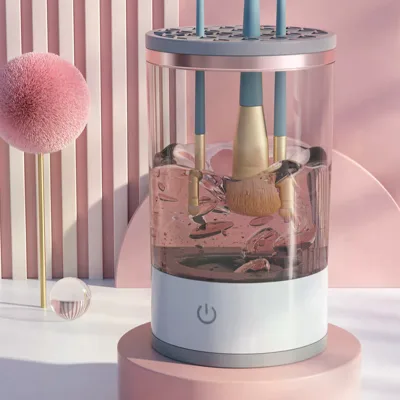
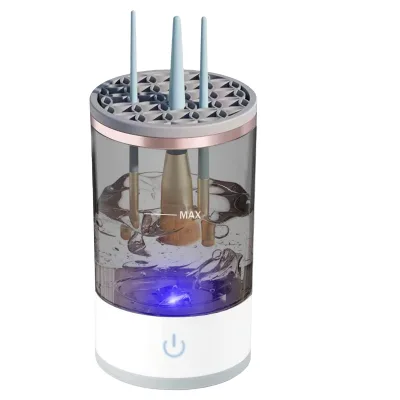
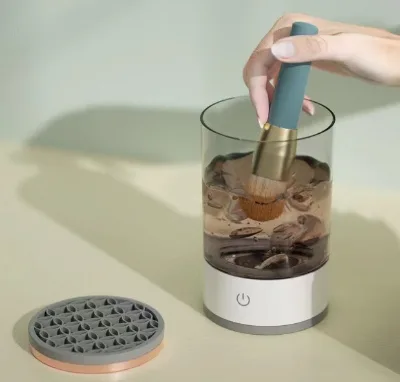
Beyond these numbers, compare product construction. Listings disclose plastic brush and handle materials, ABS construction on one multi-functional unit, 5V power supply, cleaning cycles adjustable from one to ninety-nine minutes, drying functions on some models but not others, USB rechargeability on one variant, and gross weights from 310 grams to 1 kilogram. Packaging details matter for landed cost—one listing specifies 36 pieces per carton at 25.5 kilograms—so normalize quotes to a per-carton or per-cubic-meter basis. Compare customization availability, since some listings explicitly state it while others are silent. Finally, weigh main-product fit: a supplier whose catalog is dominated by beauty devices may understand this category better than a general cleaning-goods trader, even at a slightly higher price.
Common Automatic Makeup Brush Cleaner Sourcing Risks
The most frequent risk in this category is specification drift between sample and production. Because these cleaners combine a small motor, rotating spindle, collar attachments, and—in some models—a drying or charging function, a factory substitution of a cheaper motor or weaker spring clip can halve the product's usable life without any visible change. Lock the bill of materials, motor specification, and cycle timings in writing, and require a golden sample retained by both parties before mass production starts.
Second, beware of quality-compliance gaps. Electrical goods shipped to the EU or US need appropriate conformity documentation, and while some listings cite CE, RoHS, or MSDS, others make no certification claim at all; assuming compliance exists is itself a risk. Third, watch for trading-company opacity: a Zhejiang trader listing this product alongside mops and shoe racks may be reselling a Guangdong factory's goods, adding a margin and a communication layer while extending your lead time. Fourth, MOQ pressure can push buyers toward the lowest stated minimum—fifty units on one listing—without checking whether unit price, spare-part availability, and after-sales support survive at that volume. Fifth, battery or USB-rechargeable variants introduce shipping-classification questions that must be answered before booking freight, not after. Finally, do not treat a fast average response time as evidence of engineering competence; some of the quickest responders on this page list no factory type or certifications, so weight technical answers over reply speed.
Automatic Makeup Brush Cleaner Regional Sourcing and Logistics
Within China, the two supplied clusters imply different logistics profiles. Guangdong suppliers, particularly around Shenzhen, sit close to electronics component markets, mold makers, and the Port of Yantian and Hong Kong routing, which typically favors faster iteration on electronic subassemblies and shorter inland legs to vessel. Zhejiang suppliers draw on that province's strength in household and cleaning products, with access through Ningbo-area ports; a Zhejiang trading company listing a thirty-day lead time suggests a longer production or consolidation window than the fifteen-to-twenty-three-day figures shown on some Guangdong listings, though lead time alone does not prove where goods ship from.
When planning, ask each supplier to state the ex-works point and the port of loading in writing, then compare door-to-door transit rather than production lead time alone. Product dimensions on this page—cartons around 49.5 by 35.5 by 51.5 centimeters for one multi-functional machine, smaller boxes for handheld units, and single gross weights under one kilogram for most models—let you estimate container utilization before quoting freight. Electric goods with plugs or charging circuits may require destination-market voltage confirmation; one listing specifies a 5V power supply, which simplifies USB-based shipping but does not remove the need to confirm charger or cable compliance. Request a pilot shipment by express courier before committing to sea freight, since it reveals real packaging durability and customs handling. Keep buffer stock planning tied to the longest quoted lead time among your shortlisted suppliers, not the shortest.
Automatic Makeup Brush Cleaner Commercial Terms and Order Planning
Structure commercial terms around the wide spread visible on this page. Unit prices run from under two dollars to about nine and a half dollars depending on model and features, and MOQs run from fifty to 550 units, so a first order can plausibly be small enough to test two suppliers in parallel. Confirm what the quoted price includes—customization, gift-box packaging (which several listings specify), and export documentation—and whether the price band's upper end reflects added functions like drying racks or rechargeable batteries. Some listings state customization as available; treat that as an invitation to quote, not a fixed offer, and get custom-tooling or printing costs itemized separately from unit price.
On payment, prefer terms that keep funds recoverable until inspection—deposit with balance after pre-shipment inspection is standard—rather than full prepayment, and note that some suppliers on this page operate under platforms offering escrow-style protection while others do not display such coverage, which changes how much risk your payment structure must absorb. Plan orders against the stated lead times of roughly fifteen to thirty days plus freight, and align reorder triggers to your sell-through rather than supplier promises. For repeat business, negotiate a price-review clause tied to order volume rather than accepting the first-tier quote permanently. Finally, document warranty handling: define defect thresholds, spare collars and spindles availability, and who bears return freight, because low-unit-price goods become uneconomic to repair and replacement terms are your only real recourse.
FAQs
What is the price range for automatic makeup brush cleaners?
Prices for automatic makeup brush cleaners typically range from $1.77 to $9.50 per unit. The final cost depends on the specific model, features like drying functions, and order volume. Buyers should check the minimum order quantity to determine the exact per-unit price for their needs.
What is the minimum order quantity for these devices?
Minimum order quantities vary significantly by supplier and product type. Some manufacturers require as few as 50 units, while others may set the MOQ at 100 or even 550 pieces. Buyers must verify the specific MOQ for each product model before placing an order to ensure it fits their budget.
Where are these suppliers located?
Most suppliers for automatic makeup brush cleaners are located in China, specifically in Guangdong and Zhejiang provinces. These regions are known for manufacturing beauty devices and electronics. Buyers can filter results by these locations to find suppliers with established supply chains and efficient logistics for international shipping.
What certifications do these products have?
Products often carry certifications such as CE, RoHS, and MSDS. Some suppliers also hold system certifications like ISO 9001 and BSCI. Buyers should request specific certification documents for each product to ensure compliance with safety and quality standards in their target markets before finalizing any purchase agreements.
How long does production take?
Lead times for automatic makeup brush cleaners generally range from 15 to 30 days. The exact duration depends on the supplier's current workload and the complexity of the order. Buyers should confirm the production timeline with the supplier early in the negotiation process to plan their inventory and shipping schedules effectively.
Can I customize these brush cleaners?
Yes, many suppliers offer customization options including OEM and ODM services. Buyers can often customize colors, packaging, and specific features. Some products also allow for custom branding. Buyers should discuss their specific requirements with the supplier to ensure the customization aligns with their brand identity and market needs.
How quickly do suppliers respond to inquiries?
Response times vary among suppliers, with some responding within a few hours and others taking longer. Buyers should prioritize suppliers with faster response times to ensure efficient communication. Quick responses often indicate a more responsive customer service team, which is crucial for resolving issues and finalizing orders promptly.