Detachable Student Desk with Universal Pads Suppliers and Manufacturers
Compare 27 verified suppliers offering Detachable Student Desk with Universal Pads across Guangdong and Zhejiang. Review response times, lead times, and certifications to select a partner. Contact suppliers directly to request quotes; review the available evidence before requesting comparable quotations from suitable candidates.
Updated
Suppliers List
Guangzhou Hongzhou Furniture Industrial Co., Ltd.
- Manufacturer, Trading Company
- Guangdong, China
- Lead time25 days
- Avg. response≤ 1h
Main productsschool Furniture,school desk and chair,classroom furniture,kindergarten Furniture,School Sets
Main marketsMid East(25.00%), Africa(25.00%), Eastern Asia(25.00%), Southeast Asia(20.00%), South Asia(5.00%)

Hangzhou ZOVEI Intellicreate Technology Co.,Ltd.
- Verified by TUVRHEINLAND
- Trading Company
- China Zhejiang
- Lead time15 days
- Avg. response≤ 2h
Main productsSchool Chair, School Desk, School Furniture, Kindergarten Furniture, Whiteboard, Laboratory Furniture, Auditorium Chair, Theater Furniture, Cafeteria Table, Commercial Furniture
Main marketsAfrica,Southeast Asia/ Mideast,Europe
Shaanxi Greelan Technology Development Co., Ltd.
- Manufacturer, Trading Company
- Shaanxi, China
- Lead time7 days
- Avg. response≤ 2h
Main productsLanguage Lab,language lab equipment,language lab system,Speech laboratory equipment,digital language lab
Main marketsEastern Asia(15.00%), Mid East(15.00%), South Asia(10.00%), Africa(10.00%), Southeast Asia(10.00%), Domestic Market(10.00%), Northern Europe(5.00%), Southern Europe(5.00%), Western Europe(5.00%), South America(5.00%), Eastern Europe(5.00%), Oceania(2.00%), Central America(2.00%), North America(1.00%)

Foshan Womei Furniture Co., Ltd.
- Verified by BV
- Trading Company,Manufacturer/Factory,Other
- China Guangdong
- Lead time0 days
- Avg. response≤ 4h
Main productsSchool Furniture, School Desk, School Chair, Student Desk, Student Chair, School Desk and Chair, Student Desk and Chair, Classroom Furniture, Office Table, Office Chair
Main marketsSouth America,Eastern Europe,Mid East,North America,Southeast Asia,Eastern Asia,Oceania,Western Europe,Africa

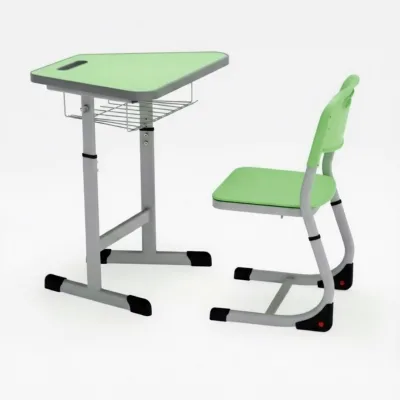
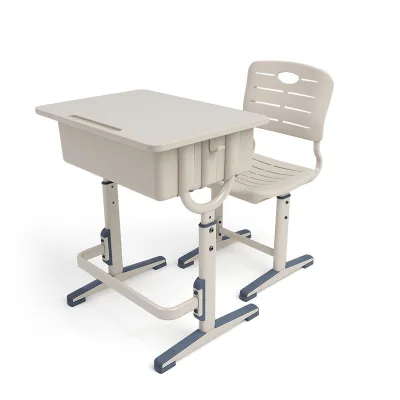
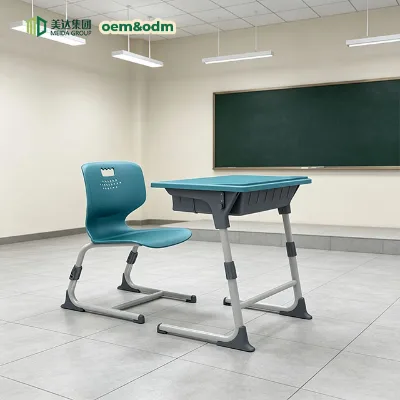
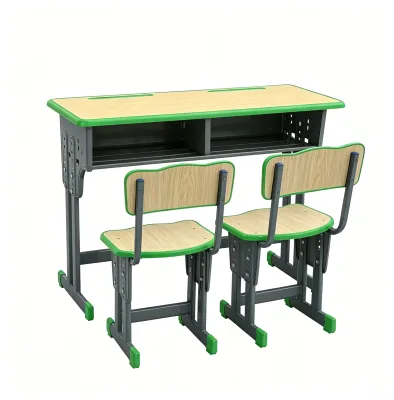
Cheap School Desk with Bench Student Desks Adjustable Single School Desk
$22.17 - $26.27
MOQ: 50 Pieces


Zhejiang Zhongyi Furniture Co., Ltd.
- Verified by BV
- Combined
- China Zhejiang
- Lead time30 days
- Avg. response≤ 3h
Main productsSchool Furniture, Classroom Furniture, School Desk, School Chair, Teacher Desk, Student Chair, Student Desk, Activity Table, Folding Canteen Table, School Desk and Chair
Main marketsSouth America,Africa,Southeast Asia/ Mideast,Europe,Australia,North America

Guangdong Everpretty Furniture Co., Ltd.
- Combined
- China Guangdong
- Lead time23 days
- Avg. response≤ 14h
Main productsStudent Desk & Chair, Kid's Desk & Chair, Laboratory Benches & Stools, Canteen Table Benches, Library Bookshelf Desk & Chair, Bunk Bed & Roomset Furniture, Auditorium & Theater Chair, White Board Green Board Cork Board, Storage Cabinet & Wardrobe, Office Table & Chair
Main marketsAfrica,Southeast Asia/ Mideast
Foshan Guoge Hardware Co., Ltd.
- Verified by SGS Group
- Manufacturer, Trading Company
- Lead time30 days
- Avg. response≤ 2h
Main productsConsole Table, Cocktail Cabinet, TV Table/Rack, Rack/Kitchen Lockers, Coffee Table/Dining Table Set
Main marketsNorth America(30%), Southeast Asia(30%), Western Europe(15%)

De qing Tenok Metal Technology Co., Ltd.
- Verified by SGS
- Combined
- China Zhejiang
- Lead time23 days
- Avg. response≤ 4h
Main marketsDomestic


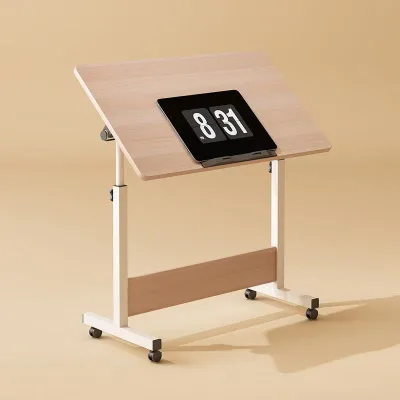
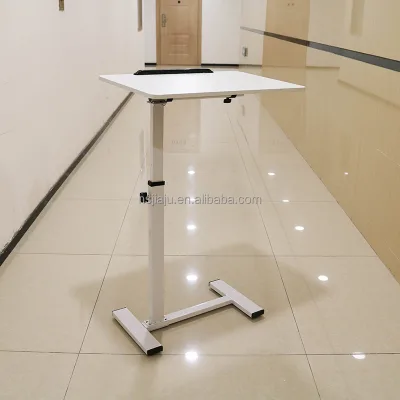
Student-Friendly Student Desk with Flipping Top and Lockable Casters for Classrooms
$50.00 - $65.00
MOQ: 1 Sets
Jiangxi Meida Education Equipment Group Co., Ltd.
- Verified by Intertek
- Manufacturer, Trading Company
- Lead time0 days
- Avg. response≤ 2h
Main productsSchool Furniture, Office Furniture, Custom Furniture
Main marketsDomestic Market(50%), Southern Europe(30%), Southeast Asia(20%)
Luoyang Leiye Furniture Co., Ltd.
- Manufacturer, Trading Company
- Henan, China
- Lead time0 days
- Avg. response≤ 1h
Main productsDesk,Office Chair,Bed,commercial shelf,E-sports chair
Main marketsEastern Europe(20.00%), Northern Europe(20.00%), North America(20.00%), Africa(10.00%), Central America(10.00%), Eastern Asia(10.00%), Mid East(10.00%)
Luoyang Pulage Import and Export Trade Co., Ltd.
- Verified by SGS Group
- Manufacturer, Trading Company
- Lead time15 days
- Avg. response≤ 2h
Main productsFiling Cabinets, Dormitory Beds, Wardrobes, Tool Cabinets
Main marketsNorth America(30%), Western Europe(30%), Eastern Europe(25%)
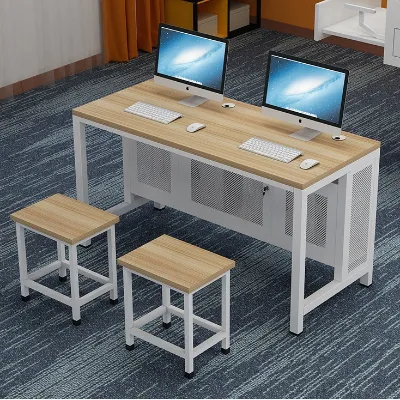
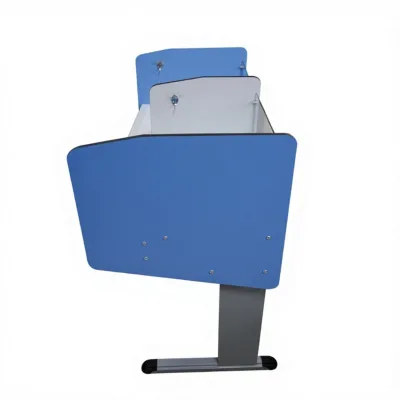
Classroom Desk with Modesty Panel Ideal for Schools Labs and Training Centers
$32.923 - $40.1254
MOQ: 1 sets
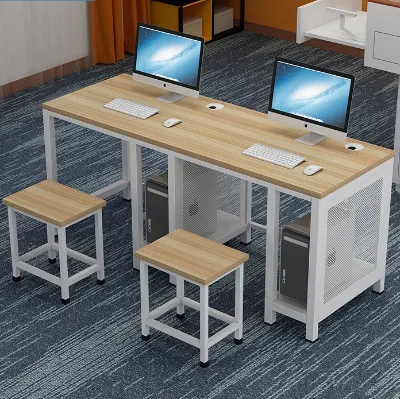
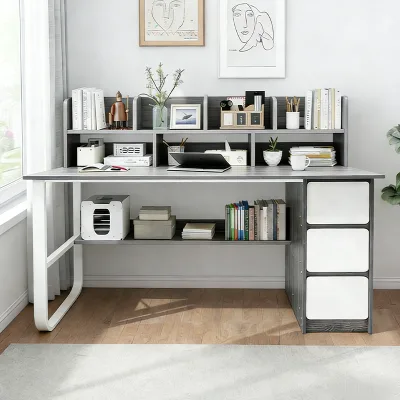
Study Desk for Kids and Teens Multi Purpose School Computer Table for Learning
$32.923 - $40.1254
MOQ: 1 sets
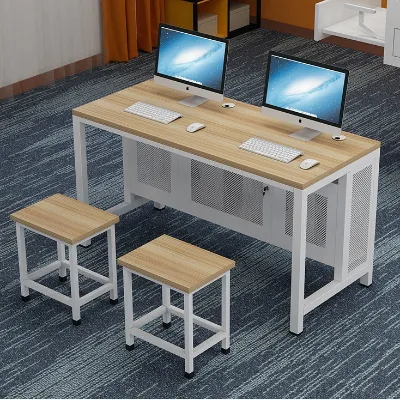
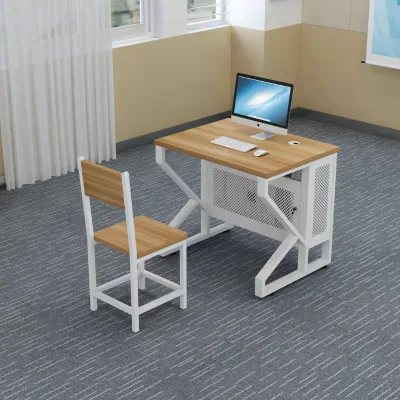
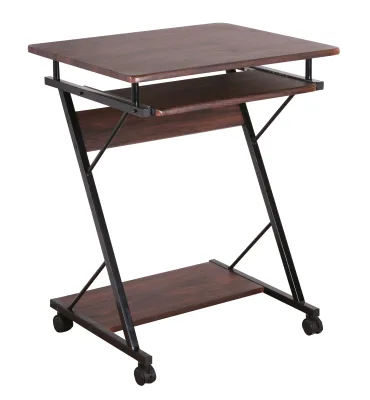
School Computer Desk for Classroom and Student Study Durable Metal Frame Design
$32.947 - $40.1539
MOQ: 1 sets
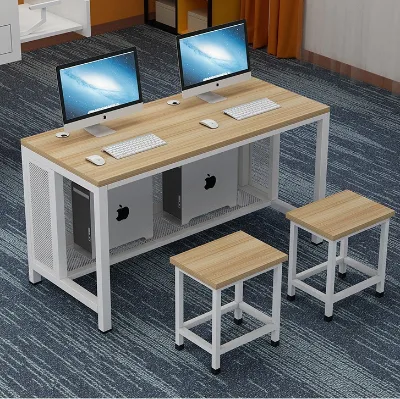
Compact Student Learning Desk Space Saving Solution for Dorms or Home Study
$32.00 - $39.00
MOQ: 1 sets
Linyi Zhaohong Photoelectric Technology Co.. Ltd.
- Verified by SGS Group
- Trading Company
- Shandong, China
- Lead time30 days
- Avg. response≤ 3h
Main productsLED Lighting Products, Home Folding Desk Study Desk, Flower Mud, Outdoor Artificial Lawn, Home Decoration Crafts Artificial Plants
Main marketsEastern Asia(50%), Southeast Asia(20%), North America(8%)

Beijing Tianyuan Rongli Technology Co., Ltd.
- Verified by SGS
- Trading Company,Manufacturer/Factory
- China Beijing
- Lead time15 days
- Avg. response≤ 2h
Main productsMelamine Board, Chipboard, MDF, Solid Wood Pellet Board, Custom-Made Furniture, Dining Room Furniture, Living Room Furniture, Steel-Wood Furniture
Main marketsSouth America,Eastern Europe,Mid East,North America,Southeast Asia,Eastern Asia,Oceania,Western Europe,Africa
Changzhou Enjoy Smart Home Co., Ltd.
- Trading Company
- Jiangsu, China
- Lead time0 days
- Avg. response≤ 4h
Main productsbedside table,file cabinet,bookcase,TV stand,cloth drawer cabinet
Main marketsSouth America(30.00%), Southeast Asia(20.00%), Domestic Market(10.00%), Western Europe(10.00%), Eastern Asia(10.00%), Mid East(10.00%), Eastern Europe(10.00%)
Wuxi Aifaxinlian Technology Co., Ltd.
- Trading Company
- Lead time旺季: "1 - 200":7,"> 200":"To be negotiated", 淡季: "1 - 200":7,"> 200":"To be negotiated"
- Avg. response≤ 1h
Main productsDressing Tables,Office Furniture,Shoes Cabinet,Computer Desk,Bedside Table
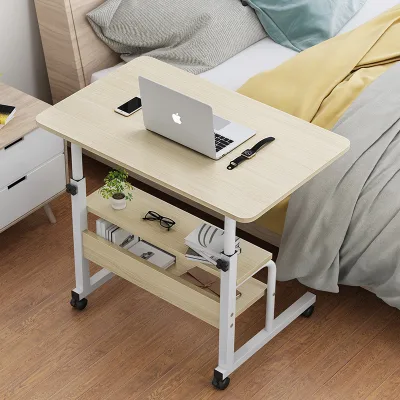
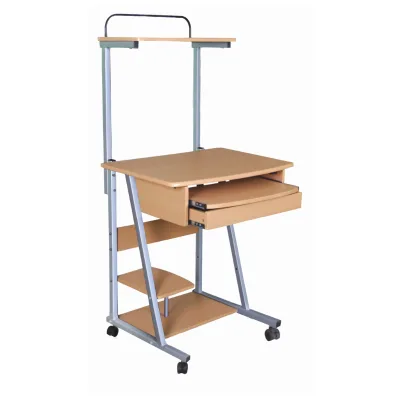
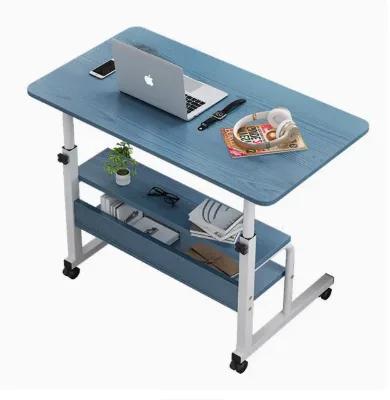
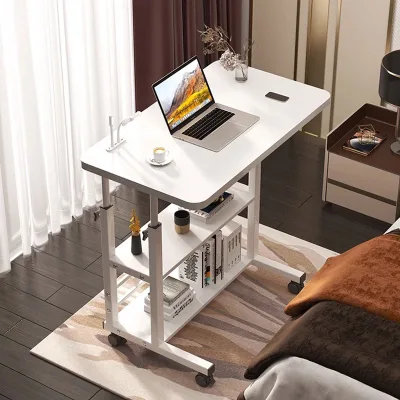
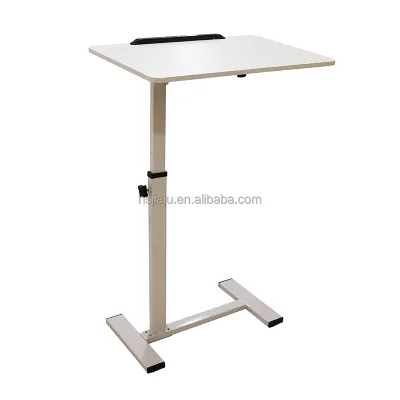
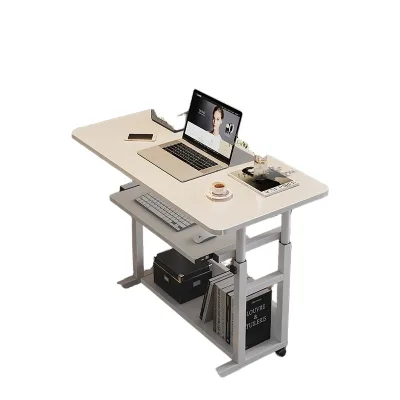
Manual Height Adjustable Modern Children's Desk with Storage Wooden Computer Desk with Wheels
$8.80 - $10.50
MOQ: 1 pieces
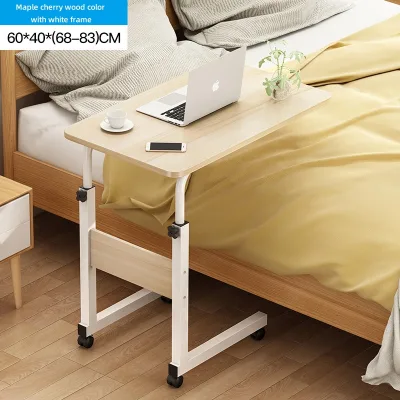
Adjustable Bedside Computer Desk for Bedroom Portable Height Adjustable with Storage Shelf
$9.5183 - $37.2433
MOQ: 1 Minimum
Guangdong Ever Great Laboratory Equipment Co., Ltd
- Verified by SGS Group
- Manufacturer, Trading Company
- Lead time25 days
- Avg. response≤ 2h
Main productsLaboratory Workbench, Fume Hood Cupboard, Reagent Cabinet, Laboratory Cabinet
Main marketsDomestic Market(50%), Southeast Asia(20%), North America(10%)

Jiangsu Forever Furniture Co., Ltd.
- Manufacturer, Trading Company
- Jiangsu, China
- Lead time0 days
- Avg. response≤ 3h
Main productsComputer desk,TV cabinet,bookshelf,tea table,bed
Main marketsSouth Asia(10.00%), Northern Europe(10.00%), Central America(10.00%), Western Europe(10.00%), Eastern Asia(10.00%), Mid East(10.00%), Southeast Asia(10.00%), Eastern Europe(10.00%), South America(10.00%), North America(10.00%)
Changzhou Zhixiang Trading Co., Ltd.
- Trading Company
- Jiangsu, China
- Lead time0 days
- Avg. response≤ 3h
Main productsfurniture,desk,chair,Shoe cabinet,Storage Rack
Main marketsSouth America(10.00%), Eastern Europe(10.00%), North America(10.00%), Southeast Asia(10.00%), Africa(10.00%), Oceania(10.00%), Mid East(10.00%), Eastern Asia(10.00%), Western Europe(10.00%), Central America(10.00%), Northern Europe(10.00%), Southern Europe(10.00%), South Asia(10.00%), Domestic Market(10.00%)
Baidi (changzhou) International Trade Co., Ltd.
- Trading Company
- Jiangsu, China
- Lead time30 days
- Avg. response≤ 4h
Main productsBar Stool, Vanity Stool, Office Chair, E-Sports Gaming Chair, Stool Accessories
Main marketsNorth America(100.00%)
- Manufacturer, Trading Company
- Zhejiang, China
- Lead time7 days
- Avg. response≤ 2h
Main productsPlastic Storage Organizer,Kitchen Rack,Shoe Rack,Makeup vanity,Color Grabber
Main marketsNorth America(20.00%), Domestic Market(10.00%), Eastern Europe(10.00%), South America(10.00%), Northern Europe(8.00%), Southern Europe(8.00%), Western Europe(8.00%), Southeast Asia(5.00%), Central America(5.00%), Africa(5.00%), Eastern Asia(5.00%), Mid East(2.00%), South Asia(2.00%), Oceania(2.00%)
Guangzhou Meiyi Furniture Co., Ltd.
- Verified by TüVRheinland
- Manufacturer, Trading Company
- Lead time15 days
- Avg. response≤ 2h
Main productsOffice Furniture, Hotel Furniture, Home Furniture, Whole House Furniture, Upholstered Furniture
Main marketsNorth America(10%), South America(10%), Africa(10%)
Shenzhen Ldk Industrial Co., Limited
- Verified by SGS Group
- Manufacturer, Trading Company
- Lead time25 days
- Avg. response≤ 3h
Main productsSoccer Cages, Basketball Hoops, Padel Courts/ Squash Courts/Pickleball Courts, Artificial Grass, Gymnastics Equipment
Main marketsNorth America(15%), South America(15%), Southeast Asia(10%)
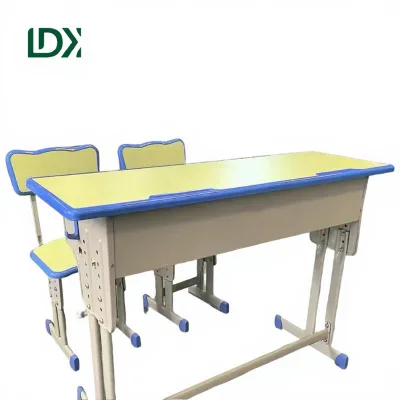
$33.1103 - $34.8555
MOQ: 1 sets
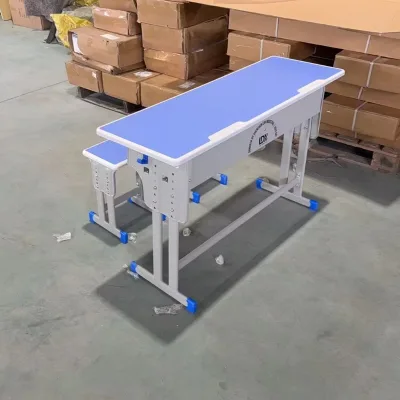
Hebei Haosi Furniture Sales Co., Ltd.
- Verified by TüVRheinland
- Manufacturer, Trading Company
- Lead time15 days
- Avg. response≤ 1h
Main productsLiving/Dinning Chair, Office Chair, Restaurant Chairs, Weddings Chairs, Bar Stool/Chair
Main marketsWestern Europe(39%), Eastern Europe(29%), North America(12%)

Luoyang Yiman Zhuofan Import And Export Trading Co., Ltd.
- Manufacturer, Trading Company
- Henan, China
- Lead time20 days
- Avg. response≤ 5h
Main productsSchool furniture,Apartment bed,shelf,Custom-made furniture,Office supplies
Main marketsNorth America(30.00%), Northern Europe(15.00%), Domestic Market(10.00%), Eastern Europe(10.00%), Western Europe(5.00%), Southeast Asia(5.00%), Mid East(5.00%), South America(5.00%), Southern Europe(5.00%), Eastern Asia(2.00%), South Asia(2.00%), Oceania(2.00%), Africa(2.00%), Central America(2.00%)
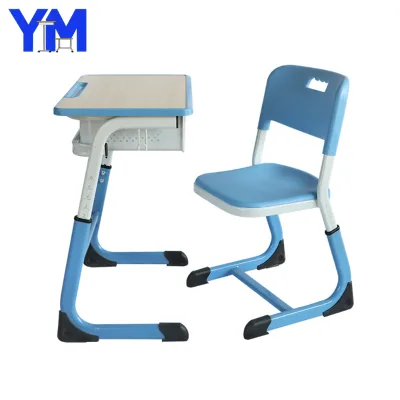
$26.00 - $28.00
MOQ: 20 pieces
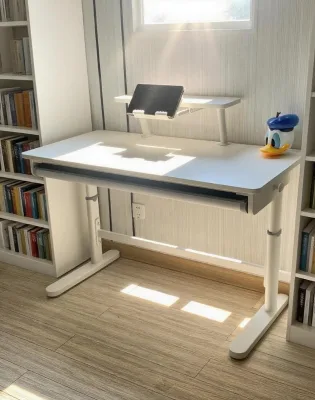
Wuxi Shengjishi Technology Co., Ltd.
- Trading Company
- Jiangsu, China
- Lead time15 days
- Avg. response≤ 1h
Main productsSide cabinet,computer desk,small coffee table,folding table,Shoe Rack
Main marketsSoutheast Asia(20.00%), Central America(20.00%), North America(20.00%), Mid East(20.00%), South Asia(10.00%)
Foshan Lvye Furniture Co., Ltd.
- Manufacturer, Trading Company
- Guangdong, China
- Lead time18 days
- Avg. response≤ 8h
Main productsOffice Chair,furniture hardware,office furniture,interior design,Office Desk
Main marketsNorth America(18.00%), Eastern Europe(15.00%), Mid East(13.00%), Northern Europe(13.00%), Southeast Asia(12.00%), Western Europe(8.00%), Southern Europe(7.00%), Africa(3.00%), South America(3.00%), South Asia(2.00%), Oceania(2.00%), Eastern Asia(2.00%), Central America(2.00%)
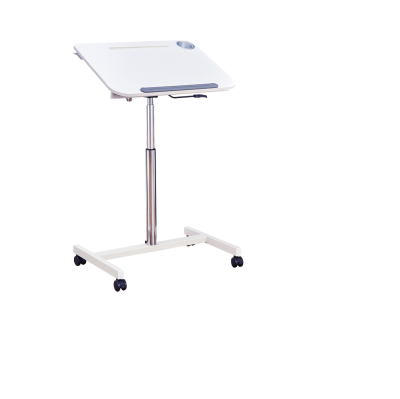
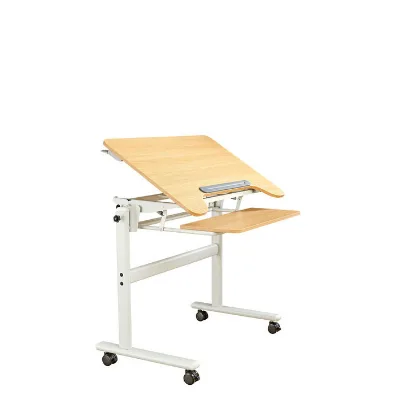
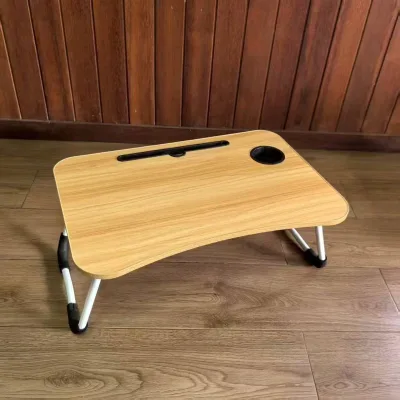
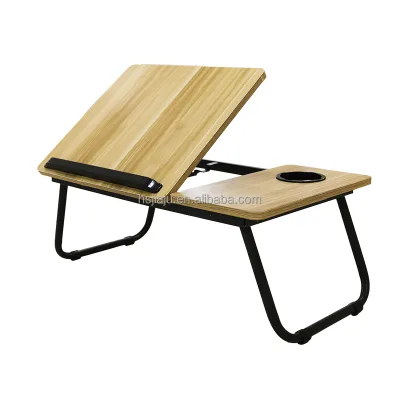
Classical Folding Adjustable Desk
$59.00 - $59.10
Linyi Zhongyuanfu Trading Co., Ltd.
- Manufacturer, Trading Company
- Shandong, China
- Lead time30 days
- Avg. response≤ 8h
Main productsComputer Table
Main marketsDomestic Market(40.00%), North America(10.00%), Southeast Asia(10.00%), Mid East(8.00%), South America(5.00%), Oceania(5.00%), Western Europe(5.00%), Southern Europe(5.00%), Northern Europe(5.00%), Eastern Europe(5.00%), Africa(2.00%)
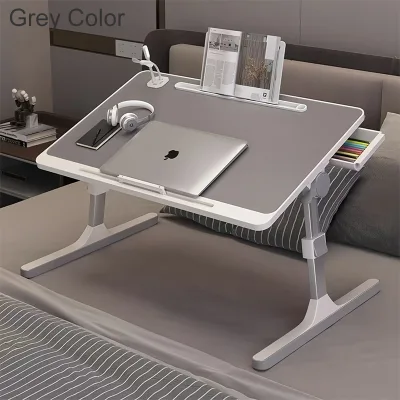
Wholesale Hot Style Height Adjustable Standing Desk Modern Height Adjustable Desk
$4.50 - $9.90
MOQ: 2 Minimum
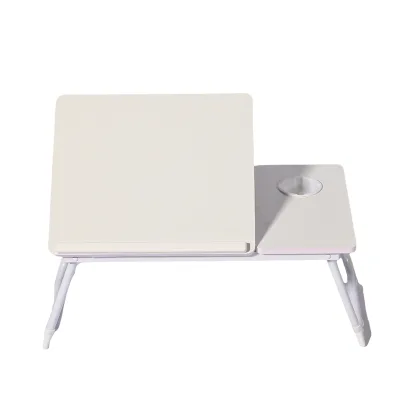
$3.50 - $4.50
MOQ: 2 Minimum






Comprehensive Sourcing Guide
Detachable Student Desk with Universal Pads Supplier Concentration and Factory Types
The current supplier landscape for detachable student desks with universal pads reveals a distinct geographic and operational concentration. Evidence indicates that a significant portion of available inventory originates from Guangdong, China, where manufacturers and trading companies operate in close proximity. This region is well-established for producing school furniture, including desks, chairs, and classroom sets, leveraging a mature supply chain for artificial boards and metal frames. The presence of both manufacturers and trading companies in this cluster suggests that buyers can access a wide variety of product configurations, from standard single-layer models to more complex double-layer designs. The density of suppliers in Guangdong implies that logistics infrastructure is optimized for exporting heavy furniture items, potentially reducing shipping complexities for international buyers. However, the concentration also means that competition is fierce, and differentiation often relies on specific product features rather than just price. Buyers should note that while Guangdong is a primary hub, other regions like Zhejiang also host significant production capabilities, particularly for trading companies that may source from multiple factories. Understanding this geographic distribution is crucial for assessing the reliability and scalability of potential suppliers. The mix of company types allows for flexibility, as trading companies can aggregate products from various factories, while manufacturers offer direct control over production quality and customization. This diversity in supplier types provides buyers with multiple pathways to source the specific detachable desk configurations they require, ensuring that they can find partners who align with their volume and quality expectations.
In addition to geographic concentration, the types of companies operating in this space vary significantly in their capabilities and focus. Some suppliers specialize in specific materials, such as artificial board or metal frames, while others offer a broader range of school furniture solutions. The evidence shows that many suppliers list main products that include school desks, chairs, and kindergarten furniture, indicating a broad expertise in educational furnishings. This specialization can be beneficial for buyers looking for comprehensive solutions rather than isolated products. Furthermore, the presence of trading companies suggests that some suppliers may not have their own manufacturing facilities but instead act as intermediaries, connecting buyers with factories. This model can offer advantages in terms of product variety and customer service, but it may also introduce additional layers in the supply chain. Buyers must carefully evaluate whether they prefer direct manufacturer relationships for better cost control or trading companies for broader product access. The distinction between these company types is critical for understanding lead times, communication efficiency, and quality assurance processes. By recognizing the different operational models, buyers can make more informed decisions about which suppliers to engage with, ensuring that their sourcing strategy aligns with their specific needs for detachable student desks with universal pads.
How to Verify Detachable Student Desk with Universal Pads Suppliers
Verifying the credibility of suppliers for detachable student desks with universal pads requires a multi-layered approach that goes beyond simple product listings. One critical step is to check for third-party verification badges, such as TÜV Rheinland certification, which indicates that the supplier has undergone rigorous audits for business legitimacy and operational standards. This verification provides a layer of trust that is essential when dealing with international transactions, as it confirms that the company is a legitimate entity with verified business practices. Buyers should prioritize suppliers who display such certifications, as they have demonstrated a commitment to transparency and quality management. Additionally, examining the supplier’s response time is a practical indicator of their operational efficiency and customer service quality. A response time of one day or less suggests that the supplier is actively managing inquiries and is likely to provide timely support throughout the procurement process. This responsiveness is particularly important for complex orders involving customizations or specific technical requirements for detachable features. Buyers should also look for detailed product attributes, such as material specifications, package dimensions, and weight, which indicate a high level of product knowledge and transparency. Suppliers that provide comprehensive data are more likely to be reliable partners who can deliver on their promises.
Beyond verification badges and response times, buyers should scrutinize the supplier’s product portfolio and customization capabilities. Evidence shows that some suppliers offer customizable options, including specific dimensions, materials, and design styles, which is crucial for meeting unique educational facility requirements. Buyers should inquire about the customization process, including minimum order quantities for custom designs and the lead times associated with these changes. It is also important to verify the supplier’s ability to handle different packaging requirements, such as knock-down or mail packing, which can impact shipping costs and product protection. Suppliers that offer flexible packaging solutions demonstrate a deeper understanding of logistics challenges and are better equipped to handle international shipments. Furthermore, buyers should assess the supplier’s warranty policies and after-sales support, as these factors are critical for long-term satisfaction. A supplier that offers a substantial warranty period, such as fifteen years, indicates confidence in their product quality and durability. By combining these verification steps, buyers can build a comprehensive profile of each potential supplier, ensuring that they select partners who are not only credible but also capable of meeting their specific operational needs. This thorough verification process minimizes the risk of engaging with unreliable suppliers and enhances the overall sourcing experience.
What to Compare Across Detachable Student Desk with Universal Pads Suppliers
When evaluating multiple suppliers for detachable student desks with universal pads, buyers must systematically compare key operational metrics to identify the most suitable partner. One of the most critical factors is the lead time, which directly impacts inventory management and project timelines. Evidence indicates that lead times can vary significantly, with some suppliers offering production times as short as fifteen days, while others may require twenty-five days or more. Buyers should align their order planning with these lead times to avoid delays in school renovations or new facility setups. Additionally, the minimum order quantity (MOQ) is a crucial consideration, as it determines the financial commitment required from the buyer. Some suppliers may have low MOQs, making them suitable for smaller projects, while others may require higher volumes, which is better for large-scale institutional purchases. Buyers should also compare the price ranges, noting that costs can fluctuate based on material choices, customization levels, and order volumes. For instance, prices for similar desk models can range from approximately twelve dollars to nearly fifty dollars, depending on the specific features and specifications. This price variance highlights the importance of detailed specification matching to ensure accurate cost comparisons.
Beyond lead times and prices, buyers should assess the suppliers’ product attributes and customization options to ensure they meet their specific requirements. Evidence shows that suppliers offer a variety of materials, including artificial board, metal frames, and wood, each with different durability and aesthetic qualities. Buyers should compare these material options to determine which best suits their educational environment’s needs. Additionally, the availability of customization services, such as specific dimensions or design styles, is a key differentiator among suppliers. Buyers should inquire about the flexibility of these customization options and any associated costs or MOQs. The supplier’s response time is another important metric, as it reflects their ability to communicate effectively and resolve issues promptly. A faster response time can facilitate smoother negotiations and quicker decision-making. Furthermore, buyers should consider the supplier’s main product focus, as those specializing in school furniture may offer greater expertise and a wider range of complementary products. By systematically comparing these factors, buyers can create a weighted evaluation matrix that helps them select the supplier who offers the best balance of cost, quality, and service. This structured comparison ensures that the final decision is based on objective data rather than subjective impressions.
Common Detachable Student Desk with Universal Pads Sourcing Risks
Sourcing detachable student desks with universal pads from international suppliers involves several inherent risks that buyers must proactively manage. One significant risk is the potential for quality inconsistencies, particularly when dealing with trading companies that may source from multiple factories. Without direct oversight of the manufacturing process, buyers may receive products that do not meet their specified standards for durability or finish. This risk is exacerbated by the complexity of detachable designs, which require precise engineering to ensure stability and ease of assembly. Buyers should mitigate this risk by requesting detailed product specifications and, if possible, conducting factory audits or third-party inspections. Another common risk is the discrepancy between quoted prices and final costs, which can arise from hidden fees for customization, packaging, or shipping. Buyers should ensure that all cost components are clearly outlined in the quotation to avoid unexpected expenses. Additionally, lead time delays are a frequent issue, often caused by supply chain disruptions or production bottlenecks. Buyers should establish clear communication channels and regular progress updates to monitor production status and address any delays promptly.
Logistical challenges also pose a significant risk, particularly for heavy furniture items like student desks. Damage during transit can occur if packaging is inadequate, leading to additional costs and project delays. Buyers should verify that suppliers use robust packaging methods, such as knock-down or reinforced cartons, to protect the products during shipping. Furthermore, customs clearance issues can arise if documentation is incomplete or inaccurate, causing shipments to be held up at borders. Buyers should ensure that all necessary export documents are prepared correctly and that the supplier is experienced in handling international logistics. Another risk is the lack of after-sales support, which can leave buyers without assistance if products fail or require replacement parts. Buyers should prioritize suppliers who offer comprehensive warranty policies and responsive customer service. By identifying and addressing these risks early in the sourcing process, buyers can minimize disruptions and ensure a smoother procurement experience. Proactive risk management involves thorough due diligence, clear contractual terms, and continuous monitoring of the supply chain, all of which contribute to a more secure and reliable sourcing strategy.
Detachable Student Desk with Universal Pads Regional Sourcing and Logistics
Regional sourcing strategies play a pivotal role in optimizing the procurement of detachable student desks with universal pads, particularly when considering logistics and supply chain efficiency. Evidence indicates that a substantial number of suppliers are located in Guangdong, China, a region renowned for its manufacturing capabilities and export infrastructure. This concentration allows buyers to benefit from established logistics networks that are optimized for handling large volumes of furniture exports. The proximity of suppliers to major ports in Guangdong can significantly reduce transit times and shipping costs, making it an attractive sourcing destination. However, buyers should also consider other regions, such as Zhejiang, where trading companies may offer different advantages in terms of product variety and customer service. The choice of region should be based on a holistic assessment of factors including lead times, shipping costs, and supplier reliability. Buyers should evaluate the logistical capabilities of each region to determine which best aligns with their project timelines and budget constraints. Additionally, understanding the regional supply chain dynamics can help buyers anticipate potential disruptions and plan accordingly.
Logistics planning for detachable student desks requires careful attention to packaging and shipping methods to ensure product integrity. Evidence shows that suppliers offer various packaging options, such as knock-down or mail packing, which can impact the efficiency of container loading and the protection of the products. Buyers should work closely with suppliers to select the most appropriate packaging method based on the order volume and destination. For international shipments, buyers should also consider the impact of customs regulations and import duties, which can vary by country. Engaging with experienced freight forwarders can help navigate these complexities and ensure smooth clearance. Furthermore, buyers should assess the supplier’s ability to handle different shipping terms, such as FOB or CIF, to determine who bears the responsibility for transportation and insurance. By integrating regional sourcing insights with robust logistics planning, buyers can optimize their supply chain and reduce overall procurement costs. This strategic approach ensures that the detachable student desks with universal pads are delivered on time, in good condition, and within budget, supporting the successful execution of educational facility projects.
Detachable Student Desk with Universal Pads Commercial Terms and Order Planning
Effective commercial terms and order planning are essential for successful procurement of detachable student desks with universal pads, ensuring that both parties have clear expectations and responsibilities. Buyers should negotiate payment terms that align with their cash flow management, such as using secure payment methods like escrow to protect their funds until the goods are received and inspected. This approach minimizes financial risk and
FAQs
What is the typical lead time for school desks?
Manufacturers in Guangdong, China typically require 25 days to produce and ship orders. Suppliers in Zhejiang, China offer a faster turnaround of 15 days. Buyers should confirm specific production schedules with the supplier before placing an order to ensure timely delivery for their projects.
What is the minimum order quantity for these desks?
The minimum order quantity varies by supplier and customization requirements. Some suppliers require a minimum of 200 units, while others may set the threshold at 300 pieces per color for customized orders. Buyers must verify the specific MOQ with the supplier to ensure it fits their budget.
How quickly do suppliers respond to inquiries?
Response times are generally fast, with many suppliers replying within one day. Some suppliers in Zhejiang have an average response time of 1.31 days. Prompt communication helps buyers clarify specifications and negotiate terms efficiently. Buyers should expect quick replies when contacting verified manufacturers directly through the platform.
What materials are used for student desks?
Common materials include artificial board, metal frames, laminate tops, and wood. Some desks feature polyurethane and ABS plastic components for durability. Buyers can choose from solid wood or panel styles depending on their aesthetic and functional needs. The material choice impacts the desk's weight, cost, and overall longevity.
Are these desks adjustable in height?
Yes, many models offer height-adjustable features for growing students. Some desks are foldable and stackable, providing flexibility for storage and space management. Buyers should check product attributes to confirm if the specific model supports adjustable heights or if it is a fixed-size design for their classroom requirements.
What is the price range for school desks?
Prices typically range from $12.00 to $49.22 per unit depending on features and materials. Basic models may start around $12.00, while more durable or adjustable desks can cost up to $49.22. Buyers should compare quotes from multiple suppliers to find the best value for their specific quality and quantity requirements.