Modern Integrated Handle Fume Hood Suppliers and Manufacturers
Compare 21 verified suppliers offering Modern Integrated Handle Fume Hood units with ISO 14001, ISO 9001, and GMP certifications. Review lead times ranging from 30 to 38 days and MOQs starting at 1 set before requesting quotes; review the available evidence before requesting comparable quotations from suitable candidates.
Updated
Suppliers List

Guangzhou Monchi Lab Technology Co., Limited
- Manufacturer/Factory
- China Guangdong
- Lead time38 days
- Avg. response≤ 2h
Main productsLab Furniture, Fume Hood, Island Bench, Lab Bench, Laminar Flow Hood, Biosafety Cabinet, Lab Workstation, Exhuast Hood, Emergency Shower and Eye Wash, Air Shower
Main marketsSouth America,Eastern Europe,Mid East,North America,Southeast Asia,Eastern Asia,Oceania,Western Europe,Africa
Guangdong Zhijian Experimental Equipment Technology Co., Ltd.
- Manufacturer, Trading Company
- Guangdong, China
- Lead time30 days
- Avg. response≤ 2h
Main productsLaboratory equipment,Test bed ark,Office furniture,Experimental instruments and consumables,Ventilation equipment
Main marketsSoutheast Asia(30.00%), North America(30.00%), Central America(15.00%), Northern Europe(10.00%), Mid East(5.00%), South America(5.00%), Eastern Asia(5.00%)
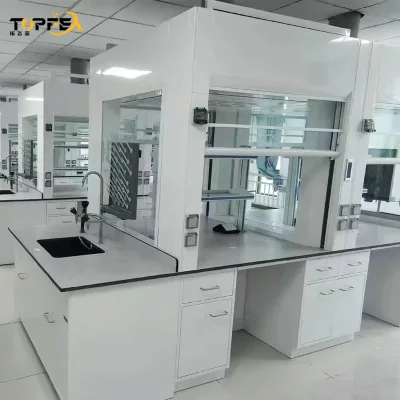
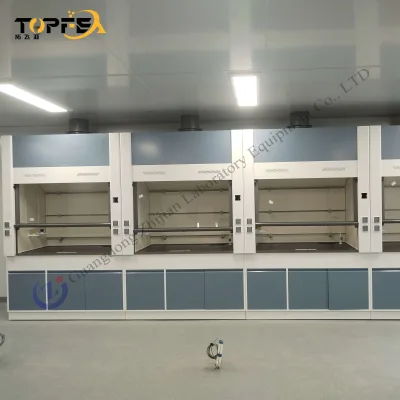
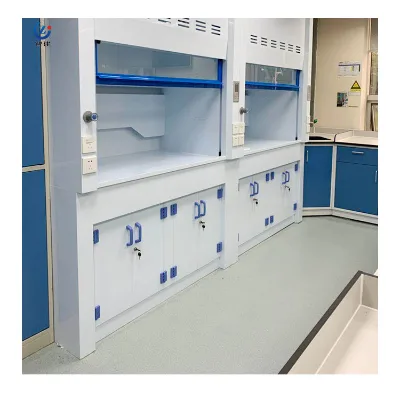
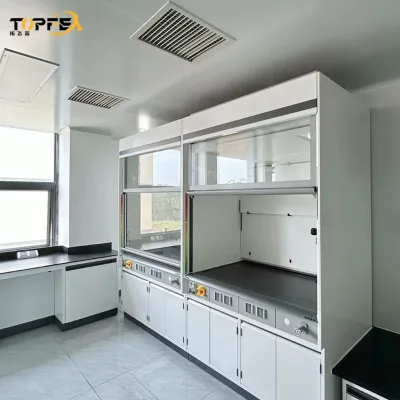
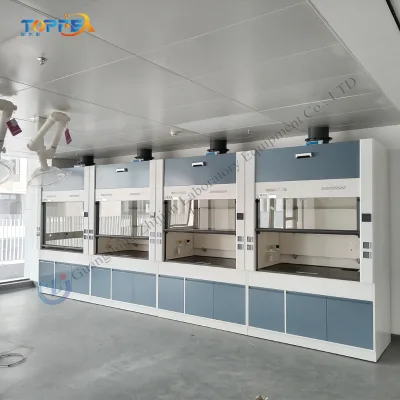
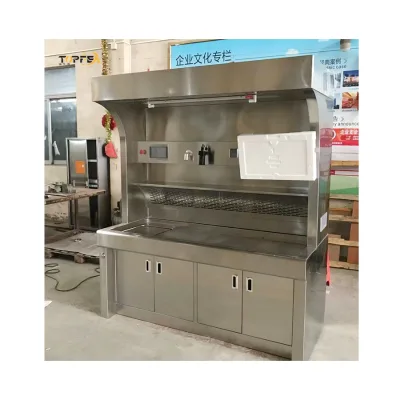
Specializes in Manufacturing Custom 1500Mm Fume Hood for Chemical Pharmaceutical Lndustry
$513.0126 - $1949.4478
MOQ: 1 sets

Zhejiang FUXIA Medical Technology Co., Ltd.
- Verified by BV
- Combined
- China Zhejiang
- Lead time15 days
- Avg. response≤ 2h
Main productsBiosafety Cabinet, Biological Safety Cabinet, Fume Hood, Pass Box, Muffle Furnace, Air Shower, Dying Oven, Clean Bench, Laminar Flow Cabinet, Weighing Booth
Main marketsSouth America,Africa,Others(foreignTradeCapacity.exportBusinessCapacityMarketOther),Southeast Asia/ Mideast,Europe

Faithful lnstrument (Hebei) Co., Ltd.
- Verified by BV
- Combined
- China Hebei
- Lead time15 days
- Avg. response≤ 7h
Main productsIncubator, Magnetic Stirrer, Drying Oven, Heating Mantle, Water Bath, Laminar Flow Cabinet, Stainless Steel Water Still, Disintegrator, Furnace, Vortex Mixer
Main marketsSouth America,Africa,Southeast Asia/ Mideast,Europe,Australia,North America

Jinhua Bonuo Furniture Co, Ltd
- Trading Company,Manufacturer/Factory
- China Zhejiang
- Lead time45 days
- Avg. response≤ 3h
Main productsMetal Cabinets, Fire Cabinets, Fire Equipment, Lab Furniture, Fire Furniture, Metal Beds, Fume Hood, Chemical Cabinet, Tool Cabinet, Lab Workcase
Main marketsSouth America,Eastern Europe,Mid East,North America,Southeast Asia,Eastern Asia,Western Europe,Africa

- Verified by TUVRHEINLAND
- Combined
- China Guangdong
- Lead time15 days
- Avg. response≤ 9h
Main productsWaste Gas Treatment, Environmental Protection Equipment, Ventilation Equipment
Main marketsSouth America,Africa,Southeast Asia/ Mideast

Shanghai SMT LAB Furniture Equipment Co., Ltd.
- Verified by SGS
- Trading Company
- China Shanghai
- Lead time30 days
- Avg. response≤ 4h
Main productsLaboratory Furniture, Lab Workbench, Fume Hood, Chemical Storage Cabinet, Pegboard, Emergency Shower and Eyewash Station, Sink, Reagent Shelving
Main marketsDomestic


High Quality Durable Fume Hood with Factory-Prepared Right Interior Wall
$899.00 - $999.00
MOQ: 1 Pieces

Thin Wall Fume Hood with High Reliability and Excellent Performance Specs
$899.00 - $999.00
MOQ: 1 Pieces

Jiangxi Aiyi Hi-Tech Co., Ltd.
- Verified by Intertek
- Trading Company
- Lead time15 days
- Avg. response≤ 2h
Main productsLaboratory Furniture, Chromatograph, Spectrometer
Main marketsEastern Europe(15%), Western Europe(15%), Mid East(10%)
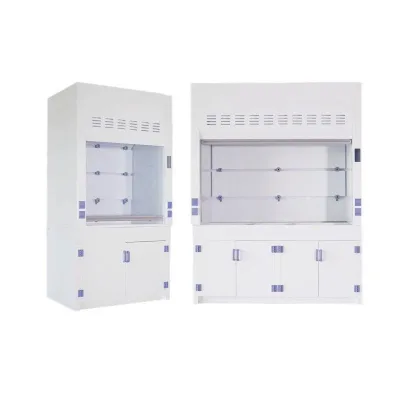
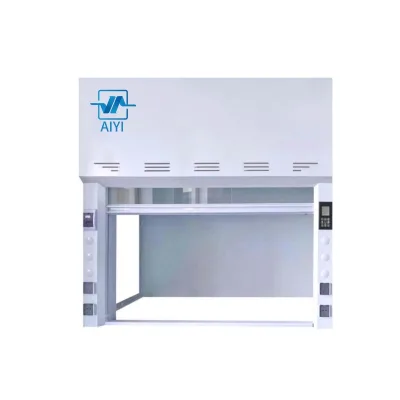
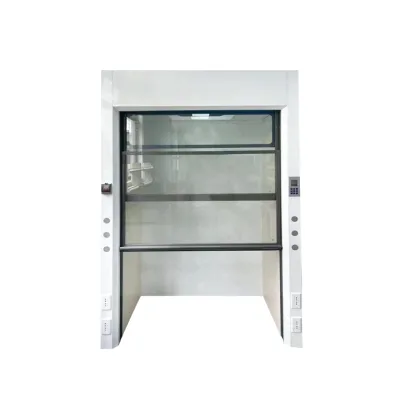

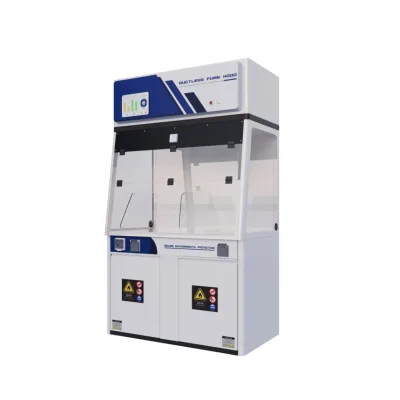
$2582.7767 - $3099.332
MOQ: 1 Minimum

Zhejiang Top Cloud-Agri Technology Co., Ltd.
- Combined
- China Zhejiang
- Lead time15 days
- Avg. response≤ 8h
Main productsSoil Nutrient Analyzer, Seed Tester Meter, Chlorophyll Meter, Leaf Area Meter, Fat Analyzer, Fruit Hardness Tester, Incubator, Grain Testing Meter Tester, Plant Physical Tester, Flour and Oil Testing Instrument
Main marketsAfrica,Southeast Asia/ Mideast,Europe

JIANGSU JIAHONG LABORATORY EQUIPMENT CO.,LTD.
- Verified by SGS
- Trading Company,Manufacturer/Factory
- China Jiangsu
- Lead time23 days
- Avg. response≤ 3h
Main productsFume Hood, Fume Cupboard, Lab Furniture, Laboratory Furniture, Fume Extractor, Lab Sink, Lab Worktop, Lab Tap, Laboratory Fitting
Main marketsMid East,North America,Southeast Asia,Eastern Asia,Africa


70% Energy Saving Interior Wind Compensation Fume Hood Fume Cupboard Low Exhaust
$2000.00 - $4300.00
MOQ: 1 Sets


Yantai Furui Technology Co., Ltd.
- Trading Company
- Shandong, China
- Lead time0 days
- Avg. response≤ 2h
Main productsfume hood,lab table,lab cabinet,lab accessories,lab stool
Main marketsSouth America(50.00%), Eastern Europe(15.00%), North America(10.00%), South Asia(10.00%), Southeast Asia(7.00%), Western Europe(4.00%), Northern Europe(4.00%)
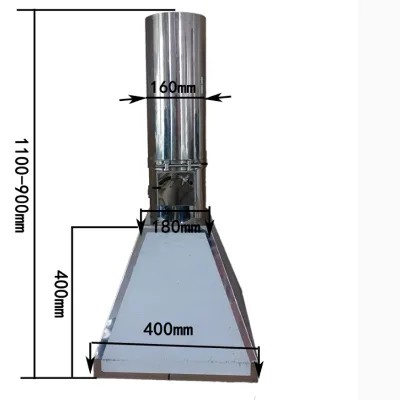
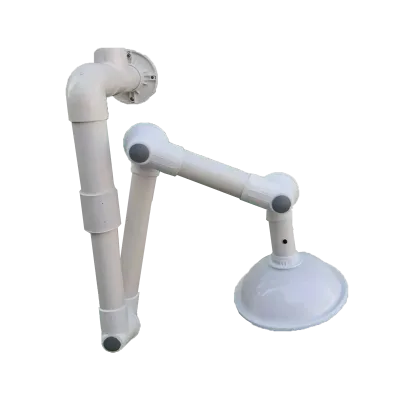
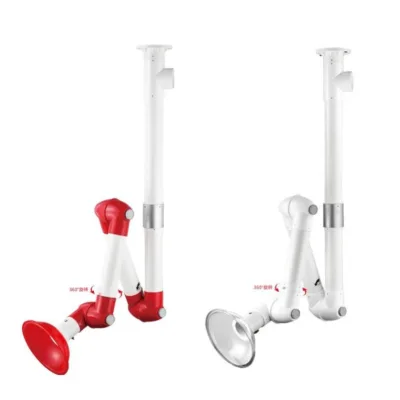
Atomic Hood/stainless Steel Fume Extractor /fume Extractor Arms
$135.00 - $150.00
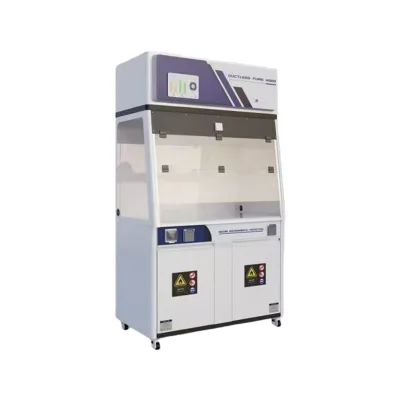
Top Clean air Fume Hood Cupboard with Sink Acid Proof Ventless Fume Hood
$3480.00 - $3890.00

Foshan Yingde Laboratory Equipment Co., Ltd.
- Manufacturer, Trading Company, Distributor/Wholesaler
- Guangdong, China
- Lead time14 days
- Avg. response≤ 1h
Main productsFume hood,Lab bench,lab Island bench,Laboratory accessories,Laboratory equipment
Main marketsNorth America(30.00%), Northern Europe(10.00%), Africa(10.00%), Mid East(10.00%), Oceania(8.00%), Domestic Market(5.00%), Southeast Asia(5.00%), Eastern Asia(5.00%), Southern Europe(5.00%), Eastern Europe(3.00%), Central America(3.00%), Western Europe(2.00%), South Asia(2.00%), South America(2.00%)
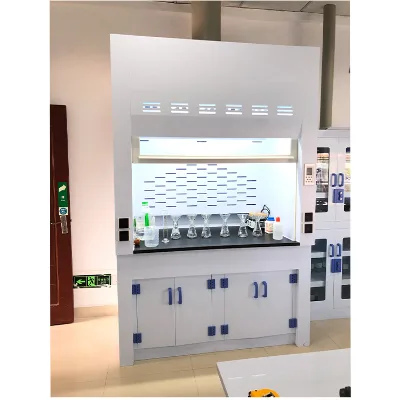
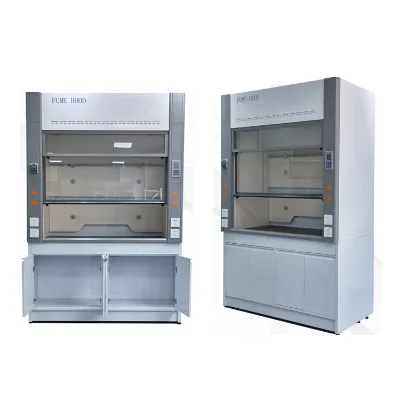
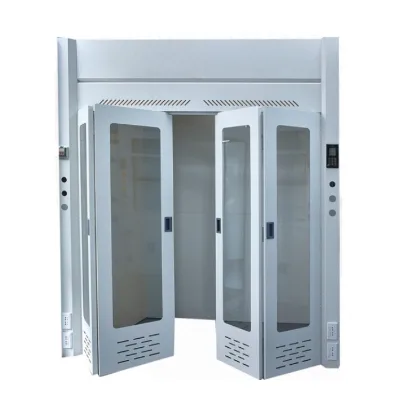
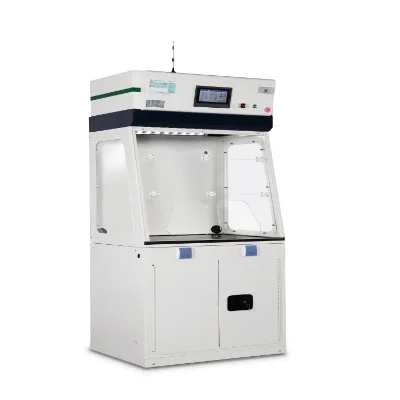
PP Material Fume Hood Customized Multifunctional Commercial Furniture Small Fume Hood
$850.00 - $1200.00
MOQ: 1

Ningbo Cbmtec Medical Equipment Co., Ltd.
- Verified by BV
- Manufacturer/Factory
- China Zhejiang
- Lead time45 days
- Avg. response≤ 8h
Main productsPatient Monitor, Ventilator, Patient Lift, Anesthesia Machine, Ultrasound Scanner, Gas Cylinder, Oxygen Concentrator, Pulse Oximeter, Oxygen Regulator
Main marketsSouth America,Eastern Europe,Mid East,North America,Southeast Asia,Eastern Asia,Oceania,Western Europe,Africa
Guangzhou Max Laboratory Equipment Co., Ltd.
- Verified by TüVRheinland
- Trading Company
- Lead time20 days
- Avg. response≤ 3h
Main productsLab Furniture, Fume Hood, Lab Accessories, Biosafety Cabinet, Laminar Flow Cabinet
Main marketsNorth America(15%), Eastern Europe(10%), Southeast Asia(10%)

Guangzhou Penway Lab Equipment Co., Ltd.
- Verified by SGS
- Trading Company,Manufacturer/Factory
- China Guangdong
- Lead time15 days
- Avg. response≤ 3h
Main productsLab Furniture, Lab Bench, Lab Table, Fume Hood, Fume Cupboard, Lab Construction, Lab Designs, Lab Cabinets, Lab Equipment
Main marketsSouth America,Eastern Europe,Mid East,North America,Southeast Asia,Eastern Asia,Oceania,Western Europe,Africa

Guangdong Zhijian Experimental Equipment Technology Co., Ltd.
- Trading Company,Manufacturer/Factory
- China Guangdong
- Lead time23 days
- Avg. response≤ 7h
Main productsLab Furniture, Lab Bench, Lab Cabinet, Lab Chair, Lab Table, Fume Hood, School Lab Furniture, Las Stool, Eye Wash, Peg Board
Main marketsSouth America,Eastern Europe,Mid East,North America,Southeast Asia,Eastern Asia,Oceania,Western Europe,Africa
Luoyang Fraser Metal Products Co., Ltd.
- Verified by SGS Group
- Manufacturer, Trading Company
- Lead time25 days
- Avg. response≤ 3h
Main productsLaboratory Furniture, Medical Furniture, School Furniture, Office Furniture, Industrial Security Cabinet
Main marketsDomestic Market(45%), North America(15%), Southeast Asia(15%)


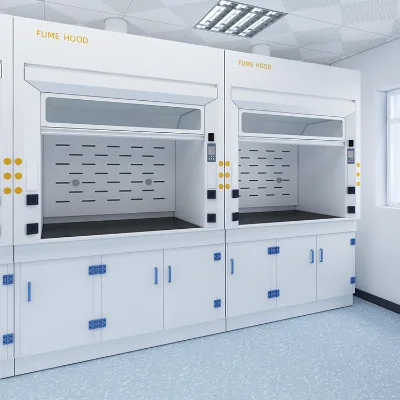
Factory Support Chemistry Laboratory Equipment PP Fume Hood for Smoke Gases Dust Extraction
$599.00 - $650.00
MOQ: 1


Dongguan Youbi Test Equipment Co.,Ltd
- Verified by TUVRHEINLAND
- Trading Company,Manufacturer/Factory
- China Guangdong
- Lead time23 days
- Avg. response≤ 2h
Main productsClimate Chamber, Tensile Tester, Abrasion Tester, Impact Tester, Oven, Plastic Rubber Test Machine, Pressure-Sensitive Tape Test Machine, Component Testing Equipment, Paper Packaging Test Machine, Shoe Leather Test Machine
Main marketsSouth America,Eastern Europe,Mid East,North America,Southeast Asia,Eastern Asia,Oceania,Western Europe,Africa

Customizable Acid Resistant Chemical Fume Hood Polypropylene Fume Hood
$499.00 - $2999.00
MOQ: 1 Pieces


Guangzhou Apex Industrial Co., Ltd.
- Manufacturer, Trading Company
- Guangdong, China
- Lead time15 days
- Avg. response≤ 13h
Main productsLaboratory Furniture,Medical Furniture,HPL products
Main marketsMid East(40.00%), Africa(20.00%), North America(20.00%), Western Europe(10.00%), Southern Europe(5.00%), Northern Europe(5.00%)
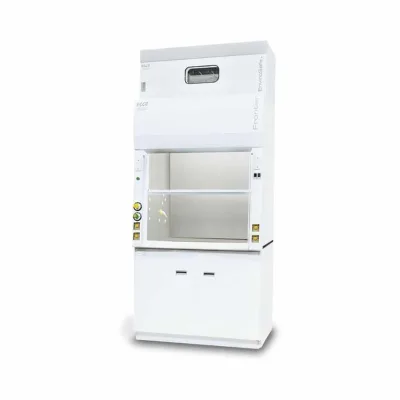
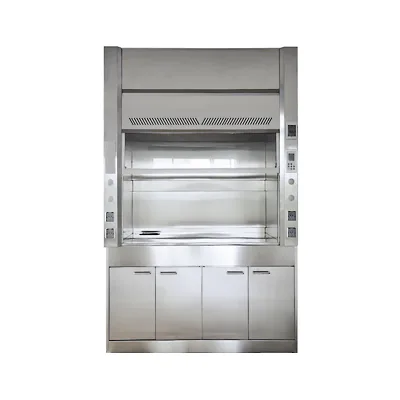
High Quality Work Station Exhaust Gas Stainless Fume Hood for Perchloric Acid Test
$800.00 - $950.00
MOQ: 1 sets
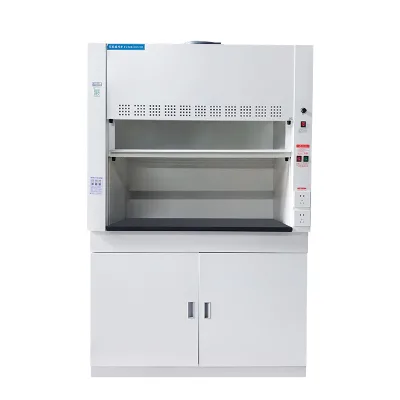
$800.00 - $950.00
MOQ: 1 sets

Foshan Zhongjing Purification Equipment Co., Ltd.
- Verified by TUVRHEINLAND
- Combined
- China Guangdong
- Lead time30 days
- Avg. response≤ 1h
Main productsAirshower, Passbox, Laminar Flow Hood, Louver, Damper, Air Filter, HEPA, Flow Clean Bench, Stainless Steel Cabinet
Main marketsDomestic


Cleanroom Smoke Exhaust and Ventilation Components Atomic Absorption Hood
$69.00 - $199.00
MOQ: 1 Sets

- Verified by TUVRHEINLAND
- Trading Company,Manufacturer/Factory
- China Hunan
- Lead time38 days
- Avg. response≤ 14h
Main productsMicrocope Centrifuge Water Bath Heating Mantel, Shaker Stirrer Incubator and Oven Freezer Aas, Autoclave &Sterilizer Water Distiller pH Meter, Spectrophotometer Viscometer Balance&Scale HPLC, Lab Glassware; Electrophoresis Suction Machine, ECG Thermometer Ultrasound Scanner, Operating Table Lamp Bed Wheel Chair, Infusion Oxygen Concentrator Cylinder, X-ray Machine Hematology Analyzer, Human Models Medical Disposable
Main marketsSouth America,Eastern Europe,Mid East,North America,Southeast Asia,Eastern Asia,Oceania,Western Europe,Africa


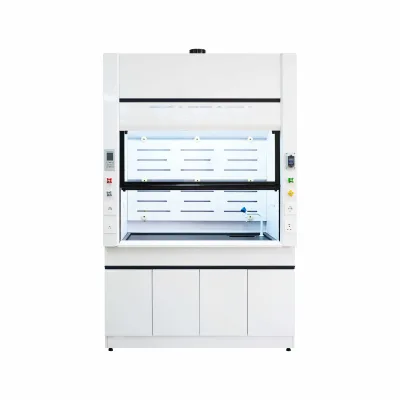


Comprehensive Sourcing Guide
Modern Integrated Handle Fume Hood Supplier Concentration and Factory Types
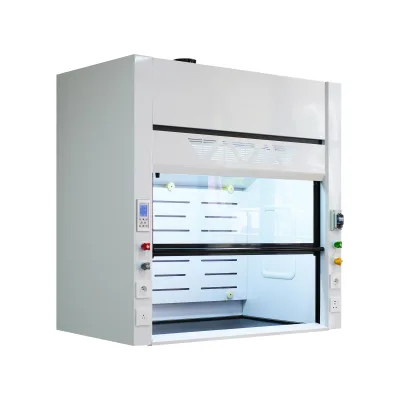
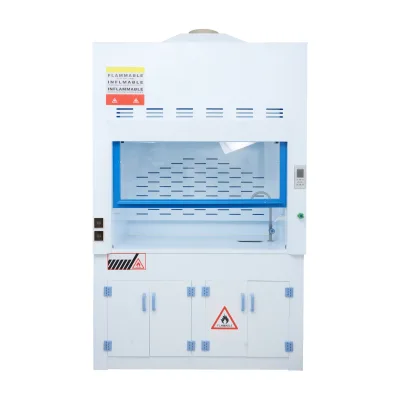
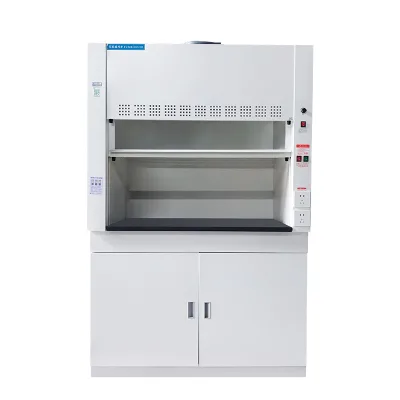
The current supplier landscape for modern integrated handle fume hoods is heavily concentrated in Guangdong, China, where manufacturing capabilities are robust and specialized. Results indicate that the primary production hubs are located within this specific province, offering buyers a clear geographic focus for sourcing activities. This concentration suggests a mature industrial ecosystem where supply chain efficiencies are optimized for laboratory furniture and ventilation equipment. Buyers evaluating suppliers should prioritize those with verified origins in Guangdong, as this region demonstrates a high density of manufacturers capable of producing complex laboratory fixtures. The presence of multiple suppliers in this area implies competitive pricing and a wide variety of design options, including all-steel and customized configurations. Understanding this geographic clustering helps buyers streamline their search process by focusing on suppliers who have established infrastructure in this known manufacturing hub.
Supplier types in this category vary between pure manufacturers and hybrid entities that combine manufacturing with trading operations. The data shows that many suppliers identify as Manufacturer/Factory, indicating direct control over production lines and quality assurance processes. However, some results also list companies as Manufacturer, Trading Company, suggesting a mixed business model where direct production is supported by trading services. This distinction is critical for buyers assessing their procurement strategy, as factory-direct suppliers may offer better pricing and customization flexibility, while trading companies might provide broader product ranges or logistical support. The presence of OEM and ODM capabilities among these suppliers highlights their ability to produce branded or custom-designed fume hoods. Buyers should verify the specific company type to ensure alignment with their needs for either direct factory engagement or comprehensive sourcing services.
How to Verify Modern Integrated Handle Fume Hood Suppliers
Verification of supplier credentials is essential to ensure reliability and product quality in the Modern Integrated Handle Fume Hood market. Buyers should prioritize suppliers that display recognized system certifications, such as ISO 14001, ISO 9001, and GMP, which indicate adherence to international standards for environmental management, quality control, and good manufacturing practices. These certifications serve as a baseline for assessing a supplier’s operational maturity and commitment to consistent production standards. Additionally, verifying the supplier’s response time can provide insights into their customer service efficiency and operational responsiveness. A response time of approximately 1.11 hours, as observed in some results, suggests a high level of engagement and readiness to address buyer inquiries promptly. This metric is particularly valuable for buyers who require quick clarifications on technical specifications or order status.
Beyond certifications and response metrics, buyers must scrutinize the specific product attributes and customization options offered by suppliers. The availability of customized features, such as specific hood types, ventilation systems, and material compositions, is a key indicator of a supplier’s technical capability. For instance, suppliers offering products with features like corrosion resistance, heat resistance, and explosion-proof designs demonstrate a deeper understanding of laboratory safety requirements. Buyers should also verify the origin of the products, ensuring they are manufactured in regions like Guangdong, China, as stated in the product attributes. This verification process helps confirm that the supplier has the necessary infrastructure and expertise to produce high-quality fume hoods. By focusing on these verifiable facts, buyers can mitigate risks associated with unverified claims and ensure they are partnering with competent and reliable suppliers.
What to Compare Across Modern Integrated Handle Fume Hood Suppliers
When evaluating multiple suppliers, buyers should compare key operational metrics such as lead times, minimum order quantities, and pricing structures to determine the best fit for their procurement needs. Lead times vary among suppliers, with some offering production periods of around 30 to 38 days, while others may have different delivery windows. Understanding these lead times is crucial for project planning and inventory management, especially for large-scale laboratory installations. Minimum order quantities also differ, with some suppliers requiring a MOQ of just one set, which is ideal for small projects or testing purposes, while others may have higher thresholds. Buyers should align their order volumes with supplier MOQs to avoid unnecessary costs or logistical complications. Comparing these operational parameters helps buyers identify suppliers who can meet their specific timeline and volume requirements.
Pricing and product specifications are another critical area for comparison across suppliers. The price range for modern integrated handle fume hoods can vary significantly, with some products starting from as low as $500 to over $2000, depending on materials, size, and features. Buyers should analyze the price-to-feature ratio, considering aspects like material composition (e.g., all-steel, PP, SS304), ventilation type, and additional fittings such as sinks and faucets. Additionally, comparing the customization options available, such as color, size, and functional configurations, allows buyers to assess the value proposition of each supplier. Suppliers offering a wide range of standard sizes and customization capabilities may provide greater flexibility for diverse laboratory needs. By systematically comparing these factors, buyers can make informed decisions that balance cost, quality, and functionality.
Common Modern Integrated Handle Fume Hood Sourcing Risks
One significant risk in sourcing modern integrated handle fume hoods is the potential mismatch between advertised specifications and actual product quality. Buyers may encounter suppliers who claim extensive customization options or high-performance features, such as explosion-proof designs or advanced ventilation systems, without providing sufficient evidence or testing data. This discrepancy can lead to procurement of equipment that does not meet laboratory safety standards or operational requirements. To mitigate this risk, buyers should request detailed product documentation, including technical drawings, material certificates, and performance test results. Verifying the actual construction materials, such as the use of epoxy coating or anti-explosive glass, is essential to ensure the fume hood’s durability and safety. Buyers must remain vigilant against vague marketing claims and insist on concrete evidence of product capabilities.
Another common risk is the variability in supplier reliability and after-sales support. While some suppliers demonstrate strong response times and clear communication, others may lack the infrastructure to provide consistent support throughout the procurement process. This inconsistency can lead to delays in production, shipping, or issue resolution, impacting laboratory project timelines. Buyers should assess the supplier’s track record by examining their response time metrics and customer feedback, if available. Additionally, verifying the supplier’s capacity for OEM and ODM services can indicate their ability to handle complex orders and provide tailored solutions. Buyers should also consider the logistical risks associated with international shipping, such as packaging integrity and delivery timelines. Ensuring that suppliers use appropriate packaging, such as wooden cases, can help protect the fume hoods during transit. By proactively addressing these risks, buyers can enhance the reliability of their sourcing efforts.
Modern Integrated Handle Fume Hood Regional Sourcing and Logistics
Sourcing modern integrated handle fume hoods from Guangdong, China, offers logistical advantages due to the region’s established manufacturing infrastructure and export capabilities. The concentration of suppliers in this area facilitates efficient production and shipping processes, reducing lead times and transportation costs. Buyers should leverage this geographic advantage by selecting suppliers with proven export experience and reliable logistics partners. The availability of various product sizes, such as 12008502350 mm and 15008502350 mm, allows for standardized packaging and shipping configurations, which can simplify customs clearance and delivery. Understanding the regional logistics landscape helps buyers plan their procurement strategy more effectively, ensuring timely delivery and minimal disruption to laboratory operations.
Logistical considerations also include the packaging and handling of fume hoods during transit. Suppliers often use wooden case packaging to protect the equipment from damage, which is crucial for maintaining product integrity. Buyers should verify the packaging standards and ensure that the supplier follows best practices for securing large and heavy items. Additionally, considering the single gross weight of products, which can range from 50 kg to 150 kg, buyers must plan for appropriate handling equipment and storage space at the destination. Coordinating with freight forwarders to optimize shipping routes and costs is another important step. By addressing these logistical details, buyers can ensure a smooth and efficient supply chain process, from production to final delivery.
Modern Integrated Handle Fume Hood Commercial Terms and Order Planning
Commercial terms and order planning are critical components of a successful procurement strategy for modern integrated handle fume hoods. Buyers should negotiate clear payment terms, delivery schedules, and warranty conditions to protect their interests and ensure project success. Understanding the supplier’s delivery time, which can range from 20 to 30 days, allows for accurate project scheduling and resource allocation. Buyers should also clarify any additional costs, such as shipping, insurance, and customs duties, to avoid unexpected expenses. Establishing a comprehensive order plan that includes milestones for production, inspection, and delivery helps maintain control over the procurement process. This proactive approach minimizes risks and ensures that the fume hoods are delivered on time and meet all specifications.
Furthermore, buyers should consider the scalability of their orders and the supplier’s capacity to handle large volumes. Suppliers with OEM and ODM capabilities can accommodate custom orders and bulk purchases, providing flexibility for expanding laboratory needs. Buyers should communicate their long-term requirements to suppliers to ensure consistent quality and pricing over time. Additionally, exploring options for escrow services or other secure payment methods can enhance transaction safety. By carefully planning commercial terms and order logistics, buyers can build a reliable and efficient sourcing relationship with their suppliers, ultimately supporting the successful implementation of their laboratory projects.
FAQs
What is the typical lead time for fume hood orders?
Manufacturers in Guangdong, China, generally require 30 to 38 days to produce and ship fume hoods. Some suppliers offer faster turnaround times of 20 to 30 days for standard models. Buyers should confirm specific delivery schedules with the supplier before placing orders to ensure project timelines are met.
What certifications do these laboratory furniture suppliers hold?
Reputable manufacturers in this category typically hold ISO 9001, ISO 14001, and GMP certifications. These credentials verify that the production processes meet international quality and environmental management standards. Buyers should request valid certificates to ensure the fume hoods comply with necessary safety and operational requirements.
What is the minimum order quantity for fume hoods?
Most suppliers offer a minimum order quantity of just one set or unit. This low MOQ allows laboratories to purchase single units for immediate needs without committing to large bulk orders. It provides flexibility for small labs or those testing specific models before scaling up their procurement.
What materials are used in constructing these fume hoods?
Fume hoods are commonly constructed from all-steel, PP, or SS304 stainless steel. These materials provide essential corrosion, acid, and alkali resistance for chemical environments. Some models feature epoxy coatings for added durability. Buyers can choose materials based on the specific chemical exposure risks in their laboratory settings.
What is the price range for standard fume hoods?
Prices for standard fume hoods typically range from $500 to $2000 per unit. The cost varies based on size, material, and customization options. Buyers can find options starting around $500 for basic models, while specialized or larger units may cost closer to $2000. Prices are subject to change based on order volume.
How quickly do suppliers respond to inquiries?
Suppliers on this platform generally respond to inquiries within 1.11 to 2 hours. This rapid response time ensures that buyers can quickly obtain quotes and technical specifications. Prompt communication helps streamline the sourcing process and allows for efficient negotiation of terms and delivery schedules.
What customization options are available for fume hoods?
Manufacturers offer extensive customization, including size, color, and structural modifications. Buyers can select from various dimensions like 1200mm, 1500mm, or 1800mm widths. Custom features may include integrated sinks, gas corks, and specific ventilation types. OEM and ODM services are also available for branded requirements.