Double Sided Salon Nail Files Suppliers and Manufacturers
Compare 24 verified suppliers offering Double Sided Salon Nail Files with varying MOQs, lead times, and materials like wood or stainless steel. Review response times and pricing to select the right partner for your manicure tool needs; review the available evidence before requesting comparable quotations from suitable candidates.
Updated
Suppliers List
Yiwu Felice Cosmetic Co., Ltd.
- Manufacturer, Trading Company
- Zhejiang, China
- Lead time15 days
- Avg. response≤ 6h
Main productsNail Files, Nail Stickers, Nail Machine, Nail Tips, Nail Art Tools
Main marketsNorth America(30.00%), North America(30.00%), Eastern Europe(15.00%), Eastern Europe(15.00%), Oceania(10.00%), Southern Europe(10.00%), Northern Europe(10.00%), Mid East(10.00%), Oceania(10.00%), Southern Europe(10.00%), Northern Europe(10.00%), Mid East(10.00%), Western Europe(5.00%), Western Europe(5.00%), South America(4.00%), South America(4.00%), Central America(3.00%), Central America(3.00%), Eastern Asia(2.00%), Eastern Asia(2.00%), Africa(1.00%), Africa(1.00%)
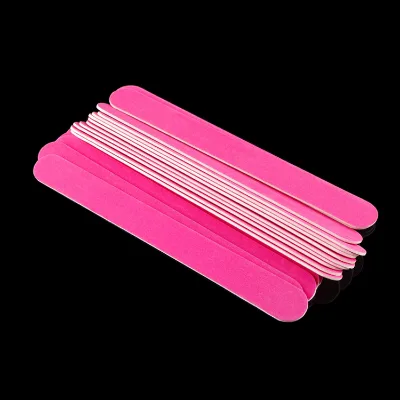
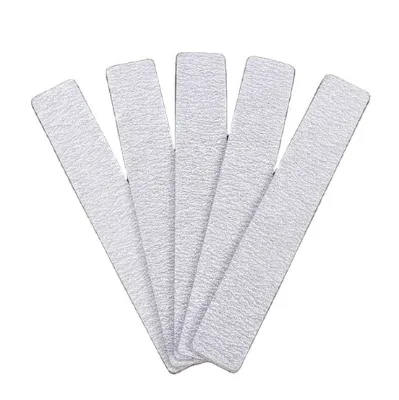
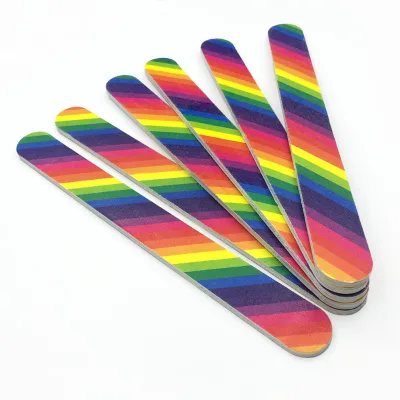
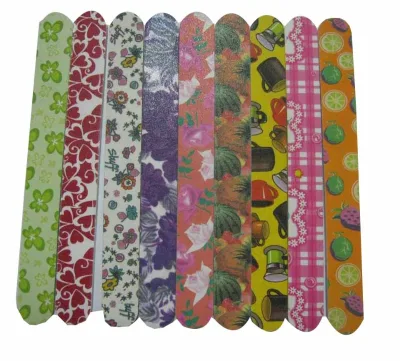
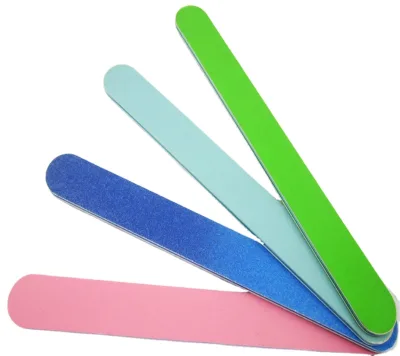
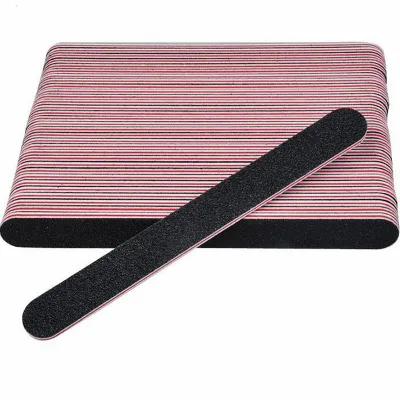
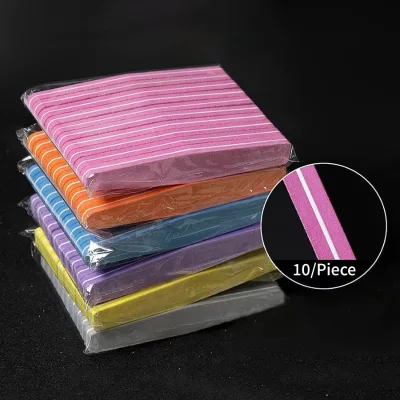
Colorful Straight Wooden Nail Files Double Side Disposable Wooden Nail Files
$0.07 - $0.10
MOQ: 1000 pieces
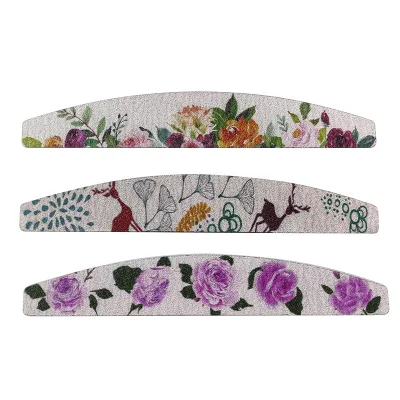
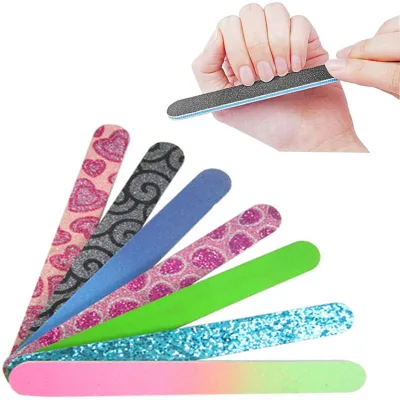
Wholesale Manicure Tools Colorful Double Sided Nail File Custom Logo Nail File for Salon
$0.1961 - $0.2575
MOQ: 1000 pieces
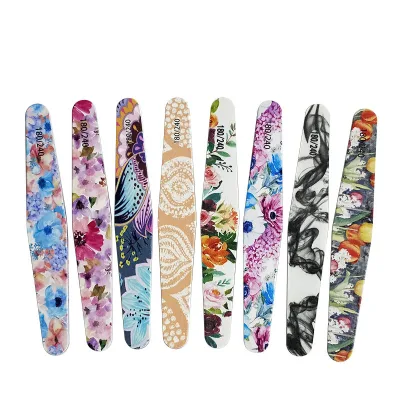
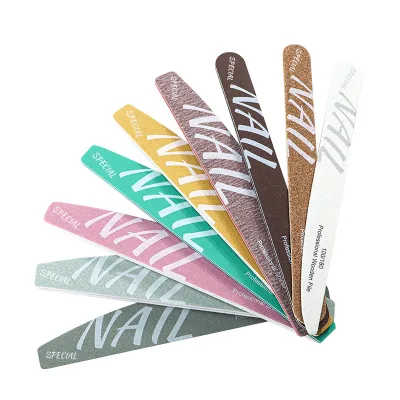
Professional Colorful Nail File Double Sided Custom Logo and Grit 80/180 Diamond Nail File
$0.19 - $0.25
MOQ: 1000 pieces
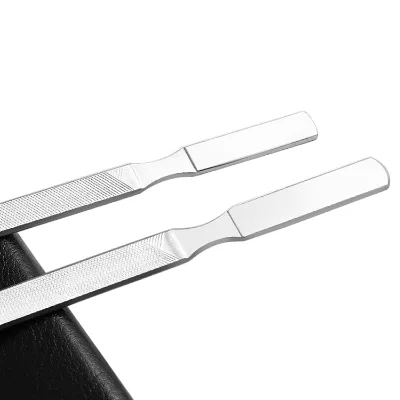
$0.28 - $0.35
MOQ: 100 pieces
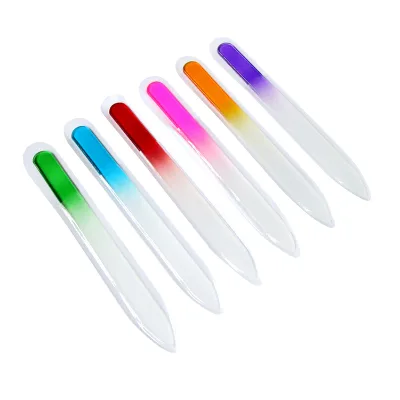
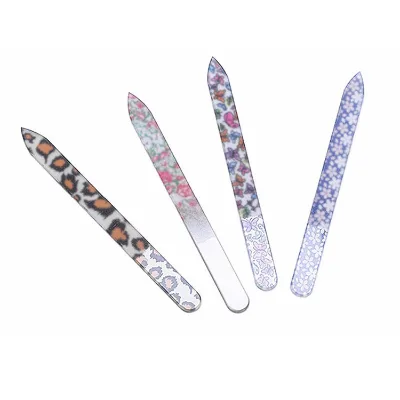
$0.1751 - $0.2365
MOQ: 500 pieces
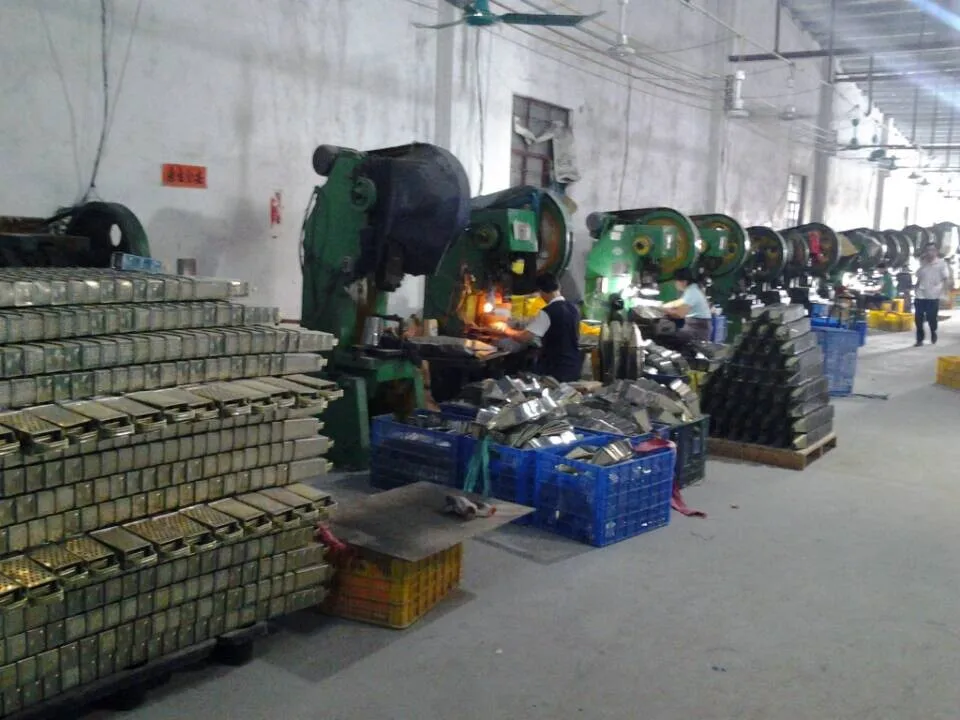
Huorun Import & Export Co., Ltd. (ASIA BEST BRANCH)
- Trading Company
- Guangdong, China
- Lead time30 days
- Avg. response≤ 10h
Main productsKitchen Knife & Scissor,Kitchen Tools,BBQ Tools,Wooden Cutting Boards,Manicure & Beauty Tools
Main marketsWestern Europe(45.00%), South America(20.00%), Eastern Asia(10.00%), Northern Europe(10.00%), Eastern Europe(5.00%), Central America(5.00%), North America(5.00%)
Foshan Yuli Cosmetic Accessory Co., Ltd.
- Verified by TüVRheinland
- Manufacturer, Trading Company
- Lead time30 days
- Avg. response≤ 2h
Main productsNail File, Nail Buffer, Pedicure Set, Foot File, Manicure Set
Main marketsNorth America(55%), South America(10%), Northern Europe(10%)
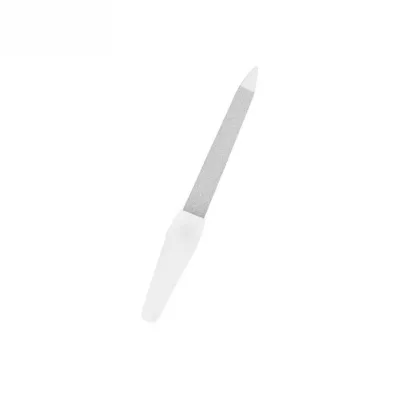
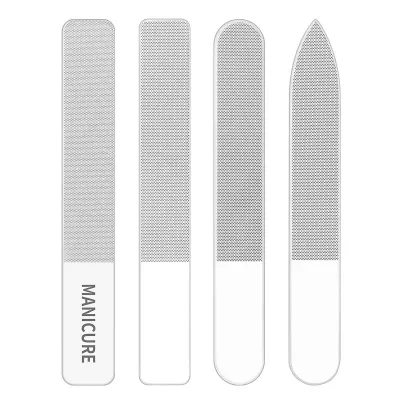
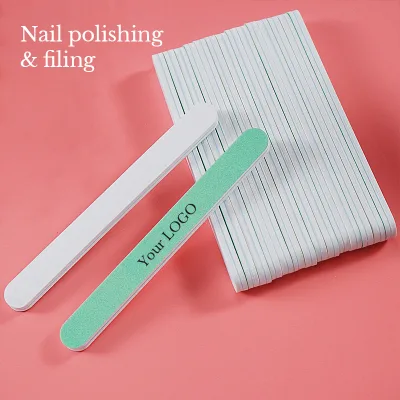
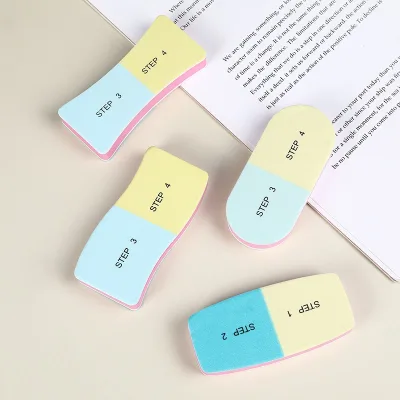
$0.13 - $0.14
MOQ: 1000 pieces

- Verified by TUVRHEINLAND
- Trading Company
- China Guangdong
- Lead time15 days
- Avg. response≤ 3h
Main productsBeauty Tools, Tweezer, Eyelash Curler, Manicure Set, Cosmetic Mirror, Implement, Pedicure, Make up
Main marketsEurope

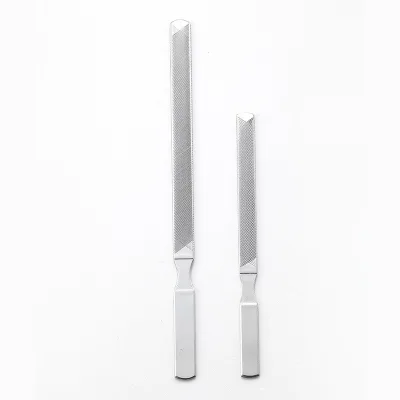
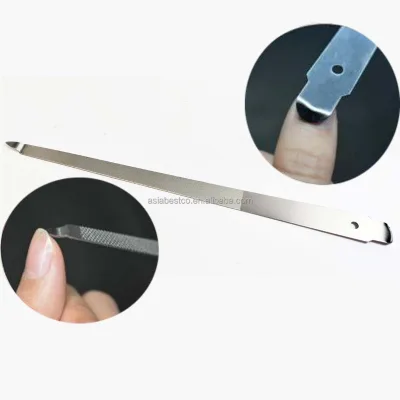
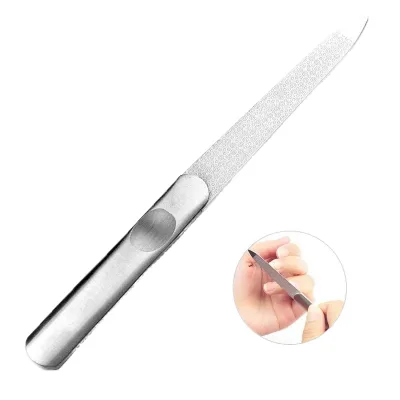
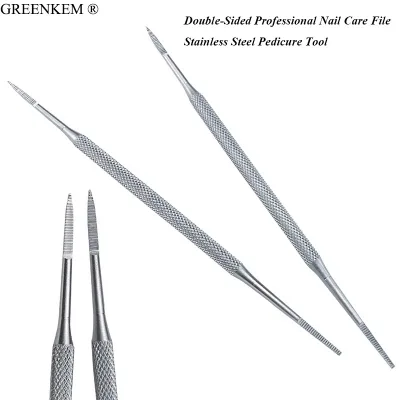
Diamond Stainless Steel Double Side Nail File Metal Manicure Pedicure Tools Foot Nail Files
$1.10 - $1.50
MOQ: 100 Pieces

Stainless Steel Nail File Double Side Manicure Pedicure Supplies Nail Art Tools Nails File
$0.20 - $0.45
MOQ: 500 Pieces

Double Side Nails Buffer Mini Metal Manicure Pedicure Supplies Tools Nail Art File with Leather Case
$0.20 - $0.45
MOQ: 100 Pieces


4 Sided Baby Care Nail Art Buffer Sunshine Manicure and Pedicure Tools Plastic Nails File Polishing
$0.14 - $0.45
MOQ: 100 Pieces

$0.12 - $0.28
MOQ: 108 Pieces

Ningbo Sunkin Electrical Co., Ltd.
- Verified by TUVRHEINLAND
- Trading Company
- China Zhejiang
- Lead time15 days
- Avg. response≤ 12h
Main productsLED Bulbs, LED Tube, LED Floodlight, LED Panel Light, LED Spotlight, G9 LED Lamp
Main marketsEurope,North America

Wholesale Salon Tools OEM Custom Logo 180/150 Printed Double Sided Nail File
$0.10 - $0.15
MOQ: 25 Pieces

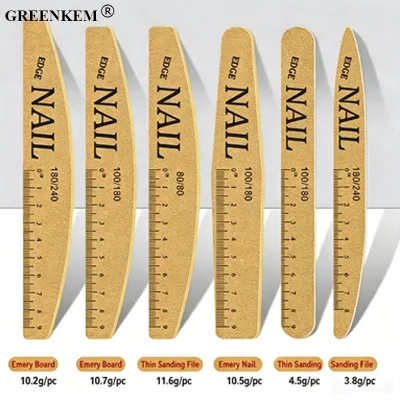
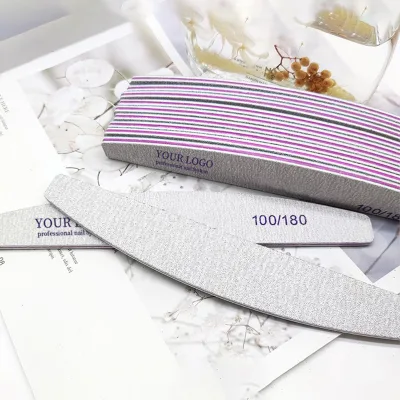
High Quality 100/180 Emery Double Sides Half Moon Shape Nail Files Buffer
$0.09 - $0.22
MOQ: 1000 Pieces


Dalian Makeauty Technology Co., Ltd
- Verified by TUVRHEINLAND
- Trading Company
- China Liaoning
- Lead time30 days
- Avg. response≤ 8h
Main productsSalon Gel Nail Tips, Nail File Buffers, Gel Polish, Nail Stickers Wraps, Nail Manicure Tools, Nail Lamps, Press on Artificial Nails
Main marketsEurope,North America
Guangzhou Fantastic Beauty Nail Co., Ltd
- Verified by SGS Group
- Manufacturer, Trading Company
- Lead time7 days
- Avg. response≤ 2h
Main productsNail File, , Nail Sticker, Nail Stamping Plate, Nail Art Tool
Main marketsNorth America(15%), Western Europe(13%), South America(10%)


Custom Double-head Crystal Glass Nail File Manicure Cuticle Remover Tool Round Glass Nail File
$0.6587 - $0.7201
MOQ: 1 pieces


- Verified by BV
- Manufacturer/Factory
- China Fujian
- Lead time15 days
- Avg. response≤ 25h
Main productsWater Bottle, Kitchen Ware, Shoes, Plastic Product, Bag, Toy
Main marketsSouth America,Eastern Europe,Mid East,North America,Southeast Asia,Eastern Asia,Oceania,Western Europe,Africa

Guangzhou Skyrann Electronic Tech Co., Ltd.
- Verified by TUVRHEINLAND
- Trading Company,Manufacturer/Factory
- China Guangdong
- Lead time15 days
- Avg. response≤ 17h
Main productsNail Lamps&Nail Dryers, UV Gel&Gel Polish, Nail Drills, Nail Tools, Nail Art Decoration, Nail Brushes, Nail Files&Buffers
Main marketsSouth America,Eastern Europe,North America,Southeast Asia,Eastern Asia,Western Europe,Africa

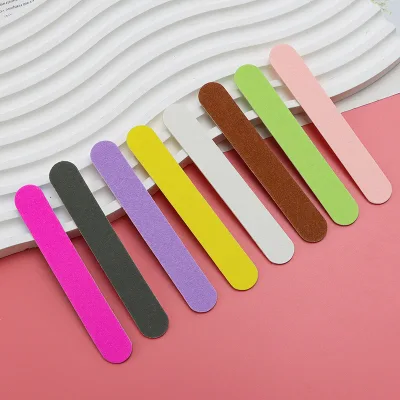
Mini Nail Files Colorful Mini Nail File Cute Wood Chip Double Side Nail File
$0.05 - $0.07
MOQ: 500 Pieces


Simple 100/180 Double Sides Emery Board File Manufacturer Customized Nail File
$0.10 - $0.13
MOQ: 100 Pieces


Hubei Zhongtai Abrasive Tools Co., Ltd.
- Verified by SGS
- Combined
- China Hubei
- Lead time30 days
- Avg. response≤ 10h
Main productsSand Paper, Sanding Sponge Block, Abrasive Cloth Roll
Main marketsSouth America,Southeast Asia/ Mideast,East Asia(Japan/ South Korea),Europe


Professional Custom Double Side Disposable Nail File 100/180 Sandpaper Nail File
$0.12 - $0.13
MOQ: 2000 Pieces

Wholesale Professional Cusotm Double-Sided Nail Files 100 180 Grit Nail File with Logo
$0.06 - $0.10
MOQ: 3000 Sheet

1000PCS/Case 2 Ways Double Sides Zebra Manicure Nail Tool Professional Regular Plastic Nail File
$0.012 - $0.02
MOQ: 5000 Pieces

Professional Custom Printed Logo 25 PCS Per Bag Double Side Sandpaper Nail File 100/180
$0.03 - $0.06
MOQ: 3000 Sheet
Guangzhou Minejin Trading Co., Ltd.
- Trading Company
- Guangzhou, China
- Lead time15 days
- Avg. response≤ 2h
Main productsnail charm,nail rhinestone,nail sequins,nail glue,nail powder
Main marketsNorth America(50.00%), Western Europe(10.00%), Africa(10.00%), Southeast Asia(10.00%), Eastern Europe(10.00%), Mid East(5.00%), Eastern Asia(5.00%)
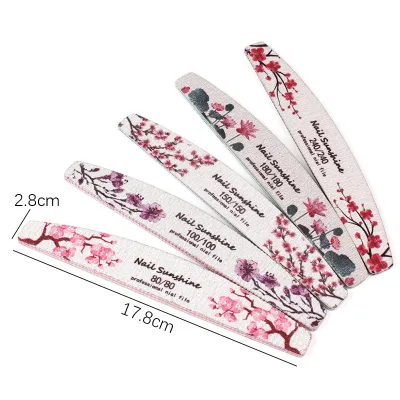
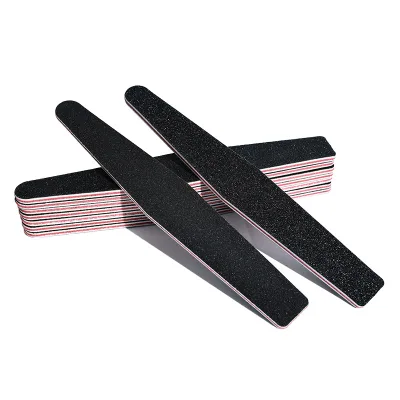
Professional Nail Files Double-sided Polished EVA Nail File Frosted Strip
$0.06 - $0.10
MOQ: 25 pieces
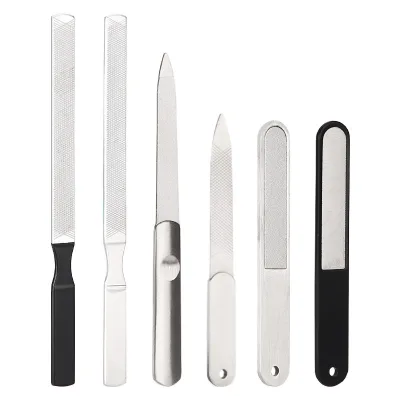
$0.226 - $0.9132
MOQ: 10 Minimum
Shanghai Chiyan Abrasives Co., Ltd.
- Verified by SGS Group
- Trading Company
- Lead time3 days
- Avg. response≤ 3h
Main productsNail Brush, Nail Sanding Band, Nail Drill Bits, Nail Drill Machine, Nail Tool
Main marketsNorth America(50%), Western Europe(40%), Domestic Market(10%)
Ningbo Howay Industrial Trading Co., Ltd.
- Verified by TüVRheinland
- Manufacturer, Trading Company
- Lead time30 days
- Avg. response≤ 3h
Main productsHair Accessories, Keychains, Makeup Tools, Claw Clips, Hair Clip
Main marketsNorth America(46%), Western Europe(15%), Southern Europe(15%)


$0.1149 - $0.1572
MOQ: 200 pieces


Hefei Leyimei Trading Co., Ltd.
- Trading Company
- Anhui, China
- Lead time10 days
- Avg. response≤ 3h
Main productsnail lamp,nail drill,nail brush,nail file,nail tool
Main marketsNorth America(50.00%), Western Europe(15.00%), South America(10.00%), Eastern Europe(10.00%), Southern Europe(10.00%), Northern Europe(5.00%)


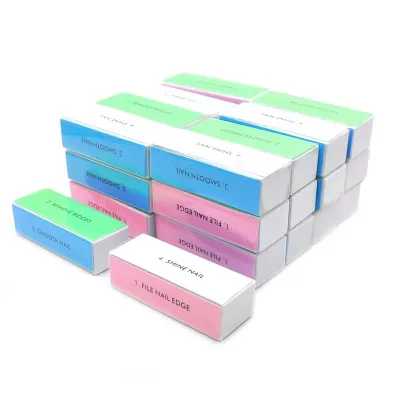
Professional Custom Wholesale Nail Care Tools High Quality Double Side Sponge Nail File
$0.1557 - $0.1662
MOQ: 100 units

$0.1662 - $0.2081
MOQ: 50 units

Yiwu Jianyue Toiletries Co., Ltd.
- Trading Company
- Zhejiang, China
- Lead time5 days
- Avg. response≤ 5h
Main productsmakeup,makeup brush,beauty tools,eyebrow comb,eye pads
Main marketsNorth America(30.00%), South America(20.00%), Southern Europe(15.00%), Western Europe(15.00%), Eastern Europe(15.00%), Northern Europe(5.00%)


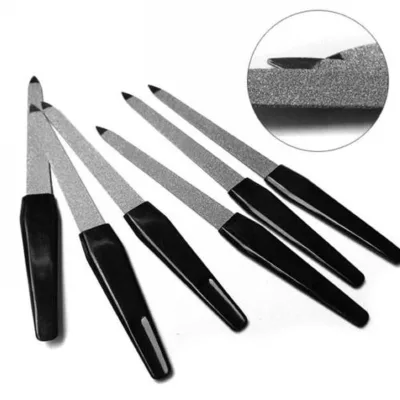
Metal Double-sided High Quality Nail File for Manicure & Pedicure Polishing Scrub Sharpening
$0.0517 - $0.0931
MOQ: 50 pieces

Guangzhou Bangya Cosmetics Co., Ltd.
- Manufacturer, Trading Company, Distributor/Wholesaler
- Guangdong, China
- Lead time8 days
- Avg. response≤ 3h
Main productsUV Gel Polish,tattoo machine,tattoo ink,Nail Form,Nail File
Main marketsNorth America(45.00%), Northern Europe(20.00%), Oceania(15.00%), Eastern Europe(5.00%), Southeast Asia(5.00%), Mid East(3.00%), Central America(2.00%), Eastern Asia(2.00%), South America(1.00%), Western Europe(1.00%), Africa(1.00%)

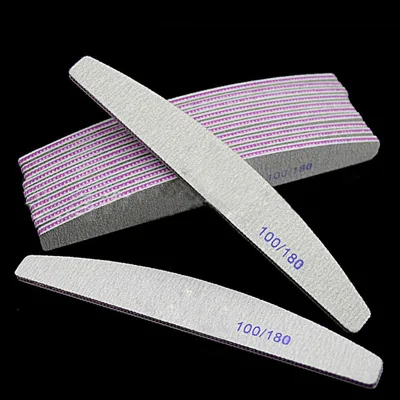
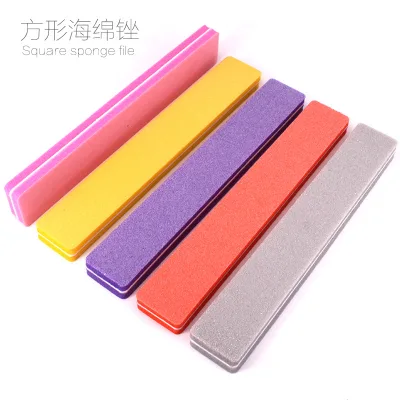

$0.1961 - $0.2994
MOQ: 1 pieces

$0.15 - $0.25
MOQ: 1000 pieces
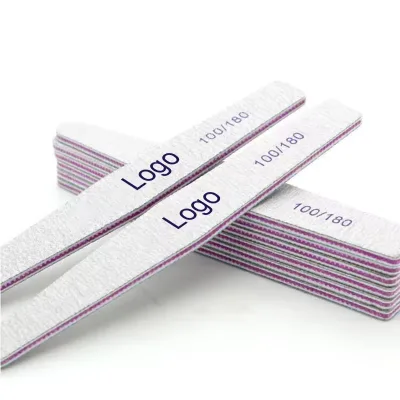
Foshan Huijiesi Technology Co., Ltd.
- Manufacturer, Distributor/Wholesaler
- Guangdong, China
- Lead time15 days
- Avg. response≤ 2h
Main productsnail drill,RF beauty machine,baby nasal aspirator,hair removal
Main marketsNorth America(30.00%), Eastern Europe(20.00%), Domestic Market(15.00%), South America(10.00%), Africa(5.00%), Southern Europe(5.00%), Northern Europe(5.00%), Western Europe(5.00%), Mid East(5.00%)

Jiangxi Orange Trading Co., Ltd.
- Trading Company
- Jiangxi Province, China
- Lead time15 days
- Avg. response≤ 1h
Main productsNail Art Brush,Makeup Brush,Paint Artist Brush
Main marketsNorth America(35.00%), South America(20.00%), Western Europe(13.00%), Central America(10.00%), Northern Europe(5.00%), Africa(3.00%), South Asia(2.00%), Southern Europe(2.00%), Oceania(2.00%), Southeast Asia(2.00%), Eastern Europe(2.00%), Eastern Asia(2.00%), Mid East(2.00%)

Jinjiang Lingyuan Suiquan Crafts Firm
- Verified by BV
- Trading Company
- China Fujian
- Lead time23 days
- Avg. response≤ 5h
Main productsPromotional Gift Products, Timing Belt, Diamond Tools
Main marketsSouth America,Eastern Europe,Mid East,North America,Southeast Asia,Eastern Asia,Oceania,Western Europe,Africa
Badi Industry Co., Ltd. Guangdong
- Manufacturer, Trading Company
- Lead time旺季: "1 - 500":10,"501 - 1000":12,"> 1000":"To be negotiated", 淡季: "1 - 500":10,"501 - 1000":12,"> 1000":"To be negotiated"
- Avg. response≤ 2h
Main productsMakeup Tools,Eyelash Extension Products,Nail Products,Tattoo Sticker,PMU Products

FUZHOU LIWANG ELECTRONIC TECHNOLOGY CO., LTD.
- Combined
- China Fujian
- Lead time15 days
- Avg. response≤ 19h
Main productsMicromotor, Nail Drill, Jewelry Tools, Nail Drill Bits
Main marketsSouth America,Africa,Southeast Asia/ Mideast,East Asia(Japan/ South Korea),Europe,Australia,North America


Finger Nail Files Custom Printed Logo Manicure Nail File Professional Nail Art Tool
$0.49 - $0.56
MOQ: 100 Pieces

Jinhua Hanze Import & Export Co., Ltd.
- Verified by TüVRheinland
- Manufacturer, Trading Company
- Lead time0 days
- Avg. response≤ 8h
Main productsNail Supplies
Main marketsNorth America(57%), Western Europe(24%), Eastern Europe(7%)

Guangzhou Xingxuancai Nail Product Co., Ltd.
- Manufacturer, Trading Company, Other
- Guangdong, China
- Lead time10 days
- Avg. response≤ 2h
Main productsAcrylic powder & Dipping Powder,Monomer Liquid,primer & nail dehydrator,Nail Files,remover gel
Main marketsCentral America(20.00%), South America(20.00%), North America(20.00%), Southern Europe(10.00%), Northern Europe(10.00%), Eastern Europe(10.00%), Western Europe(10.00%)

Yangzhou Top Daily Chemical Co., Ltd.
- Verified by SGS
- Trading Company
- China Jiangsu
- Lead time30 days
- Avg. response≤ 3h
Main marketsSoutheast Asia/ Mideast,East Asia(Japan/ South Korea),Domestic,Europe,Australia


Professional Manufacturers Sell Custom Logo 3 Sides Nail File Nail Care Tool
$0.07 - $0.08
MOQ: 5000 Pieces

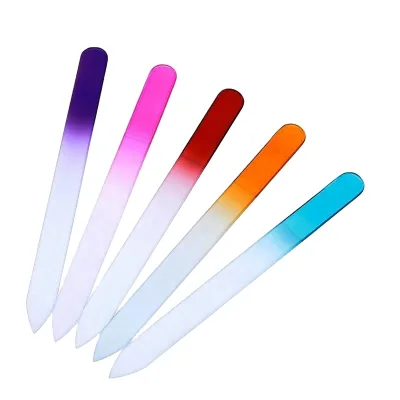


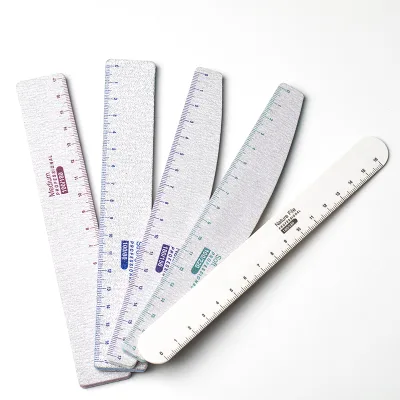
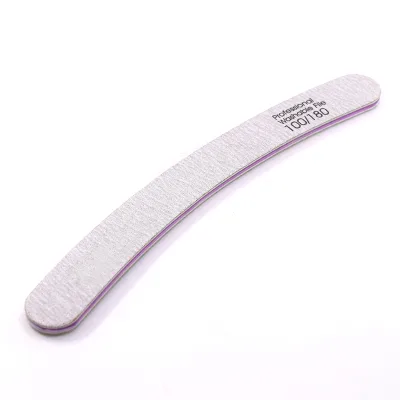
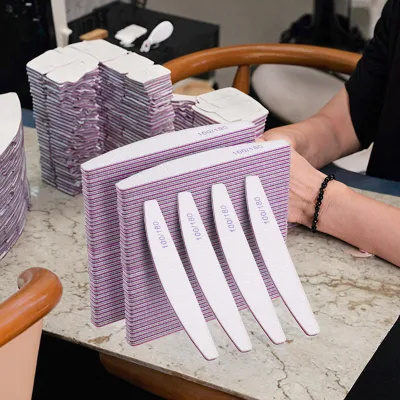



Comprehensive Sourcing Guide
Double Sided Salon Nail Files Supplier Concentration and Factory Types
The current supplier landscape for Double Sided Salon Nail Files shows a distinct concentration of manufacturing activity within Zhejiang, China. This region serves as a primary hub for the production of various nail care tools, including wooden files, diamond files, and metal variants. When evaluating potential partners, buyers should prioritize verifying the specific location of the factory to ensure it aligns with the Zhejiang origin data observed in product listings. This geographic clustering often indicates a mature supply chain with established access to raw materials like wood, sandpaper, and stainless steel, which are essential for producing the diverse range of double-sided files available in the market.
Regarding company structures, the available data indicates a mix of manufacturers and trading companies operating within this sector. Some entities function primarily as manufacturers, offering direct production capabilities for items such as disposable wooden files and stainless steel tools, while others operate as trading companies that aggregate products from multiple sources. Buyers must distinguish between these two types to understand the supply chain dynamics. A manufacturer typically offers more control over production specifications and material sourcing, whereas a trading company might provide a broader catalog of styles and faster access to finished goods. Verifying the exact company type is crucial for determining the level of customization and direct communication available during the sourcing process.
How to Verify Double Sided Salon Nail Files Suppliers
Verification begins with a rigorous check of the supplier's response time and communication efficiency, as the observed data suggests a standard response window of six hours for active listings. A supplier that consistently meets this timeframe demonstrates operational readiness and a commitment to timely communication, which is vital for resolving technical queries regarding grit sizes or material compositions. Buyers should test this responsiveness early in the inquiry phase by asking specific questions about product attributes, such as the difference between plastic and glass materials or the availability of custom logo printing. Consistent delays in response may indicate a lack of dedicated staff or potential issues with order management systems that could affect future production schedules.
Beyond communication speed, buyers must validate the physical location and production capabilities claimed by the supplier. The evidence points to Zhejiang, China, as a confirmed place of origin for many listed products, but this should be cross-referenced with business licenses and factory audit reports. It is essential to confirm that the supplier is not merely a reseller but has actual manufacturing control or a verified partnership with a factory in the specified region. For products like stainless steel files or nano-glass files, the material composition must be verified against the provided specifications, such as the "Stainess Steel" or "Glass" labels found in product attributes. Requesting video tours or third-party inspection reports can provide concrete proof of the facility's existence and its capacity to handle the specific order volumes required.
What to Compare Across Double Sided Salon Nail Files Suppliers
When comparing suppliers, the minimum order quantity (MOQ) is a critical differentiator that varies significantly across product types and vendors. Data indicates that some suppliers require an MOQ of 1000 pieces for disposable wooden files, while others offer lower thresholds of 100 pieces for stainless steel tools or even 30 pieces for glass nail files. Buyers must align their order volume with these thresholds to avoid unnecessary capital expenditure or inventory risks. A supplier with a high MOQ might offer better unit pricing but requires a larger upfront commitment, whereas a low-MOQ supplier provides flexibility for testing the market but may charge a premium per unit. Understanding these variations helps in selecting a partner that matches the buyer's current business scale and growth trajectory.
Lead times and pricing structures also require careful comparison to ensure commercial viability. The observed lead time for production is approximately 15 days, but this can fluctuate based on order complexity and material availability. Buyers should compare this baseline against the specific timelines offered by different suppliers to identify those capable of meeting urgent delivery needs. Additionally, price ranges vary from as low as $0.07 per unit for basic wooden files to over $0.35 for specialized stainless steel or glass options. It is important to analyze the price per unit in relation to the material quality and features, such as double-sided grits or custom branding capabilities. A lower price does not always equate to better value if the durability or finish does not meet professional salon standards.
Common Double Sided Salon Nail Files Sourcing Risks
One significant risk involves the inconsistency of material quality and specifications across different suppliers. Product attributes list materials ranging from wood and sandpaper to plastic, EVA, and stainless steel, yet the actual quality of these materials can vary widely between vendors. For instance, a supplier claiming to use "Wood+sandpaper" might provide files that break easily or have uneven grits, while another might offer durable, professional-grade tools. Buyers must be vigilant in requesting physical samples to verify the texture, durability, and finish of the files before committing to a large order. Relying solely on product descriptions without physical verification can lead to receiving substandard goods that fail to meet the expectations of end-users in professional salons.
Another risk is the potential mismatch between the claimed customization capabilities and the actual production capacity. While many listings advertise custom logo printing and various shape options like straight, diamond, or curved, the feasibility of these requests depends on the supplier's equipment and expertise. Some suppliers may claim to offer "Custom logo" services but lack the necessary machinery for high-quality printing or precise cutting. This discrepancy can result in delayed shipments or products that do not match the requested design specifications. Buyers should explicitly confirm the customization process, including the number of design proofs required and the time needed for sample approval, to mitigate the risk of receiving non-compliant products that cannot be sold to clients.
Double Sided Salon Nail Files Regional Sourcing and Logistics
Sourcing from the identified region of Zhejiang, China, offers logistical advantages due to the established infrastructure for exporting beauty and personal care products. The concentration of manufacturers in this area facilitates efficient coordination between production and shipping, often resulting in streamlined logistics for international buyers. However, buyers must account for the specific shipping methods available, such as FedEx, UPS, DHL, air freight, sea freight, or train transport, as these options impact both cost and delivery speed. Understanding the shipping capabilities of a supplier is essential for planning inventory levels and ensuring that products arrive in time for seasonal demand or promotional campaigns.
The packaging specifications provided in product data, such as single package sizes and packing quantities, play a crucial role in logistics planning. For example, some products are packed as 100 pieces per pack, while others come in smaller quantities like 25 pieces per pack or even single units in OPP bags. These variations affect the total volume and weight of the shipment, which directly influences freight costs and storage requirements. Buyers should calculate the total cubic volume and gross weight based on the specific packing details provided by each supplier to optimize container loading and reduce shipping expenses. Accurate logistics planning ensures that the supply chain remains efficient and that the final cost per unit remains competitive after accounting for transportation fees.
Double Sided Salon Nail Files Commercial Terms and Order Planning
Commercial terms regarding payment and sample policies are fundamental to establishing a secure transaction framework. The available data indicates that some suppliers offer free samples, which is a valuable opportunity for buyers to assess product quality before placing a bulk order. However, the conditions for receiving these samples, such as shipping costs or minimum order requirements for the sample itself, must be clarified. Buyers should negotiate clear terms for sample approval, ensuring that the cost of the sample is deductible from the final bulk order if the quality meets expectations. This approach minimizes financial risk and allows for a thorough evaluation of the product's suitability for the target market.
Order planning must also consider the established lead times and production schedules to avoid supply chain disruptions. With a standard lead time of 15 days observed in the data, buyers should factor in additional time for quality control, packaging, and shipping when planning their inventory replenishment cycles. It is advisable to place orders well in advance of peak seasons to ensure timely delivery and to accommodate any potential delays in production. Furthermore, buyers should establish clear communication channels for order tracking and updates, ensuring that any changes in production status are communicated promptly. Effective order planning and clear commercial terms create a stable foundation for a long-term partnership with reliable suppliers in the double-sided nail file market.
FAQs
What is the typical MOQ for Double Sided Salon Nail Files?
The minimum order quantity varies by material and customization. Disposable wooden files typically require 1000 pieces, while stainless steel options may start at 100 pieces. Glass nail files often have a minimum of 30 to 500 pieces depending on the specific design and supplier terms.
What materials are used for double sided nail files?
Manufacturers offer several material options including wood with sandpaper, plastic with EVA and sandpaper, stainless steel, and nano-glass. Wooden files are often disposable, while metal and glass versions are durable and washable. The choice depends on whether you need professional salon tools or single-use items.
What is the price range for these nail files?
Prices range from approximately $0.07 to $0.35 per unit. Disposable wooden files are the most affordable, starting around $0.07. Plastic and glass files generally cost between $0.13 and $0.25. Stainless steel professional files are priced higher, typically between $0.28 and $0.35 per piece.
Can I get a custom logo on these nail files?
Yes, many suppliers offer custom logo printing services. You can typically add your brand to wooden, plastic, and glass nail files. This service allows for private labeling, which is ideal for salons and retailers looking to create a unique brand identity for their manicure tool inventory.
What are the common grit options available?
Standard grit options include 80, 100, 120, 150, 180, 220, 240, and 320. Double-sided files often pair different grits, such as 80/180 or 100/240, to handle both shaping and polishing. Specific grits like 180 or 240 are commonly available for professional salon use.
Where are these nail files manufactured?
The primary manufacturing location for these products is Zhejiang, China. Suppliers in this region specialize in beauty tools and manicure supplies. This location is a major hub for producing both disposable and professional-grade nail care instruments for global export.
What is the typical lead time for orders?
The standard lead time for production is approximately 15 days. This timeframe applies to most standard orders for wooden, plastic, and metal files. Buyers should confirm specific delivery schedules with suppliers, as rush orders or complex customizations may require additional time for production and quality checks.