Source Nail Brush Options for Cleaning, Painting, and DIY Tasks
Explore 30 distinct Nail Brush models sourced from China, featuring materials like plastic, resin, wood, and metal. Buyers can compare specifications for soft and hard bristles, including mink hair and nylon options, to find suitable tools for nail cleaning, painting, and general DIY applications.
Key considerations
Products List


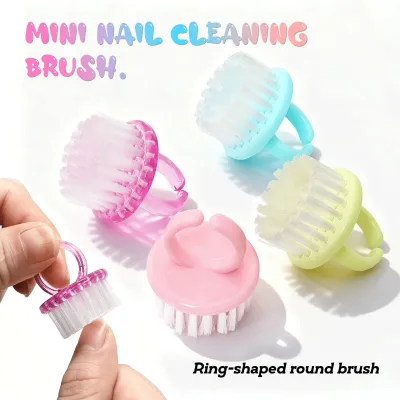


$0.12 - $0.14
MOQ: 12000 Pieces





Comprehensive Sourcing Guide
Nail Brush Sourcing Guide
Procuring nail brushes requires a clear understanding of the diverse material compositions and structural designs available in the current market. Buyers must distinguish between tools designed for delicate cuticle care and those intended for heavy-duty cleaning or artistic application. The supply chain offers a wide spectrum of options, ranging from soft-bristled resin-handled brushes to hard-bristled metal-handled variants, each serving distinct professional and DIY needs. Understanding these fundamental differences is the first step in aligning product selection with specific end-user requirements and brand positioning.
The observed market signals indicate a high degree of customization and OEM/ODM acceptance among suppliers, particularly those originating from China. This flexibility allows buyers to tailor products with specific color palettes, such as pink, blue, purple, or colorful assortments, to match marketing campaigns. However, this variety also introduces complexity in quality control, as material consistency and brush density can vary significantly between different model numbers and production batches. Establishing clear technical specifications early in the sourcing process is essential to mitigate risks associated with inconsistent product performance.
Product Scope and Observed Listing Signals
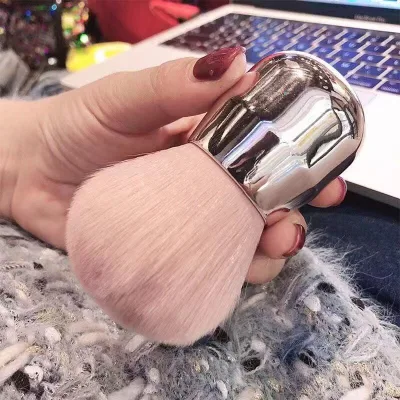
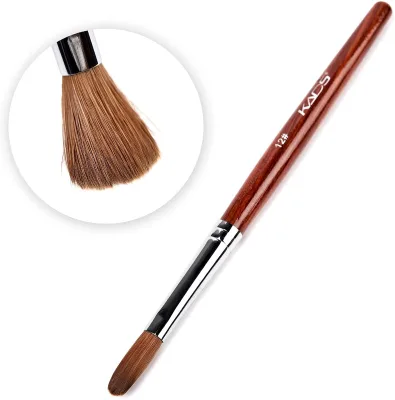
The current product landscape includes a variety of nail cleaning brushes with distinct material profiles, such as plastic bristles with resin handles, mink hair with wooden handles, and nylon bristles with metal handles. These variations cater to different use cases, from gentle nail dust removal to more robust painting or cleaning tasks. Buyers should note that while some listings specify applications like "Nail Cleaning" or "Diy," others may indicate broader uses such as "Paniting" or "Color Painting," requiring careful verification of the intended function to ensure the tool meets the end-user's expectations.
Listing data reveals a broad range of model numbers, including BP-NB-3, BP-NB-4, and GYNB series codes, suggesting a fragmented supply base with numerous SKUs. Packaging formats vary from simple OPP bags to PVC tubes and cartons, impacting both protection during transit and retail presentation. The presence of "Small Orders Accepted" and "Customization Available" attributes indicates that many suppliers are open to flexible engagement, but buyers must verify if these terms apply to their specific volume requirements and design specifications to avoid unexpected logistical or financial hurdles.
Technical Specifications to Verify
Dimensional accuracy is a critical technical parameter, with observed standards ranging from compact sizes like 6.73.5cm to larger formats such as 7.654.5*2.6cm. Buyers must verify the exact dimensions of the brush head and handle to ensure ergonomic comfort and functional suitability for specific nail care routines. Additionally, the single package size and gross weight, such as 7X6X3 cm and 0.02 kg respectively, are vital for calculating shipping costs and storage requirements. Misalignment in these specifications can lead to increased logistics expenses or product incompatibility with existing retail displays.
Brush hardness and material composition are equally important technical factors, with options spanning from soft brushes to hard brushes, and materials including plastic, mink hair, nylon, wood, and metal. Each combination offers different performance characteristics; for instance, mink hair may provide a softer touch suitable for sensitive skin, while nylon bristles might offer greater durability for cleaning. Buyers should request physical samples to assess bristle density, handle balance, and overall build quality, as these tactile attributes are difficult to evaluate accurately from product descriptions alone.
Compliance and Safety Documentation
Safety compliance is paramount when sourcing products that come into direct contact with the skin and nails. Buyers must ensure that all materials, including bristles, handles, and any adhesives or coatings, are free from harmful substances such as heavy metals or toxic chemicals. While specific certification statuses are not universally listed, suppliers should be able to provide relevant safety data sheets or test reports confirming that their products meet international safety standards for cosmetic tools. This due diligence is essential to protect consumers and avoid regulatory penalties in target markets.
Documentation regarding the origin of materials is also crucial, particularly for natural fibers like mink hair, where ethical sourcing and animal welfare standards may apply. Buyers should inquire about the supply chain transparency for these materials to ensure alignment with their brand’s ethical policies. Additionally, verifying that the manufacturing facilities adhere to good manufacturing practices can help ensure consistent product quality and safety. Clear communication with suppliers about these compliance requirements upfront can prevent potential legal and reputational risks downstream.
Cost Drivers and Commercial Terms
Pricing in the Nail Brush market is influenced by material costs, manufacturing complexity, and order volume. The observed price range is broad, reflecting the diversity from simple plastic brushes to more premium mink hair variants. Buyers should analyze the cost structure relative to the specified materials and features, such as the inclusion of custom packaging or specialized brush hardness. Understanding these cost drivers helps in negotiating favorable terms and ensuring that the final product price aligns with the target retail margin and brand positioning.
Commercial terms, including minimum order quantities (MOQ) and payment methods, vary significantly among suppliers. Some suppliers accept small orders, while others may require MOQs of 100 pieces or more. Payment options typically include PayPal, TT, Western Union, Money Gram, and Escrow, offering flexibility but also requiring careful consideration of transaction security. Buyers should clarify these terms early in the negotiation process to avoid misunderstandings and ensure that the financial commitment aligns with their inventory management strategy and cash flow capabilities.
Supplier Qualification and Quality Control
Supplier qualification involves assessing the manufacturer’s capability to deliver consistent quality and meet specific customization requests. Buyers should verify the supplier’s experience in producing nail brushes and their ability to handle OEM/ODM projects effectively. This includes evaluating their design capabilities, production capacity, and track record with international clients. A supplier’s willingness to provide samples and their responsiveness to technical queries are strong indicators of their professionalism and reliability as a long-term partner.
Quality control measures must be rigorously defined and agreed upon before production begins. This includes establishing clear acceptance criteria for brush hardness, material integrity, and dimensional accuracy. Buyers should consider implementing pre-shipment inspections to verify that the delivered goods match the approved samples and specifications. Additionally, establishing a clear protocol for handling defects or non-conforming products is essential to mitigate risks and maintain supply chain continuity. Regular communication and feedback loops with the supplier can help improve quality over time.
Long-Term Procurement Checks
Long-term procurement success depends on continuous monitoring of supplier performance and market trends. Buyers should regularly review supplier delivery times, product quality consistency, and responsiveness to issues. Building a strong relationship with reliable suppliers can lead to better pricing, priority production, and access to new product innovations. Additionally, staying informed about changes in material costs and regulatory requirements helps buyers anticipate potential disruptions and adjust their sourcing strategies accordingly.
Sustainability and ethical sourcing are increasingly important factors in long-term procurement decisions. Buyers should periodically assess their suppliers’ practices regarding environmental impact and ethical labor standards, particularly for products involving natural materials. Aligning procurement practices with evolving consumer preferences for sustainable and ethically produced goods can enhance brand reputation and customer loyalty. Regular audits and supplier development initiatives can help ensure that the supply chain remains robust, responsible, and competitive in the long run.
FAQs
What materials are used for Nail Brush handles?
Nail Brush handles are available in resin, wood, and metal materials depending on the specific model selected. Buyers can choose between durable resin options or traditional wood and metal finishes to match their aesthetic preferences and functional requirements for professional or DIY use.
Can I customize the color of the Nail Brush?
Yes, customization is available for nail brushes with options including pink, blue, purple, and colorful variations. OEM and ODM services are acceptable, allowing buyers to request specific color combinations or branding to align with their unique product lines and market demands effectively.
What is the minimum order quantity for these brushes?
The minimum order quantity varies by supplier, ranging from 1 piece to 50,000 pieces for different product models. Some specific listings accept small orders starting at 100 pieces, providing flexibility for both trial purchases and large-scale industrial procurement needs without excessive initial investment.
Where are these nail brushes manufactured?
These nail brushes originate from China, with specific production locations including Jiangxi and Zhejiang provinces. This regional concentration ensures access to established manufacturing networks capable of meeting diverse production standards and delivery schedules for international buyers seeking reliable sourcing partners.
How are the nail brushes packaged for shipping?
Packaging options include 1 piece per OPP bag, PVC tubes, or cartons depending on the specific product model. Standard packing ensures individual protection during transit, while bulk options utilize cartons for efficient logistics, catering to different shipping requirements and retail presentation needs for various clients.
What brush hardness options are available for nail cleaning?
Brush hardness options include soft brush and hard brush configurations to suit different cleaning intensities. Buyers can select the appropriate bristle firmness based on their specific application needs, ensuring effective nail dust removal or gentle cleaning for delicate manicure procedures without damaging the nail surface.