Embroidered Fragrance Plush Toy Suppliers and Manufacturers
Source 21 verified Embroidered Fragrance Plush Toy suppliers from China Guangdong, Hunan, and Jiangsu. Compare key dimensions including lead times of 23-30 days, MOQs from 50 to 2000 PCS, and certifications like CE, ASTM, and BSCI. Review product attributes and request samples to evaluate quality.
Suppliers List

Huizhou Reliant Trading Co., Ltd.
- Verified by SGS
- Trading Company,Manufacturer/Factory
- China Guangdong
- Lead time23 days
Main productsPlush Toy, Plush Pillow, Hat & Cap, Promotional Gift
Main marketsSouth America,Eastern Europe,Mid East,North America,Eastern Asia,Western Europe,Africa

- Verified by CTI
- Trading Company
- China Hunan
- Lead time23 days
Main productsToys & Hobbies, Toy Plush Animals, PVC/Resin Figures, Plush Toys, PVC Toys, Soft Toys, Plush Pillows, Mascot Costumes, Resin Decoration, Promotional Gift
Main marketsSouth America,Southeast Asia/ Mideast,Europe,Australia,North America

- Combined
- China Jiangsu
- Lead time30 days
Main productsCustom Plush Toy, Plush Doll
Main marketsSoutheast Asia/ Mideast,Europe,North America

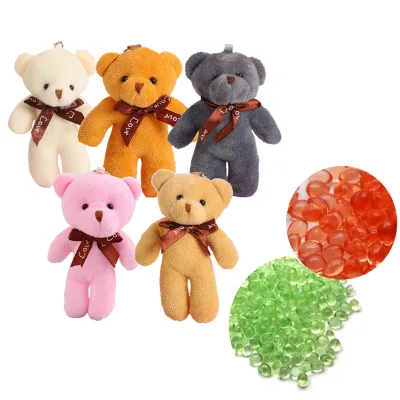
Embroidered Doll Stuffed Animal Toys Mini Plush Toy 10cm Doll Fabric or Smooth Plush Doll
$3.00 - $5.50
MOQ: 50 Pieces


Yangzhou Lucky Bear Craft & Gifts Co., Ltd.
- Verified by TUVRHEINLAND
- Trading Company
- China Jiangsu
- Lead time30 days
Main productsTeddy Bear, Plush Toy, Stuffed Animal, Toy Shoes, Baby Toy, Rocking Horse, Unstuffed Animal Skin, Indoor Slippers, Snow Boots, Promotional Toys
Main marketsEurope,North America

Lianyungang Hongwen Toys Co., Ltd.
- Verified by SGS
- Combined
- China Jiangsu
- Lead time23 days
Main productsCustom Plush Backpack, Stuffed Toy, Custom Plush Pillow, Custom Plush Doll, Custom Plush Toy, Custom Hold-All, Plush Pillow, Animal Plush, Stuffed Plush Toys, Plush Toy Animals
Main marketsAfrica,Southeast Asia/ Mideast,East Asia(Japan/ South Korea),Domestic,Europe,Australia,North America

Shanghai Touch Industrial Development Co., Ltd.
- Verified by TUVRHEINLAND
- Combined
- China Shanghai
- Lead time15 days
Main productsInstant Hot Pack, Hot Cold Pack, Gel Eye Mask, Gel Ice Pack, Gel Bottle Cooler, Instant Ice Pack, Hand Warmer, Heat Pack, Cooling Scarf, Gel Beads
Main marketsSouth America,Others(foreignTradeCapacity.exportBusinessCapacityMarketOther),Southeast Asia/ Mideast,East Asia(Japan/ South Korea),Domestic,Europe,Australia,North America

Ningbo Yinzhou Wenhui Paper Co., Ltd.
- Verified by TUVRHEINLAND
- Manufacturer/Factory
- China Zhejiang
- Lead time45 days
Main productsStationery Gifts Promotional Homeware, Pen, Pet Products, Board Game, Paper Tube, Notebook, Wooden Toys, DIY Toy, Puzzle, Gift Bag
Main marketsSouth America,Eastern Europe,Mid East,North America,Southeast Asia,Eastern Asia,Oceania,Western Europe,Africa

Dongguan Lokwell Toys Co. Ltd.
- Trading Company,Manufacturer/Factory
- China Guangdong
- Lead time45 days
Main productsPlush&Stuffed Toy, Fabrics Doll, Teddy Bear, Pet Toy, Cuddle Toy, Backpacks, Keychain, Cushion, Neck Pillow, Hand Puppets
Main marketsSouth America,Eastern Europe,Mid East,North America,Southeast Asia,Eastern Asia,Oceania,Western Europe,Africa


Hot Sales Plush Flower Colorful Beautiful Flower Gift Plush Toy Promotional Gift
$0.80 - $2.00
MOQ: 500 Pieces


Jinjiang Naike Eco Technology Co., Ltd.
- Verified by SGS
- Trading Company
- China Fujian
- Lead time30 days
Main productsKeychain, Promotional Gifts, Shoes Charm, Straw Toppers, Pencil Toppers, Christmas Decoration, Party Decoration, Toy, Metal Craft, Silicone Products
Main marketsEurope,North America

Hot Selling Custom Logo Plush Toys Stuffed Animals Cute Animal Design Toys
$2.17 - $2.25
MOQ: 300 Pieces


Ningbo Gusta Stationery Co., Ltd.
- Verified by BV
- Trading Company
- China Zhejiang
- Lead time30 days
Main productsPencil Case, Stationery Set, Bag, Toys, Office Supplies, Arts & Crafts, Housewares, Silicone Product, School Bag, Travel Bag
Main marketsEast Asia(Japan/ South Korea),Europe,North America

Rose Plush Toy Scented Stuffed Pillow Gift Doll Wholesale Custom Design
$3.05 - $4.65
MOQ: 3000 Pieces


Custom Plush Toy Manufacturer Personalized Stuffed Plush Toy with Custom Design
$3.39 - $3.69
MOQ: 1000 Pieces


YIWU DOLPHINESHOW TRADING CO.LTD
- Verified by SGS Group
- Trading Company
- Lead time25 days
- Avg. response≤ 3h
Main productsPlush Toys, Blankets, Plush Keychains and Travel Pillows, Plush Dolls, Pet Toys
Main marketsNorth America(40%), South America(30%), Southeast Asia(10%)

Guangdong Kinqee International Trade Co., Ltd.
- Verified by CTI
- Manufacturer/Factory
- China Guangdong
- Lead time150 days
Main productsPlush Toys, Plushies, Custom Plush Toy, Custom Plushie, Plush Figure Toys, Stuffed Animals Plush Toys, Plush Keychains Toys, Plush Toys Custom, Plushy, Soft Toys
Main marketsSouth America,Eastern Europe,Mid East,North America,Southeast Asia,Eastern Asia,Oceania,Western Europe,Africa

Personalized Design Custom Cute Stuffed Toy Plush Toys Wholesale Custom Stuffed Plush Toys
$0.99 - $3.99
MOQ: 100 pieces

Factory Wholesale Plush Toy Custom Stuffed Plush Toy Animal Stuffed Animals Custom Stuffed Toys
$0.99 - $1.99
MOQ: 100 Pieces

$3.80 - $4.20
MOQ: 100 pieces

- Verified by TUVRHEINLAND
- Trading Company
- China Zhejiang
- Lead time15 days
Main productsWooden Toy, Outdoor Product, Kitchen Item, Personal Care Tool, Painting Set, Disk Rack, Yoga, Garden
Main marketsSouth America,Europe,North America

Yancheng Joy Foundationcultural Creativity Co., Ltd.
- Verified by SGS
- Combined
- China Jiangsu
- Lead time15 days
Main productsCustom Plush Toy, Plush Stuffed Animals, Plush Bag, Plush Slipper, Plush Keychain, Plush Coin Pouch
Main marketsSoutheast Asia/ Mideast,Domestic,Europe,North America


Custom Stuffed Plush Toy Manufacturer Custom Plushie Soft Plush Custom Plush Animal Toys
$3.00 - $9.00
MOQ: 1 Pieces

Dongguan Mayachi Gifts & Toys Co., Ltd.
- Verified by BV
- Combined
- China Guangdong
- Lead time45 days
Main productsPlush Animals, Pillows/Cushions, Plush Dolls, Baby Toys, Shopping Bags, Plush School Bags, Pencil Bags/Holders, Phone Cases/Holders, Finger/Hand Puppets, Christmas Hat and Stockings
Main marketsDomestic,Europe,Australia,North America


Stuffed Animal Plush Toy OEM Soft Toy for Baby Custom Plush Stuffed Doll for Baby
$4.99 - $6.99
MOQ: 500 Pieces


NANJING SONNY IMP. & EXP. CO., LTD.
- Verified by SGS
- Trading Company
- China Jiangsu
- Lead time60 days
Main productsPlush Toys Animal Toys Baby Toys Pet Toys
Main marketsAfrica,Domestic,Europe

Yiniao Animation Culture (Dongguan) Co., Ltd.
- Verified by TUVRHEINLAND
- Trading Company
- China Guangdong
- Lead time30 days
Main productsToy, 3D-Printed Figures, Blind Boxes, Keychains, Fridge Magnets, Premium Gifts, Crafts, PVC, Eco-Friendly Resin, Rotocast (Vinyl)
Main marketsDomestic

Qingdao Tokays Machinery Co., Ltd.
- Trading Company,Manufacturer/Factory
- China Shandong
- Lead time30 days
Main productsPillow Filling Machine, Fiber Opening Machine, Plush Toy Filling Machine, Build a Bear Machine, Ball Fiber Machine, Textile Fabric Waste Recycling Machine, Pillow Packing Machine, Down Filling Machine, Kapok Filling Machine, Polystyrene Beads Filling Machine
Main marketsSouth America,Eastern Europe,Mid East,North America,Southeast Asia,Eastern Asia,Oceania,Western Europe,Africa

Dongguan Jiehao Technology Co., Ltd.
- Verified by CTI
- Manufacturer/Factory
- China Guangdong
- Lead time90 days
Main productsPlastic Toys, Vinyl Toys, Silicon Toys, Educational Toys, Intelligent Toy, Toys, Plastic Doll, Soft PVC Toys, 2D Soft PVC Keychain Toys, Blowing Toys
Main marketsSouth America,Eastern Europe,Mid East,North America,Southeast Asia,Eastern Asia,Oceania,Western Europe,Africa

- Verified by TUVRHEINLAND
- Trading Company
- China Zhejiang
- Lead time0 days
Main productsCat Litter Box, Pet Feeder, Pet Toy, Pet Cloth, Pet Bed, Pet Carrier, Storage Bucket, Plastic Storage, Storage Rack, Lunch Box

Hangzhou Tianyuan Pet Products Co., Ltd.
- Verified by TUVRHEINLAND
- Combined
- China Zhejiang
- Lead time30 days
Main productsPet Beds, Cat Trees, Pet Products, Pet Accessories, Pet Supplies, Pet Collar, Pet Toy, Pet Brush, Pet Bowl, Pet Clothes
Main marketsEurope,North America




Comprehensive Sourcing Guide
Embroidered Fragrance Plush Toy Supplier Concentration and Factory Types
Current data indicates that verified suppliers for embroidered fragrance plush toys are concentrated in specific Chinese provinces, with Guangdong and Hunan appearing as primary manufacturing hubs. Guangdong-based entities often operate as a mix of trading companies and manufacturers, offering a blend of direct factory capabilities and broader sourcing networks. These facilities frequently list main products including plush toys, promotional gifts, and custom plush pillows, suggesting a robust ecosystem for textile-based merchandise. The presence of these diverse company types in Guangdong implies that buyers can access both direct production lines and specialized trading partners within the same regional cluster.
In contrast, suppliers located in Hunan and Jiangsu present different operational profiles, with some identified strictly as trading companies while others function as combined entities. The Jiangsu cluster, for instance, shows a focus on custom plush dolls and embroidered toys, often highlighting OEM and ODM capacities alongside specific lead times. When evaluating these regional concentrations, buyers should verify if the listed location corresponds to the actual production facility or merely a sales office. The distinction between a pure trading company and a manufacturer is critical, as it influences the ability to customize fragrance integration and embroidery techniques directly on the production line.
How to Verify Embroidered Fragrance Plush Toy Suppliers
Verification of supplier credibility relies heavily on third-party audit reports and specific certification markers rather than general claims. Several observed suppliers have undergone verification by recognized agencies such as SGS and CTI, which provides a baseline of trust regarding their business operations and factory conditions. Buyers should prioritize suppliers displaying these specific verification badges, as they indicate that an independent party has inspected the facility. Additionally, system certifications like BSCI and ISO 9001 serve as indicators of adherence to social compliance and quality management standards, which are essential for maintaining consistent product quality in mass production.
Beyond physical audits, buyers must scrutinize product-specific certifications to ensure safety and material compliance, particularly for items intended for children. Product evidence shows that many suppliers list certifications such as CE, ASTM F963, and EN71, which are critical for toys sold in international markets. These standards verify that the materials used, including the plush fabric and any added fragrance components, meet strict safety thresholds. It is imperative to request current test reports for these specific standards before finalizing an order, as the absence of such documentation can lead to customs delays or product recalls. Relying solely on a supplier's verbal assurance without documented proof is insufficient for high-risk categories like children's toys.
What to Compare Across Embroidered Fragrance Plush Toy Suppliers
When comparing potential partners, lead time and minimum order quantity (MOQ) are the most immediate differentiators affecting project feasibility. Data reveals a range of production timelines, with some suppliers offering a 23-day lead time while others require up to 30 days. Similarly, MOQs vary significantly, with some listings showing requirements as low as 50 pieces, while others mandate orders of 2,000 pieces. Buyers must align these constraints with their inventory needs and budget; a lower MOQ might be preferable for testing a new design, whereas a higher volume order could unlock better unit pricing. It is essential to confirm if the stated lead time includes sample approval and if the MOQ applies to the total order or per colorway.
Pricing structures and customization capabilities also require careful comparison to ensure value alignment. Unit prices observed in the market range from approximately $1.00 to $5.50, depending on the complexity of the embroidery, the inclusion of fragrance elements, and the chosen materials. Some suppliers offer flexible customization options, allowing for specific colors, sizes, and logo placement, while others may have more rigid design parameters. Buyers should evaluate whether the price difference correlates with tangible benefits, such as faster sample times or higher quality certifications. Additionally, the availability of ODM and OEM services should be confirmed, as this determines the level of design support and intellectual property protection the supplier can offer.
Common Embroidered Fragrance Plush Toy Sourcing Risks
One significant risk involves the inconsistency of fragrance integration and its potential impact on product safety and durability. While many suppliers claim to offer customized scents, the method of embedding fragrance into the plush material can vary, affecting how long the scent lasts and whether it poses any allergen risks. Buyers must verify that the fragrance components used are non-toxic and compliant with relevant safety standards, especially since the product is often marketed as a companion for children. Without explicit confirmation of the fragrance source and its safety data sheet, there is a risk of the product failing to meet regulatory requirements in the destination market.
Another critical risk is the discrepancy between the claimed sample time and the actual production turnaround. Some suppliers list sample times as short as five days, while others indicate seven days or more, which can delay the entire project timeline if not managed correctly. Furthermore, the variability in packaging standards, ranging from simple cartons to custom boxes, can lead to unexpected costs or damage during transit if not specified clearly in the contract. Buyers should also be wary of suppliers who do not clearly state their response times or establishment years, as this lack of transparency can signal operational instability. Ensuring that all these variables are explicitly defined in the purchase agreement is the only way to mitigate these potential pitfalls.
Embroidered Fragrance Plush Toy Regional Sourcing and Logistics
Sourcing from China offers distinct logistical advantages, particularly when dealing with suppliers in established manufacturing clusters like Guangdong and Hunan. These regions benefit from mature supply chains for textiles and packaging, which can streamline the production of complex items like embroidered fragrance plush toys. The proximity of raw material suppliers to these factories often results in shorter lead times and more efficient communication. However, buyers must account for the specific logistics requirements of each region, as shipping times and costs can vary based on the port of origin and the final destination. Understanding the local infrastructure helps in planning the most cost-effective shipping routes.
For buyers considering suppliers in other regions, such as Jiangsu, it is crucial to verify the specific logistics capabilities of the factory. While some facilities may offer direct shipping, others might rely on third-party freight forwarders, which can introduce additional variables into the supply chain. The standard packaging dimensions observed, such as 634558cm, provide a baseline for calculating shipping volumes, but custom packaging requests can alter these figures significantly. Buyers should request detailed packing lists and dimensions before finalizing the order to ensure accurate freight cost estimates. Additionally, verifying the supplier's experience with international shipping and customs documentation is essential to avoid delays at the border.
Embroidered Fragrance Plush Toy Commercial Terms and Order Planning
Commercial terms regarding payment and order planning must be clearly defined to protect both parties and ensure smooth execution. Many suppliers offer flexible payment structures, but the specific terms often depend on the order size and the relationship history with the buyer. It is advisable to use secure payment methods that offer buyer protection, such as escrow services, to mitigate the risk of non-delivery or quality disputes. Buyers should also clarify the sample policy, including whether samples are free or charged, and if the sample cost is deductible from the final bulk order. This clarity prevents unexpected financial burdens during the initial stages of the project.
Order planning should also account for the specific customization requirements and their impact on the production schedule. Suppliers with ODM and OEM capabilities can accommodate complex requests, but these customizations often require additional time for design approval and material sourcing. Buyers should establish a realistic timeline that includes buffer periods for potential revisions and quality checks. Furthermore, understanding the supplier's capacity for handling large orders is vital; some facilities may have a maximum output limit that could delay fulfillment if the order volume exceeds their current capacity. Clear communication regarding these constraints ensures that the order is completed on time and meets all quality expectations.
FAQs
What certifications do embroidered plush toys have?
Manufacturers typically provide CE, ASTM F963, and En71 certifications for safety compliance. Some suppliers also offer CPSIA and Reach standards for broader market access. These documents ensure the products meet international safety requirements for children's toys and promotional gifts.
What is the minimum order quantity for custom plush toys?
MOQs vary significantly by supplier, ranging from 50 pieces to 2000 pieces. Some factories require 2000 PCS for standard items, while others accept orders as low as 50 PCS for customized designs. Buyers should verify specific thresholds with each vendor.
How long does sample production take?
Sample creation generally requires 5 to 7 days depending on the supplier's workload. Some factories offer faster turnaround times of 5 days, while others may need a full week. This timeline applies to standard embroidery and basic customization requests.
What materials are used for plush toys?
Common materials include canvas, soft plush fabrics, and eco-friendly textiles. Suppliers offer options like short plush or smooth plush finishes. Buyers can request specific textures, and some vendors accept custom material requests for unique product designs and tactile experiences.
Can I customize the logo on plush toys?
Yes, most manufacturers support logo customization via embroidery or printing. Buyers can choose between printed or embroidered logos based on design preferences. Customization is widely available for promotional gifts, allowing brands to add unique identifiers to their plush products.
What is the typical lead time for bulk orders?
Production lead times typically range from 23 to 30 days after order confirmation. This duration depends on the order volume and customization complexity. Buyers should plan their procurement schedules accordingly to ensure timely delivery for events or seasonal promotions.