Embossed Eyeglass Case Suppliers and Manufacturers
Compare 29 verified suppliers offering embossed eyeglass cases with varying materials like metal and plastic. Review response times, lead times, and certifications to select a partner. Contact suppliers directly to request samples and confirm pricing; review the available evidence before requesting comparable quotations from suitable candidates.
Suppliers List

- Trading Company
- China Zhejiang
- Lead time0 days
- Avg. response≤ 3h
Main productsOptical Glasses, Reading Glasses, Sunglasses, Blue Light Blocking Glasses, Eyeglasses Frames, Kid's Sunglasses, Titanium Optical Frame, Women Reading Glasses, Mens Spectacles Frames, Fashion Sunglasses


$0.40 - $0.50
MOQ: 1000 Pieces
Danyang River Trading Co., Ltd.
- Verified by SGS Group
- Manufacturer, Trading Company
- Lead time20 days
- Avg. response≤ 5h
Main productsMicrofiber Cloth, Cases, Optical Equipment, Lens Cleaning Spray, Paper Bags
Main marketsDomestic Market(27%), Western Europe(18%), Southeast Asia(12%)

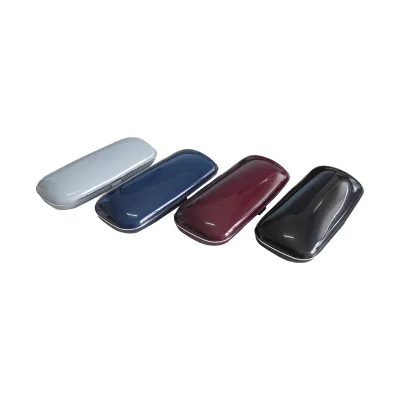
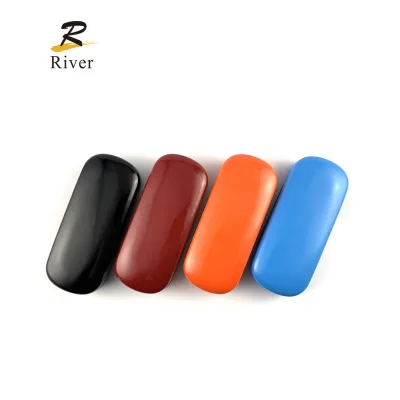
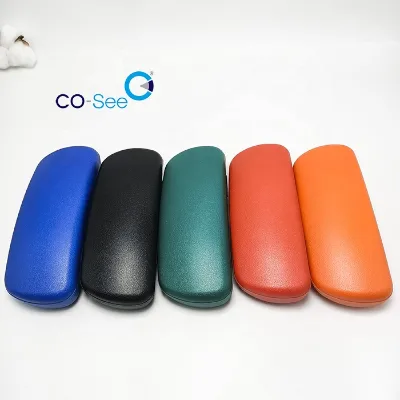
Custom logo outside metal glasses case eyeglasses case with bright color
$0.45 - $0.52
MOQ: 100 pieces


- Verified by TUVRHEINLAND
- Trading Company
- China Zhejiang
- Lead time15 days
- Avg. response≤ 4h
Main productsReading Glass, Sunglasses, Optical Frame, Glasses Case &Accesories; Cord, Display, Promotion Sunglasses, Kids Sunglasses, Fashion Sunglasses, Hot Sale Sunglasses, New Sunglasses
Main marketsSouth America,Europe,North America


New Style Wholesale Customized Logo Stylish PU Unisex Fashion Eyeglasses Case
$1.23 - $1.25
MOQ: 1200 Pieces
Wuxi Blue Feather New Technology Ltd.
- Manufacturer, Trading Company
- Jiangsu, China
- Lead time30 days
- Avg. response≤ 11h
Main productsEyeglasses Case,Make up Bags,Soft Bag,Pencil Cases,other eyeglasses package
Main marketsDomestic Market(31.00%), Southeast Asia(20.00%), Western Europe(17.00%), Southern Europe(11.00%), Central America(5.00%), North America(5.00%), South America(5.00%), Eastern Europe(3.00%), Mid East(3.00%)
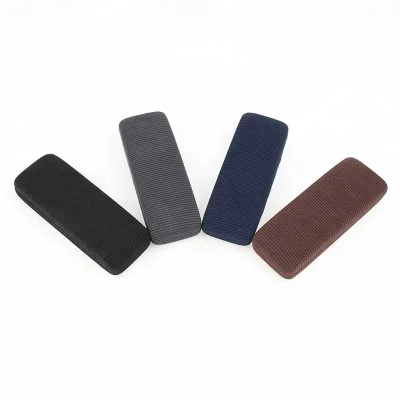
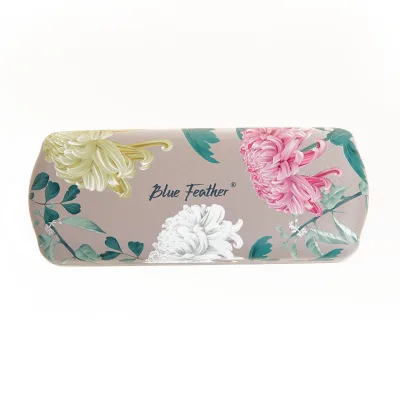
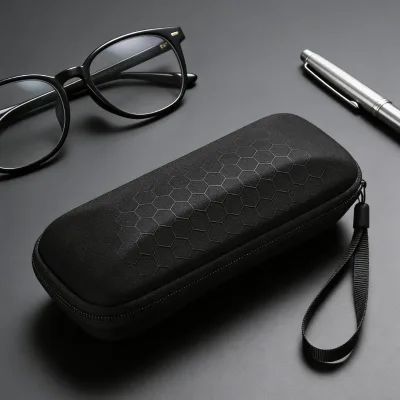
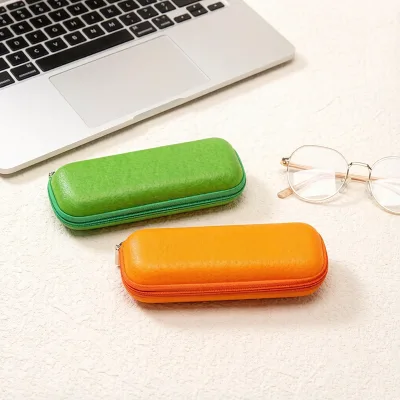
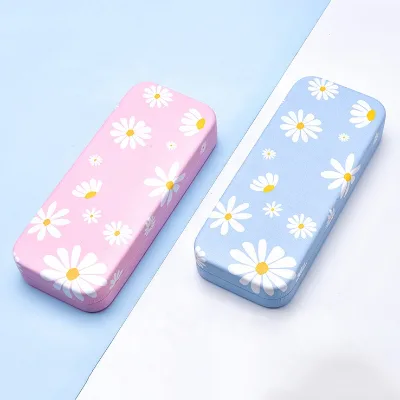
Flowers Eyeglasses Case Lovely Optical Glasses Case
$0.87 - $0.90

Xiamen Le Young Imp. & Exp. Co., Ltd
- Verified by BV
- Trading Company,Manufacturer/Factory
- China Fujian
- Lead time23 days
- Avg. response≤ 4h
Main productsLeather Folder, Trave Wallet, Leather Notebook, Leather Compendium, Leather Portfolio, Leather Diary, Leather Journal, Hotel Supply, Leather Card Holder, Leather Wallet
Main marketsSouth America,Eastern Europe,Mid East,North America,Southeast Asia,Eastern Asia,Oceania,Western Europe,Africa


Portable Eyewear Cases Cover Sunglasses Hard Case for Women Men Glasses Box
$2.05 - $4.88
MOQ: 300 Pieces

Wholesale Sunglasses Case Leather Glasses Holder Eyeglass Box for Promotion
$3.17 - $3.22
MOQ: 300 Pieces

Custom Eyeware Sleeve Storage Bag Black Leather Sunglasses Case with Closure
$0.35 - $1.99
MOQ: 300 Pieces

Danyang Chanxin Glasses Cases Factory.
- Trading Company,Manufacturer/Factory,Other
- China Jiangsu
- Lead time23 days
- Avg. response≤ 15h
Main productsContact Lens Case, Glasses Cases, Lens Cases, Optical Cases, Contact Lens, Lens
Main marketsSouth America,Eastern Europe,Mid East,North America,Southeast Asia,Eastern Asia,Oceania,Western Europe,Africa


High Quality Colored Plastic Optical Case/Glasses Storage/Eyewear Glasses Case
$0.19 - $0.26
MOQ: 1000 Pieces

Good Quality Colored Plastic Optical Case/Pocket Glasses /Storageeyewear Glasses Case
$0.10 - $0.20
MOQ: 1000 Pieces

Good Quality Colored Plastic Optical Case/Eyewear Glasses Case/Glasses Storage
$0.20 - $0.26
MOQ: 1000 Pieces

High-Quality Wholesale Colorful Plastic Optical Case/Eyewear Glasses Case
$0.14 - $0.28
MOQ: 1000 Pieces

Xiamen Top Packing Industry Co., Ltd.
- Trading Company,Manufacturer/Factory
- China Fujian
- Lead time23 days
- Avg. response≤ 3h
Main productsPackaging Box, Kids Toy, Puzzle, Bag, Casino Supplies, Books/Magazine, Board Game/Playing Card, Office Supply, Photo Frame, Daily Supplies
Main marketsSouth America,Eastern Europe,Mid East,North America,Southeast Asia,Eastern Asia,Oceania,Western Europe,Africa

Custom Glasses Case Leather Eyeglasses Case Sunglasses Case Eyeglasses Storage Bag
$1.88 - $5.98
MOQ: 1000 Pieces

High Quality Velvet Glasses Case Hard Metal Case for Eyeglasses Eyewear Case
$1.88 - $5.98
MOQ: 1000 Pieces


- Trading Company,Manufacturer/Factory
- Hongkong_China Hongkong
- Lead time23 days
- Avg. response≤ 5h
Main productsCustom Paper Puzzle, Packaging Box, Books/Magazine, PU Album, Plastic Ziplock Bag, Paper Bag, Photo Frame, Board Game
Main marketsSouth America,Eastern Europe,North America,Southeast Asia,Eastern Asia,Oceania,Western Europe,Africa

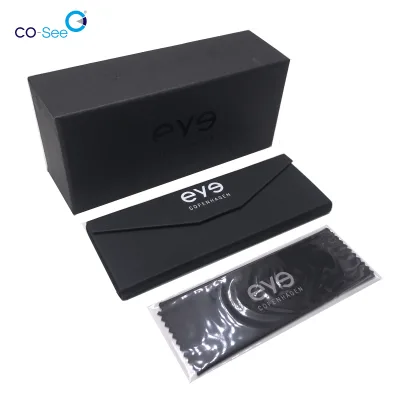
Eyeglasses Packaging Case Sunglasse Eyewear Reading Glasses Triangle Foldable Handmade Case
$0.98 - $1.85
MOQ: 500 Pieces

Glasses Bag PU Hand-Held Sunglasses Bag Microfiber Holding Eyeglasses Case
$0.98 - $1.85
MOQ: 500 Pieces

High-Quality Plastic Eyewear Case; Hard Protective Case for Eyeglasses; Portable Glasses Case
$0.50 - $1.90
MOQ: 1000 Pieces


Custom Design and Logo Eco-Friendly Reading PU Eyewear Glasses Case Hard
$0.68 - $2.80
MOQ: 1000 Pieces


Innovation Plastic Industry Co., Ltd.
- Combined
- China Jiangsu
- Lead time30 days
- Avg. response≤ 9h
Main productsGlasses Case, Eyewear Case, Metal Case, Aluminum Case, Handmade Case, Lens Cleaning Cloth, Glasses Pouch, Plastic Case, Eyewear Cords
Main marketsAfrica,Europe,North America

$0.33 - $0.81
MOQ: 200 Pieces

Custom Logo Aluminium Optical Reading Eyeglasses Case; Simple Hard Metallic Eyewear Case
$2.35 - $2.51
MOQ: 1000 Pieces

Unique Shape and Personalized Eyeglasses Case; Crush-Resistant Portable Eyewear Case
$0.97 - $1.00
MOQ: 1000 Pieces


Customized and Personalized Double Zippered Leather Eyeglasses Case with Hooked Drawstring
$0.89 - $0.98
MOQ: 1000 Pieces
HEBEI PUCAI PACKING PRODUCTS CO., LTD.
- Trading Company
- Hebei, China
- Lead time15 days
- Avg. response≤ 2h
Main productsSun Glass Cases,Leather Glasses Case,Kids Glasses Case,Glasses Case Custom Logo,Folding Glasses Case
Main marketsNorth America(30.00%), Oceania(15.00%), South America(10.00%), Western Europe(10.00%), Eastern Asia(8.00%), Africa(6.00%), Eastern Europe(5.00%), Southeast Asia(5.00%), Northern Europe(3.00%), Mid East(3.00%), Southern Europe(2.00%), South Asia(1.00%), Central America(1.00%), Domestic Market(1.00%)

- Verified by SGS
- Trading Company
- China Zhejiang
- Lead time0 days
- Avg. response≤ 18h
Main productsTents, BBQ Grill, Luggage, Kids Toy, Fitness Equpments, Cookware, Kitchen Utensils and Gadgets, Yoga Mat, Bathroom Rugs, Pets Items
Main marketsSouth America,Eastern Europe,Mid East,North America,Southeast Asia,Eastern Asia,Oceania,Western Europe,Africa

$0.11 - $0.12
MOQ: 1000 Pieces

$0.10 - $0.20
MOQ: 1000 Pieces

$0.20 - $0.30
MOQ: 1000 Pieces

- Verified by BV
- Trading Company
- China Zhejiang
- Lead time30 days
- Avg. response≤ 4h
Main productsOEM/ODM Hard Plastic Tool Cases, OEM/ODM Aluminum Cases, OEM/ODM Bags
Main marketsSouth America,Southeast Asia/ Mideast,Europe,North America

Fuzhou Whole Line Trading Co., Ltd.
- Verified by BV
- Trading Company,Manufacturer/Factory
- China Fujian
- Lead time23 days
- Avg. response≤ 6h
Main productsCustomized Products, Lanyard Short Strap, Lanyard, Bandana, Pen, Bags, T-Shirt, Pillow Case, Socks, Promotional Gifts
Main marketsSouth America,Eastern Europe,Mid East,North America,Southeast Asia,Eastern Asia,Oceania,Western Europe,Africa

Leather Eyewear Case New Style Sunglasses Eyewear Organizer Storage Box Eye Glasses Case
$0.47 - $0.57
MOQ: 100 Pieces

Multi Color Optical Glasses Case Custom Fashion Eyeglasses Packaging Box Square Spectacle Cases
$0.47 - $0.57
MOQ: 100 Pieces

New Eyeglasses Box Popular Eco Eyewear Cases Custom Glasses Case and Microfiber
$0.47 - $0.57
MOQ: 100 Pieces


Wenzhou Higo Optical Co., Ltd.
- Combined
- China Zhejiang
- Lead time45 days
- Avg. response≤ 13h
Main productsEyeglass, Optical Frames, Eyewear, Optical Frame, Spectacle Frame
Main marketsDomestic,Europe

New Custom Logo Optical Glasses Case Leather Eyeglasses Case Sunglasses Packing Case Box
$1.14 - $1.25
MOQ: 10 Pieces


- Verified by TUVRHEINLAND
- Combined
- China Guangdong
- Lead time15 days
- Avg. response≤ 4h
Main productsPatches, Badges, Woven Labels, Hang Tag, Lanyard, Gift Pouch, Promotional Caps, Promotonal Bracelet, Keychain, Bracelet
Main marketsSoutheast Asia/ Mideast,East Asia(Japan/ South Korea),North America
Dongguan Hongsen Silicone Products Co., Ltd.
- Manufacturer
- Guangdong, China
- Lead time15 days
- Avg. response≤ 5h
Main productsSilicone Cosmetic Bag, Silicone Utensil, Silicone Box, Silicone Ice Mold, Silicone Baking Molds
Main marketsDomestic Market(40.00%), North America(30.00%), Eastern Asia(10.00%), Western Europe(7.00%), Oceania(5.00%), Southeast Asia(4.00%), Southern Europe(2.00%), Northern Europe(2.00%)

Dongguan Miao Xin Craft Co., Ltd.
- Verified by BV
- Trading Company
- China Guangdong
- Lead time15 days
- Avg. response≤ 5h
Main productsPaper Box, Gift Box, Tissue Paper, Sticker, Jewelry Box, Corrugated Carton, Paper Bag, Booklet, Name Card, Playing Card
Main marketsNorth America

$0.02 - $0.28
MOQ: 500 Pieces


$0.02 - $0.28
MOQ: 500 Pieces
Yancheng Gold Packaging Co., Ltd.
- Verified by TüVRheinland
- Manufacturer, Trading Company
- Lead time20 days
- Avg. response≤ 2h
Main productsVelvet Pouch, Cotton Canvas Pouch, Nonwoven Bag, Satin Pouch, Jute Pouch
Main marketsNorth America(30%), Western Europe(20%), Domestic Market(19%)

- Verified by BV
- Trading Company
- China Zhejiang
- Lead time30 days
- Avg. response≤ 6h
Main productsSunglass, Optical Frame, Sports Sunglasses, Kid's Optical Frames, Reading Glasses, Polarized Sunglasses, Eyeglasses Frame, Sun Glasses, Eyewear Frame, Sunglasses Case
Main marketsEurope,North America

Wuxi Kingda Microfiber Fabric Co., Ltd.
- Combined
- China Jiangsu
- Lead time15 days
- Avg. response≤ 7h
Main productsBeach Towel, Microfiber Cloth
Main marketsEast Asia(Japan/ South Korea),Domestic,Europe,North America


Digital Printing Sunglasses Case Individual Logo Size Multiple Packaging Options
$0.05 - $0.39
MOQ: 500 Pieces
- Manufacturer, Trading Company
- Jiangsu, China
- Lead time40 days
- Avg. response≤ 4h
Main productsGlasses case,Hydraulic components,Lens cloth,Hydraulic Motor,Glasses accessories
Main marketsWestern Europe(50.00%), South America(15.00%), North America(10.00%), Oceania(5.00%), Northern Europe(4.00%), Eastern Asia(3.00%), Africa(2.00%), Domestic Market(2.00%), Eastern Europe(2.00%), Southeast Asia(2.00%), Southern Europe(2.00%), Central America(1.00%), South Asia(1.00%), Mid East(1.00%)

Beijing Ulike Technology Co., Ltd.
- Trading Company,Manufacturer/Factory
- China Beijing
- Lead time23 days
- Avg. response≤ 9h
Main productsHome Storage, Laundry and Kitchen Products
Main marketsSouth America,Mid East,North America,Southeast Asia,Eastern Asia,Western Europe


Portable Felt Eyeglasses Case Sunglasses Storage Case Pouch Bag Soft Felt Glasses Case
$0.35 - $0.40
MOQ: 1000 Pieces

$0.33 - $0.40
MOQ: 2000 Pieces

Eco-Friendly Felt Sunglasses Pouch Case with Logo Eye Glasses Pouch Cases Customize Size
$0.35 - $0.40
MOQ: 1000 Pieces

High Quality Soft Felt Glasses Pouch Customized Logo Eyeglass Storage Case Comfortable Eyewear Bag
$0.35 - $0.40
MOQ: 1000 Pieces

OEM Felt Lined Eyeglass Case - Custom Logo Sunglasses Holder with Protective Slip-in Design
$0.35 - $0.40
MOQ: 1000 Pieces
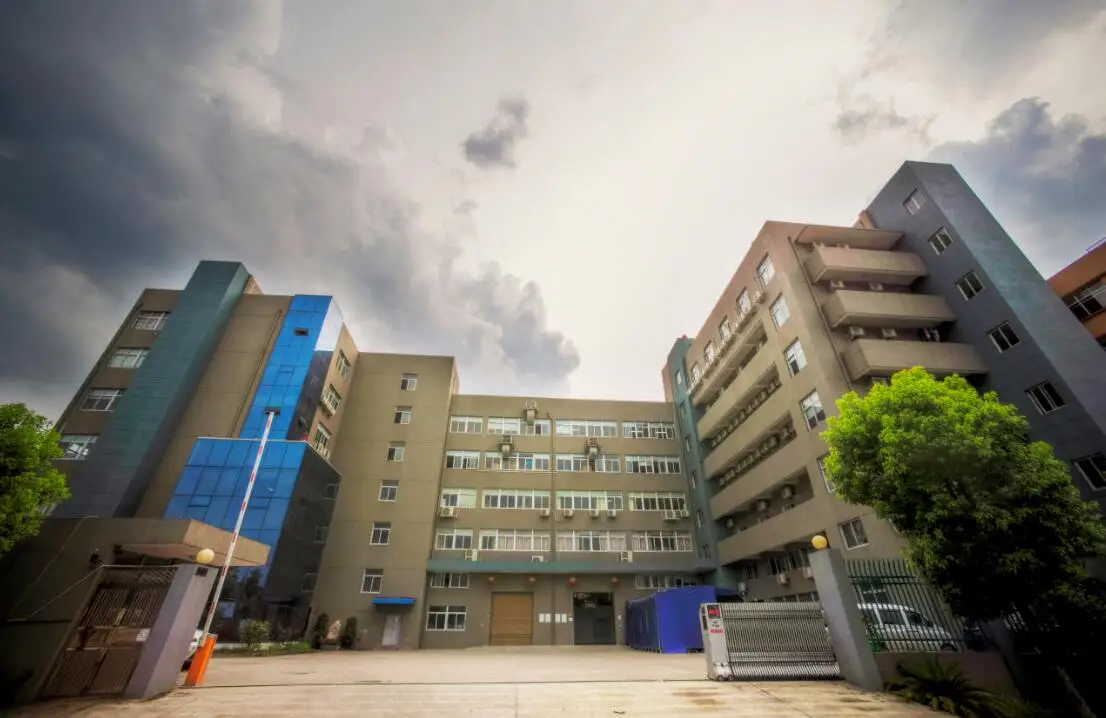
Wenzhou Classic Packing Co., Ltd.
- Manufacturer, Trading Company
- Zhejiang, China
- Lead time35 days
- Avg. response≤ 11h
Main productsCosmetic Bag,Glasses Case,Shopping Bag,Wash Bag,Zipper Bag
Main marketsNorth America(25.00%), South America(20.00%), Western Europe(15.00%), Eastern Europe(10.00%), Northern Europe(10.00%), Domestic Market(7.00%), Southern Europe(5.00%), South Asia(5.00%), Southeast Asia(2.00%), Eastern Asia(1.00%)
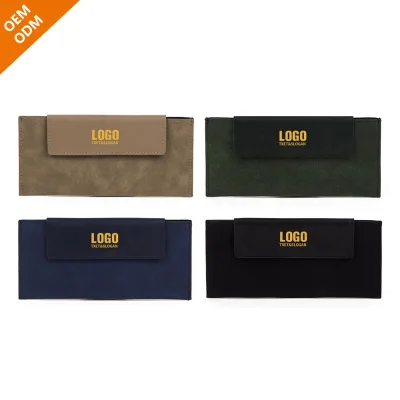
Custom Glasses case Elegant Velvet Sunglasses Brown logo Custom case for Glasses
$1.00 - $1.50
MOQ: 500
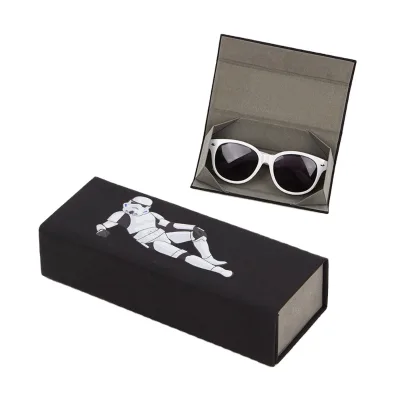
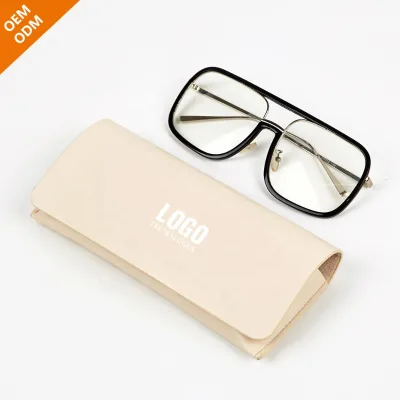
Guangzhou Kingswit Optical Co., Ltd.
- Manufacturer
- Guangdong, China
- Lead time35 days
- Avg. response≤ 10h
Main productsSunglasses,blue light blocking glasses,Optical Frames,Eyeglasses,eyewear
Main marketsNorth America(22.00%), South America(19.00%), Eastern Europe(9.00%), Western Europe(8.00%), Northern Europe(8.00%), Mid East(8.00%), Southern Europe(7.00%), Southeast Asia(7.00%), Oceania(5.00%), South Asia(2.00%), Central America(2.00%), Domestic Market(1.00%), Africa(1.00%), Eastern Asia(1.00%)
Wenzhou Dilicn Optical Co., Ltd
- Verified by TUVRHEINLAND
- Trading Company
- China Zhejiang
- Lead time15 days
- Avg. response≤ 7h
Main productssports sunglasses, reading glasses, optical frames
Main marketsSouth America,Europe,North America
Yiwu Hongchuan Trading Firm (individual Business)
- Trading Company
- Zhejiang, China
- Lead time0 days
- Avg. response≤ 2h
Main productsGlasses case,Glasses cloth,Glasses box,Home decoration product,glass ware
Main marketsNorth America(35.00%), Central America(25.00%), South America(20.00%), Northern Europe(15.00%), Eastern Europe(5.00%)

Dongguan Lianping Luggage Products Co., Ltd.
- Verified by BV
- Combined
- China Guangdong
- Lead time23 days
- Avg. response≤ 5h
Main productsEVA Case, EVA Pencil Case, EVA Earphone Case, EVA Headphone Case, EVA Power Bank Case, EVA Tool Storage Case, EVA Camera Case, EVA Electronic Storage Case, EVA Tablet Storage Case, EVA Bra Storage Case
Main marketsSouth America,Africa,Southeast Asia/ Mideast,East Asia(Japan/ South Korea),Europe,Australia,North America

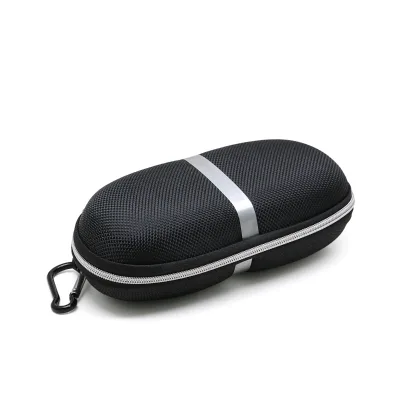
Black Wholesale Goggle Carrier EVA Case Hard EVA Sunglasses Carrier Holder Eyeglasses Case with Hang
$1.09 - $1.49
MOQ: 500 Pieces

Special Design Portable Shockproof EVA Storage Case for Eyeglasses with Customized Screen Print Logo
$1.25 - $1.69
MOQ: 500 Pieces

Changzhou Sitan Imp. and Exp. Co., Ltd.
- Verified by BV
- Trading Company
- China Jiangsu
- Lead time15 days
- Avg. response≤ 10h
Main productsFitness Equipment, Barbell Series, Resistance Bands, Agility & Speed, Yoga Ball, Massage Series, Power Rack, Weight Ball, Charging Notebook, Custom Logo Goods
Main marketsSoutheast Asia/ Mideast,Domestic,Europe,North America

Personalized Glasses Case with Multi-Color Options for Sunglasses Packaging and Retail Display
$0.30 - $0.50
MOQ: 50 Pieces

$0.30 - $0.50
MOQ: 50 Pieces

Promotional Sunglasses Case Custom Printed Logo Durable Protective Cover for Optical Shops and Gifts
$0.30 - $0.50
MOQ: 50 Pieces
Danyang Xinjingjie Glasses Co., Ltd.
- Trading Company
- China Jiangsu
- Lead time0 days
- Avg. response≤ 5h
Main productsEyeglasses Accessories, Kids Eyeglasses, Sunglasses, Optical Glasses, Sun Lens/ Tinted Lens, Blue Cut Lenses








Comprehensive Sourcing Guide
Embossed Eyeglass Case Supplier Concentration and Factory Types
Current data indicates a concentration of suppliers in China, specifically within the Zhejiang and Jiangsu provinces, which serve as primary manufacturing hubs for eyewear accessories. These regions host a mix of company types, including trading companies and manufacturers that offer both standard and customized production capabilities. Some suppliers list main products ranging from optical glasses and frames to specialized packaging like microfiber cloths and cleaning sprays, suggesting a broader ecosystem for eyewear needs. The presence of both trading companies and manufacturers implies that buyers may encounter different operational models, where trading companies aggregate products from various factories while manufacturers focus on direct production lines.
When evaluating the factory type, it is essential to distinguish between entities that primarily trade and those that own production facilities. Evidence shows some suppliers operate as both manufacturers and trading companies, offering services like sample processing, graphic processing, and light customization. This dual capability can be advantageous for buyers seeking flexibility in order sizes and design modifications. However, the specific location of the factory, such as Jiangsu or Zhejiang, should be verified against the product origin listed in the specifications. Buyers should not assume all suppliers in these regions have identical capabilities, as the supply chain structure varies significantly between pure trading firms and integrated manufacturing plants.
How to Verify Embossed Eyeglass Case Suppliers
Verification of supplier credentials requires a careful review of available certifications and third-party audit reports. Some suppliers in the current results display system certifications such as CE and RoHS, which are critical for ensuring product safety and compliance with international standards. Additionally, verification status from groups like SGS Group provides an external layer of trust regarding the supplier's business legitimacy. Buyers must confirm that these certifications are current and applicable to the specific Embossed Eyeglass Case products being sourced, as certifications can sometimes be generic to the company rather than specific to the product line.
Beyond certifications, buyers should assess the supplier's response time and verification status to gauge reliability. Response times observed in the data range from approximately 2.85 to 5 hours, indicating varying levels of customer service efficiency. A faster response time often correlates with better communication channels and a more active sales team, which is vital for resolving issues during the sourcing process. Furthermore, checking if a supplier is verified by a recognized third party adds a layer of security. Buyers should not rely solely on the presence of a verification badge but should cross-reference this with the supplier's actual product details and historical performance to ensure a secure transaction.
What to Compare Across Embossed Eyeglass Case Suppliers
Comparing suppliers requires a detailed analysis of key operational metrics such as minimum order quantity, lead time, and pricing structures. The data reveals a wide range in minimum order quantities, with some suppliers requiring as few as 100 pieces while others mandate orders of 1000 pieces or more. Lead times also vary significantly, with some suppliers listing zero days while others indicate a standard lead time of 20 days. These differences directly impact inventory planning and cash flow, making it crucial for buyers to align their order volumes with the supplier's specific constraints. Pricing per unit also fluctuates, ranging from as low as $0.10 to over $0.60 depending on the material and customization level.
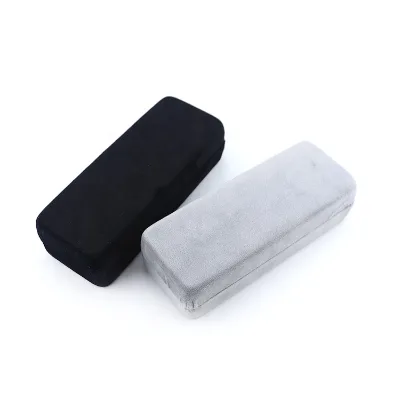
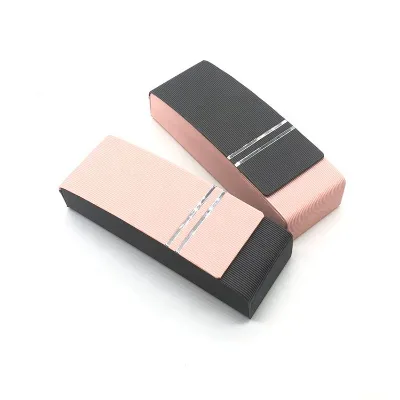
In addition to quantity and time, buyers must compare product attributes like material composition and customization options. Products are available in various materials including plastic, PVC, and metal, each offering different durability and aesthetic qualities. Customization features such as embossed logos, specific colors, and pattern options are available from multiple suppliers, but the extent of these services varies. Some suppliers offer simple styles without patterns, while others provide complex designs with specific model numbers and dimensions. Buyers should create a comparison matrix that includes these product-specific details alongside commercial terms to identify the most suitable partner for their specific branding and volume requirements.
Common Embossed Eyeglass Case Sourcing Risks
One significant risk in sourcing embossed eyeglass cases is the discrepancy between the stated product specifications and the actual delivered goods. While suppliers list attributes like material type, dimensions, and color options, there is a potential for variation in the final product quality. For instance, a supplier might advertise a metal case with a specific hardness, but the actual finish or durability could differ from expectations. Buyers must be vigilant about verifying the exact model numbers and material compositions provided in the product evidence to ensure they match their quality standards. Relying solely on marketing descriptions without requesting physical samples can lead to mismatches in the final product.
Another risk involves the reliability of lead times and the supplier's ability to meet production schedules. Although some suppliers list a lead time of zero days, this may not reflect the actual production duration for custom orders. Inconsistent lead times can disrupt supply chains, especially for buyers with tight delivery deadlines. Additionally, the supply ability of a supplier, such as the capacity to produce 100,000 pieces per month, must be validated against the buyer's actual volume needs. If a supplier cannot meet the required volume within the agreed timeframe, it could result in delays and potential penalties. Buyers should always confirm production capacity and lead time commitments before finalizing an order to mitigate these risks.
Embossed Eyeglass Case Regional Sourcing and Logistics
Sourcing from regions like China, specifically Zhejiang and Jiangsu, offers access to a robust manufacturing base but introduces specific logistical considerations. The port of dispatch for many suppliers in these areas is typically Shanghai or Ningbo, which are major shipping hubs. Buyers need to account for the time and cost associated with shipping from these ports to their destination. The distance and shipping method chosen will significantly impact the overall delivery timeline and cost structure. Understanding the logistics network of the supplier's region is essential for accurate cost estimation and delivery planning.
Furthermore, the packaging details provided by suppliers, such as 10 pieces per box or 100 pieces per carton, influence the efficiency of shipping and storage. Proper packaging ensures that the embossed eyeglass cases arrive in good condition, minimizing the risk of damage during transit. Buyers should verify the packaging specifications to ensure they align with their storage and distribution requirements. Additionally, the origin of the product, often listed as China, should be confirmed to ensure compliance with any import regulations or tariffs that may apply to goods from specific regions. A clear understanding of the regional logistics landscape helps buyers navigate the complexities of international trade more effectively.
Embossed Eyeglass Case Commercial Terms and Order Planning
Commercial terms for embossed eyeglass cases vary widely, with minimum order quantities ranging from 100 to 1000 pieces and unit prices fluctuating based on material and customization. Buyers must carefully review these terms to ensure they align with their budget and inventory strategy. Some suppliers offer flexible customization options, allowing for logo embossing and color variations, which can add value but may also increase the minimum order requirement. Understanding the pricing structure, including any volume discounts or additional fees for customization, is crucial for accurate financial planning. Buyers should negotiate terms that balance cost efficiency with the flexibility needed to adapt to market changes.
Order planning also involves considering the supplier's response time and the availability of escrow services to protect the transaction. A supplier with a response time of around 3 to 5 hours can facilitate quicker decision-making and issue resolution. Escrow services provide a layer of financial security, ensuring that funds are only released once the order is fulfilled according to specifications. Buyers should prioritize suppliers who offer these protective measures and have a track record of reliable communication. By integrating these commercial terms into their order planning, buyers can create a more secure and efficient sourcing process that minimizes risks and maximizes value.
FAQs
What certifications do the eyeglass cases meet?
The available eyeglass cases meet FDA, CE, and ISO EN 14889:2003 standards. Some suppliers also hold RoHS certification for material safety. These certifications ensure the products comply with international safety requirements for optical accessories and packaging materials used in the industry.
What is the minimum order quantity for these cases?
Minimum order quantities vary by product type and material. Plastic cases often require 300 units, while metal or PVC options may need 1000 units. Some specific models allow orders starting at 100 pieces. Buyers should check the specific product listing for exact MOQ requirements before placing an order.
How long does it take to receive the order?
Lead times for these eyeglass cases range from zero to twenty days depending on the supplier and customization needs. Some manufacturers offer rapid processing for standard items, while others require up to twenty days for customized orders. Buyers should confirm the specific delivery timeline with the supplier before finalizing the purchase.
Can I get a custom logo on the cases?
Yes, many suppliers offer customizable logo options for their eyeglass cases. Both plastic and metal cases support embossed or printed logos upon request. Customization is available for various styles including simple and fashionable designs. Buyers should specify their logo requirements when inquiring about pricing and production timelines.
What materials are used for the eyeglass cases?
The cases are manufactured from various materials including plastic, PVC, and metal. Options range from soft handmade cases to hard protective covers. Some products feature colorful plastic designs while others use durable metal for enhanced protection. Buyers can select the material that best fits their specific storage and branding needs.
Where are these eyeglass cases manufactured?
These eyeglass cases are primarily manufactured in China, specifically in Zhejiang and Jiangsu provinces. The products originate from verified suppliers located in these regions. Buyers can expect consistent quality standards from these manufacturing hubs which specialize in eyewear accessories and packaging solutions for the global market.
What is the price range for these cases?
Prices for the eyeglass cases range from approximately 0.10 to 1.20 per unit depending on material and customization. Plastic cases are generally more affordable, while metal options may cost slightly more. Bulk orders often qualify for better pricing tiers. Buyers should request a quote based on their specific quantity and design requirements.