Mug Suppliers and Manufacturers - 28 Verified Factories
Compare 28 Mug suppliers by response time, lead time, and MOQ. Verify certifications like TüVRheinland and check product details such as capacity and material. Contact suppliers directly to request samples or custom designs; review the available evidence before requesting comparable quotations from suitable candidates.
Updated
Suppliers List
Hangzhou Qianghua Cup Industry Co., Ltd.
- Verified by TüVRheinland
- Manufacturer, Trading Company
- Lead time15 days
- Avg. response≤ 2h
Main productsCeramic Mug, Glass Cup, Water Bottle, Thermos Series, Stylish Vase
Main marketsNorth America(25%), Eastern Europe(15%), South America(10%)
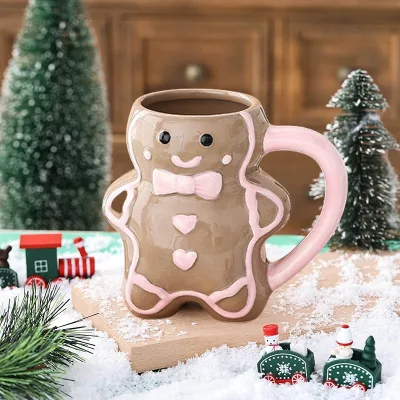

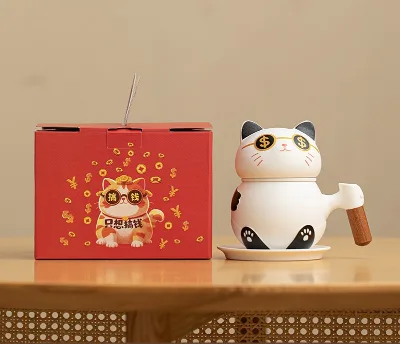
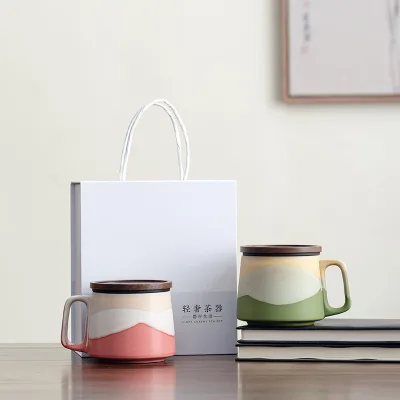
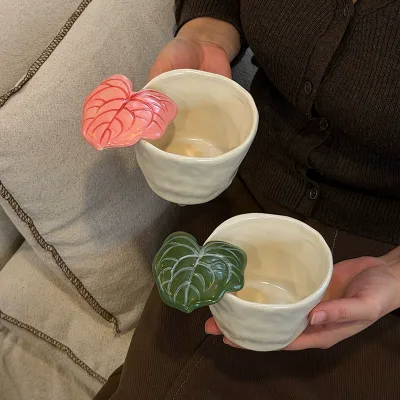
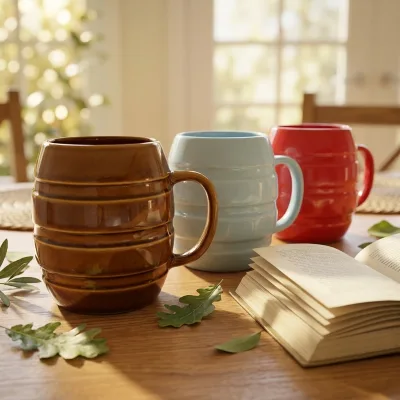
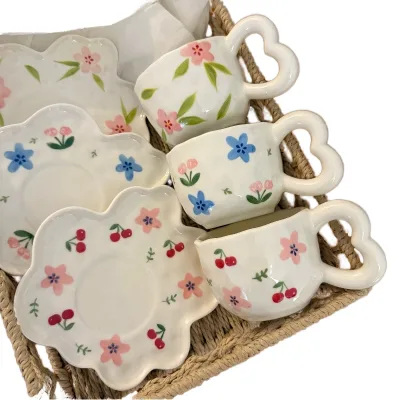
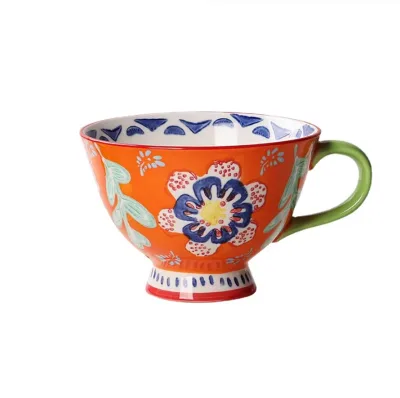
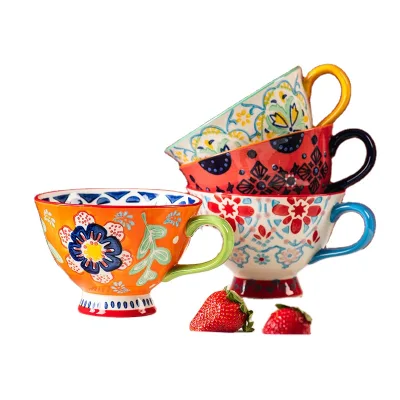
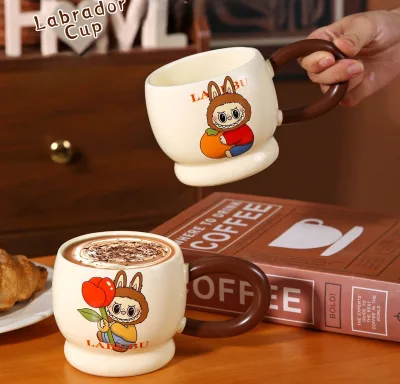
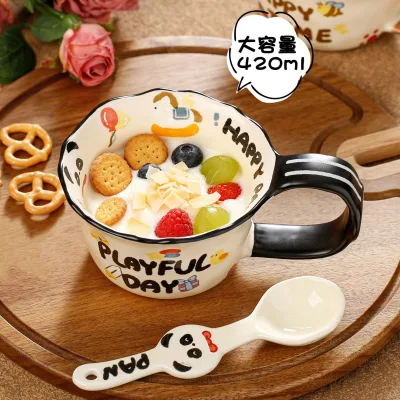
Retro Handcrafted Irregular Ceramic Coffee Cup Design Sense Niche Embossed Leaf Mug
$3.3563 - $4.4955
MOQ: 48 pieces
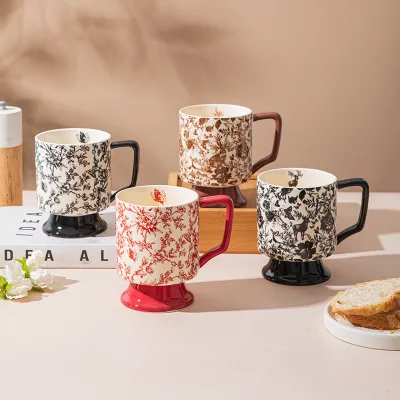
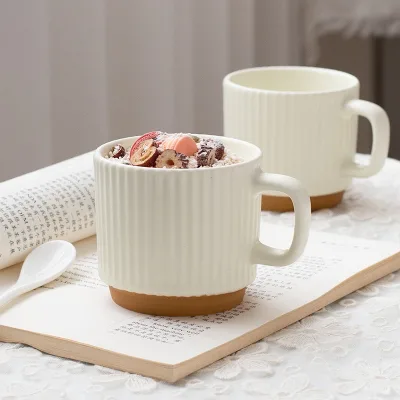
Creative Retro Ceramic Goblet Ins Nordic Home Office Breakfast Milk Water Cup
$3.3967 - $6.6886
MOQ: 20 Minimum

Shanghai Touch Industrial Development Co., Ltd.
- Verified by TUVRHEINLAND
- Combined
- China Shanghai
- Lead time15 days
- Avg. response≤ 5h
Main productsInstant Hot Pack, Hot Cold Pack, Gel Eye Mask, Gel Ice Pack, Gel Bottle Cooler, Instant Ice Pack, Hand Warmer, Heat Pack, Cooling Scarf, Gel Beads
Main marketsSouth America,Others(foreignTradeCapacity.exportBusinessCapacityMarketOther),Southeast Asia/ Mideast,East Asia(Japan/ South Korea),Domestic,Europe,Australia,North America

Yongkang Heecn Stainless Steel Co., Ltd.
- Manufacturer/Factory
- China Zhejiang
- Lead time45 days
- Avg. response≤ 7h
Main productsMug, Cup, Flask, Bottle, Coffee Mug, Drink Bottle, Camping Mug, Advsing Mug, Gift Mug, Shot Glass
Main marketsSouth America,Eastern Europe,North America,Western Europe
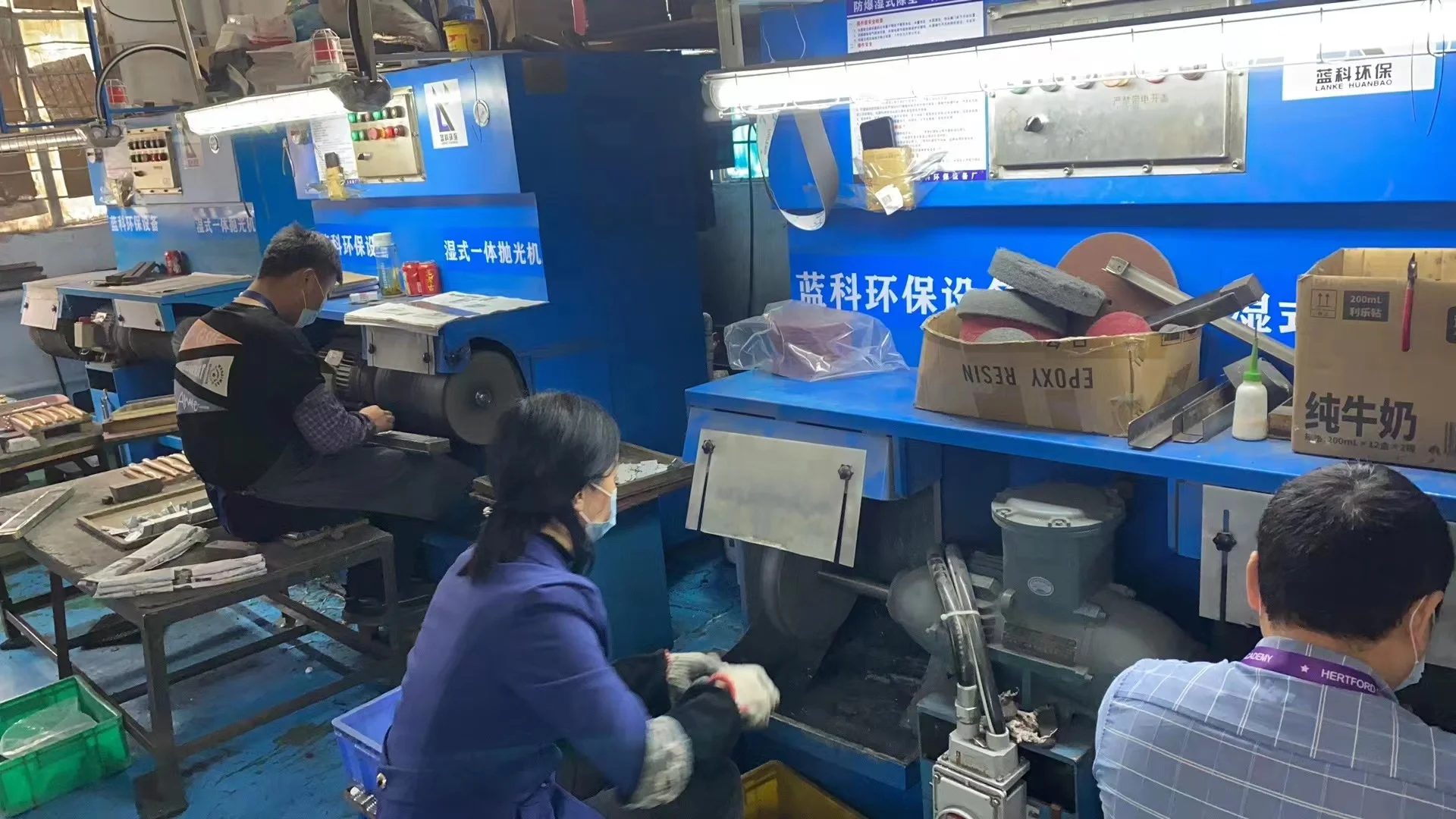
Ji'an Aili Arts Crafts Co., Ltd.
- Manufacturer, Trading Company
- Jiangxi, China
- Lead time0 days
- Avg. response≤ 1h
Main productslapel pin,keychain,badge,patches,Acrylic product
Main marketsNorth America(70.00%), Eastern Europe(15.00%), Southern Europe(10.00%), Western Europe(5.00%)
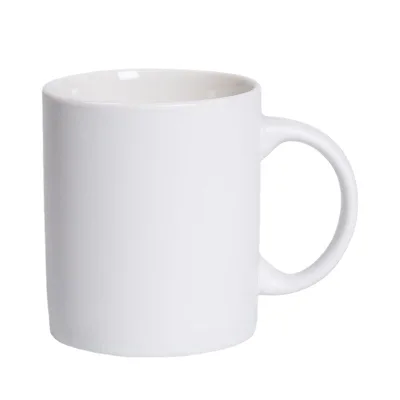
Mug Ceramic Mug Custom Pattern Ceramic Coffee Cup Heat Transfer Advertising Gift Mug
$1.2874 - $1.5434
MOQ: 50 pieces

ZHOUKOU BEST KITCHENWARE CO., LTD.
- Verified by TUVRHEINLAND
- Trading Company
- China Henan
- Lead time15 days
- Avg. response≤ 11h
Main productsEnamelware, Enamel Mug, Enamel Casserole, Enamel Storage Bowl, Enamel Kettle, Enamel Basin, Round Tray, Cup, Enamel Pot, Enamel Plate
Main marketsAfrica,Europe

Chaozhou City Cha'an District Fengtang Town Sai Si Ceramics Factory
- Verified by CTI
- Combined
- China Guangdong
- Lead time30 days
- Avg. response≤ 7h
Main productsMugs, Ceramic Tissue Boxes, Ceramic Pet Bowls, Ceramic Vases
Main marketsDomestic


$2.00 - $4.00
MOQ: 1000 Pieces

Linyi Feifan Imp. & Exp. Co., Ltd.
- Verified by TUVRHEINLAND
- Trading Company
- China Shandong
- Lead time30 days
- Avg. response≤ 11h
Main productsEnamel Mug/Cup, Enamel Bowl, Enamel Basin, Enamel Plate/Tray/Kettle, Enamel Casserole/Pot, Enamel Bucket, Safety Shoe/Boot, Safety Gloves
Main marketsSoutheast Asia/ Mideast,Domestic
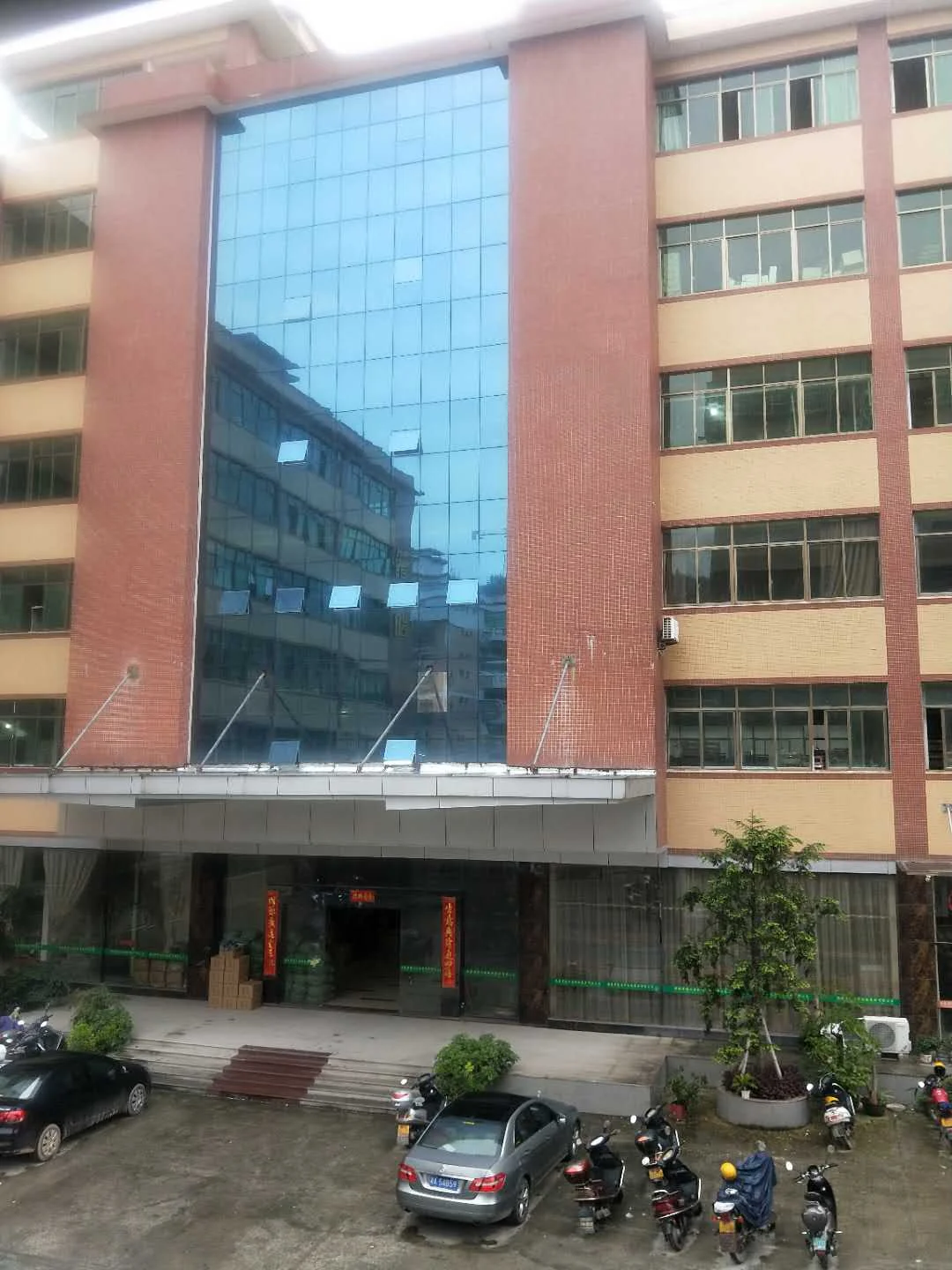
Fujian Dehua Dingshengxiang Ceramic Co., Ltd.
- Manufacturer, Trading Company
- Fujian, China
- Lead time60 days
- Avg. response≤ 3h
Main productsCeramic Christmas Craft, Ceramic Easter Craft, Resin Craft, Ceramic Garden Pot, Ceramic Mug
Main marketsSouth America(30.00%), Northern Europe(25.00%), North America(20.00%), Western Europe(15.00%), Africa(5.00%), Eastern Europe(5.00%)
Changsha Yiyi Import And Export Trading Co., Ltd.
- Trading Company
- Hunan, China
- Lead time15 days
- Avg. response≤ 1h
Main productsceramic mug,glass water bottle,stainless steel vacuum tumbler,plastic water bottle,Thermos
Main marketsNorth America(70.00%), Northern Europe(10.00%), Western Europe(10.00%), Eastern Europe(10.00%)
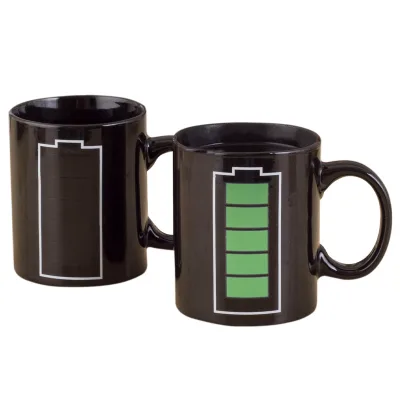
Factory Wholesale Battery Color Changing Mug Heat Discoloration Gift Ceramic Mug
$1.50 - $2.80
MOQ: 500 pieces
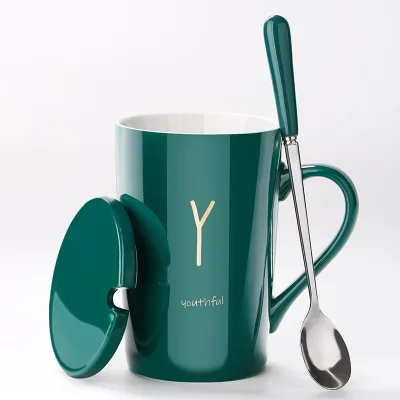


Wenzhou Guanmin Import and Export Co., Ltd.
- Verified by BV
- Trading Company,Manufacturer/Factory
- China Zhejiang
- Lead time120 days
- Avg. response≤ 7h
Main productsShopping Bag, Cooler Bag, Notebook, Pen, Color Pencil, Lanyard, Beach Ball, Umbrella, Sunshade, Air Freshener
Main marketsSouth America,Eastern Europe,Mid East,North America,Southeast Asia,Eastern Asia,Western Europe

Jinjiang Jiaxing Import and Export Co., Ltd.
- Verified by CTI
- Manufacturer/Factory
- China Fujian
- Lead time120 days
- Avg. response≤ 1h
Main productsShoes, Slipper, Clothes, Promotion Gifts, Silicone Products, Outdoor Sports Products, Bags, Fashion Accessories, Consumer Electronics
Main marketsSouth America,Eastern Europe,Mid East,North America,Southeast Asia,Eastern Asia,Oceania,Western Europe,Africa

Shanghai David International Trade Co., Ltd.
- Verified by TUVRHEINLAND
- Combined
- China Shanghai
- Lead time15 days
- Avg. response≤ 7h
Main productsPromotional Gifts, Gift Sets, Tshirts, Hats, Hot Packs, Hot Cold Packs, Ice Packs, Bags, Umbrellas, Water Bottles
Main marketsSouth America,Africa,Southeast Asia/ Mideast,East Asia(Japan/ South Korea),Domestic,Europe,Australia,North America
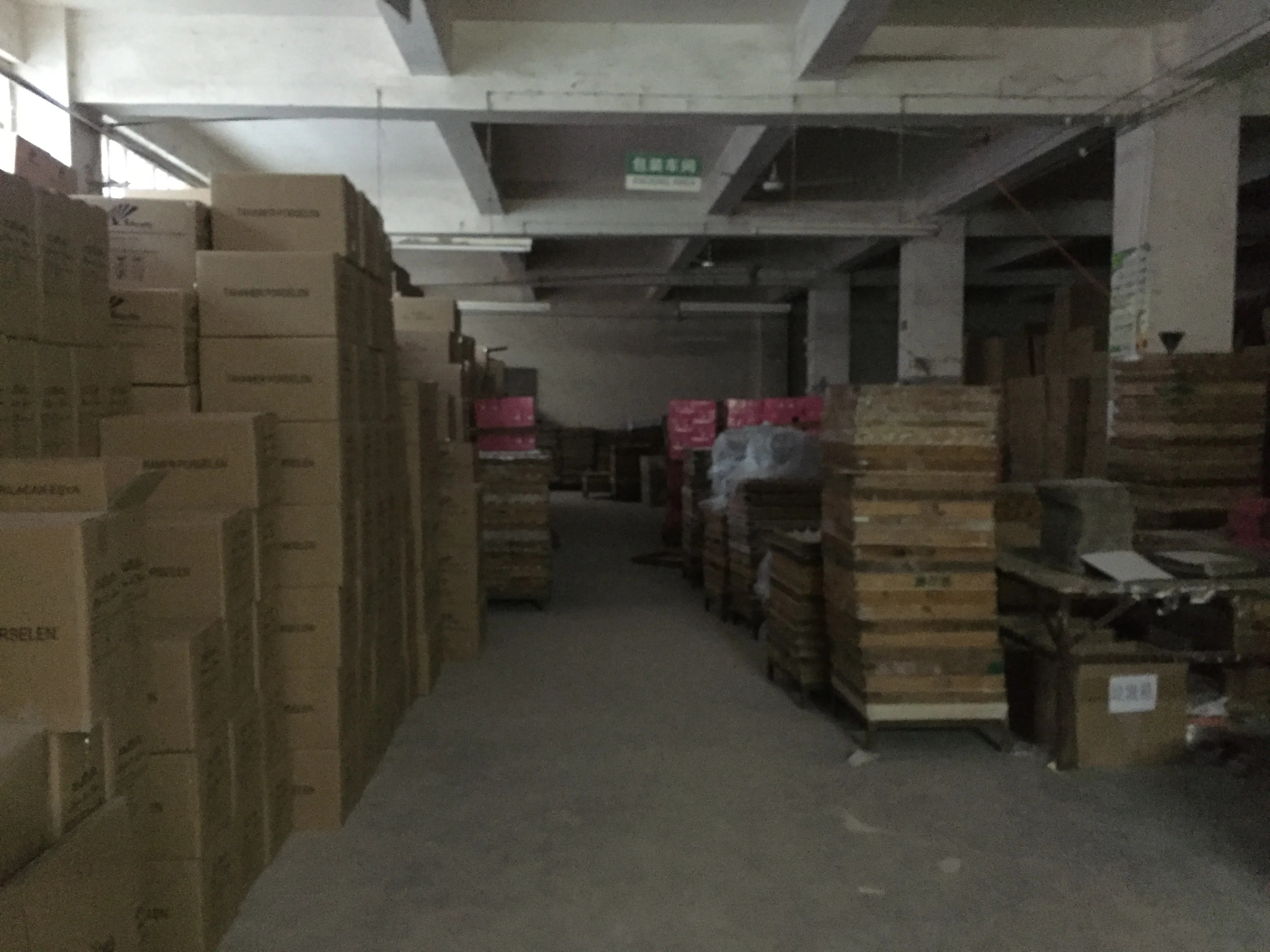
Fujian Dehua Best Ceramic Co., Ltd.
- Manufacturer
- Fujian, China
- Lead time40 days
- Avg. response≤ 2h
Main productsceramic mug porcelain mug,ceramic oil burner ceramic neti pot,ceramic follow pot,ceramic jar canister,ceramic cup and saucers
Main marketsSouth America(30.00%), Western Europe(20.00%), North America(20.00%), Northern Europe(15.00%), Southern Europe(5.00%), Southeast Asia(5.00%), Eastern Europe(5.00%)
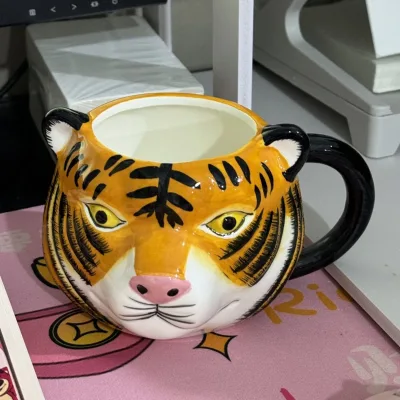
Funny Bucket Design Ceramic Coffee Beer Mug Shapes
$1.20 - $1.60
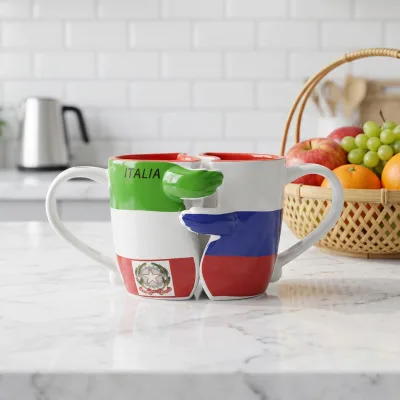
$1.8518 - $2.5718
MOQ: 2 pieces
Shanxi Delight Houseware Co., Ltd.
- Verified by Intertek
- Trading Company
- Lead time30 days
- Avg. response≤ 4h
Main productsGlass Drinkware, Glass Plate and Bowl, Glass Candle Holder, Glass Decanter
Main marketsNorth America(20%), Mid East(15%), South America(10%)

- Verified by TUVRHEINLAND
- Trading Company
- China Zhejiang
- Lead time15 days
- Avg. response≤ 3h
Main productsLanyard, Promotional Gift, Baseball Cap, Bags, T-Shirt, Ceramic Mug, Sport Water Bottle, PU Toys
Main marketsEurope,Australia,North America
Liling Esion Ceramics Manufacturing Co., Ltd.
- Verified by SGS Group
- Manufacturer, Trading Company
- Lead time15 days
- Avg. response≤ 6h
Main productsCeramic Cup, Ceramic Bowl, Ceramic Tableware, Ceramic Dish, Ceramic Teapot
Main marketsDomestic Market(45%), Western Europe(25%), North America(20%)
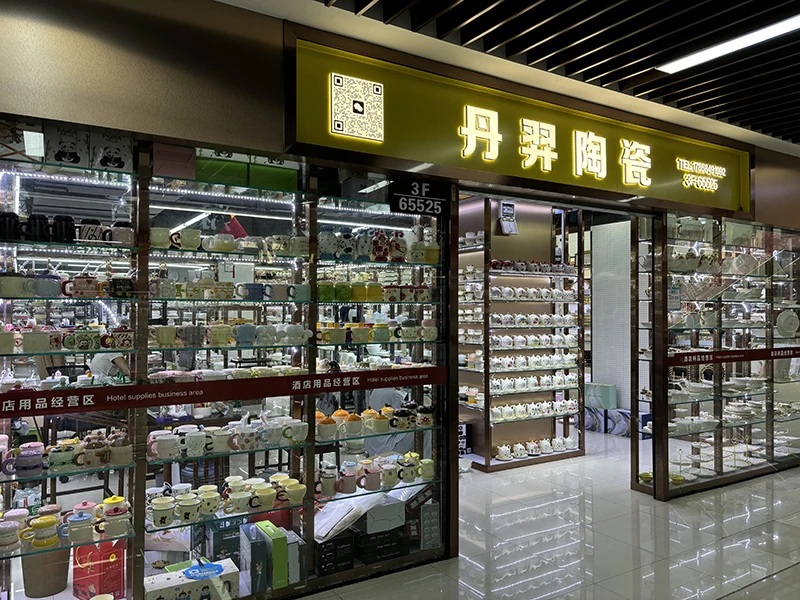
Yiwu Danyi Import And Export Co., Ltd.
- Trading Company
- Zhejiang, China
- Lead time30 days
- Avg. response≤ 4h
Main productsTableware,Coffee Cup
Main marketsCentral America(100.00%), Northern Europe(100.00%), Domestic Market(100.00%), South Asia(100.00%), Africa(100.00%), Eastern Europe(100.00%), Southern Europe(100.00%), North America(40.00%), Western Europe(20.00%), Mid East(15.00%), Oceania(10.00%), Eastern Asia(5.00%), Southeast Asia(5.00%), South America(5.00%)
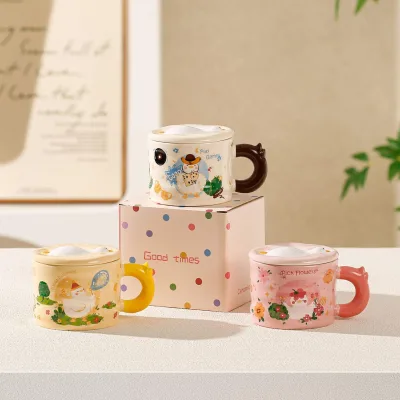

Modern Girl Ceramic Cup with Lid Cartoon Mug Creative Breakfast Cup Household Water Cup
$1.99 - $2.29
MOQ: 60 pieces

Jinjiang Jiaxing Supply Management Co., Ltd.
- Verified by TUVRHEINLAND
- Trading Company
- China Fujian
- Lead time30 days
- Avg. response≤ 1h
Main productsEVA Clogs, Flip Flop, Shoe Charms, Shopping Bags, Wristbands, Gifts, Promotional Gifts, Slipper, Sport Cap, Ball
Main marketsNorth America

Ningbo Yinzhou Wenhui Paper Co., Ltd.
- Verified by TUVRHEINLAND
- Manufacturer/Factory
- China Zhejiang
- Lead time45 days
- Avg. response≤ 8h
Main productsStationery Gifts Promotional Homeware, Pen, Pet Products, Board Game, Paper Tube, Notebook, Wooden Toys, DIY Toy, Puzzle, Gift Bag
Main marketsSouth America,Eastern Europe,Mid East,North America,Southeast Asia,Eastern Asia,Oceania,Western Europe,Africa

Shenzhen Haiyuan Technology Co., Ltd.
- Manufacturer, Trading Company, Buying Office, Distributor/Wholesaler
- Guangdong, China
- Lead time5 days
- Avg. response≤ 4h
Main productsCustom Plush Toys,Customized IP Plush Doll Design,Stuffed Animal Toys,Children's Toys,Home Decoration
Main marketsNorth America(20.00%), Western Europe(15.00%), South America(15.00%), Northern Europe(10.00%), Mid East(10.00%), Southern Europe(5.00%), Africa(5.00%), Central America(5.00%), Eastern Europe(5.00%), Eastern Asia(5.00%), Southeast Asia(5.00%)
Dongguan Jinbaoma Technology Co., Ltd.
- Trading Company
- Lead time旺季: "1 - 10000":7,"> 10000":"To be negotiated", 淡季: "1 - 10000":7,"> 10000":"To be negotiated"
- Avg. response≤ 2h
Main productsKitchenware,Daily necessitiess,Storage tools,Storage tools,Decorations
Liling Changlong Ceramic Co., Ltd.
- Verified by SGS Group
- Manufacturer, Trading Company
- Lead time40 days
- Avg. response≤ 2h
Main productsCeramic Mug , Ceramic Bowl, Ceramic Plate, Ceramic Cup & Saucer, Ceramic Jar
Main marketsNorth America(30%), South America(20%), Southeast Asia(15%)
Xiamen Dashing Jewelry Co., Ltd.
- Trading Company
- Lead time旺季: "1 - 200":14,"> 200":"To be negotiated", 淡季: "1 - 200":14,"> 200":"To be negotiated"
- Avg. response≤ 5h
Main productsDrinkware, Party Supplies, Home Decoration, Garden Supplies
Liling Jinyou Trading Co., Ltd.
- Verified by TüVRheinland
- Trading Company
- Lead time50 days
- Avg. response≤ 3h
Main productsCeramic Cups, Ceramic Plates, Ceramic Bowls, Ceramic Tableware, Ceramic Cups And Dishes
Main marketsEastern Europe(30%), Southeast Asia(20%), North America(10%)
Fuzhou Beisuosi E-Commerce Co., Ltd.
- Trading Company
- Fujian, China
- Lead time7 days
- Avg. response≤ 6h
Main productsAluminum Foil Pan,Ceramic tableware,Household products,Restaurant supplies,Chinese ceramic products
Main marketsNorth America(50.00%), Domestic Market(17.00%), South America(5.00%), Oceania(5.00%), Africa(5.00%), Southeast Asia(5.00%), Eastern Europe(5.00%), Western Europe(2.00%), Mid East(1.00%), South Asia(1.00%), Southern Europe(1.00%), Northern Europe(1.00%), Central America(1.00%), Eastern Asia(1.00%)
Liling Gaodeng Ceramic Industry Co., Ltd.
- Trading Company
- Hunan, China
- Lead time30 days
- Avg. response≤ 3h
Main productsCeramic Mug, Ceramic Bowl, Ceramic Plate, Ceramic Dinner Set
Main marketsNorth America(25.00%), Western Europe(20.00%), Domestic Market(18.00%), Oceania(10.00%), South America(9.00%), Northern Europe(8.00%), Eastern Europe(6.00%), Southern Europe(2.00%), Mid East(2.00%)

Guangzhou Kinglaiky Industrial Ltd.,
- Verified by TUVRHEINLAND
- Trading Company
- China Guangdong
- Lead time15 days
- Avg. response≤ 11h
Main productsPromotional Gifts, Pen, Leather Product, Wallet, Keyring, Namecard Holder, Mouse Mat, Flask, Wristband, USB Pen Drive
Main marketsAfrica


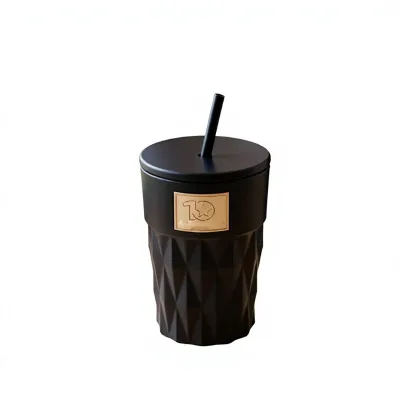
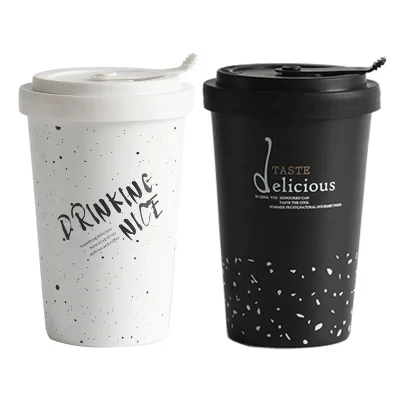
Customizable Logo New American Style 316 Stainless Steel Insulated Travel Coffee Mug
$3.65 - $3.78
MOQ: 100 Pieces

Ningbo Brt Imp. &Exp. Co., Ltd.
- Verified by TUVRHEINLAND
- Trading Company
- China Zhejiang
- Lead time23 days
- Avg. response≤ 4h
Main productsSchool Stationery, Water Bottle, Office Stationery, School Bag, Promotional Pen, Marker, Promotional Gift, Notebook
Main marketsAfrica,East Asia(Japan/ South Korea),North America

$2.50 - $2.75
MOQ: 100 pieces

Customized Classic Tumbler Insulated Sublimation Stainless Steel 14oz Coffee Mug with Lid
$2.50 - $2.75
MOQ: 100 pieces










Comprehensive Sourcing Guide
Mug Supplier Concentration and Factory Types
When evaluating the landscape for ceramic mugs, buyers encounter a mix of manufacturers and trading companies that serve different operational needs. The current supplier pool includes twenty-eight distinct entities, offering a variety of main products such as ceramic mugs, glass cups, water bottles, thermos series items, and stylish vases. This diversity suggests that many suppliers are not limited to a single product line but rather operate as comprehensive drinkware providers. Understanding whether a partner is a direct manufacturer or a trading company is crucial for determining pricing flexibility, communication efficiency, and production control. Manufacturers typically offer deeper customization capabilities and potentially lower unit costs for large volumes, while trading companies may provide faster access to stocked items and broader product assortments from multiple factories.
The types of companies available range from those specializing in OEM branding to those focusing on novelty and gift-oriented designs. For instance, some suppliers highlight capabilities in sample processing, graphic processing, and customized on-demand production, which are essential for brands seeking unique market differentiation. Others may focus on stocked items that are ready for immediate shipment, catering to buyers with urgent inventory needs. It is important to verify the specific company type for each potential partner, as this designation directly impacts the supply chain structure. Buyers should assess whether the supplier’s primary focus aligns with their volume requirements and customization expectations, ensuring that the chosen partner can scale effectively without compromising quality or delivery schedules.
How to Verify Mug Suppliers
Verification is a critical step in mitigating risk when sourcing mugs from international suppliers. One key indicator of reliability is the verification status provided by third-party inspection agencies. In the current results, some suppliers are verified by TüVRheinland, a globally recognized certification body. This verification suggests that the supplier has undergone rigorous audits regarding their business legitimacy, production capabilities, and quality management systems. Buyers should prioritize suppliers with such verifications to ensure a higher level of trust and compliance with international standards. However, verification is not universal across all suppliers, so it is essential to check the specific status of each candidate before proceeding with negotiations or placing orders.
Beyond third-party verification, buyers should also examine the supplier’s response time and communication efficiency. A response time of two days, as observed in some results, indicates a moderate level of engagement, but faster responses are often preferable for complex sourcing projects. Buyers should test the supplier’s responsiveness by asking detailed questions about production processes, material sourcing, and quality control measures. Additionally, it is advisable to request samples to evaluate the physical quality of the mugs, including the ceramic material, glaze finish, and structural integrity. These practical tests provide concrete evidence of the supplier’s capability, complementing the digital verification badges and ensuring that the final product meets the buyer’s specific requirements for durability and aesthetic appeal.
What to Compare Across Mug Suppliers
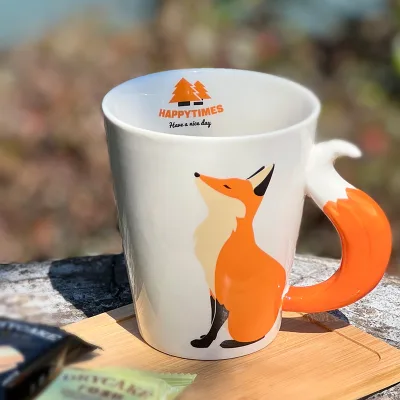
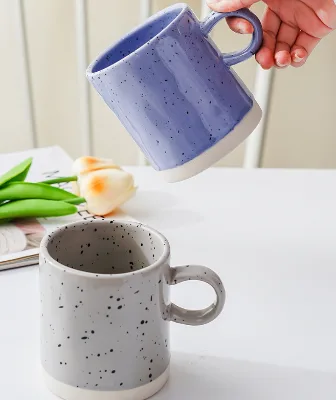
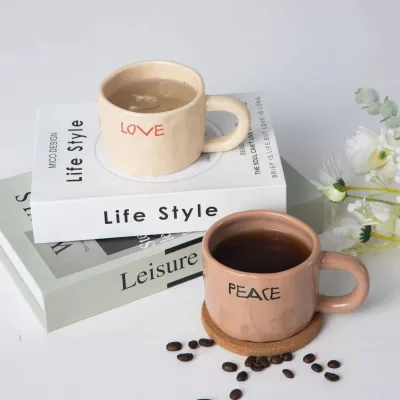
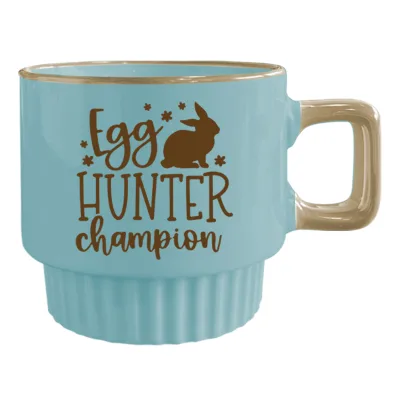
Comparing suppliers requires a systematic evaluation of key operational metrics, including minimum order quantities (MOQ), lead times, and pricing structures. MOQs vary significantly across the supplier pool, with some requiring as few as thirty-six pieces for novelty items, while others may demand sixty pieces or more for specialized designs. Lead times also differ, with some suppliers indicating a fifteen-day production window, which is suitable for planned inventory replenishment but may be tight for urgent orders. Buyers should align these metrics with their own inventory management strategies, ensuring that the supplier’s capabilities match their sales velocity and storage constraints. It is also important to compare the main products offered, as some suppliers may specialize in ceramic mugs while others offer a broader range of drinkware, affecting the potential for consolidated shipping and simplified logistics.
Pricing and customization options are another critical area for comparison. Unit prices can range from approximately three dollars to over ten dollars, depending on the complexity of the design, material quality, and order volume. Suppliers offering OEM branding and customized logos provide greater flexibility for brand building, while those with stocked items may offer lower prices for standard designs. Buyers should also evaluate the single package size and gross weight, as these factors influence shipping costs and storage efficiency. For example, a Mug with a single package size of eighteen by eighteen by nine point five centimeters will have different logistical implications than one packaged in a larger box. By comparing these detailed attributes, buyers can identify the most cost-effective and operationally efficient supplier for their specific needs.
Common Mug Sourcing Risks
One significant risk in Mug sourcing is the inconsistency in product specifications and quality control. While some suppliers provide detailed attributes such as material composition, capacity, and dishwasher safety, others may lack comprehensive information, leading to potential mismatches between expectations and reality. For instance, a Mug advertised as microwave-safe may not perform as expected if the glaze or handle material is not suitable for high temperatures. Buyers must carefully review the product attributes, such as whether the item is stocked, its pattern, and its intended usage, to ensure it meets their functional requirements. Additionally, the risk of damage during transit is heightened by the fragile nature of ceramic products, making proper packaging and handling protocols essential. Buyers should inquire about the supplier’s packaging standards, including the use of protective materials and sturdy boxes, to minimize the risk of breakage.
Another risk is the variability in supplier reliability and communication. While some suppliers are verified and have established response times, others may be less transparent or responsive, leading to delays and misunderstandings. The presence of multiple suppliers with similar product offerings can also create confusion, making it difficult to distinguish between high-quality partners and those with inferior capabilities. Buyers should be cautious of suppliers who do not provide clear information about their production processes, quality assurance measures, or after-sales support. It is also important to verify the supplier’s ability to handle custom orders, as errors in logo placement, color matching, or design details can result in significant financial losses. By proactively identifying and addressing these risks, buyers can build a more resilient and reliable supply chain for their Mug products.
Mug Regional Sourcing and Logistics
The geographic origin of Mug suppliers plays a crucial role in determining logistics costs and delivery times. Many of the observed suppliers are located in Zhejiang, China, a region known for its robust manufacturing infrastructure and competitive pricing. This concentration of suppliers in Zhejiang offers buyers access to a wide variety of designs and production capabilities, often with shorter lead times due to the density of the supply chain. However, buyers should also consider suppliers from other regions, such as Fujian, China, which may offer different advantages in terms of material sourcing or specialized production techniques. Understanding the regional strengths of each supplier can help buyers optimize their sourcing strategy, balancing cost, quality, and delivery speed. It is also important to consider the impact of regional trade policies and tariffs on the final landed cost of the products.
Logistics planning must account for the physical dimensions and weight of the mugs, as these factors directly influence shipping expenses. For example, a Mug with a single gross weight of zero point six kilograms and a package size of fifteen by fifteen by ten centimeters will have different shipping implications than a larger, heavier item. Buyers should work with their freight forwarders to calculate the optimal shipping method, whether by sea, air, or express courier, based on the order volume and urgency. Additionally, the supplier’s packaging efficiency can significantly impact the number of units that can be shipped per container, affecting overall logistics costs. By carefully evaluating the regional location and logistical attributes of each supplier, buyers can make informed decisions that minimize costs and ensure timely delivery of their Mug orders.
Mug Commercial Terms and Order Planning
Commercial terms and order planning are essential components of a successful sourcing strategy. Payment methods vary among suppliers, with options such as T/T, Western Union, and Trade Assurance available to facilitate secure transactions. Trade Assurance, in particular, offers buyers a layer of protection by ensuring that payments are only released upon satisfactory delivery of the goods. Buyers should prioritize suppliers who offer these secure payment options to mitigate financial risk. Additionally, it is important to negotiate clear terms regarding production timelines, quality acceptance criteria, and dispute resolution mechanisms. These terms should be documented in the purchase contract to ensure both parties are aligned on expectations and responsibilities. By establishing robust commercial terms, buyers can protect their interests and foster a collaborative relationship with their suppliers.
Order planning should also consider the supplier’s capacity for customization and scalability. Some suppliers offer customized logos and designs, which require additional time for setup and approval. Buyers should factor in these lead times when planning their inventory replenishment cycles to avoid stockouts. Furthermore, it is advisable to start with smaller trial orders to test the supplier’s performance before committing to larger volumes. This approach allows buyers to assess the quality, communication, and reliability of the supplier in a low-risk environment. By carefully planning their orders and negotiating favorable commercial terms, buyers can build a sustainable and efficient supply chain for their Mug products, ensuring consistent quality and timely delivery to meet market demands.
FAQs
What is the typical lead time for ceramic Mug orders?
The typical lead time for ceramic Mug orders is 15 days. This duration allows manufacturers to process samples, handle graphic customization, and complete production runs efficiently. Buyers should confirm specific timelines with suppliers to ensure alignment with project schedules and delivery expectations.
What is the minimum order quantity for custom mugs?
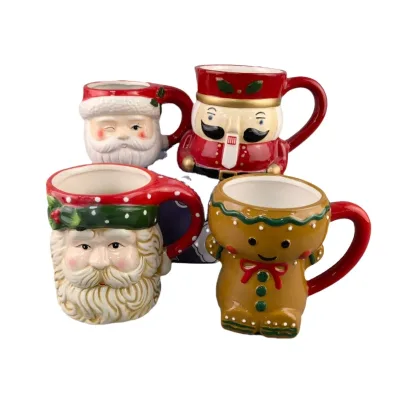
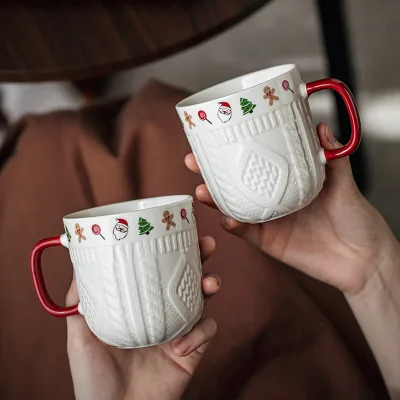
The minimum order quantity varies by product, ranging from 36 to 60 pieces. For example, novelty gingerbread man mugs require 36 pieces, while color contrast mugs with lids require 60 pieces. Buyers should check specific product details to determine the exact MOQ for their chosen design.
Are ceramic mugs safe for microwave and dishwasher use?
Many ceramic mugs are safe for both microwave and dishwasher use. Specific models, such as classic solid-pattern mugs, are explicitly marked as dishwasher and microwave safe. Buyers should verify these features for each product to ensure compatibility with their intended usage environment and cleaning methods.
What is the price range for wholesale ceramic mugs?
Wholesale ceramic Mug prices range from approximately 2.57 to 11.00 USD per unit. Basic novelty mugs start around 2.57 USD, while premium tea mugs with filters can reach 11.00 USD. Prices depend on material, design complexity, and customization options selected by the buyer.
Can I get custom logos on ceramic mugs?
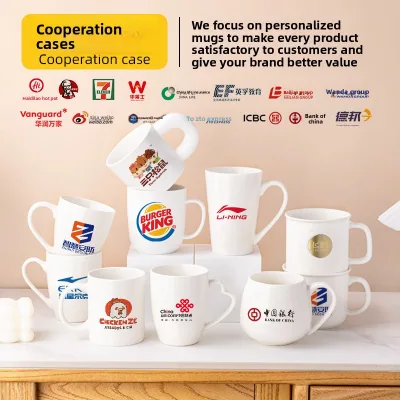
Yes, custom logos are available on many ceramic Mug products. Suppliers offer OEM branding services, allowing buyers to add their own logos to mugs. This customization is suitable for business gifts, corporate events, and promotional campaigns, enhancing brand visibility with personalized drinkware solutions.
Where are these ceramic mugs manufactured?
These ceramic mugs are primarily manufactured in China, specifically in Zhejiang and Fujian provinces. These regions are known for their robust ceramic production capabilities. Buyers can source high-quality mugs from verified manufacturers in these locations, ensuring reliable supply chains and consistent product quality.