Arcade Game Push Button Switch Suppliers and Manufacturers
Compare 20 suppliers of Arcade Game Push Button Switch products on lead time, response speed, certifications such as CE and RoHS, MOQ, and customization options for LED, microswitch, and illuminated variants. Review verified manufacturer profiles and request quotes that match your volume and specifications.
Updated
Suppliers List
Guangzhou Baoli Animation Technology Co., Ltd.
- Verified by SGS Group
- Manufacturer, Trading Company
- Lead time7 days
- Avg. response≤ 2h
Main productsClaw Machine, VR Game Machine, Kids Arcade Machine, Interactive Game Equipment, Indoor Playground Equipment
Main marketsNorth America(45%), South America(10%), Southeast Asia(5%)
Guangzhou Huajikexin Technology Co., Ltd.
- Manufacturer, Trading Company, Business Service (Transportation, finance, travel, Ads, etc)
- Guangdong, China
- Lead time18 days
- Avg. response≤ 7h
Main productsEducational advertising screen,Arcade game machine display screen,Game machine LCD,Touch screen display.,Television products
Main marketsSouth America(33.00%), Central America(31.00%), North America(20.00%), Domestic Market(10.00%), Southeast Asia(5.00%)
Guangzhou Jin Xi Animation Technology Co., Ltd
- Verified by Intertek
- Manufacturer, Trading Company
- Lead time7 days
- Avg. response≤ 2h
Main productsArcade Gifts Machines, Simulation Game Machine, Interactive Game Equipment, VR Game Machine, Kids Game Machine
Main marketsNorth America(50%), Western Europe(20%), South America(8%)
Yueqing Daier Electron Co., Ltd.
- Manufacturer, Trading Company
- Lead time旺季: "1 - 500":7,"> 500":"To be negotiated", 淡季: "1 - 500":7,"> 500":"To be negotiated"
- Avg. response≤ 2h
Main productsPush Button, Rocker Switch, Toggle Switch, Terminal Blocks, Relay
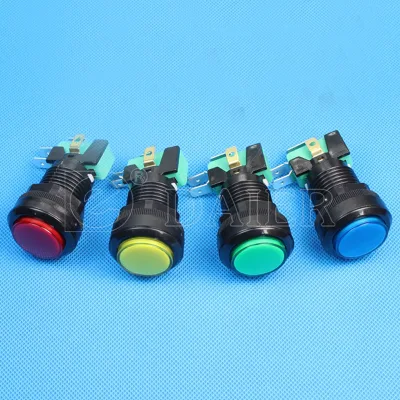
$0.5659 - $0.6692
MOQ: 100 pieces
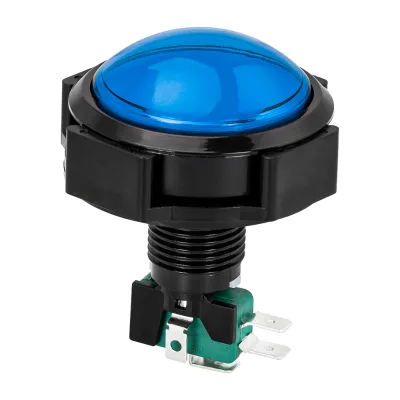
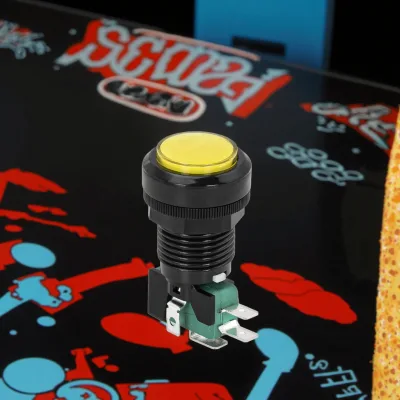
$0.5659 - $0.6692
MOQ: 10 pieces
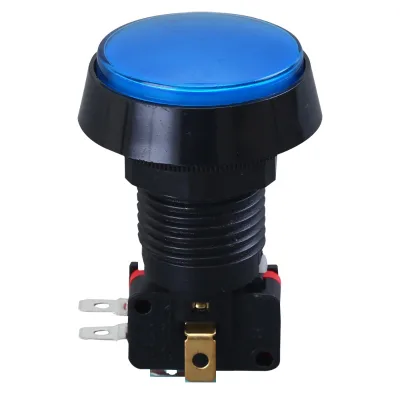
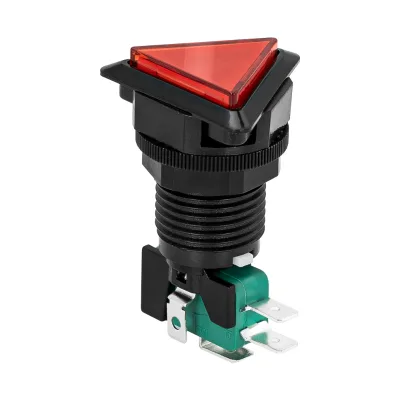
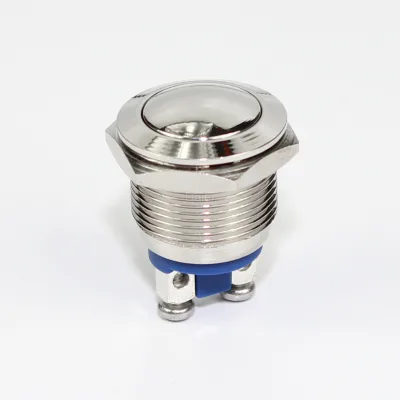
Yueqing Aibeiken Electric Co., Ltd.
- Verified by SGS Group
- Manufacturer, Trading Company
- Lead time5 days
- Avg. response≤ 3h
Main productsPush Button Switch; Micro Switch; Rocker Switch, Car Charger, Indicator Light
Main marketsNorth America(25%), Domestic Market(20%), South America(5%)
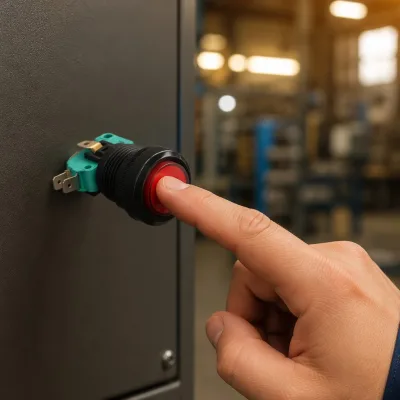
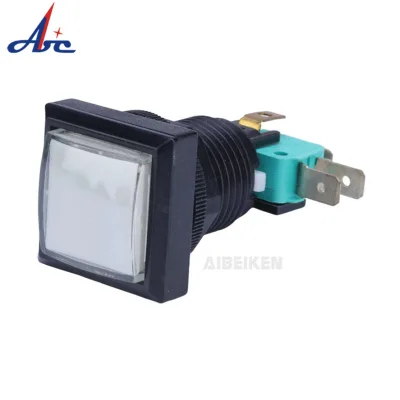
$0.6557 - $0.6766
MOQ: 100 pieces
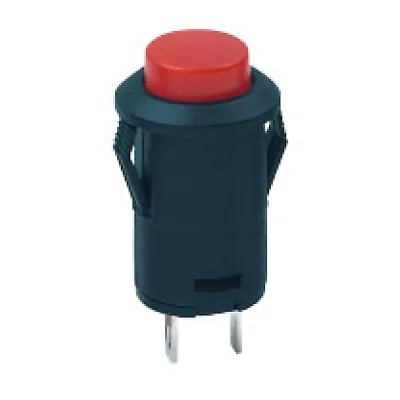
$1.0239 - $1.3518
MOQ: 100 pieces
Guangzhou Chilong Industry Co., Ltd.
- Manufacturer, Trading Company
- Guangdong, China
- Lead time10 days
- Avg. response≤ 2h
Main productscoin selector,button,joystick,microswitch,PCB
Main marketsNorth America(30.00%), Eastern Europe(20.00%), Mid East(10.00%), Southern Europe(5.00%), Western Europe(5.00%), Eastern Asia(5.00%), Oceania(5.00%), Northern Europe(5.00%), Southeast Asia(5.00%), South America(3.00%), South Asia(2.00%), Central America(2.00%), Africa(2.00%), Domestic Market(1.00%)
Guangzhou Huazhishun Intelligent Technology Co., Ltd.
- Verified by TüVRheinland
- Trading Company
- Lead time90 days
- Avg. response≤ 4h
Main productsEntertainment Machine, Indoor Entertainment Games, Claw Machine, Gift Machine, Skill Game Machine
Main marketsNorth America(25%), Central America(19%), South America(15%)

- Manufacturer/Factory
- China Jiangsu
- Lead time68 days
- Avg. response≤ 19h
Main productsSwitches, Stamping Part, CNC Part, Sheet Metal Part, Die Casting Part, Metal Nut, CNC Machining Part, Metal Stamping Part, Sheet Metal Stamping, Metal Extrusion Part
Main marketsSouth America,Eastern Europe,Mid East,North America,Southeast Asia,Eastern Asia,Oceania,Western Europe,Africa

Yueqing Daier Electron Co., Ltd.
- Combined
- China Zhejiang
- Lead time15 days
- Avg. response≤ 7h
Main productsRocker Switch, Push Button Switch, Indicator Light, Toggle Switch, Auto Switch, Key Switch, Circuit Breaker, Power Socket, Knob, Aluminum Enclosure
Main marketsSouth America,Southeast Asia/ Mideast,Domestic,Europe,North America
Guangzhou Zhikui Electronic Technology Co., Ltd.
- Manufacturer
- GUANGDONG, China
- Lead time0 days
- Avg. response≤ 3h
Main productsclaw machine,racing game machine,Boxing game console,Coin operated gaming machine,Children's playground equipment
Main marketsSouth America(70.00%), Africa(20.00%), Southeast Asia(10.00%)
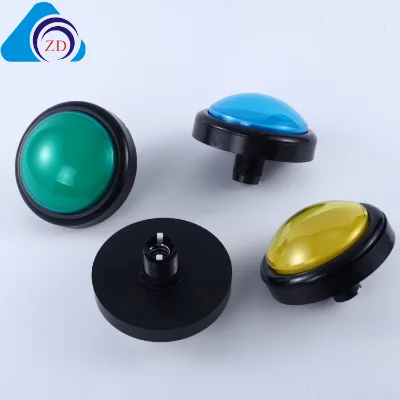
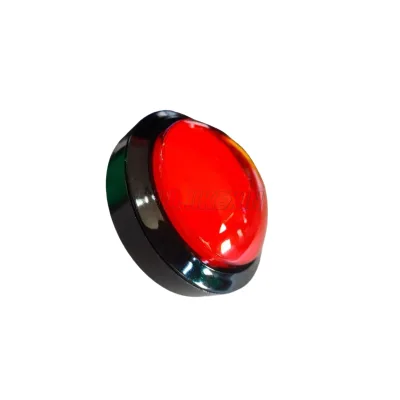
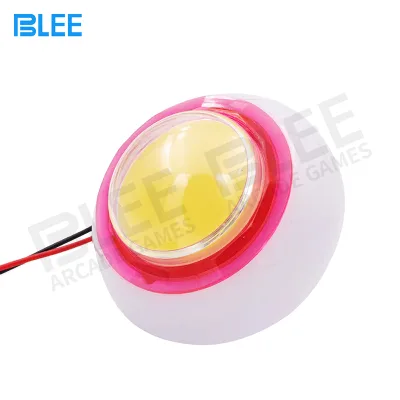
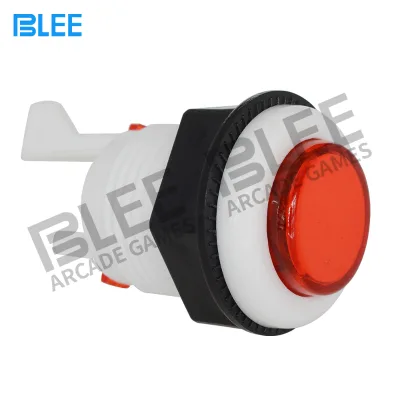
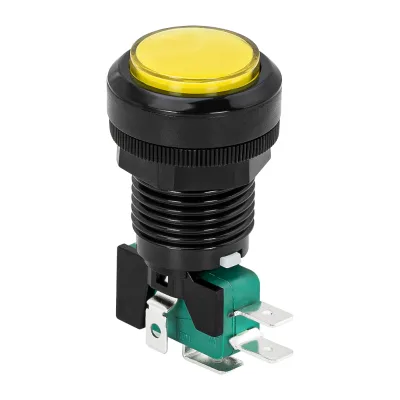
Factory Price Arcade Push Button Illuminated 12V Push Button Light Switch,Big Red Button Games
$1.6557 - $1.759
MOQ: 100 pieces
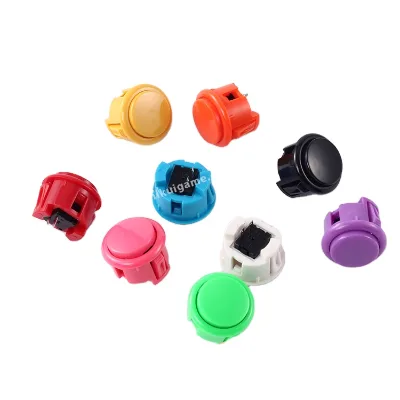
Factory Direct Arcade Sanwa Game Push Button Switch,Sanwa Original Button
$0.1242 - $0.1449
MOQ: 100 pieces
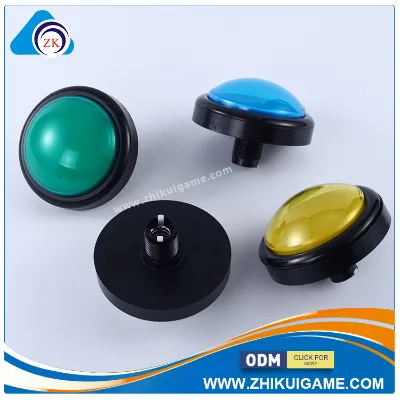
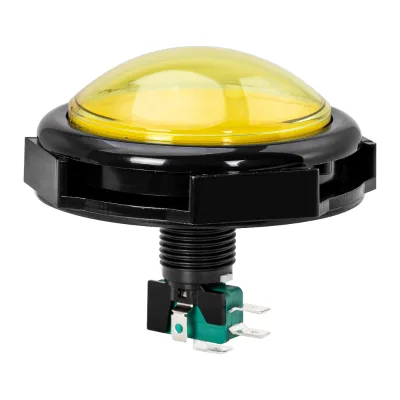
Factory Direct Large Size Push Button Switch, Big Arcade Kit Button Switch
$1.5359 - $2.8683
MOQ: 100 Minimum
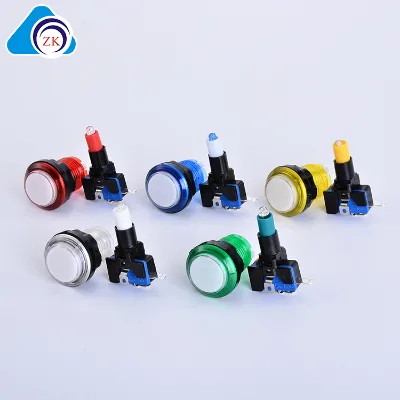
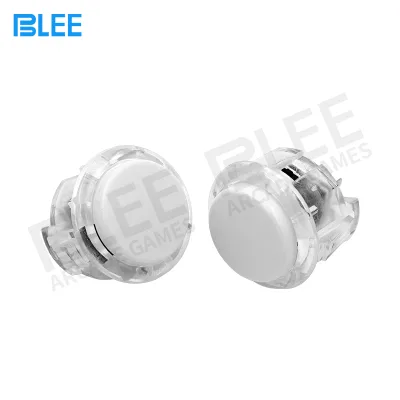
Factory Direct Push Button Kit Push Button Switch Usb,Transparent Arcade Button
$0.2799 - $0.2904
MOQ: 100 pieces
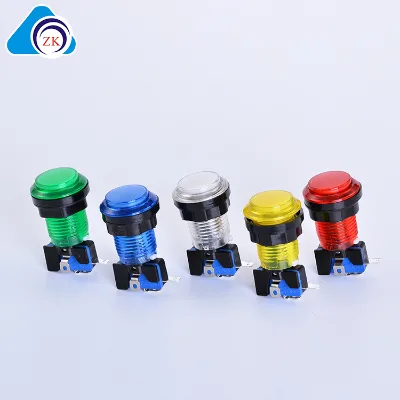
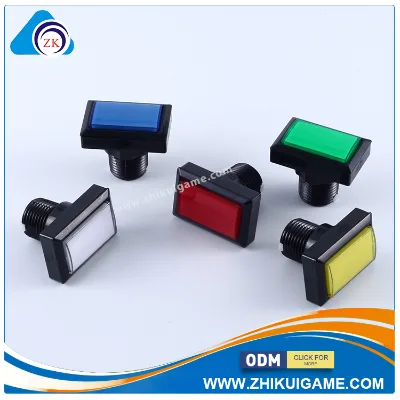
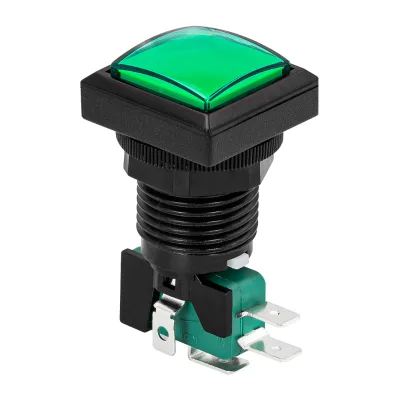
High Quality Arcade Pushbutton Rectangular ,Mini Led Light Push Button Made in China
$0.4147 - $0.4446
MOQ: 100 pieces

Yueqing Bochuang Electronic Co., Ltd.
- Manufacturer, Trading Company
- Zhejiang, China
- Lead time15 days
- Avg. response≤ 7h
Main productsMetal Push Button Switch, Rocker Switch, Indicator Light
Main marketsDomestic Market(15.00%), South Asia(10.00%), Central America(10.00%), Mid East(10.00%), Southeast Asia(10.00%), Eastern Asia(5.00%), North America(5.00%), South America(5.00%), Oceania(5.00%), Western Europe(5.00%), Southern Europe(5.00%), Northern Europe(5.00%), Africa(5.00%), Eastern Europe(5.00%)

NINGBO FBELE ELECTRONICS CO., LTD.
- Trading Company
- China Zhejiang
- Lead time15 days
- Avg. response≤ 10h
Main productsSolar Cell, Buzzer, Fuse and Fuse Holder, Terminal Block, Switch, Speaker, Telephone Receiver, Siren, Rj, USB Connector
Main marketsSouth America,Southeast Asia/ Mideast,Europe

Jiangxi Nanma Electrical Co., Ltd.
- Verified by BV
- Trading Company,Manufacturer/Factory,Other
- China Jiangxi
- Lead time15 days
- Avg. response≤ 2h
Main productsMicro Switch, Limit Switch, Toggle Switch, Waterproof Switch, Foot Switch, Switch, Electrical Switch, Tact Switch, Time Relay, Rocker Switch
Main marketsSouth America,Eastern Europe,Mid East,North America,Southeast Asia,Eastern Asia,Oceania,Western Europe,Africa
Guangzhou Twinklestar Animation Technology Co., Ltd.
- Manufacturer, Trading Company
- Guangdong, China
- Lead time15 days
- Avg. response≤ 7h
Main productscoin acceptor,arcade joystick,arcade button,game board,casino parts
Main marketsSouth America(20.00%), South Asia(20.00%), Africa(10.00%), Southern Europe(5.00%), Northern Europe(5.00%), Central America(5.00%), Western Europe(5.00%), Eastern Asia(5.00%), Mid East(5.00%), Oceania(5.00%), Eastern Europe(5.00%), Domestic Market(5.00%), Southeast Asia(3.00%), North America(2.00%)

Yijia Industrial Electric Co., Ltd.
- Verified by SGS
- Combined
- China Zhejiang
- Lead time15 days
- Avg. response≤ 5h
Main marketsEast Asia(Japan/ South Korea),Europe

Gaming Equipment High Light Knob Current Metal Spherical Waterproof Push Button Switch
$1.50 - $3.70
MOQ: 1 Pieces

Gaming Equipment High Current Metal Spherical Waterproof Push Button Micro Switch
$1.50 - $3.70
MOQ: 1 Pieces

Safety Certification Gaming Equipment Metal Spherical Waterproof Push Button Micro Switch
$1.50 - $3.70
MOQ: 1 Pieces

Dust-Proof Gaming Equipment High Current Metal Spherical Waterproof Push Button Micro Switch
$1.50 - $3.70
MOQ: 1 Pieces

YUEQING TONGDA WIRE ELECTRIC FACTORY
- Verified by SGS
- Combined
- China Zhejiang
- Lead time15 days
- Avg. response≤ 4h
Main productsMicro Switch
Main marketsSoutheast Asia/ Mideast,Europe,North America

YUEQING AIBEIKEN ELECTRIC CO., LTD.
- Combined
- China Zhejiang
- Lead time15 days
- Avg. response≤ 5h
Main productsPush Button Switch, Indicaor Lamp, Sensor Switch, Overload Protector, Fuse Holder, Auto Switch, Micro Switch, Terminal, Car Charger, Rocker Switch
Main marketsSouth America,Europe,North America

Guangzhou Jinxin Electronic Trade Co., Ltd.
- Manufacturer, Trading Company, Distributor/Wholesaler
- Guangdong, China
- Lead time15 days
- Avg. response≤ 12h
Main productsGift Claw Crane Machine,Game Board,Arcade Game Machine,Karting Car,Driving Game Machine
Main marketsSouth Asia(10.00%), Southern Europe(10.00%), Northern Europe(10.00%), Central America(10.00%), Western Europe(10.00%), Eastern Asia(10.00%), Mid East(10.00%), Oceania(10.00%), Southeast Asia(10.00%), Eastern Europe(10.00%), South America(10.00%), North America(10.00%)
Yueqing Daier Electron Co., Ltd.
- Manufacturer, Trading Company
- Lead time旺季: "1 - 500":7,"> 500":"To be negotiated", 淡季: "1 - 500":7,"> 500":"To be negotiated"
- Avg. response≤ 2h
Main productsPush Button Switch, Auto Switch, Indicator Light, Terminal Block, Fuse Block
Guangzhou Crazy Software Technology Co., Ltd.
- Verified by SGS
- Trading Company,Manufacturer/Factory
- China Guangdong
- Lead time15 days
- Avg. response≤ 7h
Main productsGame Machine, Fish Game Machine, Casino Slot Machine, Slot Machine, Slot Game Machine, Online Casino, Skill Game Cabinet, Gambling Products, Arcade Game Machine, Game Software
Main marketsSouth America,Eastern Europe,Mid East,North America,Southeast Asia,Eastern Asia,Oceania,Western Europe,Africa

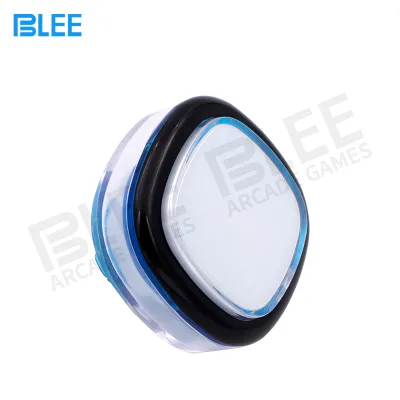
Hot Sell Arcade Machine Parts Electric Shooting Push Button with Microswitch for Fish Game Table
$0.40 - $1.00
MOQ: 1 Pieces

$0.50 - $1.00
MOQ: 1 Pieces
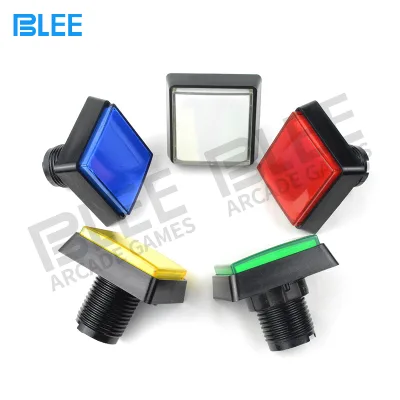
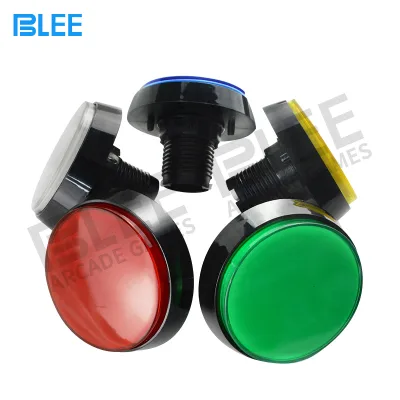
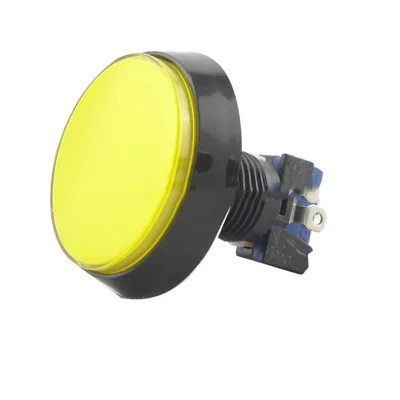
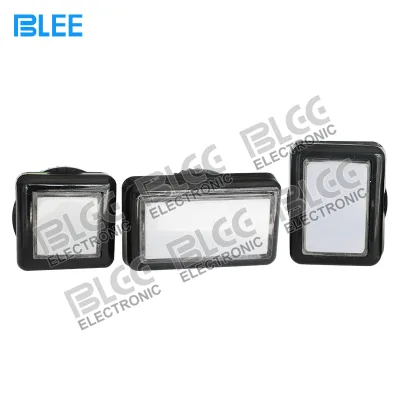
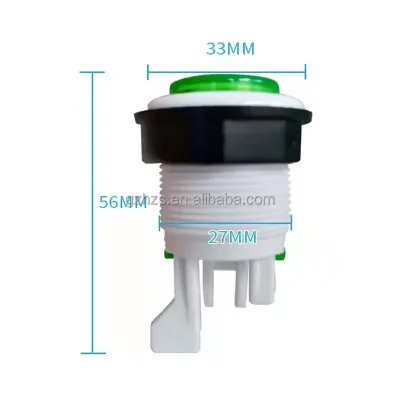


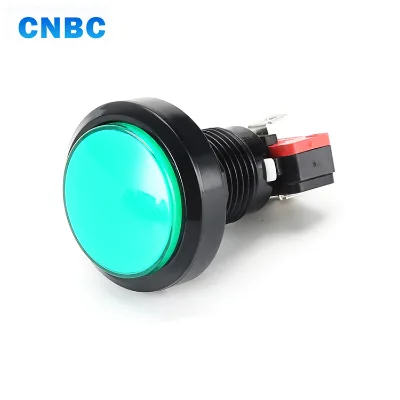
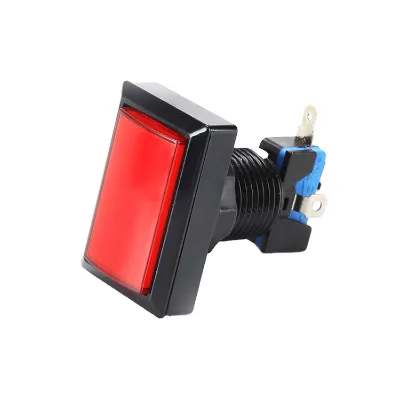
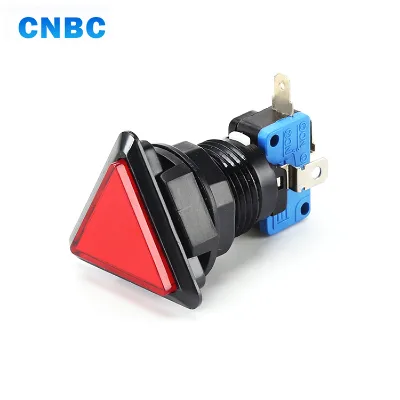


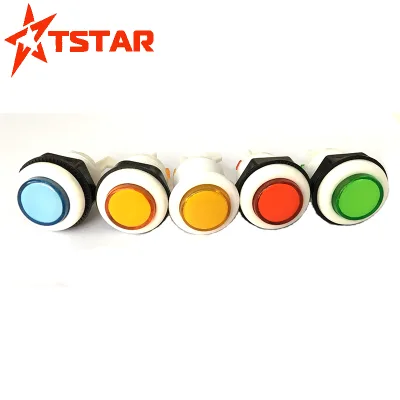
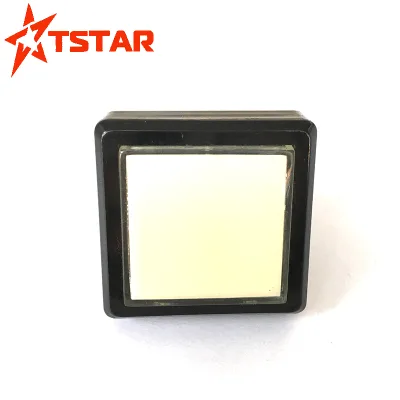


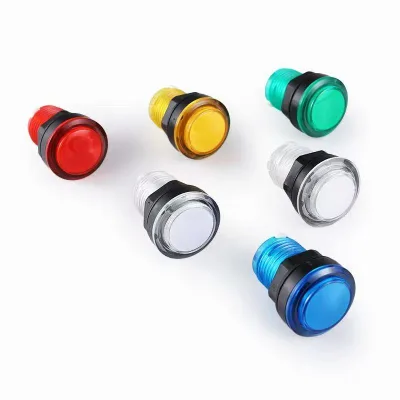
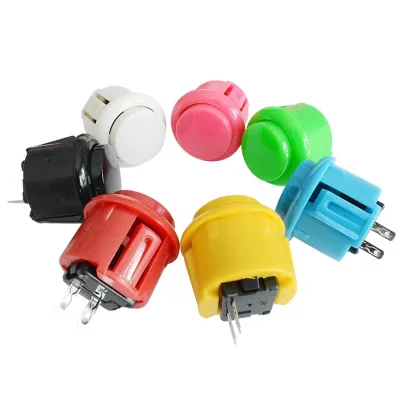
Comprehensive Sourcing Guide
Arcade Game Push Button Switch Supplier Concentration and Factory Types
The current supplier landscape for arcade game push button switches is characterized by a mix of manufacturing capabilities and trading services, primarily concentrated in Guangdong, China. This region serves as a significant hub for electronic components and amusement machine parts, offering buyers access to a dense network of potential partners. The available data indicates that suppliers in this area operate as both manufacturers and trading companies, which influences the nature of the engagement and the flexibility of the supply chain. Manufacturers typically offer direct control over production processes, allowing for deeper customization of product specifications, while trading companies may provide broader access to diverse inventory and streamlined logistics solutions. Understanding this distinction is crucial for buyers who need to balance cost efficiency with quality assurance and supply chain transparency.
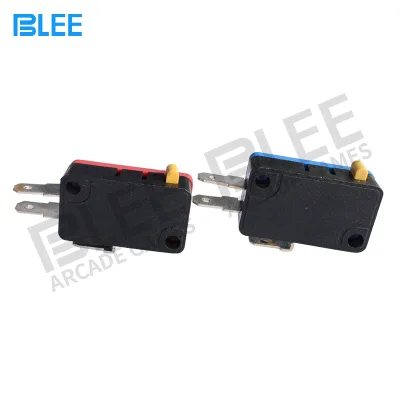
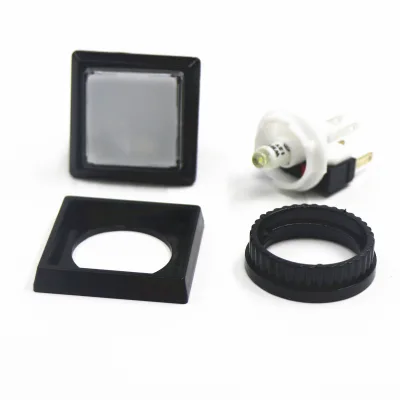
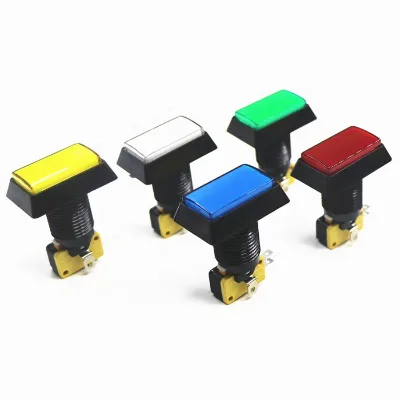
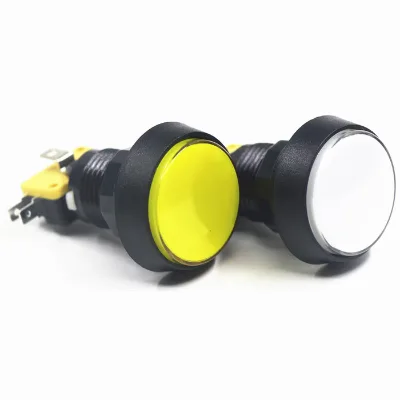
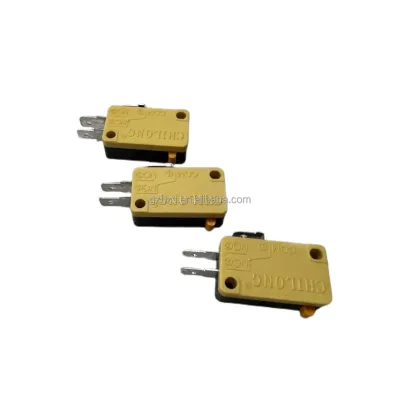
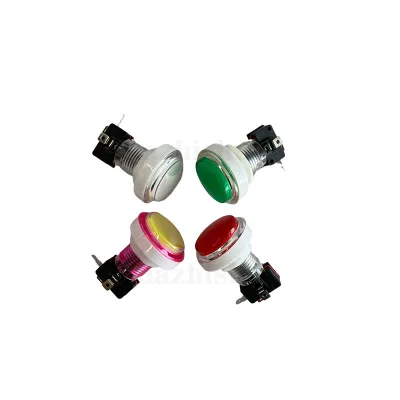
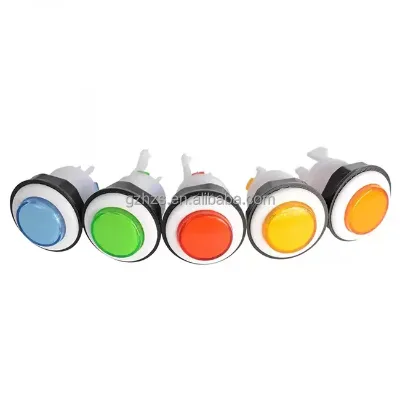
Within this concentrated cluster, the product range extends beyond simple push buttons to include related arcade machine components such as LED illuminated switches, microswitches, and interactive game equipment. Suppliers often list main products that encompass claw machines, VR game machines, and indoor playground equipment, suggesting that many vendors are integrated into the broader amusement industry ecosystem. This integration can be advantageous for buyers seeking comprehensive sourcing solutions, as it may simplify the procurement of multiple related items from a single source. However, it also requires careful evaluation to ensure that the supplier’s primary expertise aligns with the specific technical requirements of the push button switches. Buyers should verify whether the supplier’s core competency lies in the electronic or mechanical aspects of the switch, as this will impact the reliability and performance of the final product.
How to Verify Arcade Game Push Button Switch Suppliers
Verifying the credibility and capability of Arcade Game Push Button Switch suppliers requires a multi-layered approach that goes beyond basic company profiles. One critical step is to check for third-party verification badges, such as those provided by SGS Group, which indicate that the supplier has undergone independent audits of their business operations and product quality. These verifications provide a baseline level of trust, confirming that the supplier exists as a legitimate entity and adheres to certain operational standards. Additionally, buyers should examine the system certifications held by the supplier, such as CE, RoHS, FCC, ASTM F2970, and EN 1176. These certifications are not merely formalities; they demonstrate compliance with international safety and environmental regulations, which is particularly important for products intended for use in public amusement centers and by children.
Beyond certifications, buyers should assess the supplier’s responsiveness and transparency in communication. The response time is a key indicator of operational efficiency and customer service quality. A quick response time, such as within two hours, suggests a well-staffed and organized team that is ready to address inquiries and resolve issues promptly. Conversely, slower response times may indicate potential bottlenecks in communication that could delay project timelines. Buyers should also look for evidence of customization capabilities, such as graphic processing and on-demand customization services. This indicates that the supplier is flexible and willing to tailor products to specific client needs, which is often essential for branded arcade machines. Finally, checking the place of origin and brand names associated with the products can provide insights into the supplier’s market positioning and the quality of their components.
What to Compare Across Arcade Game Push Button Switch Suppliers
When evaluating multiple suppliers, buyers must compare key operational metrics to determine the best fit for their specific requirements. One of the most critical factors is the minimum order quantity (MOQ), which can vary significantly across different suppliers and product types. For instance, some suppliers may require an MOQ of 2000 pieces for standard microswitches, while others may offer lower MOQs for customized or specialized buttons. Understanding these thresholds is essential for managing inventory costs and ensuring that the order size aligns with production schedules. Additionally, buyers should compare the lead times for delivery, which can range from seven days for standard items to longer periods for customized orders. A clear understanding of lead times helps in planning production cycles and avoiding delays in the final assembly of arcade machines.
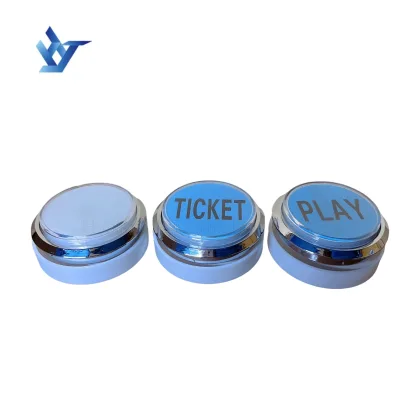
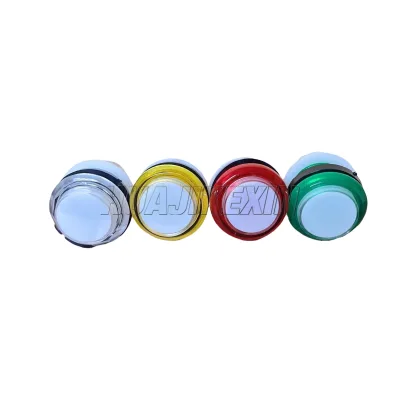
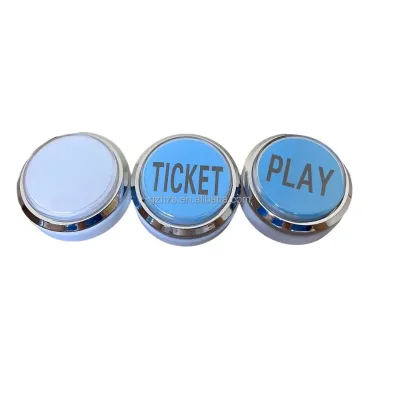
Price is another vital dimension for comparison, but it should be analyzed in conjunction with other factors such as customization options and service levels. Prices for push button switches can vary based on features like LED illumination, material quality, and diameter size. For example, basic plastic buttons may be priced lower than illuminated switches with advanced electronic components. Buyers should also consider the supplier’s quotation time, as a quick turnaround on pricing can facilitate faster decision-making. Furthermore, the availability of artwork services, such as printing letters and pictures on the buttons, adds value but may impact the overall cost and lead time. By comparing these variables across suppliers, buyers can identify the optimal balance between cost, quality, and service, ensuring that they select a partner that meets their specific business needs.
Common Arcade Game Push Button Switch Sourcing Risks
Sourcing arcade game push button switches from international suppliers introduces several risks that buyers must proactively manage. One significant risk is the potential for quality inconsistencies, particularly when dealing with suppliers who offer a wide range of products. If a supplier’s main products include diverse items like claw machines and VR game equipment, their focus on push button switches may be diluted, leading to variations in quality control. Buyers should mitigate this risk by requesting detailed product specifications and testing samples before committing to large orders. Additionally, the risk of intellectual property infringement exists, especially when customizing buttons with specific logos or designs. Buyers must ensure that their designs are protected and that the supplier adheres to strict confidentiality agreements to prevent unauthorized replication.
Another common risk is the misalignment of expectations regarding delivery times and communication. While suppliers may advertise quick response times, actual communication during the production phase can sometimes become sluggish, leading to delays. This is particularly true for customized orders that require artwork approval and multiple rounds of feedback. Buyers should establish clear communication protocols and regular check-ins to monitor progress. Furthermore, the risk of logistical disruptions cannot be ignored, especially when sourcing from regions with complex supply chains. Buyers should verify the supplier’s logistics capabilities and ensure that they have contingency plans in place for potential delays. By identifying and addressing these risks early in the sourcing process, buyers can build a more resilient and reliable supply chain for their arcade game components.
Arcade Game Push Button Switch Regional Sourcing and Logistics
The geographic concentration of suppliers in Guangdong, China, offers both advantages and challenges for international buyers. This region is well-established in the manufacturing of electronic components and amusement machine parts, providing a robust infrastructure for production and export. The proximity of suppliers to major ports and logistics hubs can facilitate faster shipping times and lower transportation costs. However, buyers must also consider the complexities of international logistics, including customs clearance, import duties, and regulatory compliance in their home countries. Understanding these logistical factors is crucial for accurate cost estimation and timely delivery. Buyers should work closely with their suppliers to ensure that all necessary documentation is prepared correctly and that shipping arrangements are optimized for efficiency.
Additionally, the regional sourcing strategy can impact the flexibility of the supply chain. Suppliers in Guangdong often have experience in exporting to various global markets, which means they are familiar with different packaging and labeling requirements. This experience can be beneficial for buyers who need to comply with specific regional standards. However, buyers should also be aware of the potential for currency fluctuations and geopolitical factors that may affect pricing and availability. By maintaining a diversified supplier base and staying informed about regional trends, buyers can mitigate these risks and ensure a stable supply of arcade game push button switches. It is also advisable to establish strong relationships with local logistics partners to handle any unexpected issues that may arise during the shipping process.
Arcade Game Push Button Switch Commercial Terms and Order Planning
Effective order planning for arcade game push button switches requires a thorough understanding of commercial terms and payment structures. Buyers should negotiate clear terms regarding pricing, payment methods, and delivery schedules to avoid misunderstandings. For instance, some suppliers may offer EX-WORK pricing, which places the responsibility for shipping and insurance on the buyer. Others may include these costs in the quoted price, providing a more predictable total cost. Understanding these terms is essential for accurate budgeting and financial planning. Additionally, buyers should clarify the artwork time and quotation time, as these can impact the overall project timeline. A supplier that provides artwork within a week and quotes within 24 hours can help accelerate the procurement process.
Furthermore, buyers should consider the implications of customization on commercial terms. Customized products often require higher MOQs and longer lead times, which can affect cash flow and inventory management. Buyers should plan their orders accordingly, ensuring that they have sufficient stock to meet demand while minimizing excess inventory. It is also important to establish clear criteria for quality acceptance and return policies in case of defects. By defining these terms upfront, buyers can protect their interests and ensure a smooth transaction process. Finally, buyers should maintain open communication with their suppliers regarding any changes in order volume or specifications, as this can help prevent disruptions and maintain a strong business relationship.
FAQs
What is the price range for arcade push buttons?
Prices for arcade push buttons typically range from $0.10 to $2.01 per unit. The cost varies based on the specific model, size, and features such as LED illumination or zero-delay switches. Buyers can find options starting at $0.10 for microswitches up to $2.01 for larger 43mm push buttons.
What certifications do these arcade buttons have?
Manufacturers of these arcade components hold CE, RoHS, FCC, ASTM F2970, and EN 1176 certifications. These standards ensure the products meet international safety and quality requirements for electronic and amusement equipment. Buyers should verify specific certification documents with suppliers to confirm compliance for their target markets.
What is the typical lead time for orders?
Lead times for arcade push button orders generally range from 7 to 18 days. Some suppliers offer delivery within 7 days after payment, while others may require up to 18 days for production and shipping. Buyers should confirm the exact timeline with the supplier based on order quantity and customization needs.
What is the minimum order quantity for these parts?
Minimum order quantities vary significantly by product type. Some microswitches require a minimum of 2000 pieces, while other arcade buttons may have an MOQ of just one set. Buyers should check the specific product listing for the exact MOQ, as it depends on whether the item is a standard part or a customized component.
Where are these arcade game parts manufactured?
These arcade game push buttons and accessories are manufactured in Guangdong, China. The region is a known hub for electronics and amusement machine components. Buyers sourcing from this location should consider logistics and shipping costs when calculating the total landed cost for their orders.
Can these arcade buttons be customized?
Customization options are available for certain arcade push button models. Some products allow for customized artwork, logos, or specific color choices, while others are sold as standard non-customized items. Buyers seeking custom designs should verify the artwork time, which can take within a week, and confirm if the supplier offers OEM or ODM services.