EO Sterilized Hips Blister Packaging Suppliers and Manufacturers
Compare 11 verified suppliers offering EO Sterilized Hips Blister Packaging with dimensions, certifications, and lead times. Review product specs like ISO13485 and response times to select the right factory for your medical packaging needs; review the available evidence before requesting comparable quotations from suitable candidates.
Suppliers List

Taicang Hexiang Packaging Materials Co., Ltd.
- Manufacturer, Trading Company
- Jiangsu, China
- Lead time24 days
- Avg. response≤ 19h
Main productsmedical instruments packaging,pharmaceutical packaging,cosmetics packaging,Maternity & Baby products packaging,electronics packaging
Main marketsSouth Asia(28.00%), North America(28.00%), South America(12.00%), Mid East(6.50%), Southern Europe(6.00%), Africa(3.00%), Domestic Market(3.00%), Southeast Asia(3.00%), Eastern Europe(2.50%), Eastern Asia(2.00%), Northern Europe(2.00%), Western Europe(2.00%), Central America(1.00%), Oceania(1.00%)

Suzhou Kaimei Packaging Materials Co., Ltd.
- Verified by TUVRHEINLAND
- Combined
- China Jiangsu
- Lead time30 days
- Avg. response≤ 14h
Main productsBlister Packging, Blister Tray, Blister Packging Tray, Syringe Plastic Blister, Drainage Needle Vacuum Packaging Box, Medical Blister Box, Electronic Plastic Packaging
Main marketsDomestic

CHINA HUAMEI MEDICAL INSTRUMENT CO., LTD.
- Combined
- China Shanghai
- Lead time38 days
- Avg. response≤ 14h
Main productsSurgical Instruments Surgical Scissors, Sterilization Pouch Bags Tyvek Pouches, Sterile Bags Pouches Medical Packaging, Medical Disposable Products, Paper Printing Label Printing, Travek Pillows Inflatable Pillows, Wrist Bands ID Bands, Medical Packaging Material, Gamma Radiation Sterilization, Ethelene Oxide Sterilization
Main marketsSoutheast Asia/ Mideast,Domestic,Europe,Australia,North America


Medical Package Blister, Plastic Blister Box, Plastic Packaging Blister
$0.10 - $1.00
MOQ: 1000 Pieces


Chung Lam Blister Company Limited
- Verified by SGS
- Combined
- China Guangdong
- Lead time30 days
- Avg. response≤ 9h
Main productsBlister Packaging, Blister Folding Boxes, Packing Box, Plastic Packing, Blister Tray, Plastic Cylinder, Plastic Shoebox, Electronic Thermoforming Packaging Products, Food Blister Packaging
Main marketsDomestic

Jinan Sheromed Import & Export Co., Ltd.
- Verified by BV
- Trading Company
- China Shandong
- Lead time23 days
- Avg. response≤ 9h
Main productsDermal Filler, Syringe Luer Lock, Hyaluronic Acid Dermal Filler, Medical Disposable Syringe, Plastic Blister, Medical Glass Bottles, Syringe and Accessories, Skin Care Products, Beauty Products, Luer Lock
Main marketsSouth America,Southeast Asia/ Mideast,East Asia(Japan/ South Korea),Europe,Australia,North America

Plastic Blister Custom Blister Packaging for Syringe Medical Grade Plastic Packaging
$1.96 - $5.80
MOQ: 1000 Pieces


Plastic Blister Custom Blister Packaging for Syringe 1ml 2ml 5ml 10ml 20ml
$1.96 - $5.80
MOQ: 1000 Pieces

Anhui JN Medical Device Co., Ltd.
- Combined
- China Anhui
- Lead time30 days
- Avg. response≤ 11h
Main productsDisposable Syringe
Main marketsAfrica,East Asia(Japan/ South Korea),Europe

Changzhou Holinx Industries Co., Ltd.
- Verified by SGS
- Combined
- China Jiangsu
- Lead time30 days
- Avg. response≤ 17h
Main productsSyringe, Infusion Set, Scalp Vein Set, Nebulizer Mask, Disposable Vaginal Dilator, Disposable Needles, Infusion Bags, Urine Bag, Latex Gloves, Zinc Oxide Adhesive Tape
Main marketsAfrica,Southeast Asia/ Mideast,Europe


Hot Selling Blister Packaging and Blister Packaging with Mounted Needle
$0.01 - $0.11
MOQ: 300000 Pieces


Shanghai Leenol Industrial Co., Ltd.
- Verified by SGS
- Trading Company,Manufacturer/Factory
- China Shanghai
- Lead time15 days
- Avg. response≤ 12h
Main productsSMT PCB Magazine Rack, ESD Workbench, ESD Box/Tray/Trolley, ESD Packing Bags, Cleanroom Products, ESD Testers, ESD PCB Trolley, Sticky Mat, ESD PVC Flooring/Tile, ESD Chairs
Main marketsSouth America,Eastern Europe,Mid East,North America,Southeast Asia,Eastern Asia,Oceania,Western Europe,Africa


MOQ: 1000 Pieces


Zibo Eastmed Healthcare Products Co., Ltd.
- Verified by SGS
- Trading Company,Manufacturer/Factory
- China Shandong
- Lead time38 days
- Avg. response≤ 15h
Main productsSyringe, Infusion Set, Disposable Syringe, Burette Set, Hypodermic Needle, Surgical Gloves, Surgical Blade, Blood Transfusion Set, Uringe Bag, Scalp Vein Set
Main marketsSouth America,Eastern Europe,Mid East,Southeast Asia,Eastern Asia,Western Europe,Africa


Eo Gas OEM/ODM PE Bag/Blister Pack, Junior Box, Shipping Carton Condom Plastic Syringe
$0.02
MOQ: 100000 Pieces


Sheenrise Medical Trade Co., Ltd.
- Verified by SGS
- Trading Company
- China Jiangsu
- Lead time45 days
- Avg. response≤ 10h
Main productsGloves, Face Mask, Syringe, Needle, Infusion Set, Cotton Roll, Cotton Ball, Gauze Roll, Gauze Ball, Tubes
Main marketsSoutheast Asia/ Mideast

Jiangsu Era Medical Products Co., Ltd
- Verified by TUVRHEINLAND
- Manufacturer
- China Jiangsu
- Lead time15 days
- Avg. response≤ 1h
Main productsRubber Bulb, Latex Bulb, Rubber Stopper, Rubber Gasket, Rubber Plug, Rubber Pad, Rubber Piston, Rubber Floater Valve, Syringe Gasket, Tube Stopper


Comprehensive Sourcing Guide
EO Sterilized Hips Blister Packaging Supplier Concentration and Factory Types
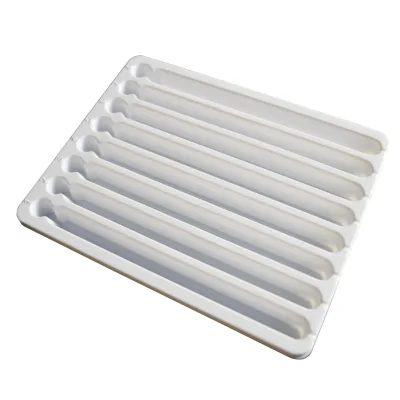
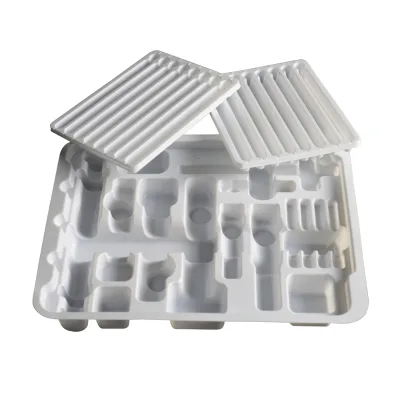
The current supplier landscape for EO Sterilized Hips Blister Packaging shows a distinct concentration in Jiangsu, China, where multiple manufacturers and trading companies operate. Evidence confirms that the primary production hubs for these specific medical packaging solutions are located within this province, offering a dense network of facilities capable of thermoforming and vacuum molding services. Buyers should prioritize regions where the supply chain for raw materials like HIPS and PETG is robust, as this proximity often correlates with faster response times and more consistent quality control. The data indicates that suppliers in this area frequently list their main products as medical instruments packaging, pharmaceutical packaging, and specifically EO sterilized blister packs, suggesting a specialized ecosystem rather than a generalist plastic manufacturing cluster.
Factory types in this sector vary between pure manufacturers and combined entities that function as both manufacturers and trading companies. The available facts reveal that some suppliers operate with a "Combined" company type, while others are strictly identified as manufacturers or trading companies. This distinction is critical for buyers because a manufacturer typically offers direct control over the molding process and material selection, whereas a trading company might aggregate products from multiple factories. When evaluating potential partners, buyers must verify if the entity listed as the supplier is the actual production facility or an intermediary. The presence of specific model numbers and brand names like Hexiang in product attributes suggests that some suppliers have established their own production lines, while others may be reselling goods from different sources.
How to Verify EO Sterilized Hips Blister Packaging Suppliers
Verification of suppliers for EO Sterilized Hips Blister Packaging requires a rigorous check of certifications and facility credentials, as the medical industry demands strict adherence to safety standards. The evidence highlights ISO13485 as a recurring system certification for products such as diagnostic reagent packaging and ear thermometer packaging, indicating that compliant suppliers maintain quality management systems specific to medical devices. Buyers should explicitly request proof of this certification and verify its validity through independent bodies, as the presence of the standard in product attributes does not guarantee the entire facility is certified. Additionally, some suppliers display verification badges from organizations like TÜV Rheinland, which serves as an external validation of their business legitimacy and operational capabilities.
Beyond certifications, buyers must assess the supplier's response time and lead time to gauge their operational reliability and communication efficiency. The observed data shows response times ranging from approximately 13.5 to 19 hours, with lead times varying between 24 and 30 days. A supplier with a longer response time or extended lead time might indicate capacity constraints or logistical bottlenecks that could delay critical medical supply chains. Buyers should also examine the "is_verified" status and check for specific product attributes like "Sample: Mold+ sample free," which demonstrates a supplier's willingness to invest in prototyping before mass production. Confirming that the supplier can provide samples and has a documented history of fulfilling orders with the specified sterilization methods is essential before committing to a large purchase.
What to Compare Across EO Sterilized Hips Blister Packaging Suppliers
When comparing suppliers, buyers should focus on key operational dimensions such as minimum order quantities, pricing structures, and production capacity to ensure alignment with their procurement needs. The data reveals significant variation in pricing, with unit costs ranging from approximately $0.59 to $1.19 depending on the specific product configuration and material thickness. Minimum order quantities are also a critical differentiator, with some suppliers requiring orders as high as 10,000 pieces, which may be prohibitive for smaller medical device startups. Buyers must calculate the total cost of ownership, including the impact of high MOQs on inventory holding costs, and compare this against suppliers who might offer more flexible ordering terms or lower price points for smaller batches.
Production capacity and technical specifications are equally vital factors in the comparison process, as they determine the supplier's ability to scale with demand. Evidence shows that many suppliers claim a production capacity of 500,000 pieces per month, yet the actual output may vary based on the complexity of the thermoforming process and the specific model number required. Buyers should compare the technical details provided, such as thickness ranging from 0.8mm to 1.5mm, and ensure the supplier can meet the exact dimensional requirements for their specific medical device. Additionally, the availability of customization options, such as color variations or specific surface treatments, should be evaluated to ensure the packaging meets branding and functional requirements.
Common EO Sterilized Hips Blister Packaging Sourcing Risks
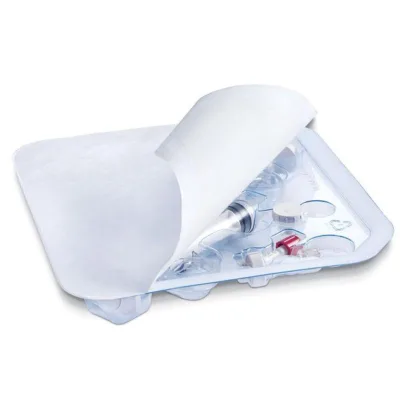
One of the primary risks in sourcing EO Sterilized Hips Blister Packaging is the potential mismatch between claimed sterilization capabilities and actual facility practices. While product attributes frequently list "EO sterilization" as a feature, buyers must verify that the supplier has the specific equipment and validated processes to perform ethylene oxide sterilization without compromising the integrity of the HIPS material. Inadequate sterilization can lead to product contamination or material degradation, posing significant safety risks for medical applications. Buyers should request detailed sterilization validation reports and ensure that the supplier's process aligns with international medical device regulations to mitigate the risk of non-compliance.
Another significant risk involves the reliability of the supply chain regarding lead times and material consistency. The observed lead times of 24 to 30 days can be extended by unforeseen delays in raw material procurement or production scheduling, particularly if the supplier is a trading company rather than a direct manufacturer. Buyers must assess the supplier's ability to maintain consistent quality across large production runs, as variations in thickness or molding precision can render the packaging unusable for automated filling lines. Furthermore, the reliance on a single supplier in a specific region like Jiangsu creates a concentration risk, where local disruptions could halt the entire supply chain, necessitating a diversified sourcing strategy.
EO Sterilized Hips Blister Packaging Regional Sourcing and Logistics
Sourcing from the Jiangsu region in China offers logistical advantages due to the established infrastructure for medical packaging manufacturing, but buyers must carefully plan for international shipping complexities. The concentration of suppliers in this area suggests a mature ecosystem with access to specialized logistics providers familiar with medical device exports. However, buyers should verify the specific shipping terms and Incoterms offered by each supplier, as these will dictate who bears the cost and risk of transit. The proximity of the factories to major ports in the region can reduce inland transportation costs, but buyers must account for potential delays in customs clearance and the specific documentation required for medical products entering their destination country.
Logistics planning also involves considering the impact of packaging dimensions and weight on shipping efficiency. Product attributes indicate that sizes can vary significantly, from compact diagnostic vial packs to larger catheter packaging sets, which affects how many units fit into a standard shipping container. Buyers should calculate the volumetric weight of their orders to optimize container utilization and reduce freight costs. Additionally, the need for sterile packaging often requires specific handling during transit to prevent damage to the seal integrity. Buyers must ensure that the supplier's packaging methods, such as the use of plastic bags and cartons, are robust enough to protect the sterile barrier during long-distance shipping and storage.
EO Sterilized Hips Blister Packaging Commercial Terms and Order Planning
Commercial terms for EO Sterilized Hips Blister Packaging often include specific requirements regarding payment security and sample approval processes. Evidence suggests that some suppliers offer free samples with mold costs, which can be a valuable tool for buyers to validate product quality before placing a large order. Buyers should negotiate clear terms for sample approval, ensuring that the final production batch matches the approved sample in terms of dimensions, color, and sterilization efficacy. Payment terms should be structured to protect the buyer's interests, potentially utilizing escrow services or letters of credit to mitigate the risk of non-delivery or quality disputes, especially when dealing with high-value medical packaging orders.
Order planning must account for the lead times and production capacities observed in the supplier data to ensure timely delivery for medical device launches. With lead times ranging from 24 to 30 days and production capacities of up to 500,000 pieces per month, buyers should place orders well in advance of their required delivery dates to accommodate any potential delays. It is also crucial to plan for the MOQ constraints, as ordering below the minimum threshold may result in higher unit costs or refusal of the order. Buyers should develop a flexible ordering schedule that allows for adjustments based on demand fluctuations while maintaining a buffer stock to prevent supply chain interruptions in the critical medical sector.
FAQs
What is the minimum order quantity for EO Sterilized Hips Blister Packaging?
The minimum order quantity is 10,000 pieces for EO Sterilized Hips Blister Packaging. This threshold applies to standard thermoformed medical vials and diagnostic reagent containers. Buyers should confirm if bulk discounts apply for orders exceeding this baseline quantity significantly.
How long does it take to receive EO Sterilized Hips Blister Packaging orders?
Lead times for these orders typically range from 24 to 30 days depending on the specific product configuration. Some suppliers offer a 24-day turnaround for standard models while others may require up to 30 days for customized dimensions. Production capacity supports 500,000 pieces monthly.
Are EO Sterilized Hips Blister Packaging products ISO 13485 certified?
Yes, many EO Sterilized Hips Blister Packaging options carry ISO 13485 system certification. This standard ensures quality management for medical device packaging. Buyers should verify specific product listings to confirm the certification status matches their regulatory requirements before placing an order.
What is the price range for EO Sterilized Hips Blister Packaging?
Prices for EO Sterilized Hips Blister Packaging generally fall between 0.59 and 1.19 USD per unit. The exact cost depends on thickness, size, and customization levels. Thinner 0.8mm variants often cost less than thicker 1.5mm options used for heavy-duty medical instrument protection.
Where are manufacturers of EO Sterilized Hips Blister Packaging located?
Manufacturers of EO Sterilized Hips Blister Packaging are primarily located in Jiangsu, China. This region hosts both manufacturers and trading companies specializing in medical instrument packaging. Buyers can expect products to originate from this specific province when sourcing these specific plastic packaging solutions.
What materials are used for EO Sterilized Hips Blister Packaging?
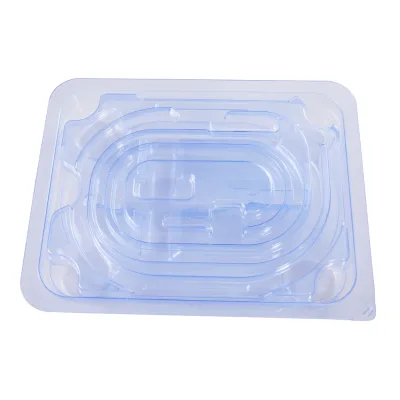
EO Sterilized Hips Blister Packaging is commonly made from Polystyrene (PS) or High Impact Polystyrene (HIPS). Some variants also utilize PETG for enhanced transparency. These materials undergo thermoforming processes to create sterile, moisture-proof containers suitable for diagnostic reagents and medical devices.
Can EO Sterilized Hips Blister Packaging be customized for specific sizes?
Yes, EO Sterilized Hips Blister Packaging can be customized to specific sizes like 125x85x8mm or 320x220x30mm. Suppliers accept custom orders for dimensions and colors such as white or blue. Buyers should provide exact specifications to ensure the thermoformed trays fit their specific medical device requirements.