Epoxy Surfboard Suppliers and Manufacturers in China
Compare 26 Epoxy Surfboard suppliers by location, lead time, and response time. Verify certifications and MOQs for custom EPS or PU boards. Contact verified factories in Guangdong and Zhejiang to request quotes; review the available evidence before requesting comparable quotations from suitable candidates.
Suppliers List

Shenzhen Sunrise International Ltd.
- Trading Company
- China Guangdong
- Lead time23 days
- Avg. response≤ 10h
Main productsSurfboard, Sup Boards, Paddles, Traction Pad, Surfboard Leash, Surfboard Fin
Main marketsSouth America,Southeast Asia/ Mideast,East Asia(Japan/ South Korea),Domestic,Europe,Australia,North America
- Verified by Intertek
- Manufacturer, Trading Company
- Lead time30 days
- Avg. response≤ 7h
Main productsSurfboard Leash, Surfboard Fins, Surfboard Pad
Main marketsNorth America(35%), Oceania(25%), Western Europe(25%)
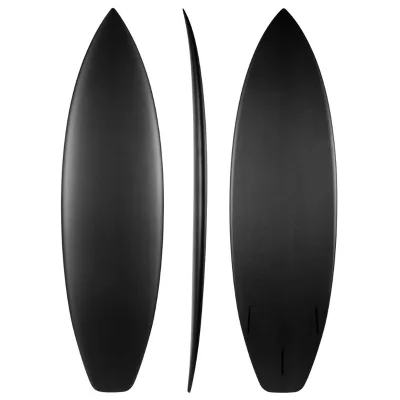
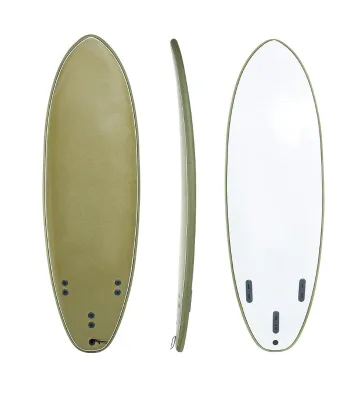
Popular Shape Coloful Cheap Epoxy Surfboard Epoxy SUP Boards Surfboards
$169.00 - $200.00
MOQ: 1 pieces
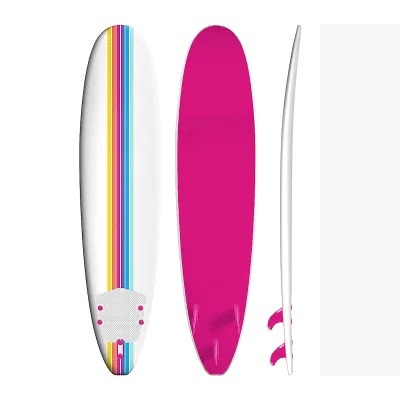
OEM Customize Logo EPS Epoxy Surfboards Epoxy SUP Boards Surfboard With Surf Fins
$180.00 - $210.00
MOQ: 1 pieces
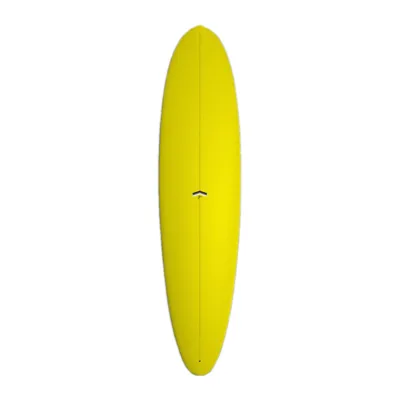
Multicolor Professional Yellow Longboard Epoxy Water Sports Epoxy Surfboard Longboard
$151.86 - $202.82
MOQ: 1 cases
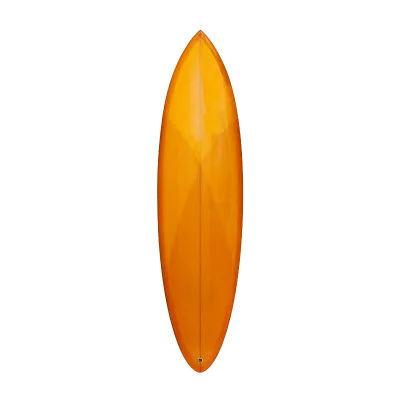
Wholesale Surfboard Sea Water Sports Epoxy Surfboard Stinger Fish Surfboard
$173.80 - $205.68
MOQ: 1 pieces
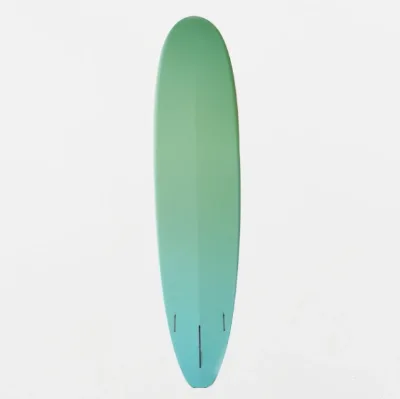
Epoxy Surfboard Colorful Board Middle Length Fiberglass Eps Core Good Sale Beach Sports
$185.00 - $199.00
MOQ: 1 pieces
Huizhou Longguan Sports Equipment Co., Ltd.
- Manufacturer
- Guangdong, China
- Lead time30 days
- Avg. response≤ 24h
Main productssurfboard,SUP,RACEBOARD,kiteboard,skimboard
Main marketsOceania(40.00%), Western Europe(20.00%), North America(20.00%), Eastern Europe(20.00%)

Jinhua Grande Intelligent Technology Co., Ltd.
- Manufacturer, Trading Company
- Zhejiang, China
- Lead time15 days
- Avg. response≤ 14h
Main productsSurfboard, Electric Jet Surfboard, E Foil Board, Paddle Board, Foil Board
Main marketsNorth America(20.00%), South America(20.00%), Eastern Europe(15.00%), Western Europe(10.00%), Southern Europe(10.00%), Northern Europe(10.00%), Domestic Market(10.00%), Mid East(5.00%)
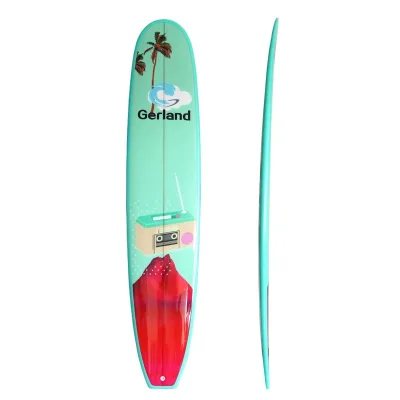
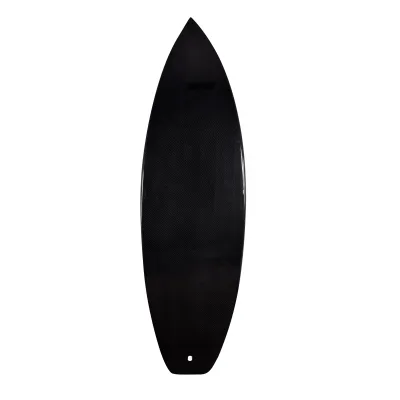
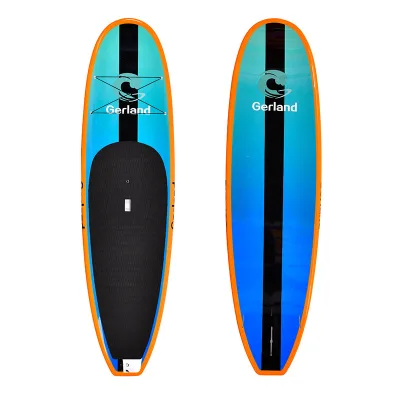
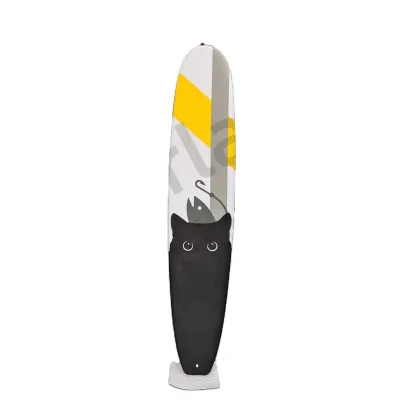
Customized EPS Epoxy Resin Surf Board Longboard Soft Surfboards Soft Top Surfing Board
$338.67 - $368.43
MOQ: 1 pieces
$307.24 - $358.45
MOQ: 1 pieces

$339.84 - $369.71
MOQ: 1 pieces
Huizhou Chunshan Sporting Goods Co., Ltd.
- Manufacturer
- Guangdong, China
- Lead time0 days
- Avg. response≤ 8h
Main productsSurfboard
Main marketsNorth America(40.00%), Eastern Asia(40.00%), Oceania(10.00%), Domestic Market(10.00%)
Jinhua Haishang Sport Equipment Co., Ltd.
- Manufacturer, Trading Company
- Zhejiang, China
- Lead time25 days
- Avg. response≤ 5h
Main productsFour wheel all terrain scooter,mobility scooter,disabled electric scooter,electric vehicle,off road electric bike
Main marketsNorth America(40.00%), South America(20.00%), Western Europe(10.00%), Mid East(10.00%), Southeast Asia(5.00%), Eastern Asia(5.00%), Eastern Europe(5.00%), Africa(5.00%)
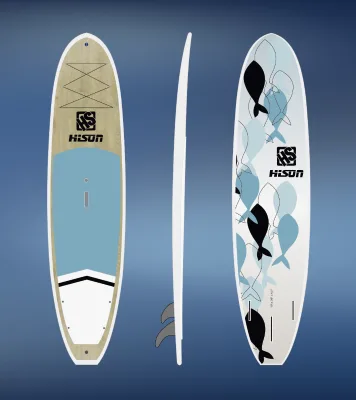
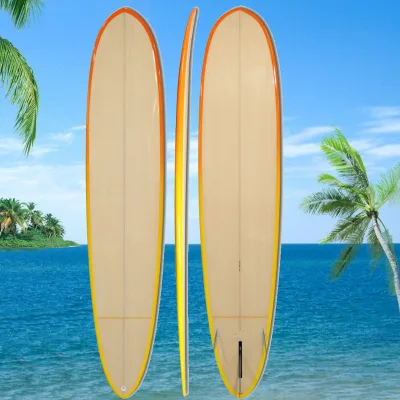
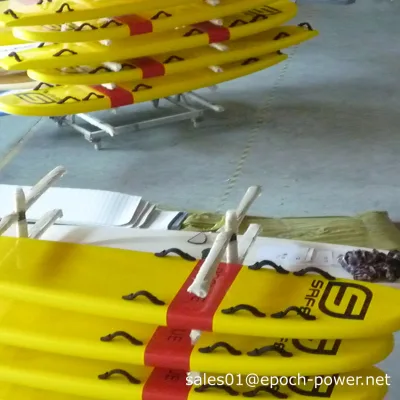
Epoxy Fiberglass SUP Board/cardon Stand up Surfboard/painting Paddle Board
$371.25 - $391.59
MOQ: 100 pieces
Henan Cuiang Construction Engineering Co., Ltd.
- Trading Company
- Henan, China
- Lead time15 days
- Avg. response≤ 2h
Main productsInflatable Pool,Frame Pool,Pvc Swimming Rings,boats,water parks
Main marketsDomestic Market(9.00%), South Asia(8.00%), Southern Europe(8.00%), Africa(8.00%), Southeast Asia(8.00%), Northern Europe(8.00%), North America(8.00%), Western Europe(7.00%), South America(7.00%), Mid East(6.00%), Oceania(6.00%), Eastern Europe(6.00%), Central America(6.00%), Eastern Asia(5.00%)
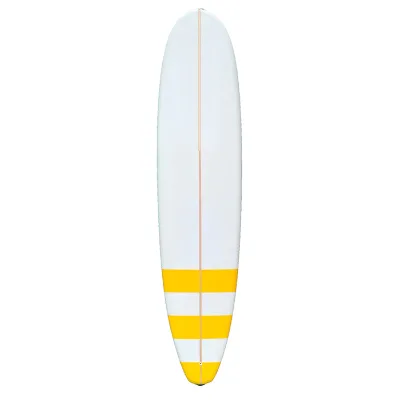
All Sizes Epoxy Surfboard Fiberglass Stand up SUP Longboard Wave Surfing Surfboards
$202.41 - $253.26
MOQ: 1 cases
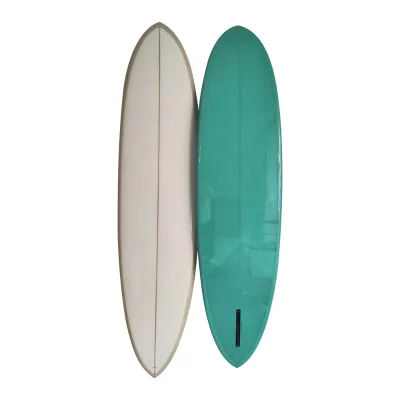
$115.00 - $150.00
MOQ: 1 pieces
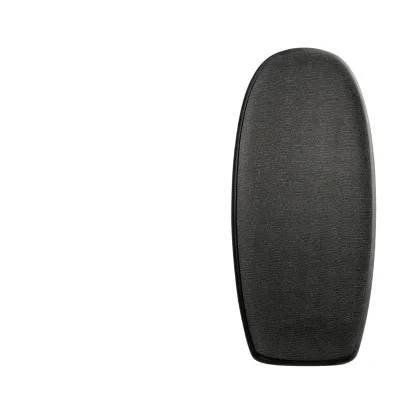

Guangdong Crekoat New Materials Co., Ltd.
- Manufacturer/Factory
- China Guangdong
- Lead time15 days
- Avg. response≤ 4h
Main productsEpoxy Resin, Epoxy Floor Coating, Metallic Epoxy Floor, Epoxy Flake Coating, Clear Epoxy Resin, Concrete Floor Grinder, Floor Grinding Machine, UV Epoxy Resin, Epoxy Flakes, Epoxy Resin Pigments
Main marketsSouth America,Eastern Europe,Mid East,North America,Southeast Asia,Western Europe,Africa

Weihai Blue Bay Outdoor Product Co., Ltd.
- Verified by TUVRHEINLAND
- Combined
- China Shandong
- Lead time15 days
- Avg. response≤ 16h
Main productsGymnastic Mat, Inflatable Air Track, Inflatable Sup
Main marketsEurope,North America

Wholesale Epoxy Soft Top Inflatable Sup Stand up Paddle Board Surfboard
$59.00 - $126.00
MOQ: 1 Pieces

2024 Quashley Wholesale Custom Epoxy Inflatable Sup Paddle Board Surf Sup Boards
$137.00
MOQ: 1 Pieces
Hangzhou Sunshine International Trade Co., Ltd.
- Verified by Intertek
- Manufacturer, Trading Company
- Lead time35 days
- Avg. response≤ 6h
Main productsSports Products And Accessories, Toys And Games, Outdoor And Home Decorations
Main marketsOceania(33%), North America(25%), Western Europe(23%)

Changzhou Auspicious International Trade Co., Ltd.
- Trading Company
- China Jiangsu
- Lead time15 days
- Avg. response≤ 20h
Main productsSecond-Hand Rapier Loom, Weaving Machine, Second-Hand Air Jet Loom, Cutting Machine, Used High-Speed Rapier Loom, Shearing Machine, Water Jet Loom, Second-Hand Textile Machinery, Used Knitting Machine, Stepper Motor
Main marketsSoutheast Asia,Africa


Can Be Customized Cost-Effective Surfboard Manufacturers Direct Sales
$115.00 - $125.00
MOQ: 1000 Pieces

Anhui Yuhuan Intelligent Manufacturing Group Co., Ltd.
- Verified by SGS
- Combined
- China Anhui
- Lead time15 days
- Avg. response≤ 2h
Main productsEfoil Surfboard, Electric Surfboard, Motorized Surfboard, Hydrofoil Surfboard, Jet Surfboard, Efoil, Jet Ski Accessories, Kart Boat, Mini Jet Boat
Main marketsSoutheast Asia/ Mideast,Europe,Australia,North America

Different Color Motorized Efoil Surfboard with 50ah Battery Electric Surfboard
$1250.00 - $3299.00
MOQ: 2 pieces


New Fashion Customized Efoil Surfboard Carbon Fiber Electric Surfboard with Propeller
$2699.00 - $3299.00
MOQ: 2 sets


8kw Customized Efoil Surfboard OEM ODM Acceptable Offshore Watersports
$2980.00 - $3499.00
MOQ: 1 Pieces
Zhoushan Jiali Sports Instruments Co., Ltd.
- Manufacturer, Trading Company
- Zhejiang, China
- Lead time30 days
- Avg. response≤ 12h
Main productsbodyboard,body boards,surfboard,surfboards,board for surfing
Main marketsNorth America(40.00%), Oceania(40.00%), Domestic Market(10.00%), Southern Europe(7.00%), South America(2.00%), Western Europe(1.00%)

- Trading Company,Manufacturer/Factory
- China Chongqing
- Lead time15 days
- Avg. response≤ 23h
Main productsLifeboat and Davits, Free Fall Life Boat, Enclosed Lifeboat, Fast Rescue Boat, Rescue Boat, Disposable Bamboo Cutlery Set, Paper Pulp Tablewares, Disposable Tableware, Biodegradable Bamboo Tableware, Sugarcane Food Container
Main marketsSouth America,Eastern Europe,Mid East,North America,Southeast Asia,Eastern Asia,Oceania,Western Europe,Africa

$6794.00 - $6900.00
MOQ: 1 Pieces

High Mechanical Strength Surfboard 6.2-Inch Electric Surf Skateboard for Adult
$6794.00 - $6900.00
MOQ: 1 Pieces

$6794.00 - $6900.00
MOQ: 1 Pieces

Weihai Hi Wobang Yacht Co., Ltd.
- Verified by SGS
- Manufacturer/Factory
- China Shandong
- Lead time23 days
- Avg. response≤ 17h
Main productsInflatable Boat, Air Track, Inflatable Toy, Kayak, Surfboard, Sup, Air Bed, Inflatable Paddle Board, Inflatable Sup, Tent
Main marketsSouth America,Eastern Europe,Mid East,North America,Eastern Asia,Western Europe

Sanhe City Guiyuxing Sporting Goods Co., Ltd.
- Verified by TUVRHEINLAND
- Combined
- China Hebei
- Lead time15 days
- Avg. response≤ 1h
Main productsFitness Equipment, Outdoor Fitness Equipment, Outdoor Fitness, Rock Climbing Treadwalls, Outdoor Playground Equipment, Outdoor Gym, Outdoor Sports Equipment, Outdoor Fitness Goods, Park Bench, Playground
Main marketsAfrica,Southeast Asia/ Mideast,Domestic,Europe

Wuxi Yaowei Technology Co., Ltd.
- Trading Company,Manufacturer/Factory
- China Jiangsu
- Lead time45 days
- Avg. response≤ 2h
Main productsBass Boat, Yacht, Fishing Boat, Pontoon Boat, PE Boat, Jet Car, Jet Ski, Speed Boat, Surfboard, Boat
Main marketsSouth America,Eastern Europe,Mid East,North America,Southeast Asia,Eastern Asia,Oceania,Western Europe,Africa

PIN INTERNATIONAL (NINGBO) LTD.
- Verified by TUVRHEINLAND
- Manufacturer/Factory
- China Zhejiang
- Lead time90 days
- Avg. response≤ 4h
Main productsWooden Toys Kids Toys Educational Toys, Arts and Crafts, Stem Toys, DIY Products, Subscription Box for Kids
Main marketsSouth America,Eastern Europe,North America,Eastern Asia,Western Europe

Changsha Ido Leisure Industry Co., Ltd.
- Verified by SGS
- Manufacturer/Factory
- China Hunan
- Lead time0 days
- Avg. response≤ 4h
Main productsHanging Chair and Hammock Stand, Leisure Table and Chair, Camping Gear Tent, Fishing Supplies, Leisure Chair and Table, Pavilion, Fire Pit, Parasol, Sporting Supplies, Outdoor Furniture
Main marketsNorth America,Western Europe

Surfing on The Sea - Sup Board - Stand-up EPS Water Sports Equipment - Surfboard
$250.00 - $540.00
MOQ: 100 Pieces

New Outdoor Marine EPS Foam Soft Board - Beginner Water Sports Surfboard
$140.00 - $207.00
MOQ: 100 Pieces

Weihai Rancoo Sports Goods Co., Ltd.
- Combined
- China Shandong
- Lead time23 days
- Avg. response≤ 17h
Main productsPaddle Board, Inflatable Boat, Kayak, Tent
Main marketsDomestic

The Latest Designs for High Quality Surfboards Include Accessory Surfboard
$59.00 - $79.00
MOQ: 2 Pieces


Qingdao Colton Yacht Co., Ltd.
- Trading Company
- China Shandong
- Lead time30 days
- Avg. response≤ 22h
Main productsAluminum Rib, Fiberglass Rib, Inflatable Boat, Fiberglass Boat, Aluminum Boat, Boat Accessories
Main marketsEurope,Australia,North America

Quanzhou Ruiqi Crafts Co., Ltd.
- Verified by TUVRHEINLAND
- Trading Company,Manufacturer/Factory
- China Fujian
- Lead time45 days
- Avg. response≤ 2h
Main productsBaseball Glove, Baseball, Gymnastic Air Tracks, Football, Tennis Ball, Football Net, Sport Shoes, Pitching Machine, Toys
Main marketsSouth America,Eastern Asia,Western Europe


Ultimate Surfboard for All Wave Conditions - Durable & High-Performance
$135.00 - $200.00
MOQ: 2 Pieces

- Verified by TUVRHEINLAND
- Combined
- China Guangdong
- Lead time30 days
- Avg. response≤ 6h
Main productsCustomized DC Brushless Motor, Customized BLDC, Customized Inrunner Brushless DC Motor, Customized Outrunner Brushless DC Motor, Brushless Motor, Brushless DC Motor, Boat Motor, Propulsion Brushless DC Motor, Waterproof DC Brushless Motor
Main marketsDomestic,Europe


High-Speed Electric Surfboard with One-Year Warranty and Detachable E-Foil
$3111.00 - $3788.00
MOQ: 2 Sets

High - Performance Lightweight Carbon Fiber Remote Control E - Foil Surfboard
$3288.00 - $3888.00
MOQ: 2 Sets

Shenzhen OCT Leisure Products Co., Ltd.
- Trading Company,Manufacturer/Factory,Group Corporation
- China Guangdong
- Lead time23 days
- Avg. response≤ 17h
Main productsBeach Umbrella, Bodyboard, Golf Umbrella, Folding Gazebo, Assembly Gazebo, Outdoor Umbrella, Surfboard, Skim Board, Gazebo, Boogie Board
Main marketsSouth America,Eastern Europe,Mid East,North America,Southeast Asia,Eastern Asia,Oceania,Western Europe,Africa

Jinjiang Jiayi Supply Chain Management Co., Ltd.
- Verified by BV
- Trading Company
- China Fujian
- Lead time30 days
- Avg. response≤ 1h
Main productsGift, Shoe, Garment, Machine
Main marketsDomestic
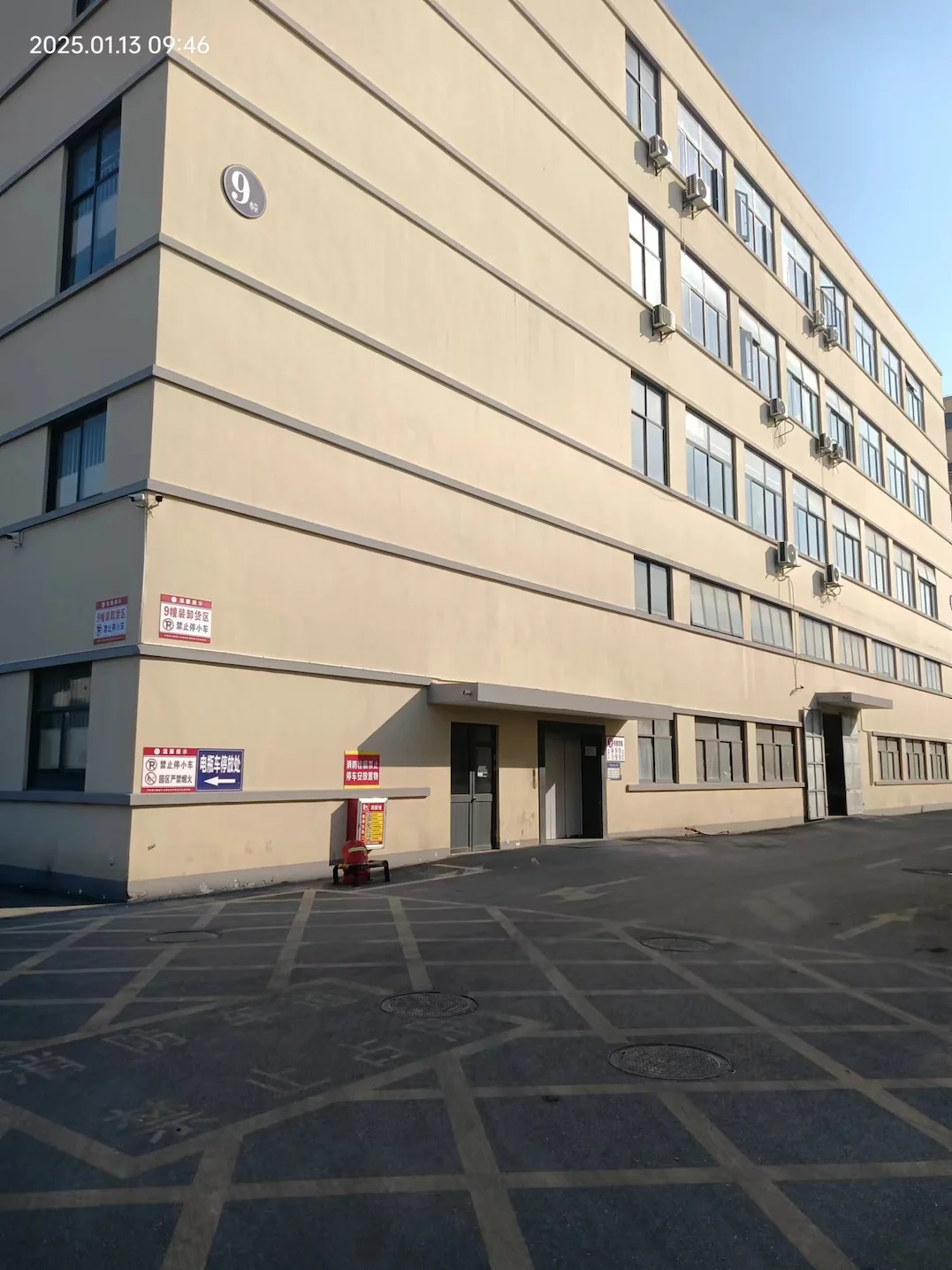
Shanghai Yipipi New Material Technology Co., Ltd.
- Trading Company
- Shanghai, China
- Lead time40 days
- Avg. response≤ 7h
Main productsEPP raw material,EPP packing,EPP toys,EPP sports entertainment
Main marketsNorth America(25.00%), Southeast Asia(20.00%), Mid East(15.00%), Domestic Market(10.00%), Oceania(10.00%), Eastern Europe(10.00%), South America(5.00%), South Asia(5.00%)




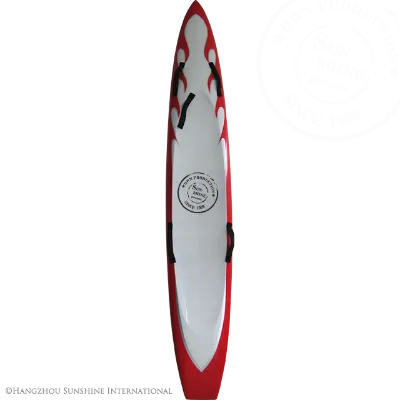
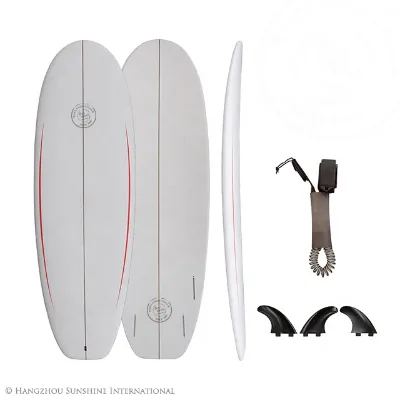
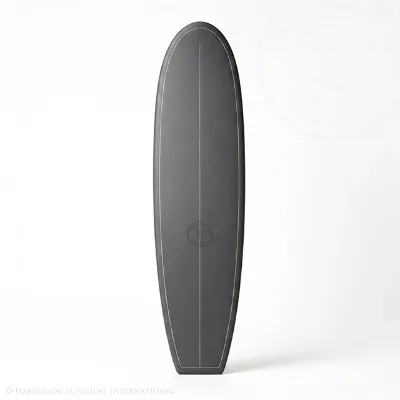
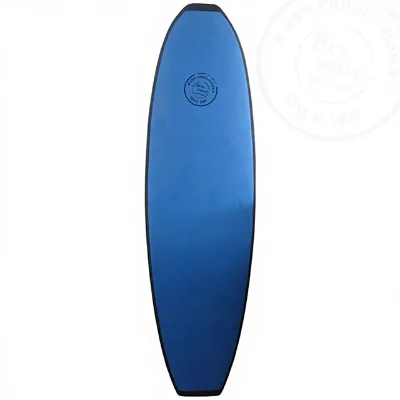


Comprehensive Sourcing Guide
Epoxy Surfboard Supplier Concentration and Factory Types
Current data indicates a concentration of Epoxy Surfboard manufacturing and trading activity within China, specifically in the Guangdong region. This area serves as a primary hub for suppliers offering a diverse range of products including custom EPS surfboards, epoxy longboards, and bamboo surf boards. The supply base includes both manufacturers and trading companies, with some entities holding Intertek verification status. Buyers should note that while Guangdong is a confirmed location for specific results, the broader market may include other regions not explicitly detailed in the current dataset. When evaluating potential partners, it is essential to distinguish between pure manufacturers and trading companies, as the latter may source from various factories while the former control the production process directly.
The product evidence reveals a mix of company types, with some suppliers listing themselves as both manufacturers and trading companies. This dual status often implies a direct relationship with production lines while maintaining a commercial sales arm. The main products observed include surfboards, paddles, traction pads, and leashes, suggesting a comprehensive supply capability for water sports equipment. Buyers must verify the specific nature of the supplier's operation to ensure alignment with their procurement strategy. If a supplier claims to be a manufacturer, they should demonstrate capacity for sample processing and graphic customization. Conversely, trading companies should be assessed on their ability to aggregate products from multiple sources efficiently. Understanding this distinction helps in predicting lead times and communication efficiency during the sourcing process.
How to Verify Epoxy Surfboard Suppliers
Verification of Epoxy Surfboard suppliers requires a rigorous check of credentials and operational capabilities. The current dataset highlights Intertek verification as a specific credential available for some suppliers, which serves as a third-party validation of business practices. Buyers should prioritize suppliers who display such certifications to mitigate risks associated with unverified entities. Beyond formal certifications, the response time is a critical metric for assessing supplier reliability. Data shows response times ranging from 7 to 9.5 hours, indicating that faster communication channels are available for urgent inquiries. A supplier with a shorter response time often demonstrates better operational readiness and customer service commitment.
In addition to response metrics, buyers must examine the supplier's capacity for customization and sample processing. Evidence indicates that many suppliers offer customized designs, OEM logo services, and specific model numbers like EPS-006 or Sr-EPS-002. This suggests a flexible production environment capable of meeting unique buyer requirements. However, the presence of customization options does not guarantee quality without further verification. Buyers should request samples to validate the finish, such as sanded or polished surfaces, and the structural integrity of the EPS foam core. It is also crucial to confirm the origin of the materials, ensuring they match the claimed specifications like fiberglass and epoxy resin combinations. Relying solely on product descriptions without physical verification can lead to discrepancies in the final delivered goods.
What to Compare Across Epoxy Surfboard Suppliers
When comparing suppliers, the primary focus should be on lead times, minimum order quantities, and pricing structures. The observed data reveals significant variation in lead times, with some suppliers offering 23 days while others require up to 30 days. This difference can impact inventory planning and market launch schedules. Similarly, minimum order quantities (MOQ) vary widely, ranging from as low as 1 piece to 50 pieces depending on the specific product model and supplier policy. Buyers must align these constraints with their order volume expectations to avoid unnecessary capital tie-up or stockouts. Pricing is another critical factor, with observed ranges spanning from $145 to $399 per unit, influenced by features like custom designs and material quality.
Beyond logistical metrics, the scope of main products and customization capabilities should be compared. Some suppliers specialize in a broad range of water sports equipment, including leashes and fins, while others focus strictly on surfboards. The ability to provide accessories like bags, leashes, and fins as part of a single order can streamline the procurement process. Additionally, the fin system options, such as single, 2/3/5 fusion, or 4future configurations, vary by supplier and product line. Buyers should assess whether the supplier can accommodate specific fin requirements for their target market. The seasonality of the product, often listed as suitable for all year-round use, should also be considered to ensure consistent demand throughout the year.
Common Epoxy Surfboard Sourcing Risks
One significant risk in sourcing epoxy surfboards is the potential mismatch between claimed product attributes and actual delivery. While product evidence lists features like anti-friction, warmth, and sunscreen properties, these claims require validation through physical inspection. Buyers must be cautious of suppliers who promise extensive customization without providing clear evidence of their design capabilities. The risk of receiving substandard materials, such as inferior epoxy resin or weak fiberglass layers, is heightened when suppliers do not provide detailed material specifications. Furthermore, the variability in finish quality, described as sanded or polished, can affect the final product's performance and aesthetic appeal.
Another risk involves the reliability of lead times and the consistency of production capacity. The data shows lead times ranging from 23 to 30 days, but these figures may fluctuate based on order volume or raw material availability. Suppliers with lower response times might be better equipped to handle urgent requests, but this does not guarantee adherence to the quoted lead time. There is also a risk associated with the "subject to final approval" pricing noted in some listings, which can lead to unexpected cost increases. Buyers should secure fixed pricing agreements before placing orders to avoid financial surprises. Additionally, the lack of standardized certifications for all suppliers means that quality assurance processes may vary significantly between vendors.
Epoxy Surfboard Regional Sourcing and Logistics
Regional sourcing strategies should account for the confirmed presence of suppliers in China, particularly in Guangdong and Zhejiang provinces. The data indicates that products originate from these regions, which influences shipping logistics and import duties. Buyers should consider the proximity of the supplier to major ports to minimize freight costs and transit times. For instance, suppliers in Guangdong may offer faster shipping to international markets compared to those in more remote areas. However, the specific location of the factory within these provinces can vary, and buyers should verify the exact origin to optimize their logistics planning. The single package size and gross weight of the products, such as 3x2x0.5 cm and 5.0 kg respectively, are critical for calculating shipping volumes and costs.
Logistics planning must also address the packaging requirements to ensure product safety during transit. Evidence suggests that boards are often bubble-wrapped with carbon strips on four sides, which provides a baseline level of protection. However, buyers should confirm if additional packaging options are available for long-distance shipping or if the standard packaging meets their specific needs. The use of ocean waters as the application area implies that the products must withstand marine conditions, which adds another layer of quality scrutiny. Buyers should also consider the impact of seasonal weather on shipping schedules, as monsoon seasons or typhoons in the region could delay deliveries. Establishing a clear communication channel with the supplier regarding potential logistical disruptions is essential for maintaining supply chain continuity.
Epoxy Surfboard Commercial Terms and Order Planning
Commercial terms for Epoxy Surfboard orders often include specific conditions regarding customization, payment, and delivery. The data shows that customization is widely available, with options for OEM logos and custom colors, but these services may come with additional costs or longer lead times. Buyers should clarify the terms for custom orders, including any minimum order quantities that might apply to personalized designs. Payment terms are not explicitly detailed in the current data, but buyers should negotiate clear terms that protect their interests, such as escrow services or milestone-based payments. The availability of escrow is a critical factor in ensuring secure transactions, especially for first-time buyers or large orders.
Order planning must account for the variability in product specifications and the need for consistent quality. With model numbers ranging from EPS-006 to Sr-EPS-001, buyers should maintain a detailed specification sheet to ensure all ordered items meet their requirements. The seasonal suitability of the products, often listed as year-round, allows for flexible inventory management, but buyers should still plan for peak demand periods. Additionally, the option for single-item selling units suggests that suppliers may accommodate small orders, which can be beneficial for testing the market. However, buyers should be aware that small orders might incur higher per-unit costs. Careful planning of order quantities and timing is essential to balance cost efficiency with market responsiveness.
FAQs
What is the price range for epoxy surfboards?
Epoxy surfboards typically cost between $145 and $399 per unit. The final price depends on the specific model, customization options, and order volume. Buyers should request a quote for exact pricing based on their design requirements and quantity needs.
What is the minimum order quantity for these boards?
Minimum order quantities vary by supplier, ranging from one piece to fifty pieces. Some manufacturers accept single units for testing, while others require bulk orders. Buyers should verify the specific MOQ with the supplier before placing an order.
How long does production take for custom orders?
Production lead times generally range from twenty-three to thirty days. This timeframe allows for material preparation, shaping, and finishing. Buyers should confirm the exact schedule with the supplier to ensure timely delivery for their specific project deadlines.
Can I customize the design and logo on the board?
Yes, customization is available for most epoxy surfboards. Buyers can choose custom colors, designs, and add their OEM logo. Suppliers offer various fin systems and sizes to meet specific performance requirements and branding needs for the final product.
Where are these surfboards manufactured?
These surfboards are primarily manufactured in China, specifically in regions like Guangdong and Zhejiang. Buyers should verify the exact place of origin with the supplier to ensure it meets their sourcing preferences and logistical requirements for shipping and import.
What materials are used in Epoxy Surfboard construction?
Epoxy surfboards typically use an EPS foam core combined with fiberglass and epoxy resin. Some models also feature PU cores or bamboo layers. These materials provide durability, buoyancy, and a lightweight feel suitable for various surfing conditions and skill levels.