European Matte Ceramic Tea Set Suppliers and Manufacturers
Explore 30 verified suppliers offering european matte ceramic tea sets with varying lead times, certifications, and MOQs. Compare response times, locations, and product attributes to find the right partner. Contact suppliers directly to request samples and confirm pricing details; review the available evidence before requesting comparable quotations from suitable candidates.
Suppliers List

- Verified by TUVRHEINLAND
- Trading Company
- China Hunan
- Lead time45 days
- Avg. response≤ 1h
Main productsCeramic Mug, Vacuum Flask, Dinner Set, Cup, Mug, Thermal Bottle, Ceramic Dinner Set, Glass Jar, Glass Cup, Wine Cup
Main marketsSoutheast Asia/ Mideast
Chaozhou Loving Home Porcelain Co., Ltd.
- Verified by Intertek
- Manufacturer, Trading Company
- Lead time60 days
- Avg. response≤ 6h
Main productsCeramic Tea Sets, Ceramic Dinnerware, Ceramic Serving Sets
Main marketsWestern Europe(26%), Eastern Europe(25%), Domestic Market(20%)
Fujian Dehua Mingshuo Ceramics Co., Ltd.
- Manufacturer, Trading Company
- Fujian, China
- Lead time15 days
- Avg. response≤ 1h
Main productsFlowerpot,Tea Set,Mug,Ceramic Ornaments,Matcha set
Main marketsNorth America(55.00000000000001%), Mid East(10.0%), South America(10.0%), Western Europe(5.0%), Eastern Europe(5.0%), Oceania(5.0%), Northern Europe(5.0%), Central America(3.0%), Southeast Asia(2.0%)
- Trading Company
- Henan, China
- Lead time15 days
- Avg. response≤ 3h
Main productsDinner set,Coffee set,Dishes Plates,Incense Burner,Tea Set
Main marketsNorth America(40.0%), Southeast Asia(35.0%), Mid East(15.0%), Northern Europe(5.0%), Eastern Asia(5.0%)
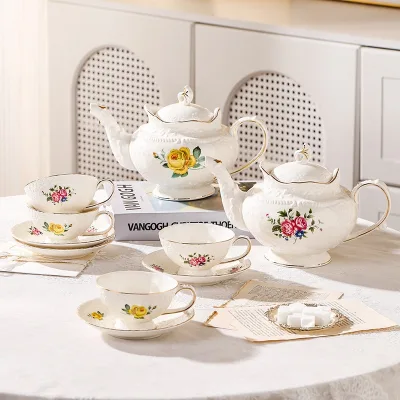
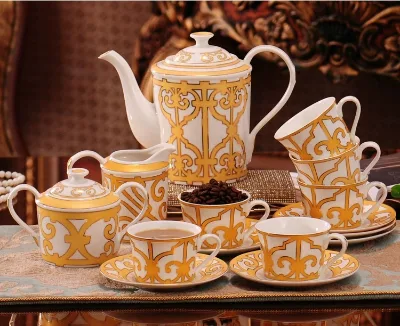
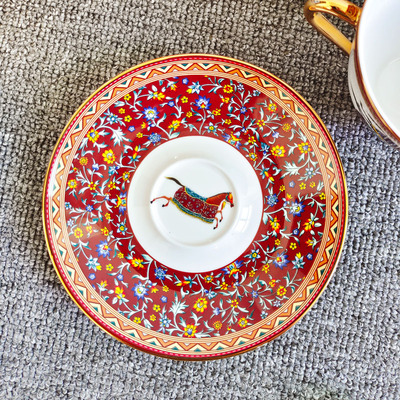
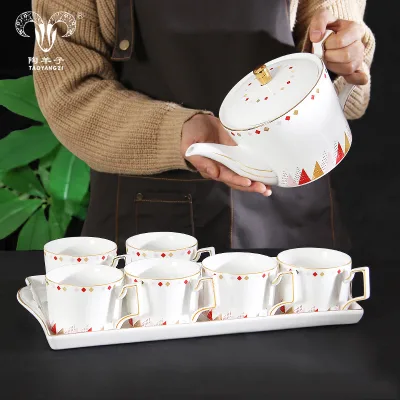
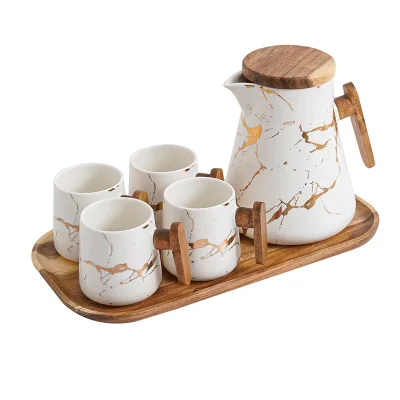
Wholesale Custom White Ceramic Coffee Set Golden Supplier Collection
$132.50 - $151.50
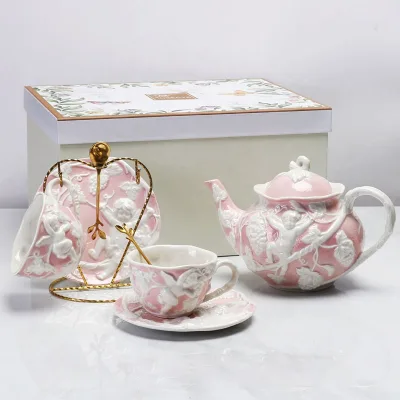
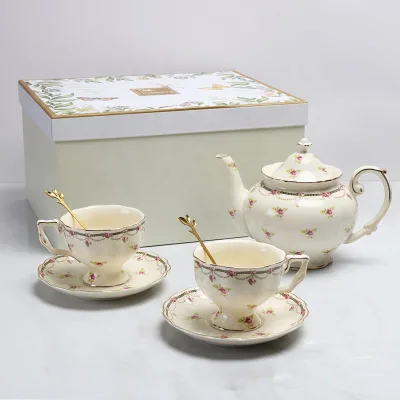
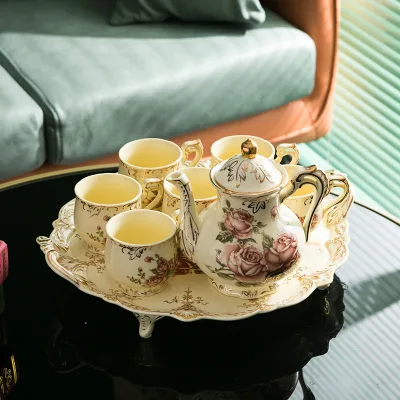
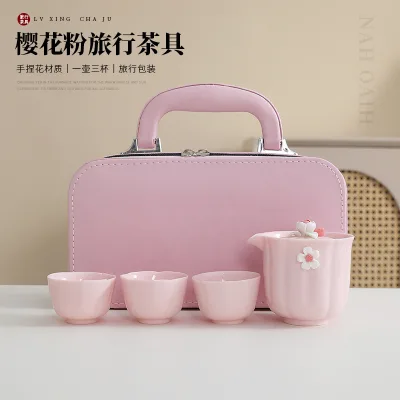
Hot Selling European Style Relief pink Ceramic Tea Set
Contact supplier

Xiamen Ebei Import & Export Co., Ltd.
- Verified by CTI
- Trading Company,Manufacturer/Factory
- China Fujian
- Lead time45 days
- Avg. response≤ 2h
Main productsEco-Friendly Products, Bamboo Tableware, Bamboo Furniture, Bamboo Kitchenware, Bamboo Office Supply, Bamboo Fibre Products, Biodegradable Products, Bamboo Towel, Solar Energy Products, Bamboo Garden Products
Main marketsSouth America,Eastern Europe,Mid East,North America,Southeast Asia,Eastern Asia,Oceania,Western Europe,Africa

- Verified by BV
- Trading Company
- China Shandong
- Lead time30 days
- Avg. response≤ 2h
Main productsCeramic Mugs, Ceramic Dinnerware, Ceramic Tea Set, Ceramic Kitchen Ware, Custom Drum Shape Ceramic Coffee Mug, 24oz Large Capacity 3D Embossed Mug, Porcelain Cappuccino Cup and Saucer, 14oz Custom Souvenirs Ceramic Mug, 12 Sets Vintage Reactive Glazed Tableware, Custom Royal White Ceramic Milk Jar
Main marketsNorth America
Xiamen Yoyo Ceramic Trading Co., Ltd.
- Manufacturer, Trading Company
- Lead time旺季: "1 - 3000":45,"> 3000":"To be negotiated", 淡季: "1 - 3000":45,"> 3000":"To be negotiated"
Main productsCandle Jar, Daily Ceramic Ware, Home Decoration, Garden Decoration, Bathroom Accessory
Foshan Ron Hospitality Supplies Co., Ltd.
- Verified by BV
- Manufacturer/Factory,Group Corporation
- China Guangdong
- Lead time45 days
- Avg. response≤ 2h
Main productsRestaurant Furniture, Restaurant Booth, Restaurant Chair, Restaurant Table, Bar Stools, Wedding Chairs, Flatware Sets, Dinnerware Sets, Garden Chairs, Disposable Dinnerware & Tableware
Main marketsSouth America,Eastern Europe,Mid East,North America,Southeast Asia,Eastern Asia,Oceania,Western Europe,Africa

Chaozhou City Cha'an District Fengtang Town Sai Si Ceramics Factory
- Verified by CTI
- Combined
- China Guangdong
- Lead time30 days
- Avg. response≤ 6h
Main productsMugs, Ceramic Tissue Boxes, Ceramic Pet Bowls, Ceramic Vases
Main marketsDomestic
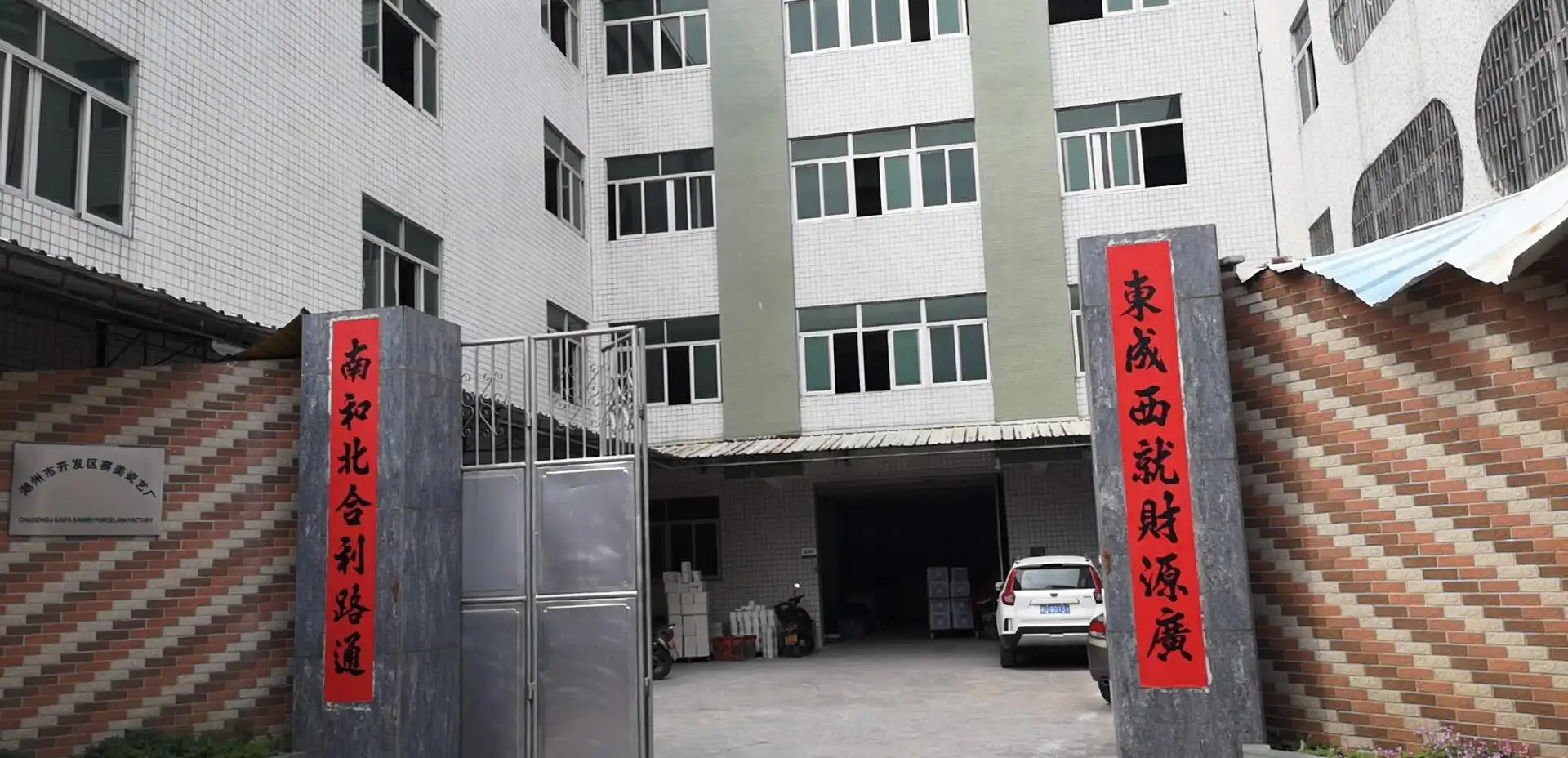
Chaozhou Kaifa Saimei Porcelain Factory
- Manufacturer, Trading Company
- Guangdong, China
- Lead time35 days
- Avg. response≤ 6h
Main productsCERAMIC DINNIER WARE,ceramic plate,ceramic cup,ceramic with wooden products,custom porcelain
Main marketsDomestic Market(30.0%), Southeast Asia(10.0%), Mid East(10.0%), South Asia(10.0%), Africa(5.0%), Eastern Asia(5.0%)
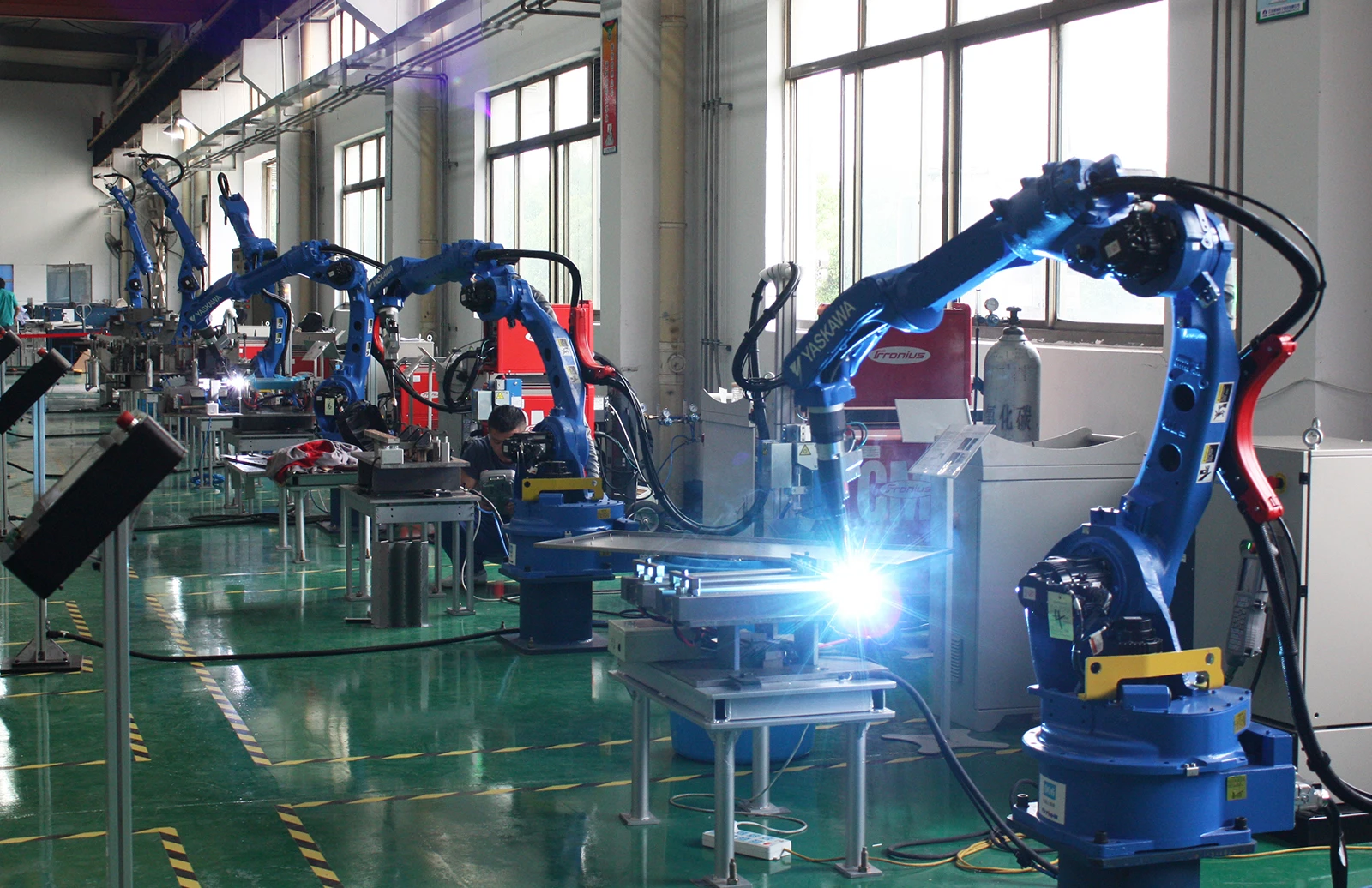
Dongguan Jinbaoma Technology Co., Ltd.
- Trading Company
- Guangdong, China
- Lead time7 days
- Avg. response≤ 2h
Main productsKitchenware,Daily necessitiess,Storage tools,Storage tools,Decorations
Main marketsSouthern Europe(50.0%), Mid East(10.0%), North America(10.0%), Eastern Asia(10.0%), South America(10.0%), Africa(5.0%), Eastern Europe(5.0%)
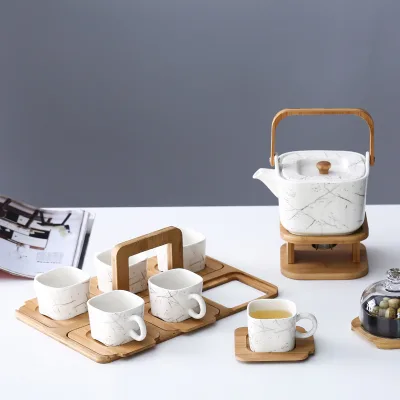
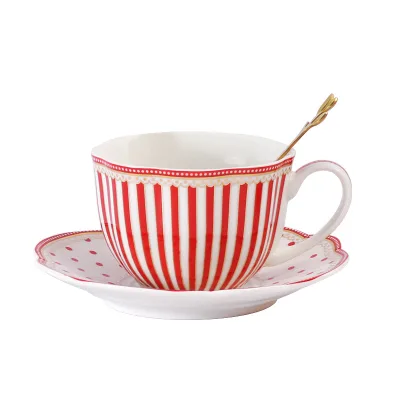
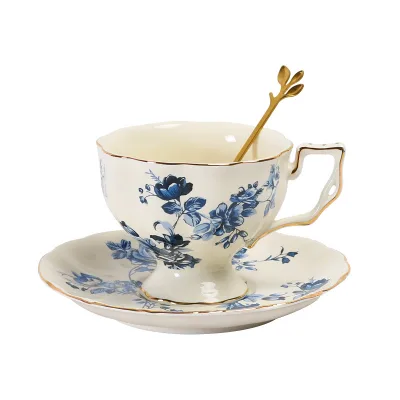
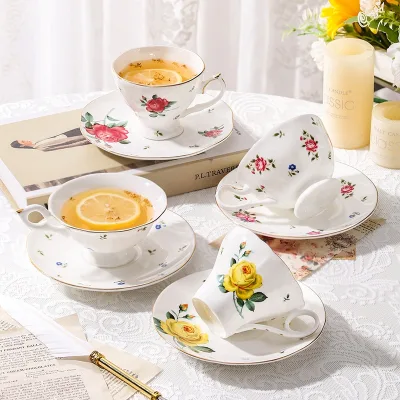
European Rose Pattern Ceramic Coffee Cup and Plate Set
Contact supplier
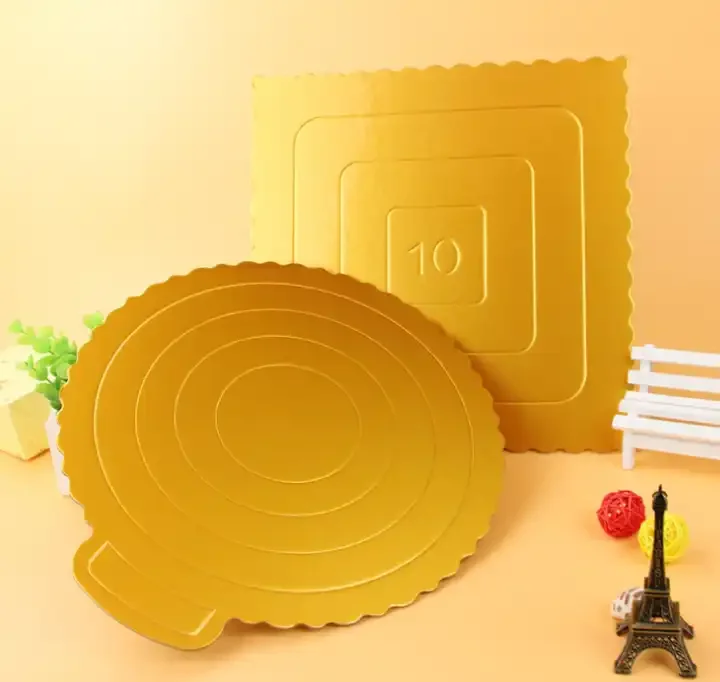
Yiwu Riyuan Goods Trading Co.,Ltd.
- Trading Company
- Zhejiang, China
- Lead time15 days
- Avg. response≤ 4h
Main productsCake Decorating Supplies,cake board,Cake topper,Cake Tools,Baking & Pastry Tools
Main marketsNorth America(20.0%), Southeast Asia(19.0%), South America(16.0%), Western Europe(12.0%), Northern Europe(5.0%), Southern Europe(5.0%), Oceania(5.0%), Eastern Europe(5.0%), Eastern Asia(3.0%), South Asia(3.0%), Africa(3.0%), Central America(2.0%), Mid East(2.0%)
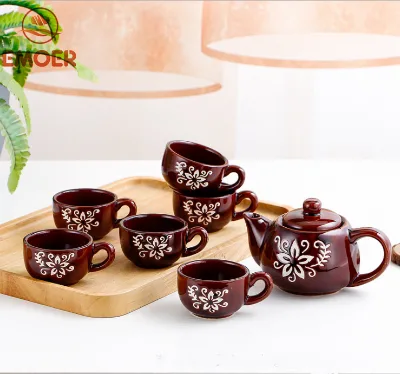
Creative Tea Set Ceramic Teacup Pot
$1.74 - $1.76
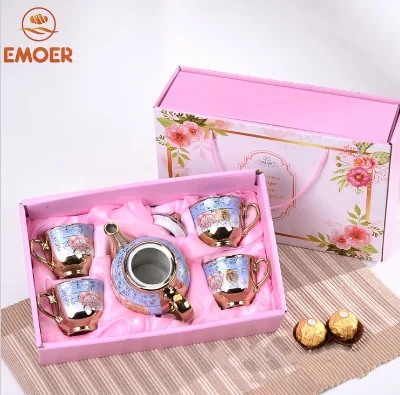
EMOER 5pcs Sets Ceramic Tea Set
$2.84 - $2.89

Xiamen Athome Household Products Co., Ltd.
- Verified by SGS
- Trading Company
- China Fujian
- Lead time30 days
- Avg. response≤ 4h
Main productsCandle Holders, Drinkware, Arts&Handcrafts & Gifts, Home Decoration, Kicthenware, Tableware
Main marketsSoutheast Asia/ Mideast,East Asia(Japan/ South Korea)
- Verified by SGS
- Trading Company
- China Zhejiang
- Lead time15 days
- Avg. response≤ 11h
Main marketsEurope
- Verified by CTI
- Combined
- China Guangdong
- Lead time45 days
- Avg. response≤ 4h
Main productsCasserole, Dish, Bowl, Mug
Main marketsEast Asia(Japan/ South Korea),Domestic,Europe,North America


Luxury European Coffee Cup and Saucer Set Small Luxury Exquisite Ceramic Tea Cup Set
$1.44 - $4.24
Moq: 500

Xiamen Yoyo Ceramic Trading Co., Ltd.
- Verified by BV
- Combined
- China Fujian
- Lead time23 days
- Avg. response≤ 9h
Main productsCeramic Mugs, Ceramic Plates, Teawares, Ceramic Canisters, Ceramic Vases, Ceramic Flower Planters, Ceramic Coin Bank, Flowerpot, Canisters, Resin Crafts
Main marketsSouth America,Africa,Southeast Asia/ Mideast,East Asia(Japan/ South Korea),Europe,Australia,North America

- Verified by BV
- Trading Company
- China Guangdong
- Lead time60 days
- Avg. response≤ 5h
Main productsCeramic Decal Mug, Ceramic Dinner Set, Ceramic Aromatherapy Bottle, Ceramic Vase
Main marketsSouth America,Southeast Asia/ Mideast,Europe,North America

Zibo Timestone International Co., Ltd.
- Manufacturer/Factory
- China Shandong
- Lead time45 days
- Avg. response≤ 14h
Main productsCeramic Dinnerware, Ceramic Mugs, Stainless Steel Bottles Mugs and Tumblers, Glass Bottles Mugs and Tumblers, Dinnerware, Tableware, Glassware, Kitchenware, Household Items, Ceramic Granding Balls and Filters
Main marketsSouth America,Eastern Europe,Mid East,North America,Southeast Asia,Eastern Asia,Oceania,Western Europe,Africa

Hebei Xingchen Glass Technology Co., Ltd.
- Verified by CTI
- Combined
- China Hebei
- Lead time30 days
- Avg. response≤ 9h
Main productsGlass Cup, French Press, Coffee Pot, Glass Jar, Teapot, Syphon Coffee Maker, Glass Cooking Pot, Glass Pitcher, Glass Straw, Glass Teacup
Main marketsSouth America,Africa,Others(foreignTradeCapacity.exportBusinessCapacityMarketOther),Southeast Asia/ Mideast,East Asia(Japan/ South Korea),Europe,Australia,North America
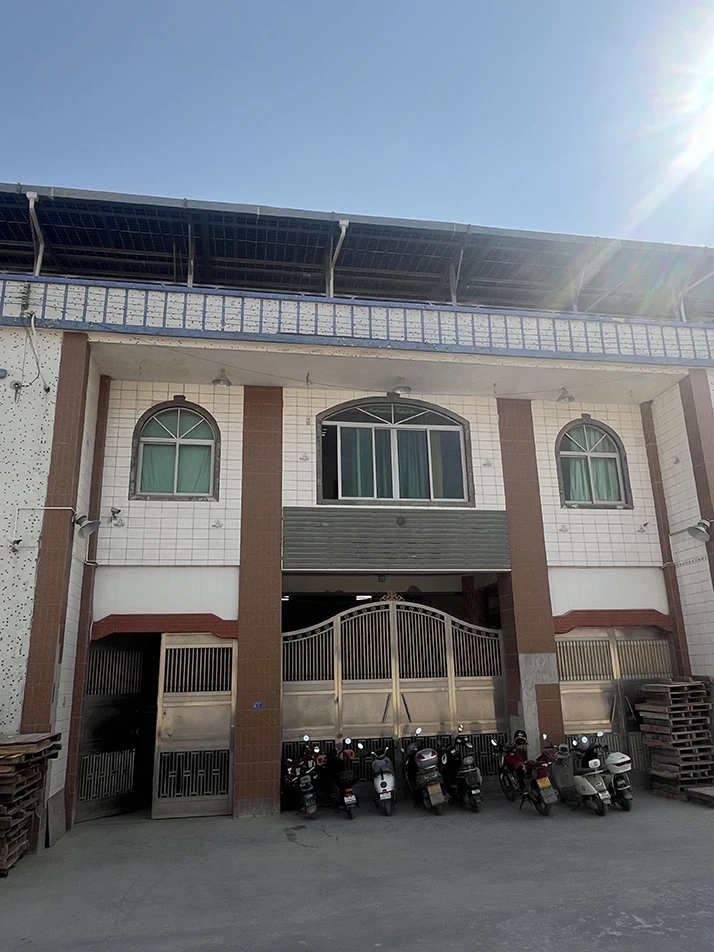
Xiamen Jozing Industrial Co., Ltd.
- Manufacturer, Trading Company
- Fujian, China
- Lead time15 days
- Avg. response≤ 2h
Main productsCeramic Sale by ton,Jozing Cheap Stock,Jozing Stock Ceramic Dinnerware Set,Ceramic Stock Tableware Sell By Ton,Cheapest Mugs Cups Stock By Ton
Main marketsNorth America(37.0%), Northern Europe(32.0%), Southeast Asia(10.0%), Oceania(8.0%), Southern Europe(6.0%), Eastern Europe(3.0%), South America(3.0%), Domestic Market(1.0%)
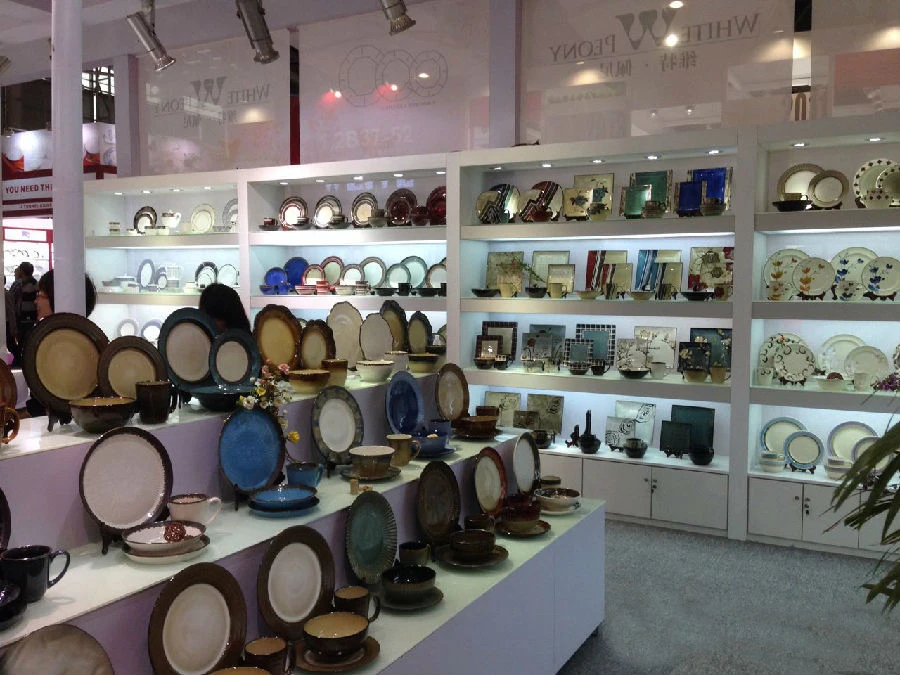
Chaozhou Sanding Pottery Co., Ltd.
- Trading Company
- Guangdong Province, China
- Lead time3 days
- Avg. response≤ 4h
Main productsPromotional Ceramic Mugs,Stainless Steel Tumblers,Enamel Mugs,Ceramic Dinner Set,Ceramic Soup Pot
Main marketsNorth America(35.0%), Mid East(10.0%), Western Europe(10.0%), Eastern Europe(10.0%), Northern Europe(10.0%), Southeast Asia(6.0%), Eastern Asia(5.0%), Southern Europe(5.0%), Oceania(3.0%), South America(2.0%), Domestic Market(1.0%), South Asia(1.0%), Africa(1.0%), Central America(1.0%)

Ningbo Maxtor Houseware Manufacturing Co., Ltd
- Trading Company
- China Zhejiang
- Lead time30 days
- Avg. response≤ 11h
Main productsAluminum Pressed Cookware, Aluminum Forged Cookware, Full Induction Cookware, Fire Pit, Tri-Ply Stainless Steel Cookware, Stone Marble Cookware, Hard Anodized Cookware, Pressure Cooker
Main marketsSouth America,Africa,Southeast Asia/ Mideast,East Asia(Japan/ South Korea),Domestic,Europe,Australia,North America
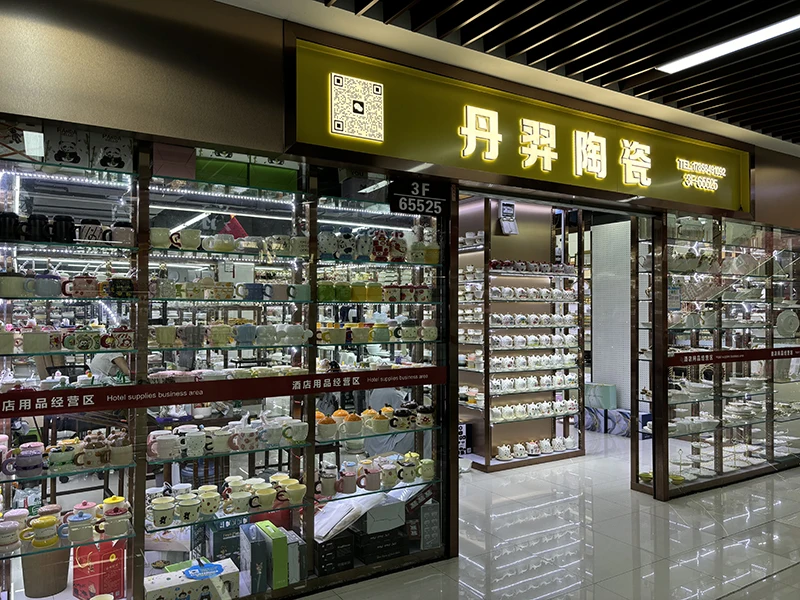
Yiwu Danyi Import And Export Co., Ltd.
- Trading Company
- Zhejiang, China
- Lead time30 days
- Avg. response≤ 4h
Main productsTableware,Coffee Cup
Main marketsCentral America(100.0%), Northern Europe(100.0%), Domestic Market(100.0%), South Asia(100.0%), Africa(100.0%), Eastern Europe(100.0%), Southern Europe(100.0%), North America(40.0%), Western Europe(20.0%), Mid East(15.0%), Oceania(10.0%), Eastern Asia(5.0%), Southeast Asia(5.0%), South America(5.0%)

Rollin Porcelain Industrial Co., Ltd.
- Verified by BV
- Manufacturer/Factory
- China Guangdong
- Lead time45 days
- Avg. response≤ 7h
Main productsPorcelain Dinnerware, Tableware, Dinner Set, Dinner Plate, Hotel and Restaurant Tableware, Bone China, Cutlery, Glassware, Ceramic Plate, Porcelain
Main marketsEastern Europe,Mid East,North America,Southeast Asia,Eastern Asia,Oceania,Western Europe

Changsha Sofly Industry Co.,Ltd
- Verified by BV
- Trading Company
- China Hunan
- Lead time15 days
- Avg. response≤ 6h
Main productsPower Bank, Digital Luggage Scale, USB Flash Drive, LED Light, LED, Mobile Battery Charger, USB Stick, USB 2.0 USB 3.0, Digital Hanging Portable Scale, Digital Scale
Main marketsEurope
Hangzhou Qianghua Cup Industry Co., Ltd.
- Verified by TüVRheinland
- Manufacturer, Trading Company
- Lead time15 days
- Avg. response≤ 2h
Main productsCeramic Mug, Glass Cup, Water Bottle, Thermos Series, Stylish Vase
Main marketsNorth America(25%), Eastern Europe(15%), South America(10%)
Shenzhen Tao Hui Industrial Co., Ltd.
- Verified by TüVRheinland
- Manufacturer, Trading Company
- Lead time60 days
Main productsPorcelain Products
Main marketsWestern Europe(30%), North America(20%), Southeast Asia(10%)
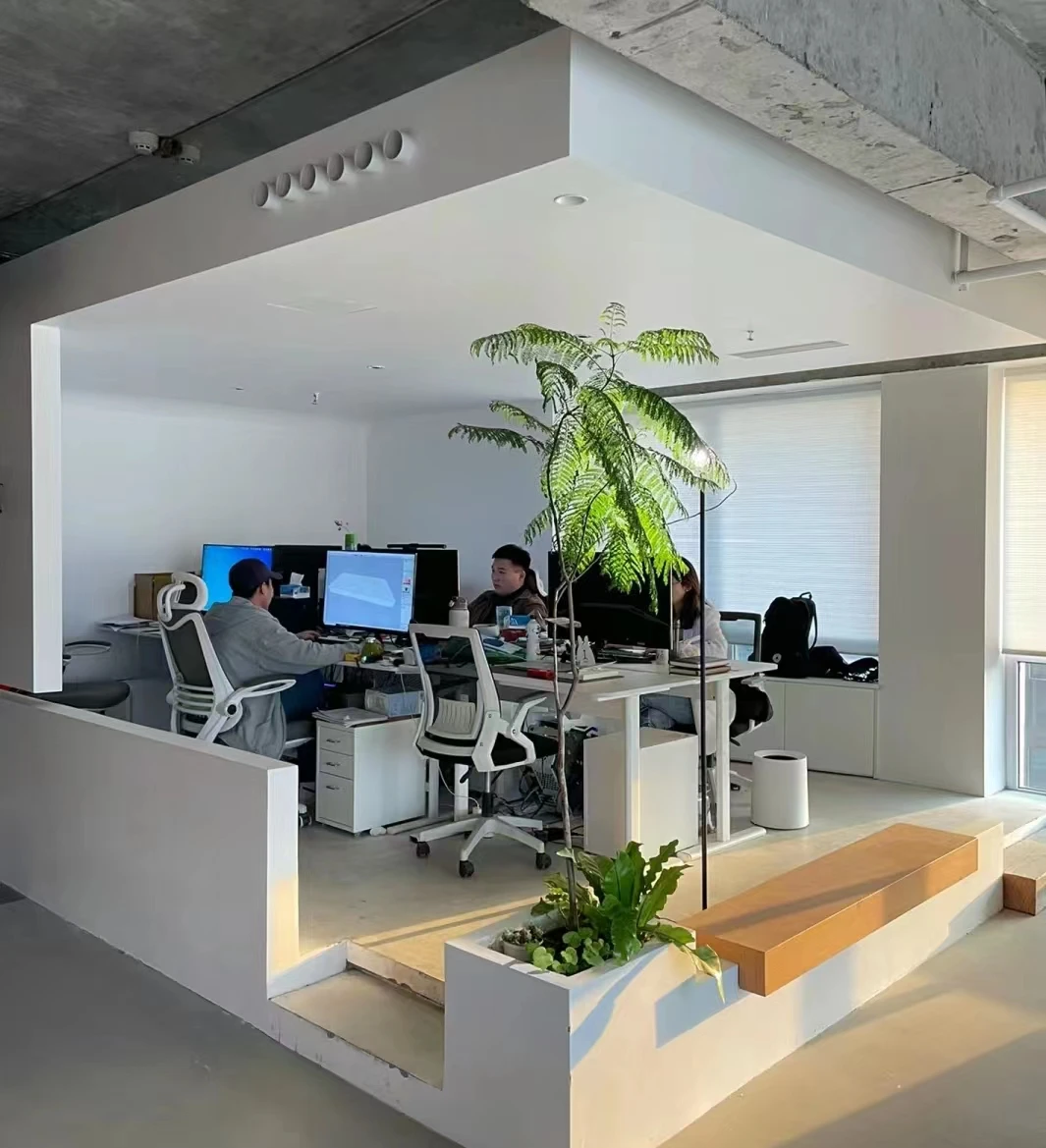
Suzhou Dajiatong International Trade Co., Ltd.
- Trading Company
- Jiang Su, China
- Lead time35 days
- Avg. response≤ 2h
Main productsglassware,ceramic mug,whiskey glass,glass water bottle,glassjar
Main marketsNorth America(40.0%), Western Europe(26.0%), South America(5.0%), Northern Europe(5.0%), Southeast Asia(5.0%), Eastern Europe(5.0%), Southern Europe(4.0%), Central America(2.0%), Domestic Market(2.0%), South Asia(2.0%), Oceania(1.0%), Eastern Asia(1.0%), Mid East(1.0%), Africa(1.0%)
Shenzhen Guyun Ceramics Co., Ltd.
- Manufacturer, Trading Company, Distributor/Wholesaler
- Guangdong, China
- Lead time30 days
- Avg. response≤ 3h
Main productsceramic vase,ceramic pot,ceramic tableware,ceramic mug,ceramic wine bottle
Main marketsNorth America(20.0%), Southeast Asia(10.0%), Mid East(10.0%), Western Europe(10.0%), Central America(10.0%), Northern Europe(10.0%), Southern Europe(10.0%), South America(5.0%), Eastern Europe(5.0%), Eastern Asia(5.0%), South Asia(5.0%)
Shenzhen Baoan District Xixiang Cheng Shun Ceramics Factory
- Manufacturer, Distributor/Wholesaler
- Guangdong, China
- Lead time50 days
- Avg. response≤ 7h
Main productsNew bone china,tea set,coffee set,seasoning pot,high-temperature ceramics
Main marketsMid East(53.0%), South Asia(15.0%), North America(8.0%), Eastern Asia(5.0%), Southeast Asia(5.0%), Domestic Market(4.0%), Eastern Europe(3.0%), Oceania(1.0%), South America(1.0%), Southern Europe(1.0%), Northern Europe(1.0%), Central America(1.0%), Western Europe(1.0%), Africa(1.0%)


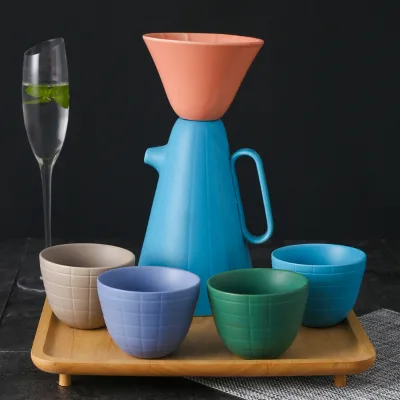











Comprehensive Sourcing Guide
European Matte Ceramic Tea Set Supplier Concentration and Factory Types
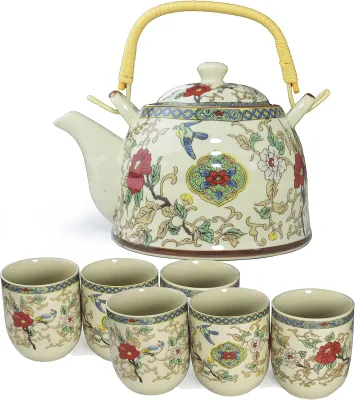
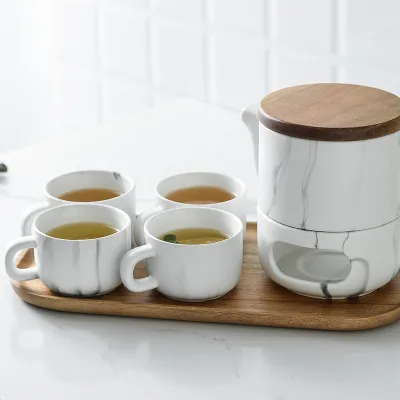
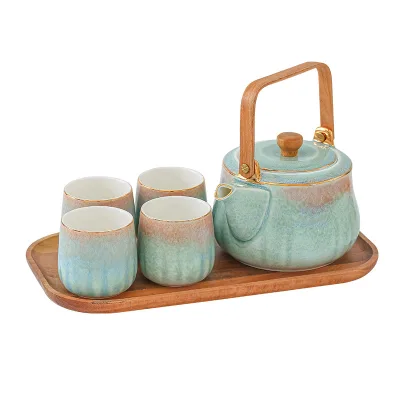
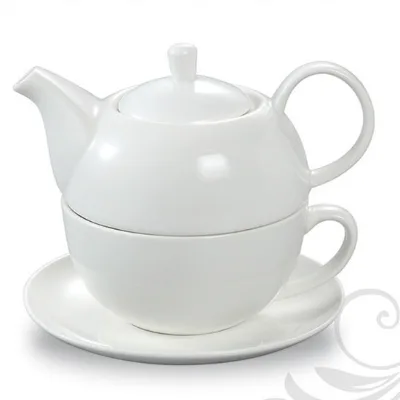
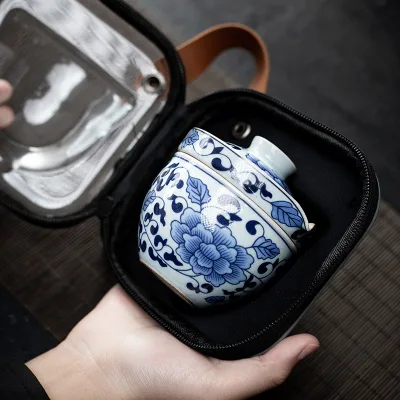
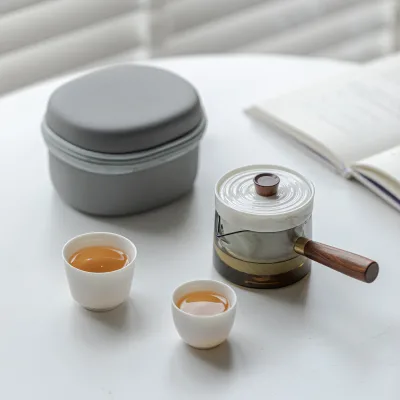
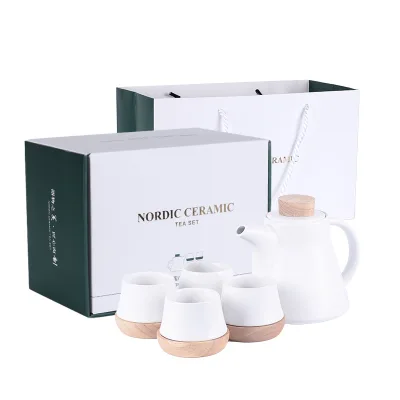
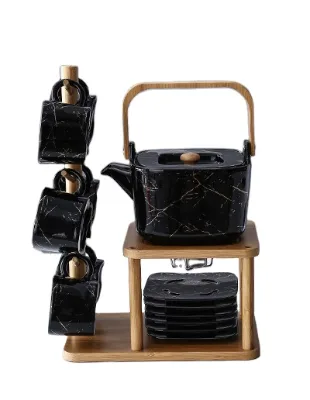
Current data indicates that suppliers for European matte ceramic tea sets are concentrated in specific regions, with verified results pointing to manufacturing hubs in Hunan and Guangdong provinces within China. These locations are significant because they host a mix of trading companies and manufacturers capable of producing the required ceramic and porcelain goods. Some suppliers in these areas specialize in dinnerware and tea sets, offering a range of products from standard ceramic mugs to specialized tea pots with bamboo trays. The presence of both trading companies and manufacturers suggests a layered supply chain where some entities handle direct production while others manage logistics and sales. Buyers should look for suppliers explicitly stating their company type to understand whether they are dealing with the factory floor or an intermediary.
When evaluating the concentration of these suppliers, it is crucial to distinguish between those offering stock items and those providing customized solutions. The observed product attributes reveal that some suppliers offer OEM samples and accept customized designs, while others focus on stocked, non-customized inventory. This distinction affects the sourcing strategy significantly, as buyers seeking unique matte finishes or specific European styles must prioritize suppliers with demonstrated customization capabilities. The data shows that certain manufacturers in Liling, Hunan, and Guangdong are equipped for light customization and graphic processing, which is essential for creating distinct European-style matte finishes. Buyers should verify the specific location of the factory to ensure it aligns with their quality expectations and logistical needs, rather than assuming all ceramic suppliers operate from the same cluster.
How to Verify European Matte Ceramic Tea Set Suppliers
Verification of suppliers for European matte ceramic tea sets requires a rigorous check of their certification status and third-party audit results. The available data highlights that some suppliers hold certifications from recognized bodies such as TÜV Rheinland and Intertek, which serve as critical indicators of quality and compliance. These certifications often cover safety standards like CE/EU, FDA, LFGB, and CIQ, ensuring that the ceramic materials used are safe for food contact and meet European regulatory requirements. Buyers must confirm that the specific supplier they are engaging has these active verifications, as the presence of a certification on one product line does not guarantee it applies to all items or future orders. Relying on these third-party validations helps mitigate the risk of sourcing substandard materials that could fail in the target market.
Beyond certifications, buyers should assess the supplier's response time and verification history to gauge their reliability and operational efficiency. The observed response times vary, with some suppliers demonstrating a rapid 1.00-day response while others take up to six days. A faster response time often correlates with better communication channels and a more agile supply chain, which is vital when dealing with custom matte finishes that may require quick adjustments. Additionally, checking the supplier's establishment year and capacity for sample processing provides insight into their experience level. Suppliers offering OEM samples and having a track record of handling customized orders are generally more reliable for complex requests. Buyers should request proof of these credentials directly from the supplier to ensure the information is current and applicable to their specific order requirements.
What to Compare Across European Matte Ceramic Tea Set Suppliers
Comparing suppliers for European matte ceramic tea sets involves analyzing key operational metrics such as lead times, minimum order quantities, and pricing structures. The data reveals significant variation in lead times, ranging from 45 days to 60 days, which directly impacts inventory planning and delivery schedules. Buyers must carefully evaluate these timelines against their own sales cycles to avoid stockouts or overstocking situations. Similarly, minimum order quantities (MOQ) differ widely, with some suppliers requiring as few as 1000 sets while others demand 3000 pieces or more. Understanding these thresholds is essential for determining the financial feasibility of an order, especially for smaller buyers or those testing new product lines. A lower MOQ might be preferable for initial market entry, whereas higher volumes could unlock better unit pricing.
Pricing and payment terms are another critical dimension for comparison, as they vary based on the complexity of the design and the material used. The observed price ranges for ceramic tea sets span from approximately $0.50 to $14.00 per unit, depending on the specific product features and customization level. Buyers should compare these prices against the stated certifications and material quality to ensure they are receiving value for money. Payment terms also vary, with options including TT, DP at sight, LC at sight, and Western Union. Selecting the right payment method can influence cash flow and risk management. Additionally, comparing the main products offered by each supplier helps identify those with a broader range of complementary items, which can simplify the sourcing process. Buyers should create a comparison matrix to visualize these differences and make an informed decision based on their specific business needs.
Common European Matte Ceramic Tea Set Sourcing Risks
One of the primary risks in sourcing European matte ceramic tea sets is the potential mismatch between the advertised product features and the actual delivered goods. The data indicates that while some suppliers offer customized designs and specific matte finishes, others may only provide standard stock items. This discrepancy can lead to significant delays and additional costs if the buyer discovers the product does not meet their aesthetic or functional requirements upon arrival. To mitigate this risk, buyers should insist on receiving physical samples before placing a bulk order, ensuring that the matte texture, color, and overall design match the European style they intend to sell. Verifying the sample against the product specifications provided in the listing is a crucial step in quality assurance.
Another significant risk involves the variability in production capacity and the ability to meet delivery deadlines. The observed lead times of 45 to 60 days suggest that production schedules can be tight, and any disruption in the supply chain could result in missed delivery windows. Buyers should assess the supplier's capacity for handling large orders and their history of meeting deadlines. Suppliers with a proven track record of handling customized orders and maintaining consistent quality are less likely to face production bottlenecks. Furthermore, the risk of non-compliance with European safety standards is a concern if the supplier's certifications are not up to date or if the products are not tested for the specific markets they are intended for. Buyers must ensure that the supplier's certifications cover the specific regions where the tea sets will be sold to avoid legal and reputational issues.
European Matte Ceramic Tea Set Regional Sourcing and Logistics
Regional sourcing for European matte ceramic tea sets is heavily influenced by the location of the manufacturing hubs, which are primarily concentrated in Hunan and Guangdong provinces in China. These regions offer a robust infrastructure for ceramic production, with access to raw materials and specialized labor. However, the logistics of transporting these fragile items from these inland or coastal regions to European markets require careful planning. Buyers should consider the shipping routes and the potential for damage during transit, as ceramic tea sets are prone to breakage. Selecting a supplier with experience in international shipping and packaging can help minimize these risks. The data shows that some suppliers offer specific packaging solutions, such as cartons designed to protect the contents, which is essential for maintaining product integrity.
Logistics planning also involves understanding the lead times associated with different regions and the impact of customs clearance. Suppliers in Guangdong may have easier access to major ports, potentially reducing shipping times compared to those in inland Hunan. Buyers should factor in these logistical differences when calculating the total cost of ownership and delivery timelines. Additionally, the distance between the supplier and the destination market can affect the overall cost of freight and insurance. It is advisable to work with suppliers who have established relationships with freight forwarders and can provide accurate shipping estimates. By understanding the regional logistics landscape, buyers can optimize their supply chain to ensure timely and cost-effective delivery of European matte ceramic tea sets to their customers.
European Matte Ceramic Tea Set Commercial Terms and Order Planning
Commercial terms for European matte ceramic tea sets vary significantly depending on the supplier's size, location, and the complexity of the order. The data indicates that payment terms can include TT, DP at sight, LC at sight, and Western Union, each carrying different levels of risk and financial implications for the buyer. Buyers should negotiate terms that align with their cash flow and risk tolerance, ensuring that they have sufficient leverage to enforce quality standards and delivery schedules. Additionally, the minimum order quantities (MOQ) play a crucial role in order planning, as they determine the initial investment required. Buyers must balance the need for a sufficient stock level with the financial constraints of their business, considering that some suppliers require orders of 1000 sets while others demand 3000 pieces.
Order planning also involves coordinating with the supplier to ensure that the production timeline aligns with the buyer's sales strategy. The observed lead times of 45 to 60 days mean that buyers must place orders well in advance to avoid stockouts. It is essential to establish a clear communication channel with the supplier to track production progress and address any potential issues promptly. Buyers should also consider the sample time, which can range from 7 to 15 days, and factor this into their overall timeline. By carefully planning the order process and maintaining open communication, buyers can ensure a smooth transaction and successful delivery of European matte ceramic tea sets. This proactive approach helps mitigate risks and ensures that the final product meets the buyer's expectations and market demands.
FAQs
What certifications do the ceramic tea sets hold?
Many ceramic tea sets carry CE/EU, FDA, LFGB, CIQ, and EEC certifications to ensure safety and compliance. These standards verify that materials are safe for food contact and meet international quality requirements. Buyers should confirm specific certificates match their target market regulations before placing orders.
What is the typical lead time for production?
Production lead times generally range from 45 to 60 days depending on order volume and customization needs. Some suppliers offer faster turnaround for stock items, while custom designs may require the full duration. Always verify the exact delivery schedule with the supplier before finalizing payment terms.
What is the minimum order quantity for these sets?
Minimum order quantities vary significantly, with some suppliers requiring 1000 pieces while others set the bar at 3000 pieces. Specific product lines may have different thresholds, such as 1200 pieces for certain tea sets. Buyers must check the MOQ for each specific item to ensure it fits their budget.
Are custom designs and logos available for these sets?
Customization is widely available, including custom logos, shapes, and design styles for many ceramic tea sets. Suppliers often accept OEM and ODM requests to tailor products to specific brand needs. However, some stock items may be non-customized, so confirming customization options is essential before ordering.
Where are these ceramic tea sets manufactured?
Manufacturing locations include Hunan, Guangdong, and other regions in China, with specific origins like Liling noted for certain products. The place of origin affects shipping logistics and potential tariffs. Buyers should verify the exact production location to ensure it aligns with their sourcing strategy and supply chain requirements.
What payment terms are accepted by suppliers?
Common payment terms include TT, DP at Sight, LC at Sight, and Western Union for securing transactions. These methods provide flexibility for different buyer preferences and risk management strategies. It is advisable to discuss and agree on specific payment conditions with the supplier prior to initiating the manufacturing process.
Do suppliers offer samples for quality verification?
Yes, many suppliers offer OEM samples to allow buyers to verify quality before committing to large orders. Sample times typically range from 7 to 15 days, depending on the complexity of the design. Buyers should request samples early to ensure the product meets their aesthetic and functional standards.