Euro Vi Mini SUV Suppliers and Manufacturers
Source 27 suppliers for Euro Vi Mini SUV vehicles. Compare response times, lead times, and pricing to find the right partner. Verify specifications and negotiate terms directly with manufacturers and trading companies; review the available evidence before requesting comparable quotations from suitable candidates.
Suppliers List
Zhengzhou Dongfeng Mid-South Enterprise Co., Ltd.
- Manufacturer, Trading Company
- Lead time旺季: "1 - 1":20,"2 - 5":25,"> 5":"To be negotiated", 淡季: "1 - 1":20,"2 - 5":25,"> 5":"To be negotiated"
- Avg. response≤ 6h
Main productsNew and used truck , New and used bus, Spare parts for vehicle, Construction and engineer machine
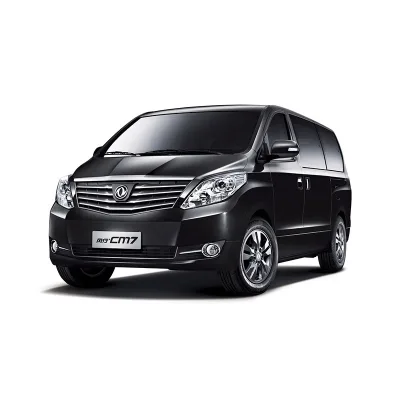
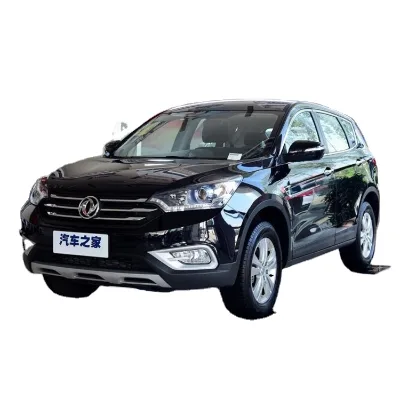
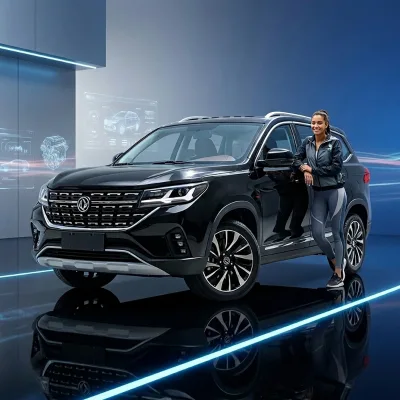
New Brand China Dongfeng Chinese Car Ev Automobile Brands Aeolus AX7 Car Suv
$10000.00 - $11550.00
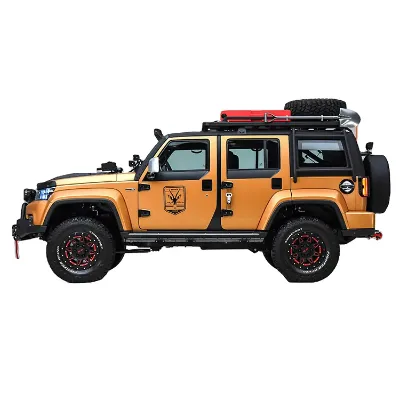
Chinese SUV Cars 5 Seats Cars SUV Gas Powered Off Road Vehicles Cars
$18900.00 - $19700.00
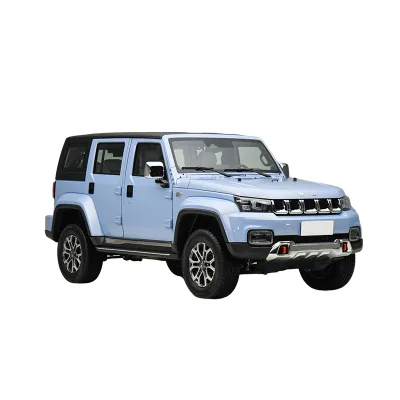
Chinese Left Hand Drive New off Road Vehicle 4x4 Manual SUV Off-road Car for Adults
$21900.00 - $22700.00
Henan Tarzan Heavy Industry Group Co., Ltd.
- Manufacturer, Trading Company
- Lead time旺季: "1 - 1":30,"> 1":"To be negotiated", 淡季: "1 - 1":30,"> 1":"To be negotiated"
- Avg. response≤ 5h
Main productsExcavator, Loader, Bulldozer, Road Roller, Truck Crane
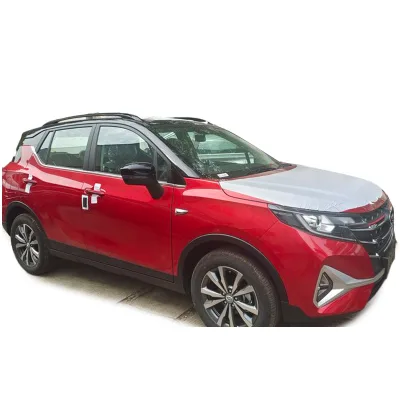
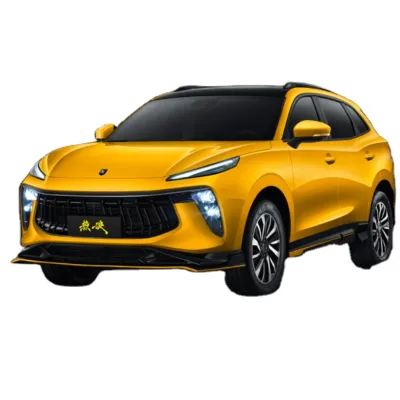
Brand New Cars Left Hand Drive Best Selling Luxury SUV
$10670.00 - $11640.00
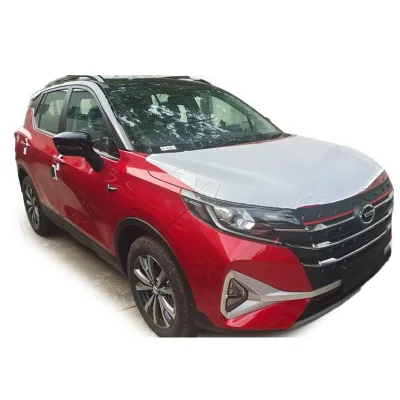
2024 Popular China Suv diesel Luxury Suv Cars Suv Used Car for Sale
$10780.00 - $12740.00
Taizhou Jiechi Automobile Sales Co., Ltd.
- Trading Company
- China Jiangsu
- Lead time0 days
- Avg. response≤ 3h
Main productsGeely Auto, Chery Auto, Used Car, SUV Car, New Car, Electric Car, EV Car, Second Hand Car, Electric Vehicle, Used Electric Car

Chelian Guomao (Yunnan) Co., Ltd.
- Trading Company
- Yunnan, China
- Lead time20 days
- Avg. response≤ 4h
Main productscar,New Energy Vehicles,Passenger Cars,Chinese Automobile,Used Cars
Main marketsNorthern Europe(10.00%), South Asia(10.00%), Western Europe(10.00%), Eastern Asia(10.00%), Mid East(10.00%), Africa(10.00%), Southeast Asia(10.00%), South America(10.00%), Southern Europe(10.00%), Central America(5.00%), North America(5.00%)
Tianjin Yijie Automobile Sales Co., Ltd.
- Verified by Intertek
- Trading Company
- Lead time10 days
- Avg. response≤ 2h
Main productsNew Energy Vehicles, New Cars, Used Cars
Main marketsEastern Europe(40%), Mid East(20%), Southeast Asia(10%)
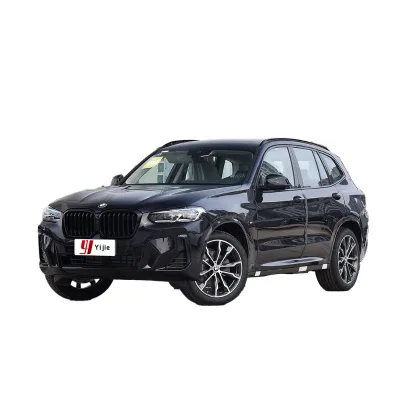
$55000.00 - $56000.00
MOQ: 2 sets
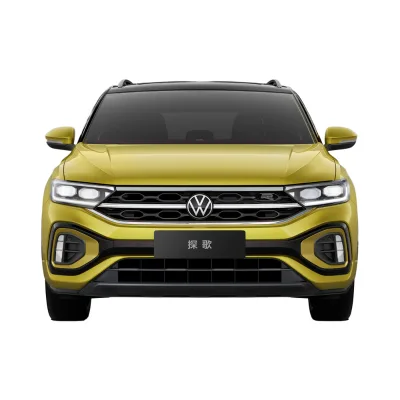
$15500.00 - $18400.00
MOQ: 3 Minimum
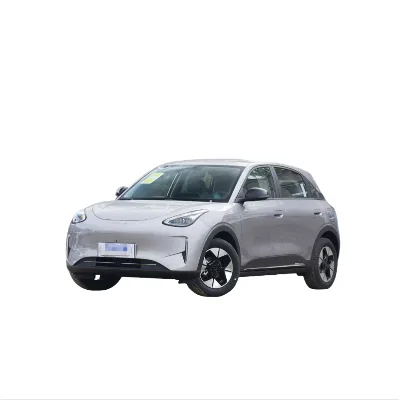
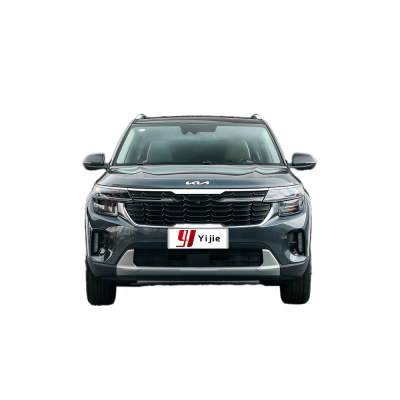
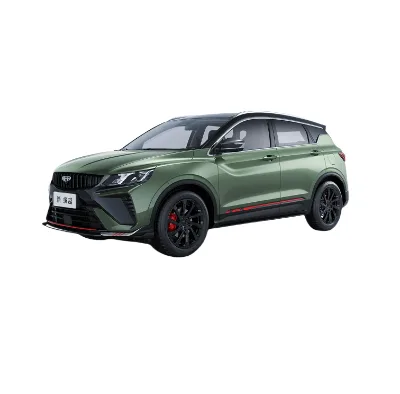
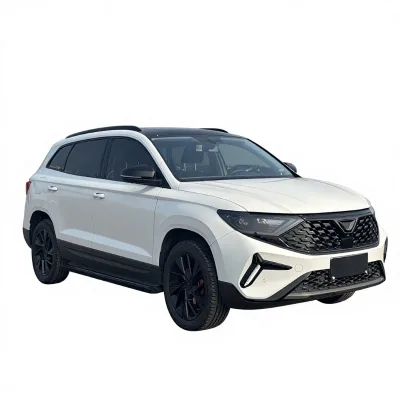

Fujian Century Sea Group Co., Ltd.
- Verified by TUVRHEINLAND
- Trading Company,Manufacturer/Factory
- China Fujian
- Lead time0 days
- Avg. response≤ 7h
Main productsElectric SUV, Gasoline SUV, Electric Car, Gasoline Car, Electric MPV, Mini Car, Electric Truck, Cold Room, Solar Cold Room, Ice Machine
Main marketsSouth America,Eastern Europe,Mid East,North America,Southeast Asia,Eastern Asia,Oceania,Western Europe,Africa


Electric Technology Small SUV Compact Advanced Safety Mini Eco-Friendly Pure Electric Subcompact
$3700.00 - $5700.00
MOQ: 1 sets


South East Motor Import & Export Co., Limited
- Trading Company,Manufacturer/Factory,Group Corporation
- China Chongqing
- Lead time23 days
- Avg. response≤ 12h
Main productsSUV, Truck, Bus, Van, EV Car, Electric Car, Pickup, Automobile, Sedan, Vehicle Spare Parts.
Main marketsSouth America,Eastern Europe,Mid East,Southeast Asia,Eastern Asia,Oceania,Africa


MOQ: 1 Pieces

Tianjin Huichi Tongda International Trade Co., Ltd.
- Verified by BV
- Trading Company
- China Tianjin
- Lead time30 days
- Avg. response≤ 2h
Main marketsDomestic


Low Vibration Gasoline SUV Provide Quiet Comfortable Daily Urban Commute
$45780.00 - $46280.00
MOQ: 1 Pieces

China Factory Rugged Compact Gasoline SUV for Cross-Border Auto Investment Business
$18300.00 - $18600.00
MOQ: 1 Pieces

High-End Craftsmanship Gasoline SUV Create Quiet Relaxed Riding Atmosphere
$18300.00 - $18600.00
MOQ: 1 Pieces


Dongfeng Liuzhou Motor Co., Ltd.
- Verified by SGS
- Combined
- China Guangxi
- Lead time30 days
- Avg. response≤ 5h
Main productsCars Engines and Auto Parts
Main marketsSouth America,Others(foreignTradeCapacity.exportBusinessCapacityMarketOther),North America

$10300.00 - $11500.00
MOQ: 1 units

New Gasoline Chinese SUV with High Quality Design and Manual/Auto Transmission
$10300.00 - $11500.00
MOQ: 1 units

$10300.00 - $11500.00
MOQ: 1 units

$10300.00 - $11500.00
MOQ: 1 units

- Verified by Intertek
- Trading Company
- Lead time20 days
- Avg. response≤ 2h
Main productsPickup Truck, Tank Trailer, Dump Truck, Tow Truck, Cargo Truck
Main marketsSouth America(25%), Africa(25%), Mid East(25%)
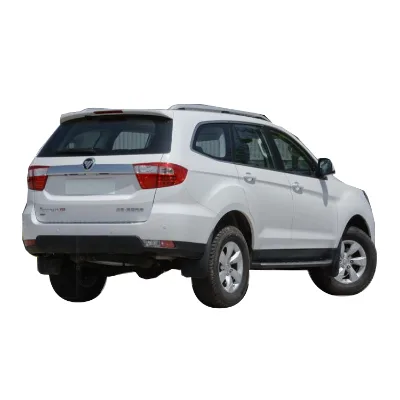
Foton Suv Cars Autos Suv with Euro IV with Voitures Good Design and Strong Body Made in China
$14239.60 - $14445.97
MOQ: 1 units
Global Machinery Hub Co., Ltd.
- Verified by SGS Group
- Trading Company
- Lead time0 days
- Avg. response≤ 4h
Main productsConstruction Machinery, Car
Main marketsAfrica(30%), Southeast Asia(20%), Eastern Europe(10%)
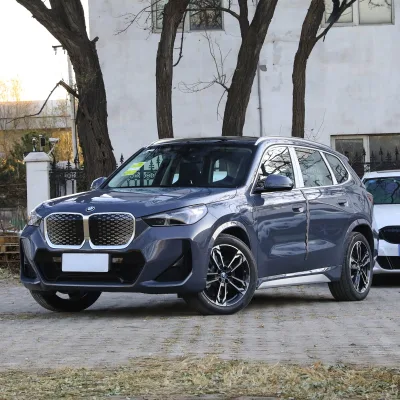
$25770.00 - $26470.00
MOQ: 1 sets
$6000.00 - $8000.00
MOQ: 1 pieces
Guangzhou Anhua Automobile Trade Co., Ltd.
- Verified by Intertek
- Trading Company
- Lead time15 days
- Avg. response≤ 6h
Main productsUsed Car
Main marketsAfrica(80%), Mid East(20%)
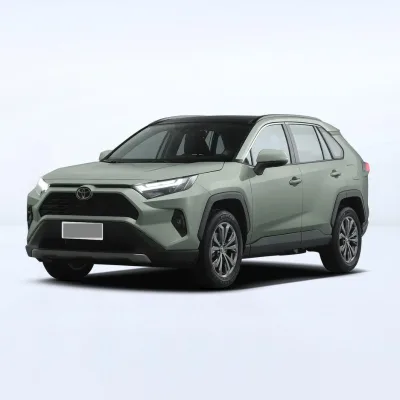
New Enhanced Safety Features Off-Road Suspension for for Automatic Left Steering R18 Tires SUV
$21497.40 - $23004.00
MOQ: 1 units
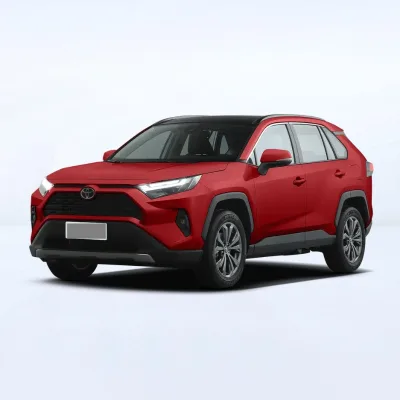
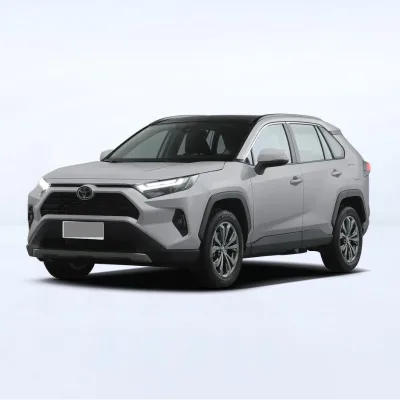
Robust Off-Road Capabilities with Dynamic Torque Management 4WD R.AV4 Gasoline Cars
$15019.02 - $21962.34
Inner Mongolia Hefit Automobile Co., Ltd.
- Verified by Intertek
- Manufacturer, Trading Company
- Inner Mongolia, China
- Lead time0 days
- Avg. response≤ 6h
Main productsAero Massage Seat, New Car, Used Car, New Energy Vehicle
Main marketsAfrica(80%), Mid East(10%), Western Europe(10%)
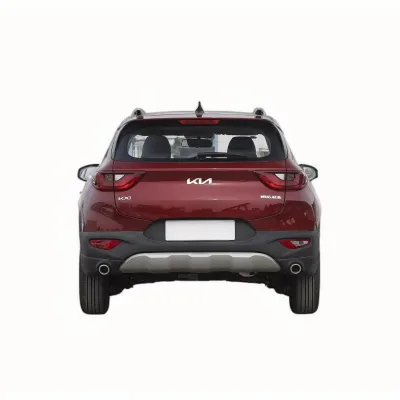
$7208.07 - $7414.01
MOQ: 1 units
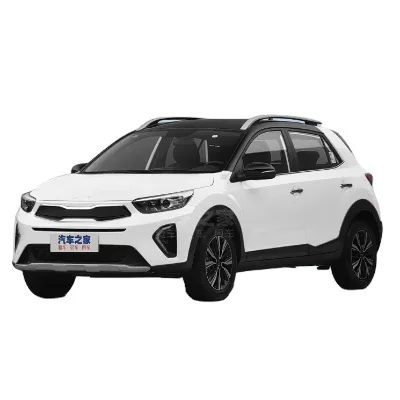
Dongfeng Liuzhou Motor Co., Ltd.
- Manufacturer, Trading Company
- Lead time旺季: "1 - 1":31,"2 - 10":45,"11 - 50":60,"> 50":"To be negotiated", 淡季: "1 - 1":31,"2 - 10":45,"11 - 50":60,"> 50":"To be negotiated"
- Avg. response≤ 2h
Main productsCommercial Vehicle, Passenger Vehicle
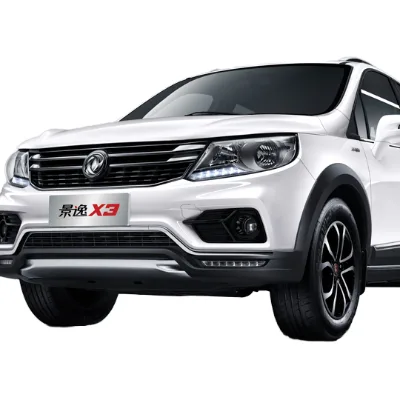
$9000.00 - $9800.00
MOQ: 1 units
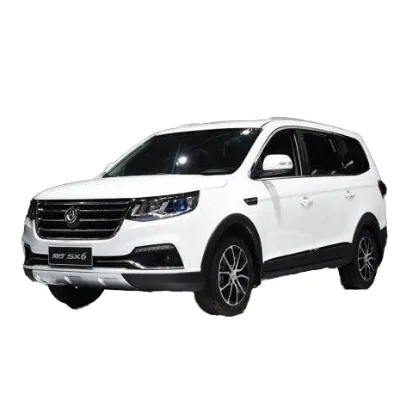
$10000.00 - $12000.00
MOQ: 1 units
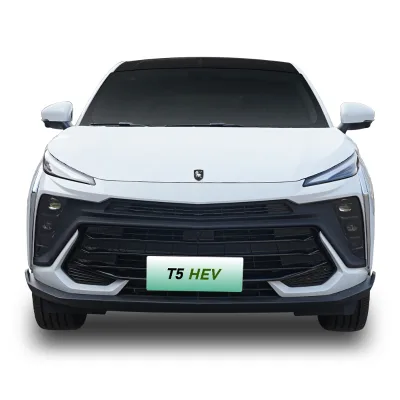
$19416.98 - $21256.48
MOQ: 3 units
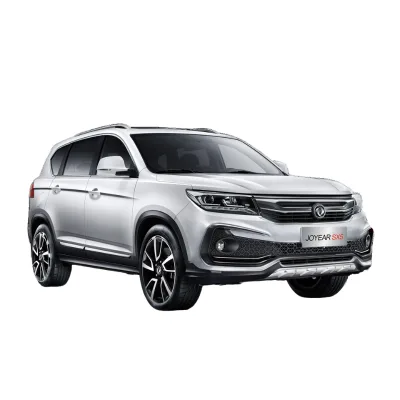
$12000.00 - $15000.00
MOQ: 1 units

Ningbo Yongtaiyun Automobile Trading Co., Ltd.
- Verified by TUVRHEINLAND
- Trading Company
- China Zhejiang
- Lead time30 days
- Avg. response≤ 16h
Main productsanimal husbandry feed, peanuts, and mung beans
Main marketsAfrica,Southeast Asia/ Mideast

Guangzhou Anhua Auto-Trading Co., Ltd.
- Verified by SGS
- Trading Company
- China Guangdong
- Lead time15 days
- Avg. response≤ 4h
Main productsCar, Used Car, Electric Car, Gasoline Car, Hybrid Electric Vehicle
Main marketsDomestic

Hr-V Trendy SUV Vehicles for Youth Smart Connectivity Gasoline Petrol Cars
$10100.00 - $15700.00
MOQ: 1 Pieces

German Engineered V. O. L. K. S. W. a. G. E. N B. O. R. a Cars Offering Compact Efficiency
$13000.00 - $16000.00
MOQ: 1 unit

$13000.00 - $16000.00
MOQ: 1 unit


Wuxi Lierhong Precision Machinery Co., Ltd
- Verified by TUVRHEINLAND
- Combined
- China Jiangsu
- Lead time45 days
- Avg. response≤ 4h
Main productsAC Compressor, Car Compressor, Auto Compressor, Clutch
Main marketsSoutheast Asia/ Mideast
Foshan Baoyue Outbound Automotive Technology Co., Ltd.
- Verified by Intertek
- Trading Company
- Lead time15 days
- Avg. response≤ 5h
Main productsNew Energy Used Car, Used Fuel Truck, Auto Parts
Main marketsSouth America(20%), Southeast Asia(20%), Africa(20%)
$20466.94 - $21864.34
MOQ: 1 units
Hunan Fuda Machinery Trade Co., Ltd.
- Trading Company
- Hunan, China
- Lead time30 days
- Avg. response≤ 6h
Main productssuv,pickup,electric car,cargo trucks,cars
Main marketsAfrica(50.00%), Mid East(20.00%), Southeast Asia(10.00%), Central America(10.00%), South America(5.00%), Eastern Asia(5.00%)
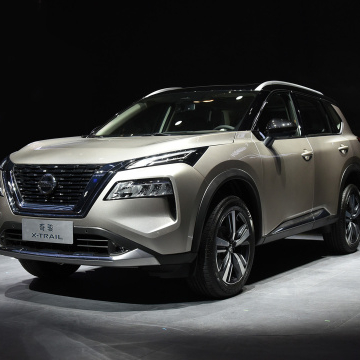
High Quality China SUV Cars Left Driving Luxury SUV for Family Use with CVT Transmission
$30000.00 - $36000.00
MOQ: 1 units
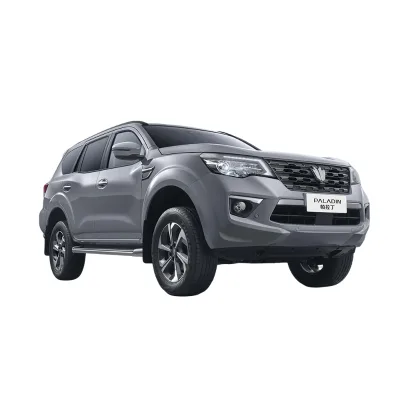
$19500.00 - $20700.00
MOQ: 1 Minimum

Beijing EFON Technology Co., Ltd.
- Verified by SGS
- Trading Company
- China Beijing
- Lead time60 days
- Avg. response≤ 14h
Main productsCommercaial Vehicle, EV Truck, Ice Truck, Pickup Truck, Van, Construction Machinery, Sanitation Vehicle, Pickup Truck Prats, Self-Research Parts, Epto
Main marketsEurope

Space Maximizing SUV: Compact Design with Fuel Efficient Performance
$15000.00 - $18000.00
MOQ: 1 Unit


Efficient Compact SUV: Exceptional Fuel Efficiency and Spacious Interior
$15000.00 - $18000.00
MOQ: 1 Unit


Chongqing Lanlan Automobile Sales Co., Ltd.
- Verified by Intertek
- Trading Company
- Lead time0 days
- Avg. response≤ 4h
Main productsUsed Cars, Used New Energy Vehicles
Main marketsDomestic Market(80%), Eastern Europe(10%), Mid East(10%)
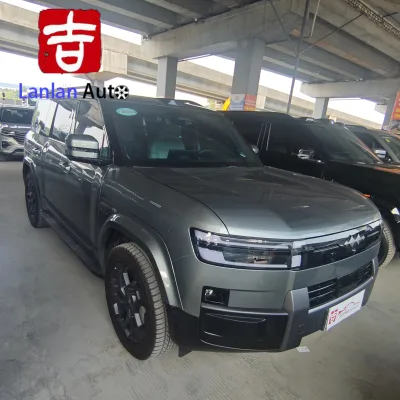
2025 Used Hybrid SUV Automatic Turbo Ti 7 Euro VI R20 Aluminium Alloy
$26000.00 - $28000.00
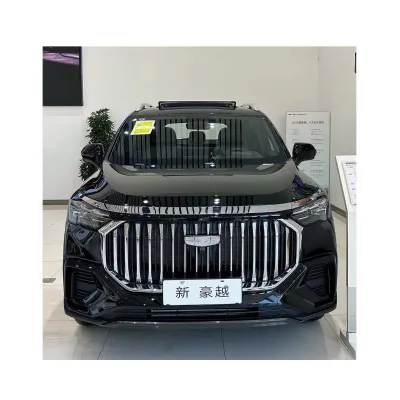
2023 Brand New for Haoyue L 2.0T Turbo Automatic Luxury Left Hand Drive Midsize SUV
$13000.00 - $15000.00

Qingdao Yuanhe Chelian New Energy Vehicle Service Co., Ltd.
- Verified by SGS
- Trading Company
- China Shandong
- Lead time30 days
- Avg. response≤ 5h
Main productsAuto Parts, Byd Electrical Car, Mercedes Smart #1 Electric Car, Byd Qin Electric Car, Byd Haiyang Song, Byd Dolphin Electric Car, Byd Han Electric Car, Byd Seal Electric Car, Byd E5 Electric Car, Xpeng Electric Car
Main marketsSouth America,Southeast Asia/ Mideast,Domestic
Fenghui (Wuhan) Automobile Sales and Service Co., Ltd.
- Trading Company
- Hubei, China
- Lead time3 days
- Avg. response≤ 3h
Main productsPassenger Car, Commercial Car, Trucks, Special Vehicle, Cross-country Vehicle
Main marketsMid East(25.20%), Africa(18.00%), Southeast Asia(18.00%), Oceania(8.00%), South Asia(8.00%), Eastern Asia(6.00%), South America(5.00%), Southern Europe(3.00%), Central America(3.00%), Western Europe(3.00%), Domestic Market(1.00%), Eastern Europe(0.80%), North America(0.50%), Northern Europe(0.50%)
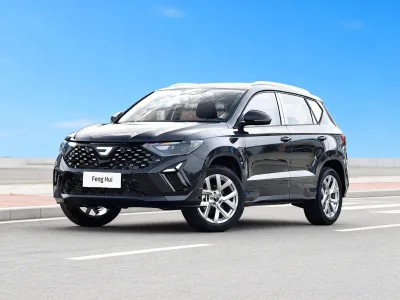
$14078.03 - $14386.31
MOQ: 1 sets
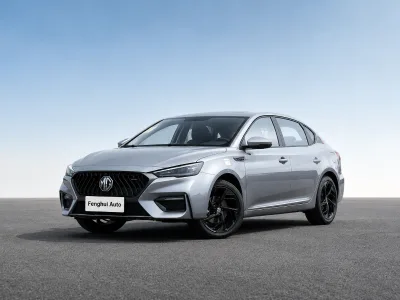
Used 2024 MG6 Gasoline SUV 1.5T Left Steering Used Car Ready to Export
$13000.00 - $13600.00
Qingdao Csd Auto And Equipment Co., Ltd.
- Verified by Intertek
- Manufacturer, Trading Company
- Lead time0 days
- Avg. response≤ 4h
Main productsSemi Trailer
Main marketsMid East(30%), Eastern Europe(20%), Western Europe(20%)
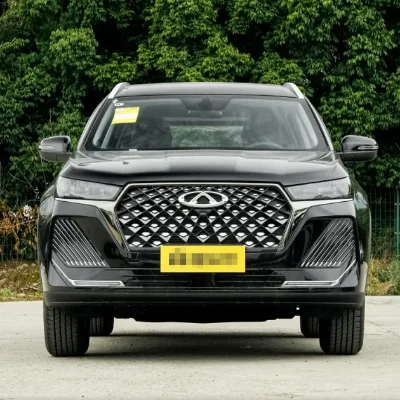
$25351.41 - $29442.00
MOQ: 1 units
Chizhong (chongqing) Imp. And Exp. Co., Ltd.
- Verified by Intertek
- Trading Company
- Lead time20 days
- Avg. response≤ 7h
Main productsMini Trucks, Mini Vans, New Energy Vehicles, Gasoline Vehicles, Auto Spare Parts
Main marketsMid East(30%), Africa(20%), South America(10%)
Xiamen Aecoauto Technology Co., Ltd.
- Verified by SGS Group
- Trading Company
- Lead time15 days
- Avg. response≤ 3h
Main productsElectric Car, Used Car, EV Charger, Charing Station, Spare Parts
Main marketsSouth America(40%), Eastern Europe(30%), Mid East(20%)

Shandong Tiaochecar Information Technology Co., Ltd.
- Verified by CTI
- Trading Company
- China Shandong
- Lead time15 days
- Avg. response≤ 1h
Main productsCargo Truck, Tractor Truck, Van, Pickup Truck, Dump Truck, Tanker Truck, Water Truck, Mixer Truck, Refrigerated Truck
Main marketsAfrica,Southeast Asia/ Mideast,North America

Bulk Stock Hengtian 4.6L V8 4WD SUV for Desert Outdoor off-Road Export
$11000.00 - $11999.00
MOQ: 1 Pieces

Brand New Hengtian Luxury 4WD off Road SUV Abundant Stock for Export
$11000.00 - $11999.00
MOQ: 1 Pieces

Chinese V8 off-Road SUV LC200 Style Inspired New Cars Ready to Ship
$11000.00 - $11999.00
MOQ: 1 Pieces




Comprehensive Sourcing Guide
Euro Vi Mini SUV Supplier Concentration and Factory Types
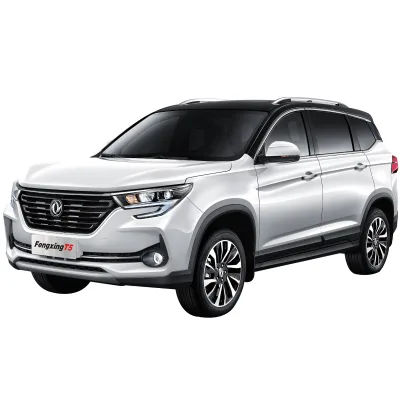
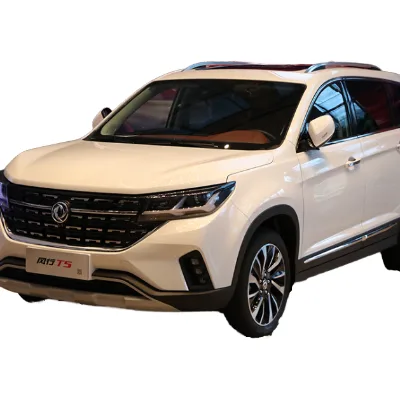
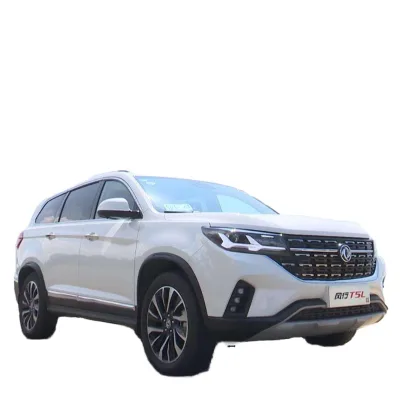
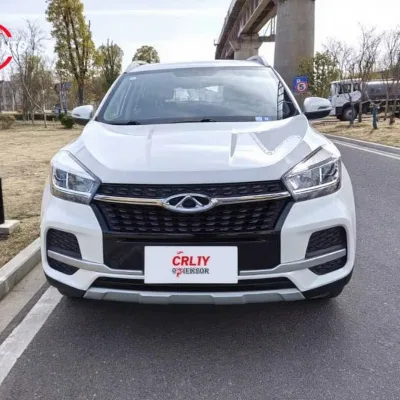
The current supplier landscape for Euro VI Mini SUVs includes a mix of manufacturers and trading companies, each offering distinct advantages for buyers seeking specific vehicle configurations. Some suppliers list main products that span new and used trucks, buses, and construction machinery, while others focus exclusively on passenger vehicles like the Geely Coolray or Dongfeng Fengxing models. This diversity suggests that buyers may encounter factories with varying production capabilities, ranging from dedicated automotive assembly lines to broader trading operations that aggregate inventory from multiple sources. The presence of both entity types indicates that the market is not dominated by a single factory cluster, but rather distributed across different operational models.
When evaluating supplier concentration, buyers should note that specific locations such as Jiangsu and Yunnan in China have been identified in current results, though these are not exhaustive of all potential manufacturing hubs. Without a definitive list of all active factories, it is prudent to verify the physical location of each supplier before committing to a partnership. Some suppliers may operate from industrial zones in Jiangsu, while others might be based in Yunnan, affecting logistics and local regulatory compliance. Buyers must confirm whether a supplier is a direct manufacturer or a trading company, as this distinction impacts the ability to customize vehicles and the transparency of the supply chain. Understanding this mix helps in selecting partners who align with specific project requirements for volume and customization.
How to Verify Euro Vi Mini SUV Suppliers
Verification of Euro Vi Mini SUV suppliers requires a rigorous check of their operational credentials and product evidence to ensure authenticity and compliance. Buyers should examine the specific product attributes listed, such as the model type, fuel system, and emission standards, to confirm they match the Euro VI requirement. For instance, some listings explicitly mention Euro VI standards alongside specific models like the Binyue Cool, while others may lack detailed emission data. It is essential to request official certification documents or test reports that validate the emission claims, as these are critical for market entry in regions with strict environmental regulations. Relying solely on product titles or keywords without supporting documentation can lead to significant compliance risks.
In addition to product verification, buyers must assess the supplier's response time and communication reliability as indicators of their operational maturity. Current data shows response times ranging from approximately 3 to 6 hours, which can vary significantly between different suppliers. A faster response time often correlates with a more active sales team and better customer service, which is crucial for resolving technical queries or negotiating terms. Buyers should also verify the supplier's establishment year and business history to gauge their stability and experience in the automotive sector. If a supplier cannot provide clear answers regarding their history or lacks a verifiable track record, it may be safer to explore other options. This due diligence ensures that the chosen partner is capable of delivering high-quality vehicles that meet international standards.
What to Compare Across Euro Vi Mini SUV Suppliers
Comparing suppliers for Euro VI Mini SUVs involves analyzing key operational metrics such as lead times, minimum order quantities, and pricing structures to find the best fit for the project. Lead times can vary significantly, with some suppliers offering 20 days during peak seasons and others negotiating timelines based on order volume. For smaller orders, some suppliers may have a lead time of 20 days, while larger quantities might require negotiation. Buyers should also pay close attention to the minimum order quantity (MOQ), which can range from a single unit to larger batches depending on the supplier's policy. Understanding these variables helps in planning inventory and managing cash flow effectively.
Pricing is another critical factor, with observed ranges varying from approximately $4,000 to over $22,000 depending on the model and specifications. Some listings show prices as low as $4,021 for basic models, while others reach up to $22,700 for more advanced configurations. Buyers must compare these figures against the specific features offered, such as transmission type, seating capacity, and body style. Additionally, the supplier's main product focus should be considered; those specializing in new energy vehicles or specific brands like Geely may offer better value for those specific segments. By systematically comparing these attributes, buyers can identify suppliers that offer the optimal balance of cost, quality, and delivery speed for their specific needs.
Common Euro Vi Mini SUV Sourcing Risks
Sourcing Euro VI Mini SUVs carries inherent risks related to product authenticity, compliance, and supply chain reliability that buyers must actively manage. One significant risk is the potential mismatch between advertised emission standards and actual vehicle specifications, especially when suppliers list a wide range of products including used cars and heavy machinery. Buyers should be cautious of suppliers who do not provide clear evidence of Euro VI compliance, as this could lead to rejection by local authorities or costly retrofits. The presence of used vehicles in some listings further complicates the verification process, as the condition and history of these vehicles may not be fully disclosed.
Another risk involves the variability in lead times and the potential for delays during peak seasons, which can disrupt project timelines. Some suppliers indicate that lead times for orders exceeding a certain threshold are "to be negotiated," creating uncertainty in delivery schedules. This ambiguity can be problematic for buyers with strict delivery deadlines or those operating in markets with seasonal demand fluctuations. Additionally, the lack of standardized pricing across different suppliers can lead to unexpected costs if not carefully negotiated. Buyers should mitigate these risks by establishing clear contractual terms, requesting detailed production schedules, and verifying the supplier's ability to meet specific delivery windows before finalizing any agreements.
Euro Vi Mini SUV Regional Sourcing and Logistics
Regional sourcing for Euro VI Mini SUVs is influenced by the geographic distribution of suppliers, with specific locations like Jiangsu and Yunnan in China emerging as key hubs. These regions may offer logistical advantages due to their proximity to major ports and industrial infrastructure, facilitating efficient export operations. However, the absence of a comprehensive list of all manufacturing clusters means buyers must verify the specific location of each supplier to understand the logistics implications. Suppliers based in different provinces may have varying access to transportation networks, which can impact shipping costs and delivery times.
Logistics planning should also account for the specific requirements of exporting vehicles, including customs documentation, insurance, and freight forwarding arrangements. Buyers need to ensure that the supplier can handle the necessary export procedures and provide all required documentation for international shipping. The distance between the supplier's location and the destination port can significantly affect the overall cost and lead time. For instance, suppliers in Yunnan may have different logistical challenges compared to those in Jiangsu, depending on the proximity to major shipping lanes. By carefully evaluating the regional logistics capabilities of each supplier, buyers can optimize their supply chain and minimize potential delays or additional costs associated with transportation.
Euro Vi Mini SUV Commercial Terms and Order Planning
Commercial terms for Euro Vi Mini SUV orders often include specific conditions regarding payment, delivery, and after-sales support that buyers must carefully review. Lead times can vary from 20 days for smaller orders to negotiated periods for larger quantities, requiring precise planning to align with project schedules. Buyers should clarify the payment terms, including any deposits or milestones, and ensure they are comfortable with the financial obligations before proceeding. Additionally, the minimum order quantity (MOQ) can range from a single unit to larger batches, influencing the overall cost structure and inventory management strategy.
Order planning should also consider the potential for price fluctuations and the need for flexibility in case of supply chain disruptions. Some suppliers may offer competitive pricing for bulk orders, while others might have fixed rates that do not allow for negotiation. Buyers should establish a clear understanding of the pricing structure and any potential additional costs, such as shipping or customs duties. Furthermore, the supplier's ability to provide after-sales support, including warranty and maintenance services, is crucial for long-term success. By thoroughly reviewing and negotiating these commercial terms, buyers can secure a favorable agreement that supports their business objectives and minimizes financial risks.
FAQs
What is the price range for Euro VI mini SUVs?
Prices for these vehicles typically range from $4,021 to $22,700 depending on specifications. Specific models like the Dongfeng Fengxing T5 start near $4,021, while larger SUVs like the Aeolus AX7 reach $11,550. Buyers should verify exact pricing for their desired configuration and order volume.
What is the minimum order quantity for these vehicles?
The minimum order quantity is generally one unit for most listed suppliers. This allows buyers to test market demand with a single vehicle. Some suppliers may offer bulk wholesale packages for larger orders, but the baseline entry point remains flexible for individual procurement needs.
How long does delivery take for mini SUVs?
Lead times vary by season and order size. During peak seasons, orders of one to five units take approximately 20 to 30 days. Larger orders exceeding five units require negotiation. Off-peak seasons maintain similar 20 to 30-day windows for smaller quantities.
Where are these vehicle suppliers located?
Suppliers are primarily located in China, with specific mentions of Jiangsu and Yunnan provinces. Shanghai is also noted as an origin point for certain models. Buyers should confirm the exact shipping location to understand logistics costs and import regulations for their specific destination country.
How quickly do suppliers respond to inquiries?
Response times are generally fast, averaging between 3 and 6 hours. Some suppliers respond within 3 hours, while others take up to 6 hours. Quick responses indicate active sales teams ready to assist with specifications, pricing, and shipping arrangements for international buyers.
What fuel types are available for these SUVs?
Both gasoline and electric options are available. Models like the Binyue Cool run on gasoline with Euro 6 standards. Other listings include electric vehicles and new energy options. Buyers should specify their preference for fuel type to ensure compatibility with local infrastructure and regulations.